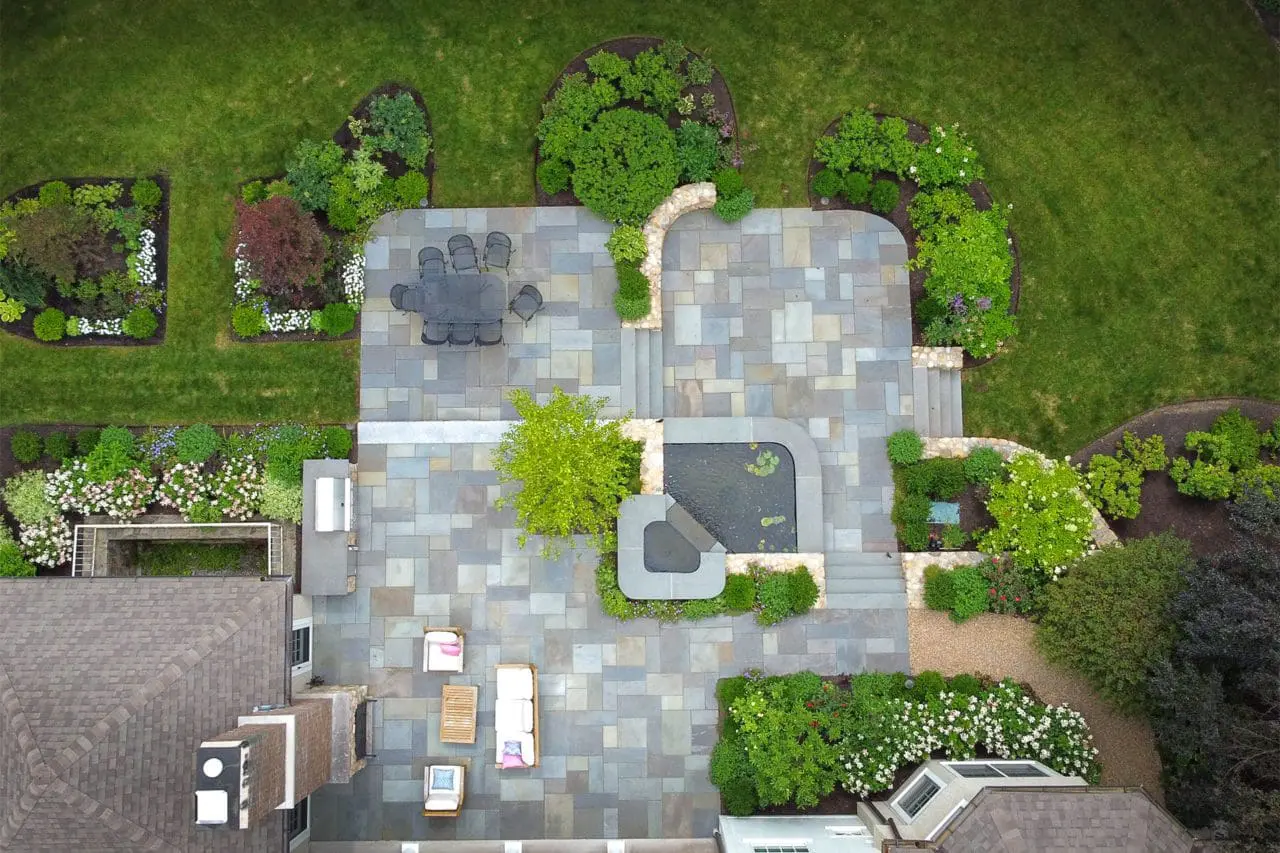
Stone walls and steps do far more than manage grade changes or connect different levels of a property. When designed and built well, they establish structure, guide movement, frame views, and create a sense of permanence that few other landscape elements can match. For residential homeowners, especially those investing in long-term improvements, stonework often becomes the backbone of the entire outdoor environment.
This article takes a closer look at stone walls and steps from a landscape design and construction perspective. We will explore materials, construction methods, drainage, seasonal performance in cold climates, and the design decisions that separate enduring masonry from work that struggles after a few winters. The goal is to give homeowners the knowledge they need to make informed decisions and to understand what to look for when selecting a landscape design and installation partner.
Key Takeaways
- Outdoor dining should be designed as part of the overall landscape
- Proportion and scale matter as much as square footage
- Climate-appropriate materials extend longevity
- Comfort and privacy drive consistent use
The Role of Stone Walls and Steps in Residential Landscape Design
In residential landscapes, stone walls and steps serve both practical and aesthetic purposes. Functionally, they address changes in elevation, stabilize slopes, and create safe transitions between outdoor spaces. Visually, they define outdoor rooms, provide structure for planting designs, and help anchor a home to its surroundings.
Well-placed stonework can make a sloped property feel intentional rather than challenging. A series of steps can slow the pace of movement through a garden, encouraging people to experience the landscape instead of passing through it quickly. Retaining walls can frame lawns, terraces, and planting beds, giving the entire property a sense of order and balance.
Poorly designed stonework, on the other hand, can feel abrupt, out of scale, or disconnected from the architecture. Because these elements are permanent and difficult to modify, early design decisions have an outsized impact on the success of the finished landscape.
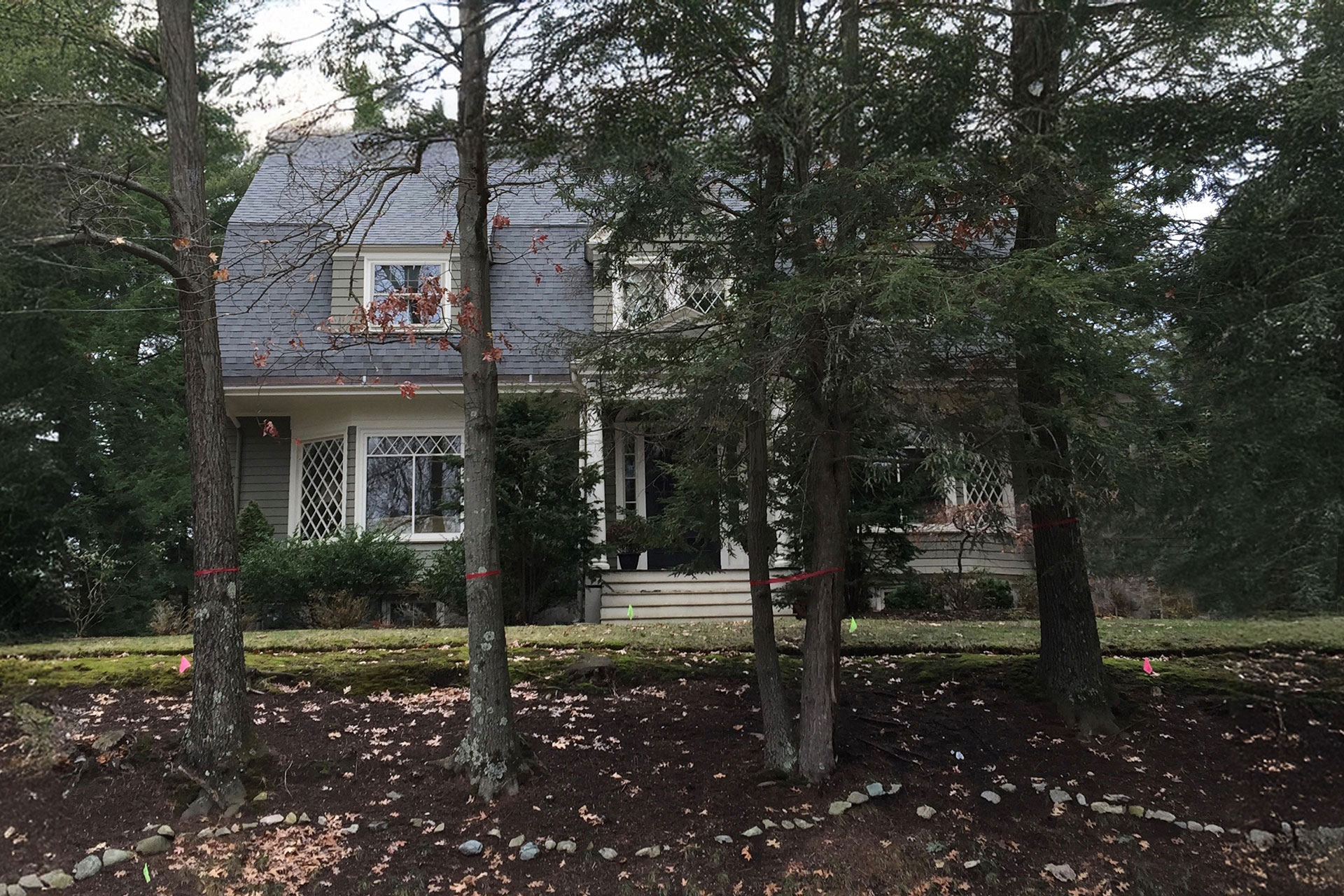
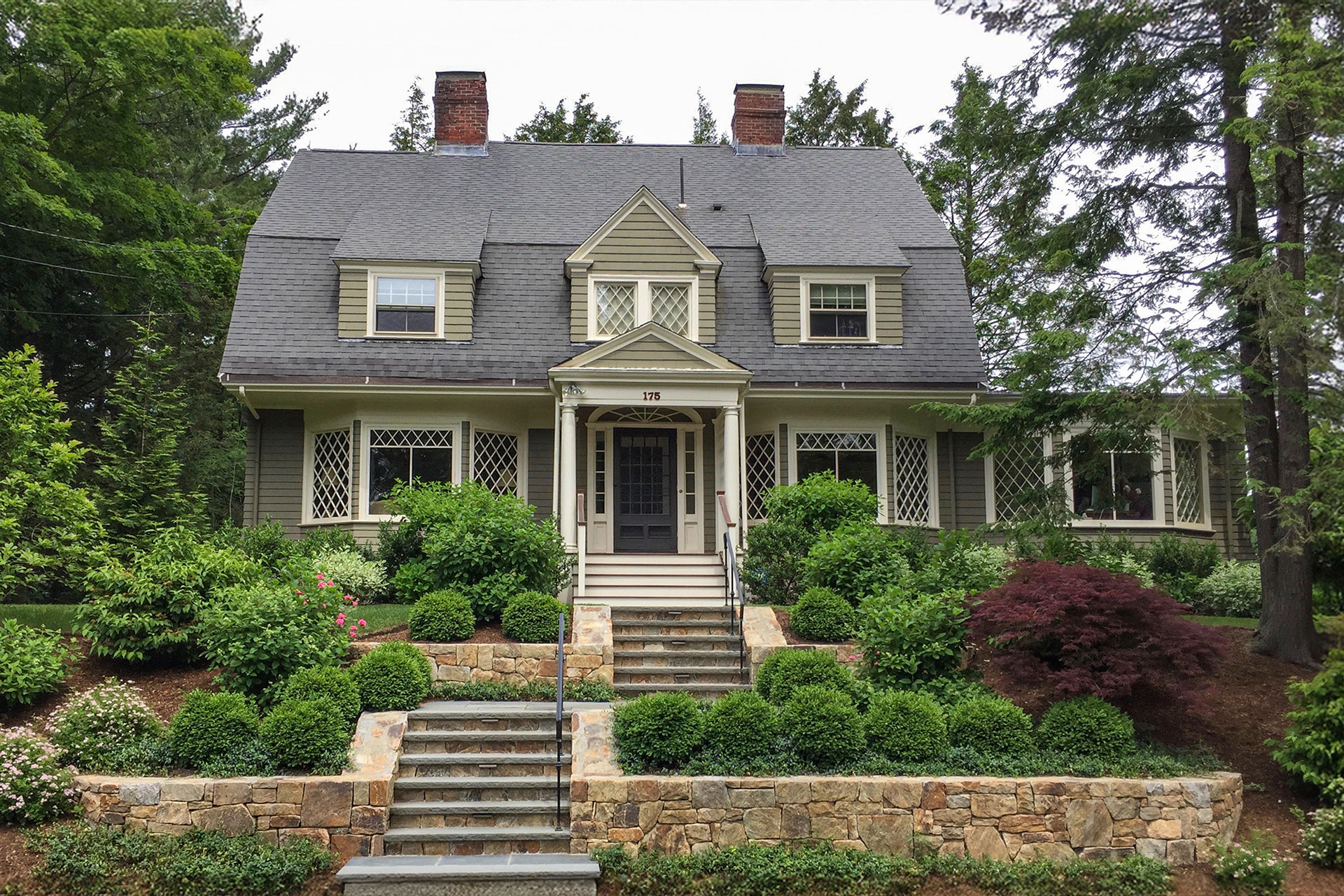
Understanding Stone as a Building Material
Natural Stone Versus Manufactured Alternatives
Natural stone has been used in landscapes for centuries, and for good reason. It offers strength, durability, and visual depth that improves with age. Unlike manufactured products, natural stone does not rely on surface treatments or uniform molds. Its variation in color, texture, and shape allows walls and steps to feel grounded and authentic.
From a performance standpoint, natural stone handles weathering better over time. Minor chips or surface wear tend to blend into the overall character rather than standing out as damage. This makes it particularly well suited for residential landscapes where exposure to the elements is constant.
Common Stone Types Used in Residential Landscapes
Different stone types bring different visual and structural qualities to a project. Some of the most commonly used materials in residential stonework include:
- Granite, valued for its strength, density, and resistance to freeze-thaw cycles
- Fieldstone, often used for more naturalistic walls with irregular shapes and textures
- Bluestone, appreciated for its clean lines and suitability for steps and caps
- Limestone, used selectively where climate and application allow
Choosing the right stone involves more than appearance. Availability, thickness, structural role, and how the stone behaves in a cold climate all factor into the decision.


Construction Methods That Affect Longevity
Dry-Laid Stone Walls
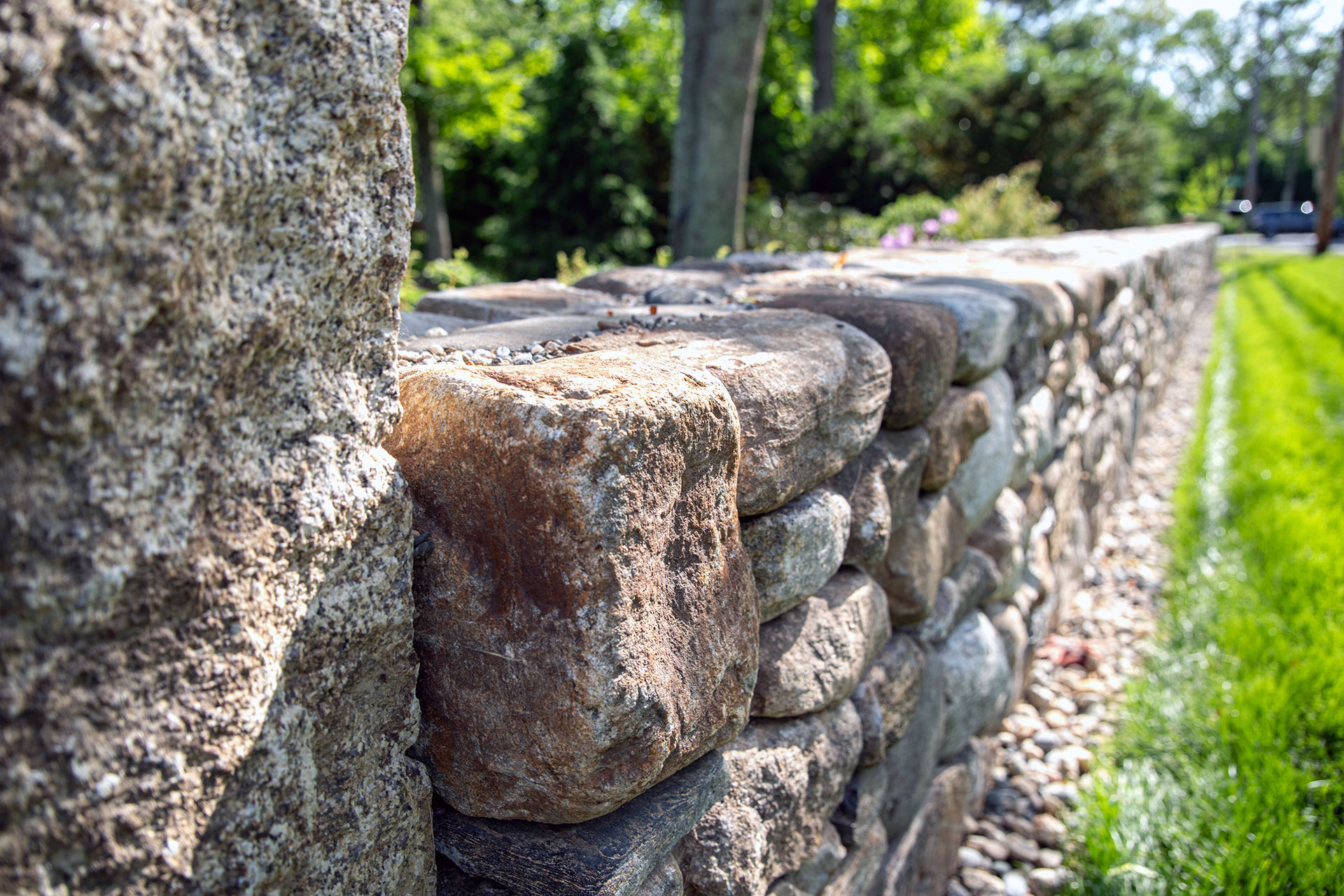
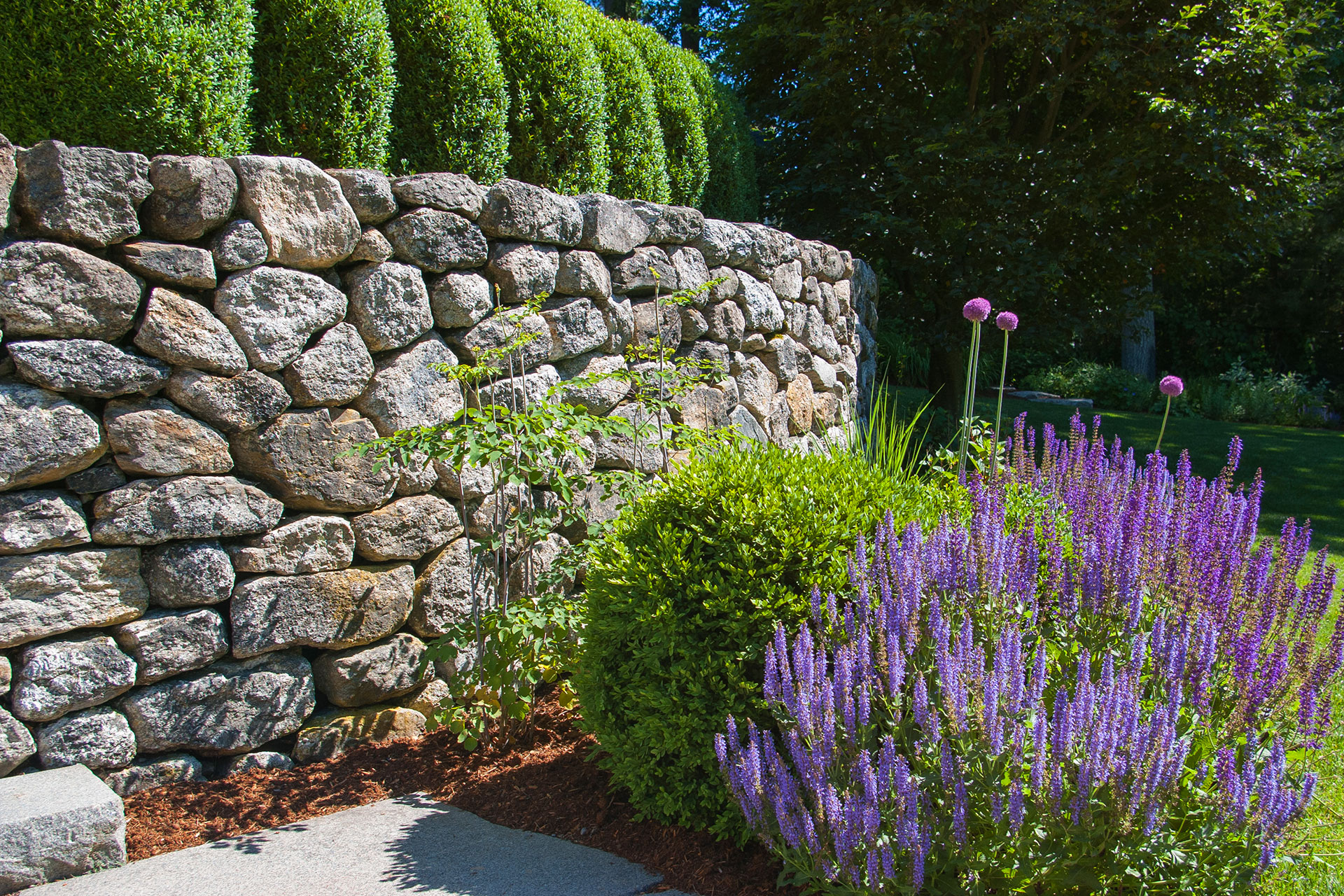
Dry-laid walls are constructed without mortar, relying on gravity, friction, and careful stone placement to remain stable. When built correctly, they offer excellent drainage and flexibility, allowing the wall to shift slightly without failing.
This construction style is well suited for naturalistic landscapes and properties where subtle movement is expected. Proper base preparation and stone selection are essential, as shortcuts quickly lead to bulging or collapse.
Mortared Stone Walls
Mortared walls create a more formal, refined appearance and are often used where crisp lines or vertical faces are desired. These walls depend heavily on proper footings and drainage systems behind the wall. Without them, water pressure and freeze-thaw cycles can cause cracking or failure.
Mortared construction requires skilled masonry and careful detailing. When executed well, it provides strength and visual clarity that complements more architectural homes.
Stone Steps and Stair Construction
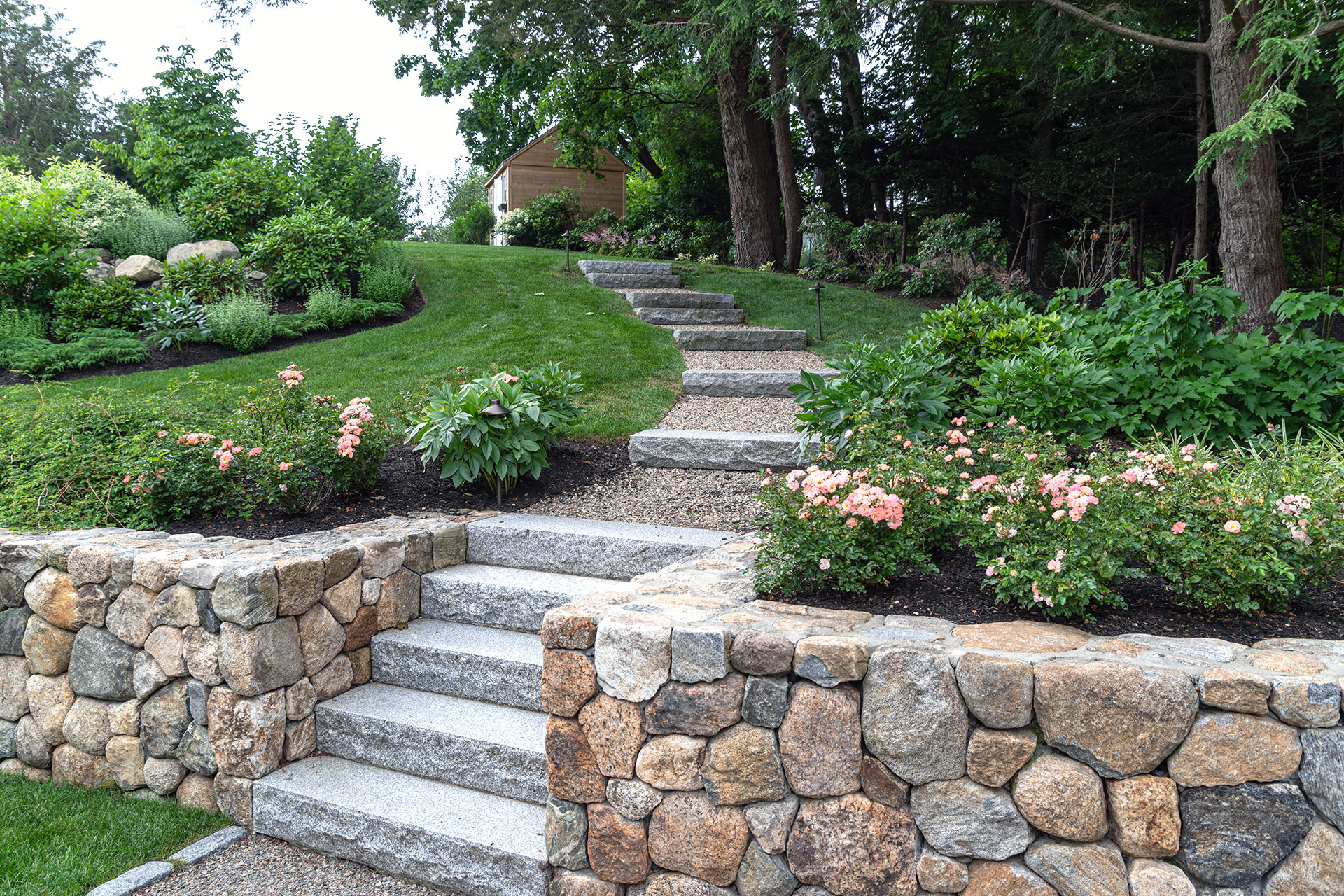
Stone steps demand precision. Consistent riser heights, generous tread depths, and attention to traction all contribute to safety and comfort. Steps that are even slightly inconsistent are noticeable and can feel awkward or unsafe.
The best stone steps appear simple, but that simplicity comes from careful layout, stone selection, and installation. Steps should feel like a natural extension of the landscape, not an obstacle course.
Drainage: The Most Overlooked Factor in Stonework Failure
Drainage is often invisible once a project is complete, but it plays a decisive role in how stone walls and steps perform over time. In cold climates, trapped water expands when it freezes, exerting pressure that can crack mortar, shift stones, or push walls out of alignment.
Proper drainage includes compacted gravel bases, free-draining backfill, and, where appropriate, drainage fabric or collection systems. These details are not optional. They are fundamental to long-term performance, particularly in regions with heavy rainfall and freezing temperatures.
Homeowners should expect their landscape professional to explain how drainage will be handled, not gloss over it.
Placement, Scale, and Proportion
Even the best materials and construction methods cannot compensate for poor placement. Stone walls and steps must respond to both the land and the architecture of the home.
Scale is especially important. Walls that are too tall can feel imposing, while undersized walls may look temporary or out of place. Steps should align with natural walking paths and entry points, creating intuitive circulation rather than forcing movement.
Thoughtful placement also reduces costs by minimizing unnecessary excavation and material use, while improving the overall flow of the landscape.
“Good stonework doesn’t draw attention to itself. When walls and steps feel inevitable, like they belong exactly where they are, that’s usually the result of careful planning and respect for both the land and the material.”
– Jim Douthit, owner, a Blade of Grass
Style Considerations and Visual Language
Stonework communicates a visual language that should feel consistent across the property. A formal home may call for tightly laid stone with clean edges, while a more traditional or rural setting may benefit from irregular stone and softer lines.
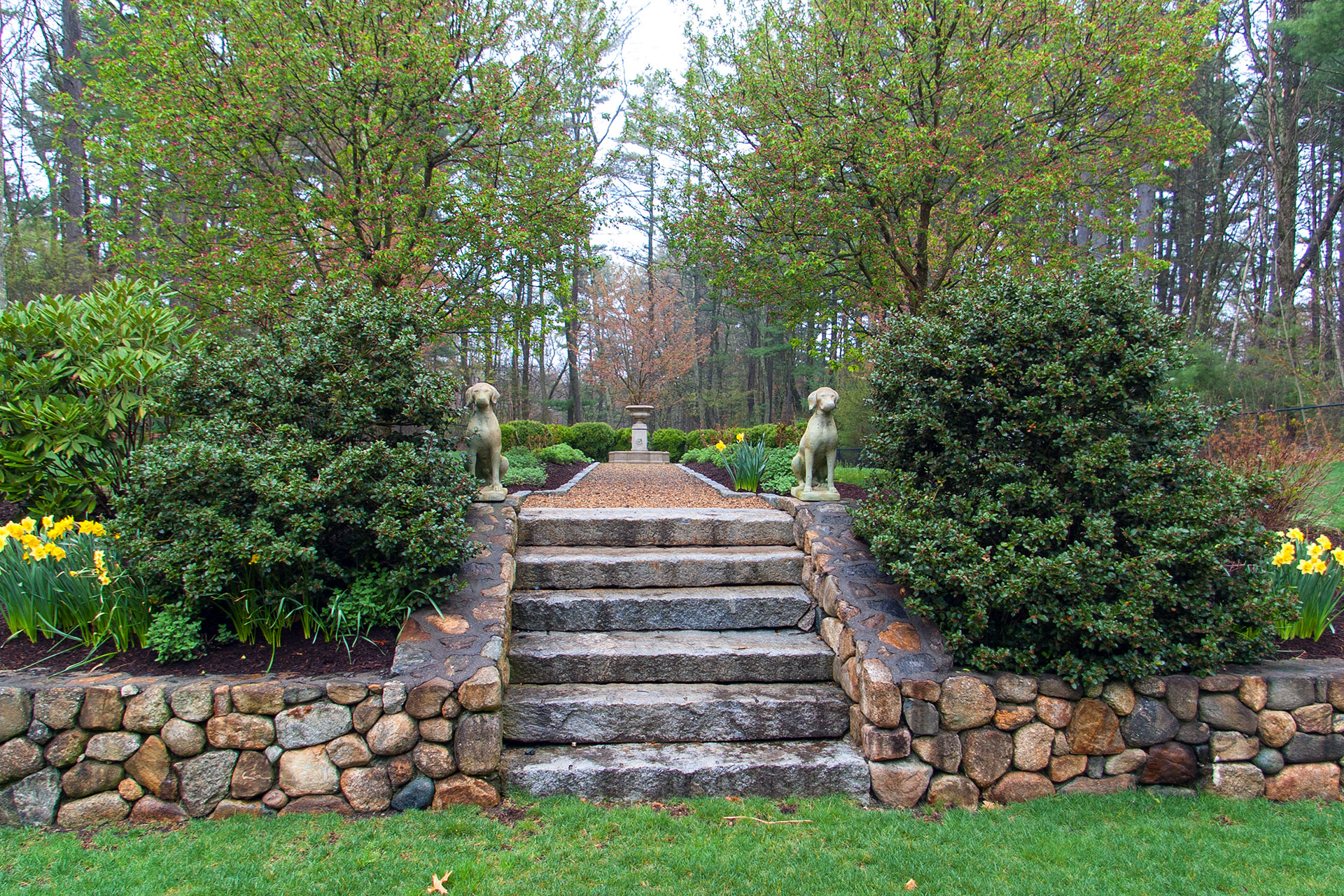
Transitions matter. Walls should relate to steps, steps to terraces, and terraces to planting beds. When each element feels designed in isolation, the landscape loses cohesion. When they work together, the result feels deliberate and complete.

Seasonal Performance and Maintenance Expectations
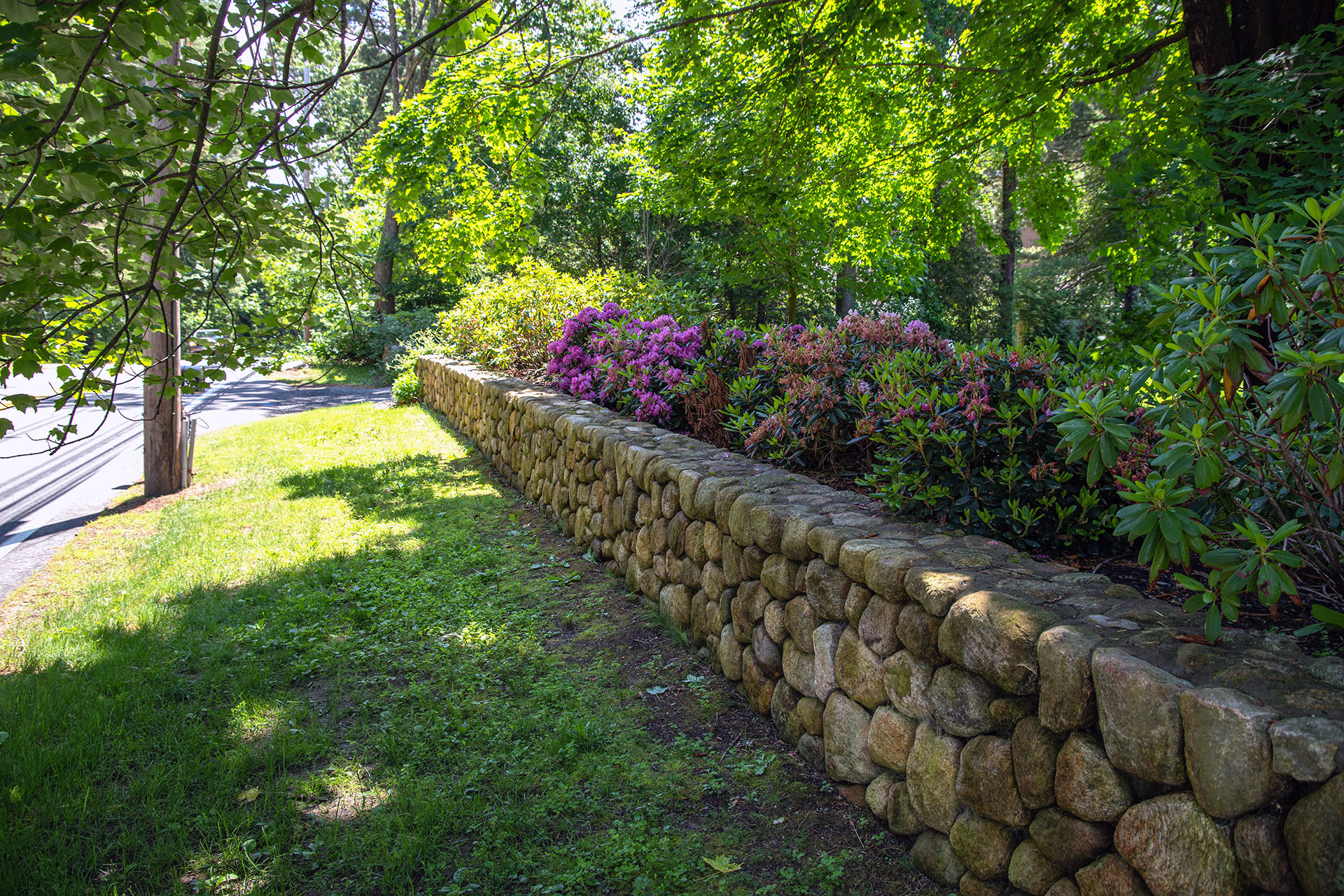
Stone walls and steps are often chosen for their durability, but they still require realistic expectations. In winter, snow removal practices should be considered during design to avoid damage. Over time, natural patina, moss, or lichen may develop, adding character rather than detracting from the stonework.
Routine inspection and occasional maintenance help address minor issues before they become larger problems. A well-built stone structure should age gracefully, not demand constant attention.
The Design-Build Advantage for Stone Walls and Steps
Projects that integrate design and construction under one team tend to achieve better results. Designers who understand how stone is built can create details that translate cleanly into the field. Builders who understand the design intent can make informed decisions when conditions change during construction.
This collaboration reduces compromises, shortens timelines, and leads to stonework that reflects both technical skill and thoughtful design.
Related Blog: Patios, Walkways, and Retaining Walls: Which Hardscaping Features Add the Most Value?
How to Evaluate a Landscape Company for Stonework Projects
Choosing the right partner is as important as choosing the right materials. Homeowners should look for:
- A portfolio showing a range of stone walls and steps
- Clear explanations of construction methods and drainage
- Experience working in cold climates
- Willingness to discuss scale, placement, and long-term performance
- Transparent communication around costs and timelines
Stonework is not an area where experience can be improvised. Skilled masonry is learned over time and refined through practice.
Want to Learn More About Stone Walls and Steps?
For deeper insight into the design, construction, and long-term performance of residential stone walls and steps, these trusted resources provide clear, homeowner-focused guidance grounded in professional practice:
- Residential Hardscape Design (American Society of Landscape Architects): Explains how professionally designed hardscape elements, including stone walls and steps, are integrated into residential landscapes to improve functionality, drainage, safety, and long-term property value.
- Stone Retaining Walls and Masonry Basics (Fine Homebuilding): Offers construction-focused guidance on stone retaining walls and steps, covering foundations, drainage requirements, structural principles, and common mistakes that can shorten lifespan.
- Masonry and Stonework for the Landscape (This Old House): Provides clear, homeowner-accessible explanations of stone wall and step construction, material choices, and best practices, with an emphasis on durability and real-world performance.
- Natural Stone in Residential Landscapes (Landscape Architecture Magazine): Explores how natural stone is selected, detailed, and used in residential landscapes, with insight into aesthetics, sourcing, and the role of stonework in cohesive site design.
Bringing It All Together
Stone walls and steps shape how a residential landscape looks, feels, and functions for decades. They deserve careful thought, skilled execution, and a clear understanding of how design and construction intersect. For homeowners considering this investment, asking the right questions and working with an experienced design-build team can make all the difference.
If you are planning a project that involves stone walls, steps, or other permanent landscape features, the Blade team is here to help. Our approach combines thoughtful design, skilled masonry, and a deep understanding of how stone performs in New England landscapes. Contact us to start a conversation and learn how artful stonework can elevate your property.