When homeowners consider outdoor upgrades, it is easy to focus first on greenery, garden beds, and new plantings. But another side of landscape design often delivers equal, and sometimes greater, long-term impact: hardscaping. Well-designed hardscape features such as patios, walkways, and retaining walls provide structure, usability, and long-term value that planting alone cannot offer.
The right masonry or stonework project can increase curb appeal, expand outdoor living space, improve circulation, and solve functional challenges such as drainage, erosion, or slope management. For Boston-area properties, where freeze-thaw cycles, grading, and material durability all matter, hardscape decisions should be made with both design and performance in mind.
This guide compares patios, walkways, and retaining walls so homeowners can better understand which hardscaping features add the most value and which project may deserve priority on their property.
Key Takeaways
- Patios, walkways, and retaining walls each add value in different ways.
- Patios often deliver the strongest lifestyle return by creating usable outdoor living space.
- Walkways improve curb appeal, safety, circulation, and the arrival experience.
- Retaining walls can be essential where slope, erosion, drainage, or grade changes affect the property.
- The best hardscaping projects combine design, craftsmanship, drainage, and climate-appropriate materials.
Patios: High ROI, High Usability
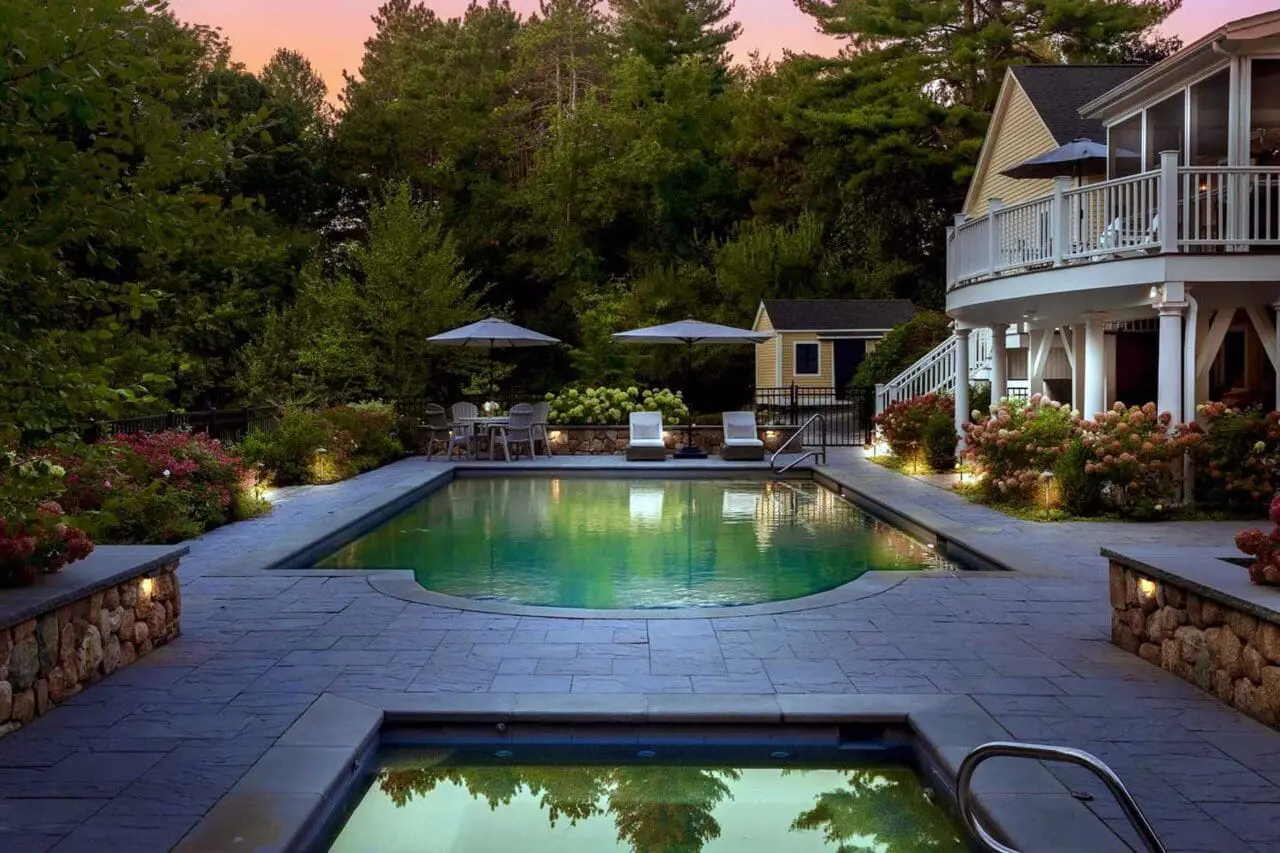
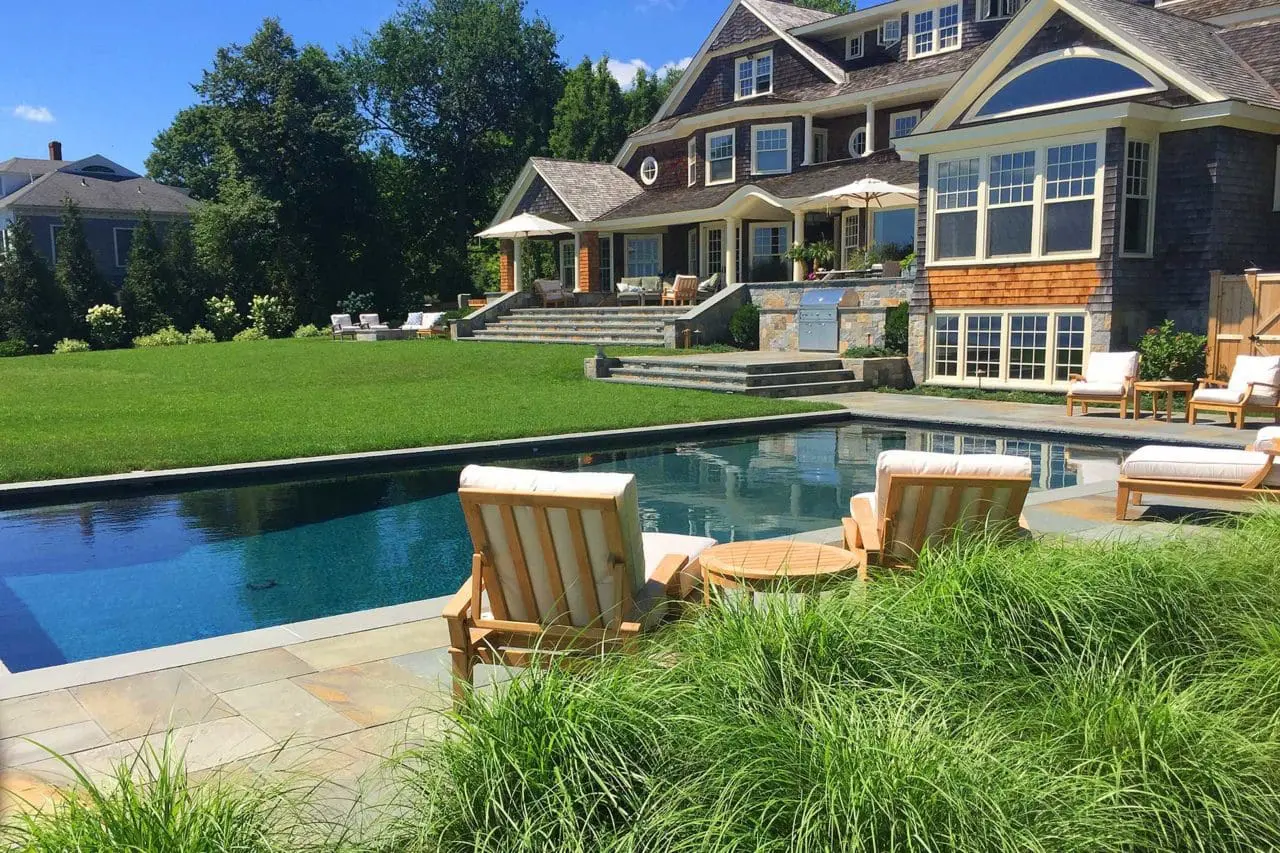
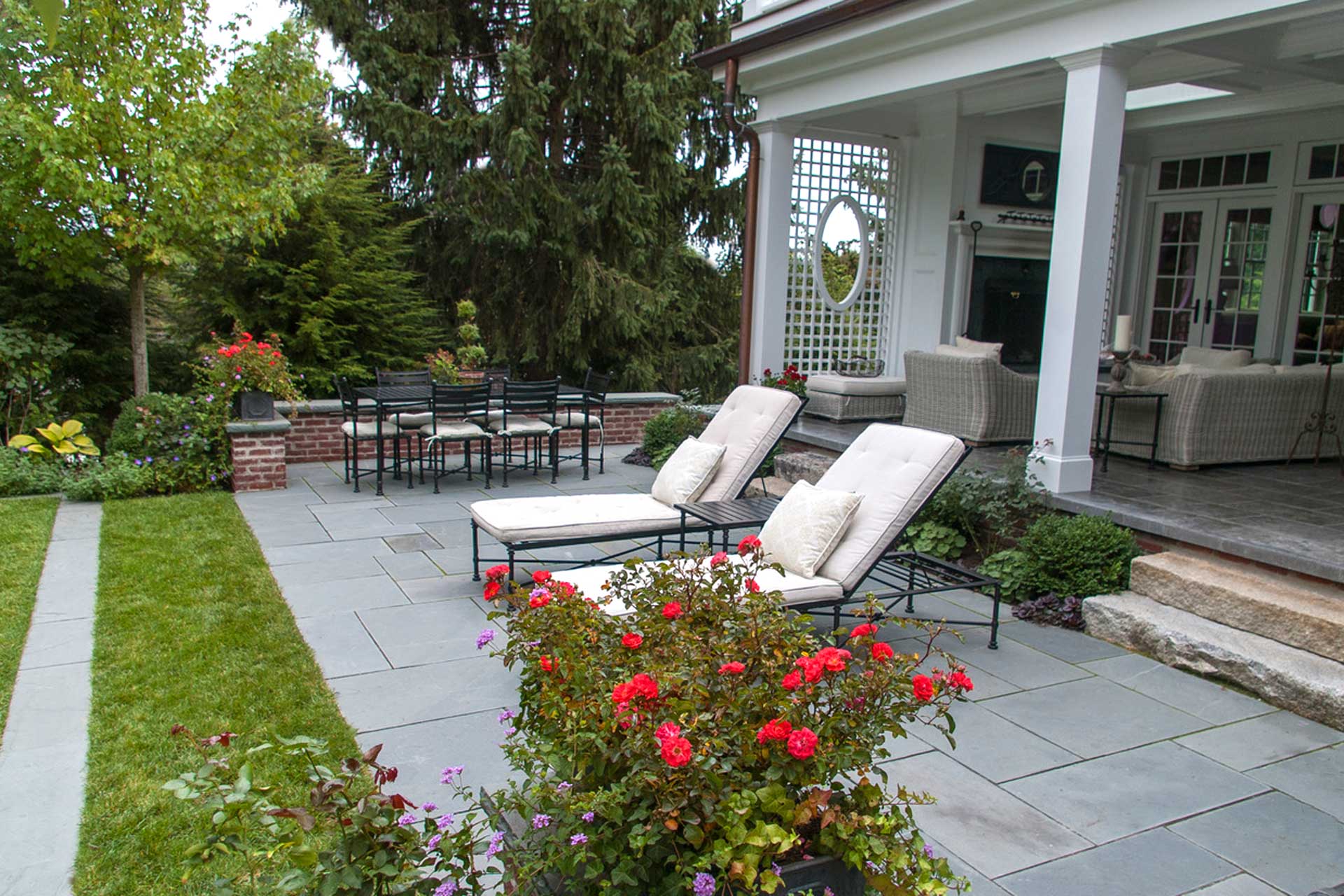
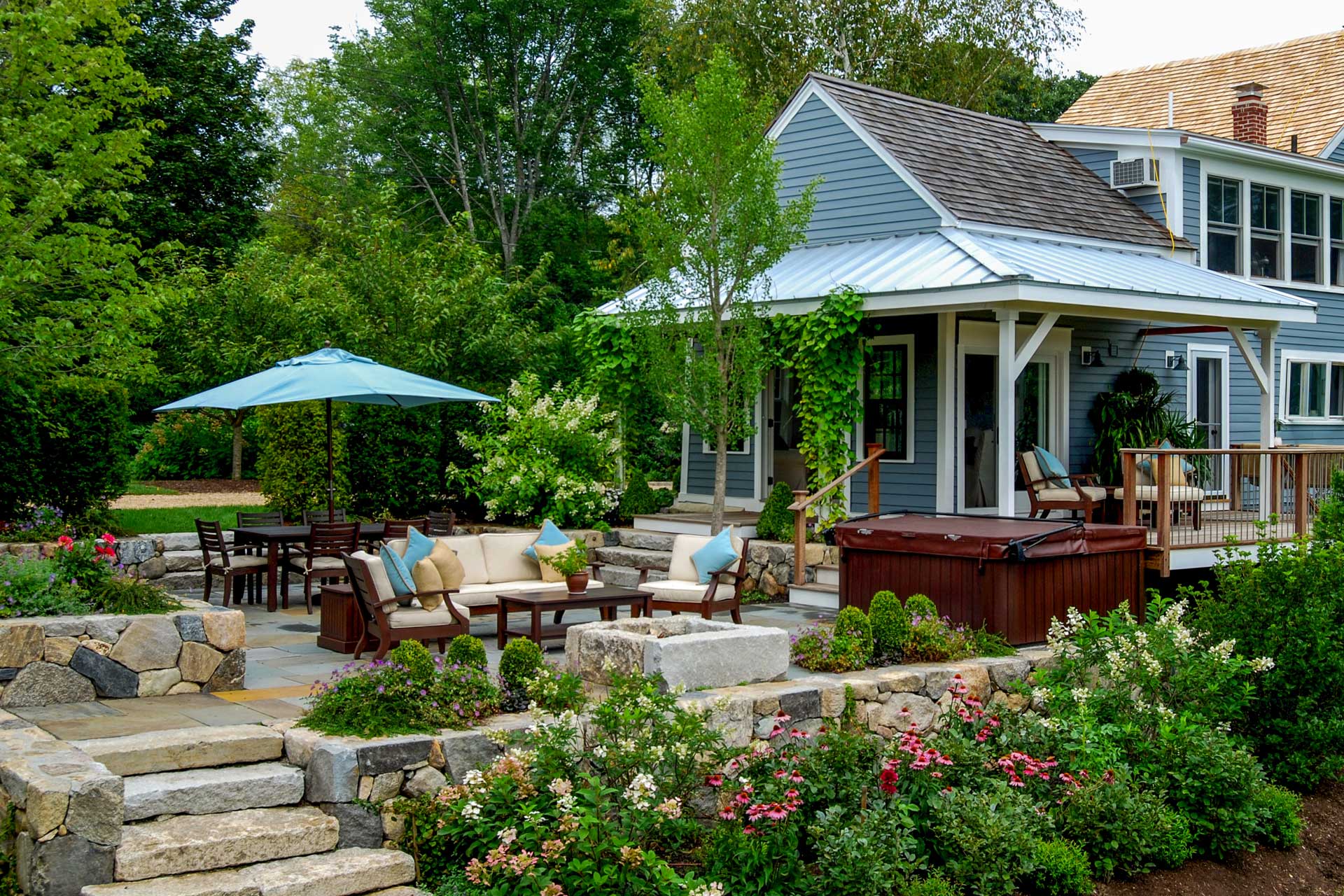
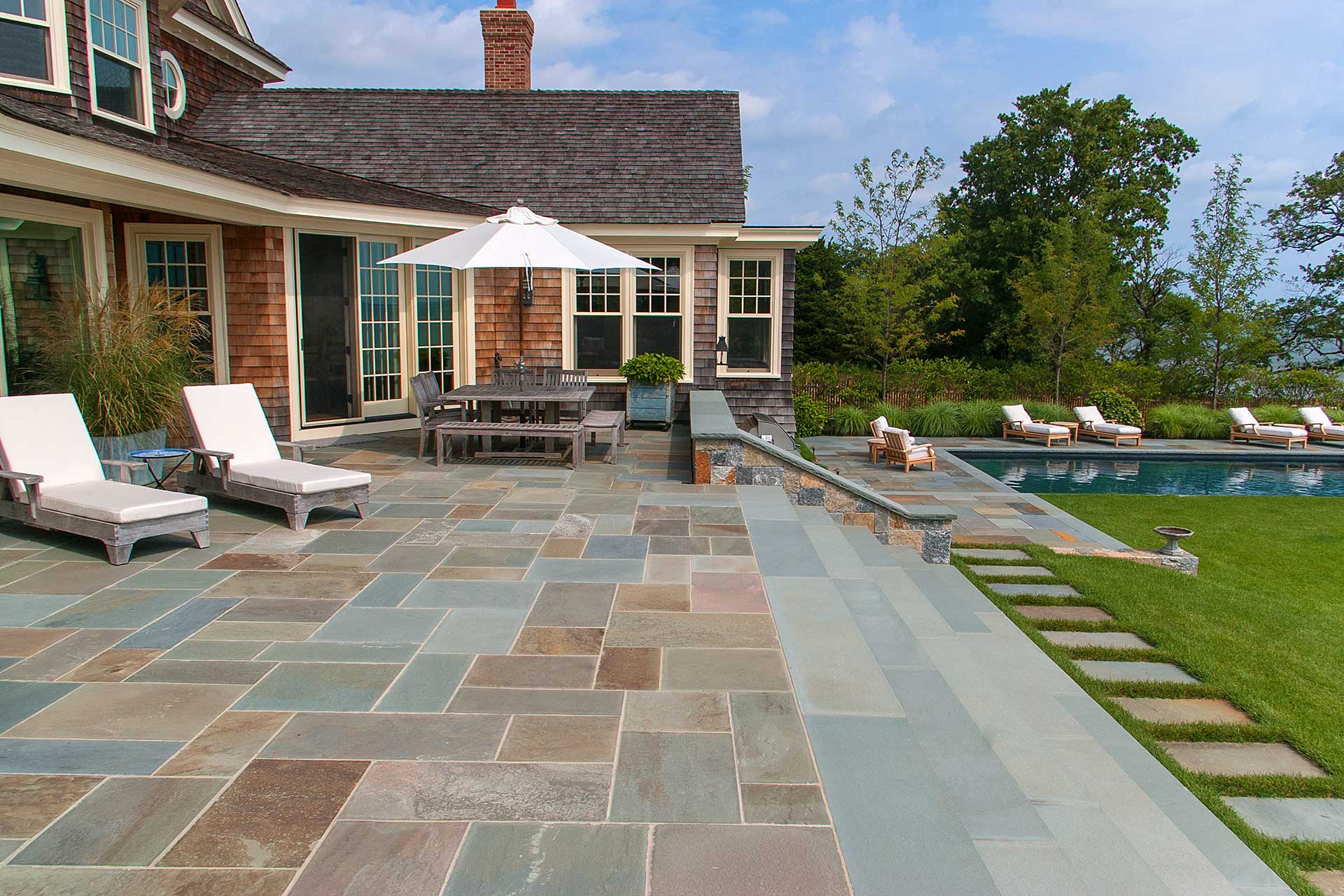
Patios are often considered the cornerstone of residential hardscaping, and for good reason. They create functional outdoor living space for dining, entertaining, relaxing, and gathering. In real estate terms, a well-designed patio can feel like an extension of the home, especially when it connects naturally to the kitchen, family room, garden, pool, or outdoor dining area.
For Greater Boston homeowners, patios are especially valuable because they help make the landscape more livable during spring, summer, and fall. A properly designed patio can become the central hub of the backyard.
Why Patios Add Value
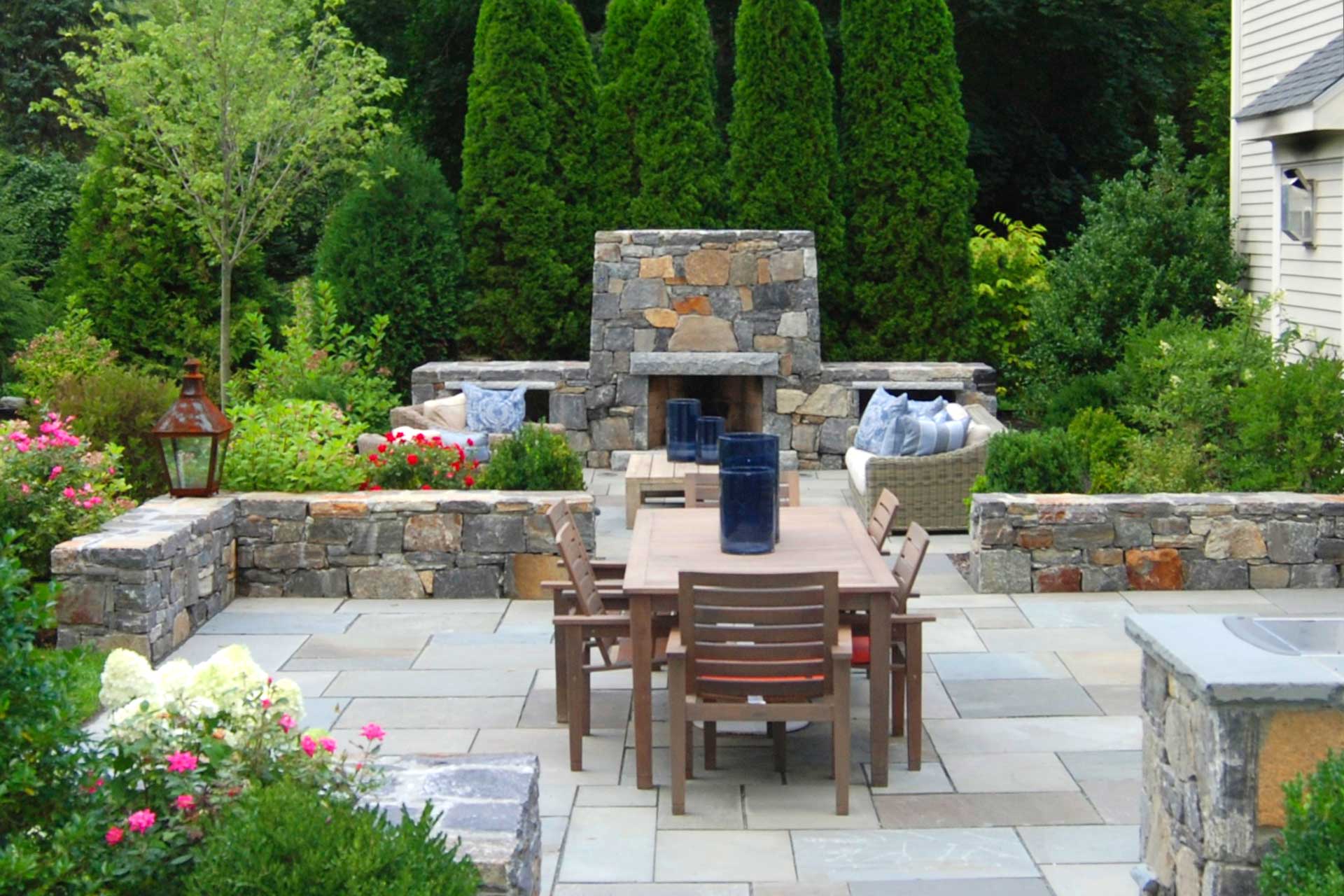
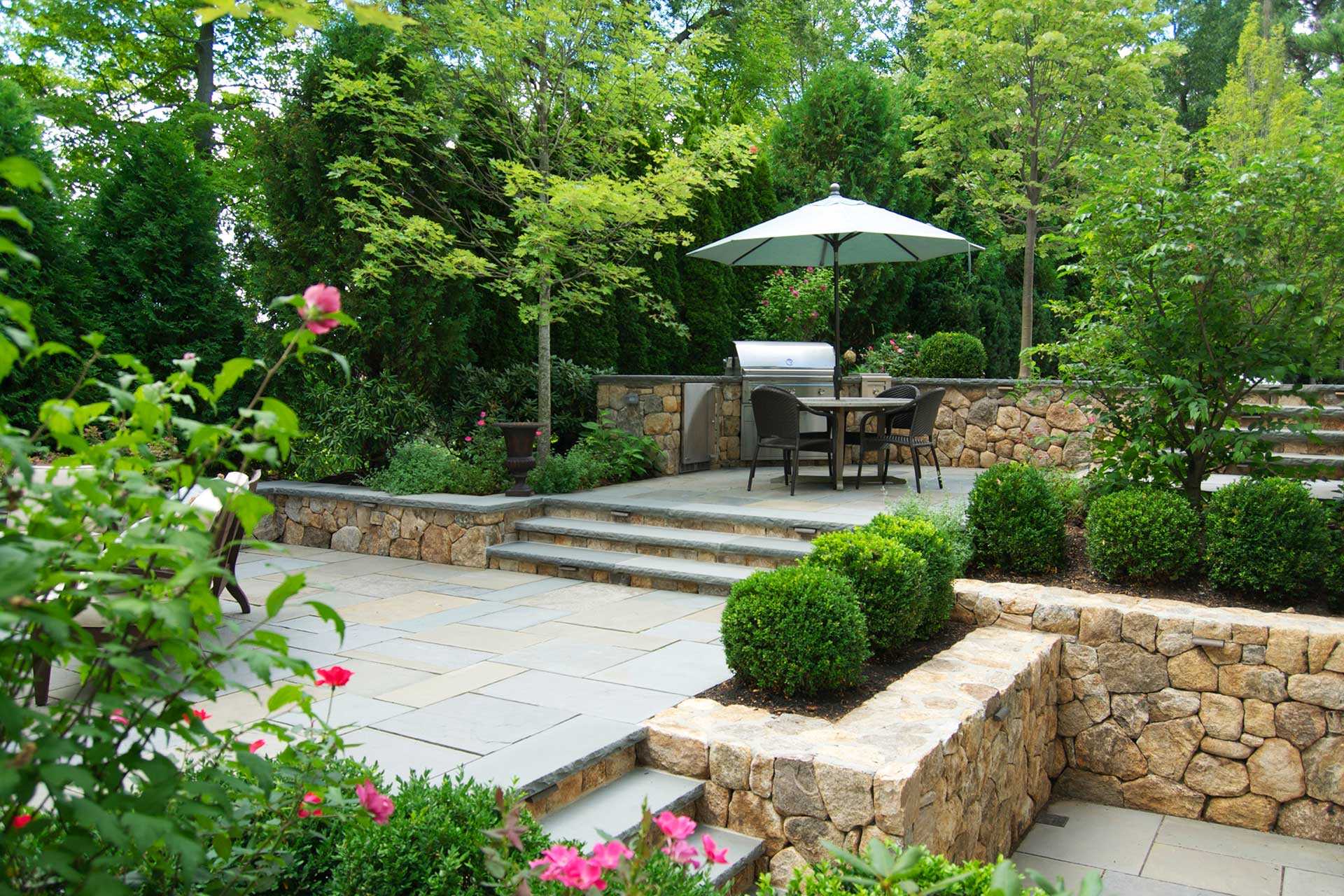
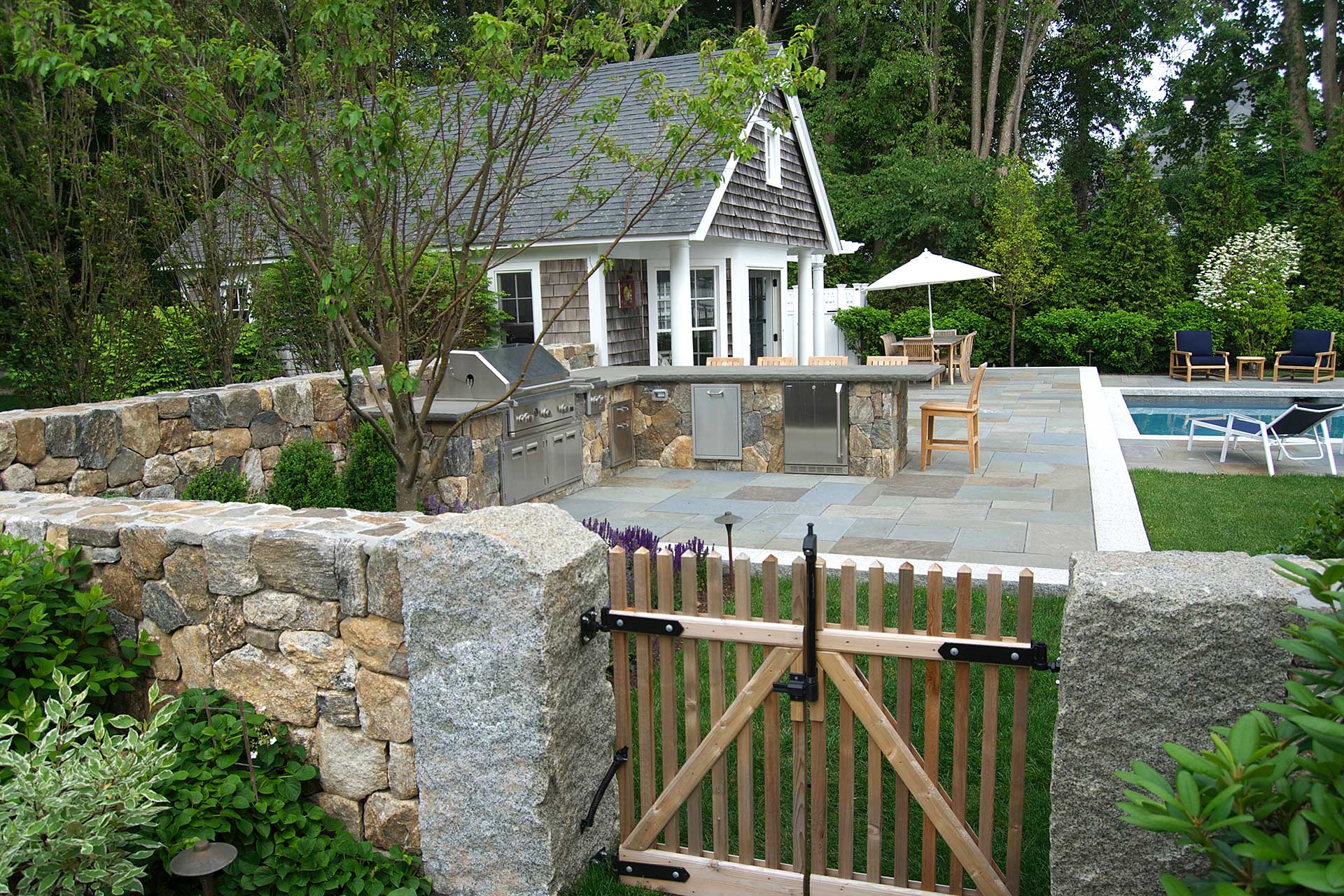
Patios increase usable space without requiring a full building addition. They can support outdoor kitchens, fire features, lounge seating, dining areas, and poolside living. When built with durable materials such as natural stone, bluestone, granite, concrete pavers, or brick, they provide long-lasting function with relatively manageable maintenance.
A patio also gives the landscape a clear purpose. Instead of a lawn or garden being viewed only from indoors, the property becomes a place to spend time.
Materials That Matter
Homeowners have many patio material options, including natural stone, bluestone, flagstone, granite, concrete pavers, porcelain pavers, and brick. Each material has a different appearance, cost, texture, and maintenance profile.
In New England, performance matters as much as aesthetics. Materials should be selected for freeze-thaw durability, traction, drainage, and how well they relate to the architecture of the home.
Expert Tips for Patios
- Think about flow: Position the patio near a kitchen, family room, pool, or outdoor dining area for easier everyday use.
- Size it properly: Allow enough space for furniture, circulation, serving areas, and comfortable movement.
- Choose appropriate surfaces: Non-slip texture is especially important near pools, shaded areas, and steps.
- Plan drainage early: Proper grading and base preparation reduce settling, pooling, and winter damage.
- Include lighting: Step lights, path lights, and subtle accent lighting improve safety and extend evening use.
Design takeaway: If you want the best blend of function, beauty, and daily use, a professionally installed patio is often one of the strongest hardscape investments.
Related Blog: How to Plan an Outdoor Kitchen in Massachusetts: Layouts, Materials, and Costs
Walkways: Curb Appeal With Purpose
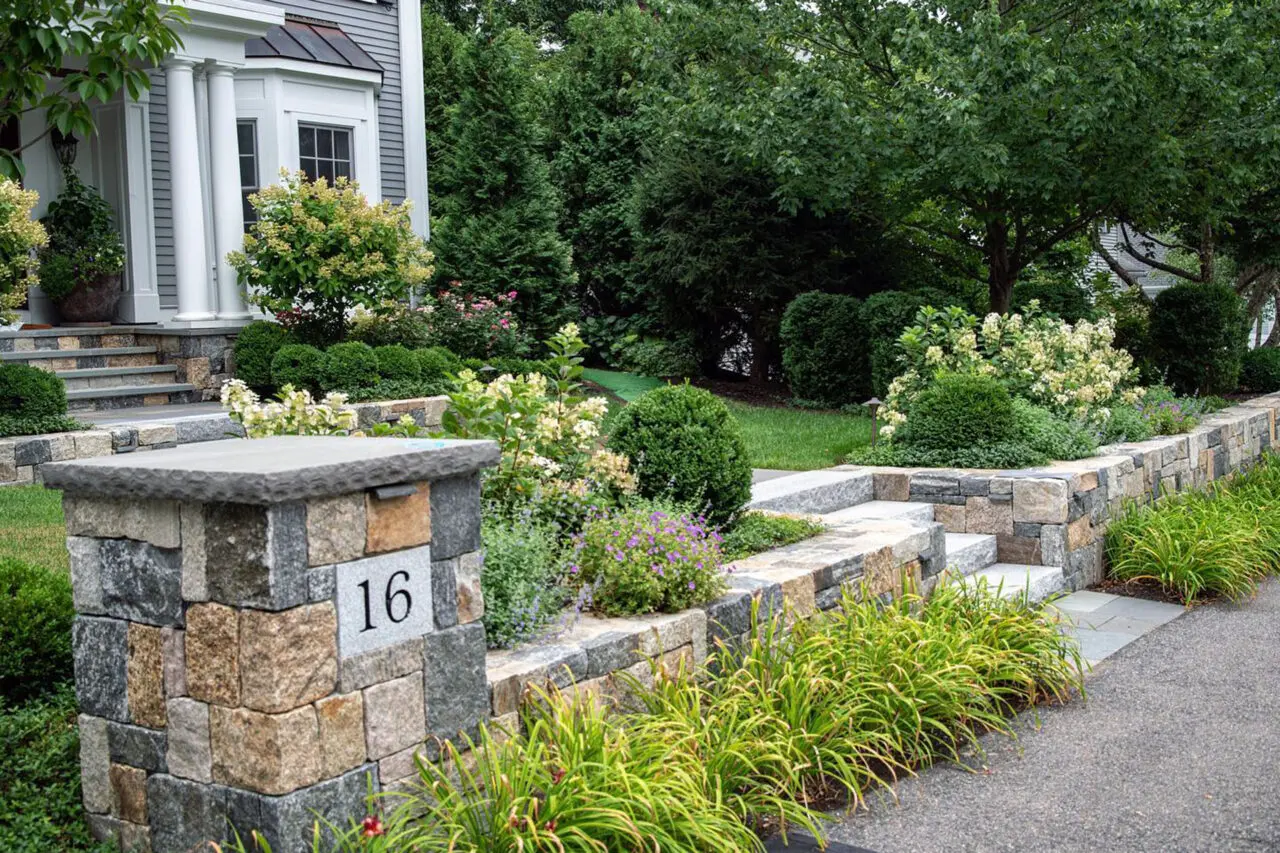
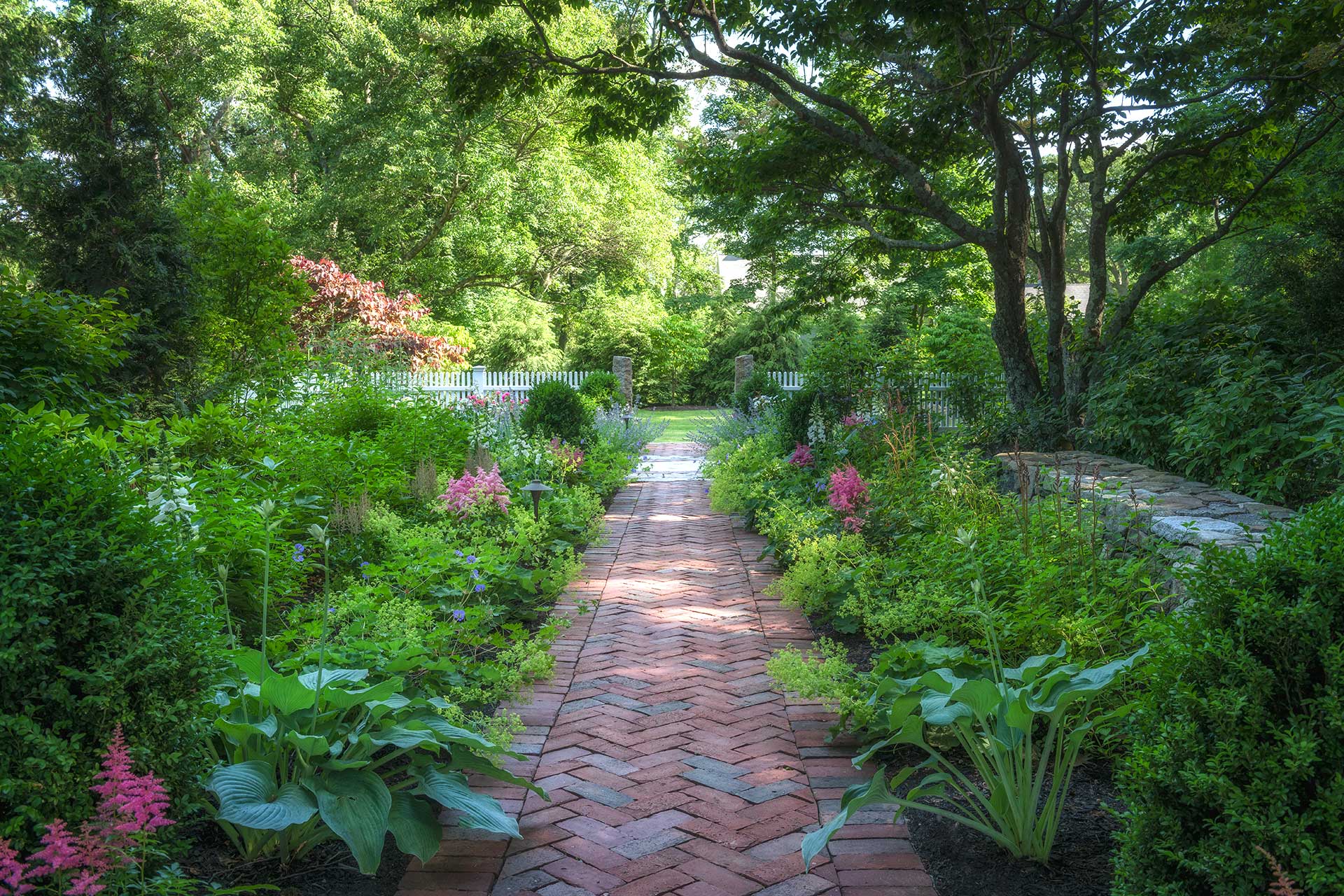
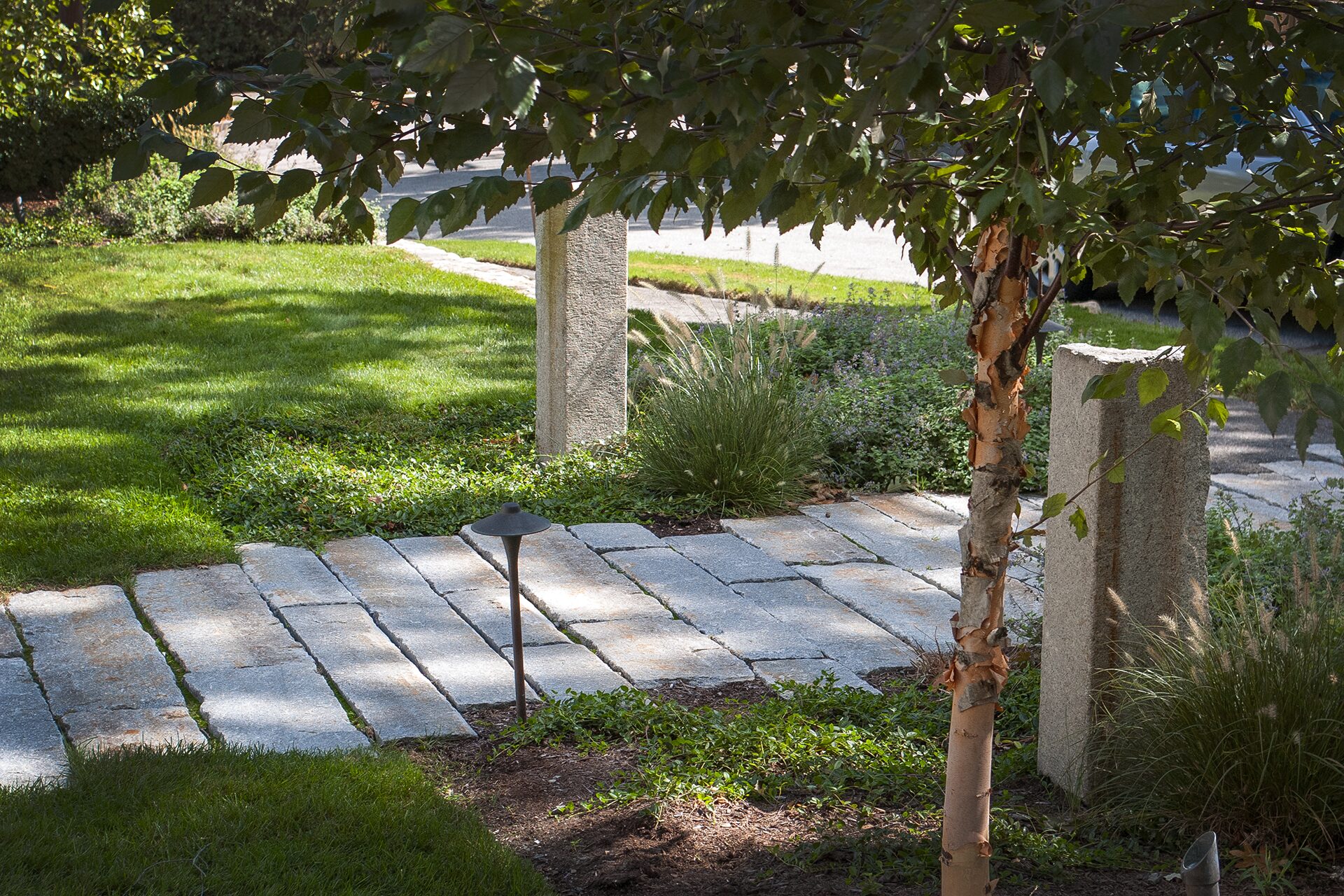
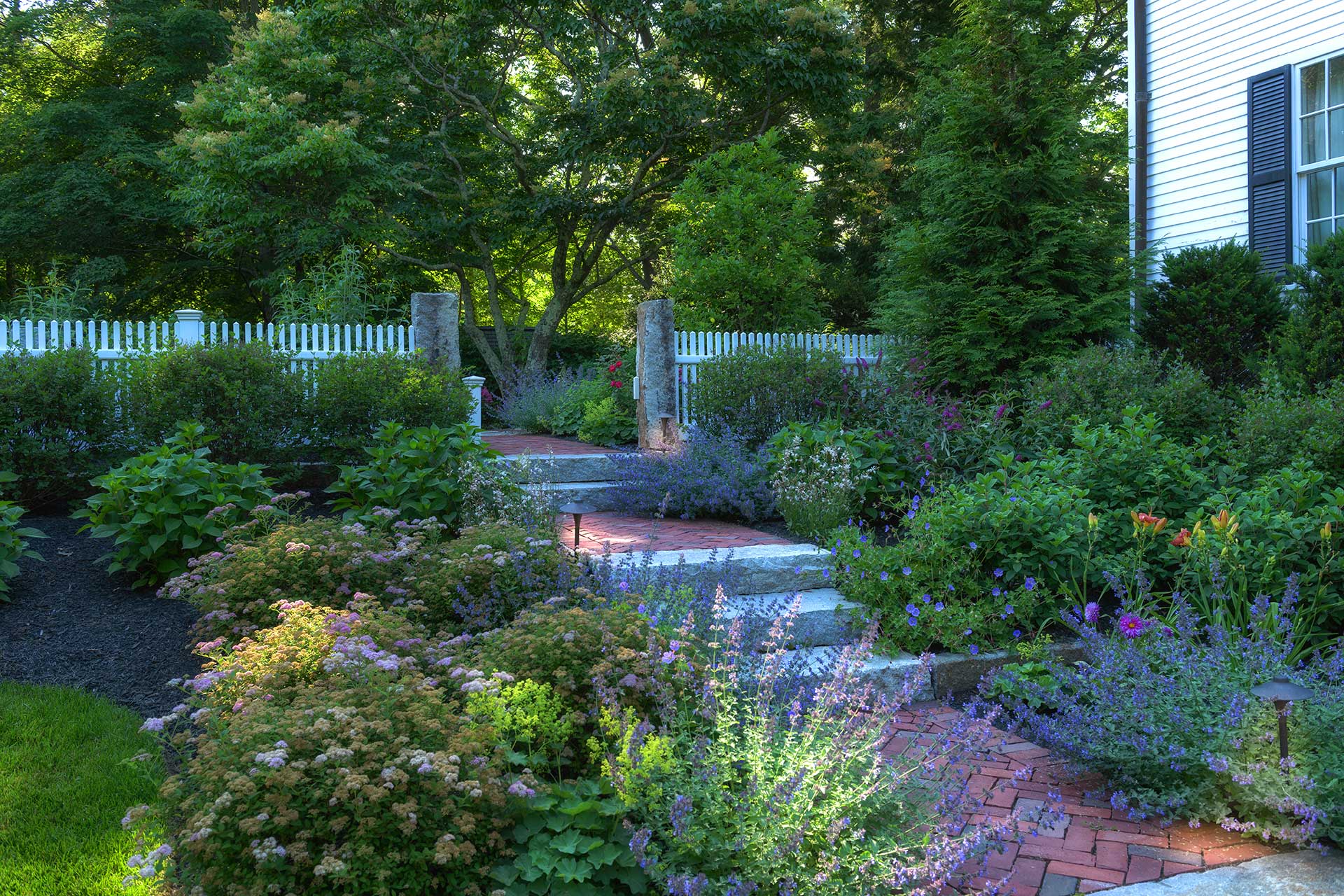
Walkways are sometimes overlooked, but they are among the most visible and practical hardscaping features on a property. They guide guests to the front door, connect outdoor spaces, protect lawns from foot traffic, and make the landscape feel more organized.
A well-designed walkway does more than create a path. It shapes the arrival experience.
Why Walkways Add Value
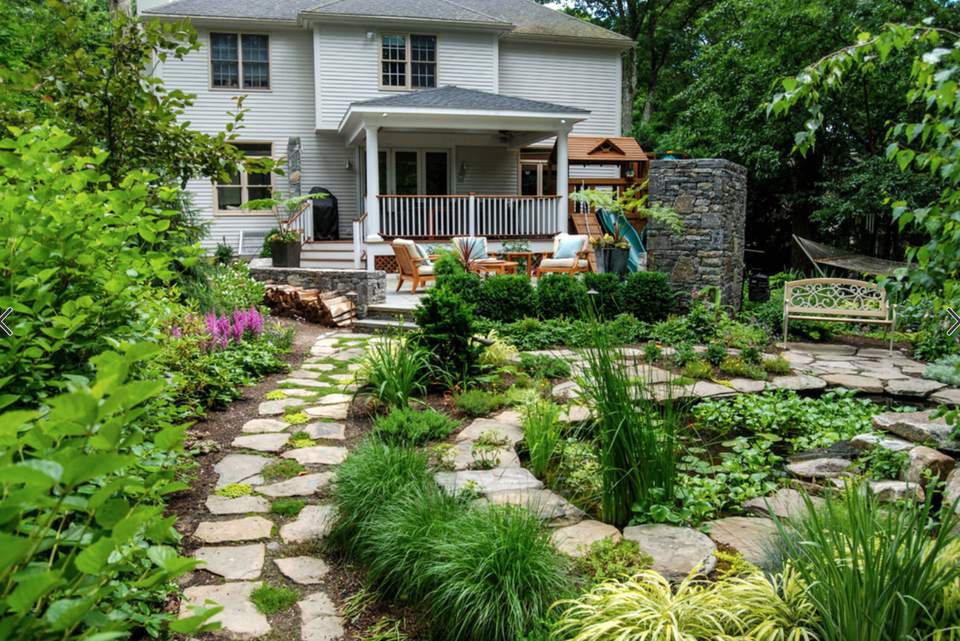
Walkways improve first impressions and help a property feel cared for. A defined path to the front entry creates clarity and hospitality, while garden paths can connect patios, lawns, pools, side yards, and planting areas.
They also improve safety by creating stable, level surfaces for movement. This is especially important in New England, where rain, snow, ice, and leaf debris can make informal routes slippery or uneven.
Common Materials for Walkways
Popular walkway materials include cut stone, bluestone, granite, cobblestone, brick pavers, concrete pavers, and permeable pavers. The best choice depends on the home’s architecture, the setting, expected use, and maintenance preferences.
For formal front entries, clean lines and consistent joints may be appropriate. For garden paths, a softer or more irregular stone pattern may feel more natural.
Tips for Residential Walkways
- Use curves carefully: Gentle bends can soften the landscape, but overly winding paths may feel inefficient.
- Plan the width: A front walk should feel generous enough for comfortable use, especially near the entry.
- Coordinate materials: Walkways should relate to the home, patio, steps, walls, and surrounding stonework.
- Add lighting: Low-voltage path lights or integrated step lights improve safety and nighttime appeal.
- Address drainage: Walkways should be graded to prevent standing water and winter ice buildup.
Design takeaway: For front-yard curb appeal, safer circulation, and stronger landscape organization, walkways offer a subtle but lasting return.
Related Blog: Front Yard Landscaping Ideas for Boston Homes
Retaining Walls: Function With a Structural Payoff
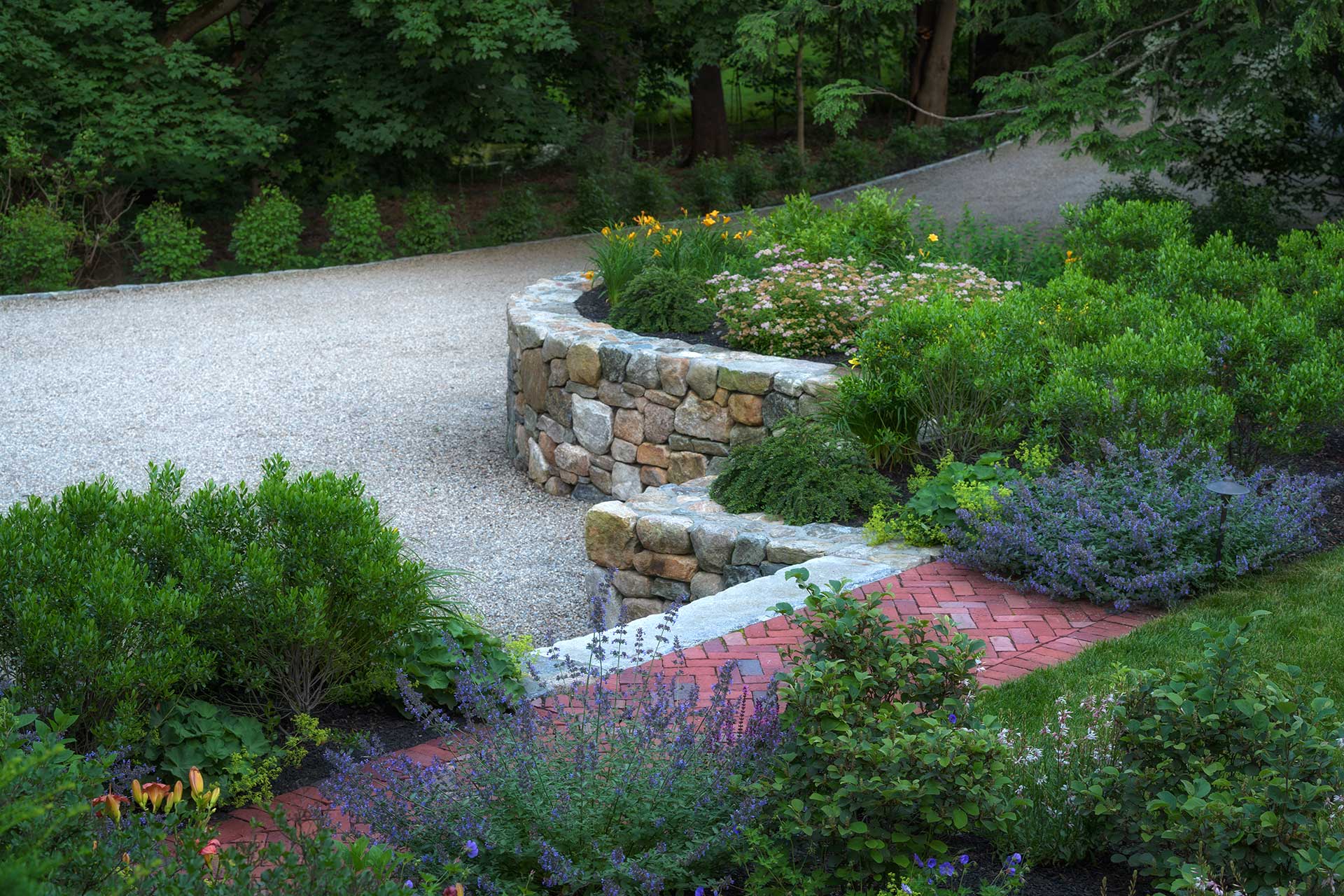
While patios and walkways often focus on enjoyment and accessibility, retaining walls serve a more structural role. They hold back soil, manage grade changes, reduce erosion, and help create usable space on sloped properties.
A retaining wall may not always be the most exciting feature at first glance, but on the right property it can be one of the most important.
Why Retaining Walls Add Value
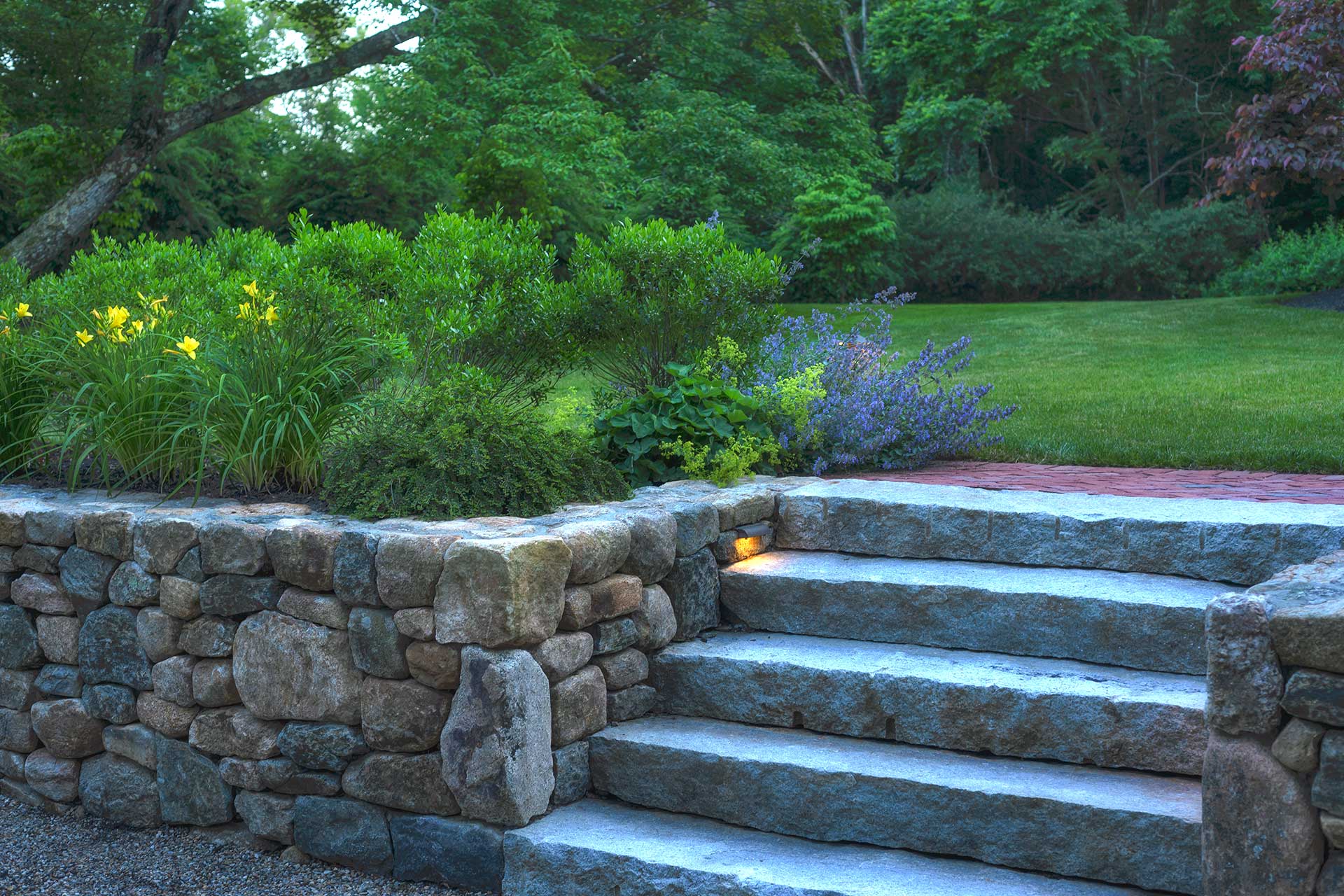
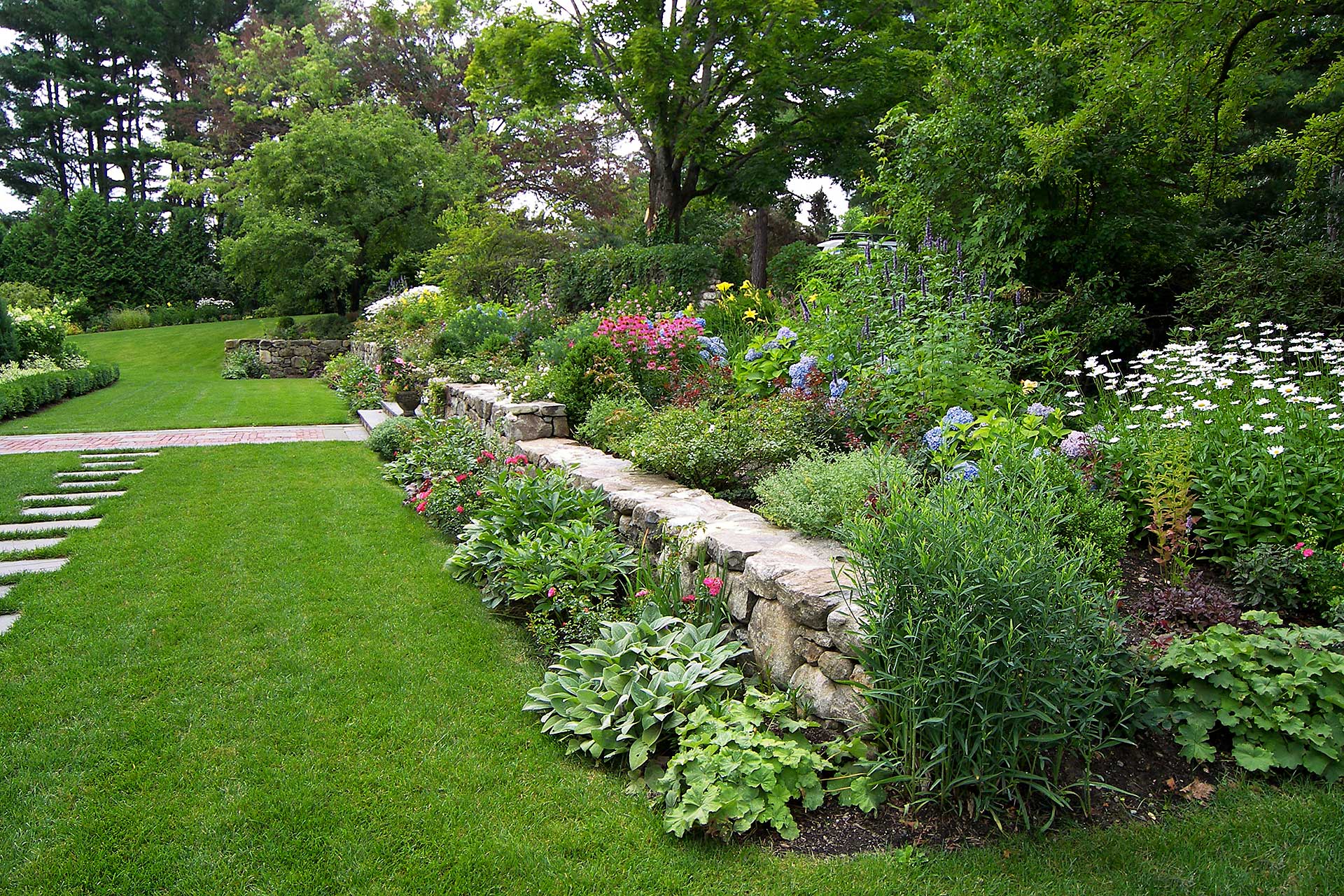
Retaining walls solve real site challenges. They can stabilize slopes, manage runoff, protect nearby structures, create level lawns or terraces, and support planting beds. On properties with grade changes, walls often make other improvements possible.
They also add architectural depth. A well-built wall can frame a patio, define a garden room, support steps, or create a stronger relationship between the home and surrounding land.
Material Options
Common retaining wall materials include natural fieldstone, granite, dry-laid stone, segmental wall block, and veneer stone over a concrete or engineered core. The right choice depends on wall height, soil conditions, drainage requirements, desired appearance, and local code considerations.
For refined residential properties, natural stone often provides the most timeless and site-appropriate look, especially when coordinated with nearby steps, patios, and planting beds.
Homeowner Tips for Retaining Walls
- Prioritize drainage: Poor water management is one of the most common reasons retaining walls fail.
- Start with a full landscape plan: A wall changes elevation, circulation, planting, and water movement.
- Check local codes: Taller walls may require permits, engineering, or municipal review.
- Use walls to create purpose: Retaining walls can form terraces, garden levels, seating zones, or outdoor rooms.
- Hire experienced installers: Retaining walls require proper base preparation, backfill, drainage, and structural detailing.
Design takeaway: If your property has slopes, erosion, drainage problems, or unusable grade changes, a retaining wall may need to come before more decorative improvements.
Retaining walls often work best when paired with layered planting that protects exposed soil and softens the finished structure. Our erosion-control planting guide explores suitable trees, shrubs, grasses, and ground covers for Massachusetts hillsides.
Ask an Expert: Our Retaining Wall Is Starting to Lean. How Worried Should I Be?
| Feature | Pros | Cons |
|---|---|---|
| Patios |
|
|
| Walkways |
|
|
| Retaining Walls |
|
|
Which Project Should You Prioritize?
Every property is different. The best project to prioritize is usually the one that solves a real problem while also improving how the landscape is used.
If the backyard lacks a comfortable place to gather, a patio may offer the greatest immediate benefit. If the front entry feels unclear or dated, a walkway may create the strongest curb appeal improvement. If the property has slope, erosion, or drainage problems, a retaining wall may need to happen first so the rest of the landscape can perform properly.
Also consider how each hardscape element relates to the broader landscape. Patios, walkways, and walls should not feel like separate projects. When coordinated with planting, lighting, irrigation, drainage, and long-term maintenance, they create a more cohesive and valuable property.
Final Thoughts: Long-Term Value Comes From Quality Design and Installation
High-quality hardscaping is not just about choosing attractive materials. It depends on craftsmanship, grading, drainage, base preparation, scale, proportion, and the right feature for the specific property.
Done well, patios, walkways, and retaining walls become lasting assets that require relatively little upkeep and age beautifully over time. Done poorly, they can shift, crack, hold water, feel out of scale, or require expensive correction.
For Boston-area homeowners, the best hardscape investments are the ones designed for New England conditions from the start.
Ready to Add Hardscaping to Your Yard?
Whether you are planning a backyard patio, reworking a stone walkway, or solving slope challenges with a retaining wall, a Blade of Grass can help. Our team designs and installs custom hardscaping solutions using premium materials, careful site planning, and proven masonry techniques tailored to your home, lifestyle, and landscape.
Contact us to schedule a consultation and take the first step toward a more functional, beautiful outdoor space.