For many homeowners, improving the look and feel of a property starts with a familiar dilemma. You want more color, more polish, and a stronger sense of design, but not the cost, disruption, or long timeline that comes with major hardscape or renovation projects. Over the years, one design element consistently stands out as an answer to that challenge: planters and containers.
Often treated as accessories, planters and containers are actually one of the most flexible and effective tools in landscape design. They can define space, soften architecture, introduce seasonal interest, and elevate curb appeal, all without permanent construction. When designed thoughtfully, they deliver visual impact well beyond their footprint and cost.
This article draws on years of hands-on experience working with residential landscapes in climates like Greater Boston, where weather, architecture, and long-term durability matter. The goal is simple. To help homeowners understand how planters and containers work as a design element, why they are so adaptable, and how they can be used to enhance a property without overextending a budget.
Key Takeaways
- Planters and containers are one of the most versatile and cost-effective ways to enhance residential landscapes.
- Strategic placement at entries, patios, and transitions delivers strong visual impact without permanent construction.
- Material selection and proper drainage are essential for durability in Boston-area freeze–thaw conditions.
- Containers support seasonal change and year-round interest with manageable maintenance requirements.
- Thoughtful design and scale turn simple containers into cohesive, long-term landscape elements.
Why Planters and Containers Are a Smart Design Investment
From a design perspective, planters and containers offer one of the strongest returns on effort. Unlike patios, retaining walls, or extensive planting beds, containers require no excavation, no permits, and very little lead time. A well-chosen container can be placed, planted, and enjoyed almost immediately.
This immediacy matters. Many homeowners want to see progress quickly, especially when refreshing an entryway, terrace, or outdoor living space. Containers provide that sense of instant improvement while still allowing for thoughtful design.
There is also a financial advantage. According to research cited by the National Association of Realtors, well-executed landscape improvements can increase perceived home value by as much as 15 percent, particularly when they enhance curb appeal and outdoor living areas. While large projects often dominate that conversation, smaller, targeted upgrades like planters frequently deliver a strong visual payoff relative to their cost.
As one experienced residential landscape designer put it:
“Containers are often the first thing people notice when they walk up to a home. They signal care, intention, and attention to detail, even before you reach the front door.”
That first impression is exactly where containers shine.

Flexibility by Design: Why Containers Adapt So Easily
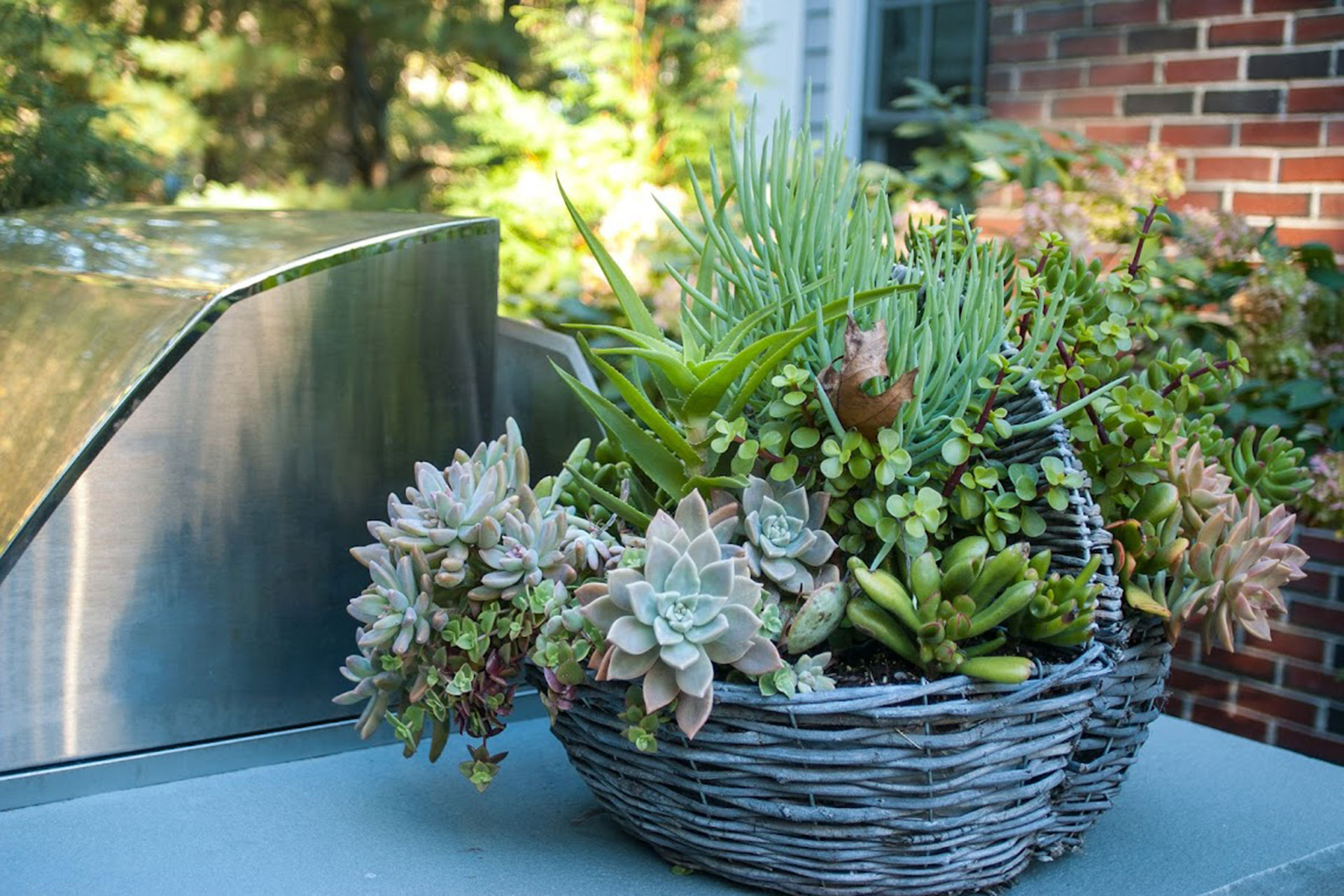
One of the greatest strengths of planters and containers is their adaptability. Unlike permanent landscape elements, they can evolve with the homeowner, the seasons, and even changing tastes.
Containers can be moved to adjust sightlines, balance a facade, or respond to how a space is actually used. A pair of entry planters may frame a doorway in spring, then shift slightly to accommodate winter access or snow storage. On a terrace, containers can help define seating areas in summer and be regrouped for protection during colder months.
This flexibility also encourages experimentation. Homeowners can test new color combinations, plant textures, or styles without committing to in-ground changes. If something does not work, it can be adjusted the following season with minimal effort.
From a design standpoint, containers function almost like punctuation marks. They emphasize transitions, highlight focal points, and add rhythm to a landscape. Because they are not locked into one role, they remain useful year after year.
Strategic Placement: Where Containers Have the Most Impact
Placement is where containers move from decorative to transformative. Even modest plantings can feel intentional and refined when positioned correctly.
Common high-impact locations include:
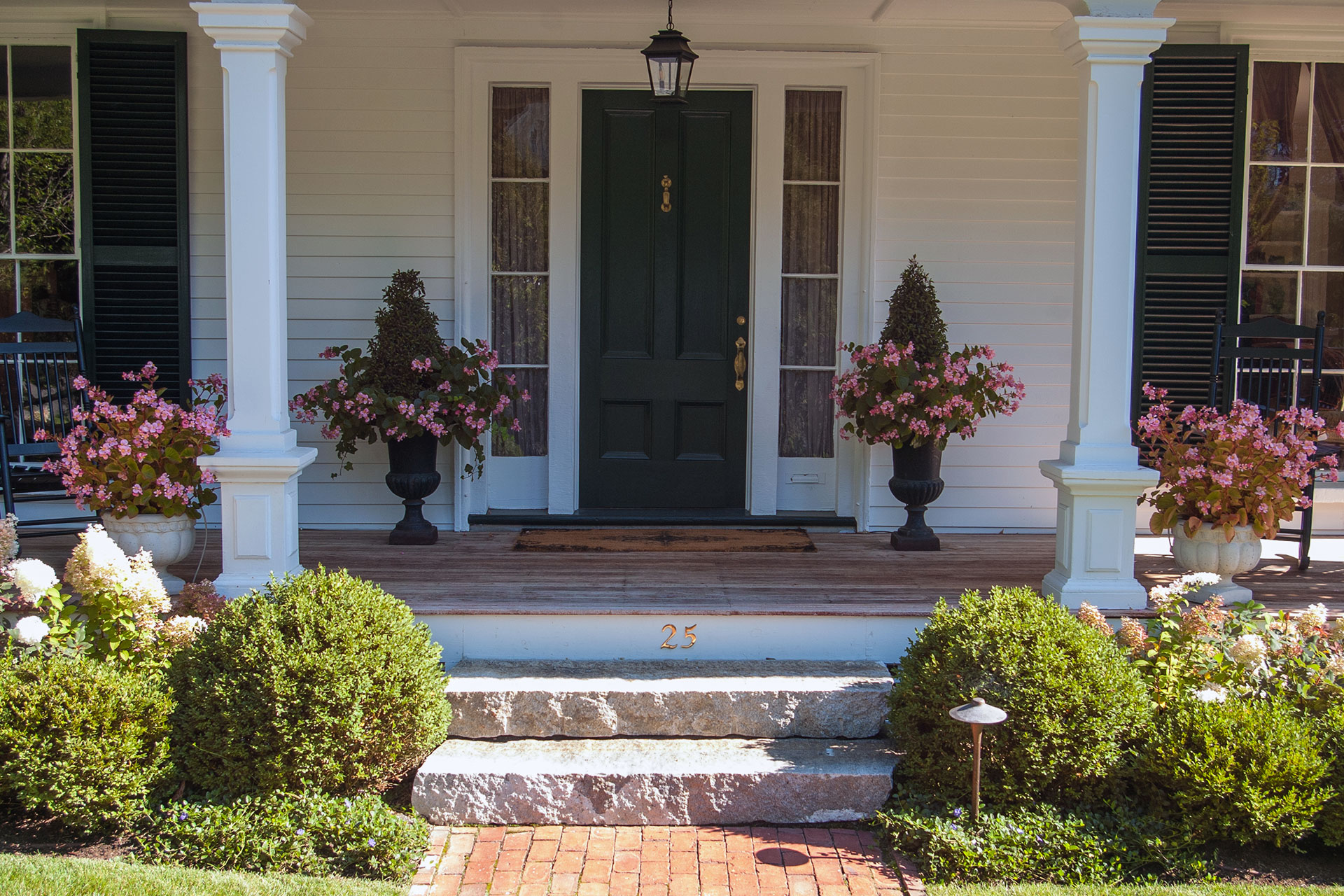
- Front entries and doorways – A pair of containers flanking the entry creates symmetry and signals arrival. Scale matters here. Undersized pots often look temporary, while properly sized containers feel architectural.
- Driveway edges and approaches – Containers soften hard edges and guide movement without blocking visibility. They are especially useful where in-ground planting space is limited.
- Patios and terraces – Containers help define outdoor rooms. Tall plantings can provide privacy, while lower arrangements soften seating areas.
- Steps, landings, and transitions – Placing containers at changes in elevation adds visual clarity and helps connect different parts of the landscape.
- Challenging growing areas – Shaded corners, compacted soils, or areas with poor drainage often perform better with containers than traditional planting beds.
A homeowner once described the effect this way:
“We did not change the layout of the yard at all. Just adding containers at the entry and patio made everything feel more finished.”
That sense of completion is often what homeowners are really seeking.
Style and Aesthetics: Matching Containers to Architecture
Containers should complement the home, not compete with it. The most successful designs consider architecture, materials, and overall character.
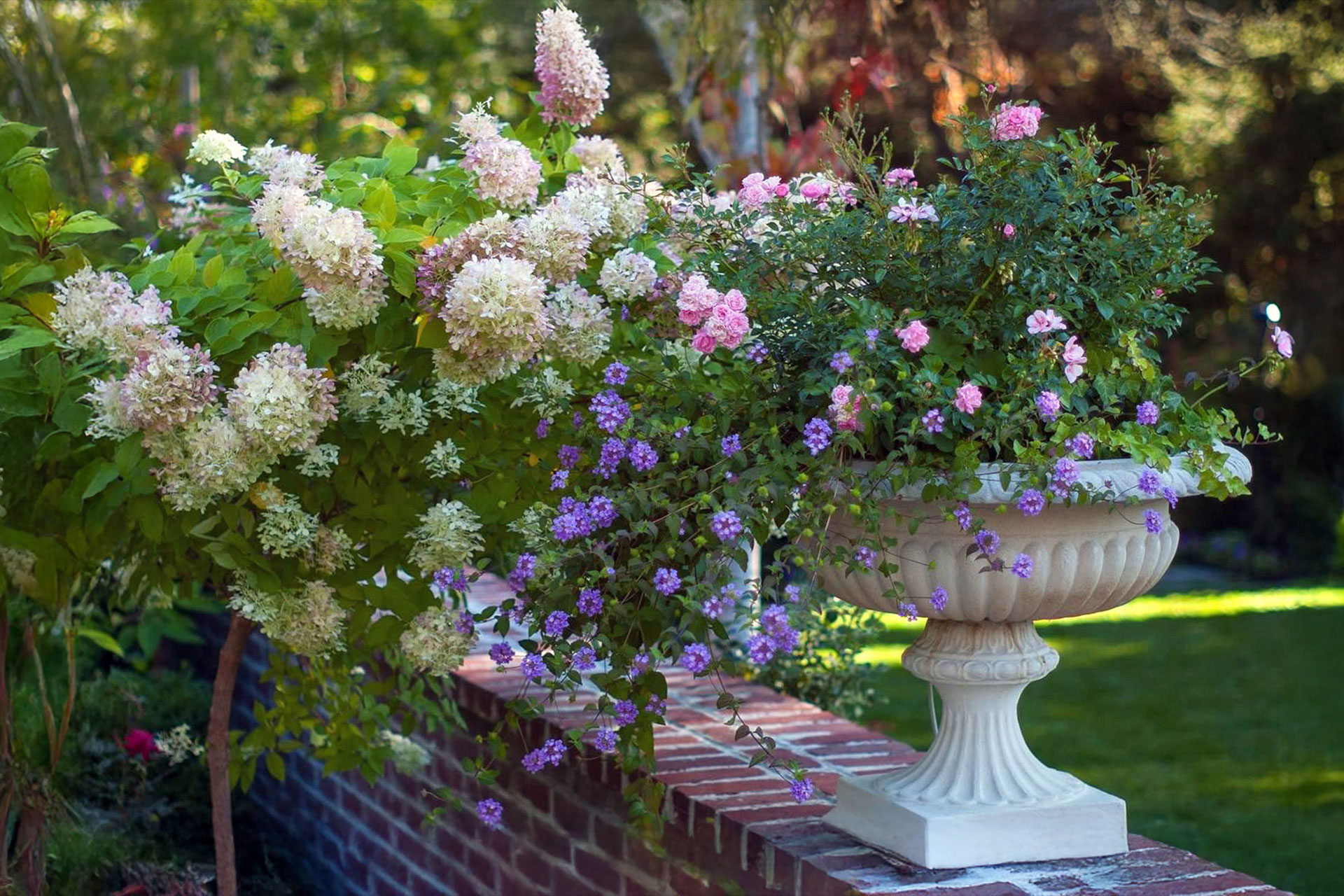
Traditional homes often pair well with classic urns, pedestal planters, or stone-finished containers. These shapes echo architectural details and feel timeless rather than trendy.
More contemporary homes tend to benefit from clean-lined containers with simple profiles. Neutral tones like charcoal, soft gray, or matte black allow the plant material to take center stage while reinforcing modern lines.
Material consistency is also important. Mixing styles can work, but only when done intentionally. Too many competing finishes can make a space feel cluttered. In most residential settings, a limited palette of container styles creates cohesion and calm.


Construction and Materials: What Holds Up Over Time
Not all containers are created equal, especially in climates with cold winters and freeze-thaw cycles.
Common materials include:
- Cast concrete – Durable, stable, and well suited for permanent placement. Heavier weight helps resist wind and tipping.
- Natural stone – Often the longest-lasting option. Stone containers age gracefully and integrate seamlessly with masonry and hardscape.
- Ceramic and glazed finishes – Visually striking but more vulnerable to cracking if not designed for outdoor use in cold climates.
- Metal – Contemporary in appearance, but must be properly lined and drained to protect plant roots from temperature extremes.
- Fiberglass and composite materials – Lightweight, versatile, and often frost-resistant when well manufactured.
In regions like Boston, drainage is critical. Containers must allow excess water to escape, especially before winter. Trapped moisture expands when frozen, which is a common cause of cracking and failure.
The Michigan State University Extension emphasizes that proper drainage and frost-resistant materials are essential for long-term container success in northern climates.
Designing for Seasonality and Climate
Seasonality is where containers truly outperform in-ground planting. They allow landscapes to change with the calendar while maintaining structure.
In New England, thoughtful seasonal planning often includes:
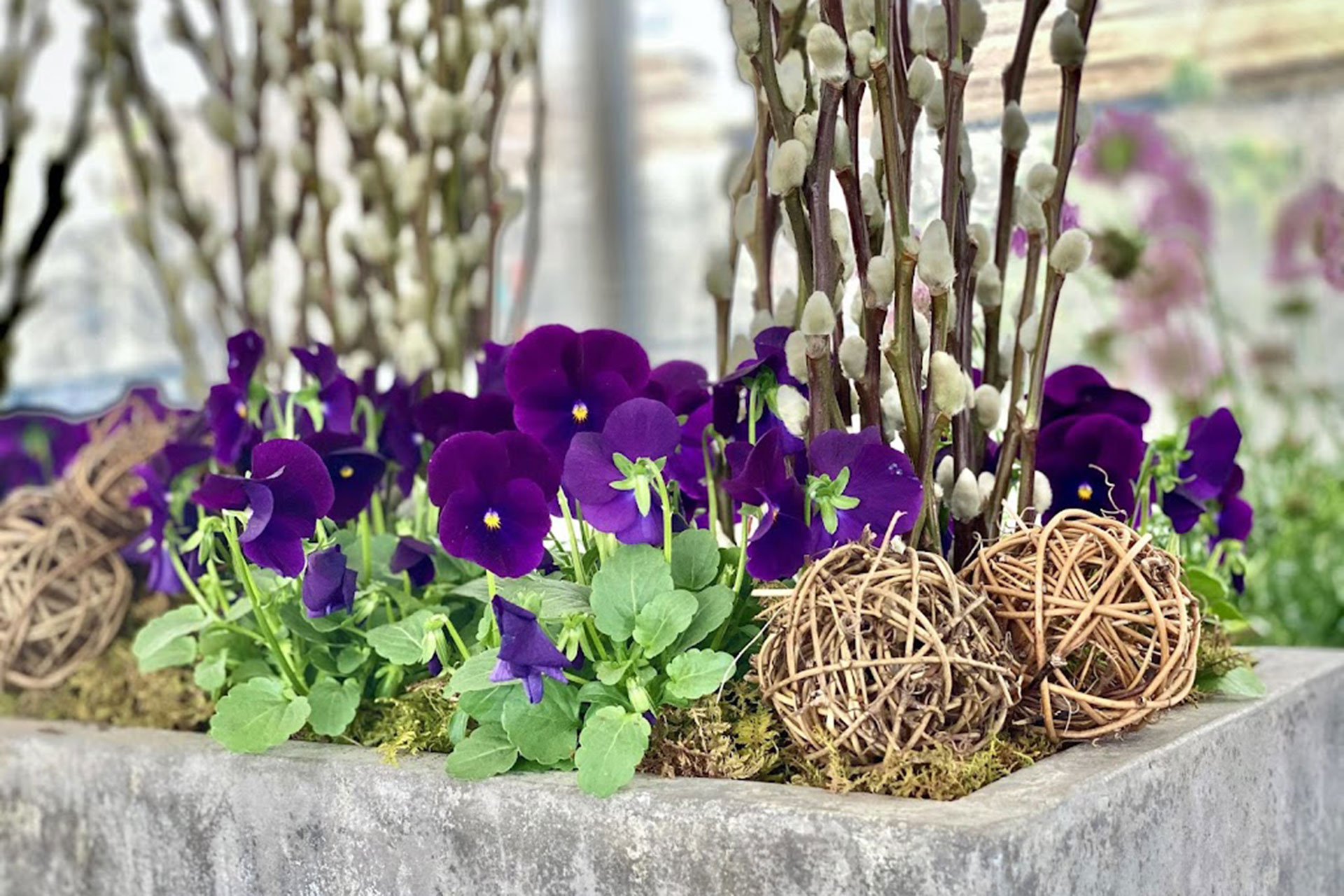
- Spring – Bulbs, early perennials, and fresh foliage that signal renewal.
- Summer – Annuals, ornamental grasses, and lush textures that thrive in warmth.
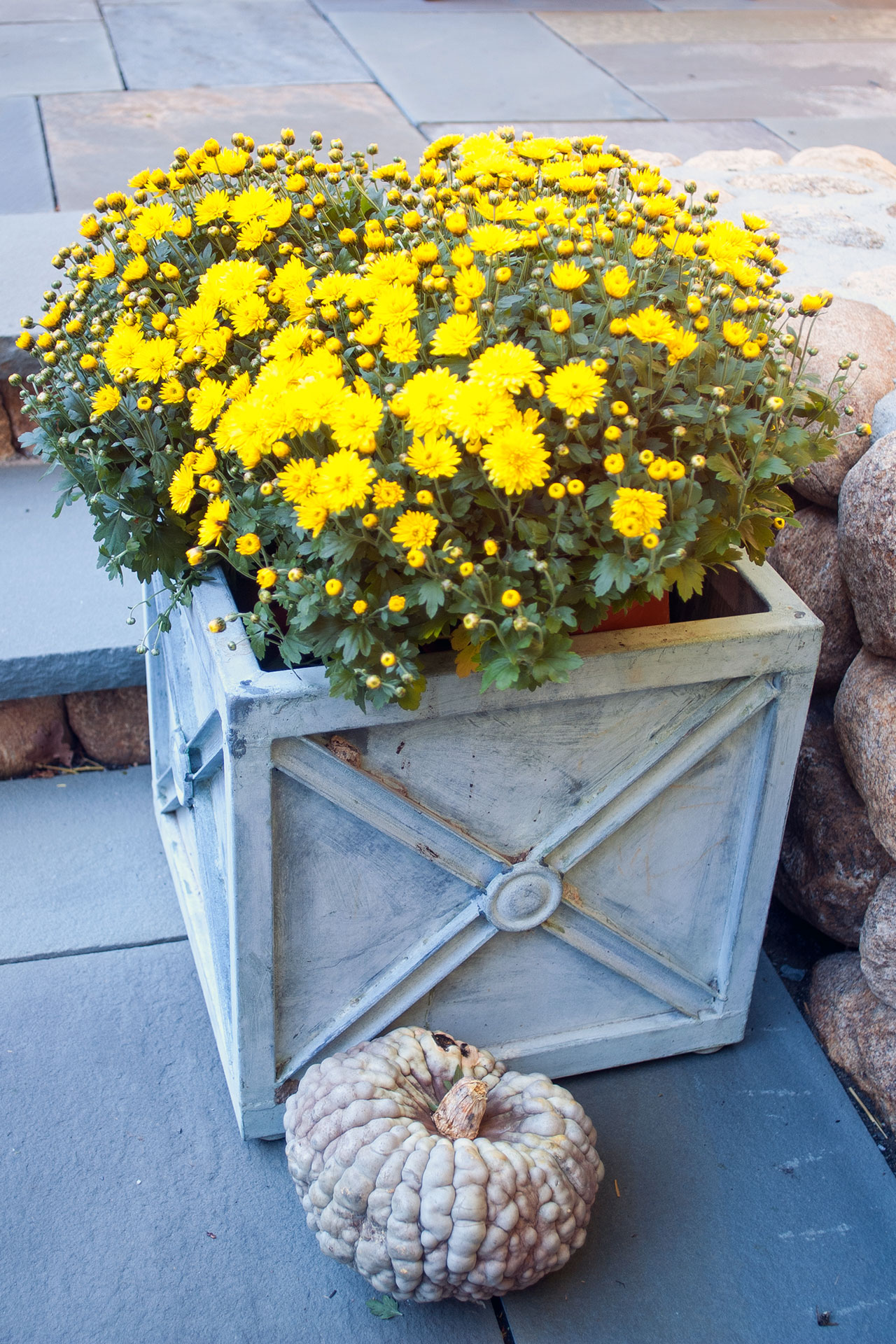
- Fall – Rich foliage tones, seed heads, and structural plants that complement autumn light.
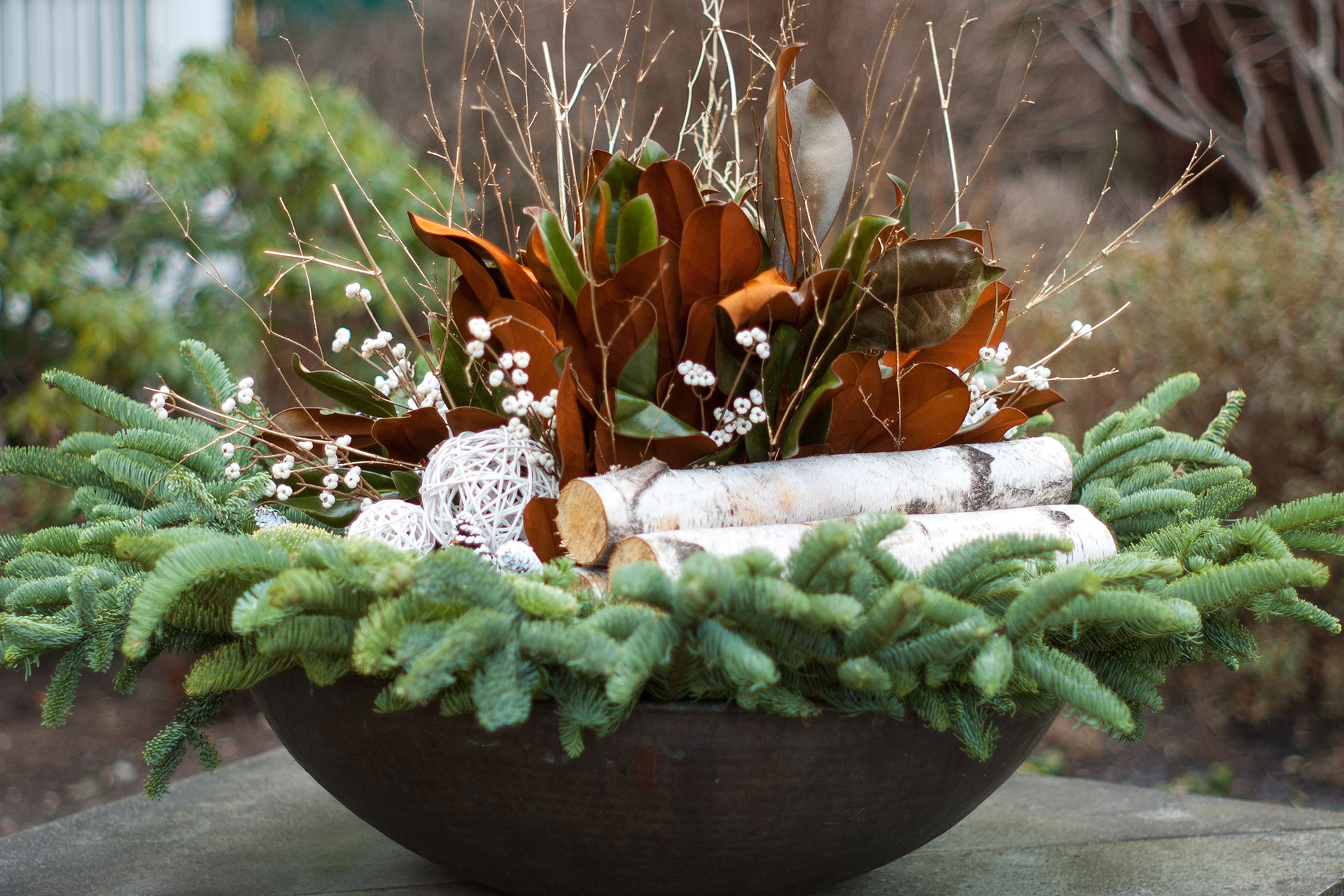
- Winter – Evergreen boughs, branches, and natural accents that maintain presence even in snow.
“Containers let us work with the seasons instead of fighting them. When winter comes, the design does not disappear. It simply shifts.”
– Heather Lashbrook Jones, a Blade of Grass


Maintenance Made Manageable
Despite appearances, containers are often easier to maintain than traditional planting beds. Soil conditions are controlled, irrigation is targeted, and weed pressure is minimal.
Key maintenance advantages include:
- Easier fertilization due to contained soil
- Simplified watering schedules
- Fewer invasive weeds
- Clear visual cues when plants need attention
For homeowners with limited time, containers offer a practical balance. They provide strong visual interest without demanding constant care.
Cost Comparison: Containers Versus Larger Projects
When homeowners compare planters and containers to larger landscape projects, the differences are usually less about design quality and more about commitment.
Planters and containers require a relatively modest upfront investment and can be installed immediately, often in a single afternoon. They are highly flexible, allowing for seasonal updates, repositioning, and style changes over time. Maintenance is focused and manageable, and if design preferences change, containers can be repurposed or removed without consequence.
By contrast, larger hardscape and in-ground landscape projects involve higher costs, longer installation timelines, and more permanent decisions. Once installed, changes are difficult and often expensive. While these projects can deliver long-term value, they are less forgiving when tastes, needs, or budgets evolve.
Related Blog: How to Design a Low-Maintenance, Year-Round Landscape in Greater Boston (and Why It Saves You Money)
Common Mistakes to Avoid
Even with their flexibility, containers can fall short if a few basics are overlooked.
Common pitfalls include:
- Choosing containers that are too small for the space
- Ignoring drainage requirements
- Overcrowding plant material
- Placing containers without considering sun exposure
- Mixing styles without a clear design intent
Most of these issues stem from treating containers as afterthoughts rather than design elements. A little planning goes a long way.
Conclusion: Small Elements, Meaningful Impact
Planters and containers occupy a unique space in landscape design. They are accessible, adaptable, and capable of delivering outsized results. For homeowners looking to enhance their property without the commitment of major construction, containers offer a practical and creative solution.
They respond to climate, support seasonal change, and allow design to evolve over time. When chosen and placed thoughtfully, they bring cohesion and character to a landscape in ways that feel both intentional and effortless.
Sometimes the most effective improvements are not the biggest ones. They are the ones that work quietly, season after season, doing exactly what good design is meant to do.
Frequently Asked Questions
Q: Are planters and containers really a cost-effective landscape upgrade?
A: Yes. Planters and containers offer a strong visual return without the expense or disruption of larger landscape projects. Because they require no excavation or permanent installation, costs are limited to the container, soil, and plant material, making them an accessible way to enhance curb appeal and outdoor spaces.
Q: Where should planters and containers be placed for the most impact?
A: Containers are most effective when used to frame entries, define patios and terraces, soften hardscape edges, or highlight transitions such as steps and landings. Placement should feel intentional, with scale and proportion matched to the home and surrounding landscape elements.
Q: What types of containers work best in Boston’s climate?
A: In areas with freeze–thaw cycles, durability and drainage are essential. Cast concrete, natural stone, and high-quality fiberglass containers tend to perform best. Proper drainage holes help prevent cracking caused by trapped moisture during winter freezes.
Q: How much maintenance do planters and containers typically require?
A: Containers are often easier to maintain than in-ground planting beds because soil conditions are controlled and weed pressure is reduced. Routine watering, occasional fertilization, and seasonal replanting are usually sufficient to keep them looking their best.
Q: Can planters and containers be used year-round in New England?
A: Yes. While plant selections change by season, containers can provide structure throughout the year. Spring and summer focus on growth and color, fall introduces texture and warmth, and winter arrangements using evergreens and branches help maintain visual interest during colder months.
Thinking About Adding Color and Personality to Your Landscape?
If you are considering planters and containers planters and containers as part of your landscape, working with a knowledgeable team can make the difference between a temporary accent and a long-term design asset. Our award-winning fine gardening and container specialists bring experience across design, installation, and ongoing care, ensuring each arrangement is well suited to your property, your style, and New England’s changing seasons. Working year-round, we help homeowners create container designs that feel intentional, perform well over time, and continue to enhance the landscape long after they are installed. Reach out to learn more about how thoughtful container design and maintenance can elevate your property in a simple, flexible way.