Your Guide to a Low-Maintenance Landscape That Thrives in Every Season
Many homeowners in Greater Boston want a lush, sophisticated landscape with colorful plantings, graceful trees, and stonework that elevates the property through every season. What they usually do not want is the constant upkeep: mowing, pruning, watering, weeding, and replacing plants that fail to survive unpredictable New England weather.
The good news is that a polished landscape does not need to be demanding. Designing a low-maintenance garden is not about compromise. It is about smart planning. When every choice, from hardscape layout to plant selection, is tailored to Boston’s climate, soil, drainage, and seasonal conditions, the result is a landscape that performs more naturally and costs less to maintain over time.
Key Takeaways
- A low-maintenance landscape works with New England’s climate instead of fighting it.
- Proper grading, drainage, soil preparation, and plant selection reduce long-term upkeep.
- Durable hardscape, evergreen structure, and smart irrigation help the property stay refined through every season.
- Native and regionally adapted plants can reduce watering, replacement, and pest pressure.
- Thoughtful design may cost more upfront, but often saves money through lower maintenance and fewer repairs.
Why Low-Maintenance Design Matters in Boston
Greater Boston’s growing conditions can be challenging. Cold winters, humid summers, heavy spring rains, and dramatic freeze-thaw cycles put strain on both plants and materials. Urban soils are often compacted, while suburban sites may deal with rocky glacial soils, clay-heavy areas, salt exposure, mature tree roots, and drainage problems.
A landscape designed without regard to these realities demands constant intervention. Plants struggle, mulch washes away, turf thins, irrigation runs inefficiently, and hardscape may shift or deteriorate faster than expected.
When a property is planned with Boston’s environment in mind, maintenance needs drop dramatically. Drainage systems prevent erosion. Regionally appropriate plants recover better from seasonal stress. Evergreens provide structure under snow. Durable stone and paving materials reduce repair cycles. Healthy soil supports stronger root systems and better plant performance.
The result is a landscape that looks composed year after year with less effort, fewer surprises, and lower long-term costs.
Start With the Site, Not the Plant List
The biggest mistake in low-maintenance landscape design is choosing plants first. Plants should come after the site has been evaluated.
Before designing a low-maintenance landscape, look carefully at:
- sun and shade patterns
- soil type and compaction
- drainage and runoff
- existing trees and root competition
- deer pressure
- wind exposure
- salt exposure near roads, walks, and driveways
- how the family actually uses the property
A plant labeled “part shade” may still fail beneath dense maple roots with dry soil and limited morning light. A sunny front yard in Newton may need a different plant palette than a shaded woodland edge in Lincoln or a wind-exposed property in Dover. Low-maintenance design depends on matching the plan to the actual conditions.
Related Blog: Soil Testing Before Planting: Why It Matters in Boston-Area Landscape Design
Build the Foundation With Structure and Hardscape
A low-maintenance design starts with structure. Hardscape elements such as patios, walkways, stone walls, steps, and terraces form the architectural framework of a property. These features help define outdoor rooms, manage circulation, and reduce the amount of high-input lawn or planting that needs regular care.
In New England, material selection matters. Granite, bluestone, fieldstone, high-quality concrete pavers, and permeable paving systems can all perform well when properly installed. The key is not just choosing the right surface material, but also building the base, grading, and drainage correctly.
A beautifully designed patio that holds water, heaves in winter, or shifts after a few freeze-thaw cycles is not low maintenance. It becomes a recurring repair issue. A well-built terrace, walkway, or stone wall should support the landscape quietly for decades.
Related Blog: Best Stone and Hardscape Materials for Boston-Area Landscapes
Choose Plants That Want to Be There
Once the structure is in place, the planting plan brings life, texture, and seasonal interest to the design. The lowest-maintenance gardens are not necessarily the simplest. They are the ones where plants are chosen for the conditions they will actually face.
Native and regionally adapted plants are often strong choices because they are better suited to local soils, climate patterns, and seasonal stress. Shrubs such as inkberry, viburnum, witch hazel, and certain hydrangeas can provide structure with less fuss when sited properly. Native perennials such as asters, coneflowers, milkweed, mountain mint, and goldenrod can support pollinators while adding seasonal color and texture. Ornamental grasses and durable groundcovers help suppress weeds and knit planting areas together.
The goal is not to fill every space with plants. It is to create a balanced composition of trees, shrubs, perennials, grasses, and groundcovers that will mature into the site with limited intervention.
Group Plants by Sun, Soil, and Water Needs
A low-maintenance garden becomes harder to care for when plants with different needs are mixed together without a plan. A moisture-loving perennial beside a drought-tolerant shrub creates a maintenance conflict. One plant wants water. The other may suffer from it.
Grouping plants by similar needs helps reduce watering, replacement, and stress. This is sometimes called hydrozoning, but the idea is simple: put plants together that want the same general conditions.
This approach works especially well for:
- sunny perennial borders
- dry slopes
- foundation plantings
- woodland edges
- rain garden or drainage-friendly areas
- containers and seasonal planting zones
When the garden works with its environment, maintenance shifts from constant correction to thoughtful seasonal care.
Use Mulch, Groundcovers, and Plant Density to Reduce Weeds
Weeding is one of the most frustrating and time-consuming parts of landscape maintenance. Good design can reduce that burden.
Mulch helps conserve moisture, stabilize soil temperatures, and limit weed germination. Over time, however, mulch alone should not carry the whole design. A well-planned groundcover layer can do more. Low-growing plants help shade soil, soften bed edges, and create a more finished look.
In higher-end landscapes, this lowest layer is often what separates a polished garden from one that feels thin or unfinished. Groundcovers, low perennials, and carefully spaced plant masses reduce open soil, which reduces weed pressure and helps the planting feel more cohesive.
Related Blog: Native Ground Covers for Shade in Boston-Area Landscapes
Plan for Boston’s Four Seasons
One of the greatest challenges, and rewards, of landscaping in New England is creating beauty through all four seasons. A low-maintenance landscape should not depend entirely on summer bloom. It needs structure, texture, and seasonal progression.
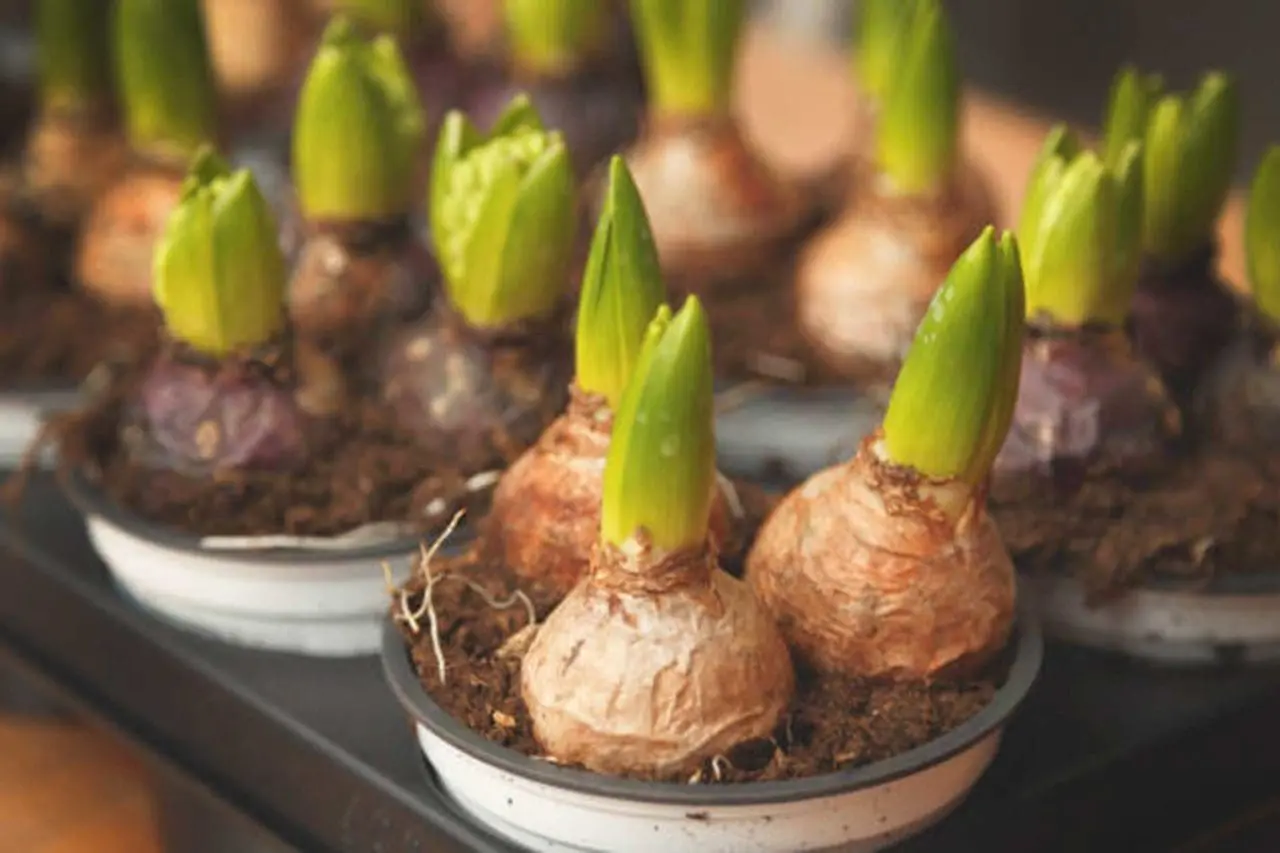
In spring, bulbs, serviceberry, magnolia, and early perennials create a sense of renewal. In summer, shrubs, grasses, and perennials provide fullness and color. In fall, maples, viburnums, grasses, asters, and seed heads add richness. In winter, evergreens, ornamental bark, stonework, and strong branching structure carry the landscape when flowers are gone.
Designing for all seasons reduces reliance on frequent replanting or temporary fixes. The property remains visually engaging even when the garden is dormant.
Use Smart Irrigation Instead of Guesswork
Low-maintenance does not mean no watering. It means watering intelligently.
In the Boston area, rainfall can be inconsistent. Spring may be saturated, while summer can bring long dry stretches. Newly planted trees, shrubs, perennials, and lawns need careful watering during establishment. Even established gardens may need support during drought.
Modern irrigation systems simplify care by delivering water where and when it is needed. Drip irrigation can target planting beds without soaking foliage or wasting water on pavement. Smart controllers can adjust schedules based on weather. Proper zoning ensures sunny lawns, shaded beds, containers, and newly planted areas are not all treated the same way.
The EPA WaterSense program notes that outdoor water use accounts for a significant portion of household water use, and inefficient irrigation can waste a large share of that water. A well-designed irrigation system reduces waste while protecting the landscape investment.
Related Service: Landscape Irrigation Services
Reduce Lawn Where It Does Not Serve the Property
Lawn has a place in many residential landscapes. It provides open space, visual calm, play areas, and contrast against planting beds. But large expanses of turf can be one of the highest-maintenance parts of a property.
Mowing, fertilizing, aerating, overseeding, irrigation, weed control, and repair all require ongoing attention. On steep slopes, shady areas, wet zones, or narrow strips, lawn often performs poorly and demands more care than it is worth.
A low-maintenance design uses lawn intentionally. Areas that are difficult to mow or maintain may be better suited to groundcovers, shrubs, meadow-inspired planting, stone paths, terraces, or woodland gardens.
The result is not less design. It is better use of the property.
Design for Drainage Before Problems Appear
Water is one of the biggest hidden maintenance drivers in Massachusetts landscapes. Poor drainage can cause turf decline, plant stress, erosion, icy walkways, shifting patios, and washed-out mulch.
A low-maintenance landscape should address drainage early through grading, swales, permeable surfaces, dry wells, catch basins, subsurface drainage, or planting strategies suited to wet conditions. The right solution depends on where the water is coming from and how the property is shaped.
Ignoring drainage almost always increases maintenance. Solving it early protects hardscape, planting, and the home itself.
Related Blog: Landscape Drainage Solutions for Massachusetts Properties
Pros and Cons of Low-Maintenance Landscape Design
| Pros | Cons |
|---|---|
|
|
The Financial Benefits of Low-Maintenance Design
While the initial investment in a well-designed, low-maintenance landscape may be higher, the long-term payoff can be significant. Fewer replacements, less fertilizer, lower water use, reduced labor, and fewer repairs all add up.
According to the U.S. Department of Energy, properly placed trees can reduce surrounding air temperatures and help reduce cooling costs. In a dense metro area like Boston, where summer heat and hardscape surfaces can intensify outdoor discomfort, strategic planting can improve both energy performance and daily usability.
Low-maintenance design is not only about saving time. It is about reducing avoidable costs while creating a property that becomes stronger and more attractive as it matures.
“The best low-maintenance landscapes are not bare or simplified. They are carefully matched to the site, so the garden does more of the work naturally.”
— Katie Johnson, Landscape Designer, a Blade of Grass
Frequently Asked Questions from Boston Homeowners
Frequently Asked Questions
Q: Does low-maintenance landscaping mean boring?
A: No. The best low-maintenance gardens rely on texture, structure, repetition, and seasonal layering instead of constant color changes. They can be rich, refined, and highly designed.
Q: Will I still need to water and prune?
A: Yes, but usually less often and with more purpose. Smart irrigation, resilient plant selection, and proper spacing reduce routine effort. Maintenance shifts from constant correction to strategic seasonal care.
Q: What plants are best for low-maintenance landscapes in Massachusetts?
A: The best choices depend on the site, but native and regionally adapted shrubs, ornamental grasses, groundcovers, and perennials often perform well. Plant selection should be based on sun, soil, drainage, deer pressure, and mature size.
Q: How do I reduce snow and ice damage?
A: Use durable hardscape materials, proper grading, drainage, and plant placement. Materials such as granite, quality pavers, and properly installed stone can help reduce frost-related issues when paired with good construction practices.
Q: Is low-maintenance landscaping more expensive upfront?
A: Often, yes. Better soil preparation, drainage, irrigation, mature plant selection, and durable materials can raise initial costs. Over time, those investments may reduce repairs, replacements, and ongoing maintenance needs.
Learn More
For additional region-specific guidance, these trusted resources offer useful information on low-maintenance planting, native plants, and sustainable landscape planning:
- Trees, Shrubs, and Vines for Low-Maintenance Landscapes – UMass Extension
- Plant Lists and Landscape Guides – Grow Native Massachusetts
- Massachusetts Native Plant Palette – Mass.gov
Conclusion: Smarter Landscapes, Greater Rewards
Creating a low-maintenance, year-round landscape in Greater Boston is not about cutting corners. It is about designing intelligently. When soil health, drainage, plant selection, hardscape, irrigation, and maintenance planning align with the natural rhythms of New England, the result is a property that is easier to care for and more beautiful over time.
If you are ready to simplify your landscape while elevating your property’s appeal, contact the a Blade of Grass team for a complimentary consultation. Our designers specialize in creating timeless, low-maintenance outdoor spaces that thrive through every season.