Best Fall Plants to Add Color and Texture to Your Boston Garden
Autumn is when New England landscapes often look their most memorable. The light softens, the air cools, and the garden begins shifting from summer abundance into richer tones, seed heads, berries, and late-season bloom.
For Boston-area homeowners, fall planting design is about more than foliage. Changing trees may get most of the attention, but shrubs, vines, perennials, berries, and ornamental seed heads can carry color and texture well into the colder months. The right plant choices can make a garden feel warm, layered, and alive long after many summer flowers have faded.
Below are a few favorite plants and plant groups that can brighten the fall landscape and extend seasonal interest across a residential property.
Key Takeaways
- Fall gardens can offer far more than colorful tree foliage.
- Late-blooming perennials, aging hydrangea flowers, berries, and seed heads all add seasonal interest.
- The strongest fall planting designs combine color, texture, fragrance, fruit, and structure.
- Many fall plants continue contributing to the landscape into winter.
- Choosing plants for multiple seasons helps Boston-area gardens feel more complete and resilient.
Why Fall Planting Matters in New England Gardens
A well-designed garden should not peak for only a few weeks in June. In Greater Boston and across New England, the best landscapes are planned for movement through the seasons. Fall is one of the most rewarding moments in that cycle.
By September and October, many summer perennials begin to fade, but the garden does not need to lose its energy. Late bloomers, colorful fruit, changing foliage, and strong seed heads can keep beds, borders, foundations, and outdoor living spaces visually engaging.
Fall planting also helps create a smoother transition into winter. Plants with persistent berries, dried flowers, textured stems, or strong structure can continue to support the landscape after frost.
1. Sweet Autumn Clematis
Clematis paniculata

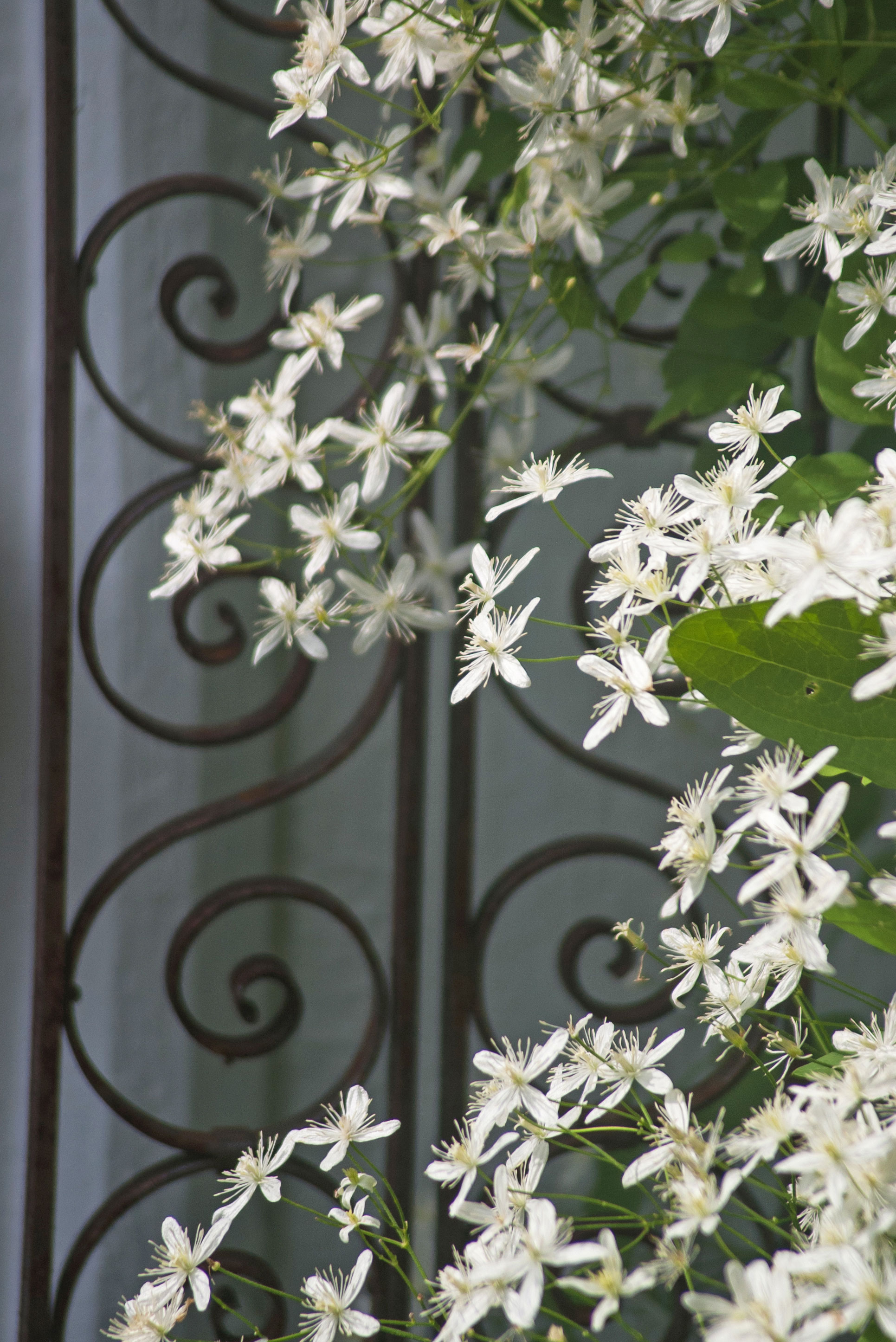
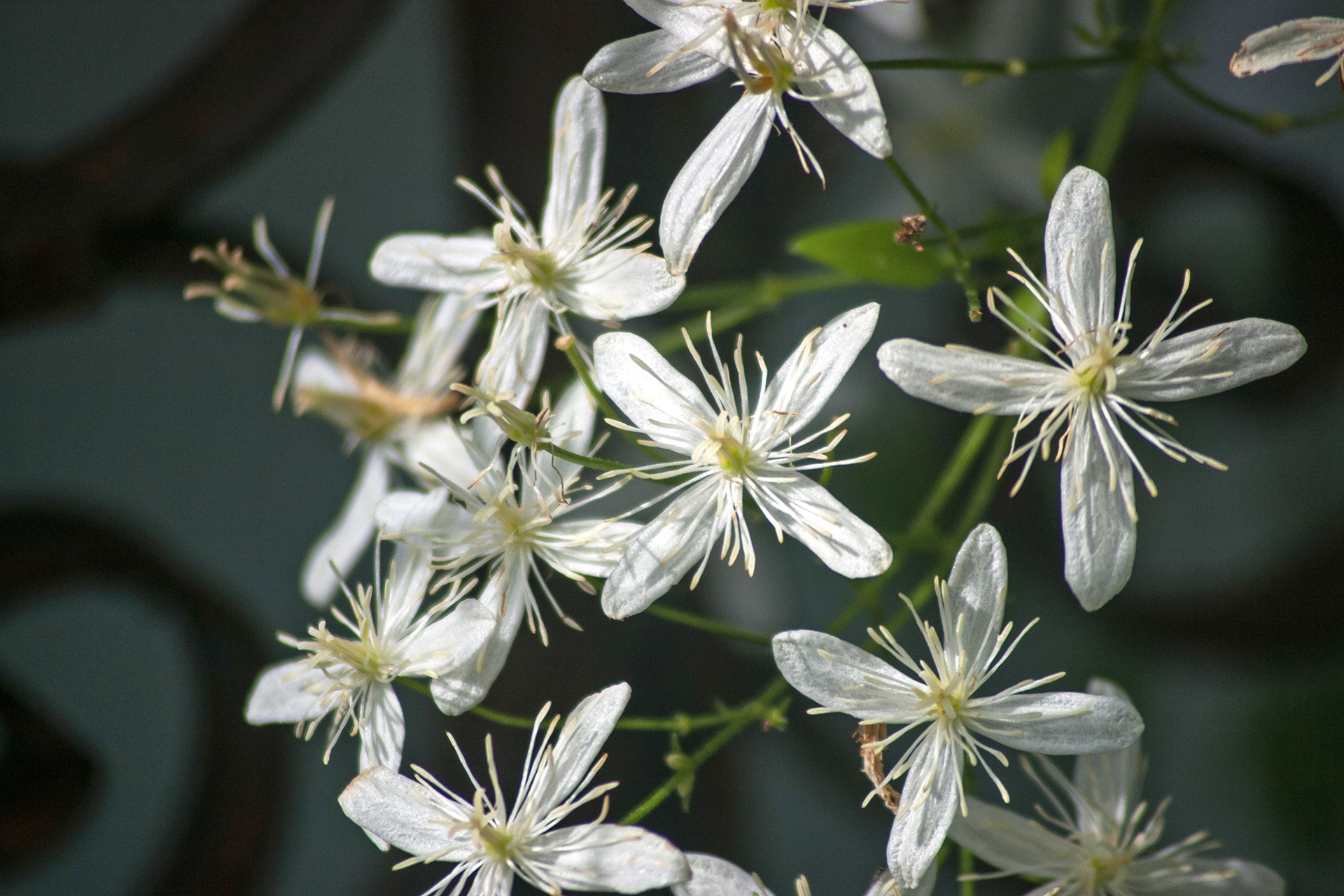
Sweet autumn clematis is one of the unmistakable signals that the garden is turning toward fall. This vigorous twining vine produces masses of delicate white flowers in late summer to early fall, often followed by clouds of silvery seed heads.
The flowers can cover the plant so completely that the vine appears almost frosted. Its fragrance is another major part of its appeal. When placed near a gate, arbor, fence, or garden path, sweet autumn clematis can become a memorable seasonal moment.
Best Uses
- arbors and pergolas
- fences and trellises
- garden gates
- entry paths
- informal edges where a vigorous vine has room to grow
Sweet autumn clematis should be used with care because it can be vigorous. It performs best where it has enough support, space, and maintenance attention.
2. Rudbeckia
Black-Eyed Susan
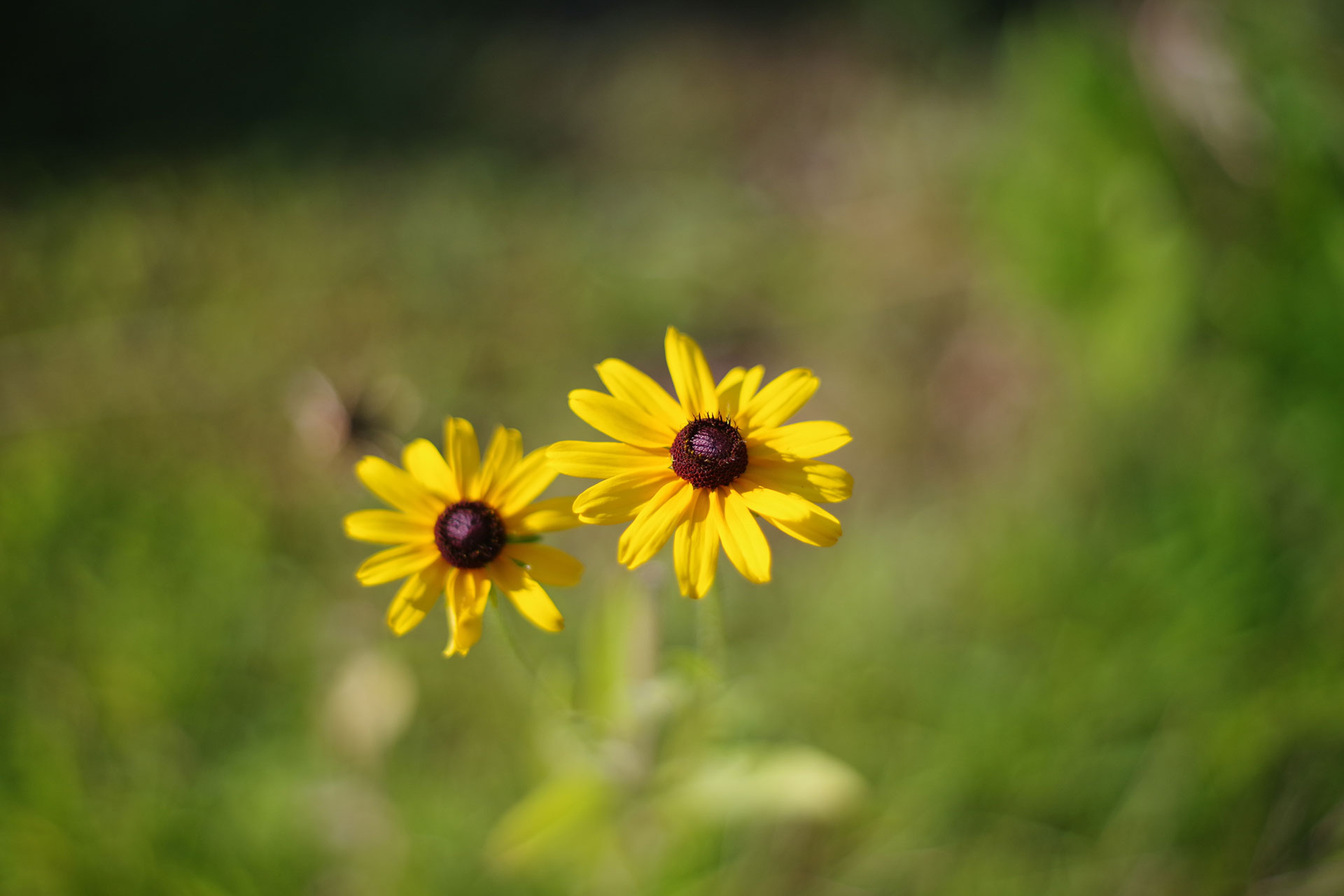
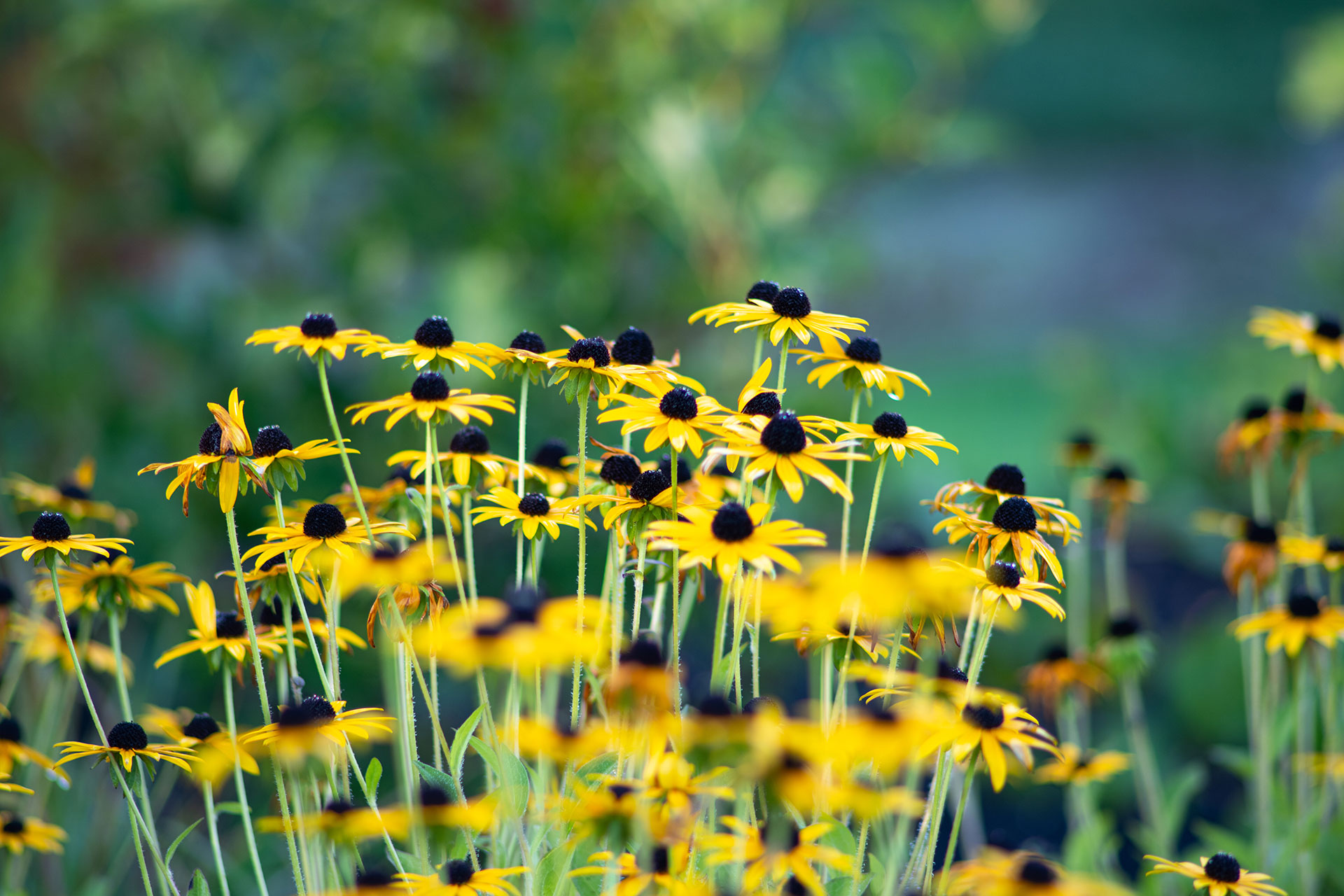
Rudbeckia is a classic late-season perennial for good reason. It is tough, cheerful, and generous with bloom. Although it often begins flowering in summer, its golden-yellow flowers can continue well into fall, bringing warmth to the garden as other plants begin to quiet down.
The bright flowers pair beautifully with the reds, oranges, and yellows of autumn foliage. They also work well with ornamental grasses, sedum, asters, hydrangeas, and darker evergreen structure.
Best Uses
- sunny perennial borders
- pollinator gardens
- foundation extensions
- meadow-inspired plantings
- informal cottage-style beds
Rudbeckia can help a fall garden feel relaxed and abundant without requiring overly complicated care.
3. Japanese Anemone
Anemone hupehensis
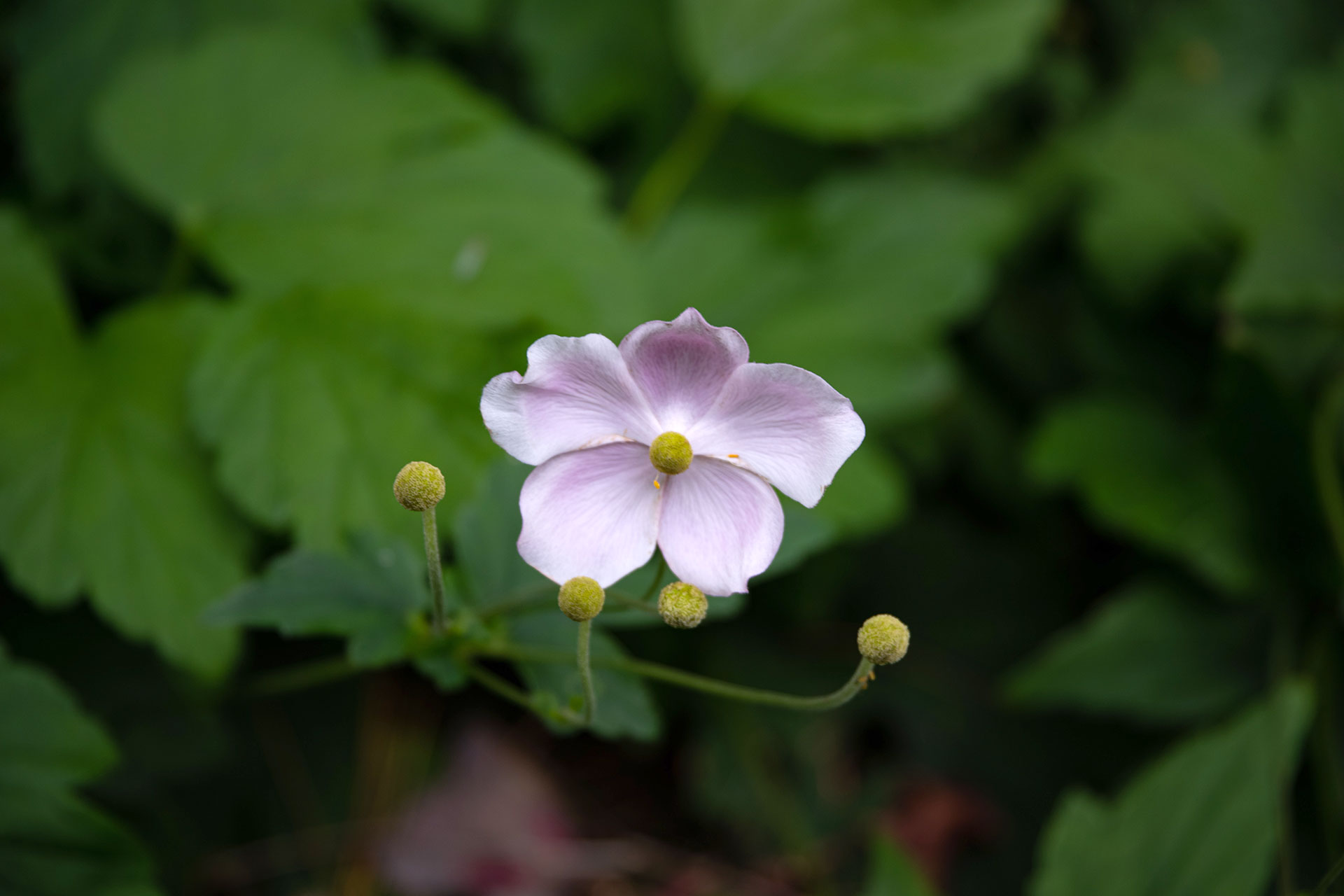
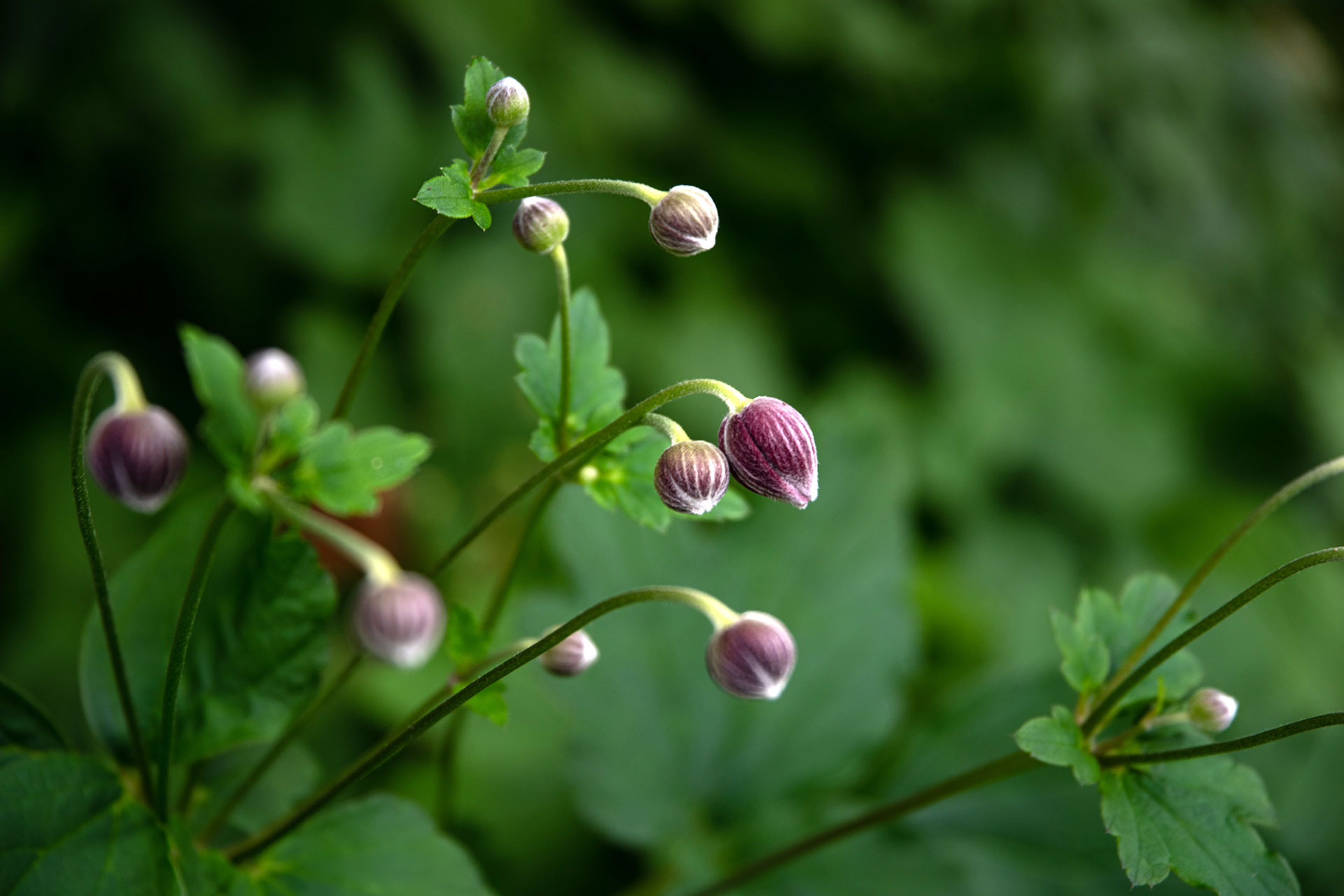
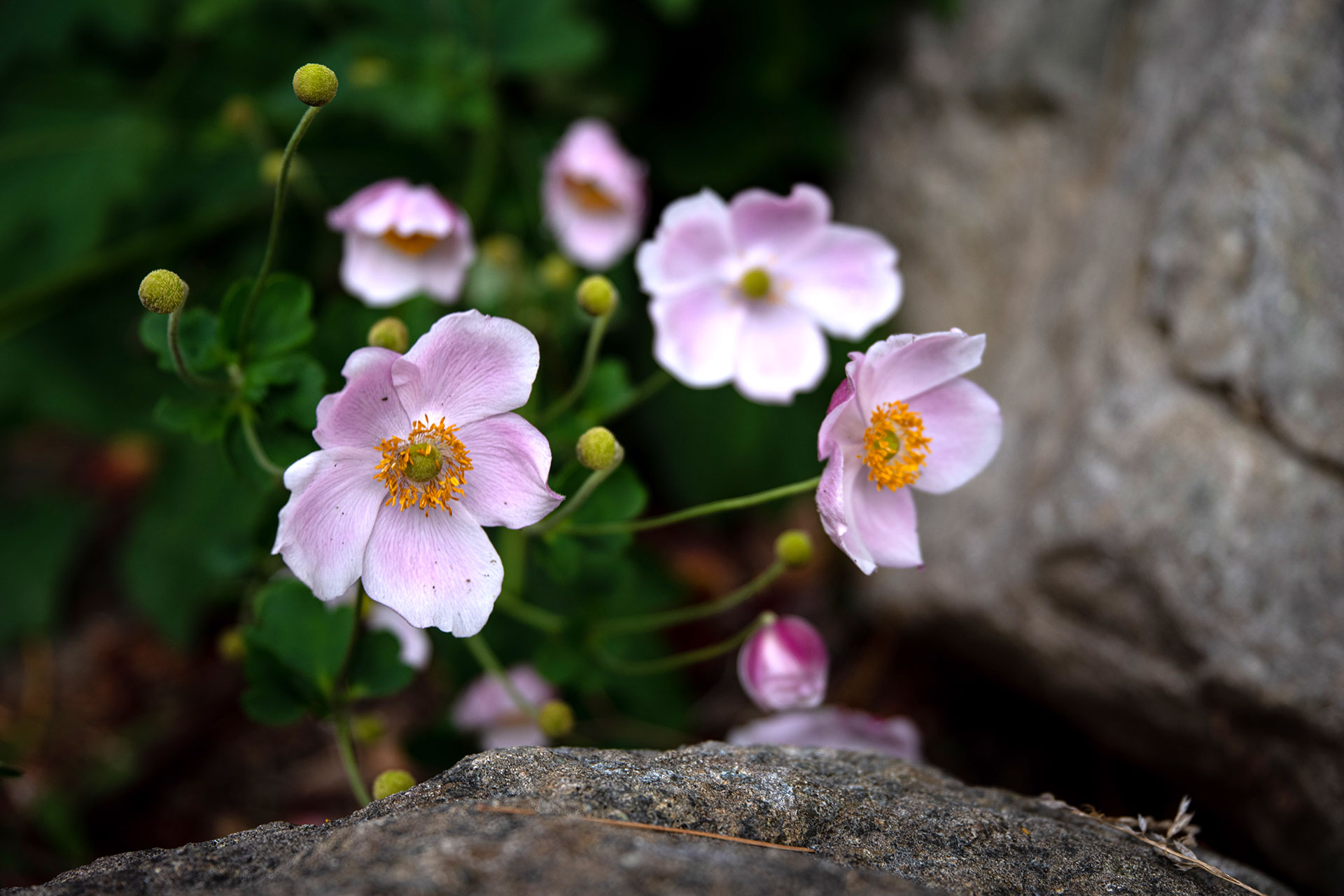
As many summer perennials begin to fade, Japanese anemones step onto the fall stage. Their tall, delicate stems hold simple flowers in soft pinks, whites, and pastel tones that stand out beautifully against deepening foliage and late-season texture.
Japanese anemones bring a lightness that is especially useful in fall. Their flowers seem to float above surrounding plants, adding movement without making the garden feel heavy. In many Boston-area gardens, they continue blooming until frost.
Best Uses
- part-shade borders
- woodland edges
- mixed perennial beds
- garden paths
- areas where a softer, more graceful fall bloom is desired
Japanese anemones can spread in favorable conditions, so placement matters. They are best used where their natural movement and habit are part of the design.
Related Blog: Design Ideas: Three Flowering Shrubs for Garden Structure
4. Hydrangea
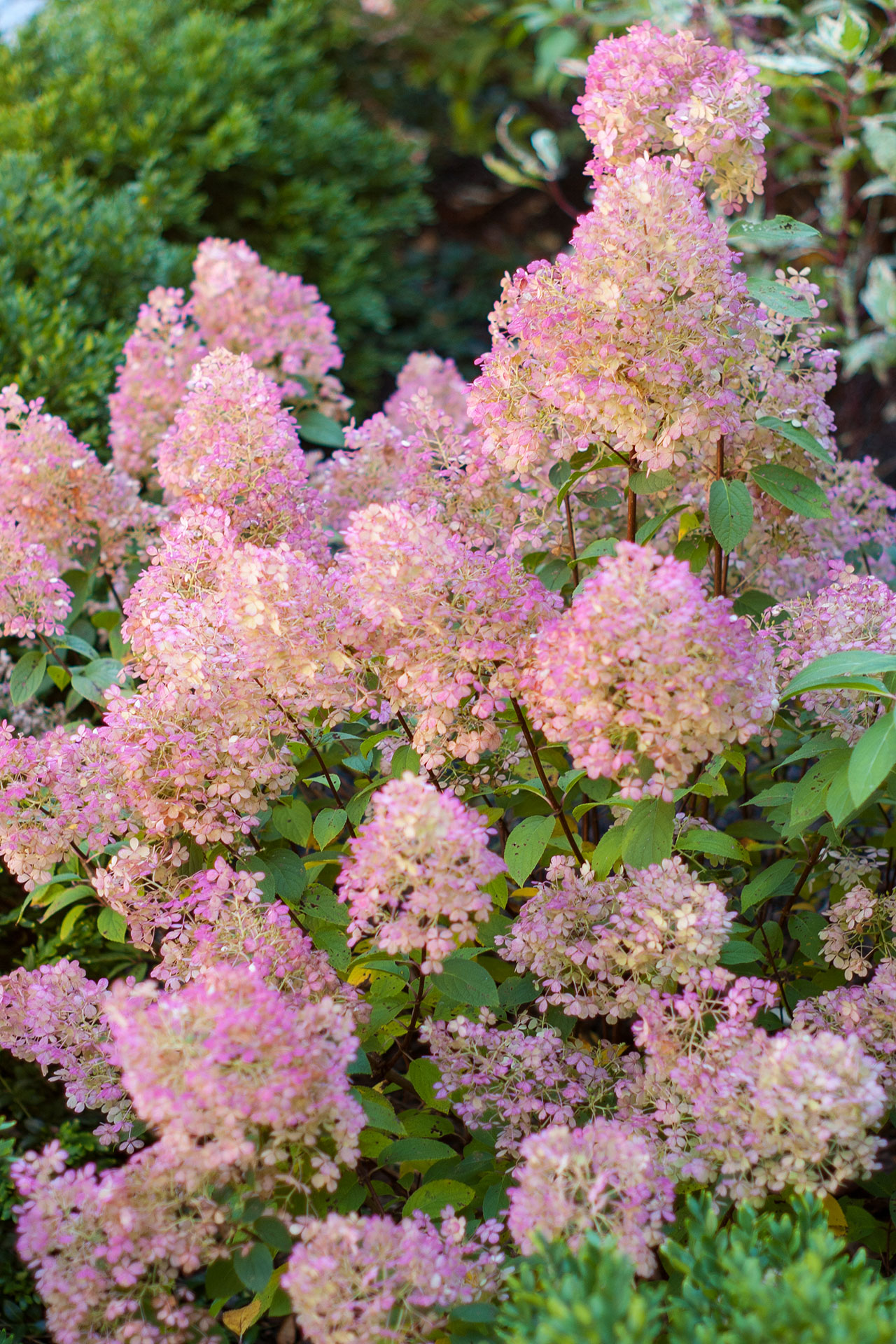
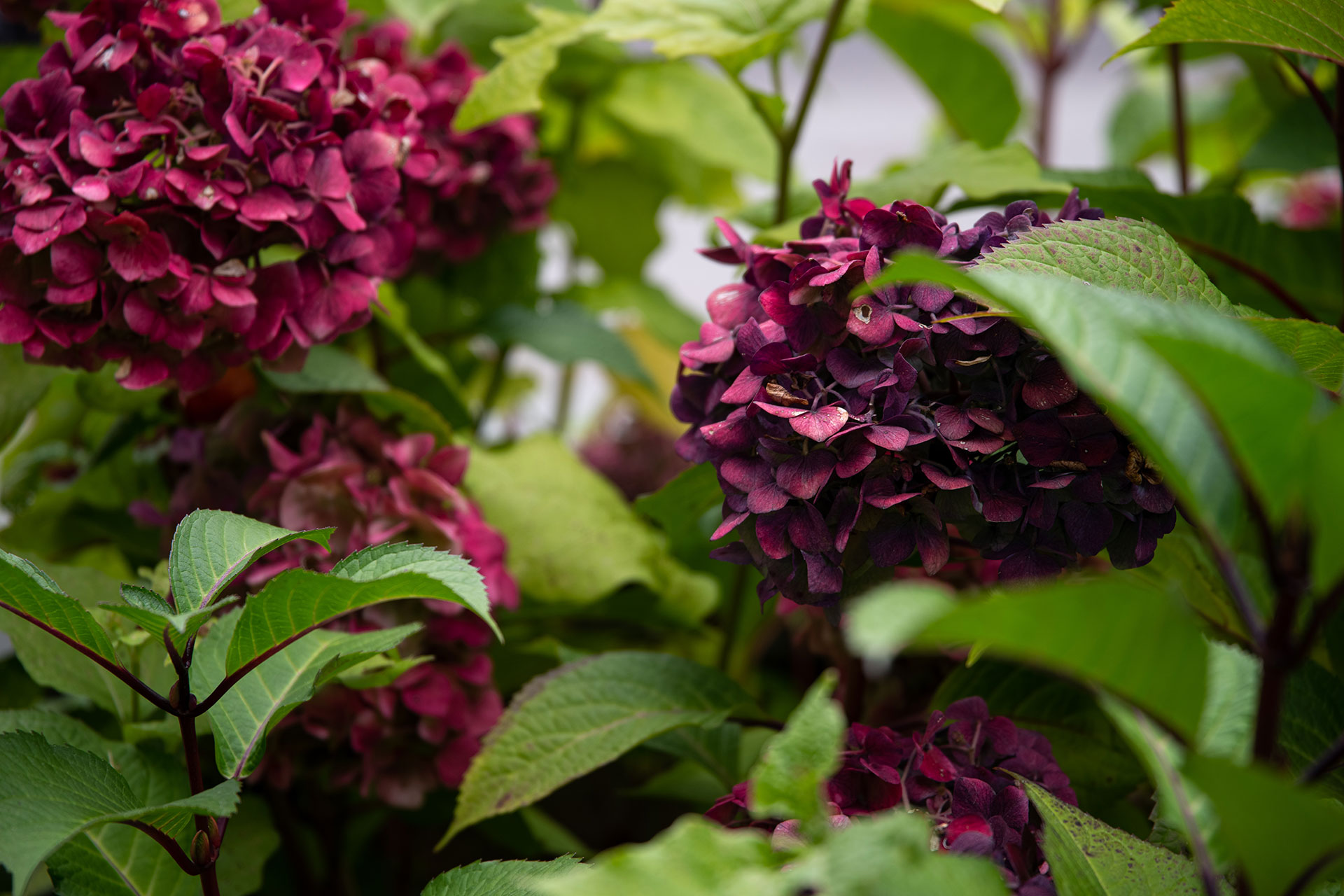
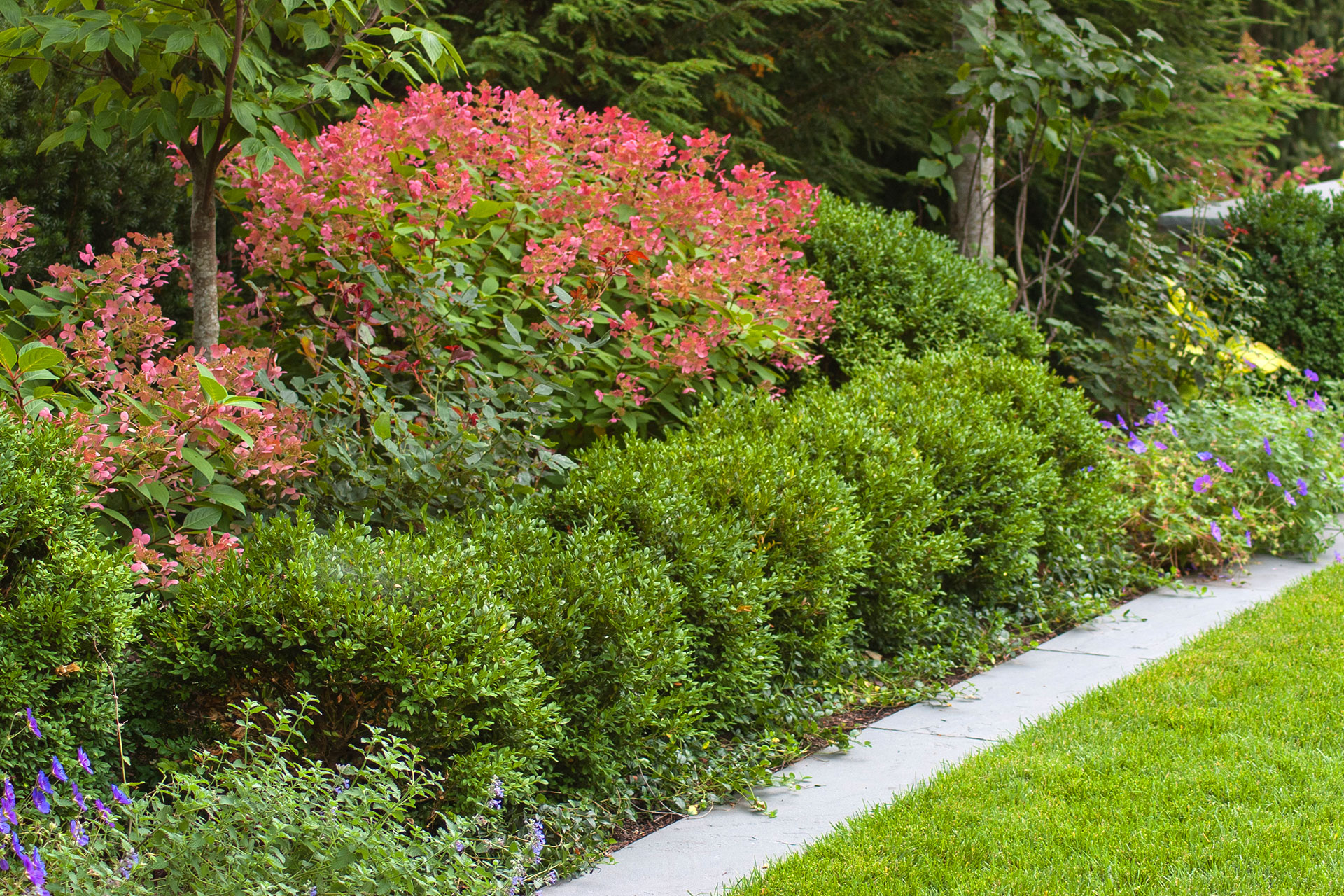
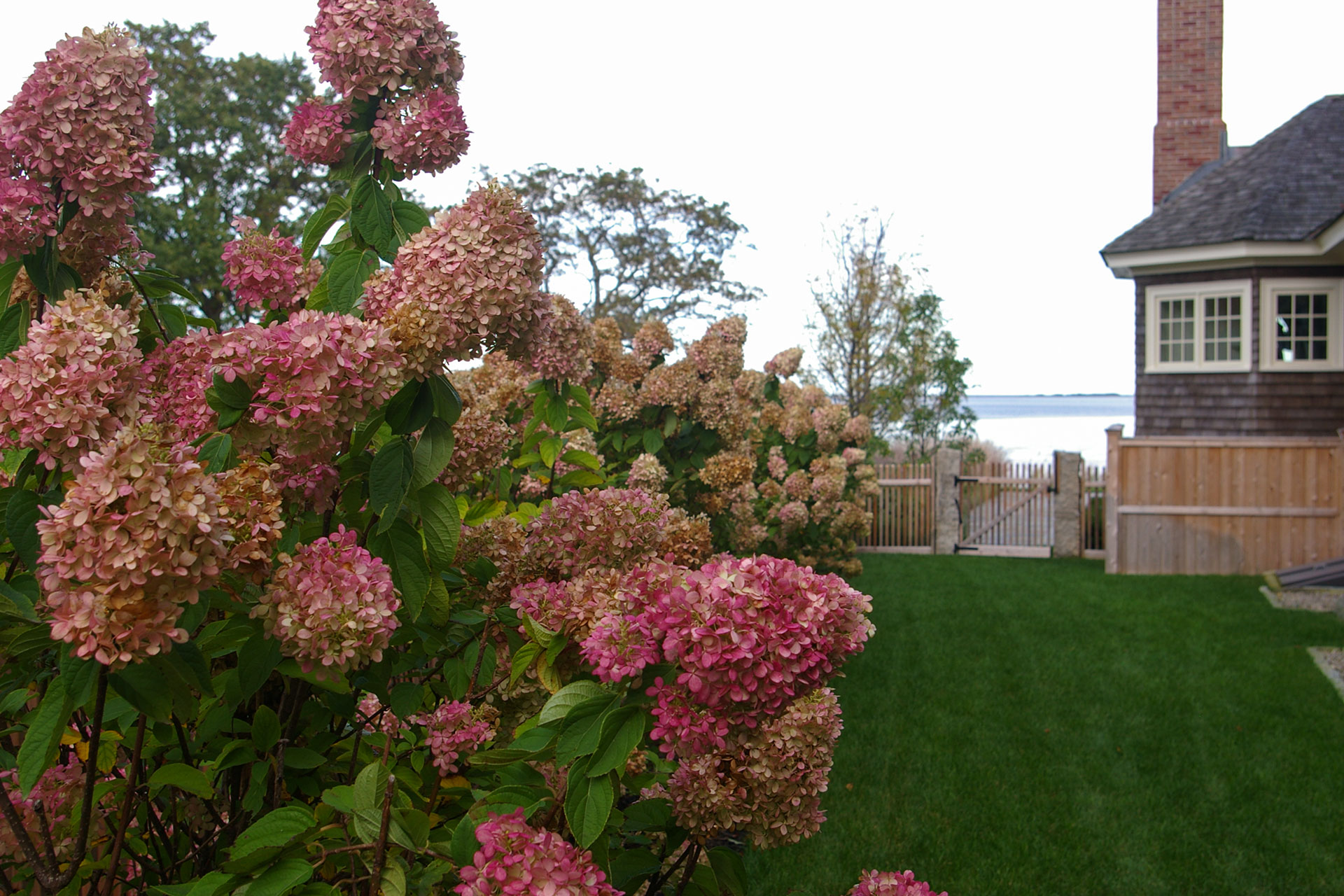
Hydrangeas are everywhere in New England landscapes, but their popularity is well earned. While their summer flowers often get the attention, their fall color can be just as compelling.
As hydrangea flowers age, they often shift into pink, mauve, burgundy, purple, tan, and soft green tones. In some gardens, these late-season colors are more subtle and more interesting than the early-season bloom.
Hydrangeas are especially valuable because they hold presence. Even as the garden changes around them, their flower heads add mass, texture, and structure.
Fall Favorites
- ‘Bloomstruck’ for rich color changes and repeat interest
- ‘Quick Fire’ for earlier bloom and strong pink fall tones
- ‘Grandiflora’ for classic panicle hydrangea presence
Best Uses
- foundation plantings
- mixed shrub borders
- patio edges
- front yard planting beds
- transitions between formal and informal garden areas
Hydrangeas are also useful in winter, when dried flower heads can remain attractive in the landscape or be cut for seasonal arrangements.
5. Fruiting Plants and Berrying Shrubs
Crabapple, Hawthorn, Winterberry, Viburnum, and Purple Beautyberry
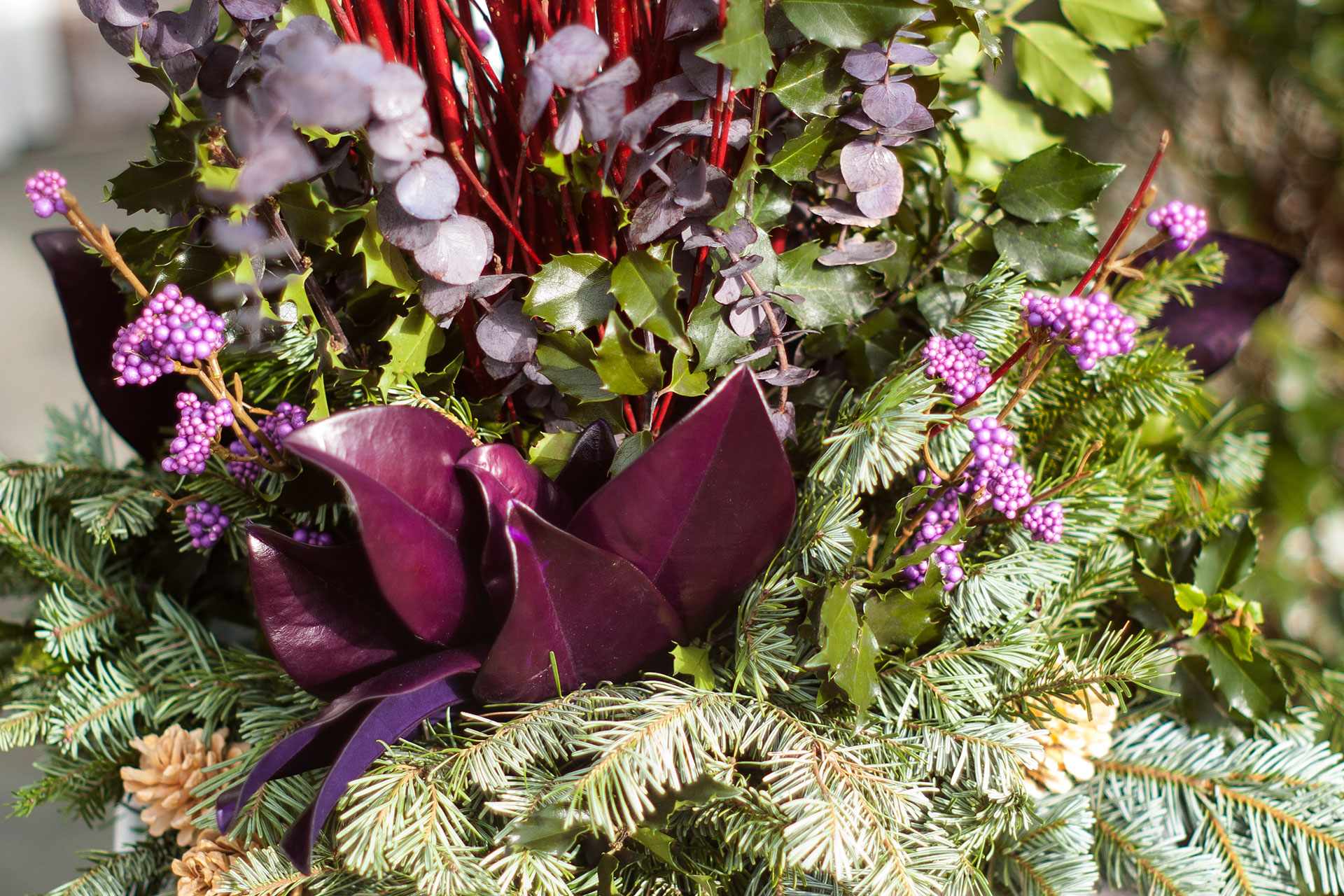
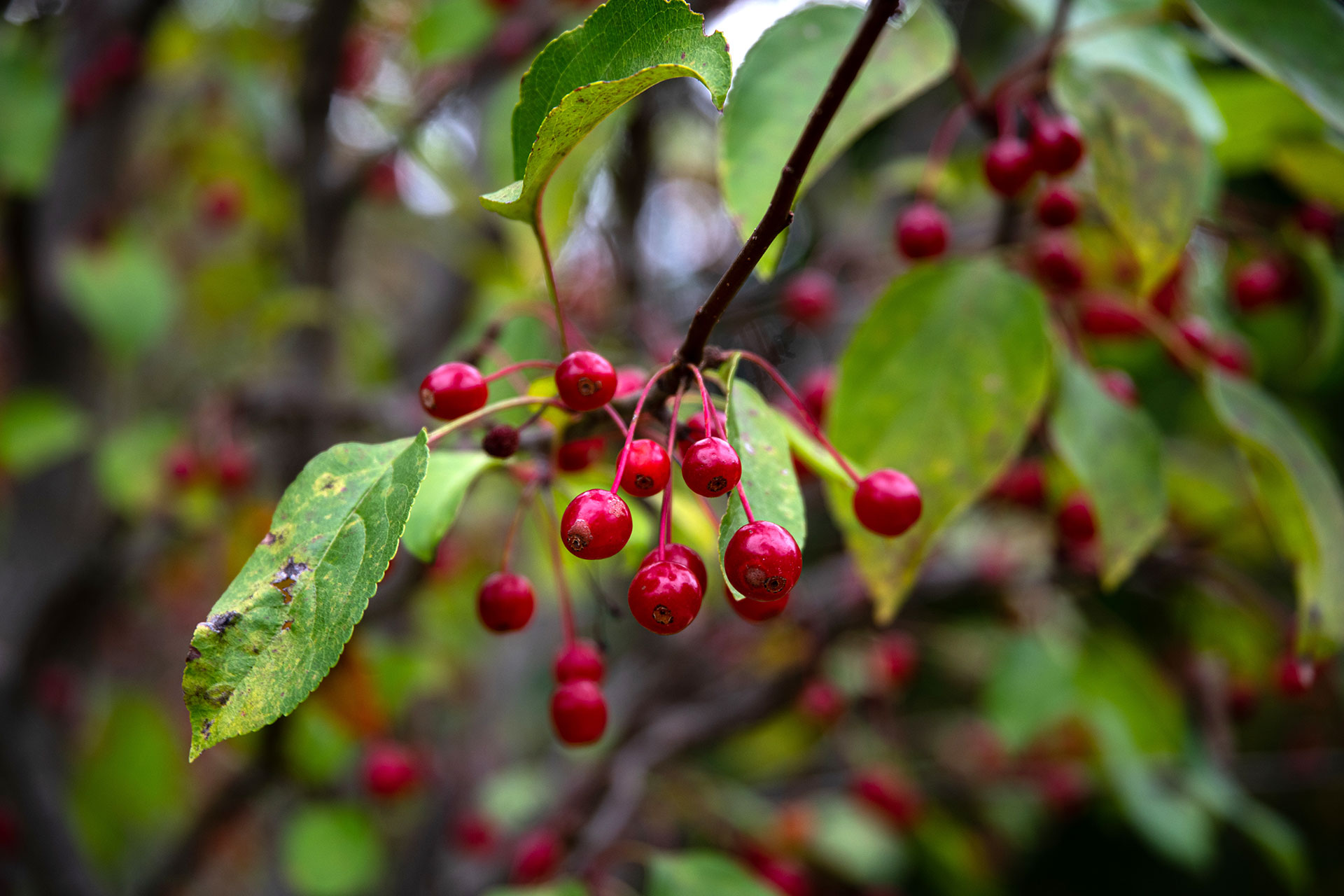
One of the great pleasures of the fall garden is the arrival of fruit and berries. As many flowers and leaves fade, berries often remain as a persistent source of color through fall and into winter.
Several plants are especially useful for this purpose:
- Crabapple for colorful fruit and spring bloom
- Hawthorn for red fruit and wildlife value
- Winterberry for bright red berries that stand out after leaf drop
- Viburnum for berries, foliage color, and shrub structure
- Purple beautyberry for striking violet fruit in fall
These plants add another layer to the garden because they are not dependent on flowers alone. Their fruit can support birds, create winter interest, and add strong color when the rest of the landscape is becoming more subdued.
Winterberry and purple beautyberry are also excellent additions to winter decorations, containers, and seasonal arrangements.
Bonus: Sedum ‘Autumn Joy’
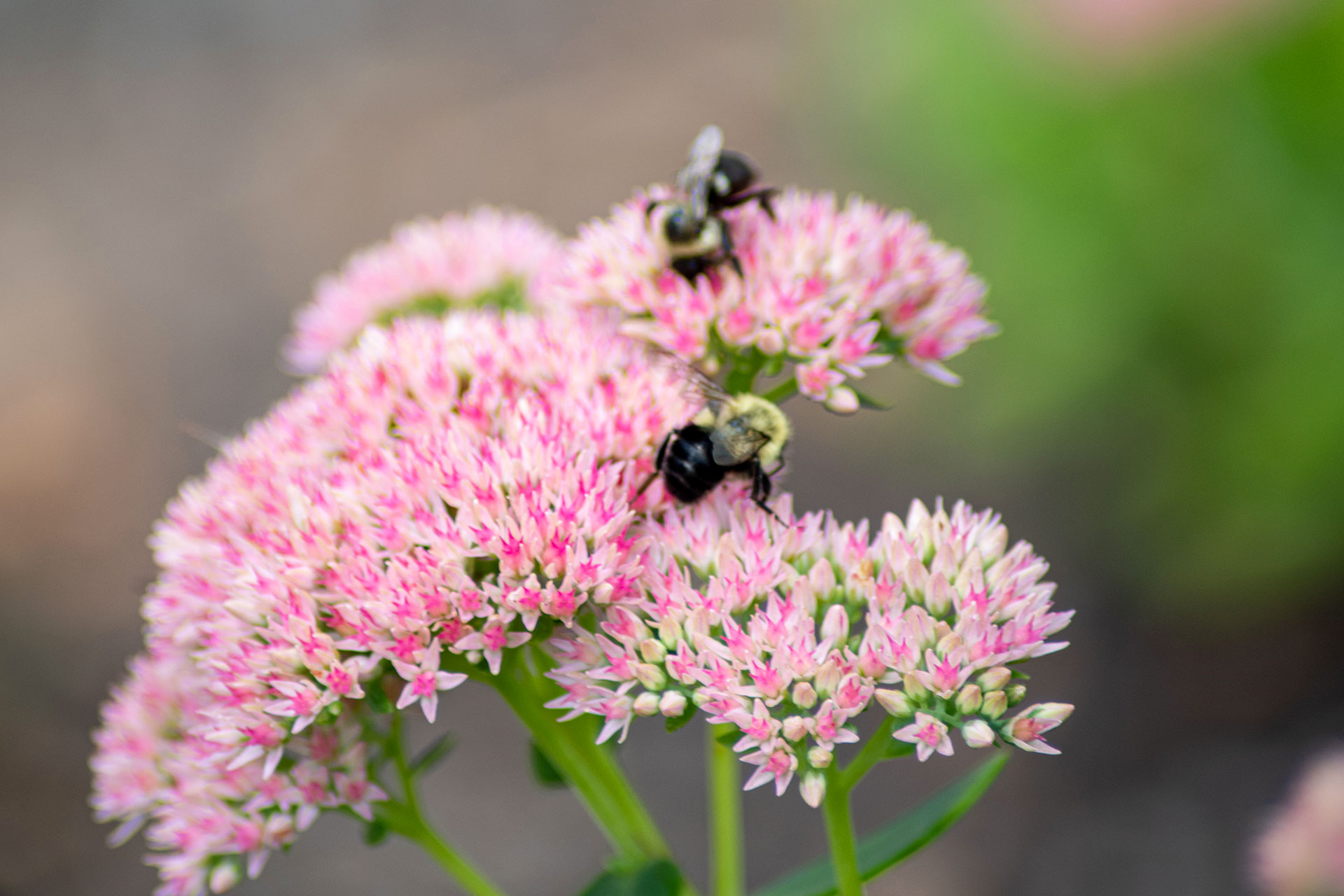
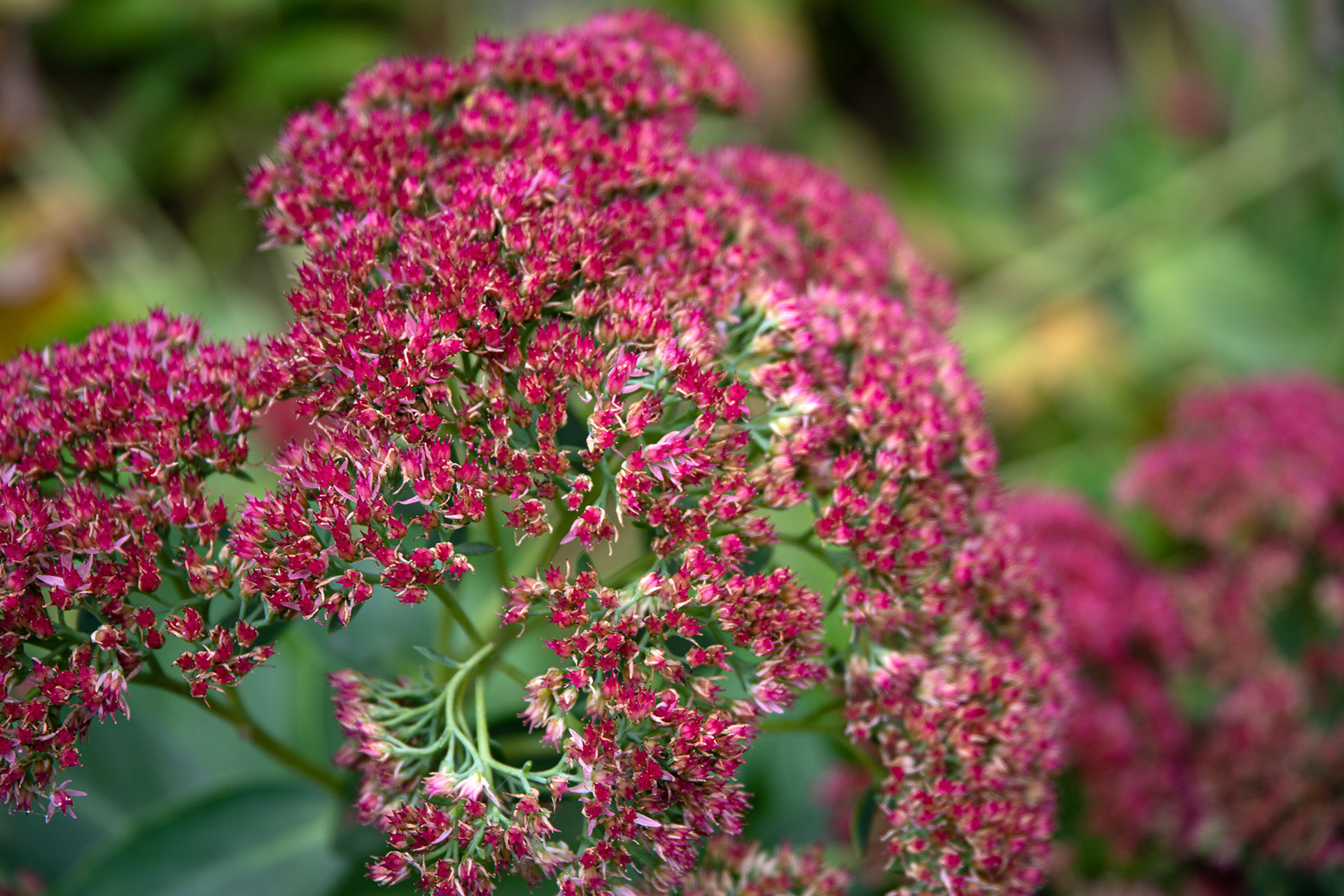
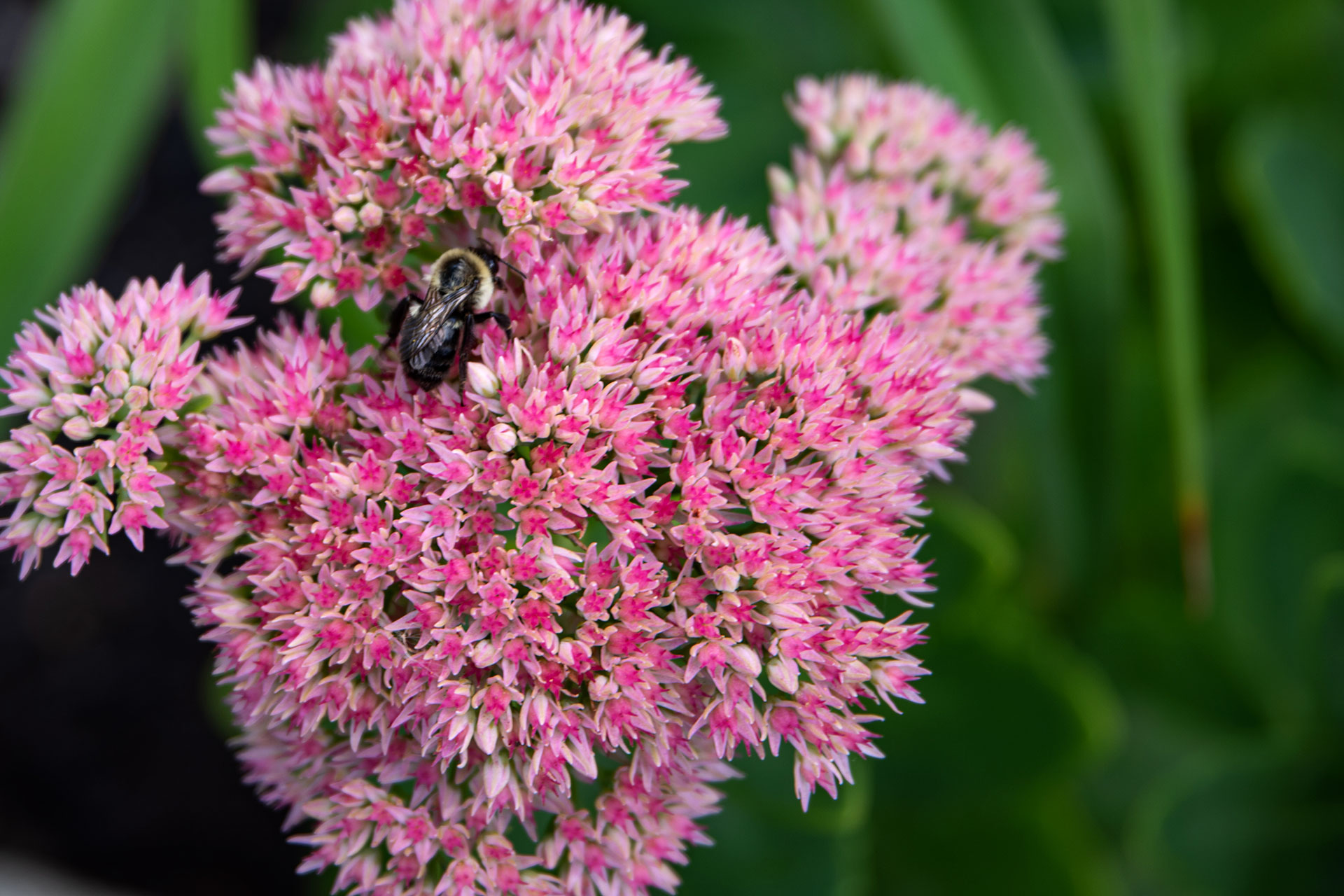
Sedum ‘Autumn Joy’ is common enough that it may be considered overused in some gardens, but it remains useful for a reason. It is exceptionally durable, drought tolerant once established, and reliable in late-season planting designs.
Its pale pink flowers arrive in late summer and gradually deepen to richer rose, rust, and magenta tones as fall progresses. The flower heads also attract bees and other pollinators, often becoming one of the liveliest areas of the garden late in the season.
Best Uses
- sunny borders
- low-maintenance gardens
- pollinator plantings
- stone-edged beds
- areas where reliable fall color is needed
Few sights are as cheerful as a mass of ‘Autumn Joy’ covered with contented bees on a warm fall afternoon.
Designing a Stronger Fall Garden
The most successful fall gardens do not rely on one plant. They combine several types of seasonal interest so the landscape feels layered and complete.
A strong fall planting plan might include:
- late-blooming perennials for color
- hydrangeas for mass and texture
- berrying shrubs for fall and winter interest
- ornamental grasses for movement
- evergreens for structure
- small ornamental trees for foliage and fruit
- seasonal containers near entries and patios
This layered approach helps the garden continue performing as temperatures drop. It also supports a more refined look because the landscape is not dependent on one short bloom period.
Common Fall Planting Mistakes to Avoid
- Relying only on flowers: Fall interest should include foliage, fruit, seed heads, grasses, and structure.
- Ignoring winter transition: Choose some plants that continue looking good after frost.
- Planting too many one-off specimens: Repetition creates a stronger, more intentional design.
- Forgetting scale: Late-season plants should fit the surrounding shrubs, paths, patios, and architecture.
- Cutting everything back too early: Some seed heads, berries, and dried flowers add valuable winter texture.
Frequently Asked Questions About Fall Plants
Q: What are the best fall plants for Boston gardens?
A: Strong fall choices include hydrangeas, rudbeckia, Japanese anemone, sedum, winterberry, viburnum, crabapple, hawthorn, purple beautyberry, and ornamental grasses. The best mix depends on sun, soil, moisture, deer pressure, and the overall design of the property.
Q: Can fall plants provide winter interest too?
A: Yes. Plants with berries, seed heads, dried flowers, bark, or strong structure can continue adding visual interest after frost. Winterberry, crabapple, hydrangea, sedum, and ornamental grasses are especially useful for this transition.
Q: Are hydrangeas good fall plants?
A: Yes. Many hydrangeas develop beautiful late-season color as their flowers age. Panicle hydrangeas and some reblooming varieties can be especially valuable in fall planting designs.
Q: Should fall perennials be cut back right away?
A: Not always. Some perennials and grasses offer attractive seed heads, winter structure, or wildlife value. Cutting everything back too early can make the garden feel bare before winter.
Q: Can fall planting still look refined?
A: Absolutely. A refined fall garden uses repetition, structure, texture, and a limited color palette. The goal is not simply more plants, but better seasonal composition.
Bring More Fall Color Into Your Landscape
A beautiful fall garden is planned, not accidental. By combining late bloomers, aging flowers, colorful berries, strong foliage, and winter-ready structure, Boston-area homeowners can create landscapes that remain engaging long after summer ends.
At a Blade of Grass, our landscape design, seasonal planting, and maintenance teams help homeowners create gardens that feel complete across all four seasons. If you would like to add more fall color, texture, and long-term structure to your property, contact the Blade team to start the conversation.