Across Greater Boston and MetroWest Massachusetts, deer browsing has become one of the most common frustrations homeowners face when investing in a landscape. In towns such as Weston, Wellesley, Concord, Dover, and Lincoln, where wooded areas blend with residential neighborhoods, ornamental plantings often become an easy food source for white-tailed deer.
A garden that looked pristine one evening can appear heavily browsed the next morning. Shrubs are stripped, perennials disappear overnight, and newly planted trees may suffer serious damage.
The good news is that while no landscape can be completely deer-proof, there are many effective strategies that significantly reduce deer damage. With the right combination of plant selection, landscape design, and deterrent techniques, homeowners can protect their gardens while maintaining the beauty and character of their landscape.
Key Takeaways
- No plant is completely deer-proof, but many species are far less appealing to deer.
- Deer browsing often increases in late winter and early spring when natural food sources are scarce.
- Combining plant selection, landscape design, and deterrents is the most effective long-term strategy.
- Physical barriers such as fencing and protective guards can protect vulnerable plants.
- Professional landscape planning can significantly reduce deer damage across larger properties.
Why Deer Are a Growing Problem in Boston-Area Landscapes
White-tailed deer have adapted extremely well to suburban environments across New England, where residential landscapes create ideal habitat at the intersection of forests, lawns, and ornamental plantings. According to the Massachusetts Division of Fisheries and Wildlife, suburban development often creates what wildlife experts call “edge habitat,” where wooded areas meet open landscapes and provide both shelter and abundant food sources for deer populations.
In parts of the Northeast, deer densities can exceed 30–40 deer per square mile, far higher than historic levels. With limited natural predators and plentiful ornamental plantings, landscapes in communities such as Sherborn, Sudbury, and Lexington often become regular feeding areas. Seasonal conditions also play a role—during late winter and early spring, when natural vegetation is scarce, deer are more likely to browse landscape plants they might normally ignore during the growing season. Download: Living with Deer Fact Sheet.
Are There Truly Deer-Resistant Plants?
One of the first questions homeowners ask is whether there are plants deer will never eat. The honest answer is that no plant is completely deer-proof. When food is scarce, deer will browse nearly anything. However, many plants are consistently less attractive because of their texture, fragrance, or natural chemical compounds. Deer tend to avoid plants with strong aromatic oils, fuzzy or coarse foliage, bitter or mildly toxic characteristics, and those with thorny or leathery leaves. By incorporating these traits into planting plans, landscapes can become far less appealing to browsing wildlife while still providing beauty and seasonal interest.
6 Deer-Resistant Perennials for New England Landscapes
Across professionally designed landscapes in Massachusetts, certain plants are frequently selected because they combine ornamental beauty with greater resistance to deer browsing. Many flowering perennials provide seasonal color while remaining relatively unappealing to deer. These plants are commonly used in layered perennial beds and mixed borders throughout New England gardens. Examples include:
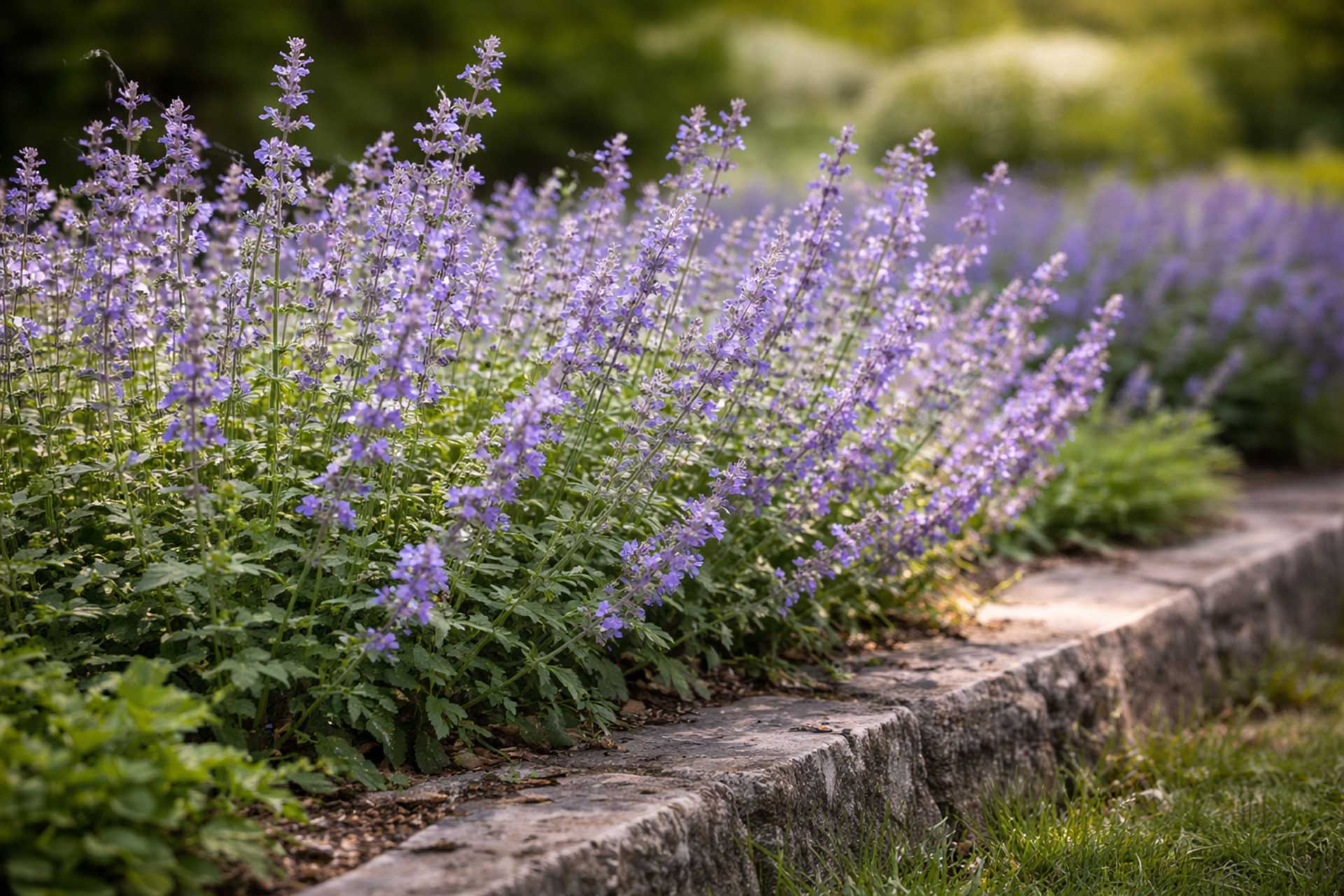
Catmint (Nepeta spp.)
Catmint (Nepeta) is a durable, easy-care perennial that deer rarely bother due to its strongly aromatic foliage. The plant releases a minty scent when brushed or crushed, which deer find unpleasant. Catmint produces soft clouds of lavender-blue flowers from late spring through summer, creating a relaxed, naturalistic look along garden edges and walkways. In addition to being deer-resistant, catmint is drought tolerant, attracts pollinators, and thrives in a wide range of soil conditions, making it a dependable performer in sunny New England landscapes.
Zone: 3 to 8
Size: 12 to 24 inches tall x 18 to 36 inches wide
Growing conditions: Full sun; well-drained soil
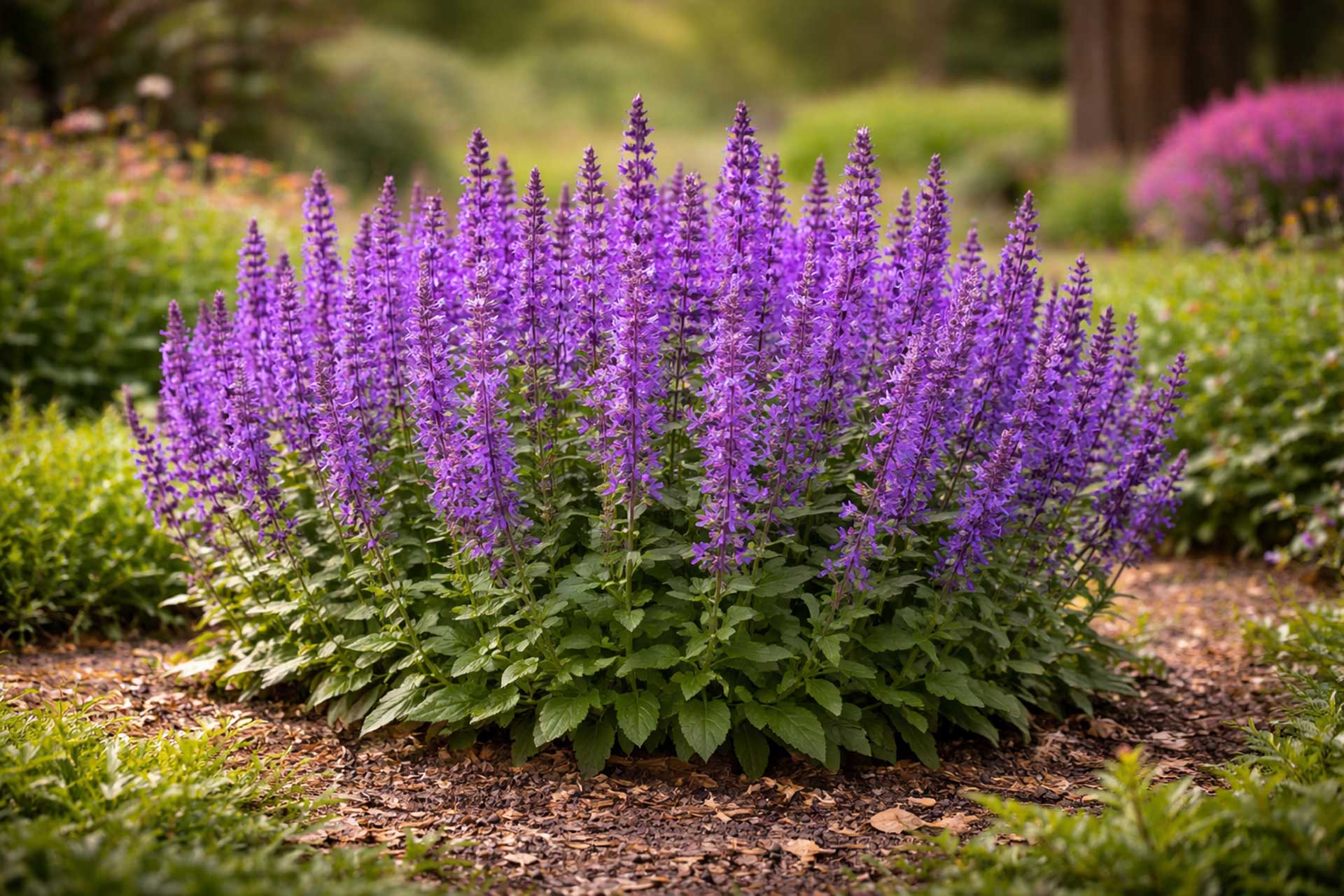
Salvia (Salvia spp.)
Salvia is widely considered one of the most dependable deer-resistant perennials due to its aromatic foliage. The strong fragrance and slightly fuzzy leaf texture discourage deer from browsing, while the plant’s tall spikes of vibrant flowers attract pollinators such as bees and hummingbirds. Salvias bloom for extended periods and often rebloom after trimming, providing consistent color in sunny garden beds. Their drought tolerance and resilience make them especially valuable in New England landscapes where gardeners want long-lasting color without constant maintenance.
Zone: 4 to 9
Size: 18 to 36 inches tall x 18 to 24 inches wide
Growing conditions: Full sun; well-drained soil
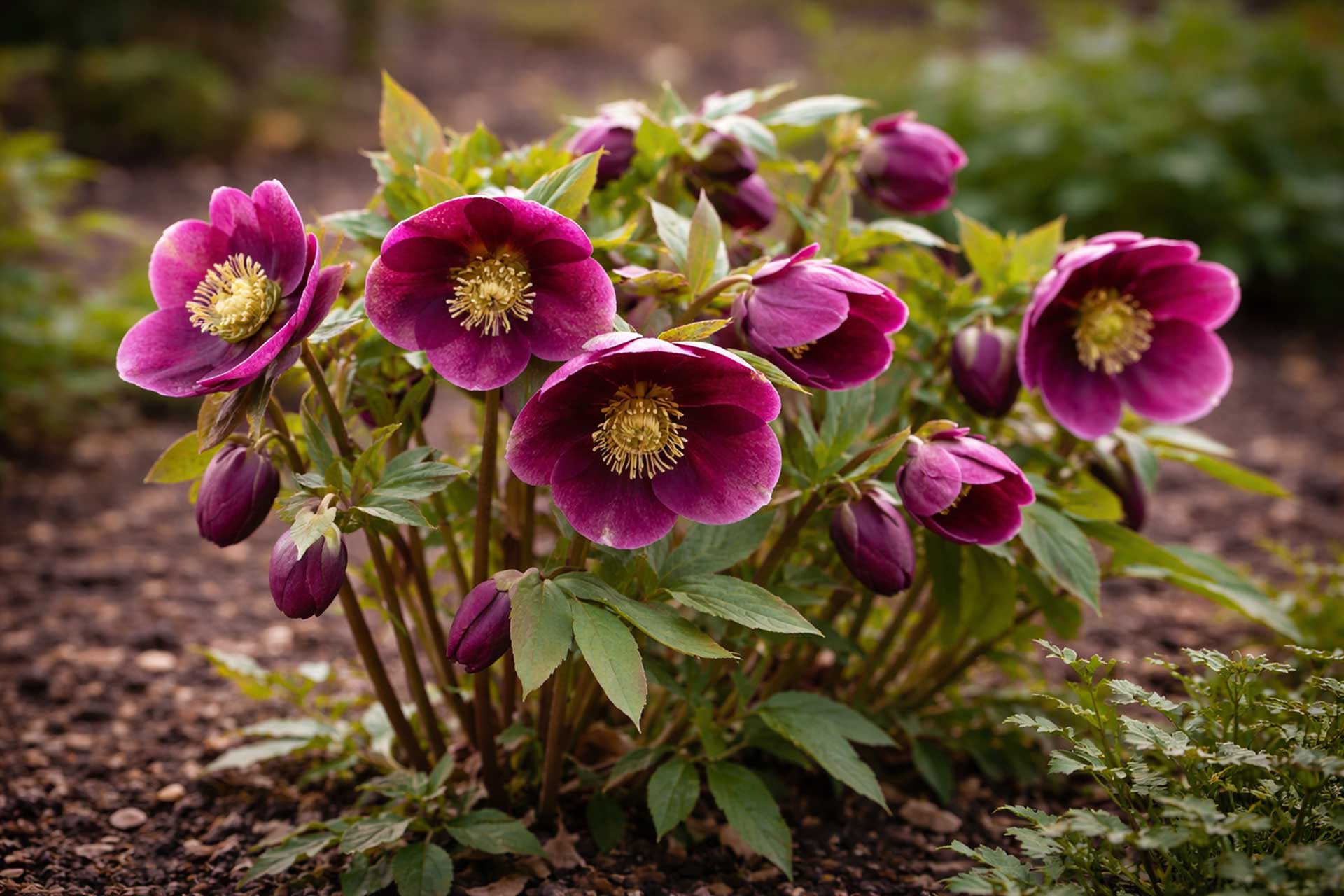
Hellebores (Helleborus spp.)
Hellebores are among the most reliable deer-resistant perennials for New England gardens. Their thick, leathery leaves and mildly toxic plant compounds make them unappealing to deer and rabbits, which typically avoid browsing them even in areas with heavy deer pressure. Blooming in late winter to early spring, hellebores provide valuable early-season color when little else is flowering. They thrive in woodland garden settings and under mature trees, making them an excellent choice for shaded Boston-area landscapes where deer browsing is common. Once established, hellebores are long-lived, low-maintenance plants that return year after year with minimal care.
Zone: 4 to 9
Size: 12 to 18 inches tall x 18 to 24 inches wide
Growing conditions: Partial shade to full shade; rich, well-drained soil
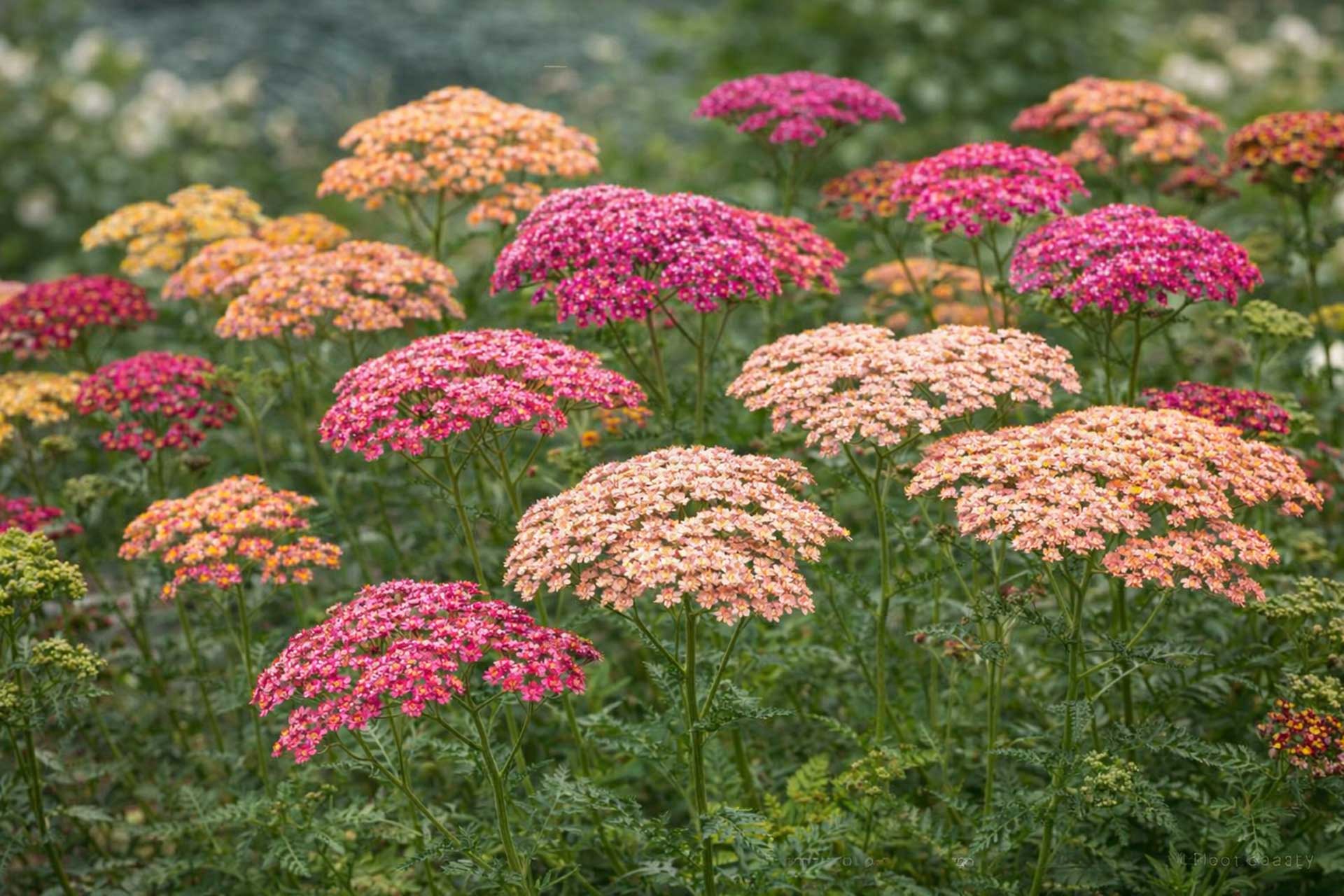
Yarrow (Achillea spp.)
Yarrow is a hardy perennial well known for its drought tolerance and resistance to deer browsing. Its finely textured, aromatic foliage has a strong scent that deer tend to avoid, while the plant’s slightly bitter taste further discourages feeding. Yarrow produces broad clusters of small flowers in shades of pink, red, yellow, and white, attracting pollinators throughout the summer. Because it thrives in sunny, dry conditions and requires little maintenance, yarrow is a practical choice for borders, meadow-style plantings, and low-water landscapes where deer pressure may be a concern.
Zone: 3 to 9
Size: 24 to 36 inches tall x 18 to 24 inches wide
Growing conditions: Full sun; well-drained soil
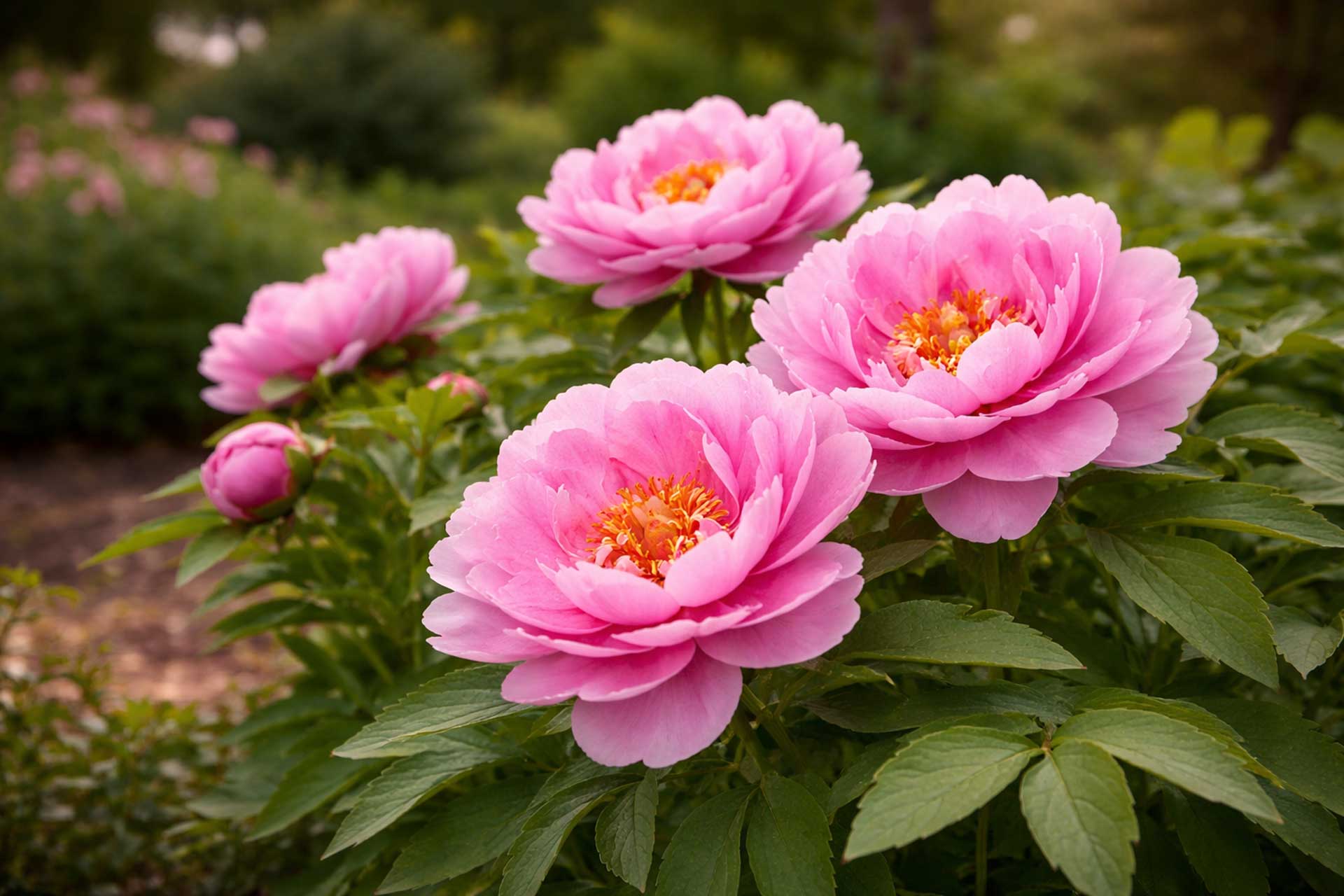
Peonies (Paeonia spp.)
Peonies are classic garden perennials valued for their large, fragrant blooms and long lifespan. Fortunately for gardeners dealing with deer, peonies are rarely browsed because their foliage and stems contain compounds that deer find unpalatable. While deer may occasionally investigate young shoots early in the season, they typically move on to more appealing plants nearby. Peonies thrive in sunny planting beds and provide dramatic spring and early summer color. With proper placement and good drainage, these resilient plants can live for decades, making them a dependable and deer-resistant feature in many New England landscapes.
Zone: 3 to 8
Size: 24 to 36 inches tall x 24 to 36 inches wide
Growing conditions: Full sun; fertile, well-drained soil
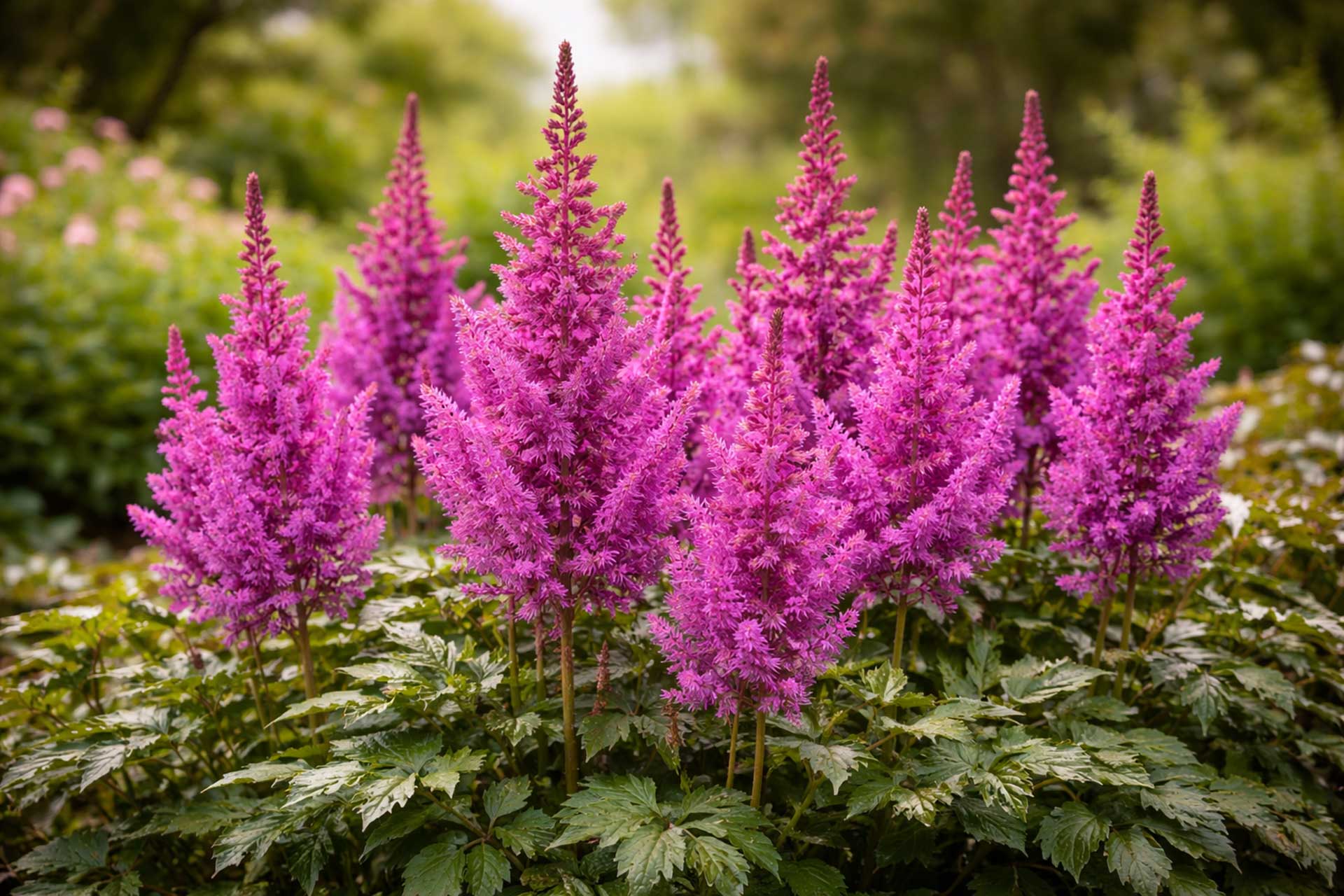
Astilbe (Astilbe spp.)
Astilbe is a shade-loving perennial known for its soft, feathery flower plumes and attractive foliage. Deer generally avoid astilbe due to its slightly bitter taste and fibrous foliage texture. This makes it a reliable option for gardens where deer frequently browse hostas and other shade plants. Astilbe performs best in moist soils and woodland-style plantings, making it well suited for shaded borders, garden beds, and areas near water features. In addition to being deer-resistant, astilbe provides valuable seasonal interest with colorful plumes that bloom from late spring through midsummer.
Zone: 3 to 8
Size: 18 to 36 inches tall x 18 to 24 inches wide
Growing conditions: Partial shade to full shade; consistently moist, well-drained soil
Many of these deer-resistant plants perform especially well in Massachusetts landscapes, where soils, climate, and seasonal deer browsing patterns influence plant selection. Landscapes in communities such as Weston, Wellesley, and Concord often rely on a combination of aromatic perennials, evergreen shrubs, and resilient ornamental trees to reduce browsing pressure while maintaining visual interest.
6 Deer-Resistant Shrubs for New England Landscapes
Shrubs provide structure and year-round presence while helping reduce browsing pressure. These shrubs are frequently used as the structural backbone of planting plans in communities like Weston, Concord, and Lincoln.
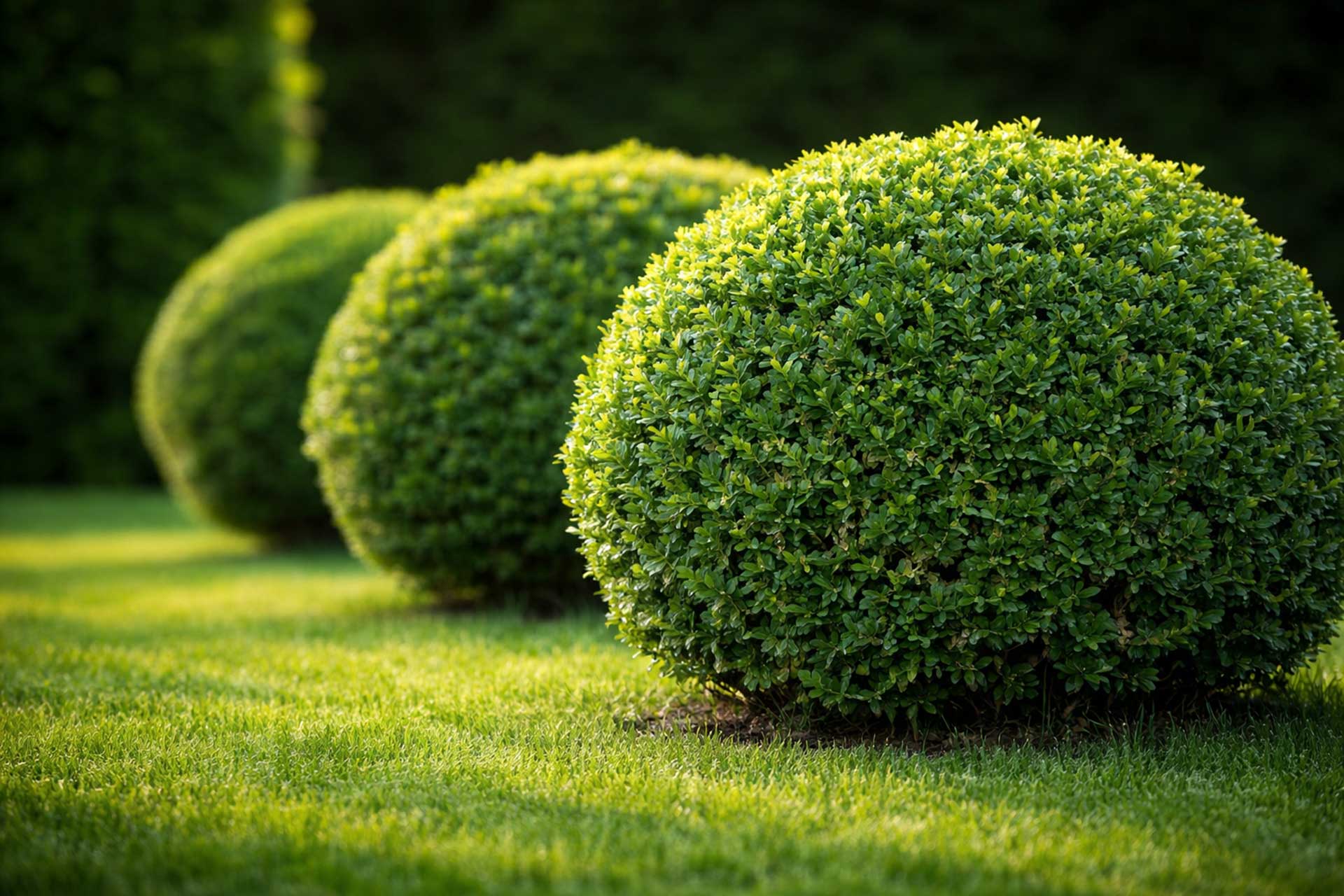
Boxwood (Buxus spp.)
Boxwood is one of the most widely used evergreen shrubs in formal landscapes and structured garden designs. Its dense branching, small leathery leaves, and naturally aromatic foliage make it far less appealing to browsing deer than many other evergreen shrubs. The leaves contain alkaloids that give them a bitter taste, and deer typically learn quickly to avoid plants with this chemical defense.
Because of its tight growth habit, boxwood is often used for low hedges, foundation plantings, and clipped forms such as spheres or parterres. In addition to its deer resistance, it provides excellent year-round structure in the landscape. While no plant is completely immune to browsing during periods of severe food scarcity, boxwood is consistently ranked among the most reliable deer-resistant shrubs for residential landscapes.
Zone: 5 to 9
Size: 3 to 6 feet tall x 3 to 6 feet wide (varies by cultivar)
Growing conditions: Full sun to partial shade; well-drained soil
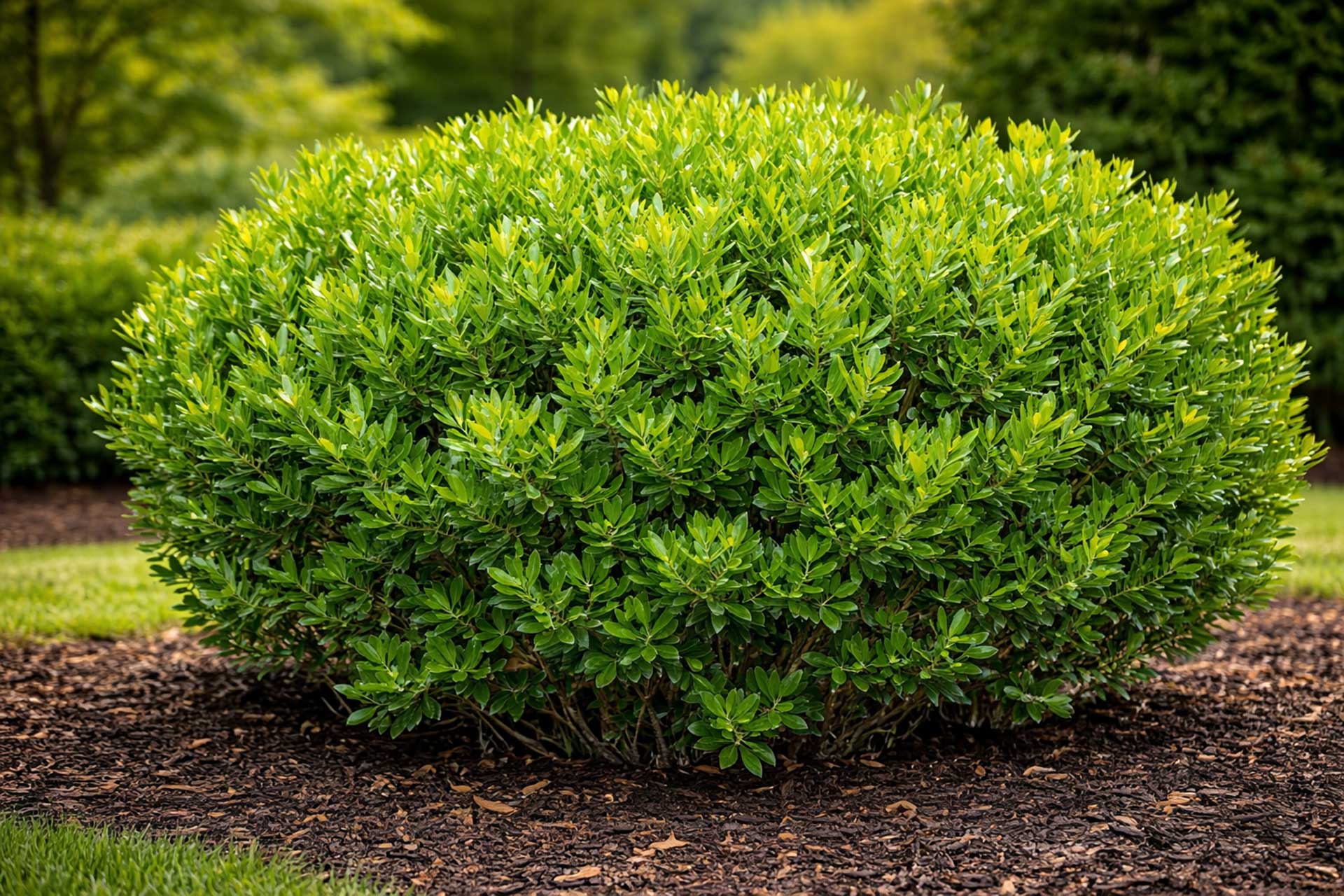
Inkberry Holly (Ilex glabra)
Inkberry holly is a native North American evergreen shrub valued for its dense foliage and natural resistance to deer browsing. Unlike many hollies, its leaves are smooth and spineless, yet deer typically leave it alone because the foliage has a thick, leathery texture and a somewhat bitter taste.
In natural settings, inkberry grows in woodland edges and coastal areas, demonstrating excellent adaptability to a range of conditions. In residential landscapes, it works beautifully as a hedge, foundation shrub, or mass planting. Its dark green foliage remains attractive year-round, and female plants produce small black berries that support wildlife. Because it is both deer resistant and tolerant of wet soils, inkberry is often recommended as a native alternative to boxwood in landscapes throughout New England.
Zone: 4 to 9
Size: 5 to 8 feet tall x 5 to 8 feet wide
Growing conditions: Full sun to partial shade; moist, acidic, well-drained soil
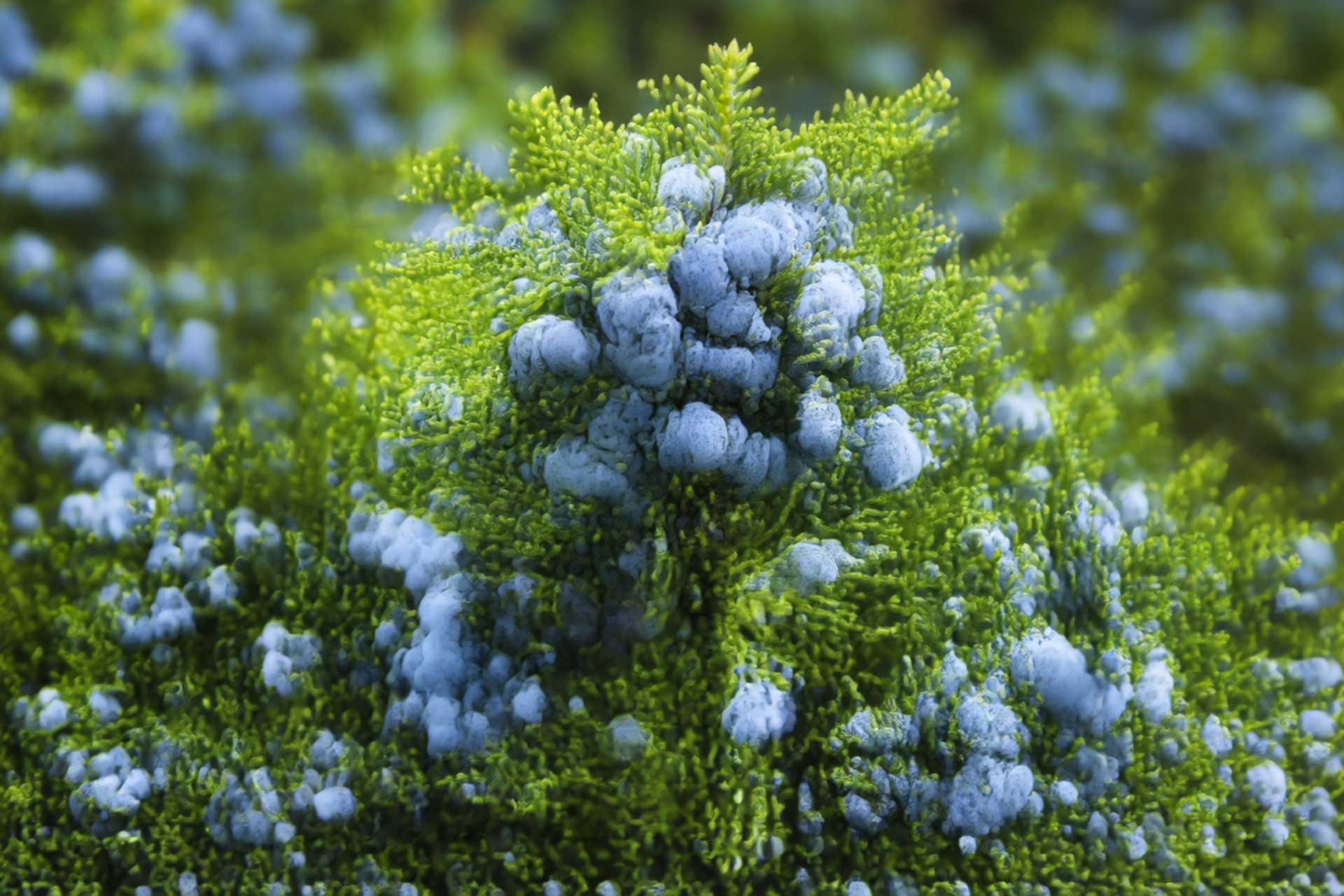
Juniper (Juniperus spp.)
Junipers are among the most consistently deer-resistant shrubs used in residential landscapes. Their sharp, needle-like foliage and strong aromatic oils make them highly unattractive to browsing deer. The prickly texture alone often discourages animals from feeding on the plant.
These evergreen shrubs come in a wide range of forms, including groundcovers, spreading shrubs, and upright varieties. Junipers are particularly useful for difficult sites such as slopes, dry soils, and windy exposures where many other plants struggle. Their drought tolerance and low maintenance requirements further increase their popularity. Because deer prefer soft, tender foliage, the coarse needles of juniper make it one of the safest choices for landscapes where browsing pressure is high.
Zone: 3 to 9
Size: 1 to 15 feet tall x 3 to 20 feet wide (varies widely by species and cultivar)
Growing conditions: Full sun; well-drained soil
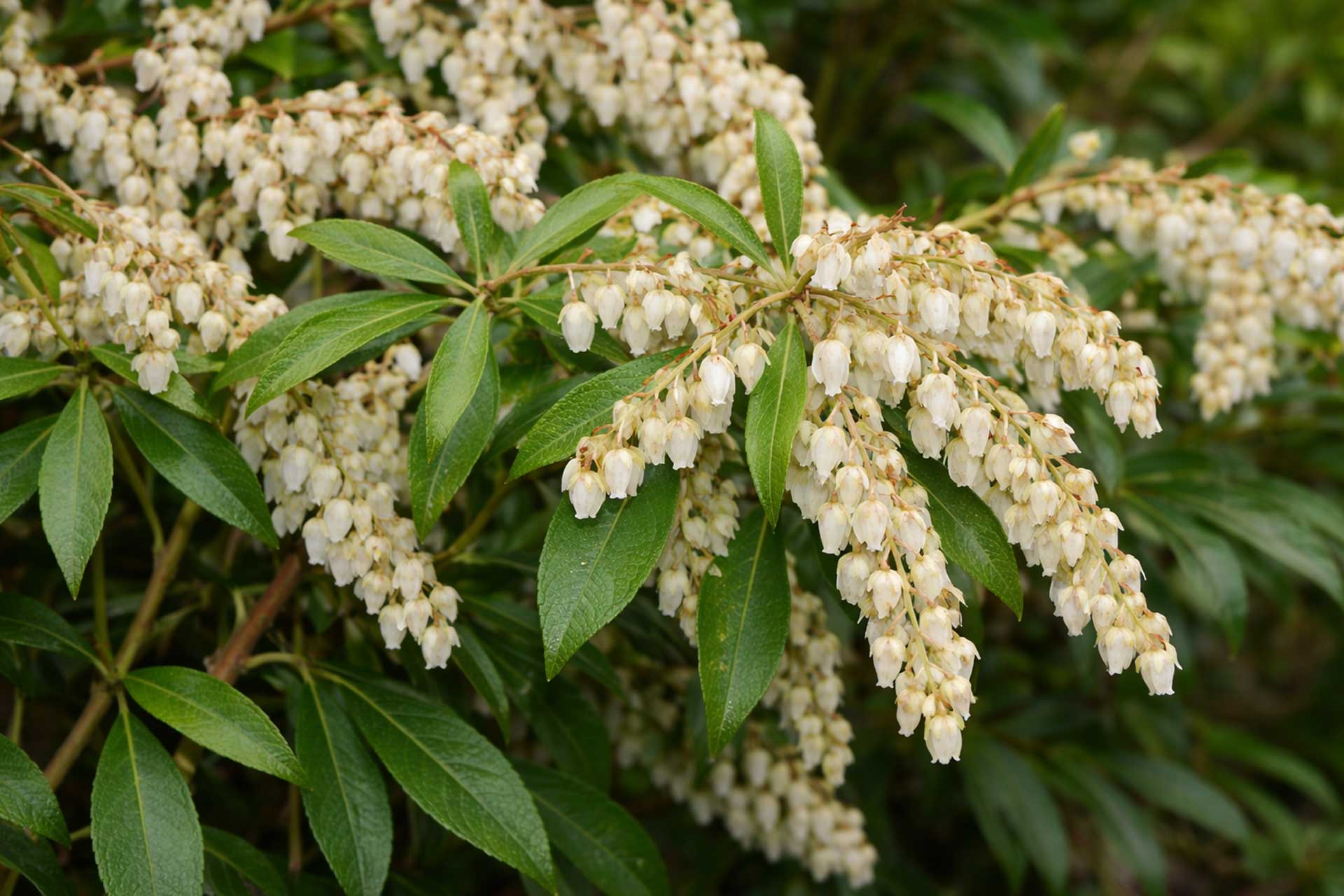
Pieris Japonica (Pieris japonica)
Pieris japonica, often called Japanese andromeda or lily-of-the-valley shrub, is an elegant evergreen valued for its cascading clusters of early spring flowers and glossy foliage. The plant contains naturally occurring compounds that make the leaves toxic to deer and other grazing animals, which is why it is rarely browsed.
In addition to its deer resistance, pieris provides excellent ornamental interest throughout the year. New growth often emerges in shades of red or bronze before maturing to deep green, and the graceful chains of white flowers appear in early spring before many other shrubs bloom. Because it prefers acidic soils and partial shade, pieris is especially well suited for woodland gardens and foundation plantings alongside rhododendrons and azaleas.
Zone: 5 to 8
Size: 6 to 10 feet tall x 6 to 8 feet wide
Growing conditions: Partial shade; acidic, moist, well-drained soil
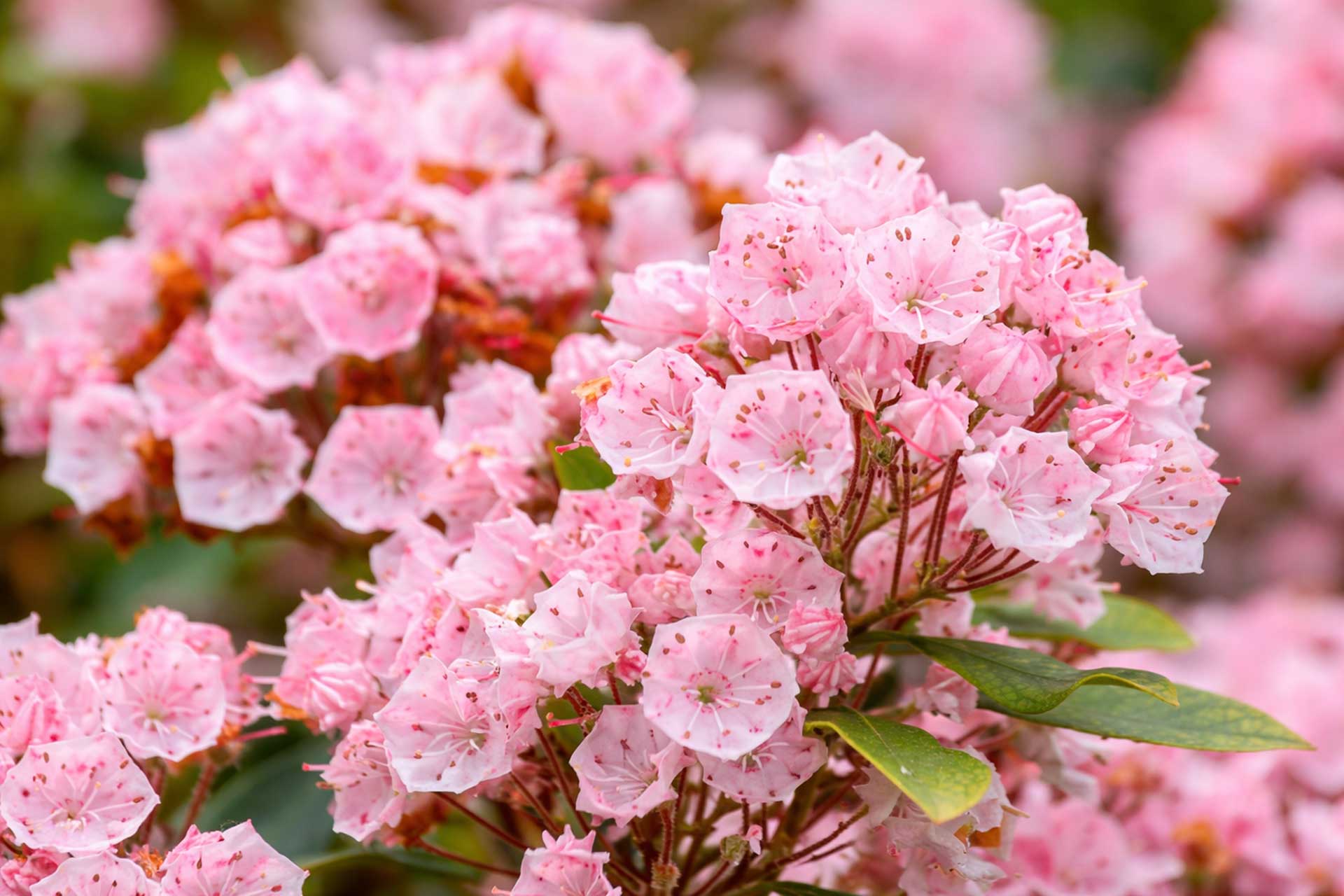
Mountain Laurel (Kalmia latifolia)
Mountain laurel is a native evergreen shrub celebrated for its intricate spring flowers and exceptional resistance to deer browsing. The leaves contain toxic compounds that make the plant unpalatable to deer and many other animals. As a result, it is one of the most dependable flowering shrubs for landscapes in areas with heavy deer pressure.
In late spring, mountain laurel produces clusters of delicate, star-shaped blossoms in shades of white and pink. The glossy evergreen foliage provides year-round structure and blends beautifully with other woodland plants. Because it is native to eastern North America, mountain laurel is well adapted to the soils and climate of New England and is frequently used in naturalistic landscapes, woodland gardens, and mixed shrub borders.
Zone: 4 to 9
Size: 8 to 15 feet tall x 6 to 12 feet wide
Growing conditions: Partial shade; acidic, moist, well-drained soil
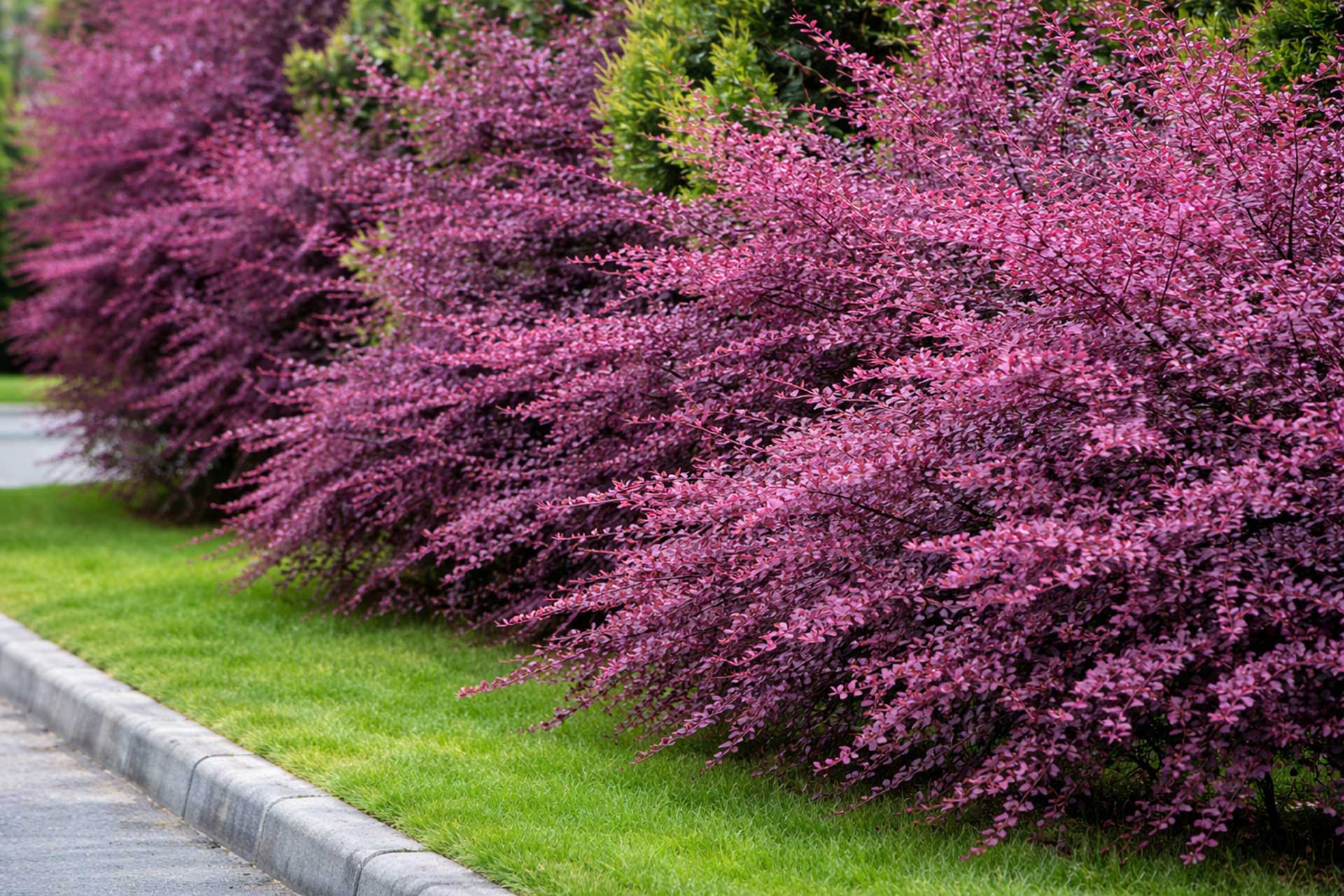
Barberry (Berberis)
Barberry shrubs are widely recognized for their strong resistance to deer browsing. Their dense branching structure and sharp thorns create a natural physical barrier that discourages animals from feeding on the plant. Even when deer populations are high, barberry is rarely heavily browsed.
These shrubs are also valued for their colorful foliage, which ranges from bright green to deep burgundy depending on the cultivar. Many varieties produce small red berries that add seasonal interest and attract birds. Barberry’s durability and adaptability make it a common choice for hedges, mass plantings, and tough urban conditions. However, some species are considered invasive in parts of the Northeast, so many designers now recommend sterile or non-spreading cultivars when incorporating barberry into residential landscapes.
Zone: 4 to 8
Size: 3 to 8 feet tall x 4 to 6 feet wide
Growing conditions: Full sun to partial shade; adaptable to a wide range of soils
4 Deer-Resistant Trees for New England Landscapes
Several ornamental trees are also less frequently damaged by deer. These species add structure and seasonal interest while reducing the risk of browsing damage.
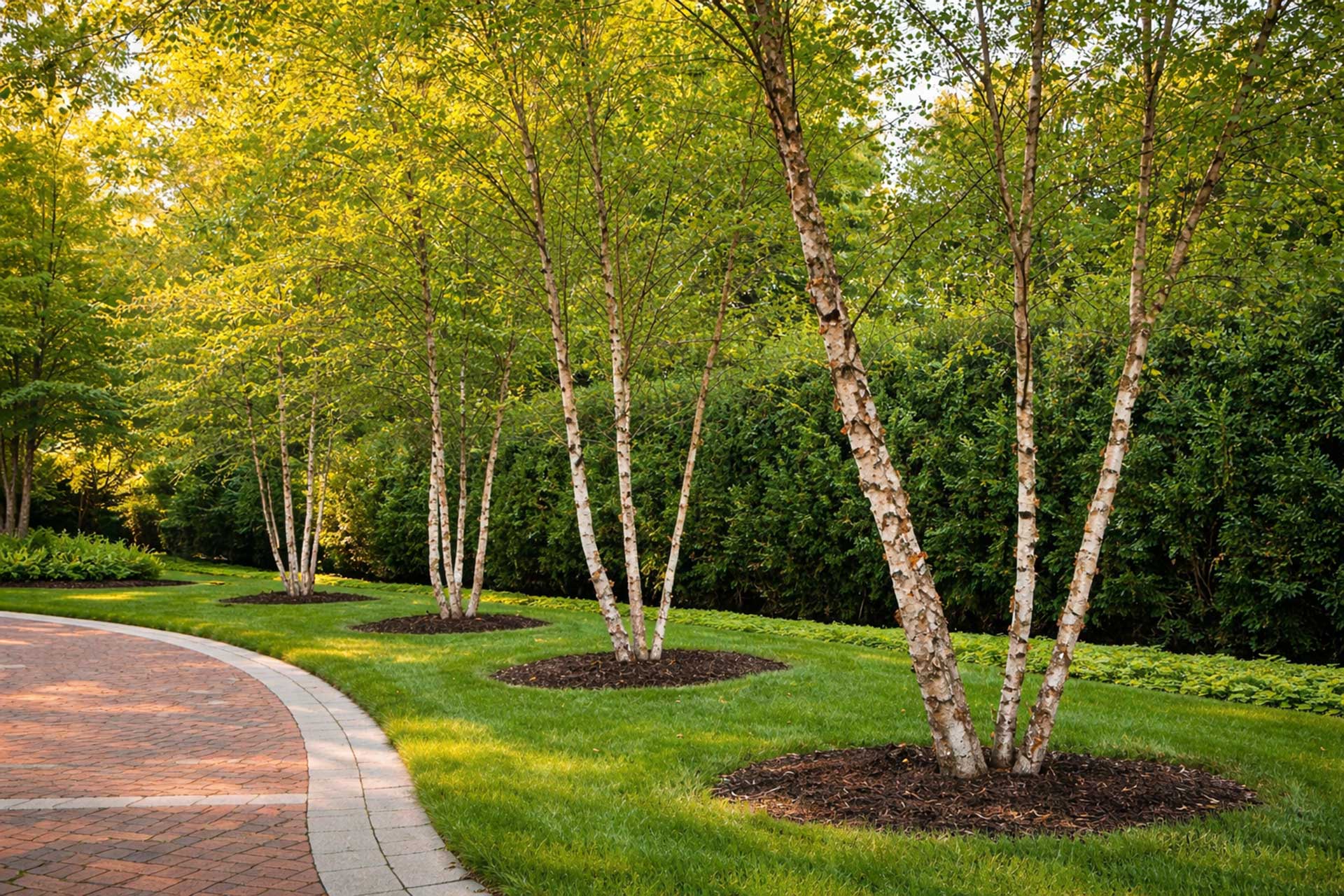
River Birch (Betula nigra)
River birch is often considered a relatively deer-resistant tree in New England landscapes. While deer may occasionally browse young shoots on newly planted trees, mature specimens are rarely heavily damaged. The foliage has a slightly bitter taste, and the tree’s rapid growth allows it to recover quickly if minor browsing occurs.
River birch is especially valued for its distinctive exfoliating bark, which peels away in layers of cream, cinnamon, and tan, providing year-round visual interest. It also performs well in wetter soils where many other trees struggle, making it a useful choice for low areas, rain gardens, and naturalized landscape designs. Its graceful multi-trunk form and adaptability make river birch a popular option for residential properties throughout the Northeast.
Zone: 4 to 9
Size: 40 to 70 feet tall x 40 to 60 feet wide
Growing conditions: Full sun to partial shade; moist, well-drained soil
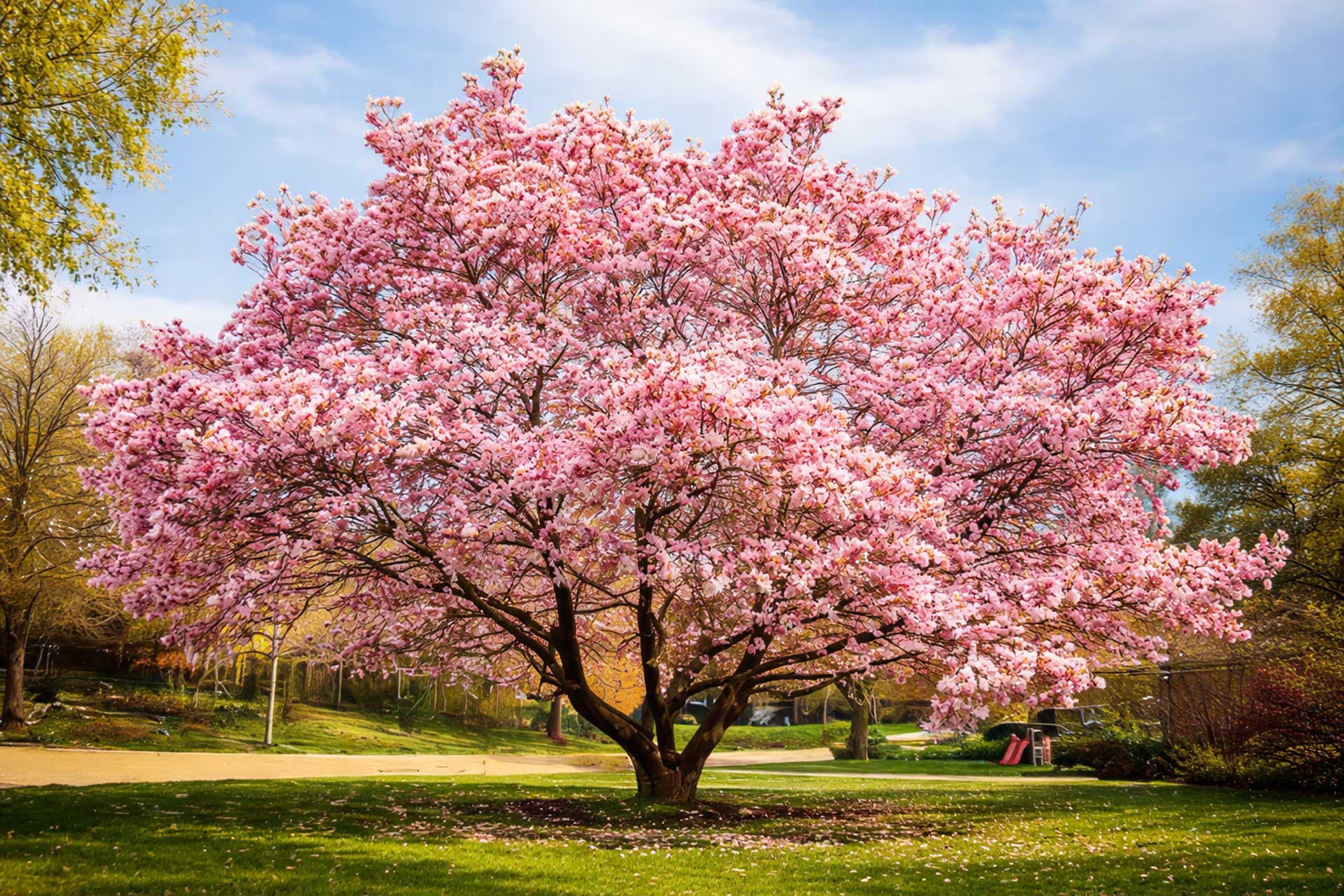
Magnolia (Magnolia spp.)
Many magnolia varieties are considered moderately deer resistant, particularly once the trees mature. Their thick, leathery leaves are not especially appealing to deer compared with tender shrubs and perennials, which helps reduce browsing pressure in residential landscapes. While young trees may occasionally experience light browsing, established magnolias are typically left alone.
Magnolias are valued throughout New England for their dramatic spring flowers and graceful branching form. Depending on the species, blooms may appear in shades of white, pink, or purple, often before the foliage emerges. These trees can serve as striking focal points in lawns, garden borders, or near patios and terraces, providing seasonal beauty while remaining relatively resilient in areas where deer are common.
Zone: 4 to 9 (varies by species)
Size: 15 to 40 feet tall x 15 to 35 feet wide
Growing conditions: Full sun to partial shade; rich, well-drained soil
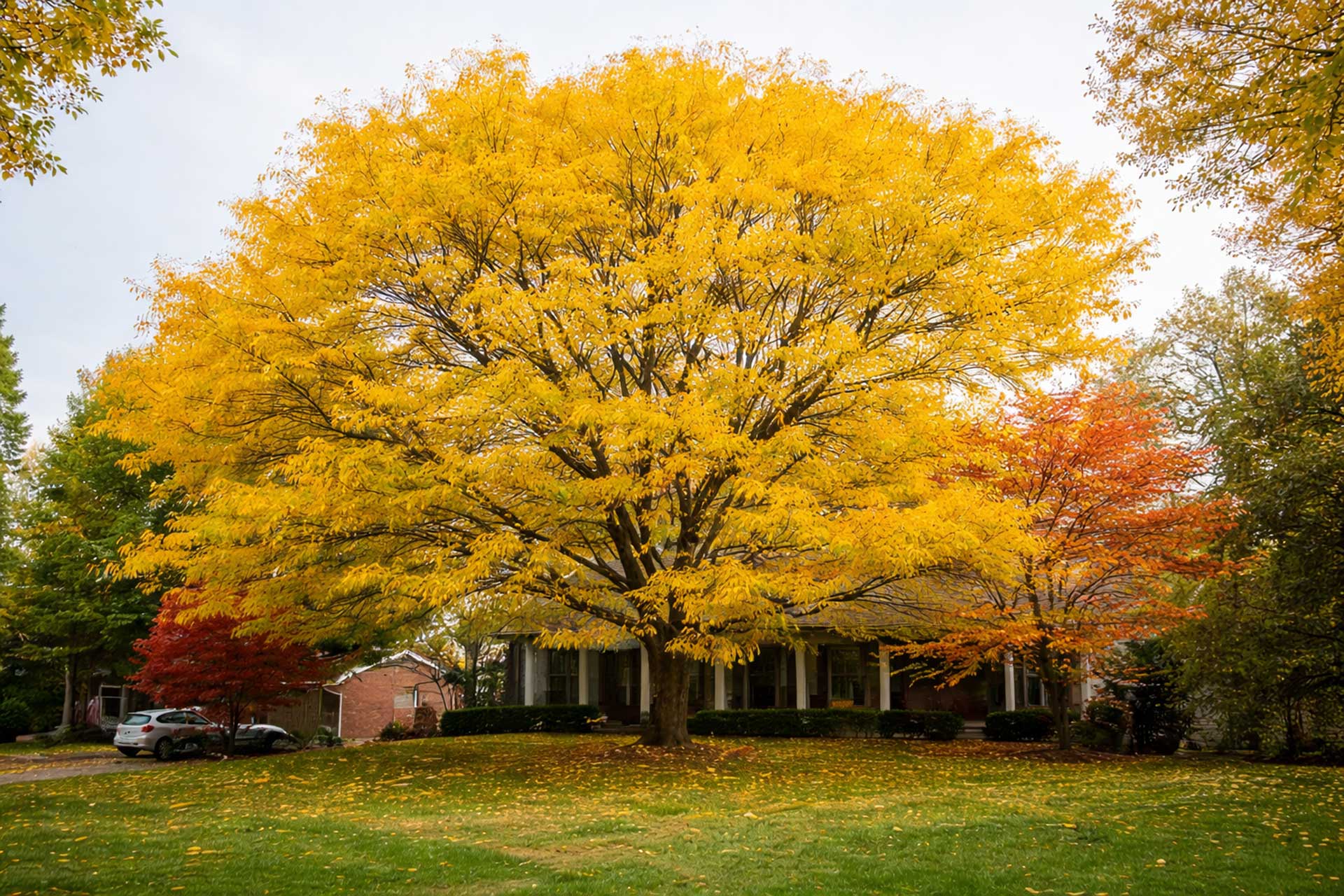
Honey Locust (Gleditsia triacanthos var. inermis)
Honey locust is generally considered a deer-resistant shade tree and is rarely a preferred food source in areas with high deer populations. Its small compound leaves and fine-textured foliage provide little of the tender growth that deer typically seek out, which helps reduce browsing pressure in residential landscapes.
In addition to its resilience, honey locust is widely appreciated for the filtered shade it provides. The tree’s open canopy allows sunlight to reach lawns and garden beds beneath it, making it a popular choice for front yards and patios. Many modern cultivars are thornless and seedless, making them easier to maintain while still offering the adaptability and durability that has made honey locust a staple in urban and suburban landscapes throughout the Northeast.
Zone: 4 to 9
Size: 30 to 70 feet tall x 30 to 50 feet wide
Growing conditions: Full sun; adaptable to a wide range of soils
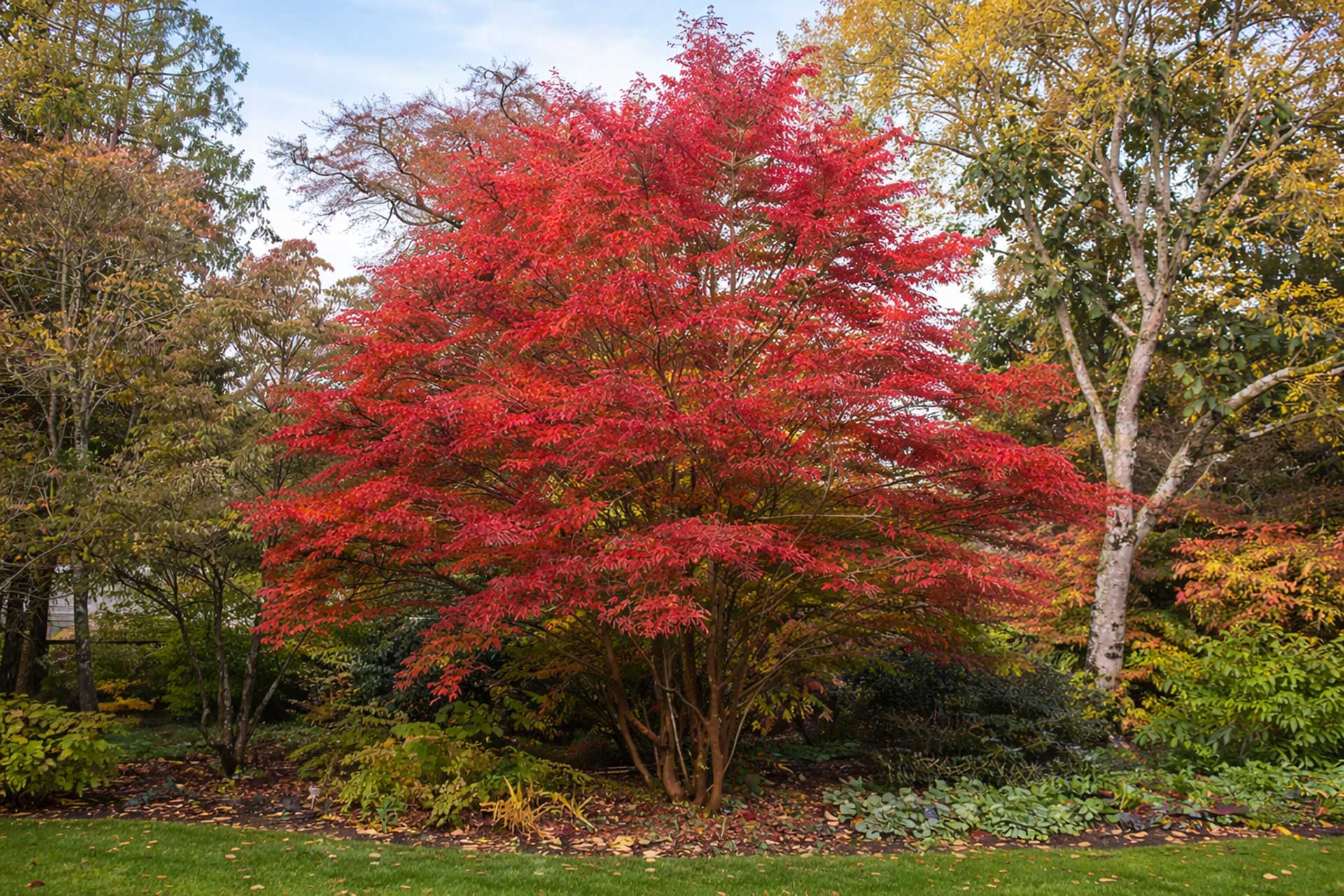
Japanese Stewartia (Stewartia pseudocamellia)
Japanese stewartia is widely regarded as a deer-resistant ornamental tree, making it a valuable choice for landscapes in parts of New England where browsing pressure is high. Deer generally avoid stewartia because its foliage is somewhat firm and not especially palatable compared to softer woodland plants. While no plant is completely immune during periods of heavy feeding pressure, stewartia is rarely a primary target for deer.
Beyond its resistance to browsing, Japanese stewartia is prized for its multi-season beauty. In early summer it produces delicate white camellia-like flowers, followed by striking exfoliating bark that reveals shades of cinnamon, gray, and cream. In autumn, the foliage turns vivid shades of red and orange. Its graceful branching structure and refined texture make it particularly well suited for woodland gardens and specimen plantings in residential landscapes across the Northeast.
Zone: 5 to 8
Size: 20 to 40 feet tall x 15 to 25 feet wide
Growing conditions: Full sun to partial shade; moist, well-drained acidic soil
Related Blog: Best Privacy Trees for Massachusetts: Top Options That Thrive in Boston’s Climate
Landscape Design Strategies That Reduce Deer Damage
Plant selection alone rarely solves deer browsing problems. The overall design of a landscape often determines how attractive a property is to wildlife.
Professional landscape designers often use layered planting strategies, positioning deer-resistant plants along property edges while placing more vulnerable species closer to the home where deer feel less comfortable approaching.
Dense planting can also discourage browsing. Gardens with tightly layered plantings make it harder for deer to move easily through beds, reducing access to preferred plants.
As Megan Davey at a Blade of Grass explains:
“We approach deer-resistant landscapes the same way we approach any complex design challenge—by combining plant knowledge with thoughtful layout. When plants are placed strategically, deer pressure can often be reduced without sacrificing the beauty of the garden.”
Using Hardscape Features to Discourage Deer
Hardscape elements can also help discourage deer from entering planting areas. Features such as low stone walls, terraces, raised planting beds, and decorative fencing can subtly guide movement and create physical barriers.
These elements are often combined with deer-resistant plants to create layered deterrents. For example, shrubs such as barberry or ornamental grasses planted alongside walls or terraces can create visual density that makes a garden less inviting to deer.
On larger properties in towns like Dover or Sherborn, combining hardscape structure with thoughtful planting design can significantly reduce browsing activity.
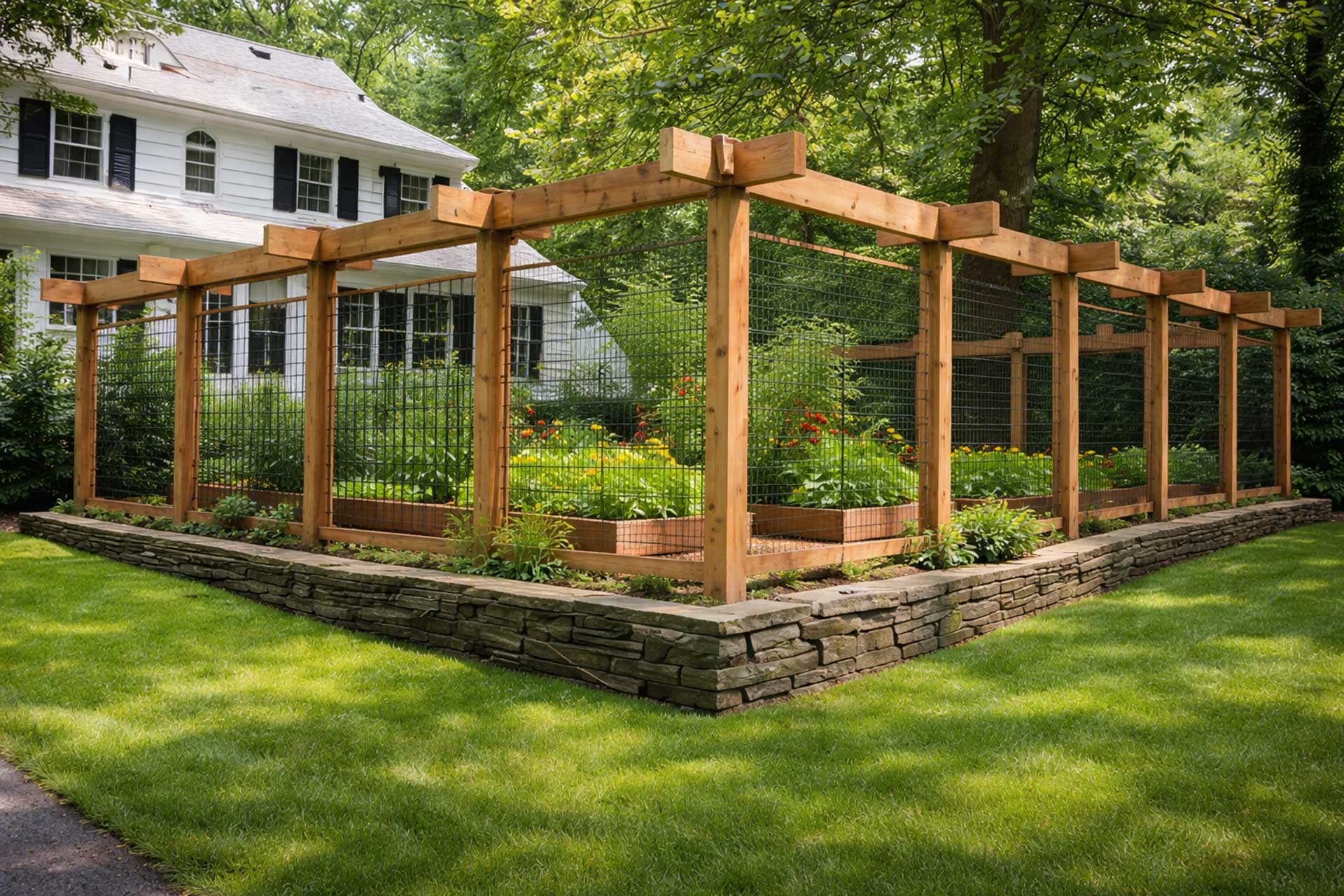
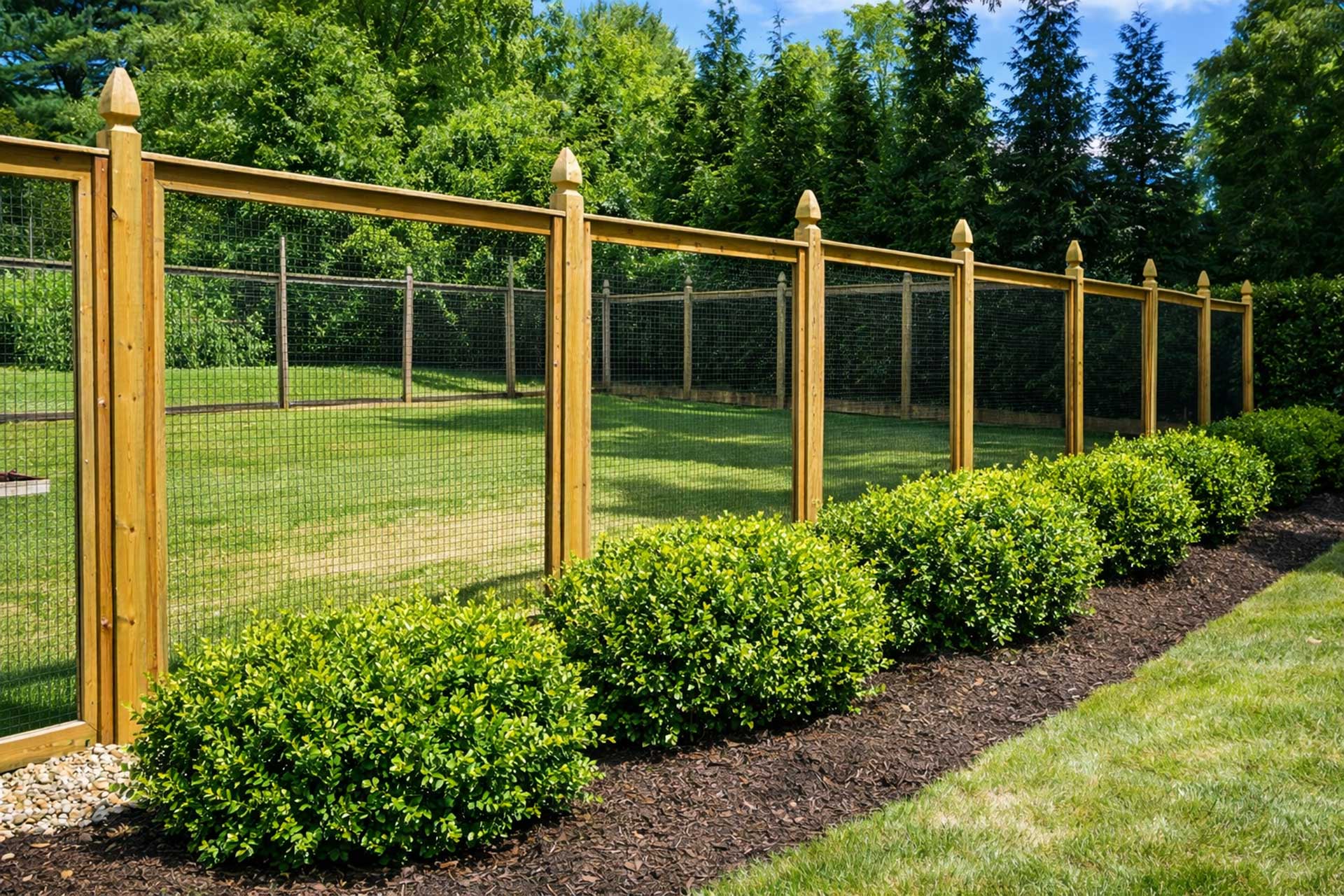
Fencing: One of the Most Effective Solutions
When deer pressure is severe, fencing remains the most reliable solution.
Effective deer fencing is typically seven to eight feet tall, which prevents deer from jumping over it. Materials may include wire mesh, black polypropylene mesh, or decorative fencing designed to blend visually into the landscape.
Fencing is commonly used to protect vegetable gardens, newly planted areas, or particularly vulnerable plant collections.
Protecting Young Trees and Vulnerable Plants
Young trees and shrubs are especially vulnerable to browsing. Protective solutions include:
- wire tree cages
- tree guards
- seasonal burlap wrapping
These barriers protect plants while allowing them to establish and mature. Temporary netting may also be used around newly installed plantings during their first growing seasons.
Related Blog: Protecting Trees and Shrubs from Snow, Ice, and Salt Damage
Do Deer Repellents Actually Work?
Repellents can reduce browsing pressure, especially when used in combination with other deterrents.
Many products rely on strong odors or unpleasant tastes to discourage deer from feeding on plants. Common ingredients include garlic, egg solids, and capsaicin.
Research from Cornell Cooperative Extension indicates that repellents are most effective when applied consistently and rotated periodically to prevent deer from becoming accustomed to a single scent.
Motion-activated sprinklers and lighting systems may also discourage deer activity in some landscapes.
Why Do Deer Eat Some Plants but Ignore Others?
Deer feeding behavior is influenced by plant chemistry, texture, and nutritional value. Plants with soft foliage and high moisture content are often more appealing, while those with strong fragrance or coarse leaves are typically avoided.
Plants such as hosta, tulips, daylilies, and arborvitae are frequently browsed because they provide tender foliage and high nutritional value. In contrast, aromatic plants such as catmint and salvia contain oils that deer tend to avoid.
Seasonal conditions also influence these preferences, particularly during winter when natural food sources are limited.
When Professional Landscape Planning Makes the Difference
Managing deer browsing becomes more complex on larger properties or wooded sites commonly found throughout communities like Wellesley, Concord, and Sherborn. A thoughtful planting strategy that considers deer pressure from the beginning can significantly reduce long-term damage.
For more than 30 years, the team at a Blade of Grass has helped homeowners throughout Greater Boston and MetroWest design, install, and care for landscapes that thrive despite deer pressure. Through careful plant selection, strategic planting plans, and attentive horticultural care, our landscape maintenance services help protect and evolve landscapes over time so gardens remain beautiful, resilient, and enjoyable season after season.
If deer are damaging your landscape or repeatedly browsing new plantings, contact us today – our team can help evaluate your property and recommend practical solutions—from deer-resistant planting plans to fencing, repellents, and long-term mitigation strategies.
Related Blog: What’s Included in a Landscape Maintenance Plan? A Practical Guide for Homeowners
Frequently Asked Questions About Deer Mitigation
Q: What plants are most deer-resistant in New England?
A: While no plant is completely deer-proof, many species are consistently less attractive to deer and perform well in New England landscapes. Plants such as catmint (Nepeta), salvia, hellebore, yarrow, and peony are widely used deer-resistant perennials because their fragrance, texture, or natural compounds make them less appealing to browsing animals. Among shrubs, boxwood, inkberry holly, juniper, pieris, and mountain laurel are commonly chosen because they provide structure and evergreen presence while generally avoiding heavy deer damage.
In professionally designed landscapes across Massachusetts, these plants are often used as the foundation of planting plans in communities such as Weston, Wellesley, and Concord where deer browsing is common. By combining deer-resistant perennials, shrubs, and trees in layered planting beds, landscape designers can significantly reduce the likelihood of deer damage while still creating visually rich and diverse gardens.
Q: Does deer repellent really work?
A: Deer repellents can be effective at discouraging browsing, but they work best when used as part of a broader deer-management strategy. Most repellents rely on strong scents or unpleasant tastes—such as garlic, egg solids, or capsaicin—to make plants less appealing to deer. When applied consistently and according to manufacturer recommendations, these products can help protect vulnerable plants.
However, repellents typically require reapplication after rain or heavy watering, and deer can sometimes become accustomed to a single product over time. For this reason, many landscape professionals recommend rotating repellents periodically and combining them with other solutions such as deer-resistant plant selection, fencing, or strategic planting placement near the home. Used together, these strategies can significantly reduce browsing pressure.
Q: How tall should a deer fence be?
A: Most effective deer fencing should be approximately seven to eight feet tall to prevent deer from jumping over it. White-tailed deer are powerful jumpers and can easily clear lower barriers, which is why shorter fences are often ineffective.
Deer fencing can be constructed using wire mesh, black polypropylene mesh, or other materials that blend visually into the landscape. In residential landscapes, fencing is often used to protect vegetable gardens, newly planted areas, or particularly vulnerable plants. For larger properties or gardens in wooded areas of Massachusetts towns such as Dover or Lincoln, properly installed deer fencing remains one of the most reliable long-term solutions for preventing browsing damage.
Q: Why do deer eat some plants but ignore others?
A: Deer choose plants based on factors such as taste, texture, fragrance, and nutritional value. Plants with soft, moisture-rich foliage are often highly appealing to deer, while plants that are strongly scented, fuzzy, bitter, or toxic are typically avoided.
For example, deer commonly browse plants such as hosta, tulips, and arborvitae because they provide tender foliage and high nutritional value. In contrast, plants like catmint, salvia, and many evergreen shrubs contain aromatic oils or coarse foliage that deer find less appealing. Seasonal conditions also influence browsing behavior. During late winter or early spring, when natural food sources are limited, deer may consume plants they would normally avoid.
Understanding these feeding preferences helps landscape designers create planting plans that reduce deer damage while maintaining attractive gardens.
Learn More About Deer-Resistant Landscaping
- Landscape Plants Rated by Deer Resistance – Rutgers Cooperative Extension
- 26 Best Deer-Resistant Shrubs for Landscaping and Gardens – The Spruce
- Deer Resistant Garden Strategies – UC Agriculture and Natural Resources