Interior plants bring dimension, calm, and continuity to a home. They soften architectural transitions, animate corners that might otherwise feel static, and introduce living texture into refined interiors. In Greater Boston, where the outdoor landscape shifts dramatically from February frost to September abundance, interior greenery offers steadiness across seasons.
Interior plant care in Boston, however, is shaped by the region’s distinct climate patterns. Long heating seasons reduce indoor humidity. Winter daylight shortens significantly. Summer sun exposure intensifies through south- and west-facing windows. Each of these conditions influences how plants perform over time.
When interior plant design, installation, and maintenance are approached as a coordinated process, greenery becomes integrated into the home’s architecture rather than layered on top of it.
Key Takeaways
- Interior plant care in Boston must account for seasonal humidity swings and changing daylight.
- Successful interior plant design aligns with architecture, scale, and sightlines.
- Installation details such as drainage, soil composition, and container sizing influence long-term health.
- Ongoing monitoring and seasonal calibration preserve vitality and visual balance.
- Thoughtfully managed interior greenery contributes to indoor air quality and overall well-being.
Interior Plant Care in Boston: Understanding the Indoor Climate
Greater Boston’s seasonal shifts extend indoors. During winter, heating systems can reduce interior humidity levels to 20–30%, well below what many tropical houseplants prefer. According to the Environmental Protection Agency, indoor humidity levels between 30% and 50% are generally recommended for occupant comfort and indoor air quality. Prolonged dry air can stress plant foliage, increase susceptibility to pests, and slow growth cycles.
Light availability also fluctuates dramatically. Boston averages roughly nine hours of daylight in December compared to more than fifteen hours in June. That shift alters photosynthetic activity and, in turn, watering needs and nutrient uptake.
Research by NASA in its well-known Clean Air Study demonstrated that certain plant species may assist in filtering airborne pollutants when properly maintained. While the study was conducted in controlled environments and should not be overstated, it underscores the relationship between plant vitality and indoor environmental quality.
In practice, interior plant care in Boston requires careful observation of:
- Seasonal light exposure
- Airflow patterns created by HVAC systems
- Radiant floor heating zones
- Proximity to fireplaces and exterior doors
Subtle environmental shifts accumulate over time. Leaves may curl slightly. Soil may dry more quickly than expected. These early signals shape how maintenance strategies evolve.
Designing Interior Plantings That Complement Architecture
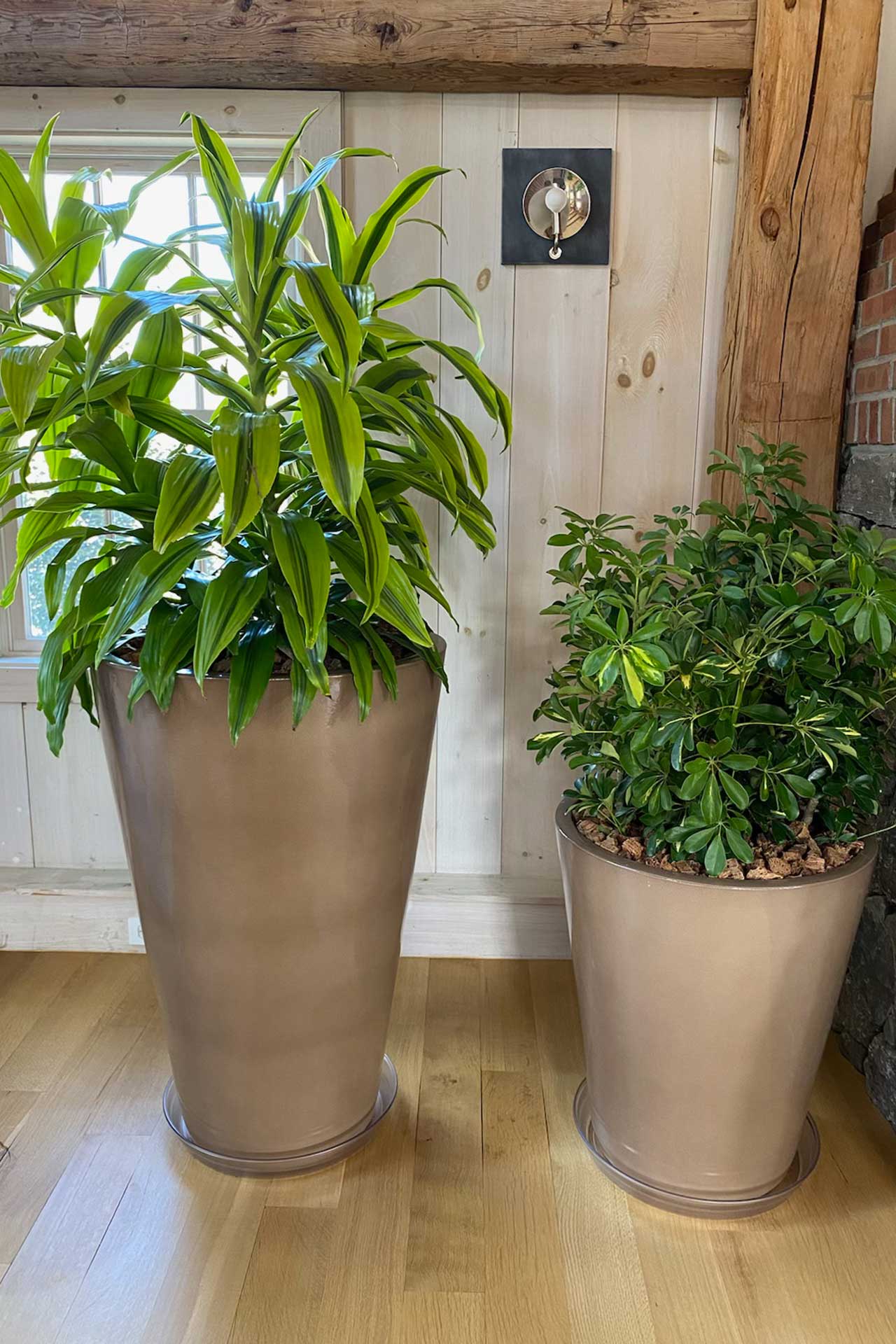
Interior plant design is most successful when it reinforces spatial intent. A tall specimen tree can anchor a double-height foyer. A layered grouping of mid-height plants can soften a formal sitting room. Sculptural orchids or low-profile planters may define transitional spaces without obstructing circulation.
Proportion is essential. In rooms with high ceilings, underscaled plants can appear tentative. In more intimate rooms, oversized containers may dominate rather than enhance.
The theory of biophilic design, advanced by scholars such as Stephen Kellert, explores how natural elements positively influence built environments. His work emphasizes authenticity and thoughtful integration rather than superficial decoration. Interior greenery should feel intentional, reflecting both architecture and lifestyle.
Sightlines also guide placement. Entry halls offer an opportunity to create a sense of arrival. Living rooms benefit from greenery that frames views rather than blocks them. In open-concept homes common throughout Weston, Wellesley, and Brookline, interior plantings can subtly delineate zones without adding walls.
Container design further shapes perception. Materials, finishes, and scale should align with flooring, cabinetry, and architectural detailing. A matte ceramic vessel may complement traditional millwork. A brushed metal planter may enhance contemporary lines. These selections support cohesion.
Related Blog: Planters and Containers in Landscape Design: Versatile, Affordable, and Easy to Maintain
Installation: Building the Foundation for Long-Term Health
The installation phase establishes conditions that determine how interior plants will perform months and years later. Beneath the surface, soil structure, drainage layers, and root space all influence longevity.
Proper container sizing prevents root restriction while avoiding excessive soil volume that retains moisture. Drainage components help protect against standing water, which can lead to root rot. Soil blends should be tailored to each plant species, balancing aeration, water retention, and nutrient availability.
Boston homes often contain subtle microclimates. A plant near a radiant heat floor may experience higher soil temperatures. A specimen placed adjacent to a vent may be exposed to continuous airflow. Placement must anticipate these variations to reduce stress.
As indoor plant care specialist Alexandra Pierce notes, “Most interior plant decline begins at the root level long before it becomes visible in the foliage. Proper installation isn’t just about aesthetics. It’s about setting biological systems up for stability.”
Protection of interior finishes is also critical. Planters must be stabilized and positioned carefully to preserve hardwood floors, stone surfaces, and textiles. Installation, when executed with foresight, creates the conditions for sustained vitality.
Ongoing Interior Plant Maintenance and Monitoring
Interior plant maintenance in Boston is a process of calibration rather than routine repetition. Watering schedules that work in July may not suit January. Growth patterns shift as daylight changes.
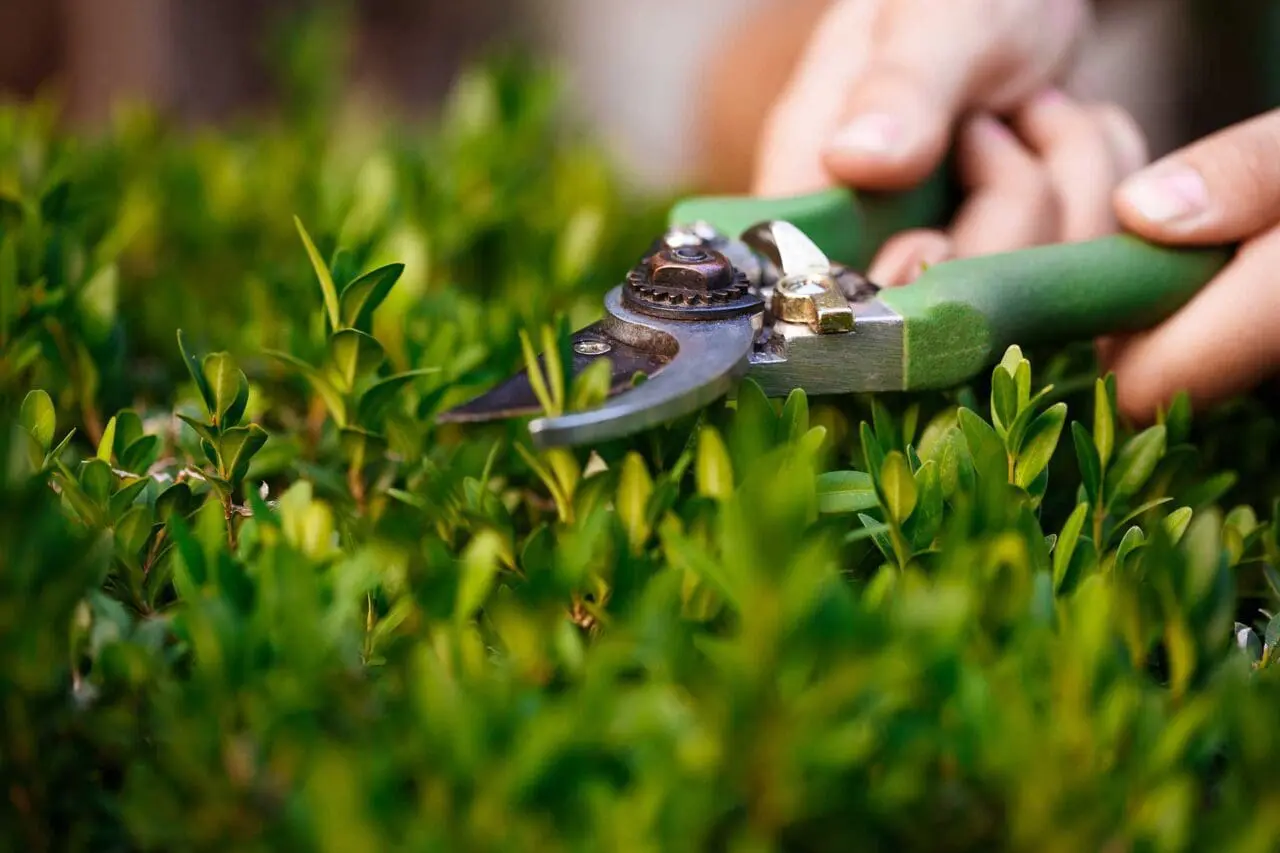
Ongoing care includes careful pruning to maintain form and density, leaf cleaning to support photosynthesis, and soil evaluation to prevent compaction. Indoor pest management must be precise and discreet, protecting both plants and interior environments.
Two conditions frequently affect interior plants in New England homes:
- Low winter humidity, which can lead to browning leaf tips and increased pest vulnerability
- Inconsistent light exposure, especially in rooms where window treatments vary seasonally
Regular monitoring identifies these patterns early. Adjustments in watering frequency, placement, and soil aeration preserve balance.
According to a 2019 review published in the journal Environmental Research, exposure to indoor plants has been associated with measurable reductions in stress and improved mood among occupants. This growing body of research supports the broader role interior greenery can play in daily life.
When maintenance is structured and attentive, interior plants remain composed rather than reactive.
“Well-designed interiors deserve plants that are maintained with the same intention,” says Claire Whitaker, an interior horticulture consultant. “In Boston homes, light and humidity shift constantly. Ongoing calibration keeps greenery aligned with the architecture rather than working against it.”
– Priscilla Murphy, a Blade of Grass
Seasonal Calibration in Greater Boston Homes
The rhythm of the New England year shapes interior plant care strategies. Winter’s shortened daylight reduces active growth, requiring moderated watering. Summer’s increased light and warmth may accelerate transpiration and nutrient uptake.
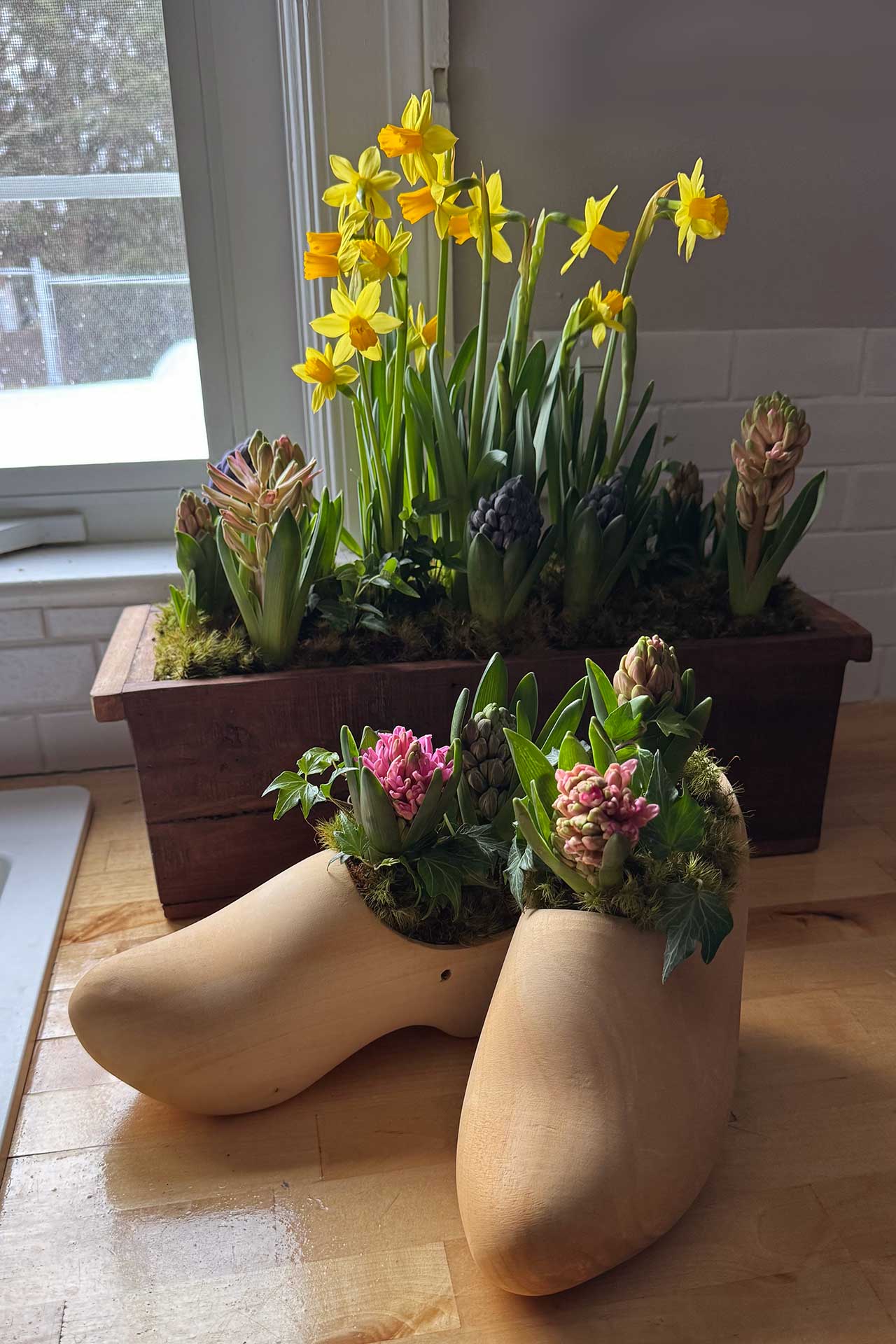
Holiday décor, travel schedules, and entertaining patterns also influence placement. A container positioned prominently in autumn may require subtle repositioning during winter gatherings. Seasonal bulb displays can refresh entry tables or stair landings without disrupting established compositions.
Seasonal calibration ensures continuity. Rather than dramatic overhauls, subtle adjustments preserve visual balance and plant vitality simultaneously.
Interior Plants and Indoor Air Quality
While interior greenery should not be viewed as a replacement for proper ventilation systems, it can contribute to overall environmental quality. The Harvard T.H. Chan School of Public Health has published research on the broader relationship between indoor environments and occupant well-being, reinforcing the importance of thoughtful indoor conditions.
Healthy plants support a layered indoor ecosystem. Their presence can enhance spatial calm and contribute to perceived air freshness when properly maintained. However, stressed or neglected plants may have the opposite effect. Consistency in care preserves both aesthetic and environmental benefits.
When Interior Plants Become Part of the Home’s Identity
In refined Greater Boston homes, interior greenery often becomes woven into daily experience. A mature tree softens a modern living room. Layered foliage creates depth in a formal dining area. Living elements add subtle movement that static décor cannot replicate.
Over time, thoughtfully managed plantings contribute to:
- Stable visual composition
- Balanced spatial transitions
- Subtle enhancement of indoor air quality
- A sense of quiet refinement
Interior plant services in Boston are most effective when design, installation, and maintenance are viewed as a continuous cycle. Each stage informs the next. Careful oversight preserves both plant health and architectural alignment.
For homeowners who value interiors that feel composed and enduring, interior plant care benefits from planning, observation, and seasonal calibration. To explore how interior plant design and ongoing maintenance can integrate seamlessly into your property, connect with the Blade team to begin the conversation.
When to Engage a Professional Interior Plant Care Team
Interior plantings often grow more complex over time. Changes in light, seasonal humidity, travel schedules, or renovations can quietly affect plant health and visual balance. Larger specimen trees, multi-room installations, and coordinated seasonal rotations benefit from structured oversight and consistent monitoring.
If you are expanding or refining your interior greenery, we invite you to schedule a complimentary consultation with our team of expert horticultiralists. During this meeting, we assess light conditions, spatial layout, and existing plants, discuss your goals and lifestyle, and outline a clear approach to design, installation, and ongoing care—so your interior plantings remain composed and enduring.
Learn More About Interior Plant Design and Care
For additional research and guidance on indoor plant care and indoor environmental quality:
- How to keep your houseplants happy through a New England winter – WBUR
- A City Dweller’s Guide to Indoor Trees – New England Home
- Environmental Protection Agency – Indoor Air Quality Overview
- NASA – Interior Landscape Plants for Indoor Air Pollution Abatement
- Harvard T.H. Chan School of Public Health – Healthy Buildings Program