Landscape maintenance plans can feel unclear to homeowners. One provider may include a wide range of services, while another focuses only on the basics. Understanding what’s typically included—and what’s not—can help you evaluate options more confidently and choose a level of care that truly supports your property.
This guide explains what most landscape maintenance plans cover, how those services are structured throughout the year, and what homeowners in the Boston and New England region should expect given local climate conditions.
Key Takeaways
- Landscape maintenance plans vary widely in scope and approach.
- Core services usually include lawn care, garden maintenance, pruning, and seasonal cleanups.
- Higher-level plans often add fine gardening, soil care, and property-wide oversight.
- New England’s climate requires region-specific maintenance strategies.
- The best plans emphasize consistency, timing, and long-term stewardship.
What Is a Landscape Maintenance Plan?
A landscape maintenance plan is an ongoing agreement for scheduled care of a property’s outdoor spaces. Unlike one-time services, a plan is designed to manage the landscape over time, accounting for seasonal changes, plant health, and long-term performance.
Most plans are customized to the property, but they generally include a defined scope of services, a visit schedule, and an approach to seasonal tasks. The goal is consistency, not just appearance, so landscapes remain healthy, functional, and visually balanced year after year.

Core Services Typically Included in a Maintenance Plan
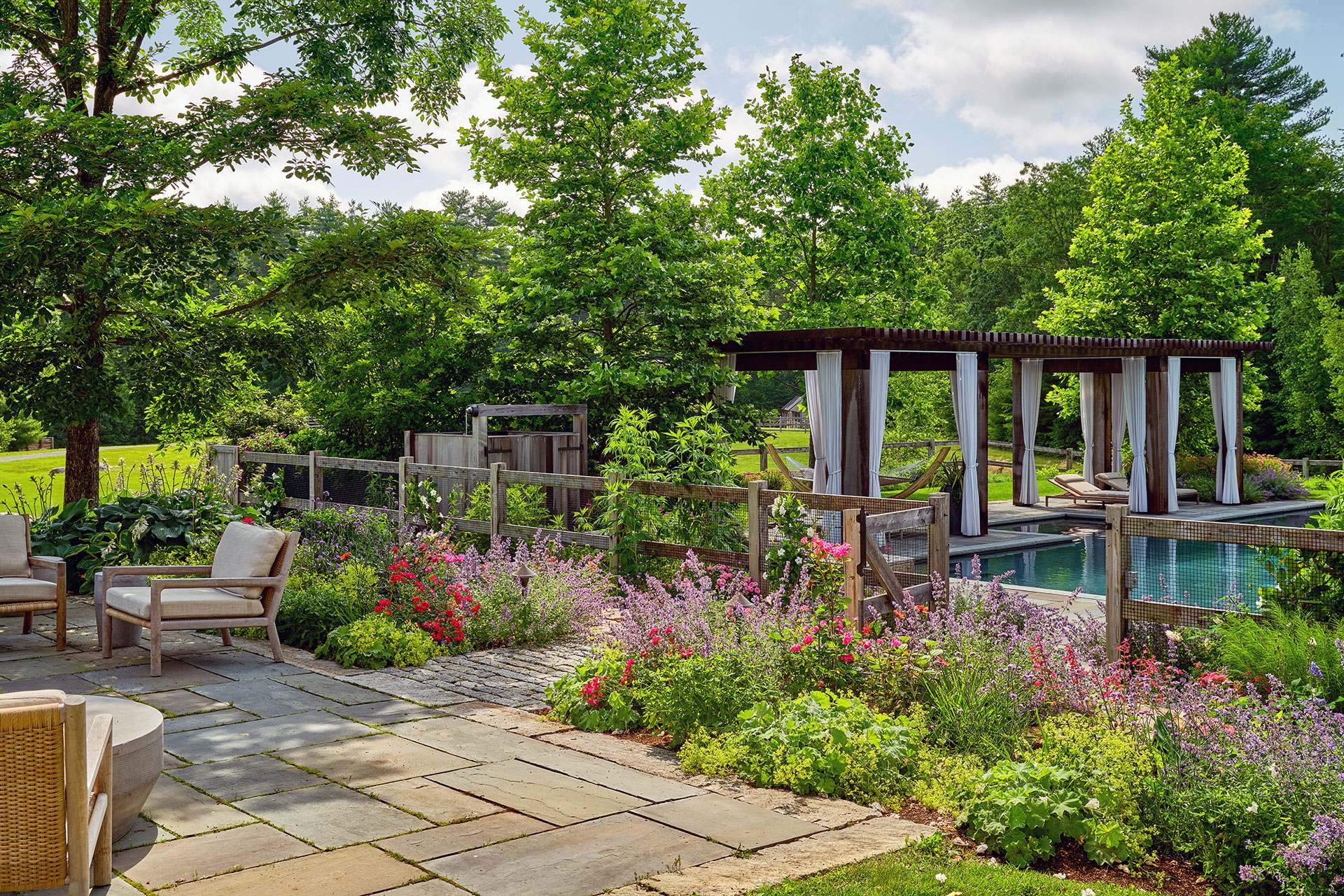
Most landscape maintenance plans include a consistent set of services designed to support plant health, appearance, and seasonal performance. While the exact scope varies by property, these services form the foundation of ongoing care.
Lawn care and turf management typically focus on routine mowing, edging, and trimming during the growing season. These tasks help maintain clean lines and consistent growth. Fertilization, weed control, aeration, and overseeding are often coordinated as part of a broader turf program and may be handled by specialists working alongside the primary maintenance team.
Garden bed maintenance centers on hand weeding, maintaining defined edges, and managing plant spacing so beds remain visually clear and healthy. This work helps prevent overcrowding, reduces competition for nutrients, and allows individual plants to perform as intended.
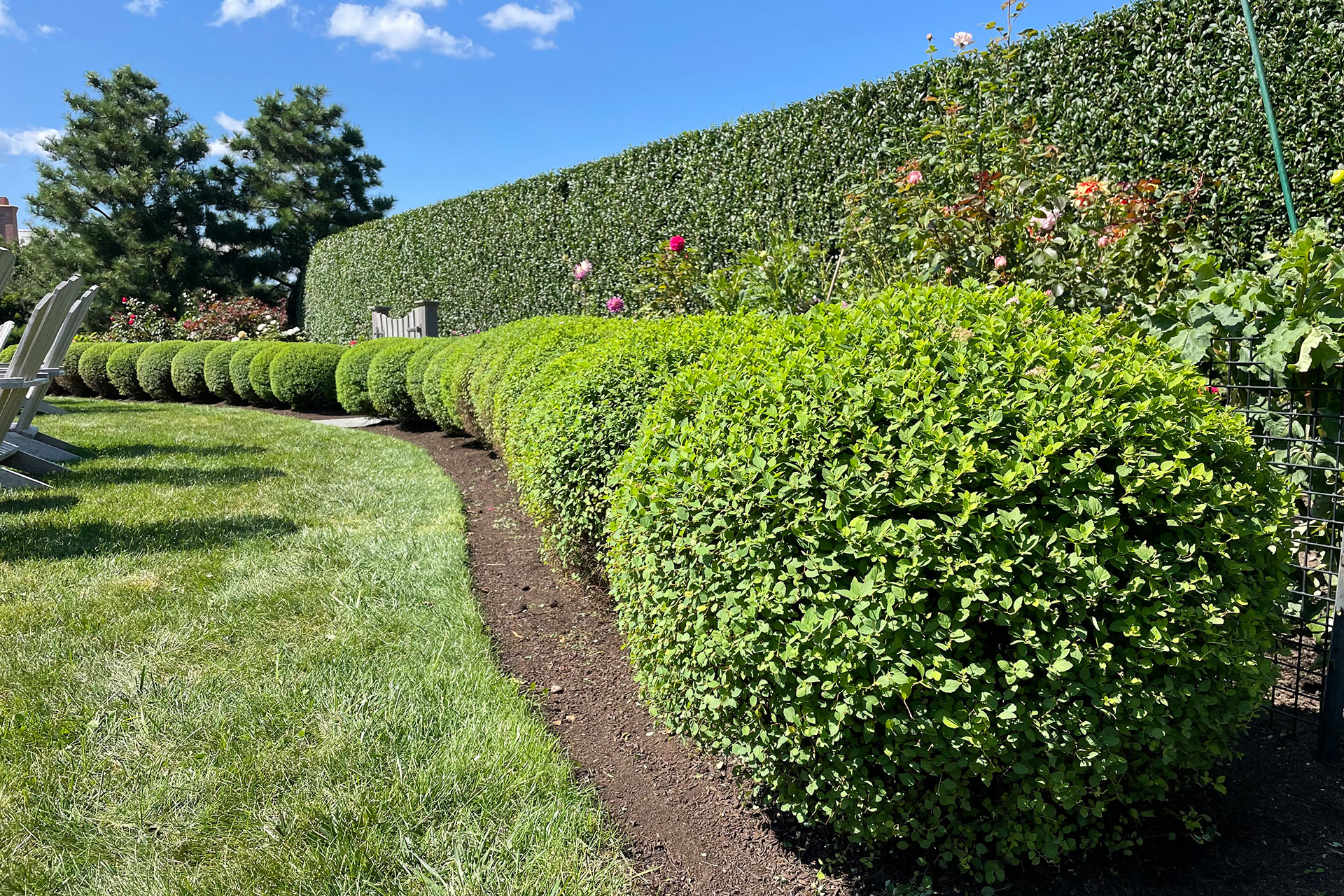
Pruning and plant care support both the appearance and long-term structure of the landscape. Most plans include a combination of ornamental pruning, structural pruning, and seasonal cutbacks, all timed carefully to avoid stressing plants or limiting future growth.
Seasonal cleanups are usually built into maintenance plans rather than treated as one-time services. Spring cleanups focus on removing winter debris and evaluating plant survival, while fall cleanups prepare the landscape for dormancy and winter protection.
“Good maintenance isn’t about constant cutting. It’s about understanding when to intervene and when to let plants do what they’re meant to do.”
– Allan Robinson, Senior Landscape Designer, a Blade of Grass
Services Often Included in Higher-Level or Estate-Style Plans
More comprehensive maintenance plans, often used for larger or more complex properties, expand beyond basic upkeep to include refinement and long-term oversight.
Fine gardening and horticultural care emphasize the health and evolution of perennial gardens and shrubs. This level of care includes selective thinning, deadheading, plant health observation, and subtle adjustments as gardens mature, helping landscapes improve rather than simply hold their shape.
Soil health and mulching play a foundational role in plant performance. Maintenance plans may include periodic mulch replenishment, soil amendments, and monitoring for compaction or drainage issues, all of which support stronger root systems and more resilient plantings.
Integrated pest and disease monitoring focuses on observation rather than routine treatment. Crews monitor plant stress and early signs of pests or disease, coordinating targeted intervention only when necessary.
For estate-scale properties, property-wide oversight ensures consistency across all areas of the landscape. Rather than treating individual gardens in isolation, care is coordinated so the property functions as a cohesive whole.
Maintenance Tasks Shaped by the New England Climate
Landscape maintenance in the Boston and New England region requires a seasonal approach that reflects local weather patterns and growing conditions. Winter protection and recovery are critical, particularly in areas exposed to snow load, freeze-thaw cycles, and de-icing salts near walkways and driveways.
Spring maintenance often involves assessing winter damage, addressing soil compaction, and preparing gardens for a relatively short but intense growing season. Summer care focuses on managing rapid growth while avoiding unnecessary stress during periods of heat or drought. Fall maintenance emphasizes gradual cutbacks, mulching, and preparation for dormancy rather than abrupt removal of plant material.
Maintenance plans that account for these regional factors tend to produce healthier, more resilient landscapes over time.
Related Blog: The Complete Landscape Maintenance Calendar for Boston & New England Homeowners
What’s Usually Not Included in a Maintenance Plan
While maintenance plans cover ongoing care, they typically do not include major changes or construction work. Large-scale renovations, tree removal, irrigation or lighting installation, and hardscape projects are usually handled separately. Snow removal is also excluded in most cases unless specifically contracted.
Understanding these boundaries helps homeowners evaluate proposals more accurately and avoid misunderstandings.
How Landscape Maintenance Plans Are Structured
Maintenance plans are typically organized around visit frequency and seasonal priorities. During peak growing months, visits may occur weekly or bi-weekly, while schedules often shift in spring and fall to accommodate cleanup and preparation tasks.
Plans are also shaped by the type of property being maintained. Newly installed landscapes often require closer monitoring, while mature properties may focus more on refinement and long-term performance. Team familiarity plays an important role as well; crews who work consistently on the same property are better positioned to spot issues early and maintain continuity.
How to Evaluate a Landscape Maintenance Plan
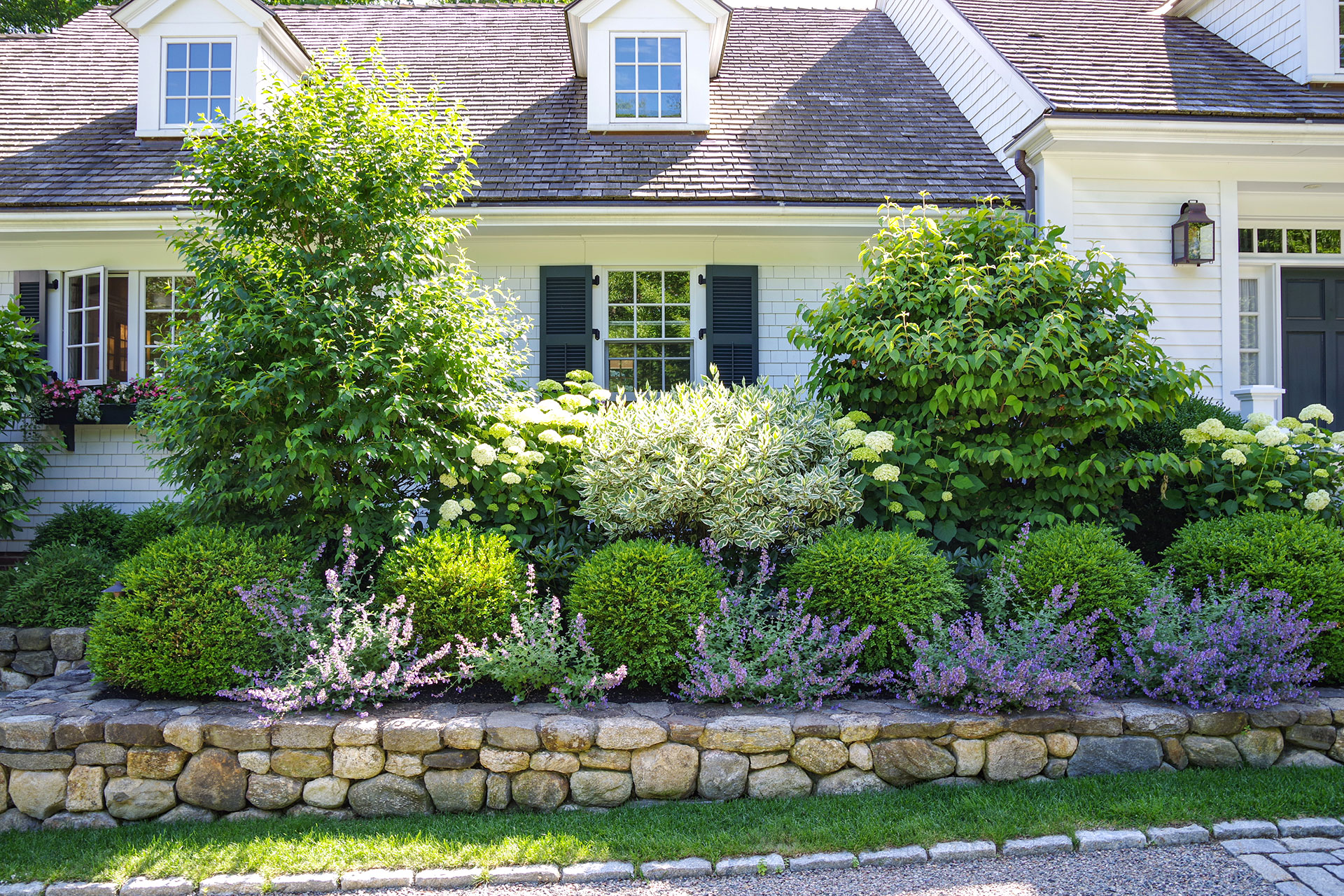
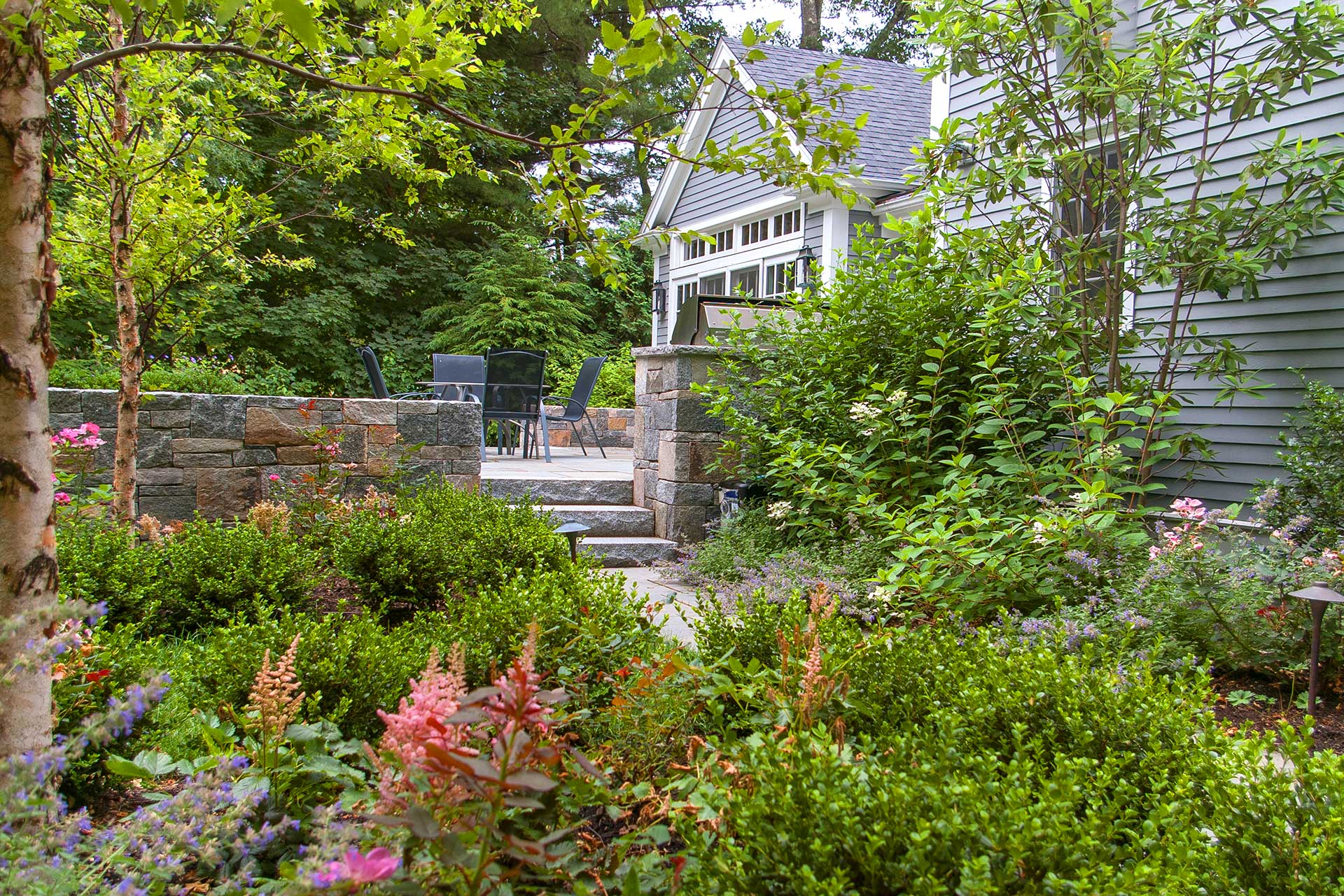
Before selecting a maintenance provider, homeowners should understand what’s included, how seasonal changes are handled, and who is responsible for monitoring plant health. A strong plan should feel proactive rather than reactive, with clear expectations and flexibility to evolve as the landscape matures.
Asking thoughtful questions early helps ensure the plan aligns with both the property’s needs and the homeowner’s priorities.
How Maintenance Plans Evolve Over Time
Landscapes are living systems. As plants mature, shade patterns change, and homeowner priorities shift, maintenance plans should adapt. The most effective plans are revisited regularly and refined as the property evolves rather than remaining static year after year.
Frequently Asked Questions
Q: What does a basic landscape maintenance plan include?
A: Most basic plans include routine lawn care, garden bed maintenance, pruning, and seasonal cleanups, with additional services added as needed.
Q: Is lawn care always part of a maintenance plan?
A: Not necessarily. Some plans focus primarily on garden and planting bed care, while turf programs may be coordinated separately.
Q: How often are maintenance visits scheduled?
A: Visit frequency depends on property size and complexity, but weekly or bi-weekly visits are common during the growing season.
Q: Are maintenance plans customizable?
A: Yes. Effective plans are tailored to each property and adjusted as landscapes mature.
Q: Do maintenance plans include major repairs or renovations?
A: Typically no. Larger projects are handled separately from ongoing maintenance services.
A Note on Professional Landscape Maintenance and Fine Gardening
For homeowners who value consistency, horticultural insight, and long-term care, professional landscape maintenance can provide clarity and peace of mind. At a Blade of Grass, our Maintenance and Fine Gardening services reflect the principles outlined above, emphasizing thoughtful stewardship, familiarity with each property, and proactive care that supports landscapes as they mature.
If you’d like to learn more about how our approach applies to your property, contact us today for a consultation.