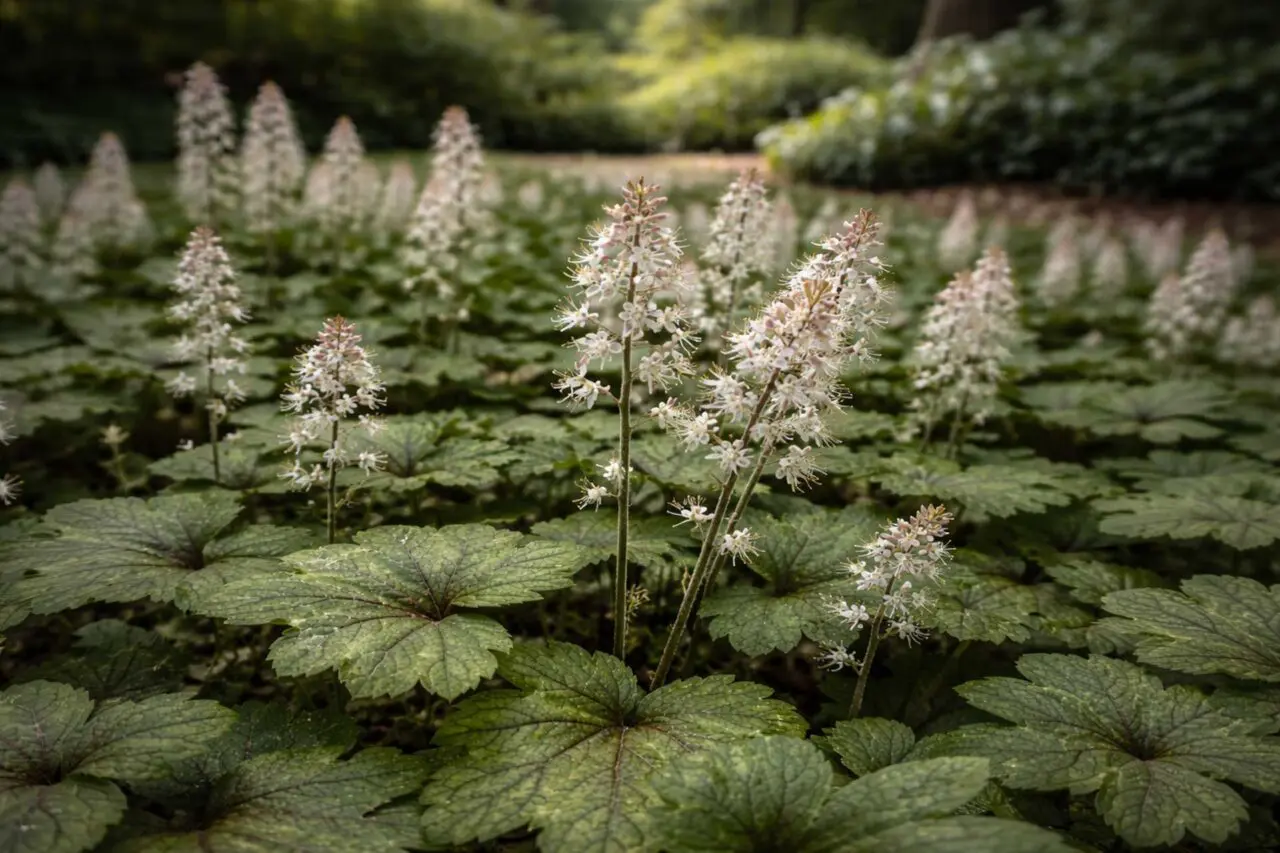
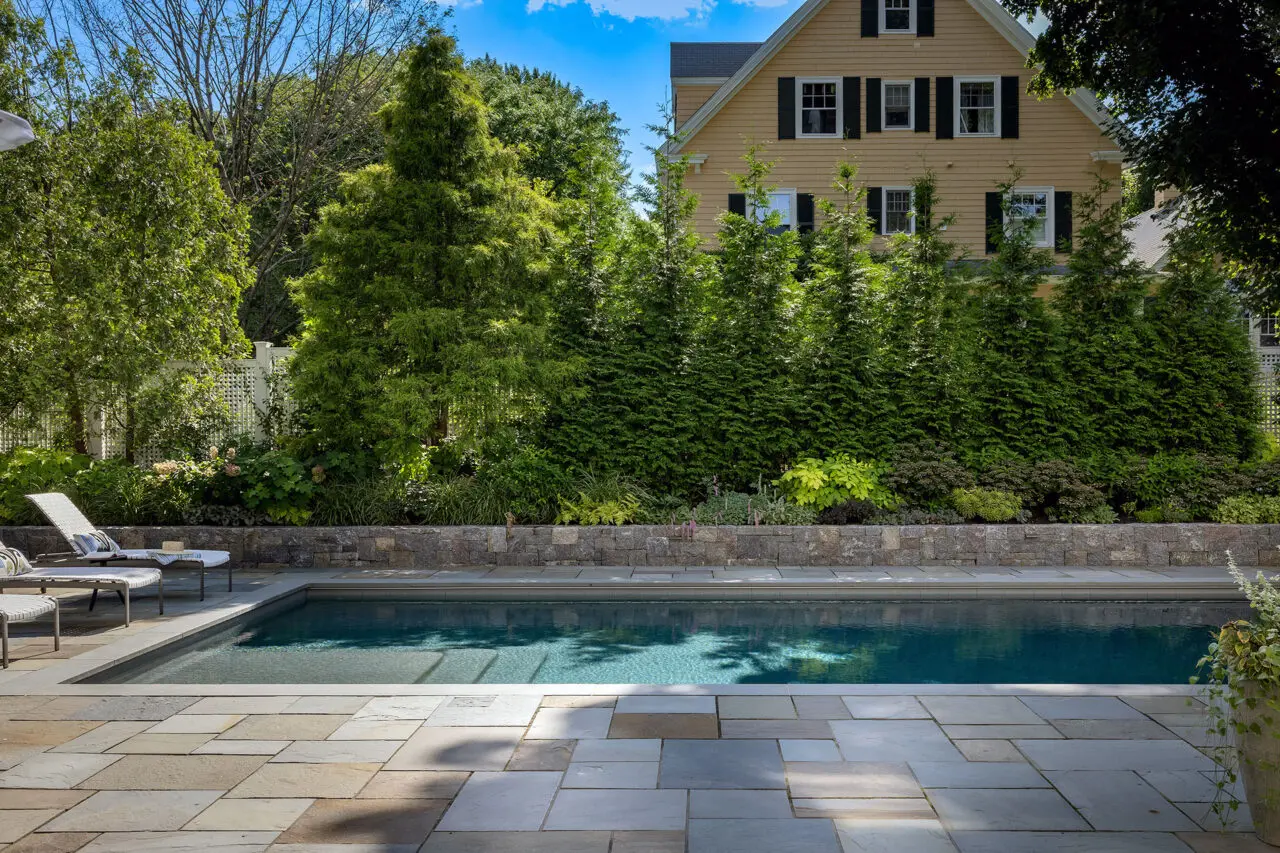
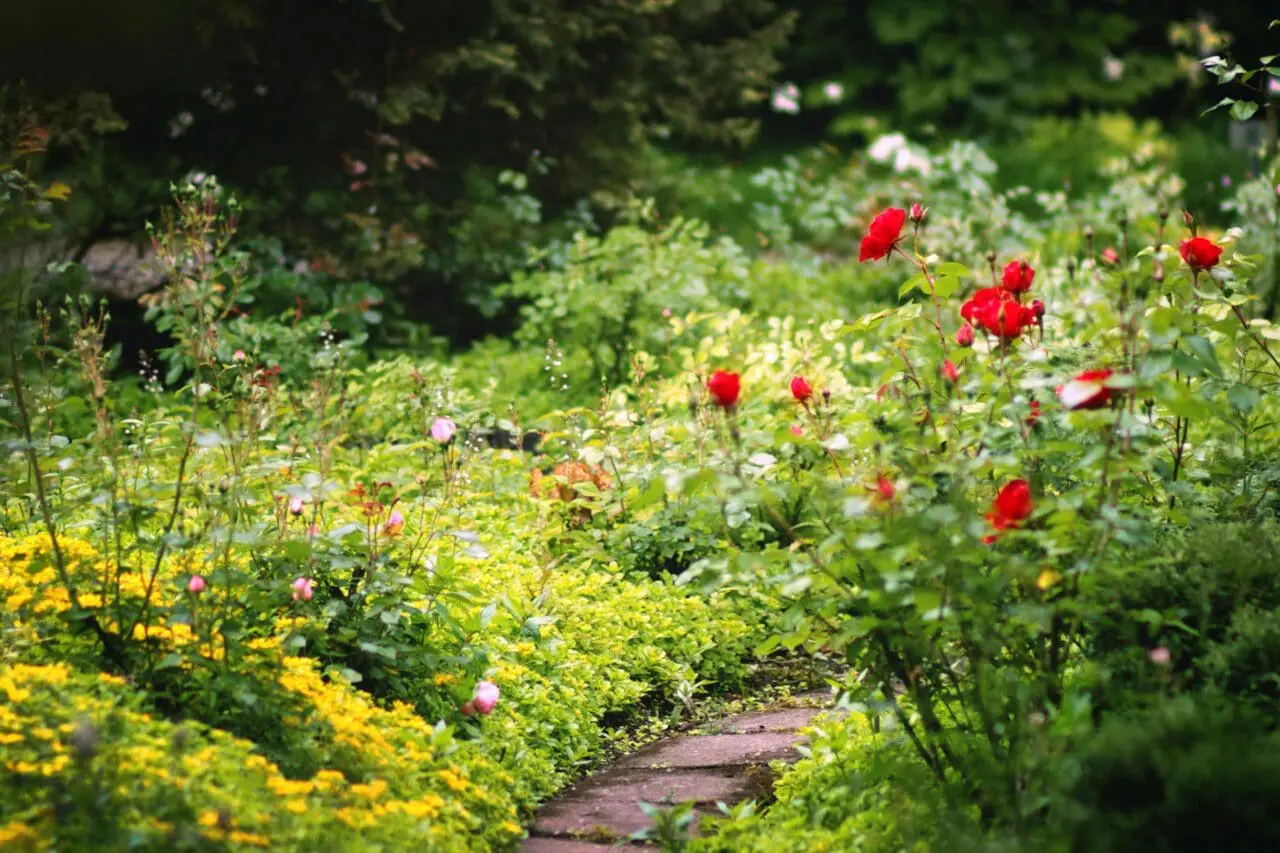
Hiring the right landscaping company for your Boston property is an investment in beauty, function, and long-term value. Professional landscape design goes well beyond curb appeal, improving how you use your outdoor space and enhancing daily living. Research in the Journal of Environmental Horticulture shows that well-designed landscapes can increase perceived home value by 5–12%, especially when mature plantings and cohesive design elements elevate the property’s overall appeal.
Whether you are working with a compact Beacon Hill patio or a larger parcel often found in towns like Sudbury or Dover, choosing the right landscape design partner requires clarity, thoughtful evaluation, and an understanding of what separates highly skilled designers from general contractors or one-off service providers.
Key Takeaways
- Start the landscape design process in fall or early winter to secure better planning time and ideal spring installation windows.
- Verify credentials, insurance, reviews, and BBB ratings before choosing a landscape design company.
- Ask detailed questions about process, timelines, team structure, and long-term care.
- Look for experience with Boston-area climate, drainage, masonry, permitting, and property maintenance.
- Consider phased installation if your full vision exceeds your initial budget, allowing the landscape to evolve over several seasons without compromising quality.
Why Choosing the Right Designer Matters
Proper landscape design in the Boston area demands a unique blend of horticulture, engineering, masonry, construction knowledge, and familiarity with New England’s climate. Homes across Greater Boston also vary significantly in terrain, lot size, architecture, soil conditions, and permitting requirements, so the right firm will guide you through both creative possibilities and logistical realities.
Good designers anticipate drainage issues, understand freeze-thaw cycles, select materials suited to New England weather, and create outdoor spaces that evolve beautifully across varied seasons. They also understand that a landscape is not finished the day it is installed. It needs to mature, adapt, and be cared for over time.
You are not just hiring a team to plant shrubs or lay stone. You are selecting a partner who will interpret your property holistically and manage all phases of design, build, installation, and long-term care with clarity.
What to Look For in a Boston Landscape Designer
A Clear and Proven Design/Build Process
Experienced firms can articulate exactly how they work. You should expect a structured progression from consultation to concept, revisions, final plans, proposal, scheduling, and installation. The most reputable companies will describe their process clearly so clients always know what to expect.
A defined process also helps control expectations. Landscape projects involve design decisions, material selections, site conditions, weather windows, and crew coordination. A company that can explain its workflow clearly is usually better prepared to manage the project well.
Expertise With Both Urban and Suburban Properties
Boston’s urban neighborhoods demand precision and creativity. Tight access, historic restrictions, limited planting conditions, and compact outdoor rooms in places like Beacon Hill, Back Bay, Cambridge, and the South End require a different skill set than the expansive properties found in Concord, Weston, Dover, or Sudbury.
Look for a landscape design company that understands the environment closest to your needs. Successful firms should be able to explain how their approach differs depending on lot size, sun exposure, soil quality, drainage, privacy, architecture, and long-term maintenance considerations.
Well-Credentialed, Skilled Team Members
Good landscape design firms invest in experienced teams, often including certified horticulturists, trained masons, irrigation specialists, lighting professionals, fine gardeners, and dedicated project managers. Credentials such as Massachusetts Certified Horticulturist, APLD membership, OSHA safety training, irrigation licensing, or specialized masonry experience can reflect a firm’s commitment to professional standards.
It is also worth checking the company’s Better Business Bureau rating to confirm long-standing customer satisfaction. Strong Boston-area firms are usually proud to share their credentials, reviews, portfolio, and team structure.
Related Blog: Landscape Designer vs Landscape Architect: Which One Does Your Property Need?
8 Essential Questions to Ask Before Hiring
Before choosing a landscape design partner, ask questions that reveal how the company thinks, communicates, and manages complexity.
- How long have you been working in the Boston area, and what types of properties do you specialize in?
- Can you share examples or case studies of similar projects?
- Who will manage the design and installation phases?
- How does your design fee structure work, and how many revisions are included?
- How long does the typical design and installation timeline take?
- Are you licensed and insured, and can you provide proof?
- What is your plan for ongoing maintenance or fine gardening once installation is complete?
- Do you support phased or multi-year installation if the full project cannot be completed at once?
These questions reveal a firm’s professionalism, capacity, and ability to communicate with clarity. That matters when navigating a landscape project that may take several months from first conversation to finished installation.
Understanding Timelines and When to Start the Process
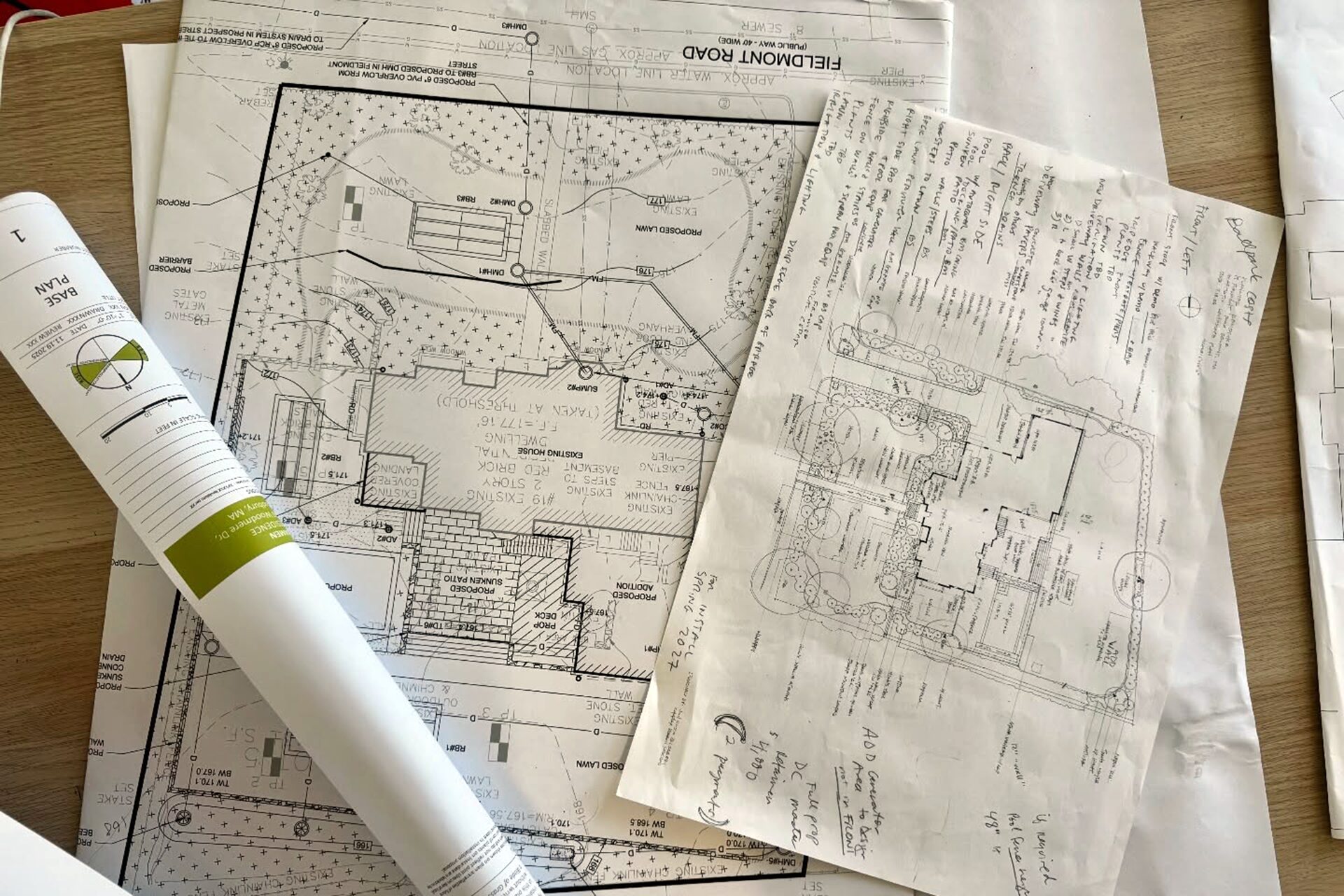
While each property is unique, most Boston design/build projects follow a familiar cadence. The design phase may take several weeks depending on complexity, revisions, site analysis, and decision-making. After proposals are finalized and contracts are signed, installation can take anywhere from a few weeks to several months depending on weather, materials, permitting, and the scale of hardscaping.
Many Boston homeowners make the mistake of reaching out to landscape designers in early spring, exactly when reputable companies are already booking installation schedules. The ideal time to begin the process is often fall or early winter, when designers have more availability, permitting offices may be quieter, and your project can be positioned for spring or early-season installation.
As seasoned designer Joanna McCoy puts it:
“When homeowners begin their landscape design work in the fall, they secure better schedules and receive more thoughtful planning. Spring rewards those who prepared early.”
Know the Differences Between Design, Installation, and Maintenance
Landscape Design
This phase establishes the overall concept, layout, and long-term strategy for your outdoor space. A strong design plan considers sun exposure, drainage, circulation patterns, materials, planting palettes, lighting, irrigation, privacy, architecture, and how you want to use the property throughout the year.
Build, or Installation
This is where the design becomes reality. Skilled crews handle grading, excavation, stonework, planting, irrigation, lighting, and site preparation. In Greater Boston, installation success depends heavily on knowledge of soil conditions, retaining structures, proper drainage, frost-depth requirements, and freeze-resistant construction techniques.
Maintenance and Fine Gardening
Once a landscape is installed, it must be nurtured. Many homeowners hire design/build firms to manage the maintenance of their gardens, even if those firms did not complete the original installation. Maintenance teams monitor plant health, prune thoughtfully, replenish soil, manage perennials, adjust irrigation seasonally, and help the landscape mature as intended.
Related Blog: What Does It Mean for a Landscape Company to Be Design/Build?
Credentials, Insurance, and Proper Documentation
A trustworthy landscape designer should readily provide proof of insurance, proper licensing where applicable, and a clear written proposal outlining scope, materials, costs, exclusions, and timeline. This documentation protects both you and the landscape company.
A strong proposal should explain what is included, who is responsible, and how changes will be handled. If you are reviewing proposals from several firms, our guide to comparing landscape proposals explains how to assess scope, specifications, exclusions, and price.
Know the Red Flags
Choosing a landscape designer should involve discernment. Be cautious of firms that seem too new to have established experience, especially if they cannot offer examples of past work. Lack of insurance, vague pricing, inconsistent communication, or overly optimistic timelines are all signs to proceed carefully.
Online reviews can be useful, but prioritize reputable sources such as Google, Houzz, and the BBB. A consistent pattern of strong reviews, clear communication, and finished project examples is more meaningful than one isolated testimonial.
Budgeting and Phased Implementation
Many homeowners begin with a general budget in mind. The best designers help refine that budget by focusing on the parts of the project with the greatest visual or functional impact. They can also help distinguish between immediate priorities and improvements that can wait.
When the full vision exceeds the available budget, reputable firms often suggest phased installation. This allows you to implement the design over several seasons without compromising its long-term integrity. A thoughtful phasing plan can also prevent costly rework by ensuring that utilities, drainage, hardscape, and planting decisions are sequenced correctly.
Pros and Cons of Hiring a Full-Service Design/Build Firm
| Pros | Cons |
|---|---|
|
|
For larger or higher-end Boston-area properties, the advantages of a full-service design/build firm often outweigh the drawbacks because the landscape is treated as a coordinated system rather than a collection of unrelated tasks.
Frequently Asked Questions
Q: How much does landscape design cost in the Boston area?
A: Design fees vary based on property size, complexity, documentation needs, and project scope. Smaller design projects may require a modest design fee, while larger properties with hardscape, drainage, lighting, planting, and permitting needs may require a more substantial planning investment.
Q: How long does a landscape design/build project take?
A: Timelines vary widely. A simple planting or garden refresh may move quickly, while larger design/build projects involving masonry, grading, utilities, permitting, or phased installation may take several months from consultation through completion.
Q: What certifications should a Boston landscape designer have?
A: Useful credentials may include Massachusetts Certified Horticulturist, APLD membership, irrigation licensing, masonry experience, OSHA training, and other relevant professional affiliations. Experience with Boston-area climate and construction conditions is equally important.
Q: What makes Boston landscaping unique?
A: Local climate, freeze-thaw cycles, dense urban conditions, historic properties, varied soils, mature trees, drainage challenges, and town-specific permitting requirements all make Boston-area landscape design more complex than generic landscaping advice suggests.
Q: How do I evaluate and compare proposals?
A: Look for clarity, detail, consistent communication, proof of insurance, realistic timelines, defined scope, and a clear process for both design and installation. The lowest proposal is not always the best value if important planning, drainage, materials, or maintenance details are missing.
Landscaping Resources for Boston Homeowners
These helpful resources support Boston-area homeowners looking for the right landscape design firm:
- Boston Design Guide: Landscape Designers and Landscape Architects
- Houzz: Landscape Designers Directory
- Boston Magazine: Landscape Designers Directory
Ready to Start Your Project?
If you are exploring landscape design, installation, maintenance, or fine gardening for your Boston-area home, the team at a Blade of Grass would be happy to guide you.
Contact us today to schedule a free consultation and begin planning a landscape that reflects your vision and enhances your property for years to come.