Gates and fences do more than define boundaries. They shape how a landscape feels and functions, adding privacy, improving security, guiding movement, and complementing the overall design to create cohesive, character-rich outdoor spaces.
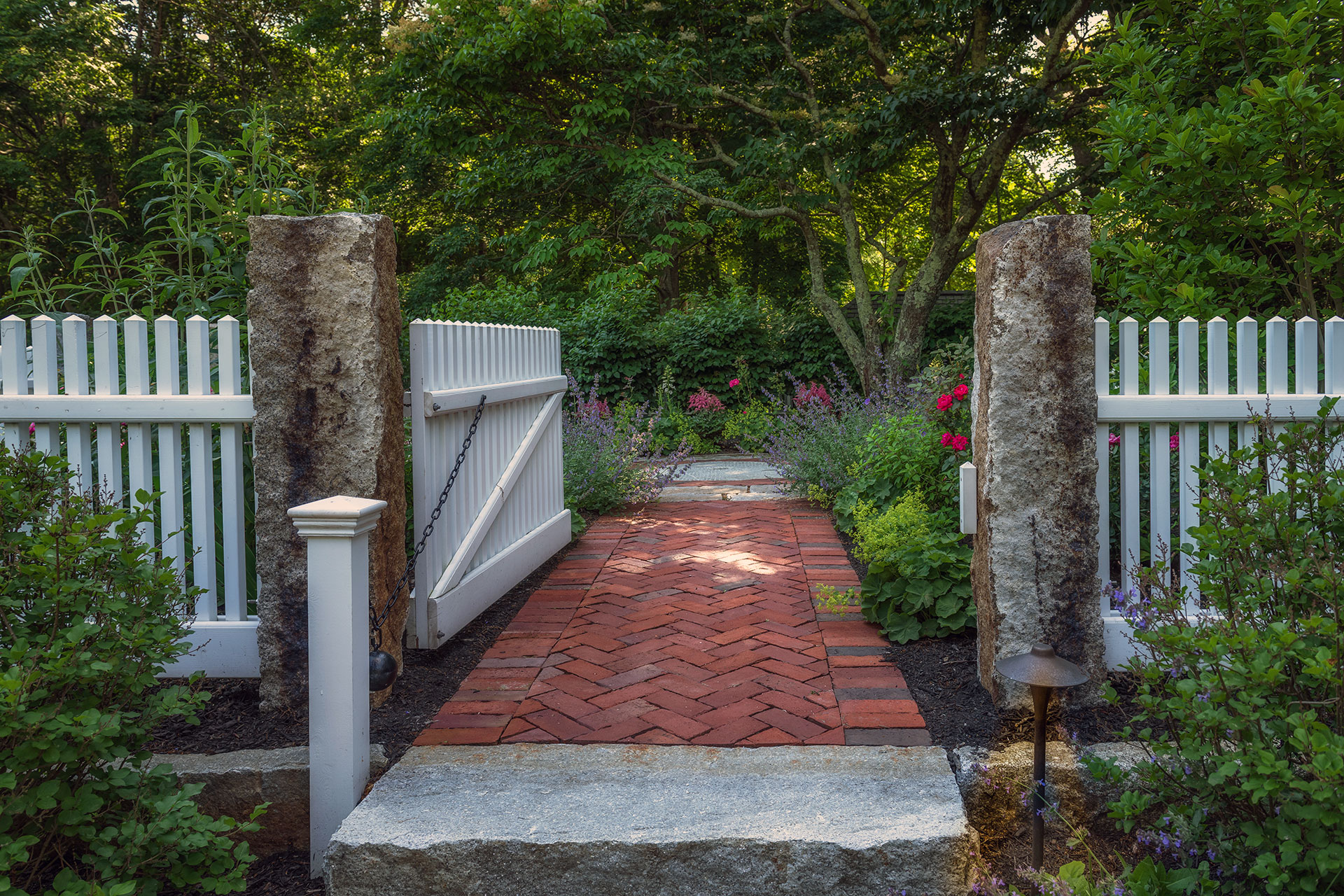
more than just boundaries
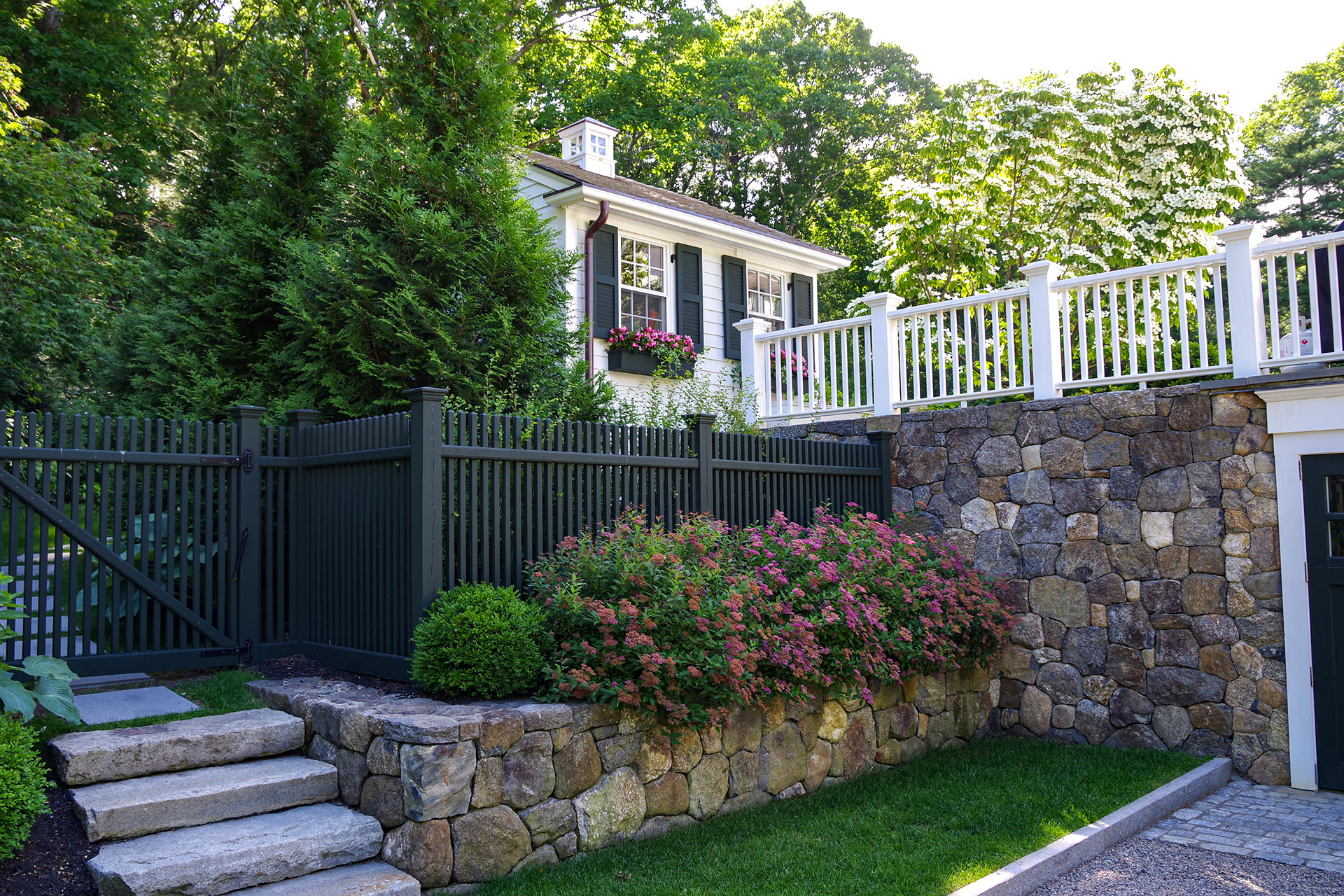
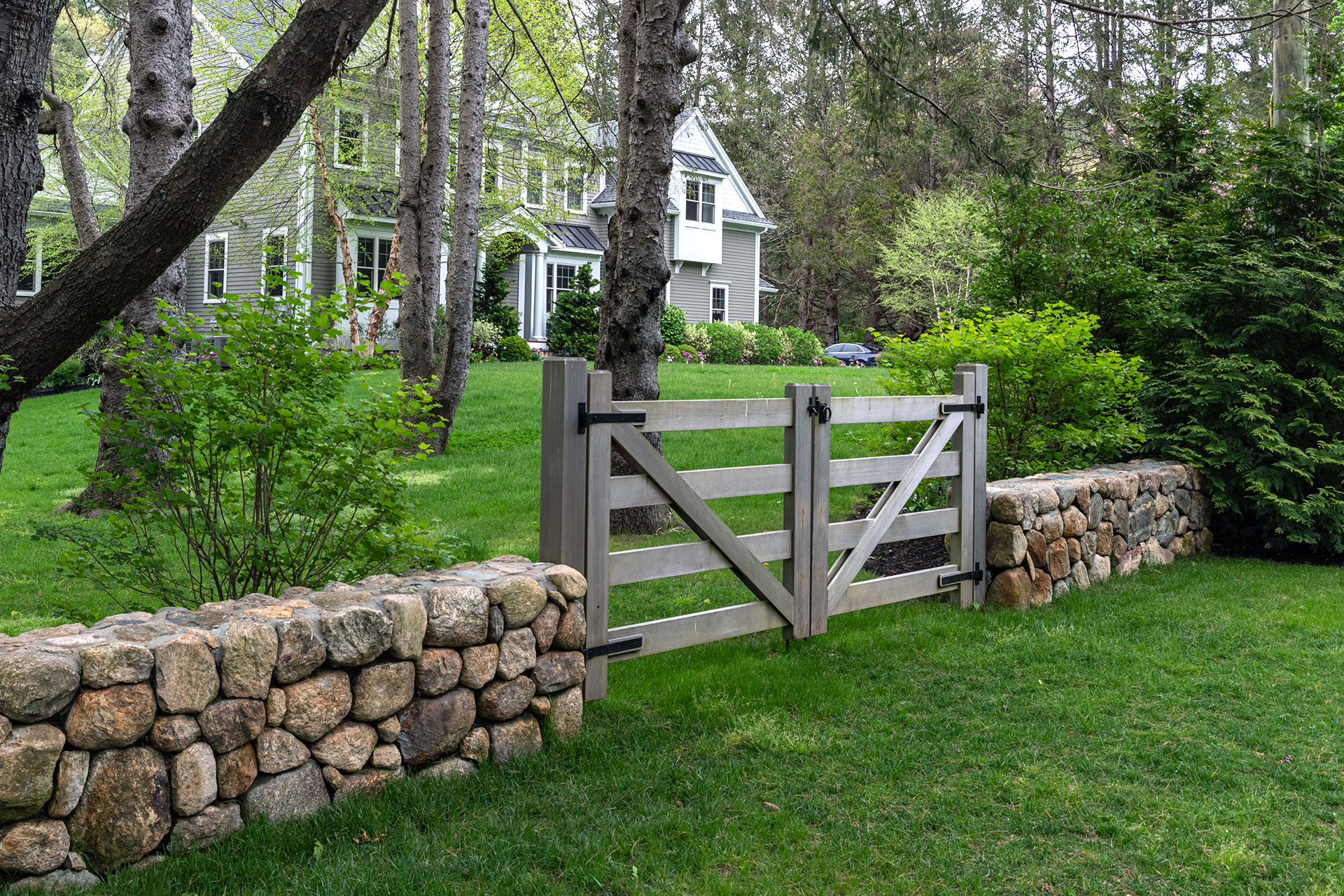
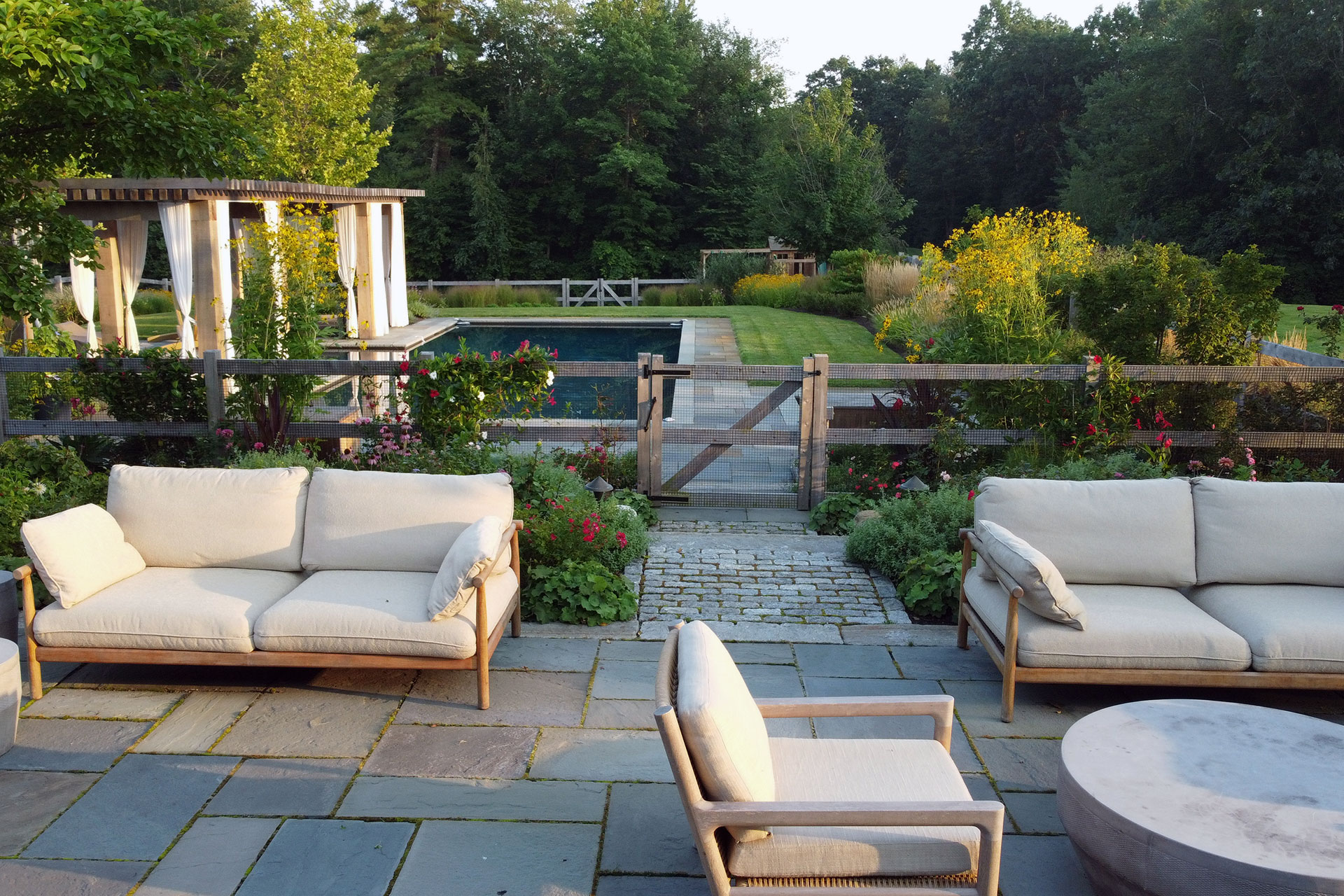
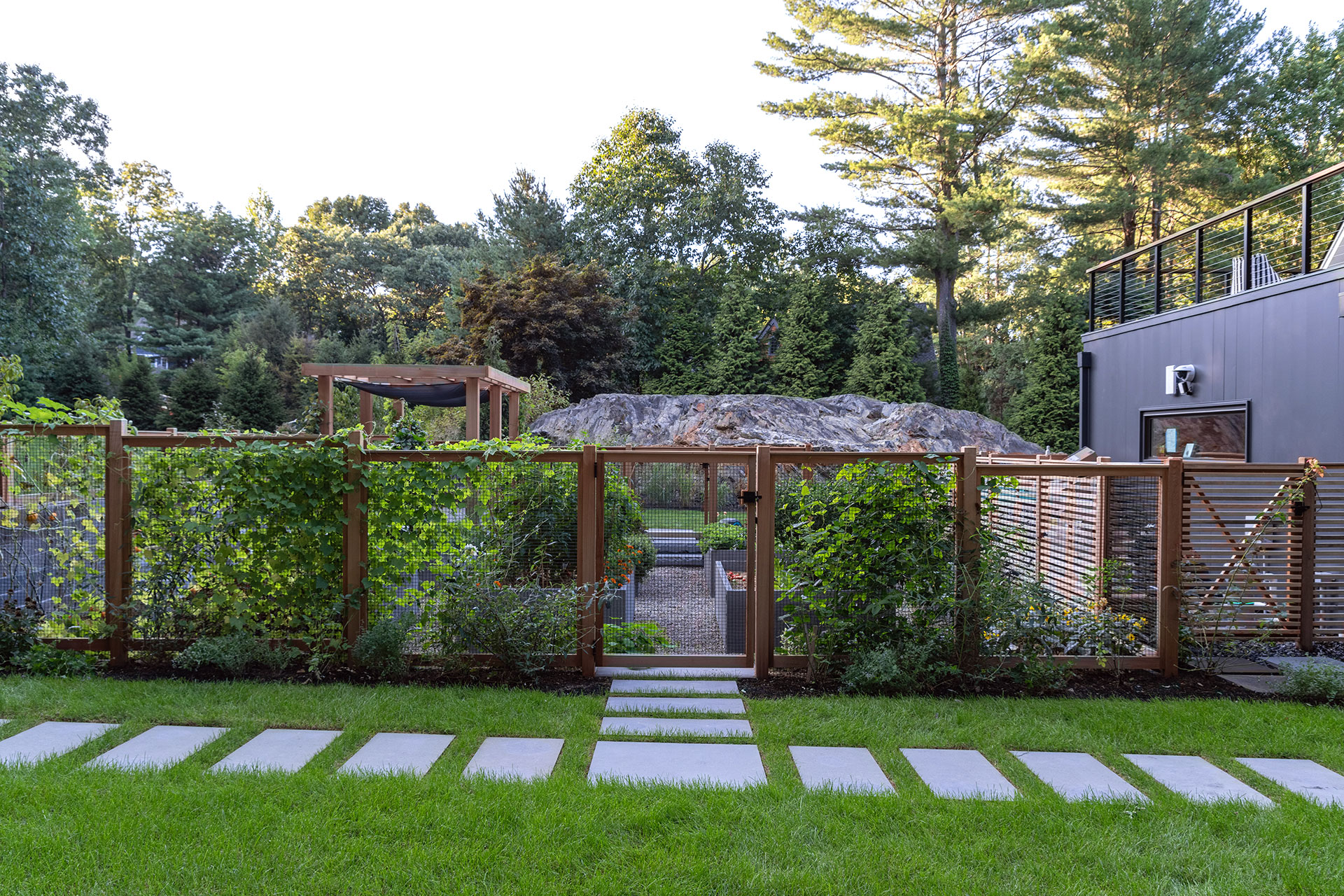
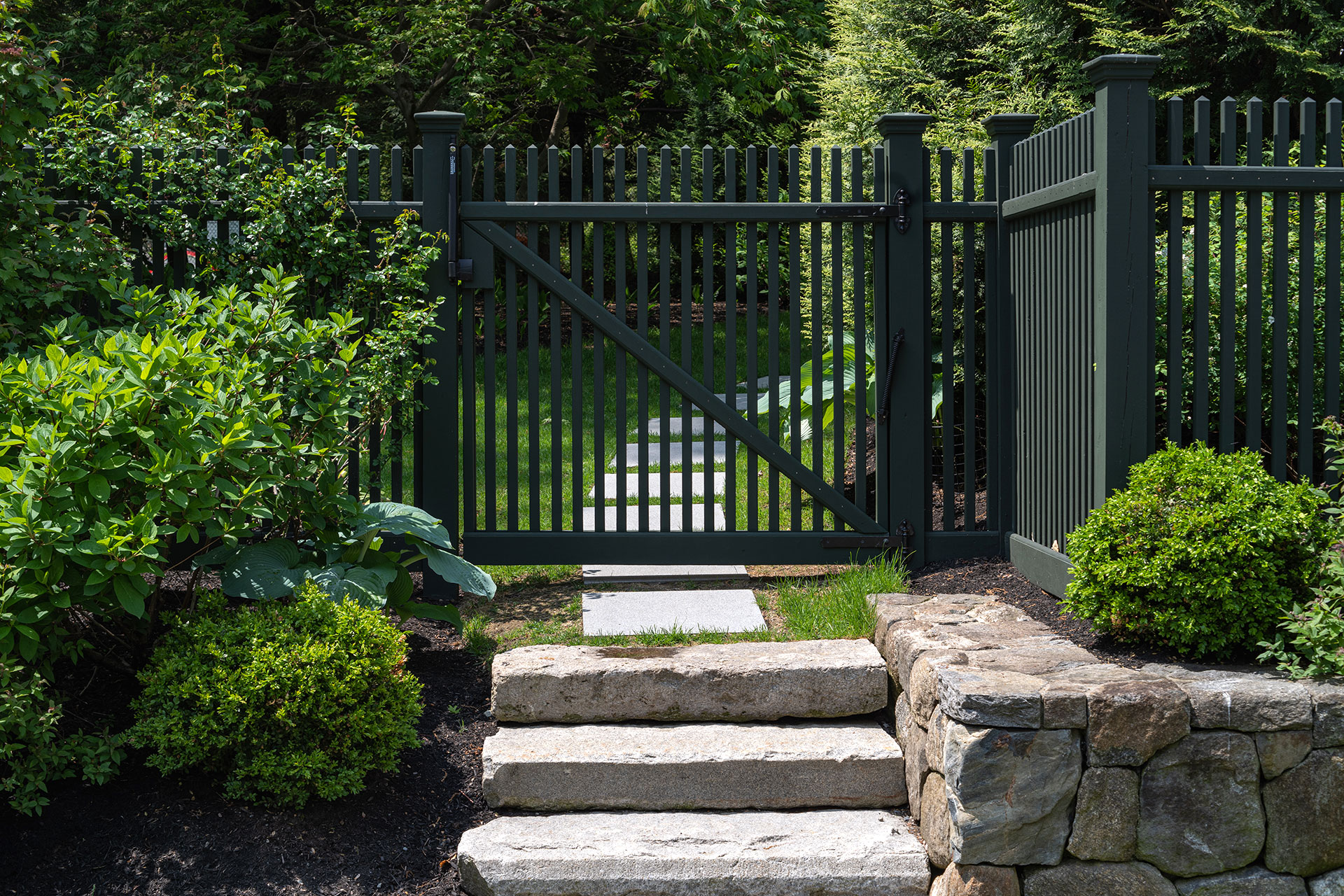
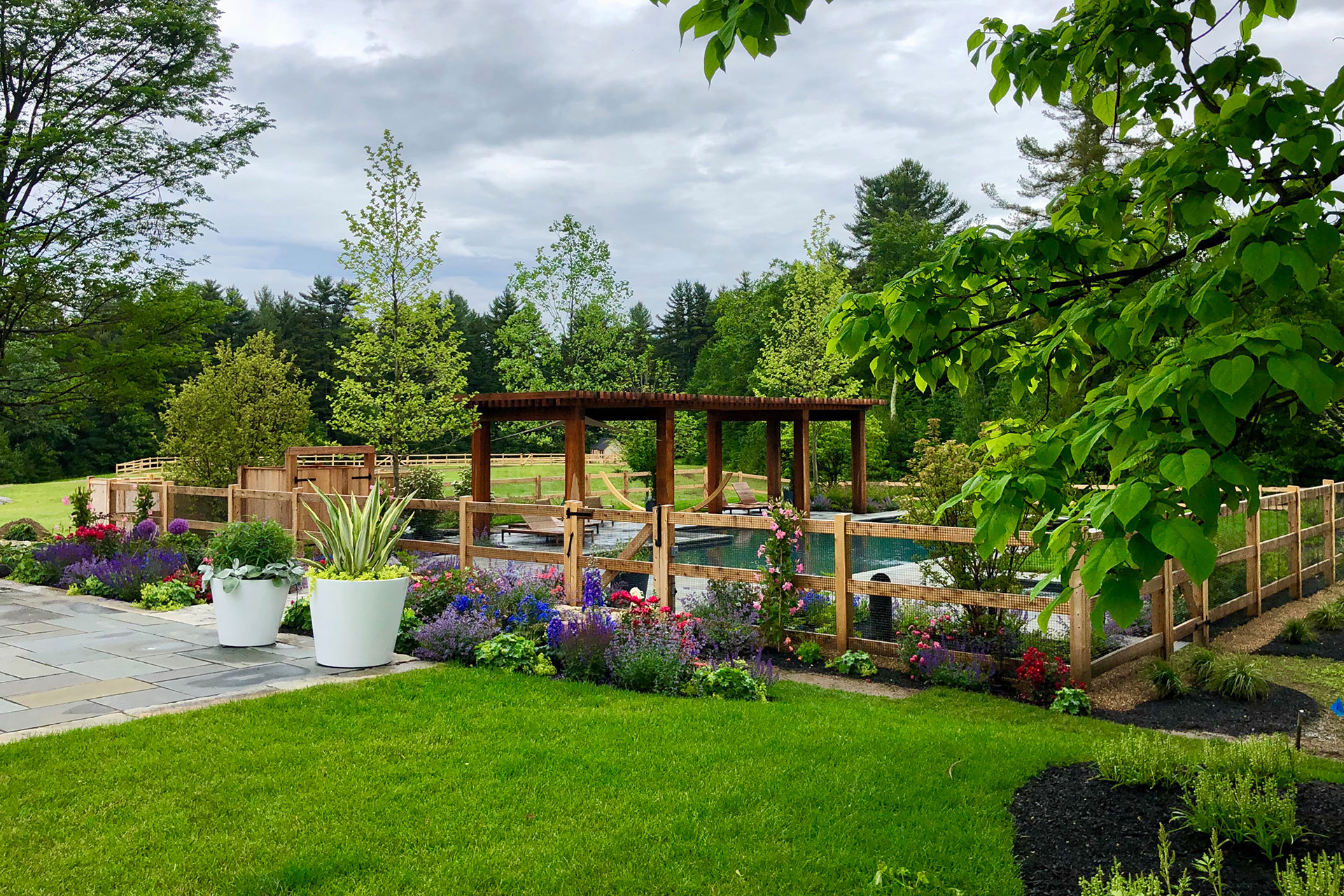
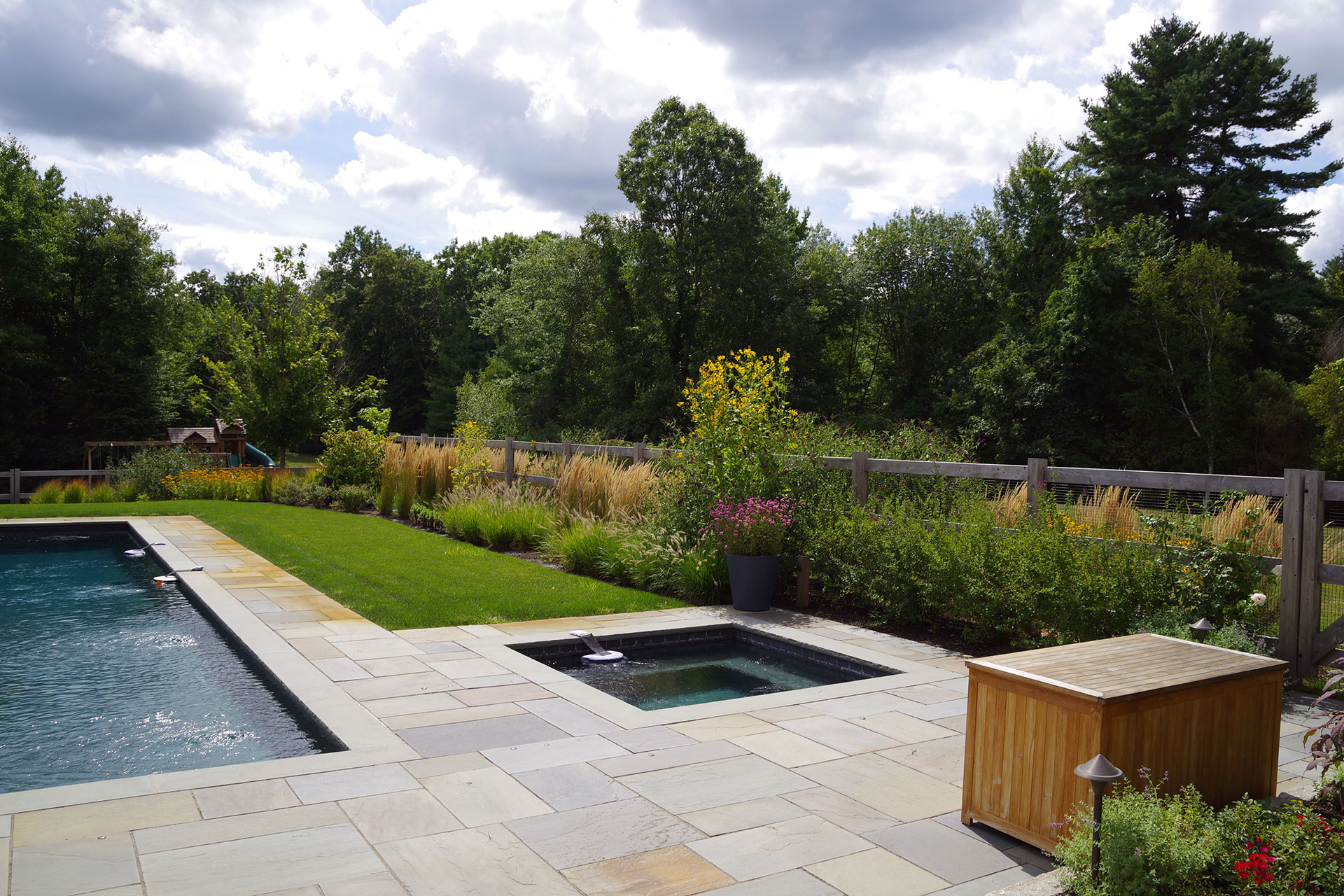
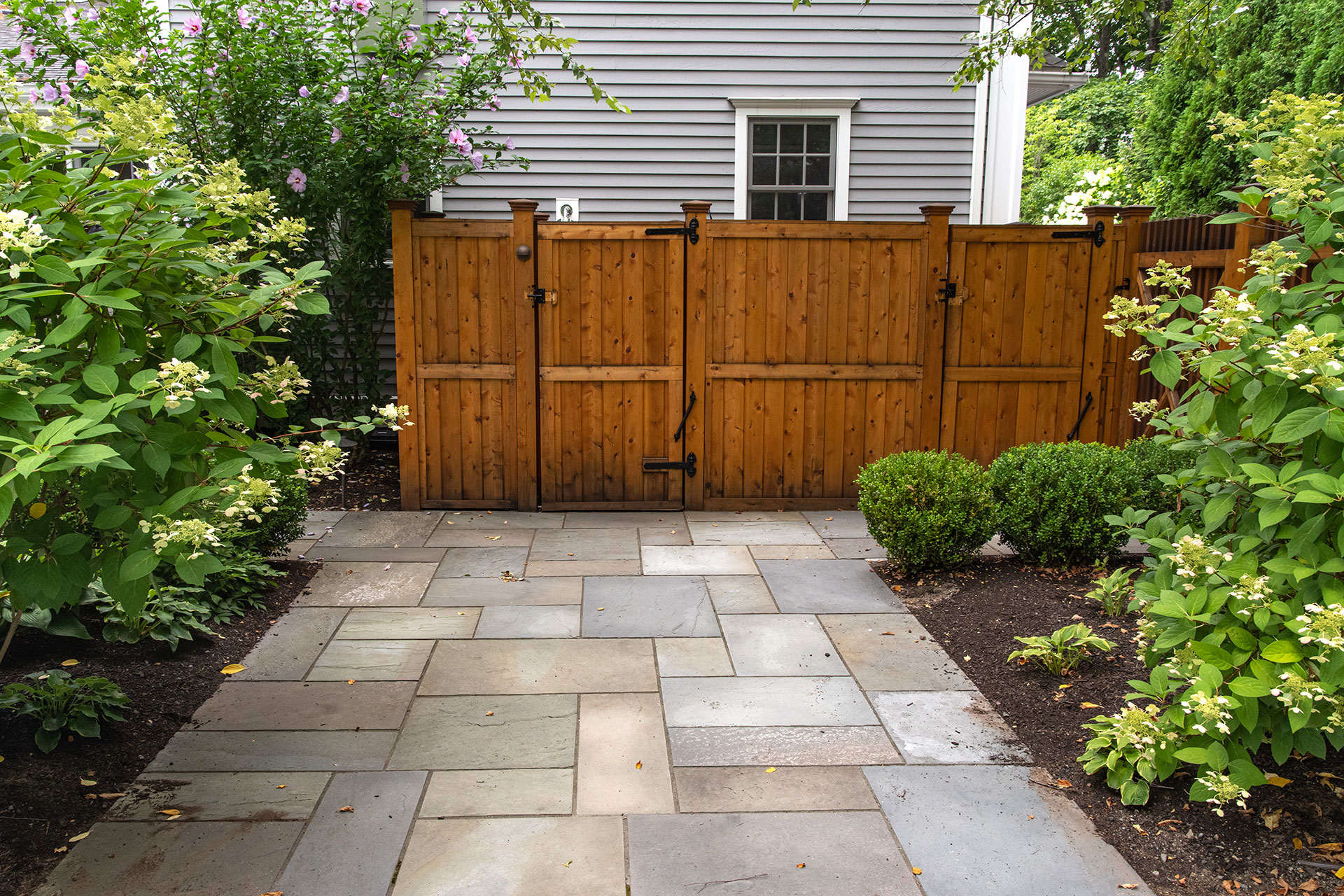
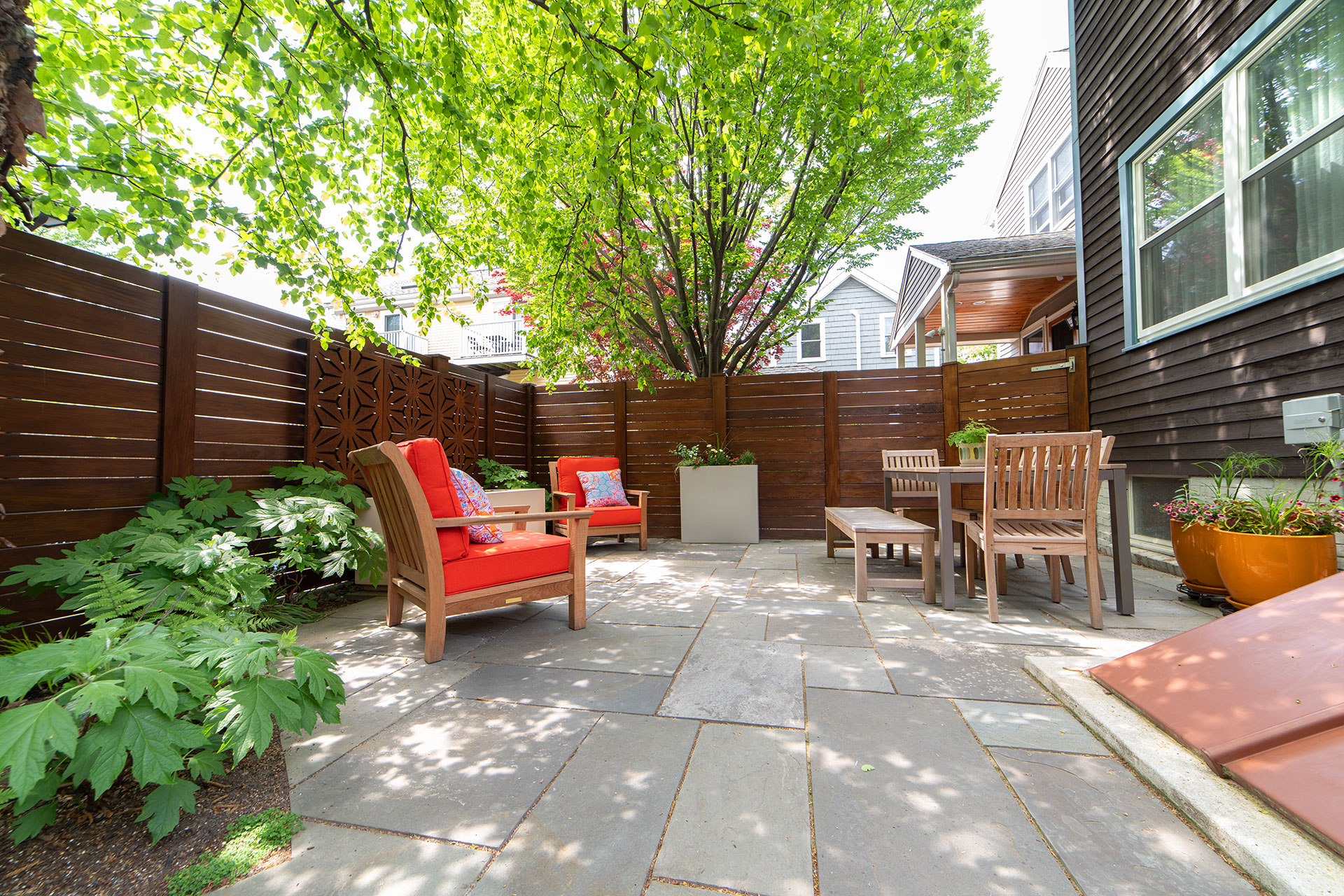
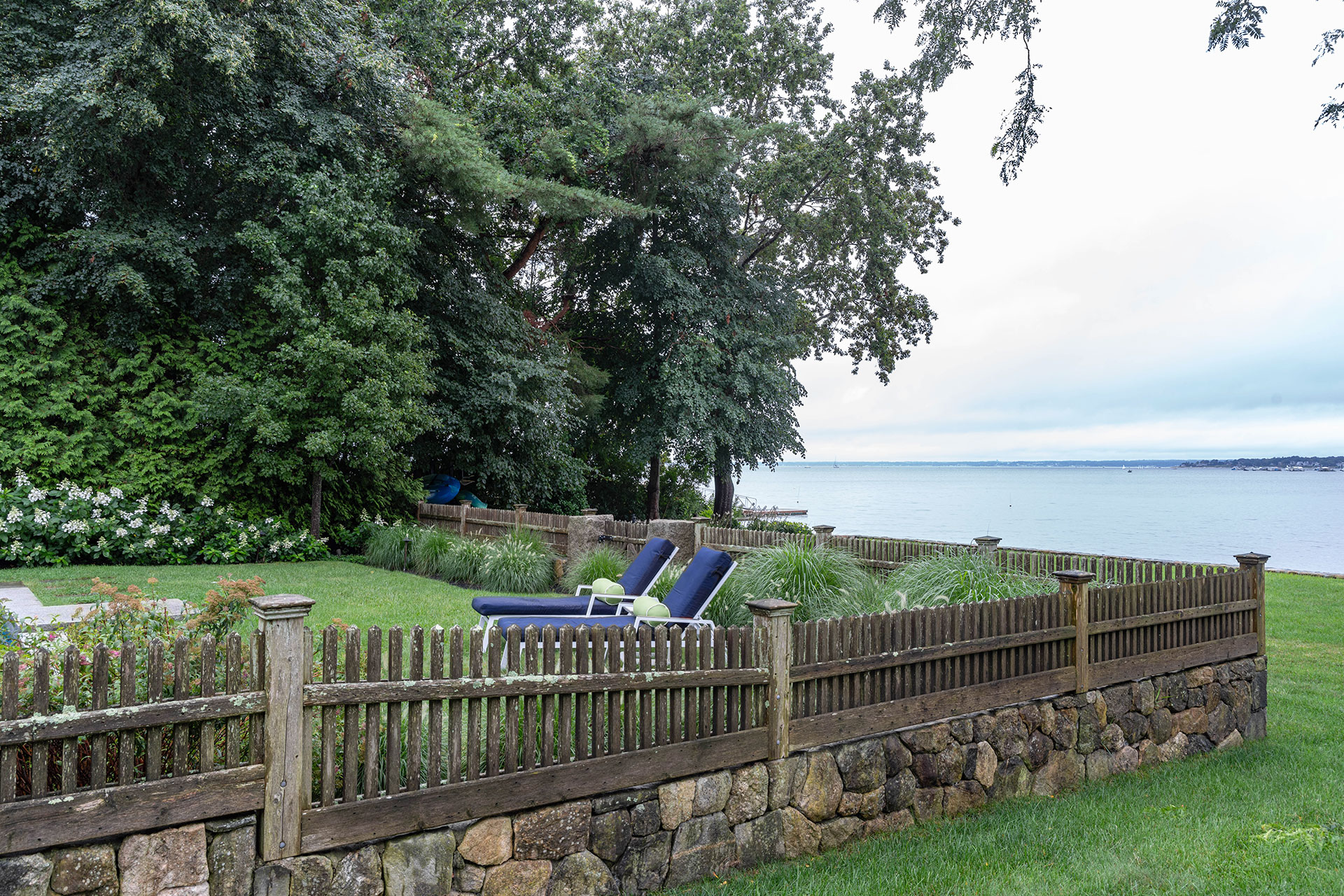
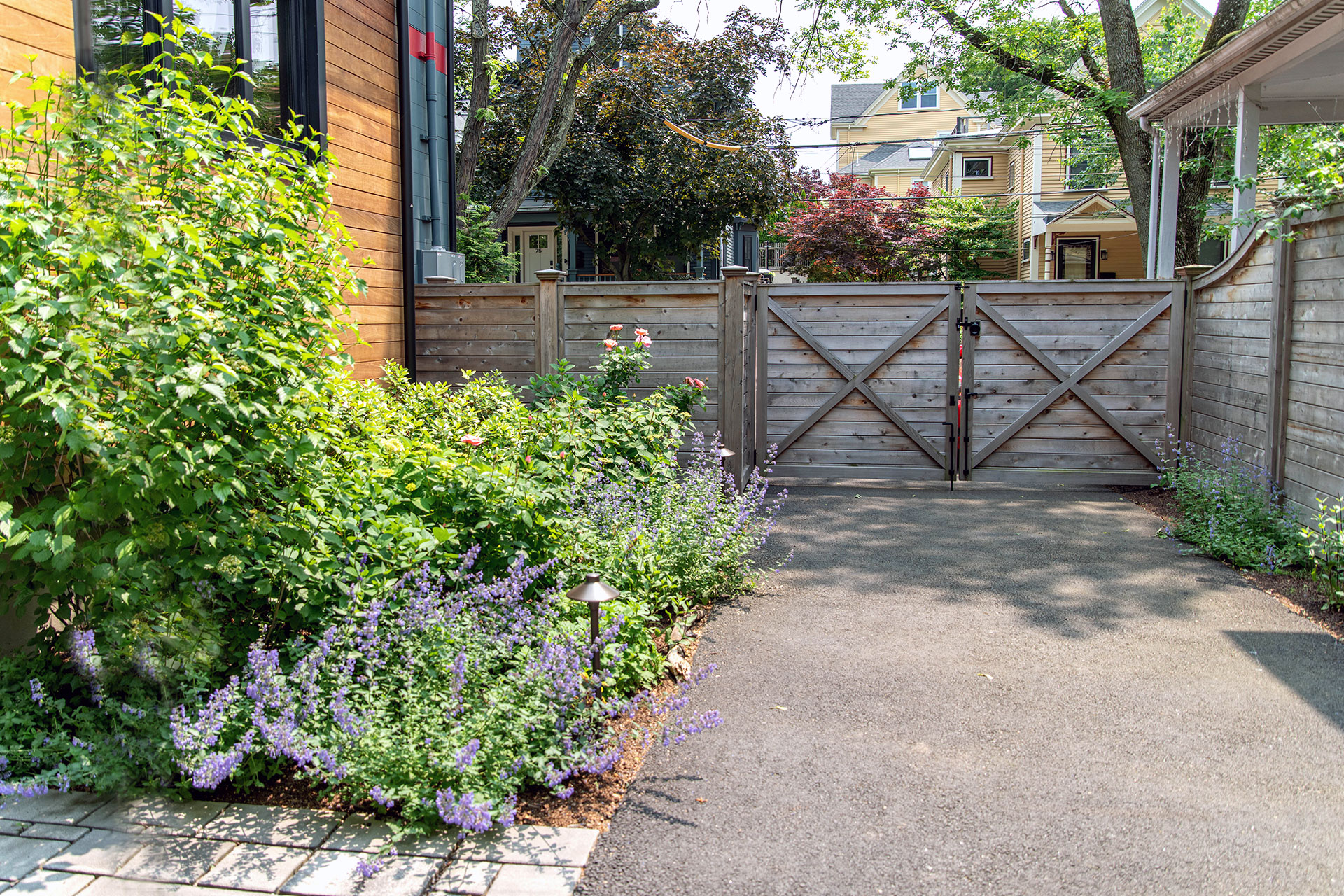
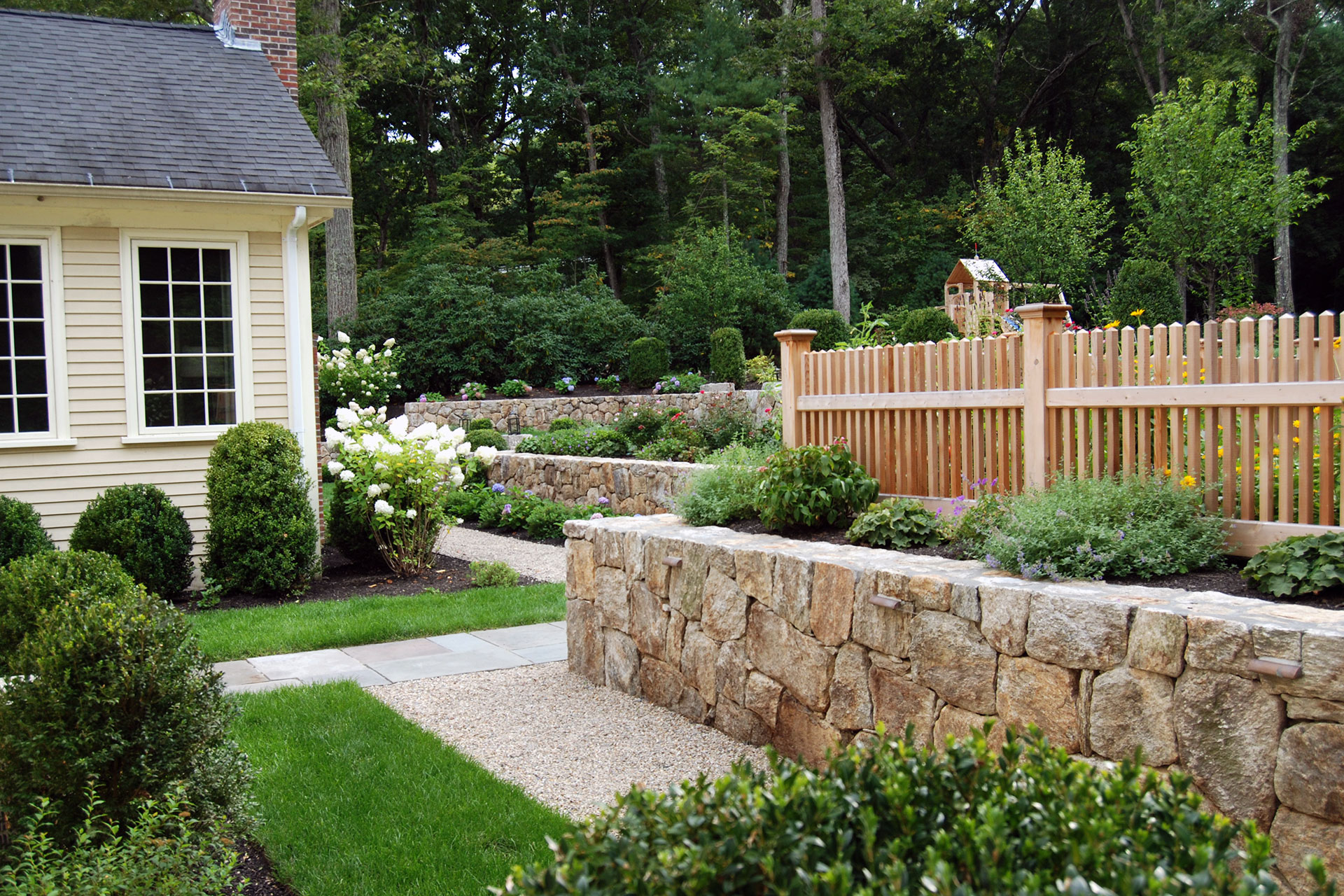
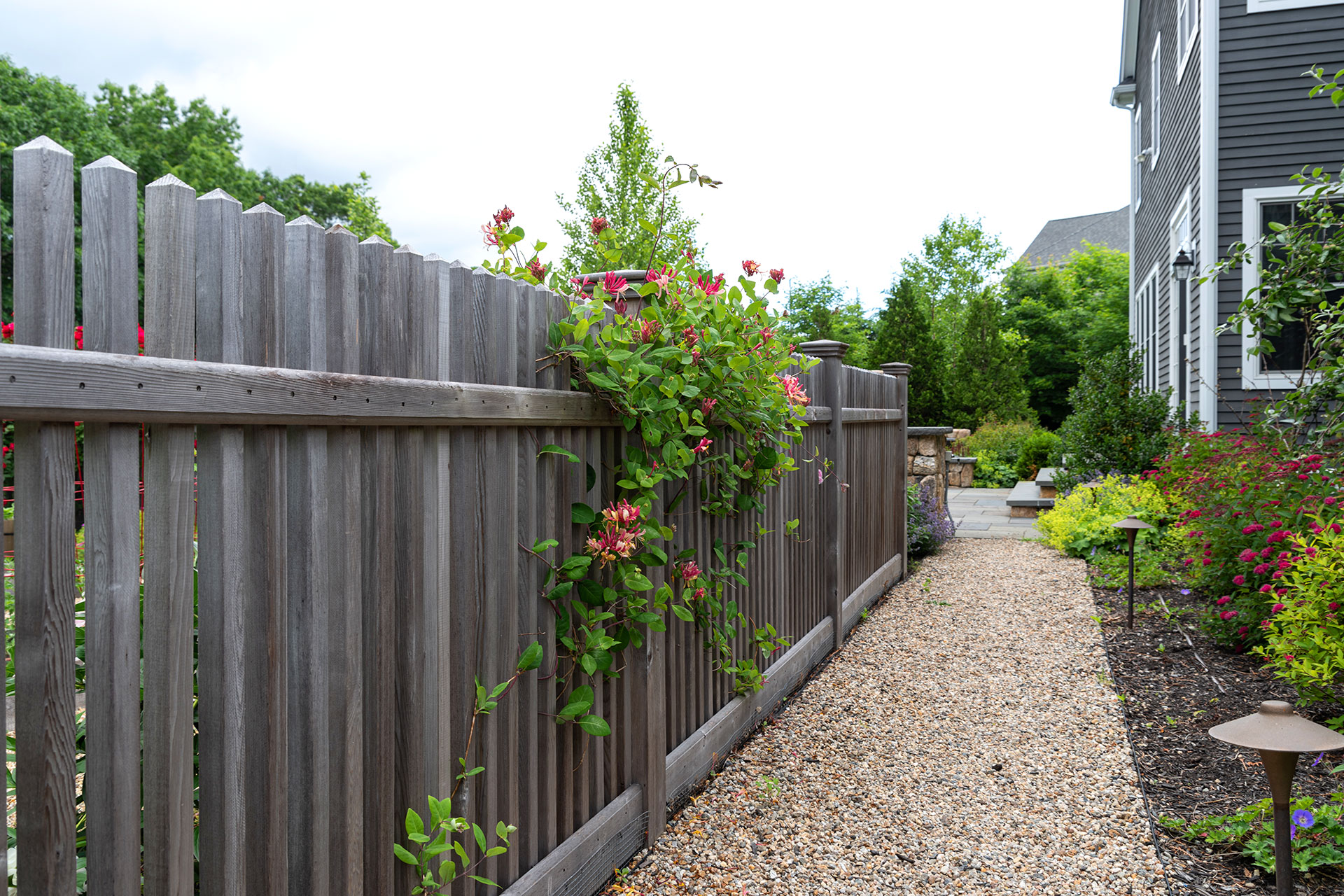
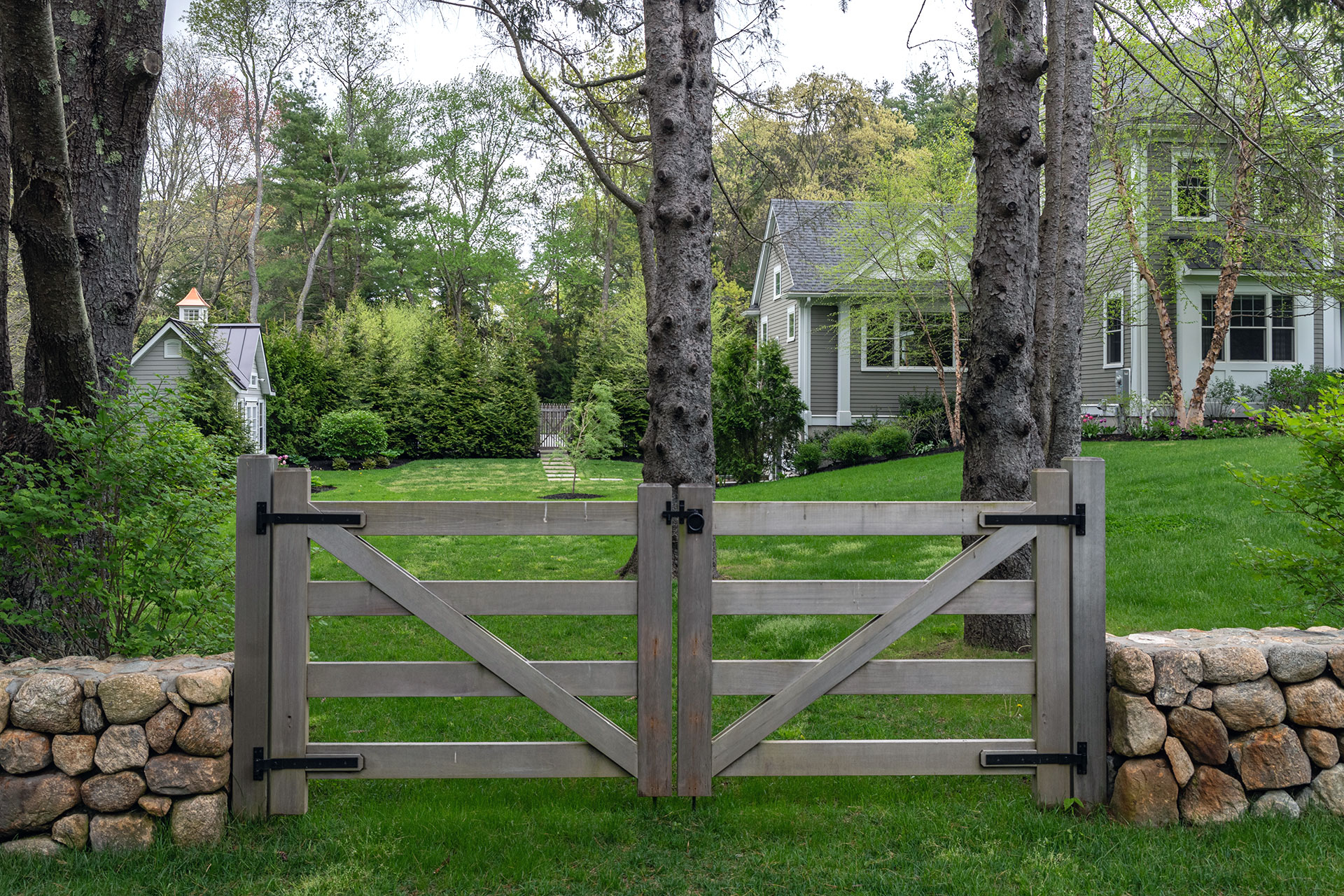
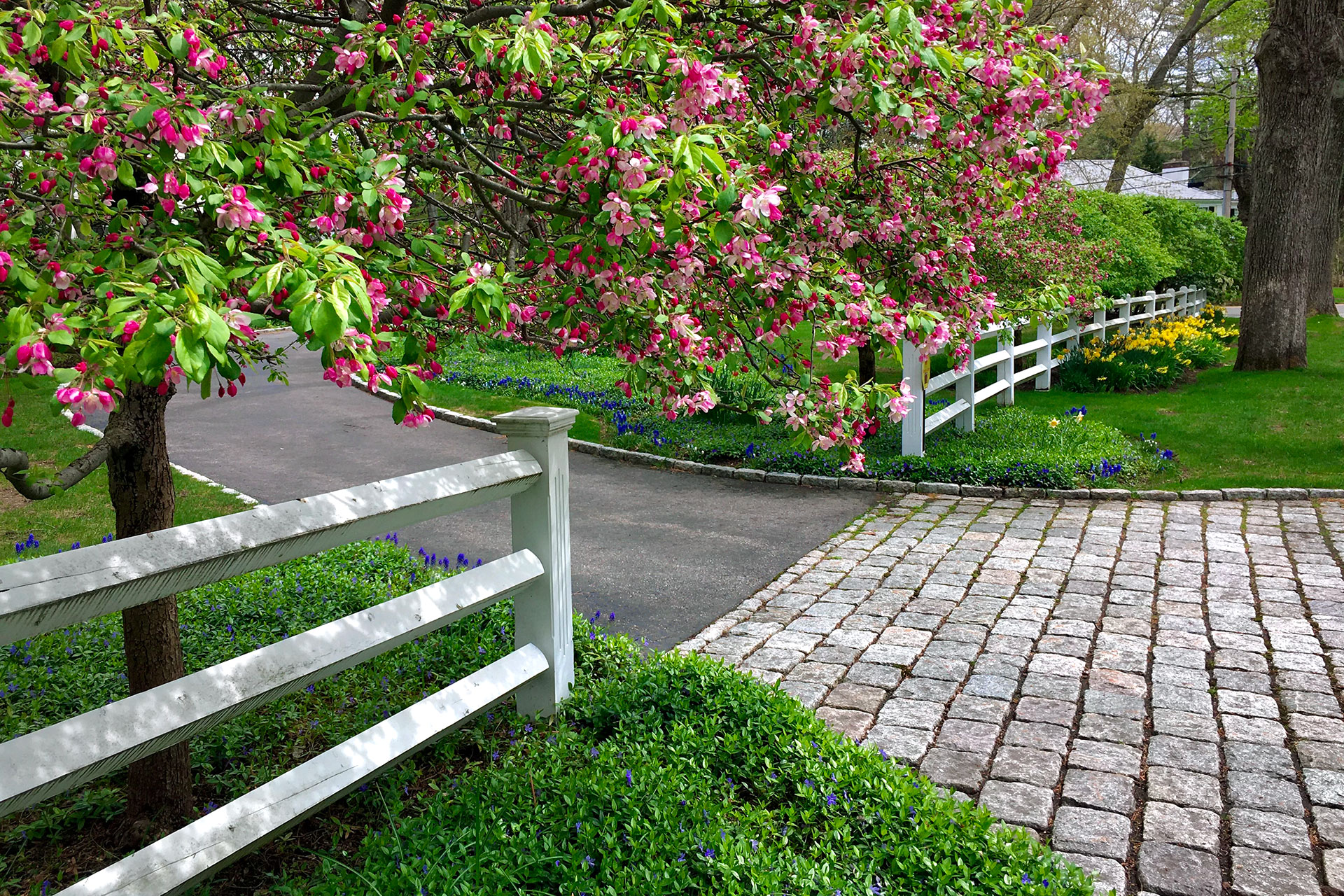
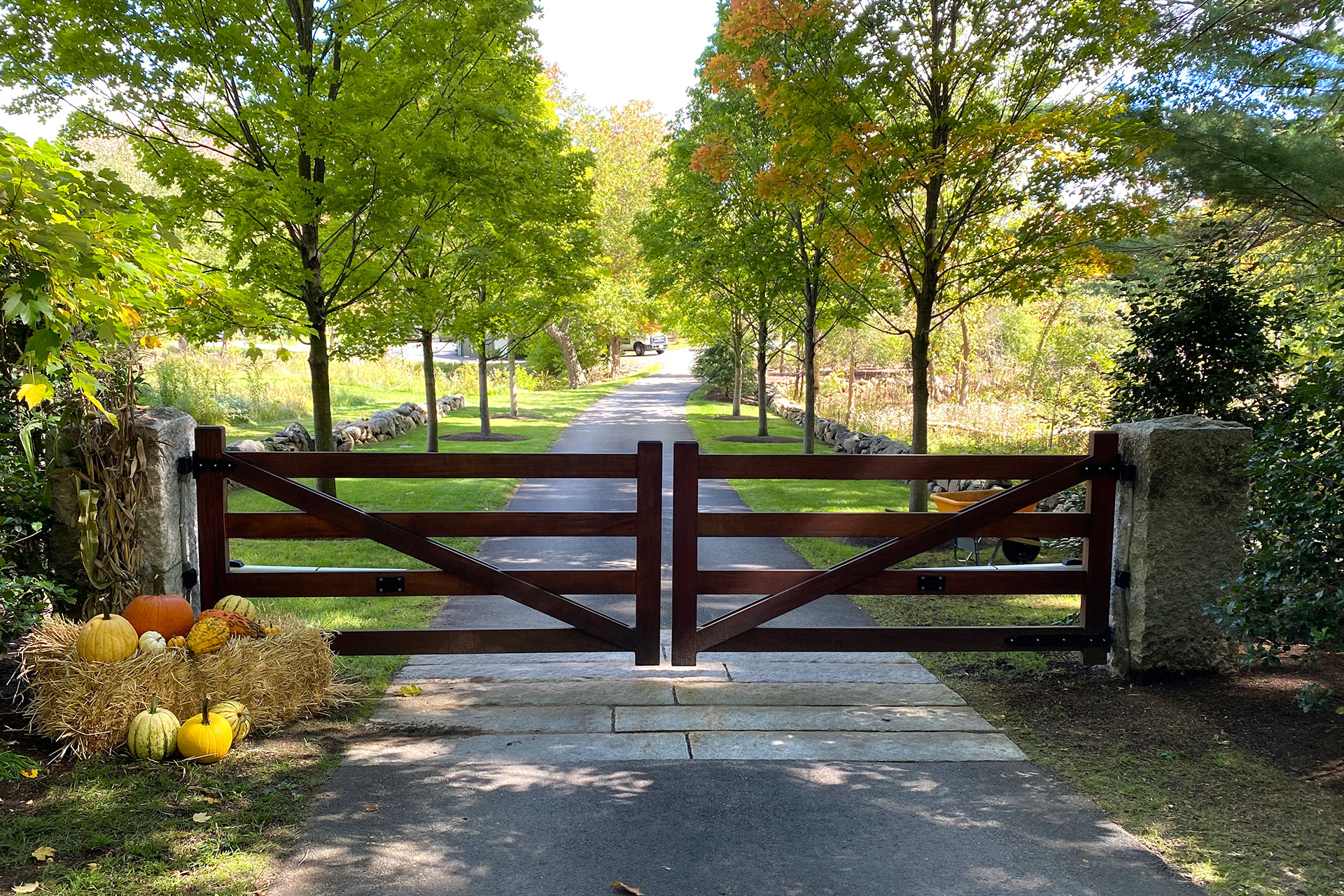
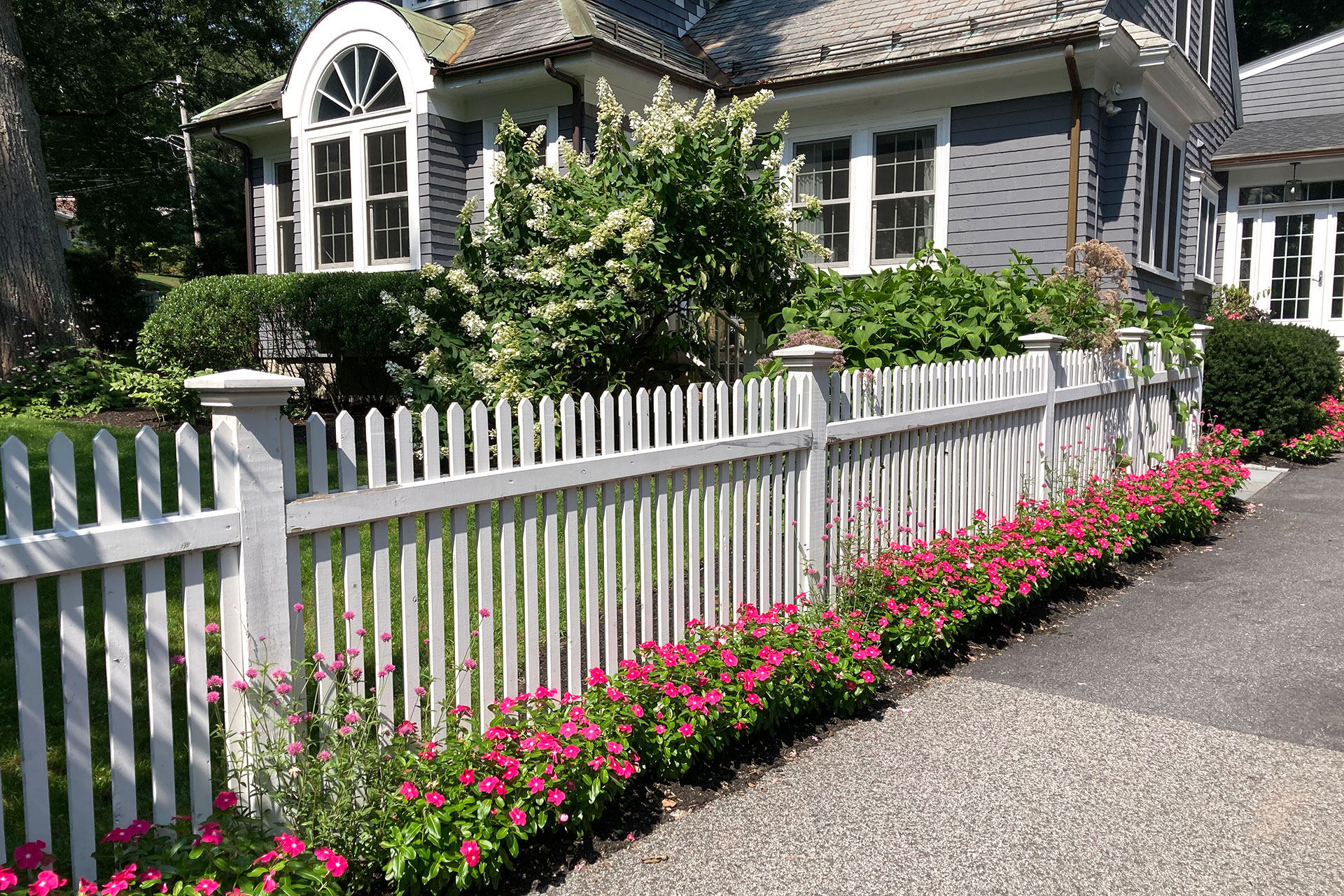
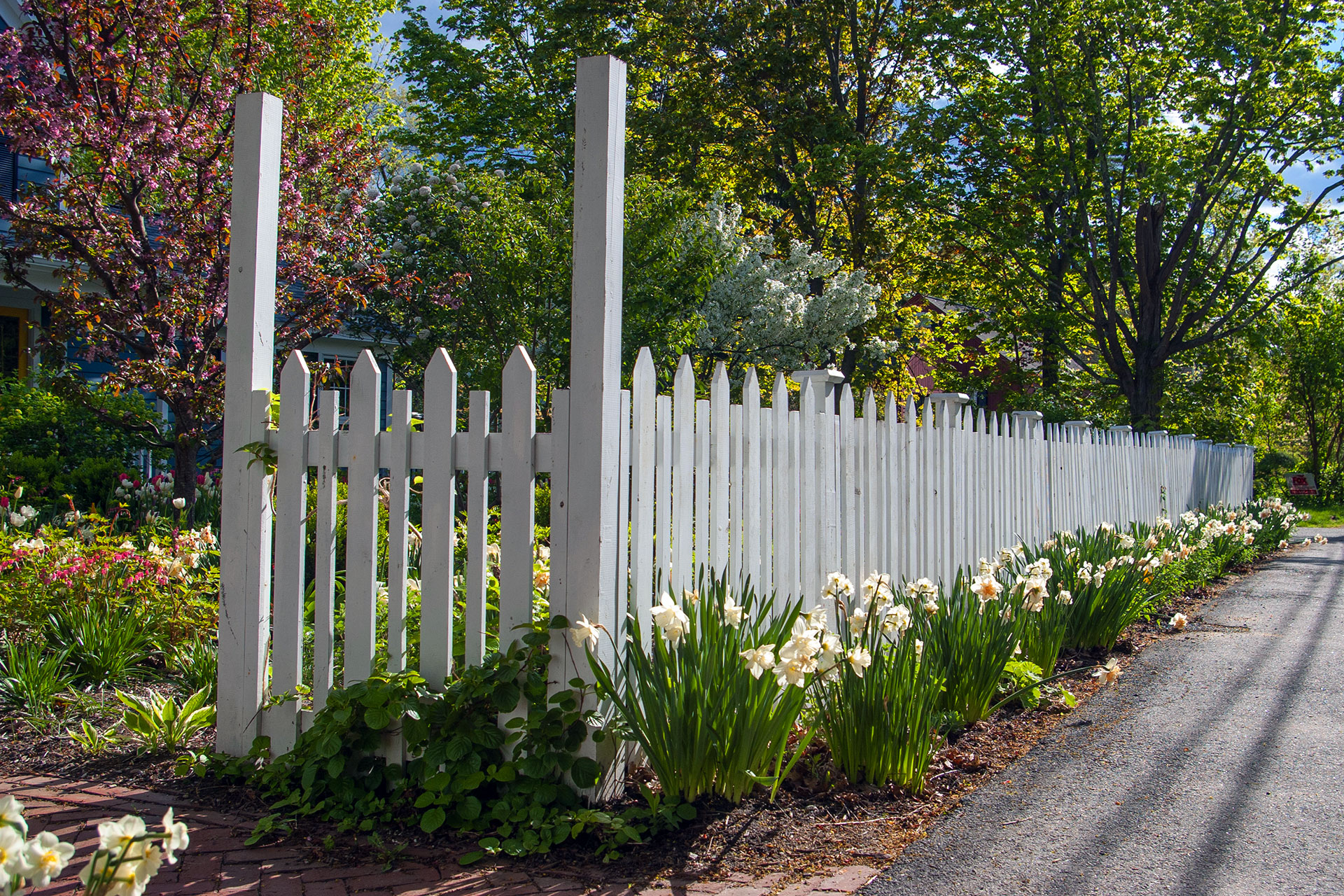
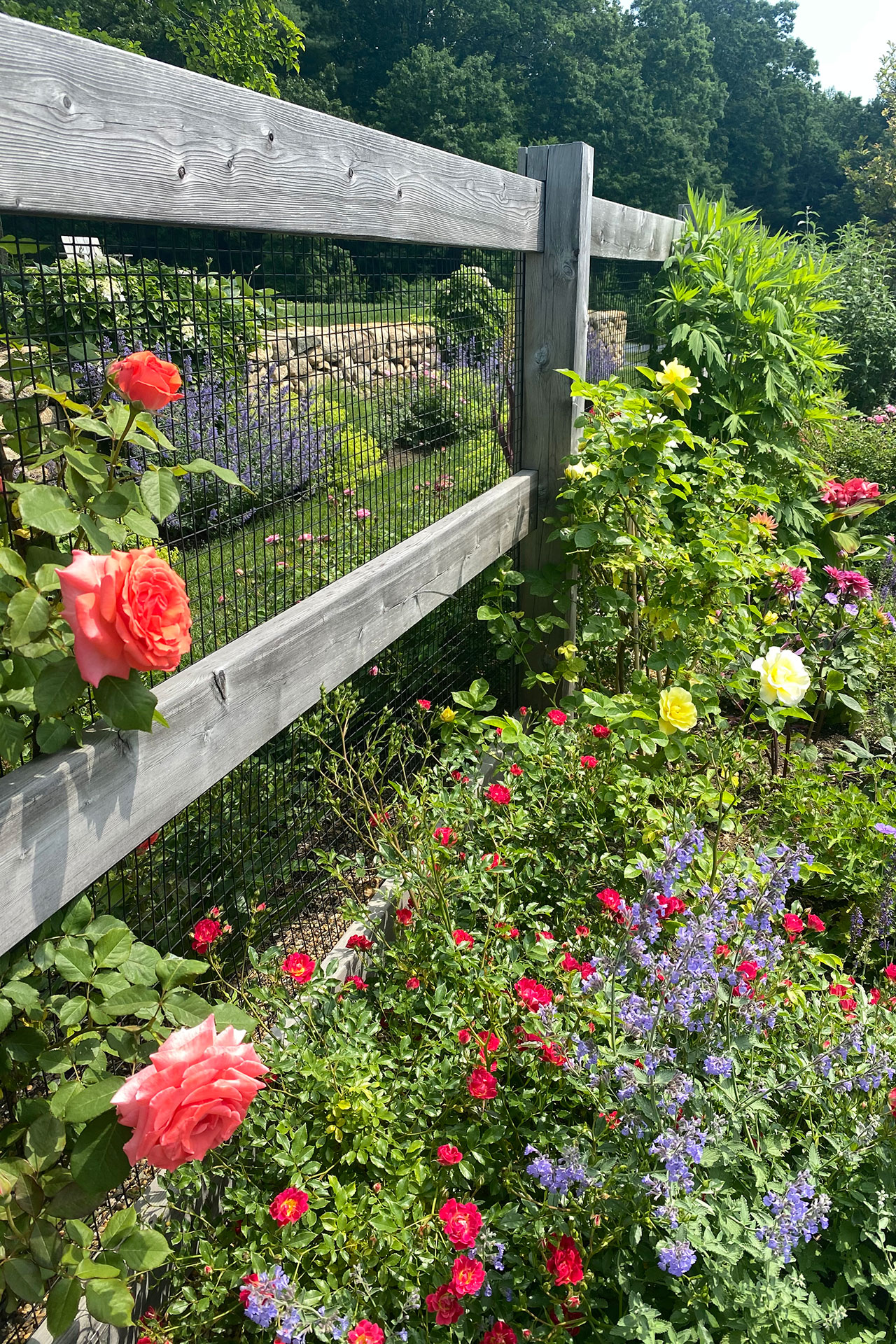
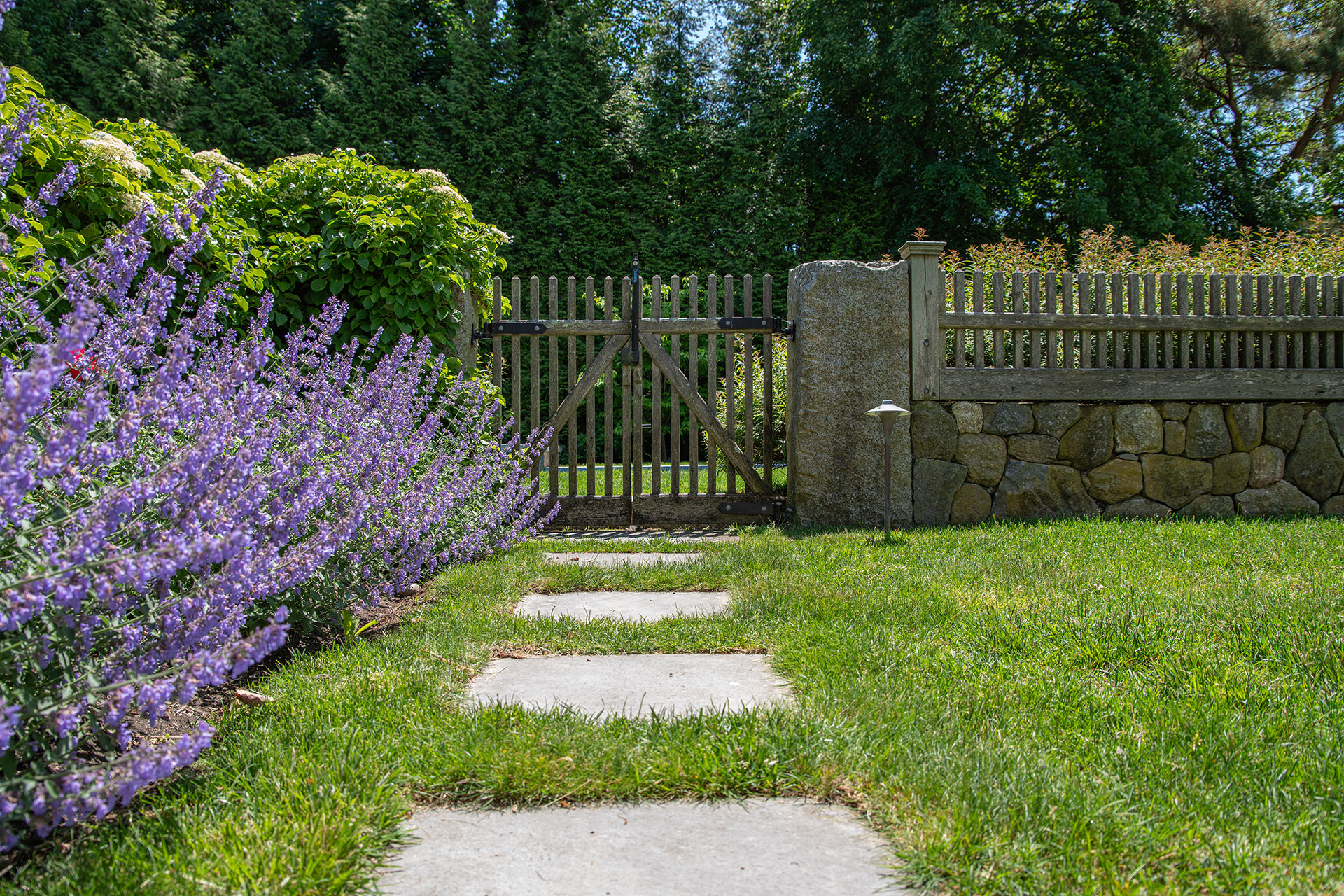
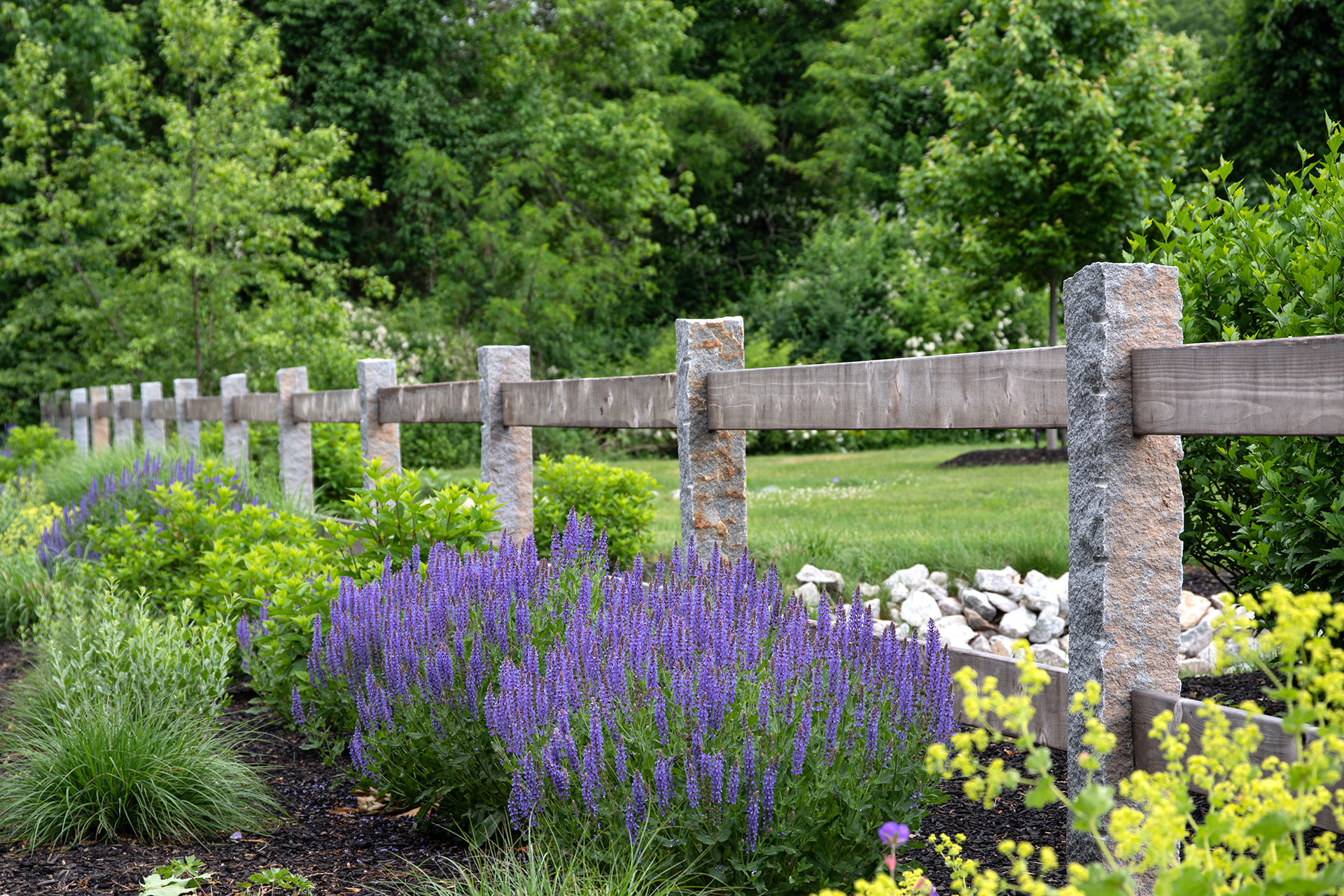
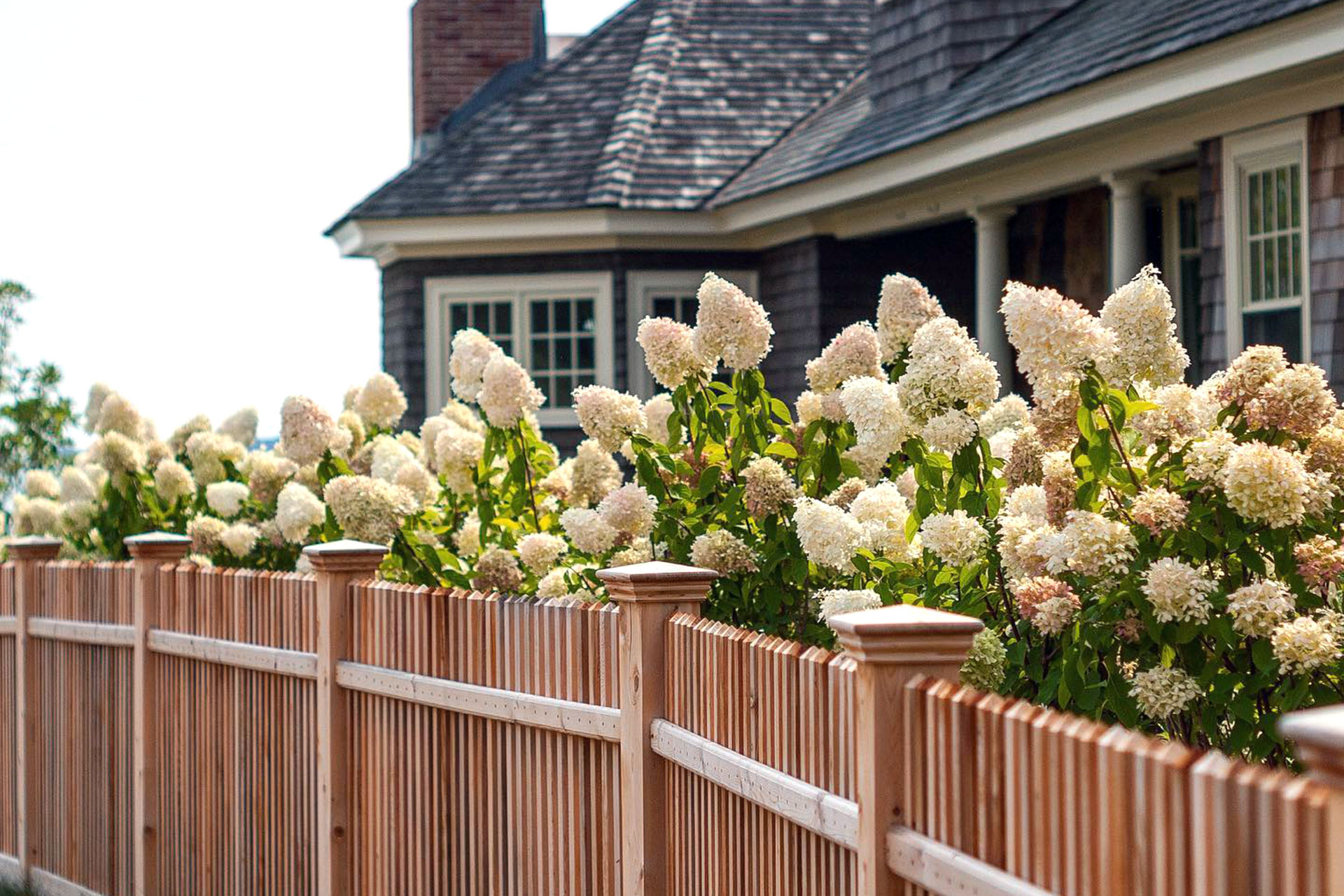
Gates and fences play a nuanced role in landscape design, bridging architecture and planting while shaping how outdoor spaces are experienced. From traditional wood fences that echo historic New England homes to contemporary steel or composite systems with clean lines, these elements can be tailored to complement both the house and the landscape. Materials such as cedar, ipe, metal, stone, and composite offer different balances of durability, maintenance, and visual presence.
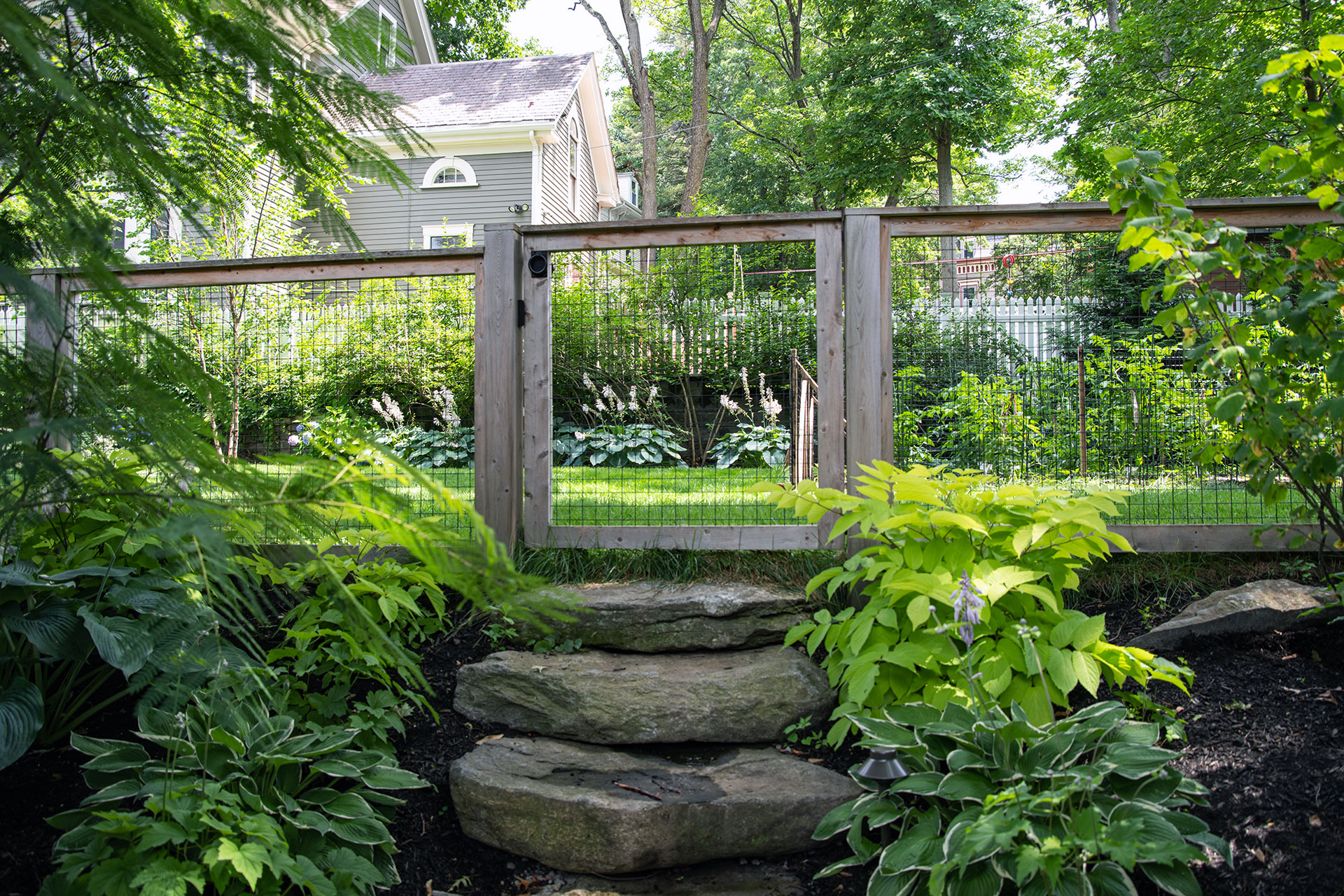
Our designers use gates and fences strategically to screen views, guide circulation, create garden rooms, and provide safe enclosures for pets and children, all while reinforcing the overall design language of the property.
Our designers use gates and fences strategically to screen views, guide circulation, create garden rooms, and provide safe enclosures for pets and children, all while reinforcing the overall design language of the property.
common gate and fence questions
1. How can fences and gates provide privacy without blocking light or views?
Layered designs that combine fencing with planting, spacing, or semi-open materials can screen unwanted views while maintaining airflow, daylight, and a sense of openness within the landscape.
2. What materials work best for fences and gates in New England weather?
A: In New England, materials must handle moisture, freeze–thaw cycles, and seasonal temperature swings. Cedar, ipe, coated steel, stone, and high-quality composites are commonly used for their durability and long-term performance in this climate.
3. How do gates and fences affect landscape flow and circulation?
When planned as part of the overall design, gates and fences guide movement, establish clear transitions, and help organize outdoor areas into usable zones without making the property feel closed off.
4. Are permits or zoning approvals required for fences in Massachusetts?
In many Massachusetts towns, fence height, placement, and location near property lines are regulated. Requirements vary by municipality, so it’s important to review local zoning rules before installation to avoid delays or compliance issues.
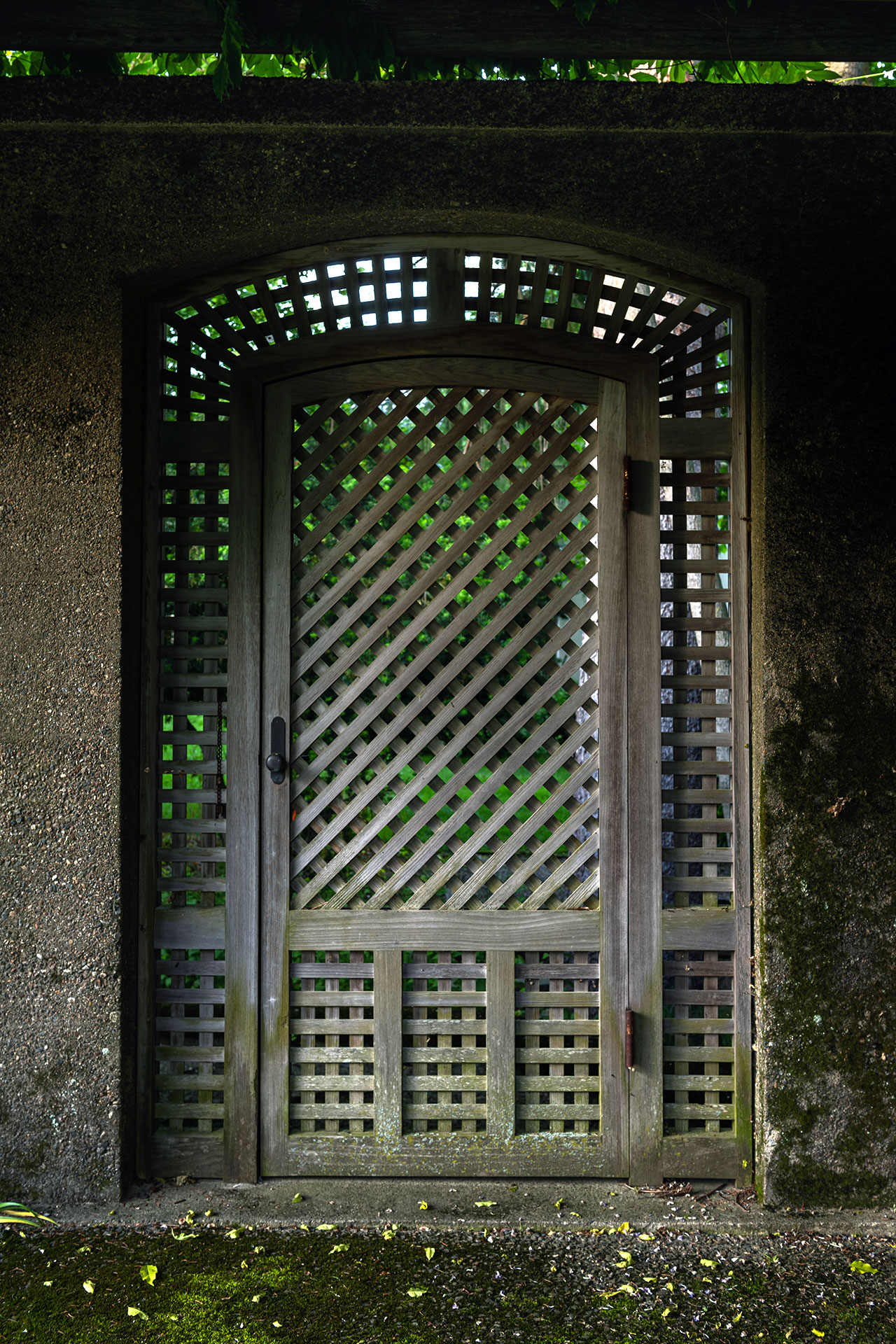
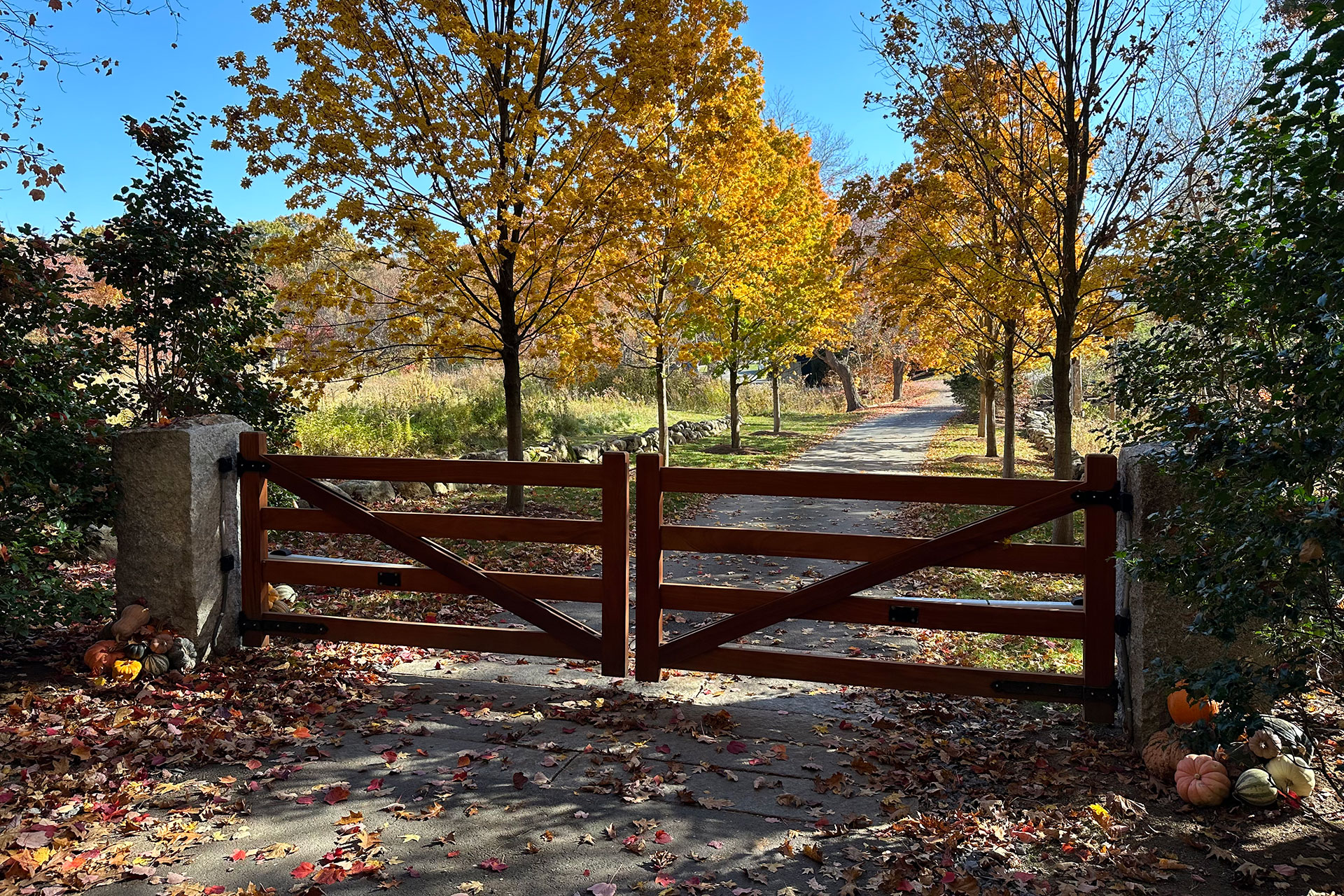
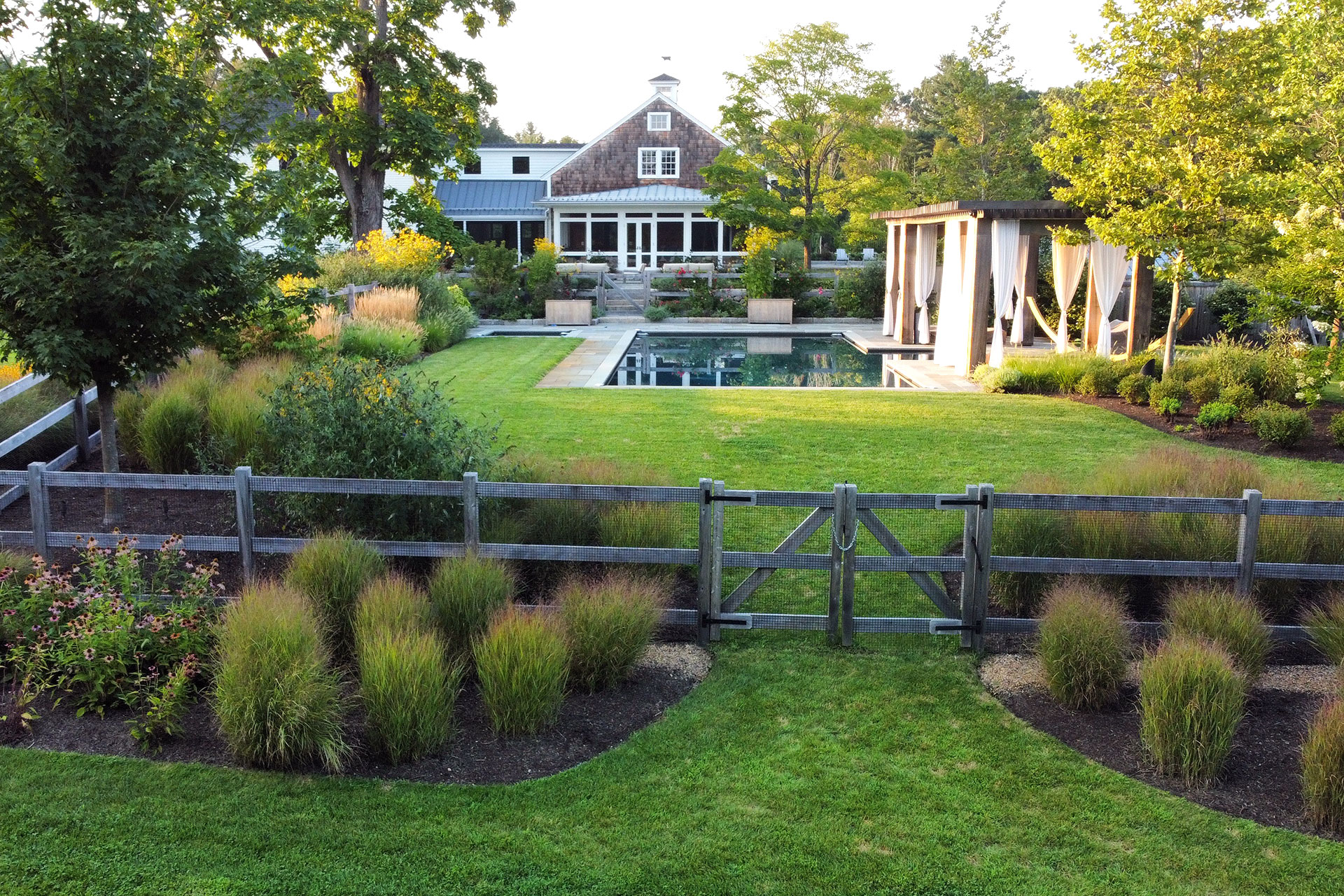
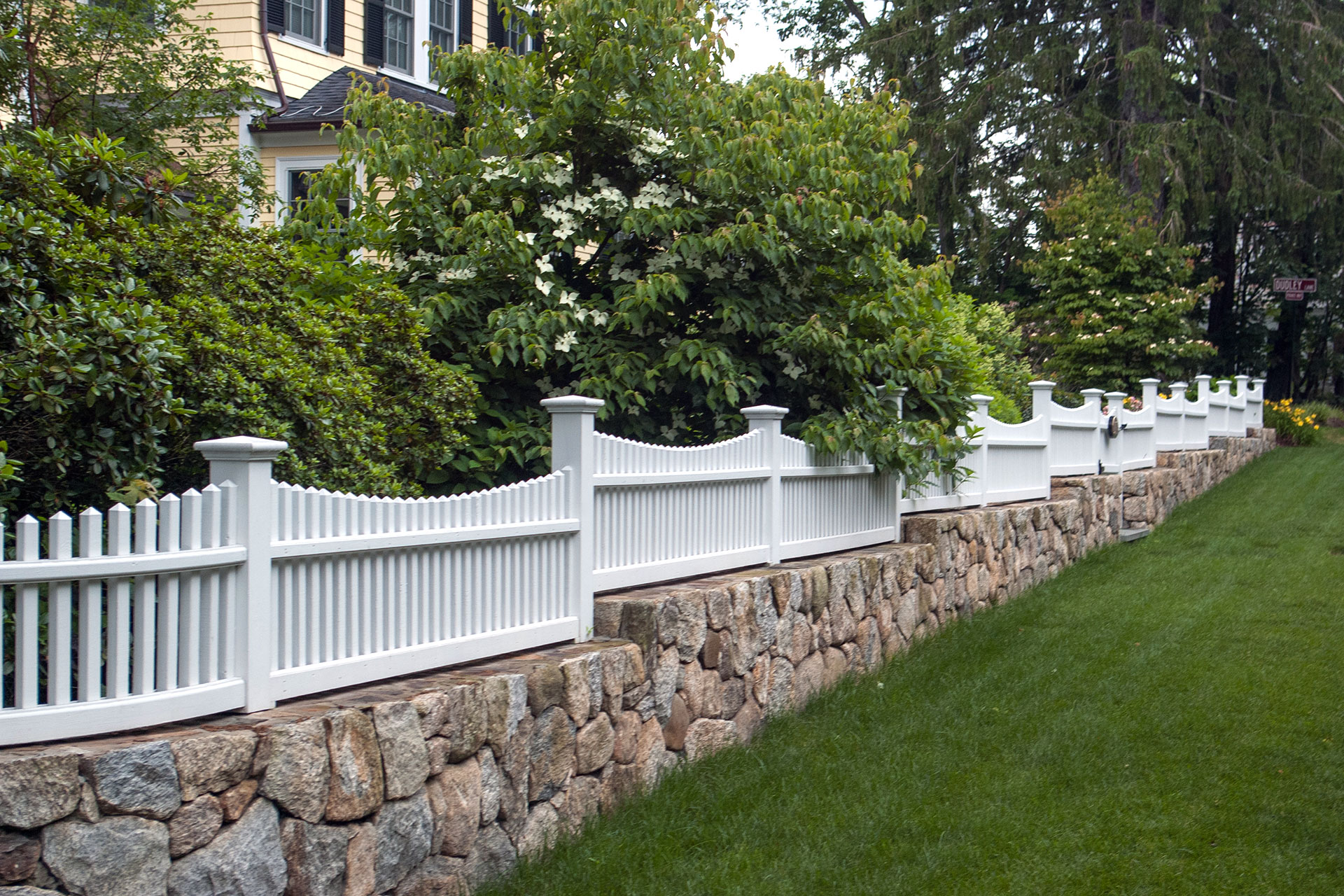
see examples of our work
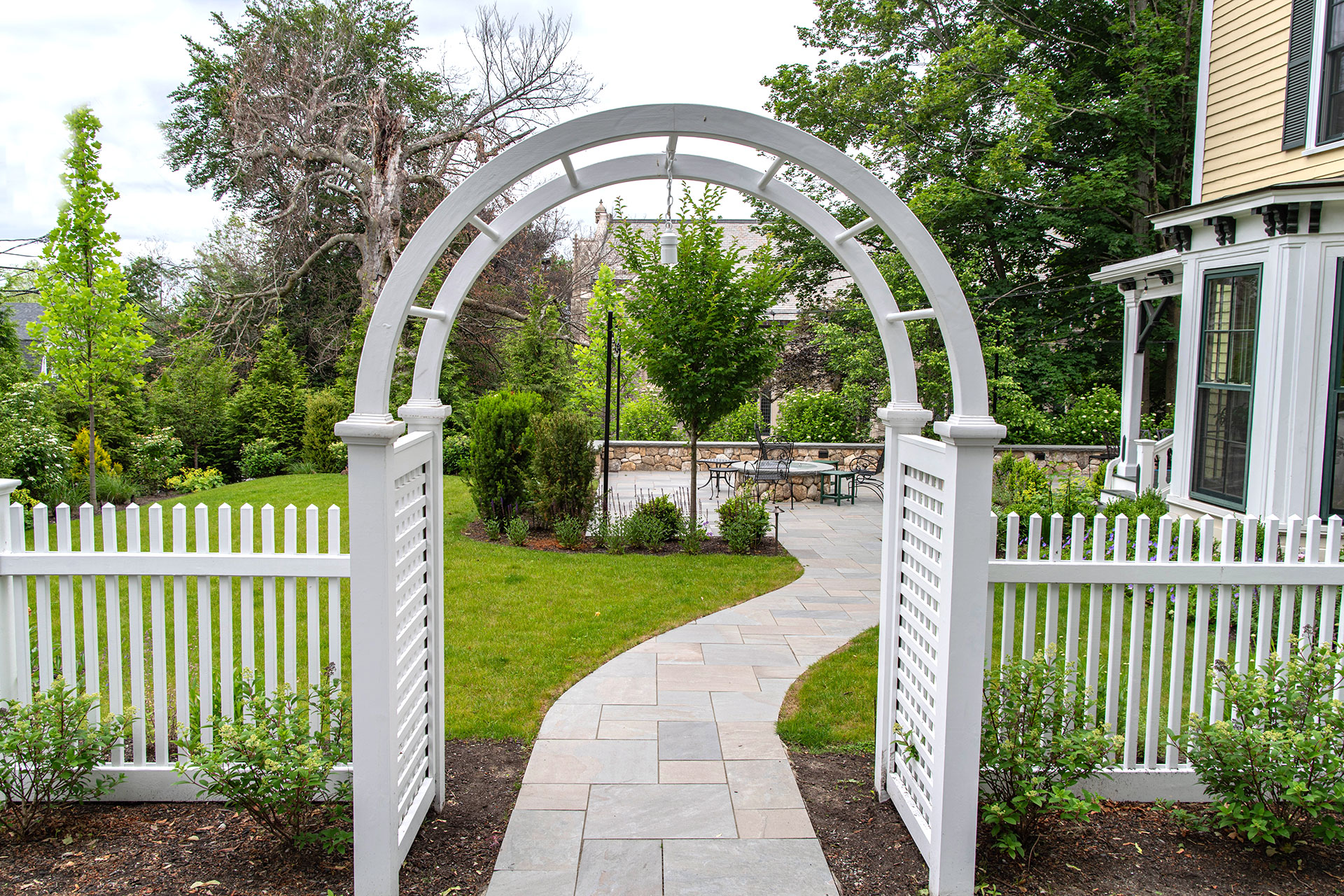
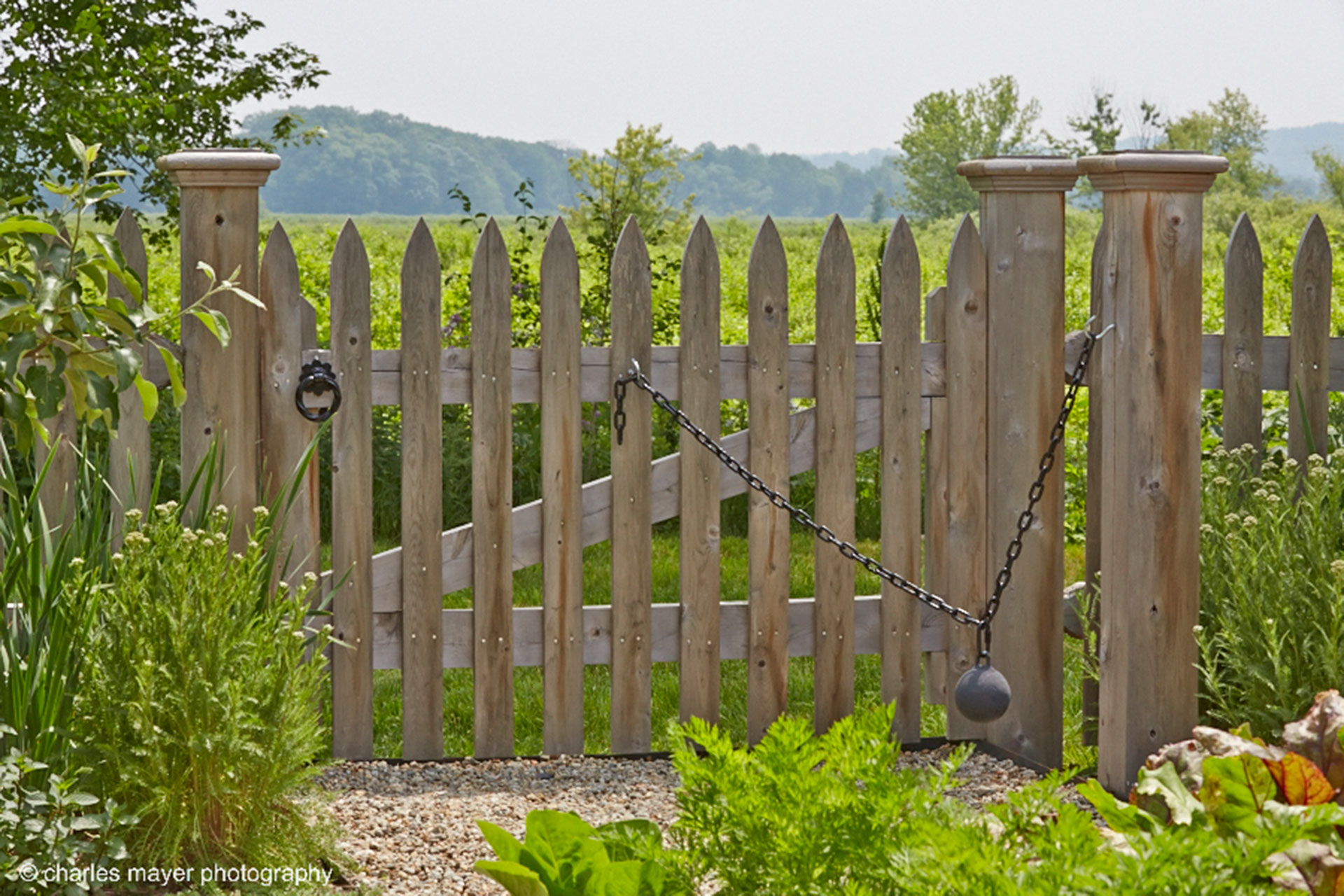
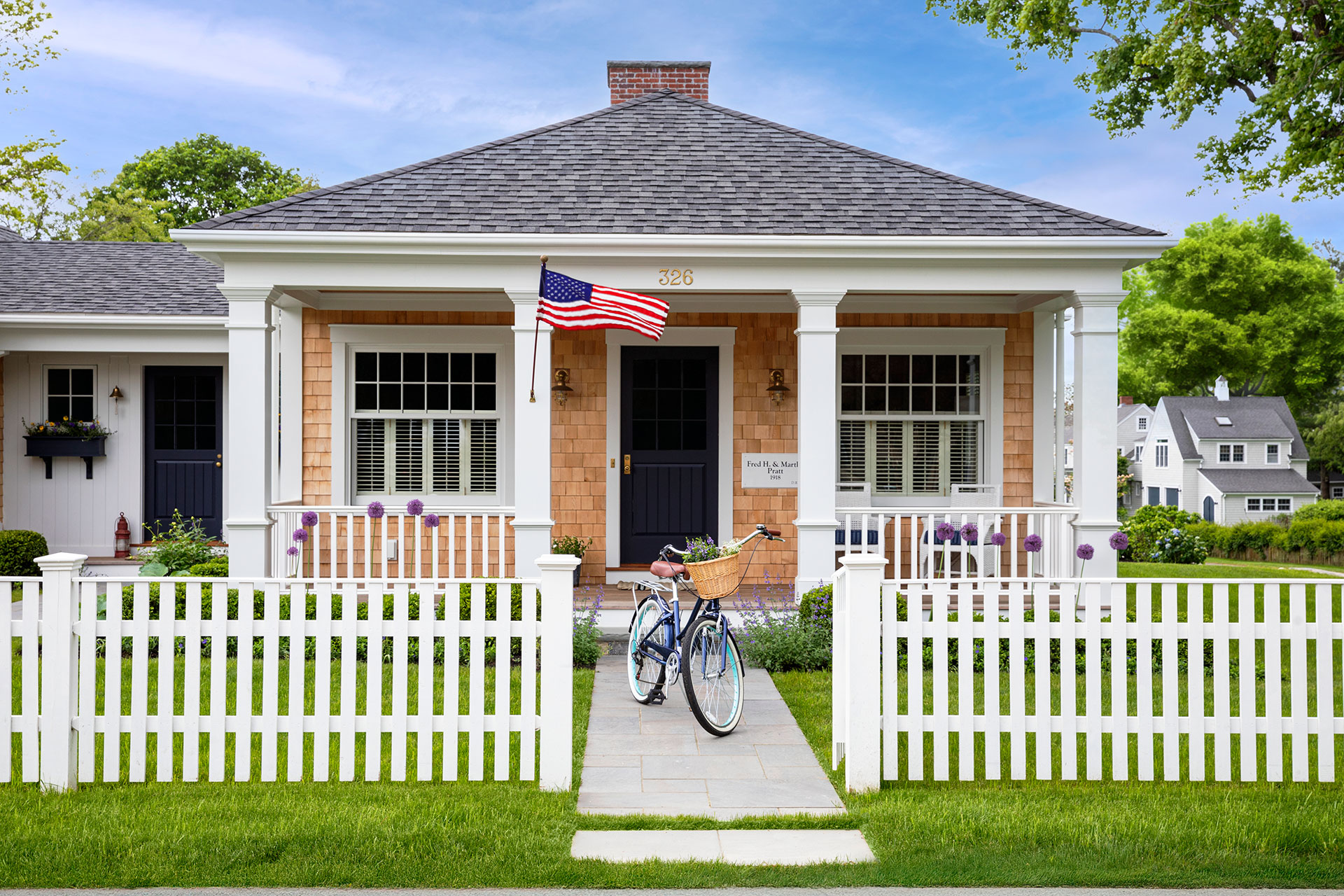
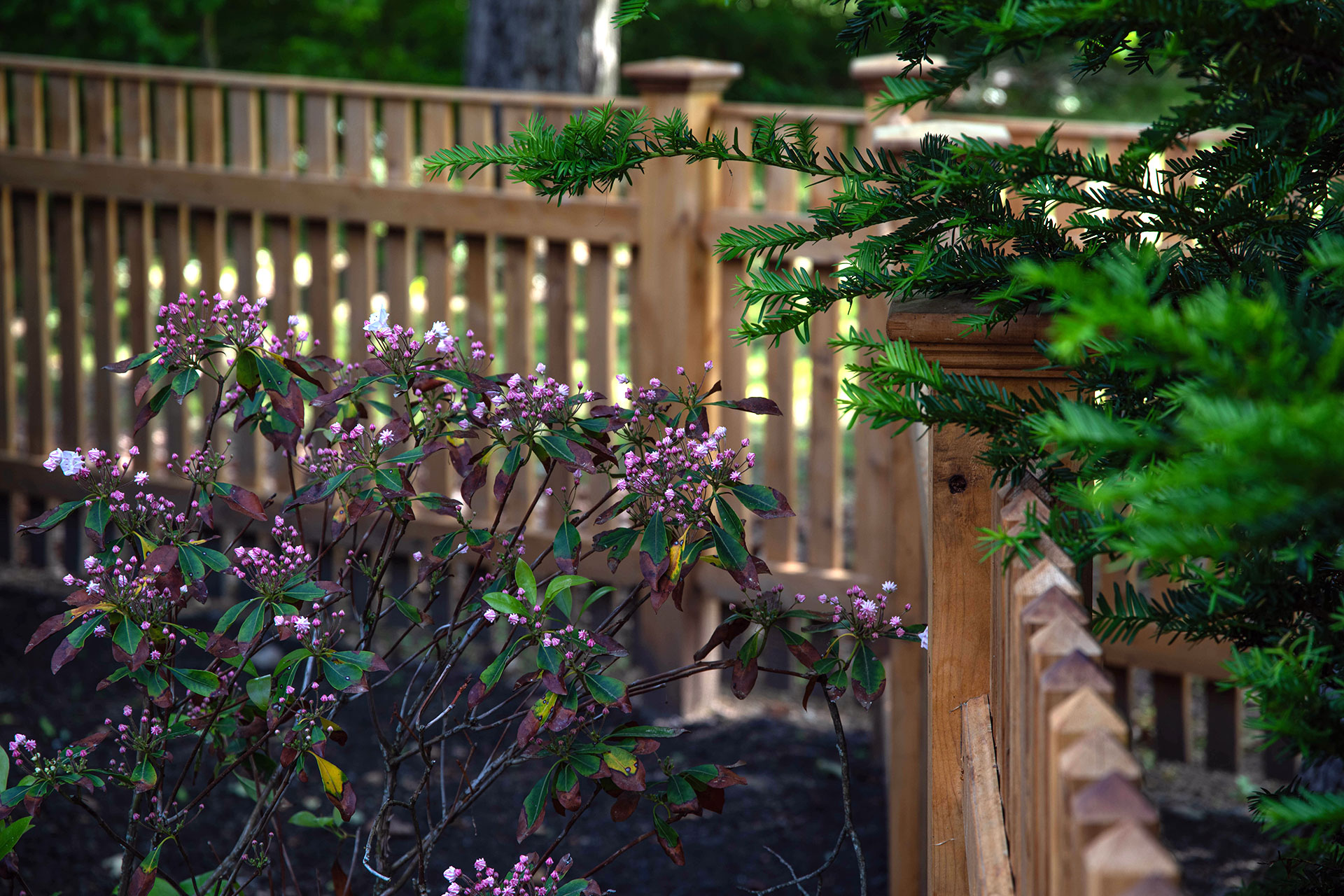
a return on value and privacy
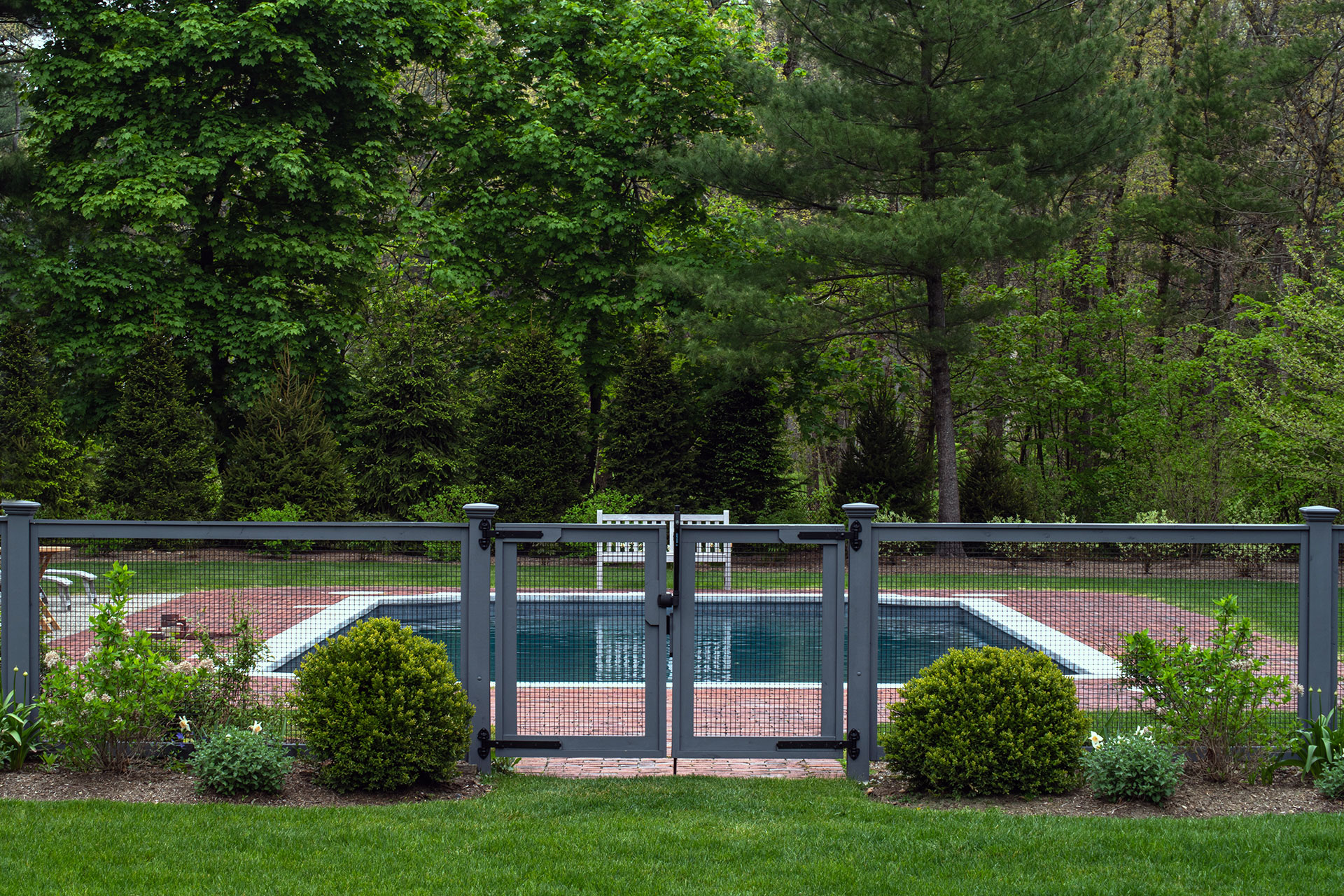
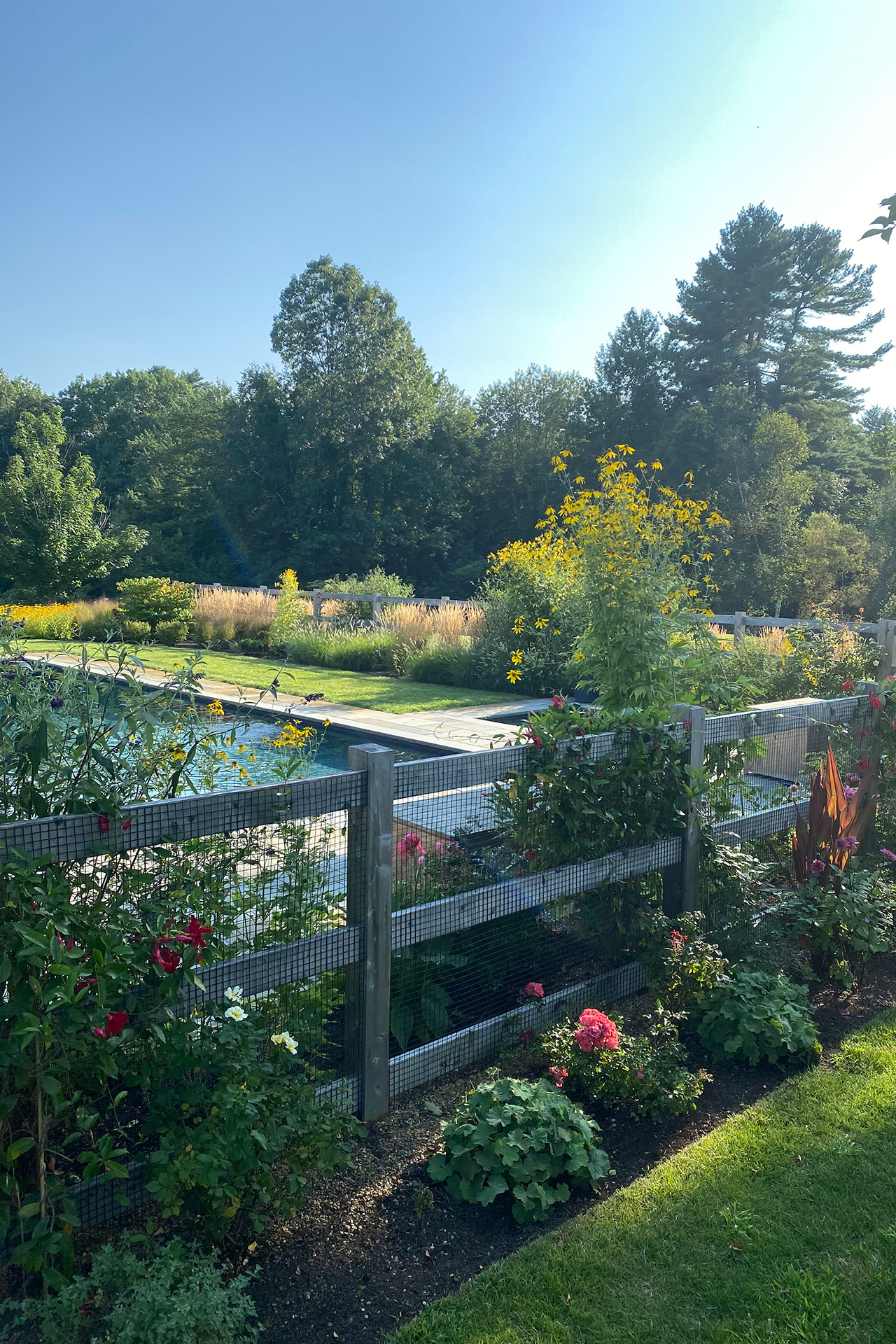
When thoughtfully planned, these structures also deliver meaningful long-term value. Gates and fences help organize a property into clear zones, define transitions between public and private areas, and establish a strong sense of arrival. This clarity improves everyday use and enhances curb appeal, contributing to a stronger return on investment over time. Durable construction and appropriate placement reduce ongoing maintenance while supporting a landscape that matures gracefully.
To explore gate and fence solutions suited to Boston-area architecture and site conditions, contact a Blade of Grass to discuss design options that balance function, aesthetics, and lasting performance.
To explore gate and fence solutions suited to Boston-area architecture and site conditions, contact a Blade of Grass to discuss design options that balance function, aesthetics, and lasting performance.
explore other design elements
Paths & Walkways
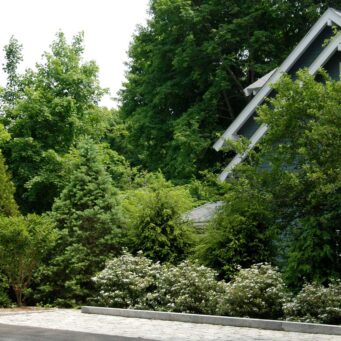
Privacy Screenings

Water Features
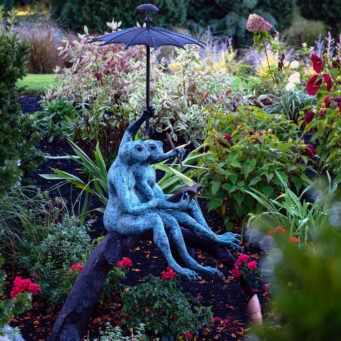
Garden Ornaments
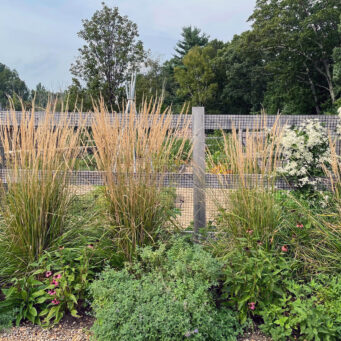
Ornamental Grasses

Driveways & Approaches

Landscape Lighting

Vegetable Gardens

Stone Walls & Steps
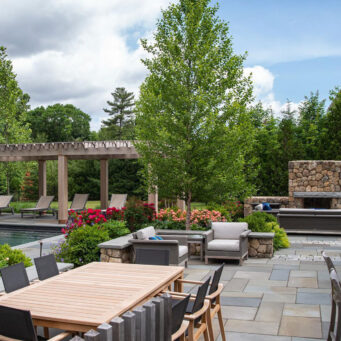
Patios & Terraces
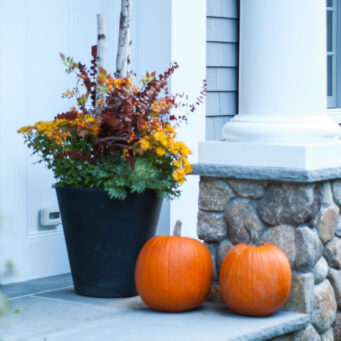
Fall Displays
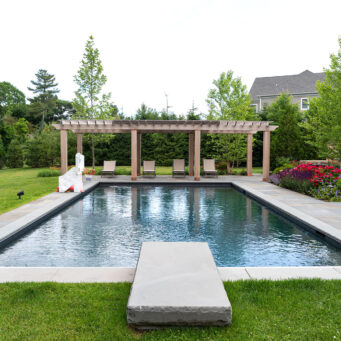
Custom Pools
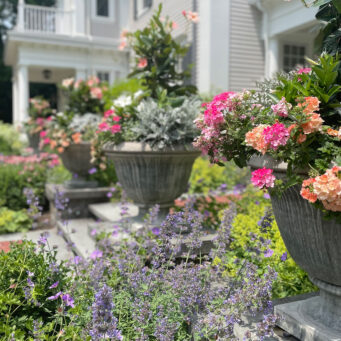
Planters & Containers
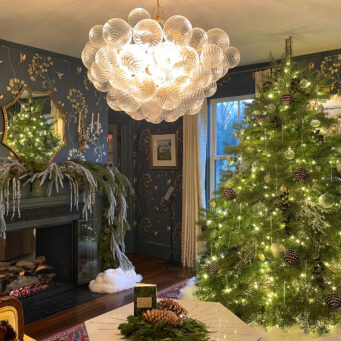
Winter Decorations
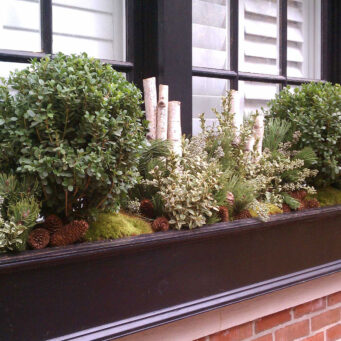
Window Boxes
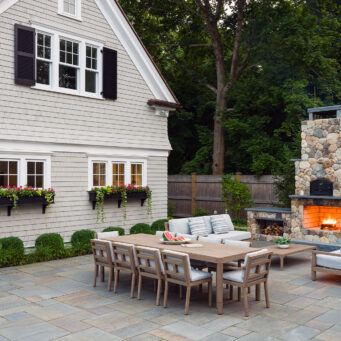
Outdoor Dining

Shrubs & Hedges

Decorative Wreaths
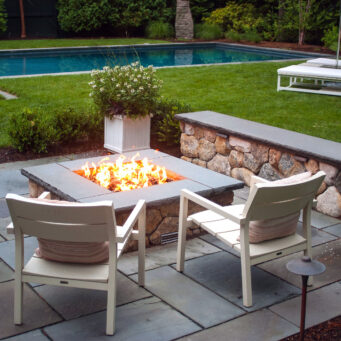
Fire Pits & Fireplaces
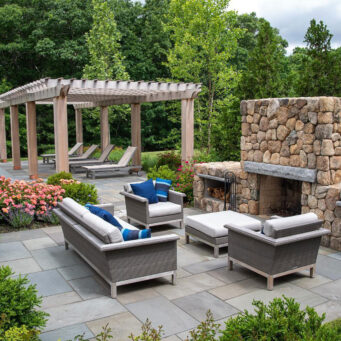
Pergolas & Pavilions
what our clients say
★★★★★
“Outstanding service. I email our account manager and she always responds promptly and work is perfectly done i a timely fashion. The landscapers are hard working and the nicest people to work with. Highly recommended!!”
“"I have been using their irrigation department for years and have been very happy with it. This year Abdul redesigned my old system to much better effect. He is quick to respond, pleasant, and does great work!”
“They listened to what we wanted and created an oasis where each month we saw different plants blooming with different colors. Our designer was a joy to work with and she truly taught us about plants and flowers through this experience.”
“The lighting and irrigation team did an amazing job updating the lights around our property, including a wide variety of lighting types to showcase different aspects of the landscape (trees, patio, pond / water feature) - highly recommended!”
“What a great company. The people we work with are responsive, knowledgeable and a delight to work with. They meet with us each year at the beginning of the season to understand our needs and they make sure they meet those needs.”
“Their creative vision, thoroughness, and professionalism exceeds all expectations. Further, the Blade of Grass team is exceptionally friendly, responsive and easy-going.”
“They listened to what we wanted and created an oasis where each month we saw different plants blooming with different colors. Our designer was a joy to work with and she truly taught us about plants and flowers through this experience.”
“What a great company. The people we work with are responsive, knowledgeable and a delight to work with. They meet with us each year at the beginning of the season to understand our needs and they make sure they meet those needs.”
“I worked with Blade of Grass for more than 15 years and it was a very pleasurable experience. I so appreciated their attention to detail in creating my beautiful gardens .”
learn more about your gate and fence options
Contact us today to explore how our award-winning landscape designers, gardeners, installation, and maintenance teams can install functional and charming gates and fences on your property..