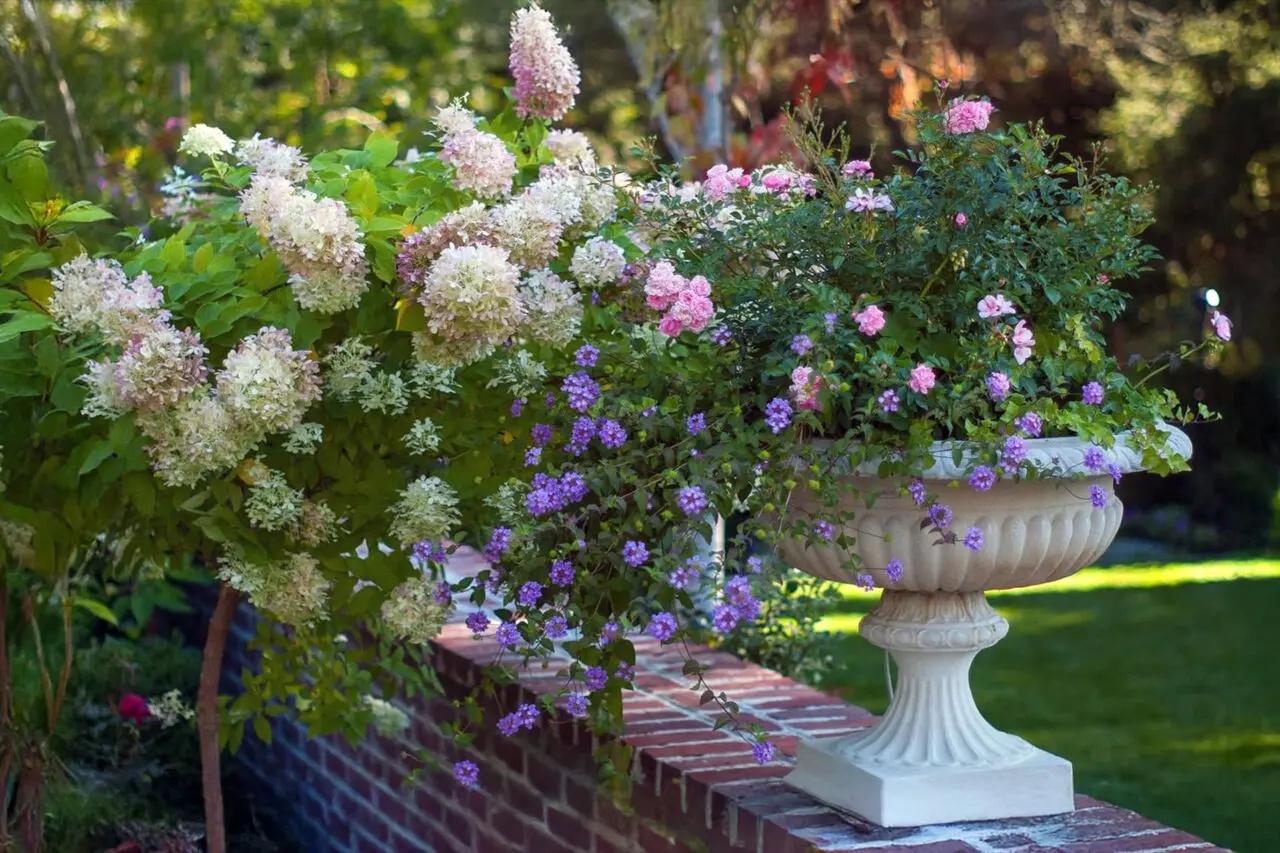
Homeowners across the Greater Boston area are increasingly turning to plunge pools as a smart, space-efficient way to elevate their outdoor living spaces. These compact pools offer the relaxation and cooling benefits of a traditional pool while fitting seamlessly into urban, suburban, and tight-lot environments common throughout New England. Combined with thoughtful landscape design and hardscape integration, a plunge pool can transform even modest backyards into inviting, multi-season retreats.
What makes plunge pools so appealing is their versatility. They work beautifully as part of larger patio expansions, garden courtyards, and modern outdoor living areas that emphasize both style and function. As landscape designer, Colin Hand, explains, “Plunge pools allow homeowners to enjoy the comfort of a pool without surrendering their entire landscape. They’re efficient, beautiful, and easy to live with.”
A 2023 survey by the Pool & Hot Tub Alliance found that interest in smaller, more sustainable pools increased by over 20% year-over-year as homeowners prioritize lower maintenance and reduced environmental impact. That trend is especially evident in the Boston region, where compact outdoor spaces and premium land values make plunge pools an appealing alternative to full-sized builds.
Key Takeaways
- Plunge pools are rising in popularity throughout the Boston area due to their efficient use of space, lower maintenance, and design versatility.
- Costs vary widely, but most Boston-area plunge pools fall between $65,000 and $160,000+, depending on materials and features.
- They offer meaningful ROI when paired with thoughtful landscape design and quality hardscaping.
- Construction styles—concrete, fiberglass, stainless steel—each bring distinct benefits.
- Their small footprint makes them ideal for both urban and suburban properties seeking a high-impact outdoor upgrade.
What Is a Plunge Pool?
A plunge pool is a small, typically deep pool designed for cooling off, hydrotherapy, relaxation, and light exercise. Most range from 7 to 12 feet wide and 10 to 22 feet long, with depths that often exceed those of standard pools. Unlike traditional swimming pools, plunge pools are less about long laps and more about enjoyment, comfort, and visual appeal.
They blend beautifully with stone patios, garden terraces, modern hardscapes, and outdoor living zones, making them a favored choice among homeowners seeking a compact but high-impact landscape feature.
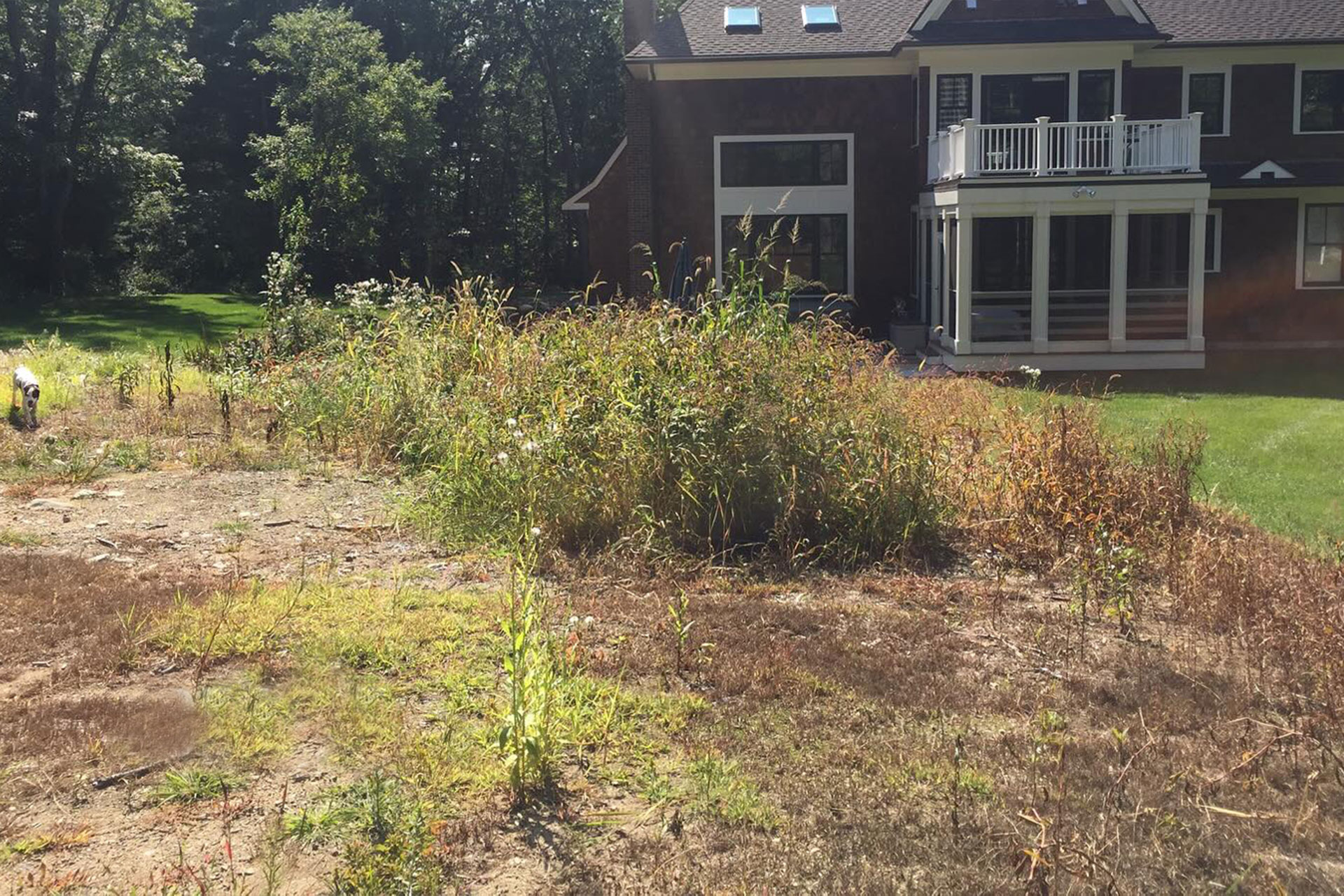
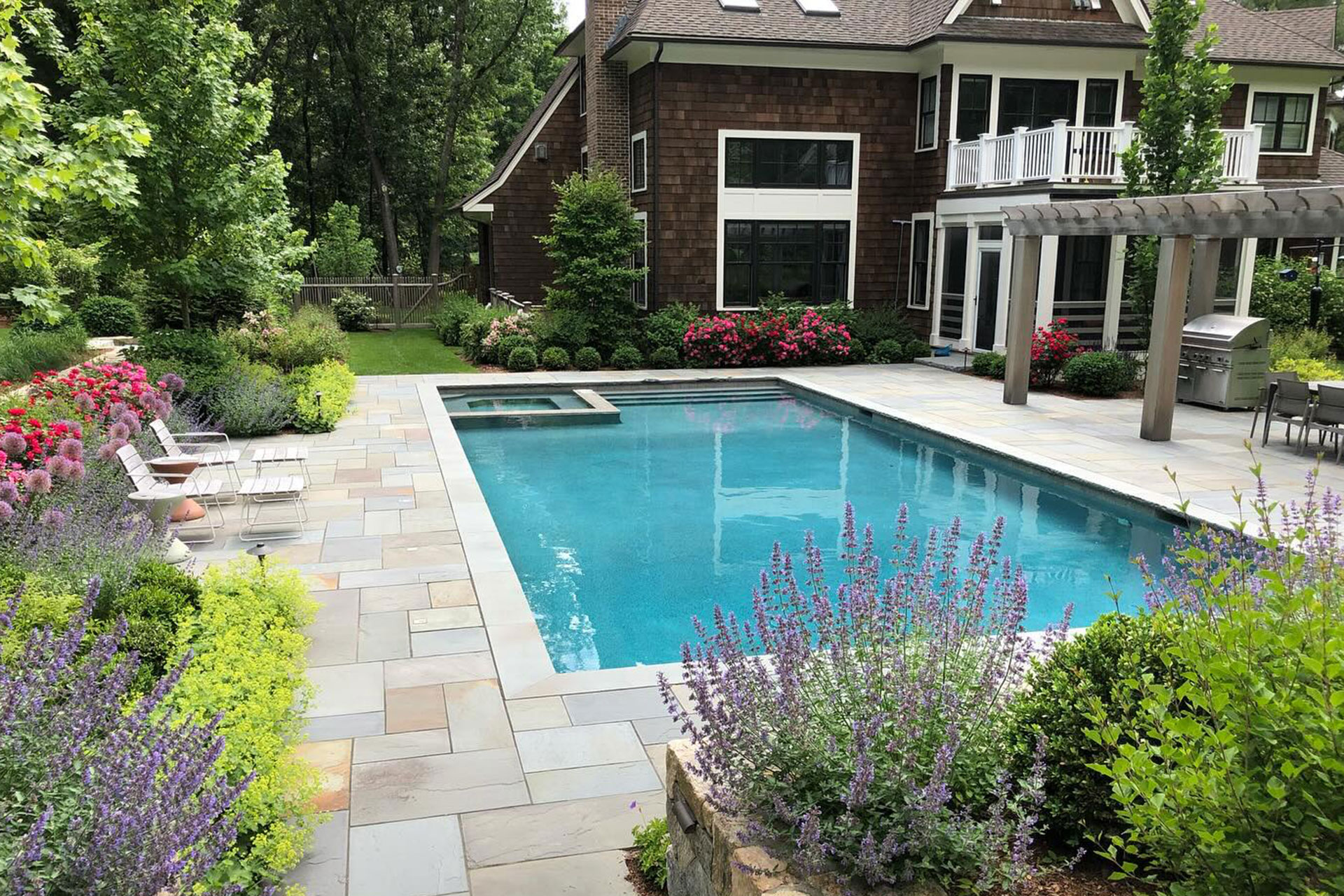
Why Plunge Pools Are Gaining Popularity in the Boston Area
Boston-area homes often sit on smaller or irregular lots, making space a premium. Plunge pools address this constraint by offering:
- A compact footprint that integrates well with existing landscaping and hardscaping
- Lower long-term maintenance and energy requirements
- A design element that complements both historic and contemporary architecture
- Flexible installation options that work with New England’s challenging climate and soil conditions
Beyond functionality, plunge pools introduce a refined focal point to a backyard—a sculptural water feature that enhances the overall landscape composition.
As a Blade of Grass Chief Sales Officer, Scott Cornish notes:
“Over the past few years, plunge pools have become one of the most requested features in Boston-area landscape projects. Homeowners want something elegant, compact, and easy to maintain, and plunge pools check every box while fitting comfortably into New England’s tighter property sizes.”
Construction Types and Popular Styles
Homeowners exploring plunge pools typically encounter three main construction categories, each with their own advantages.
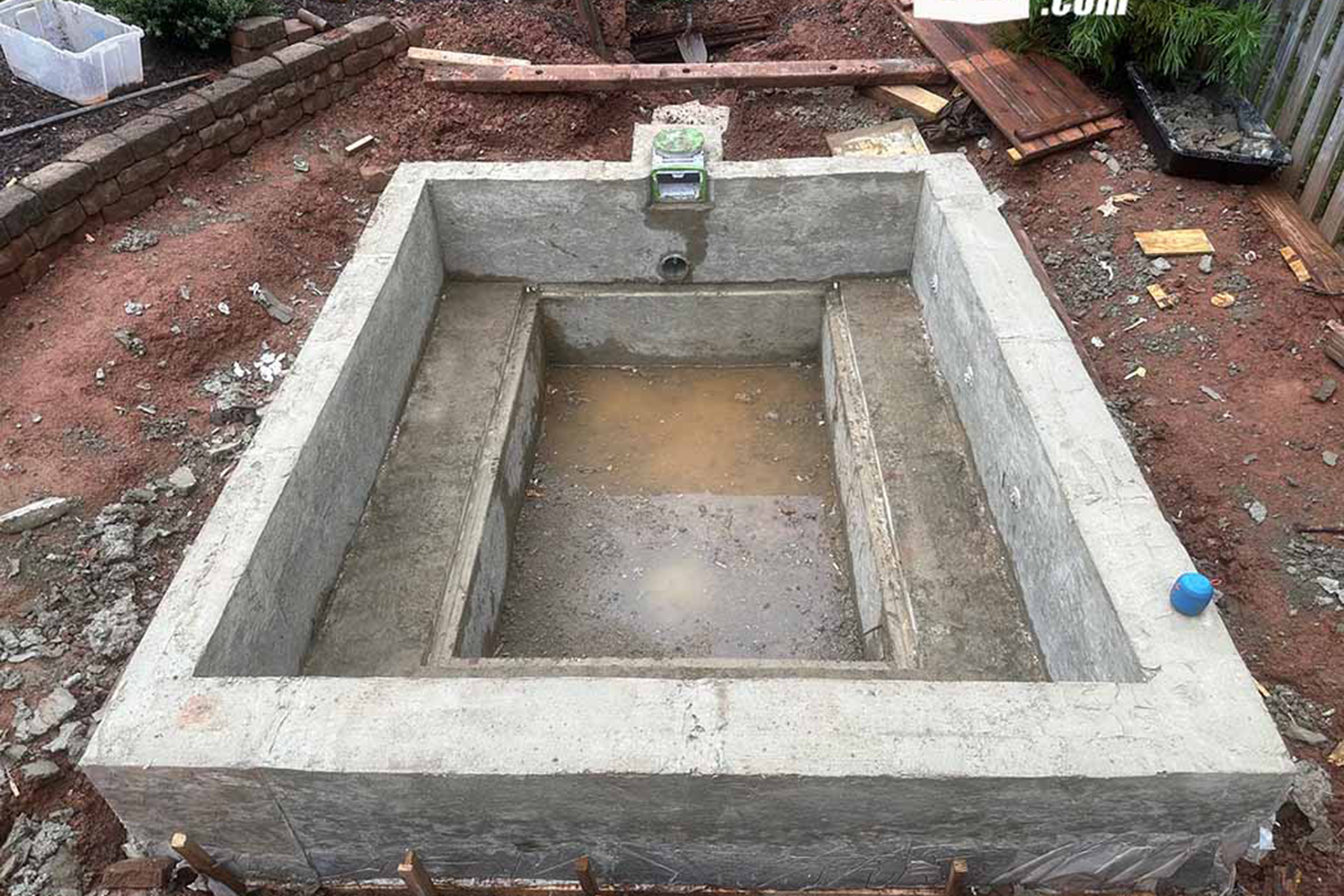
Concrete Plunge Pools
Concrete plunge pools offer the greatest level of customization, making them ideal for homeowners who want a fully tailored design or need to integrate the pool into a complex hardscape layout. Their durability and flexibility allow them to pair beautifully with natural stone, porcelain pavers, and other high-end landscape materials, and they adapt well to the sloped yards commonly found throughout the Boston area. However, concrete pools require longer installation timelines, come with higher upfront costs, and need periodic resurfacing to maintain their finish.
Fiberglass Plunge Pools
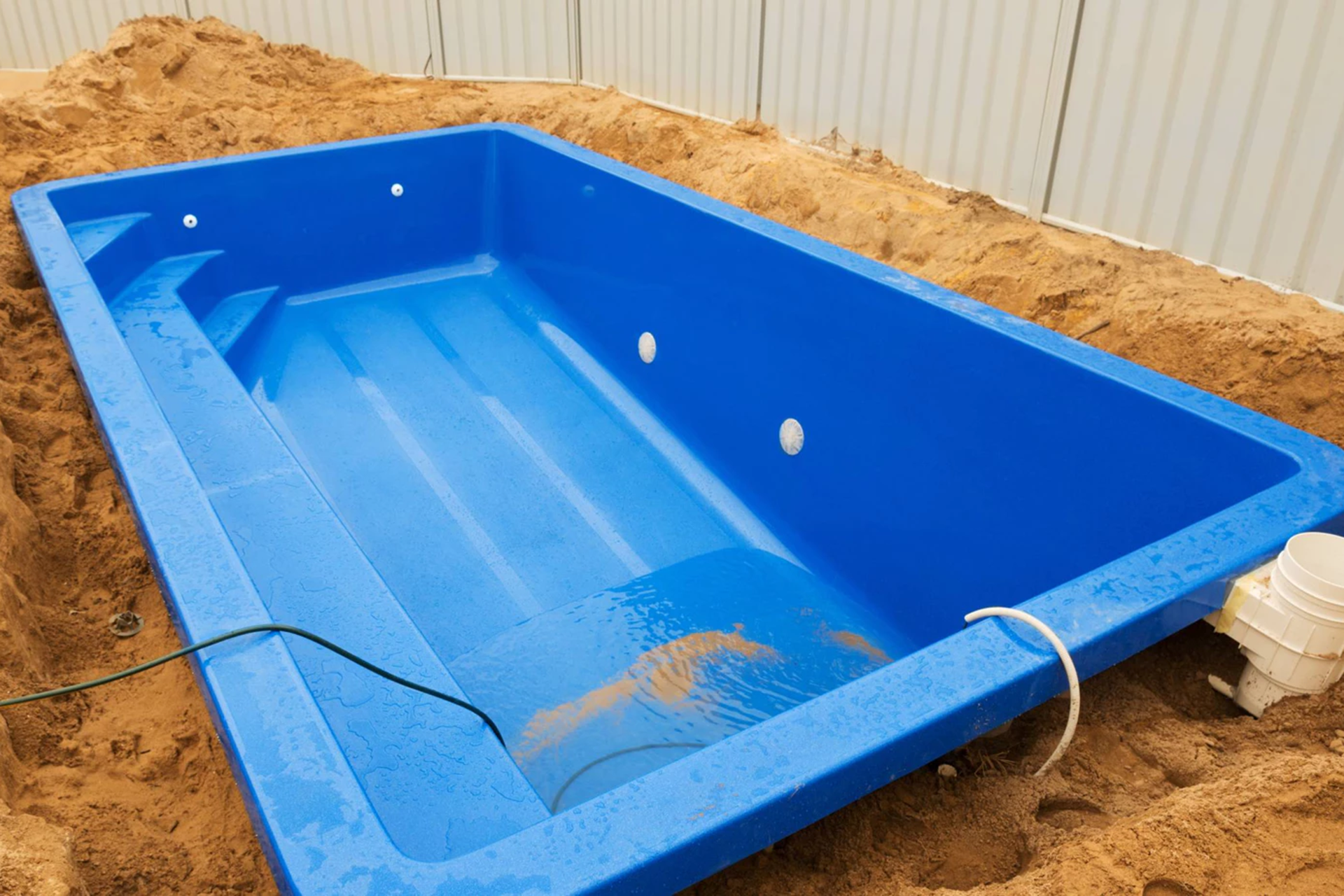
Fiberglass plunge pools, available as pre-formed shells from popular brands such as Leisure Pools, Imagine Pools, and Thursday Pools, appeal to homeowners seeking a smooth, low-maintenance option with predictable installation times. Their streamlined setup and consistent interior surfaces make them an attractive choice, though they do offer fewer size and shape variations. Because they arrive as a single unit, adequate truck or crane access is necessary for delivery.
Stainless Steel and Modular Plunge Pools
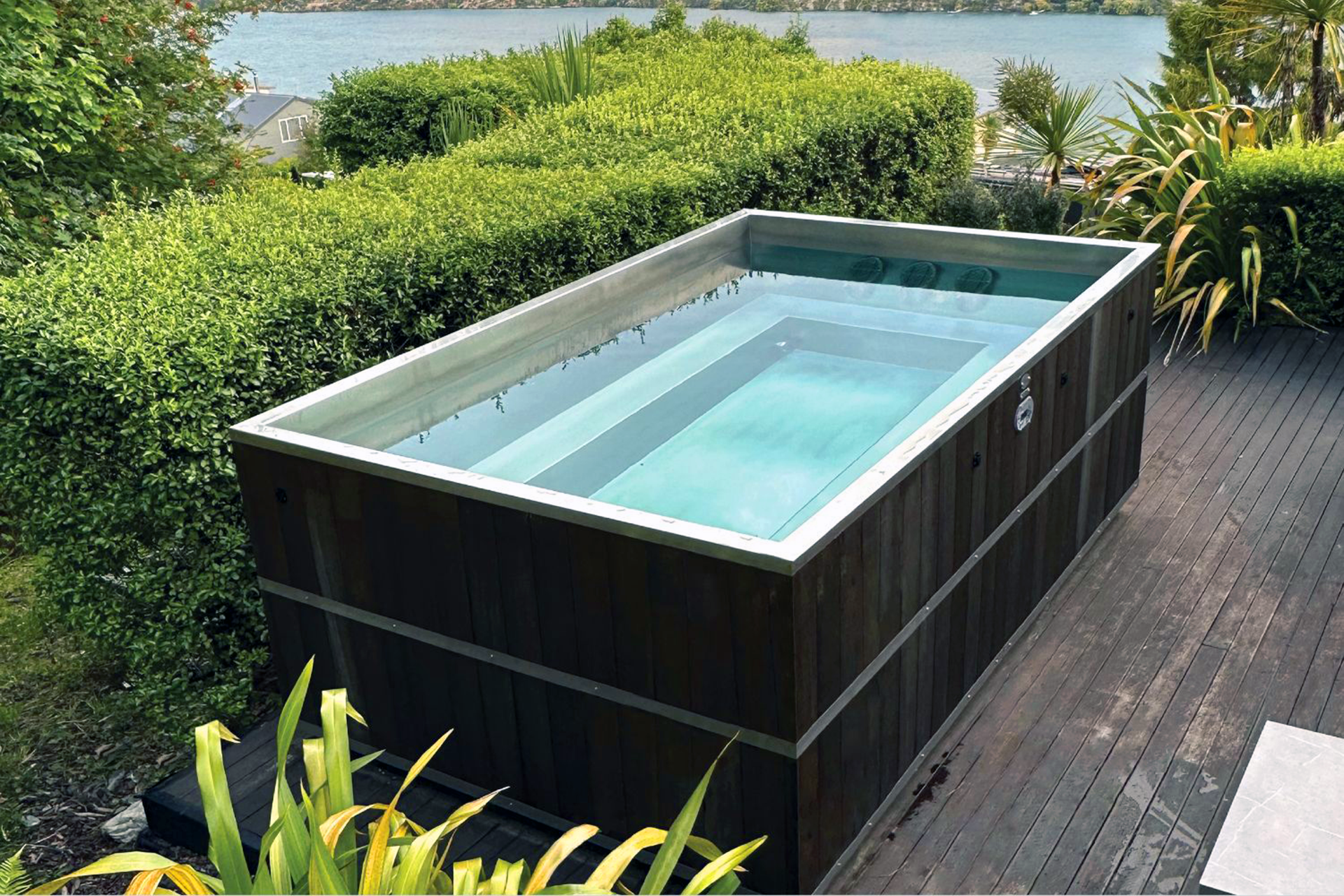
Stainless steel and modular plunge pools have become increasingly popular in modern residential designs, offering a sleek, contemporary aesthetic and exceptional long-term durability. Brands like Modpools and Stahlbox produce systems that can often be craned into tight spaces, making them suitable for compact Boston-area properties. While installation is typically fast and efficient, the premium materials contribute to a higher overall cost compared to other options.
Costs, ROI, and Long-Term Value
Plunge pool investment varies significantly depending on build method, materials, depth, site preparation, and added features such as heating systems, waterfalls, automated covers, or integrated lighting.
Typical Cost Ranges in the Boston Region
- Fiberglass plunge pools: ~$65,000–$110,000+
- Concrete plunge pools: ~$90,000–$160,000+
- Stainless steel/modular systems: ~$80,000–$150,000+
These ranges include excavation, foundational hardscaping, plumbing, electrical work, and basic finishing, though complex design integrations or premium features can push totals higher.
Maintenance Costs
Annual upkeep is often far lower compared to full-sized pools—frequently $1,200–$2,500 per year, depending on heating use and water treatment systems. Smaller water volume equals fewer chemicals, less filtering, and reduced energy use.
ROI Considerations
Plunge pools can contribute meaningfully to perceived property value, especially when incorporated into a cohesive landscape design. According to the National Association of Realtors, well-designed outdoor improvements can recoup up to 60%–80% of their cost at resale when they enhance overall usability and aesthetics. A plunge pool, combined with high-quality stonework or outdoor living upgrades, often becomes a standout feature in competitive Boston suburbs.
Related Video: Inside the Coolest Plunge Pool in Wellesley, MA
Plunge Pools vs. Other Pool Types
When comparing plunge pools to full-sized in-ground pools or spas, most homeowners look at space, cost, and seasonal use. Plunge pools take up far less room, making them ideal for Boston properties where yards often serve multiple purposes. Their compact size also reduces construction complexity and long-term maintenance. Traditional pools offer space for swimming and entertaining but require significantly more yard area, higher operating costs, and more frequent upkeep.
Spas provide warmth and hydrotherapy but lack the visual impact and flexibility of a plunge pool. Plunge pools strike a practical middle ground—cooling in summer, comfortable in the shoulder seasons, and visually appealing year-round. With optional heating and added features like seating or jets, they extend usability well beyond the typical New England pool season. Their blend of efficiency, design value, and multi-season performance is driving their rapid rise in regional popularity.
What to Consider Before Installing a Plunge Pool
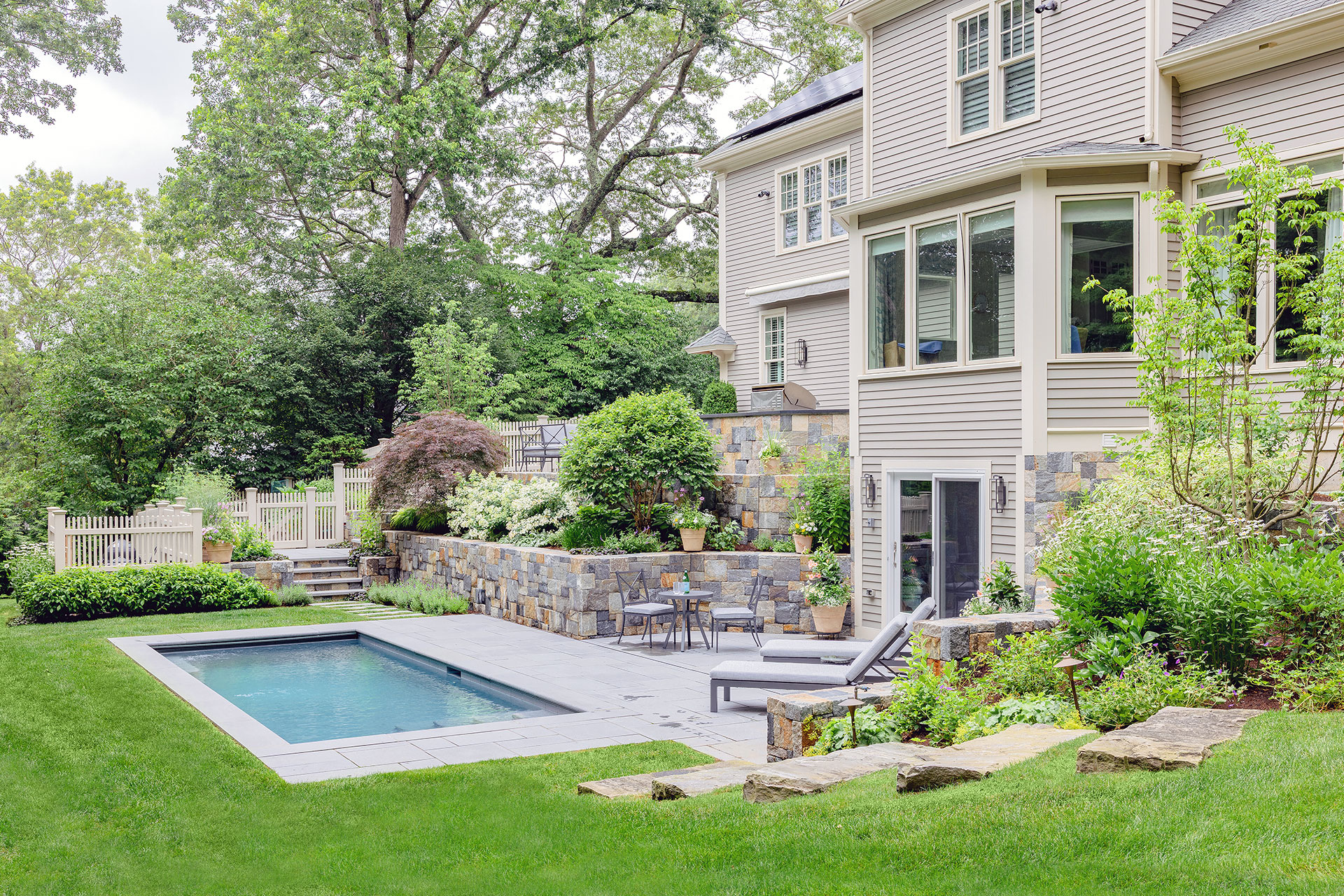
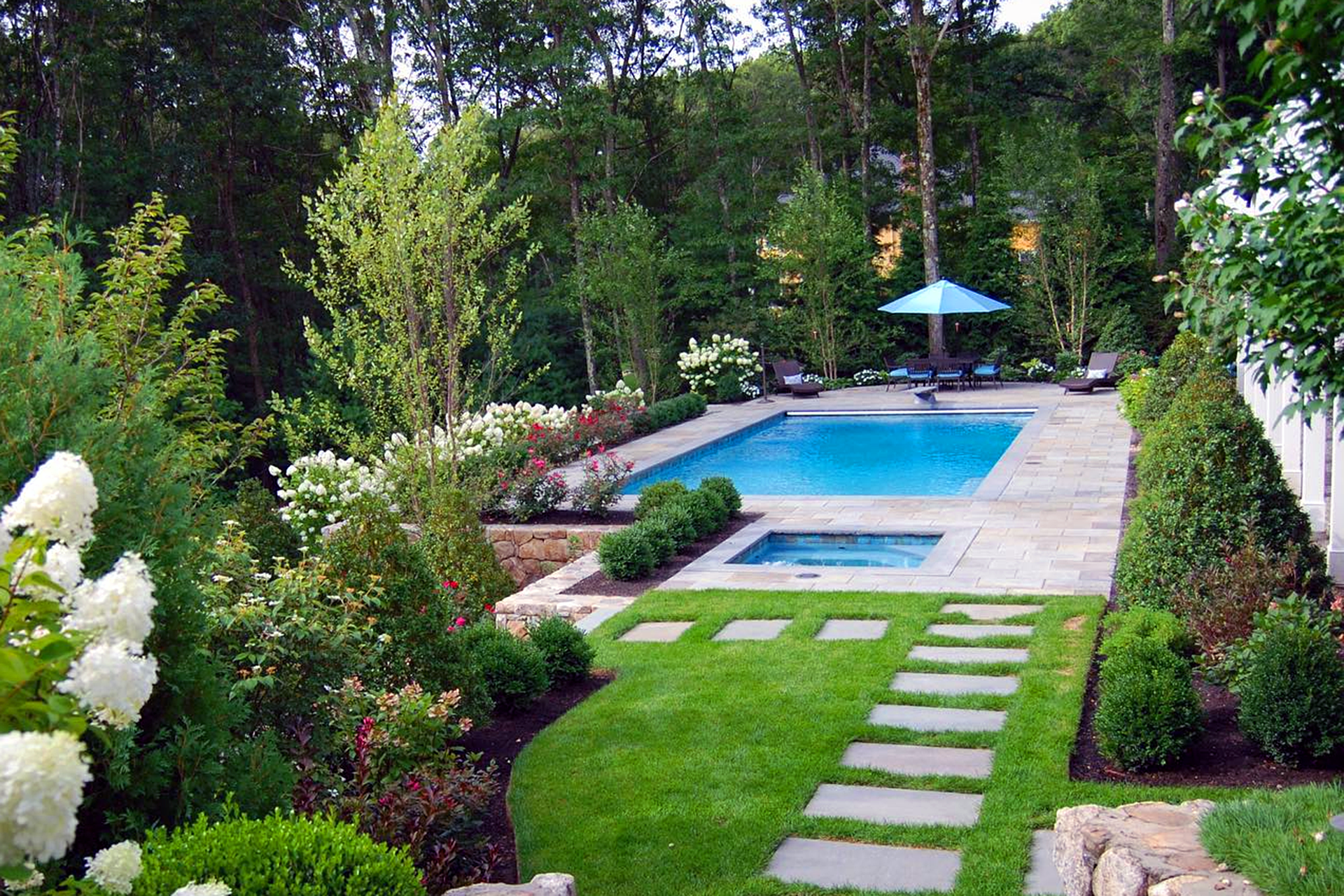
Because plunge pools integrate closely with surrounding stonework, grading, lighting, and landscape architecture, homeowners should evaluate the entire outdoor environment—not just the vessel itself.
Key factors include:
- Yard size and access for excavation or crane delivery
- Soil conditions typical to the Boston area, including clay pockets and glacial tills
- Desired water features, such as heaters, chillers, jets, waterfalls, or automatic covers
- Integration with patios, retaining walls, or garden structures
- Local permitting requirements, which vary by town
A well-coordinated design ensures that the pool feels intentional and cohesive with the broader outdoor living space.
Frequently Asked Questions
Q: How long does it take to install a plunge pool?
A: Fiberglass and modular pools often install within a few weeks once permitting and design are complete. Custom concrete builds typically take 8–14 weeks, depending on complexity and weather conditions.
Q: Are plunge pools usable in New England’s climate?
A: Yes. Many homeowners install heaters or combination heater-chiller systems, extending use from early spring through late fall. Some systems even allow cold-plunge functionality for recovery and wellness.
Q: How deep are plunge pools?
A: Most range from 4 to 7 feet deep, though custom concrete designs can vary.
Q: Do plunge pools require fencing?
A: In most Massachusetts towns, yes. Safety enclosures, alarms, and barrier guidelines depend on local building codes. Homeowners should always consult their municipality before planning construction.
Plunge Pool Resources
- This Old House – A Buyer’s Guide to Prefab Plunge Pools
- Better Home & Gardens – What You Should Know Before Putting In a Plunge Pool
- Plunge Pool Concepts – A Plunge Pool: Is It Right for You?
- The Pool Nerd – Plunge Pools: The Ultimate Guide on Size, Price, & Installation
- The Spruce – What Is a Plunge Pool? Size, Cost and More
Ready to Explore a Plunge Pool for Your Property?
A well-designed plunge pool can transform your backyard into a refined, relaxing retreat. If you’re considering adding one to your property, visit our Services page to learn how professional landscape design and construction can bring your vision to life.