After the New Year, much of New England settles into the long stretch of winter. Gardens are quiet, trees are bare, and many homeowners begin looking ahead to spring. But for horticulturists, arborists, and landscape maintenance teams, winter is not downtime. It is one of the most productive times of year for pruning.
Winter pruning takes advantage of plant dormancy. With leaves gone and growth slowed, the structure of trees and shrubs becomes much easier to see. Branching patterns, crossing limbs, deadwood, crowded interiors, and overgrown forms can all be evaluated more clearly. When done correctly, winter pruning helps improve plant health, shape, airflow, flowering potential, and long-term structure before the growing season begins.
For Boston-area landscapes, where snow, ice, wind, and freeze-thaw cycles place real stress on woody plants, winter pruning can be especially valuable. It allows homeowners to address weak growth, storm damage, overcrowding, and overgrown shrubs before spring growth makes everything more difficult to manage.
Key Takeaways
- Winter is an ideal time to prune many trees and shrubs because plants are dormant and their structure is easier to evaluate.
- Proper winter pruning can remove deadwood, improve airflow, reduce disease pressure, and support stronger spring growth.
- Different pruning techniques serve different goals, including regenerative pruning, structural pruning, thinning, and reduction pruning.
- Not every plant should be pruned the same way, and some flowering shrubs require careful timing to avoid reducing blooms.
- Professional winter pruning helps protect long-term plant health and keeps established landscapes from becoming overgrown or unbalanced.
Why Prune in Winter?
During the active growing season, pruning can influence how a plant directs energy. A fresh cut can encourage new growth, which may be helpful at certain times but problematic at others. Pruning too late in the season, for example, can stimulate tender growth that may not harden off before cold weather returns.
Winter pruning works differently. Because many trees and shrubs are dormant, pruning can be performed without pushing immediate new growth. This allows for cleaner structural decisions and gives plants time to respond when the growing season begins.
Winter also provides better visibility. Without leaves, it is easier to see:
- crossing or rubbing branches
- dead, damaged, or diseased wood
- weak branch angles
- crowded interiors
- overgrown shrubs blocking windows, paths, or views
- branches damaged by snow, ice, or wind
For mature residential landscapes, this visibility is a major advantage. It allows pruning decisions to be made based on structure rather than guesswork.
The Benefits of Winter Pruning
Winter pruning can support both plant health and landscape appearance. It helps maintain the original design intent of the garden while giving trees and shrubs the space and structure they need to mature well.
Benefits often include:
- healthier spring growth
- better branch structure
- improved air circulation
- reduced disease pressure
- removal of storm-damaged wood
- better light penetration into the canopy
- controlled size for mature shrubs
- cleaner shape and proportion within the landscape
Winter pruning is especially useful in established Boston-area landscapes where shrubs and ornamental trees may have grown beyond their intended scale.
Four Common Types of Winter Pruning
Most woody landscape plants benefit from one or more pruning approaches. The right method depends on the plant, its age, its condition, and the role it plays in the landscape.
Regenerative Pruning
Regenerative pruning is used to encourage fresh, vigorous growth from the base or interior of a shrub. This often involves removing a portion of the oldest canes so younger stems can develop.
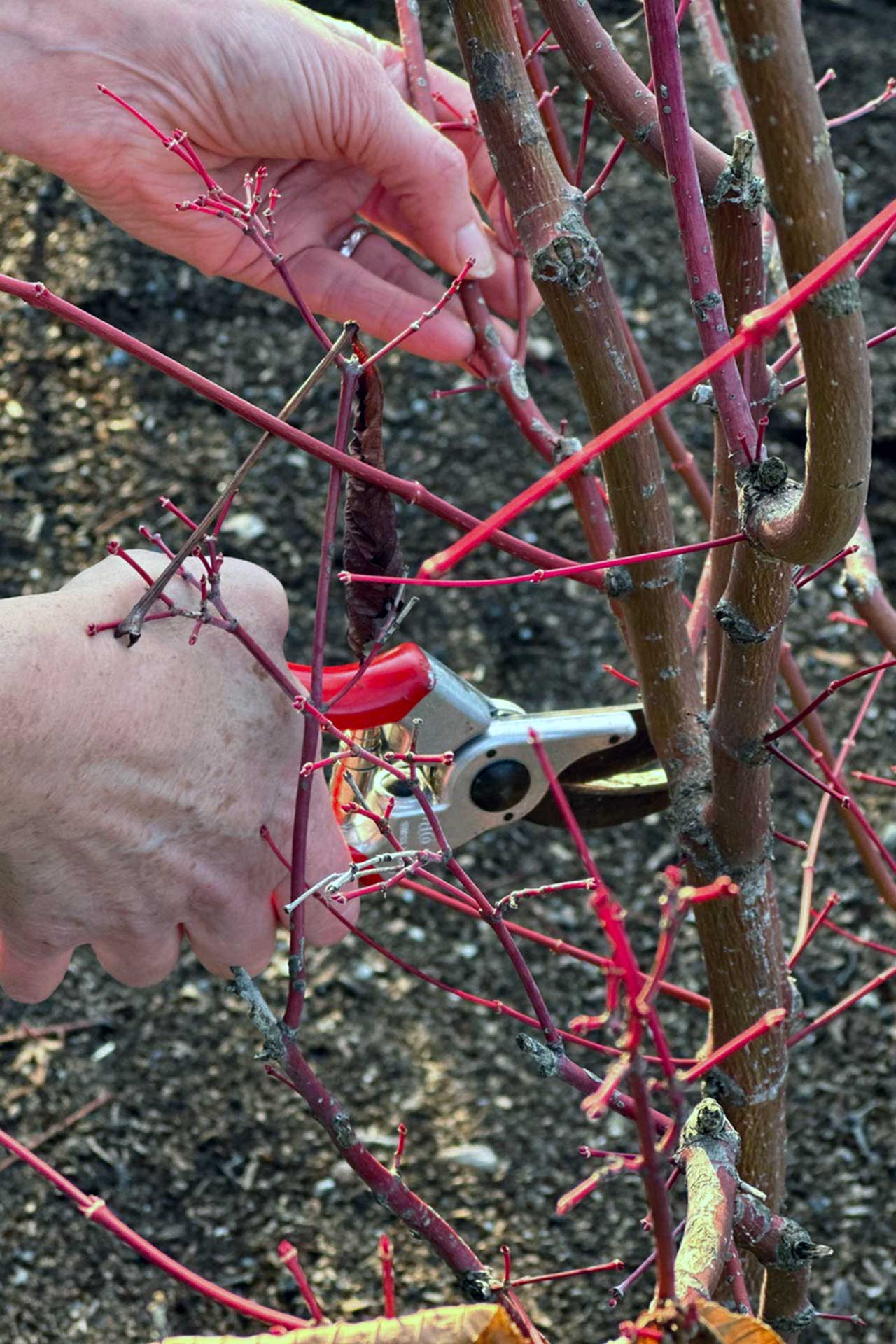
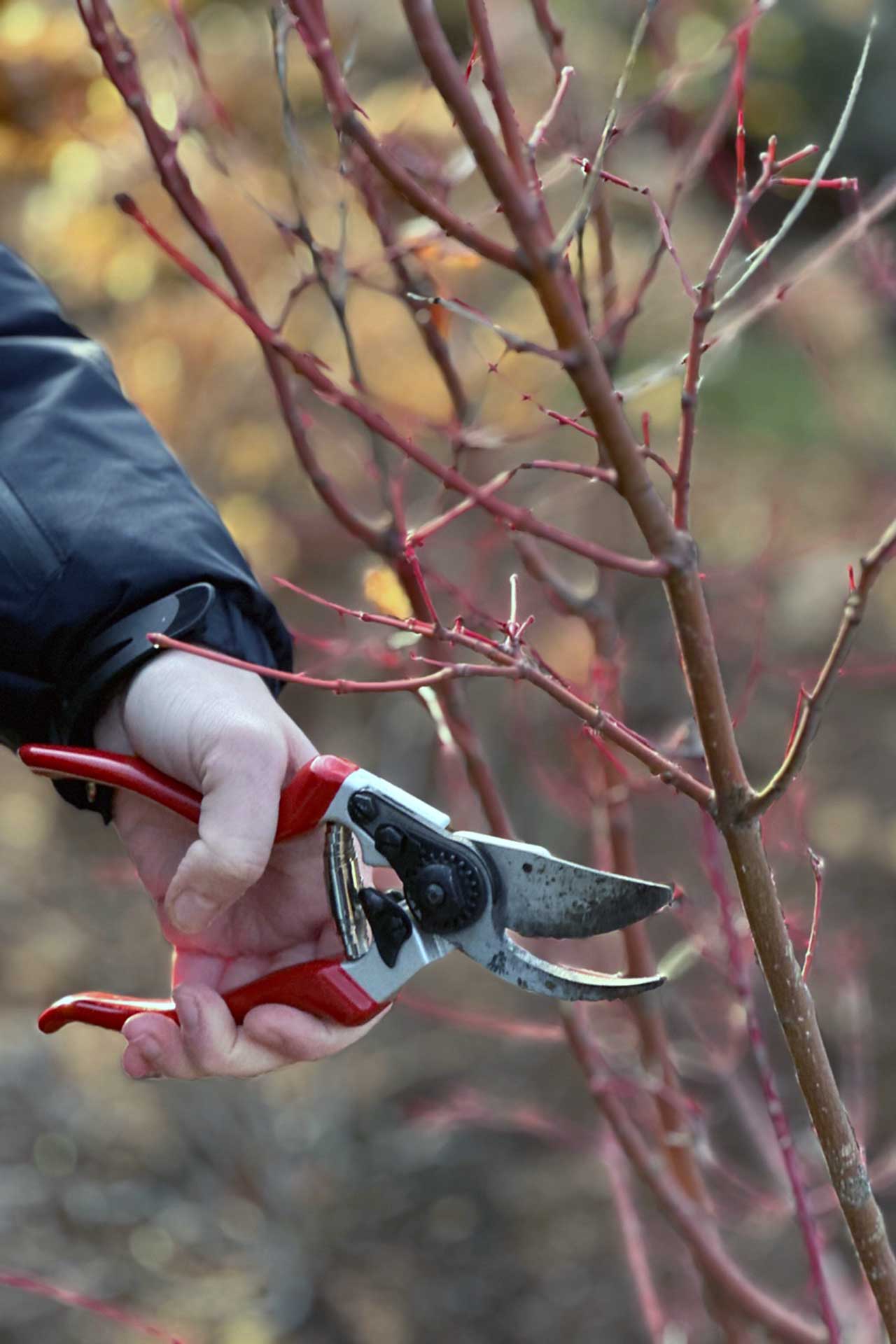
This technique is especially useful for shrubs that become woody, tired, or less colorful over time. Red twig and yellow twig dogwoods are good examples because their younger stems often display the strongest winter color. Removing older canes helps renew the plant and improve its seasonal impact.
Plants that may benefit from regenerative pruning include:
- red twig dogwood
- yellow twig dogwood
- blueberry
- ninebark
- lilac
With lilacs, regenerative pruning should be approached carefully. Removing older wood can improve plant health over time, but it may reduce flowering temporarily. The long-term result is often a stronger, better-shaped shrub.
Structural Pruning
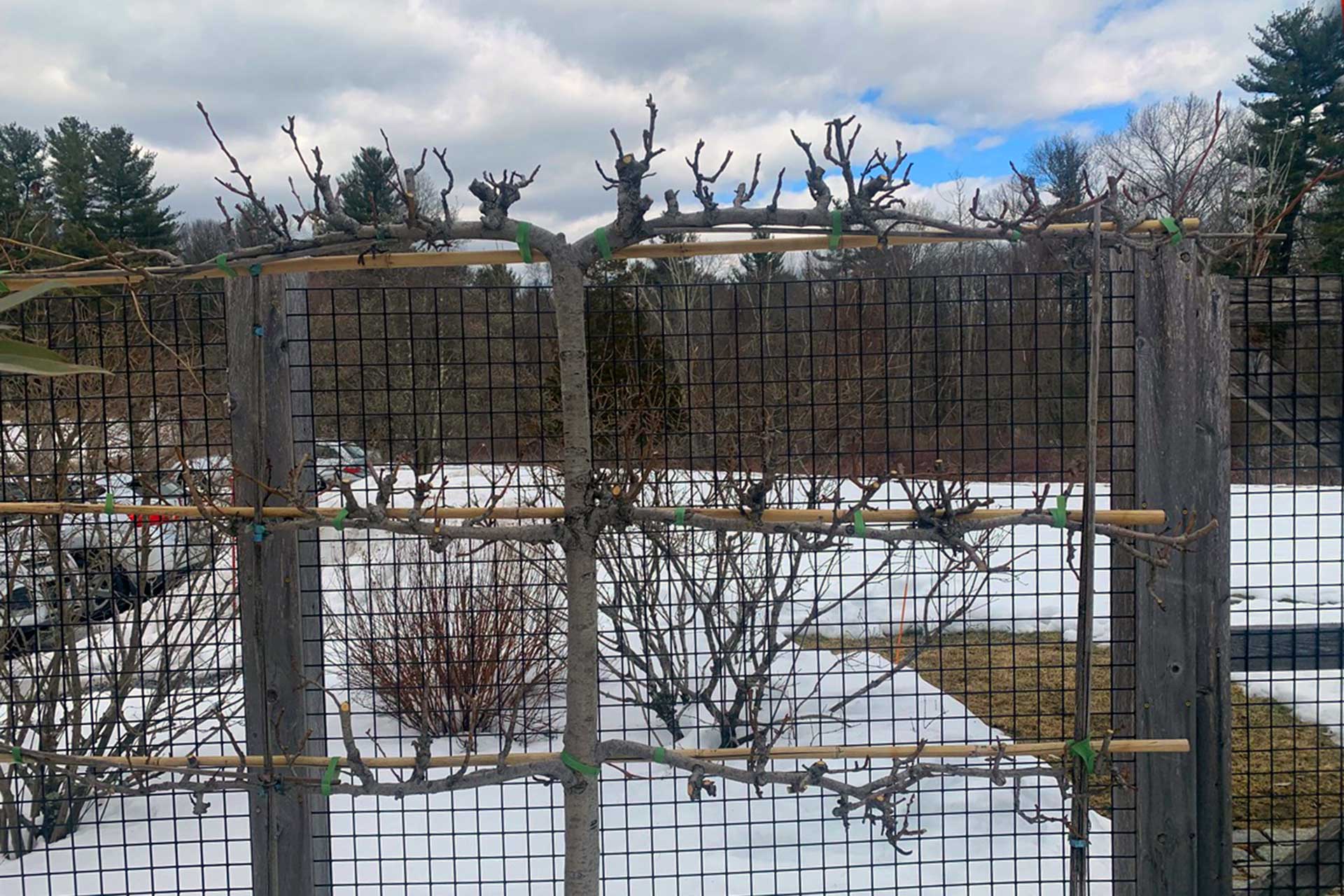
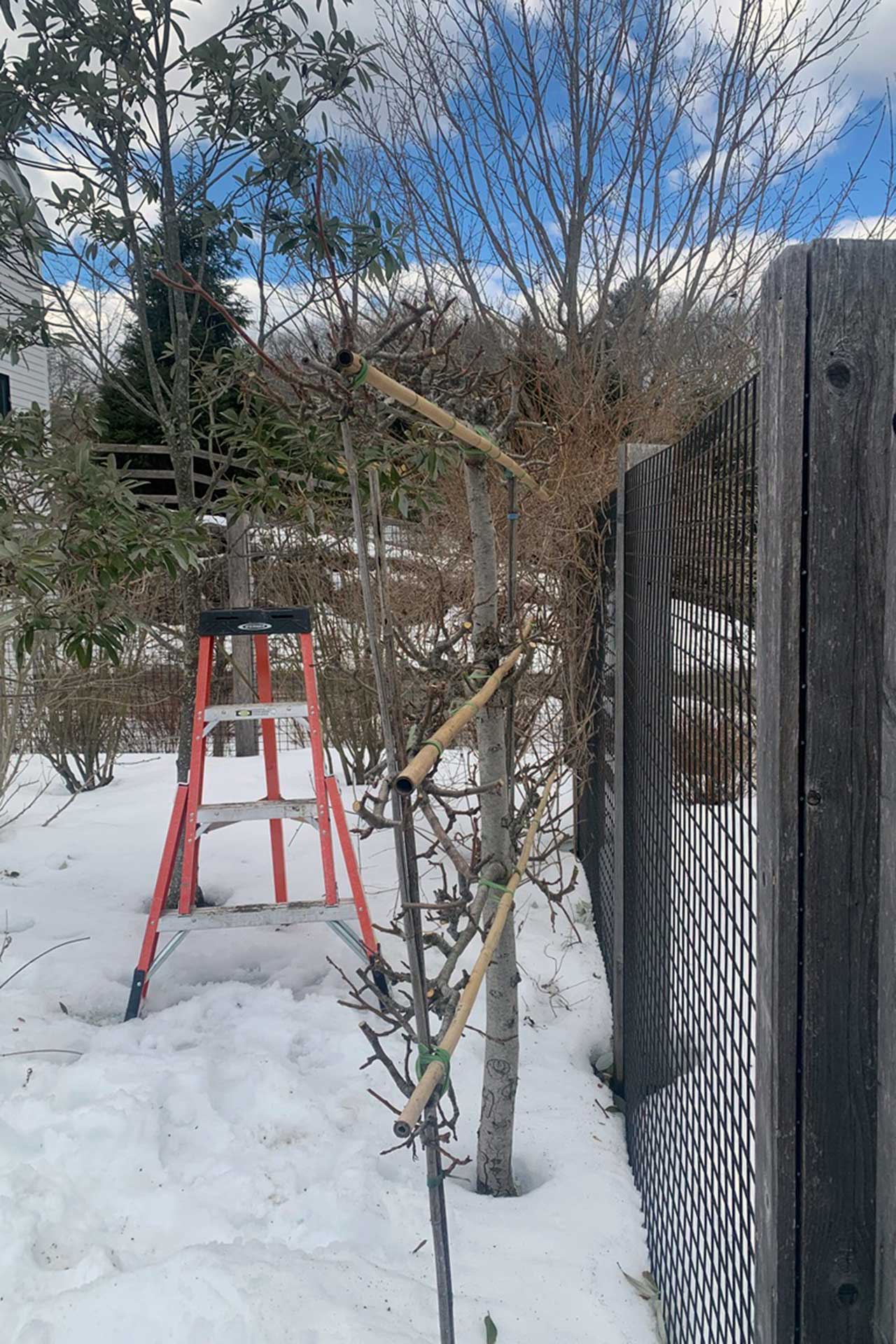
Structural pruning focuses on the framework of a tree or shrub. The goal is to remove branches that cross, rub, grow inward, or develop in weak or undesirable directions.
This type of pruning is especially valuable for smaller ornamental trees, including Japanese maples. When performed during winter, the branching structure is easier to read, allowing for more precise and thoughtful cuts.
Structural pruning can help:
- reduce future branch failure
- improve form
- prevent crowding
- encourage balanced growth
- preserve the natural character of the plant
Good structural pruning should not make a tree look harshly cut back. It should clarify the plant’s natural form.
Thinning Pruning
Thinning removes selected branches to open the canopy and improve air circulation. It is often used on dense ornamental trees and shrubs where crowded growth can trap moisture and reduce airflow.
Japanese maples, crabapples, and many plants in the Rosaceae family can benefit from thinning. Dense canopies can create conditions that favor fungal disease, especially during humid New England summers.
Thinning can help:
- improve airflow
- reduce humidity within the canopy
- allow more light into the interior
- reduce weight on crowded branches
- create a more refined plant silhouette
The key is restraint. Over-thinning can make a plant look sparse or unnatural. Professional pruning preserves character while improving health.
Reduction Pruning
Reduction pruning is used to manage the overall size of a tree or shrub. It can reduce height, width, or both while preserving a natural form.
In many established Northeast landscapes, foundation plantings and ornamental shrubs eventually outgrow their intended space. Rhododendrons, viburnums, and other mature shrubs may begin to block windows, crowd walkways, or obscure architectural details.
Reduction pruning can help restore proportion without resorting to shearing or severe cutbacks.
Good candidates for reduction pruning may include:
- rhododendron
- viburnum
- overgrown foundation shrubs
- mature ornamental shrubs
- plants blocking views, windows, or circulation paths
Reduction pruning should be done with an understanding of the plant’s natural growth habit. The goal is not to force every shrub into a rigid shape. It is to bring the plant back into scale with the landscape.
Related Blog: Protecting Trees and Shrubs from Snow, Ice, and Salt Damage
Why Not All Growth Is Beneficial
More growth is not always better growth. Over time, plants can develop thin, weak, crossing, or poorly placed branches that add little to their structure or appearance. These branches may compete with stronger growth, reduce airflow, or make the plant look cluttered.
Winter pruning helps redirect the plant’s energy toward healthier, better-positioned growth. Removing weak or unnecessary branches allows the remaining structure to become stronger and more intentional.
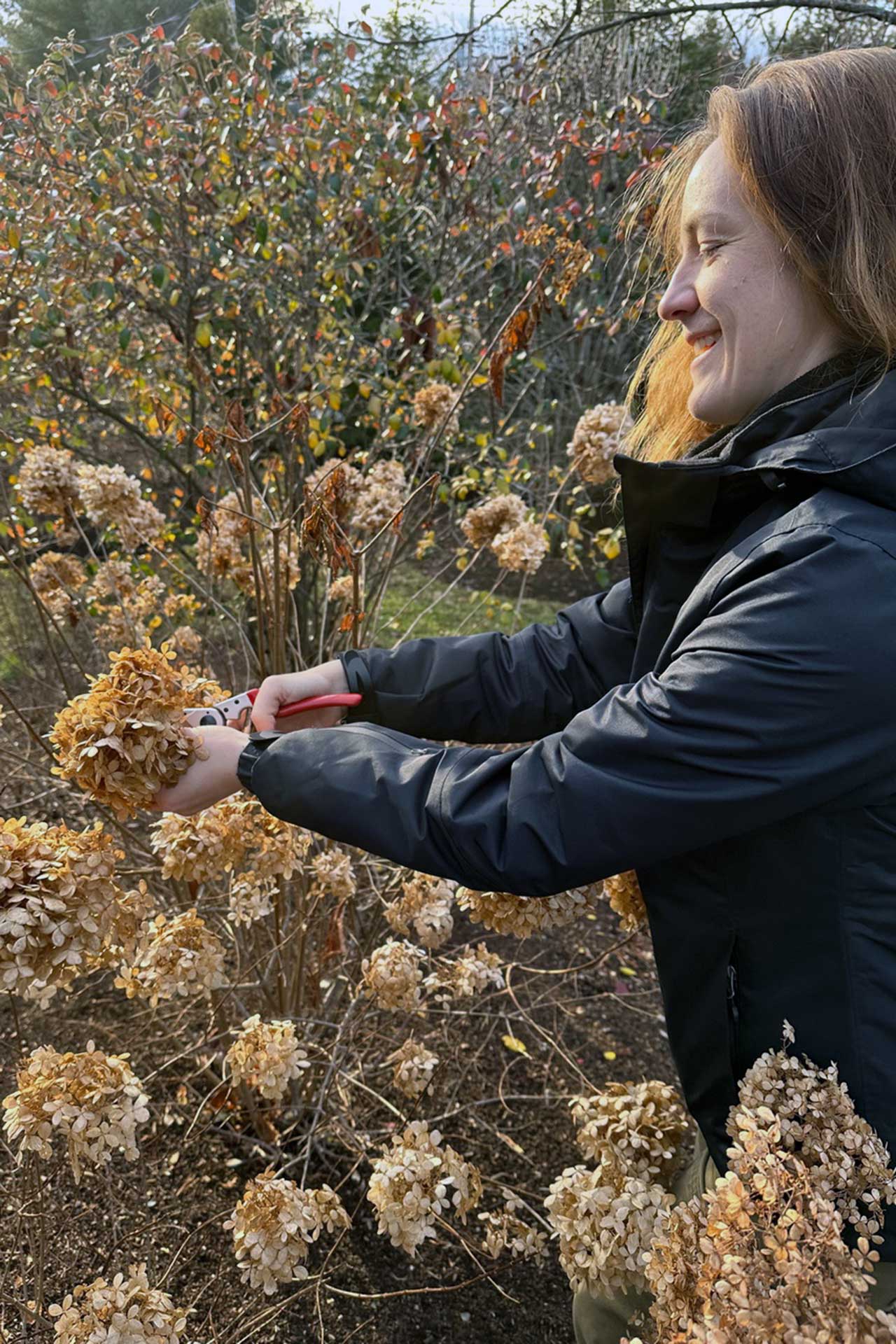
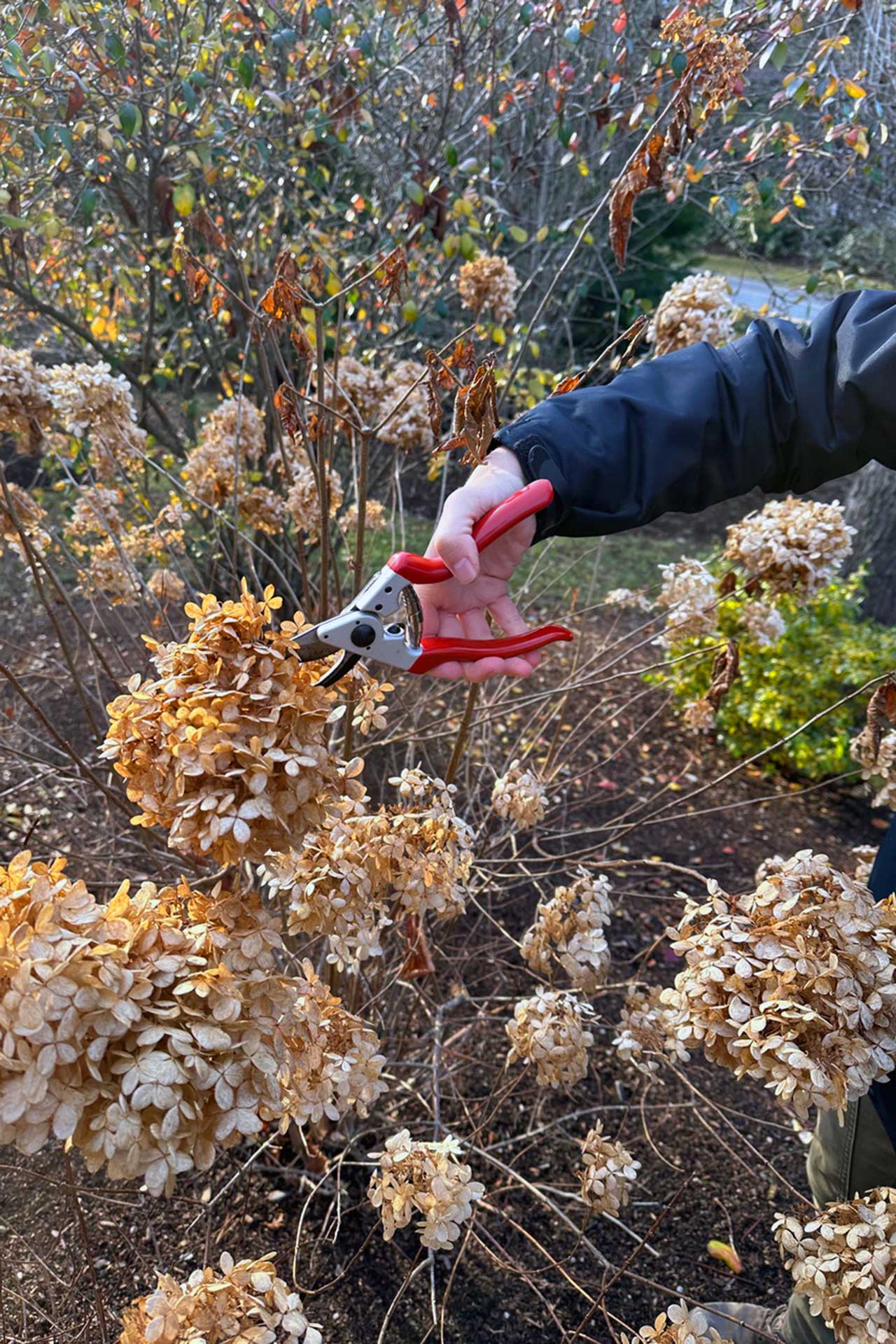
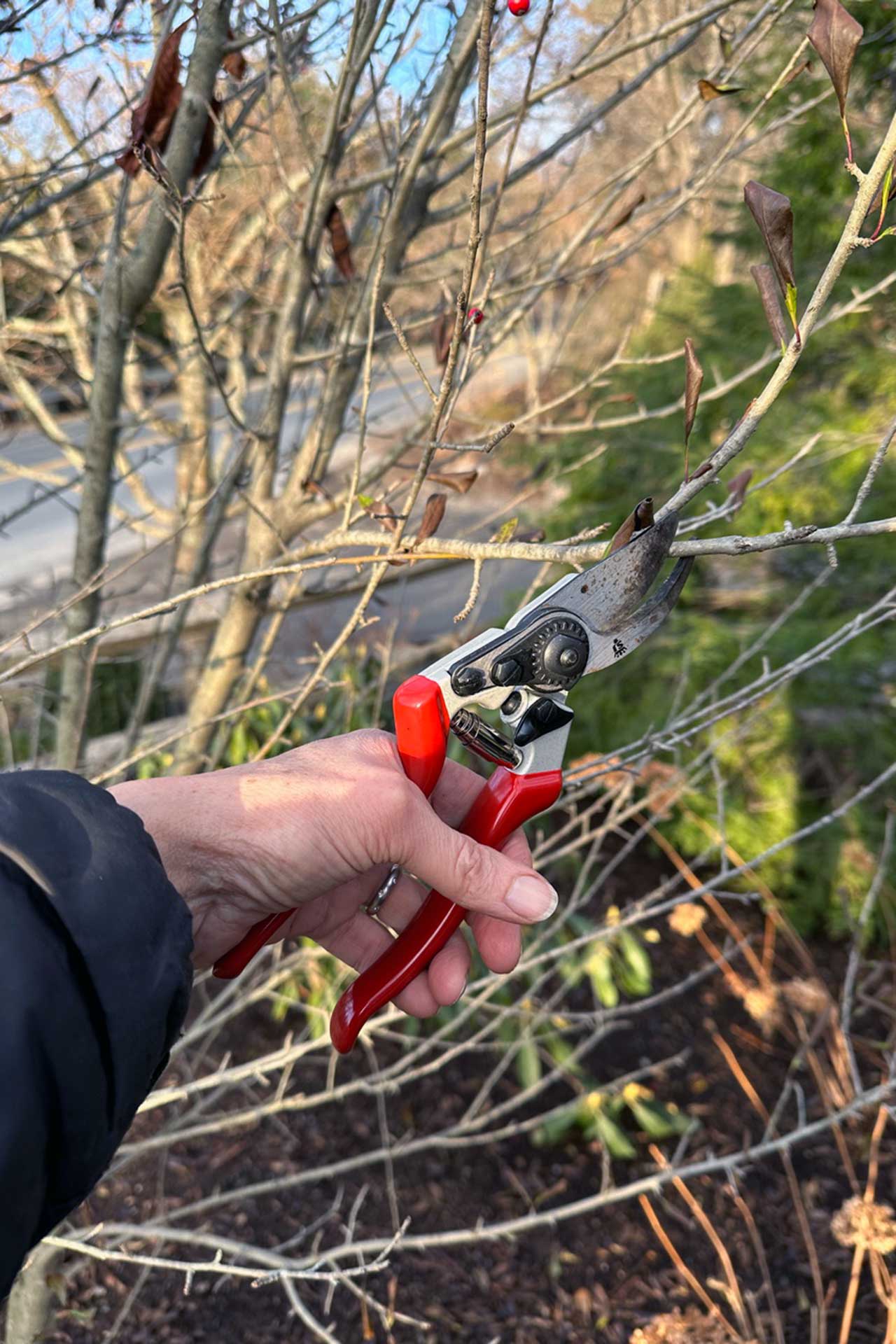
This is particularly important in refined residential landscapes, where plantings need to relate to architecture, walkways, terraces, garden beds, and views. A shrub may be healthy but still out of scale. A tree may be growing vigorously but developing poor structure. Winter pruning gives landscape professionals the opportunity to correct these issues before they become harder to manage.

Plants That Often Benefit from Winter Pruning
Many woody plants can benefit from winter pruning, although timing and technique vary by species.
Common candidates include:
- Japanese maples
- crabapples
- dogwoods grown for colorful stems
- blueberries
- ninebark
- viburnum
- rhododendron
- mature foundation shrubs
- ornamental trees with visible structural issues
Plants that bloom on old wood should be handled carefully. Some shrubs set flower buds during the previous growing season, so heavy winter pruning can reduce spring bloom. That does not mean they should never be pruned in winter, but it does mean pruning should be selective and purposeful.
Common Winter Pruning Mistakes to Avoid
Winter pruning is valuable, but poor technique can create lasting problems.
Avoid these common mistakes:
- Pruning every plant the same way: Different species respond differently to pruning.
- Removing too much at once: Severe pruning can stress plants and create weak regrowth.
- Topping trees: Cutting back the top of a tree indiscriminately can permanently damage its structure.
- Leaving long stubs: Poor cuts can invite dieback and disease.
- Ignoring flower timing: Some shrubs may lose blooms if pruned too heavily before flowering.
- Pruning during extreme cold: Very cold conditions can make branches brittle and increase the risk of damage.
The best pruning looks intentional but not obvious. Plants should appear healthier, clearer, and better balanced, not harshly cut.
Winter Pruning and Long-Term Landscape Maintenance
Winter pruning should not be treated as an isolated task. It works best as part of a year-round landscape maintenance plan.
A strong maintenance program considers:
- how each plant should mature
- which shrubs need renewal
- which ornamental trees need structural attention
- where snow and ice may cause damage
- how pruning affects spring bloom
- how plants relate to the overall design
For established properties in Greater Boston, winter pruning often helps preserve the original design intent of the landscape. It keeps shrubs from overwhelming entries, prevents ornamental trees from becoming congested, and supports healthier spring growth.
Related Blog: The Complete Landscape Maintenance Calendar for Boston & New England Homeowners
Frequently Asked Questions About Winter Pruning
Q: Is winter a good time to prune trees and shrubs in Massachusetts?
A: Yes, winter is an excellent time to prune many woody plants because they are dormant and their structure is easier to see. However, some flowering shrubs require careful timing to avoid reducing blooms.Q: What plants should be pruned in winter?
A: Many ornamental trees, dense shrubs, overgrown foundation plantings, and plants needing structural correction can benefit from winter pruning. Japanese maples, crabapples, dogwoods, viburnums, rhododendrons, blueberries, and ninebark may all benefit depending on the goal.Q: Can winter pruning improve spring growth?
A: Yes. Proper pruning can remove weak or damaged wood, improve airflow, and help the plant direct energy toward healthier growth when the growing season begins.
Q: Will winter pruning reduce flowers?
A: It can, depending on the plant. Shrubs that bloom on old wood may have already formed flower buds before winter. Selective pruning can still be useful, but heavy pruning may reduce bloom for that season.
Q: Should homeowners prune large trees themselves?
A: Large trees, high branches, and structural pruning should usually be handled by trained professionals. Improper cuts can damage the tree, and working at height can be dangerous.
Get Ahead of Spring
You do not have to wait until spring to think about your gardens and landscape. While spring cleanup is important, much of the foundational work that helps woody plants thrive can happen during winter.
Winter pruning gives trees and shrubs a stronger start before the growing season begins. It improves structure, reduces congestion, removes damaged growth, and helps mature plants stay in scale with the property.
At a Blade of Grass, we incorporate winter pruning into our year-round approach to landscape maintenance and fine gardening. By using the dormant season thoughtfully, we help landscapes emerge in spring healthier, cleaner, and better prepared for the months ahead.
If your shrubs are overgrown, ornamental trees look crowded, or winter storms have damaged parts of your landscape, contact the Blade team to schedule a consultation. Our experienced horticultural care team can evaluate your property and recommend the right winter pruning approach for long-term plant health and landscape performance.