Understanding Seasonal Irrigation Needs in New England
Irrigation systems play an essential role in the long-term health, consistency, and appearance of residential landscapes—especially here in the Greater Boston area, where four distinct seasons place unique demands on turf, soil, and planting beds. Property owners who invest in routine irrigation maintenance see healthier lawns, more resilient gardens, and lower overall water costs. Yet many systems become inefficient simply because they aren’t inspected or adjusted frequently enough.
This guide explores what Greater Boston homeowners should be doing each season to maintain a high-performing irrigation system, why ongoing maintenance matters, and how small regular check-ins can prevent costly repairs, landscape damage, and unnecessary water waste.
To make this as actionable as possible, we break down the must-do seasonal tasks, provide expert insight, and outline the clear benefits of a proactive irrigation maintenance plan.
Key Takeaways
- Irrigation systems require seasonal maintenance, not just spring start-up and fall shutdown.
- Greater Boston’s climate—freeze cycles, rainfall variability, and summer heat—makes routine checks essential.
- Small adjustments throughout the year prevent major water waste and landscape damage.
- Professional maintenance reduces long-term costs, improves irrigation efficiency, and supports healthier lawns and plantings.
- Homeowners with busy schedules often find the most cost-effective option is partnering with a trusted local landscape company.
Why Irrigation Maintenance Matters
Boston’s climate is defined by unpredictable spring rainfall, hot and humid summers, inconsistent fall weather, and winters with deep freezes. Those conditions mean that irrigation components—valves, lines, backflow preventers, controllers, and spray heads—need much more than a simple startup and shutdown.
Here’s why professional maintenance is so important:
- Fluctuating temperatures cause expansion and contraction in pipes.
- Hard freezes can damage backflow assemblies and underground lines.
- Seasonal rainfall variability makes controller adjustments necessary.
- High summer evapotranspiration rates increase watering needs.
- Plant growth patterns change throughout the year, influencing coverage.
When systems are not maintained, the results can be expensive. According to the EPA, a single broken sprinkler head can waste up to 25,000 gallons of water in just one six-month season. That’s money lost and water your lawn never used. WaterSense-certified irrigation systems, when properly maintained, can save homeowners up to 20–30% on outdoor water use—a meaningful amount in the Boston region where water rates are consistently above the national average.
How Routine Maintenance Protects Your Landscape Investment
A properly maintained irrigation system supports a healthier, more resilient landscape ecosystem. Here’s what routine service helps prevent:
Water Waste – Unchecked leaks, misaligned heads, and outdated controllers lead to thousands of gallons of water lost yearly. A simple inspection catches these issues early.
Plant Stress – Too much or too little water immediately affects turf vigor, root development, and plant disease resistance. Even slight seasonal adjustments prevent major landscape damage.
Soil Compaction and Erosion – Irrigation systems with poor coverage or overwatering patterns often create erosion channels or compacted soil—particularly on the sloped properties common in the suburbs west of Boston.
Higher Utility Bills – Irrigation systems running even five minutes too long per zone can raise water bills substantially over the season.
Premature System Failure – Routine checks help extend the lifespan of pumps, valves, controllers, and drip lines.
“An irrigation system isn’t set-and-forget equipment. Seasonal adjustments and routine inspections keep water distribution precise, protect components from wear, and ensure the landscape receives exactly what it needs to thrive.”
– Jim Douthit, co-owner, founder | a Blade of Grass
Seasonal Irrigation Maintenance for Greater Boston Homes
Below is your single, easy-to-read seasonal checklist, specifically tailored for the New England climate. These tasks help keep irrigation systems functioning smoothly throughout the year.
Annual Irrigation Maintenance Checklist
SPRING: System Start-Up & Calibration
- Inspect backflow preventer after winterization.
- Pressurize irrigation lines gradually to check for cracks or damage.
- Clean and align all sprinkler heads for accurate spray patterns.
- Update the controller schedule to account for spring rainfall.
- Confirm rain sensors are operational and placed correctly.
- Test drip irrigation lines for clogs or pressure variation.
- Evaluate coverage against early season plant growth.
SUMMER: Efficiency Optimization
- Adjust watering schedules to match hotter temperatures and higher evapotranspiration.
- Inspect zones for dry spots, pooling water, or uneven coverage.
- Trim vegetation obstructing spray paths.
- Check for leaks after mowing or landscaping work.
- Monitor and adjust based on weekly rainfall totals.
- Clean filters and inspect dripline emitters.
- Reduce watering frequency after heatwaves to avoid runoff.
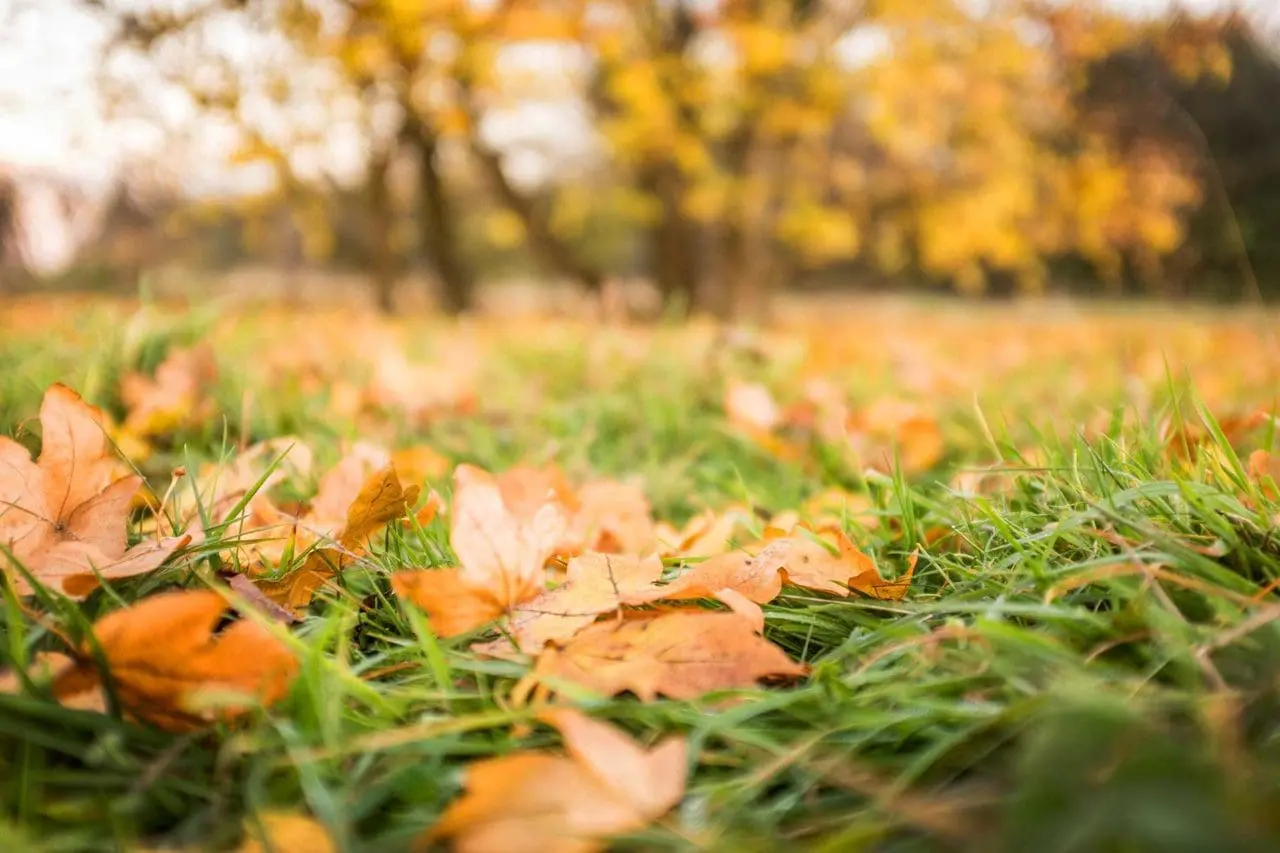
FALL: Pre-Shutdown Inspection
- Reduce watering frequency as temperatures cool and grass growth slows.
- Check all heads for clogging from seasonal leaf debris.
- Inspect valves for wear before winter shutdown.
- Adjust soil moisture settings to prevent overwatering during damp fall weather.
- Confirm water pressure levels haven’t changed from summer use.
- Audit the system for upgrades (smart controllers, improved heads, etc.).
WINTER: System Shut-Down
- Fully winterize the system using professional compressed air blowout.
- Inspect backflow preventer and insulate exposed pipes if needed.
- Disconnect and store hose-end irrigation components.
- Review annual irrigation water use and plan for efficiency improvements.
- Schedule early spring start-up to avoid peak-season wait times.
Related blog post: Keeping Your Landscape Healthy and Beautiful: When to Upgrade Your Irrigation System
Key Benefits of Keeping Your Irrigation System Properly Maintained
Routine maintenance of a residential irrigation system offers measurable benefits—financial, environmental, and aesthetic.
Financial Savings – A system running at peak performance wastes less water and reduces repair costs. According to the Irrigation Association, optimized irrigation systems can reduce outdoor water usage by up to 50% in some cases.
Healthier Lawns and Gardens – Plants thrive with consistent soil moisture, proper root hydration, and reduced disease risk.
Improved System Longevity – Components last longer when they aren’t stressed by leaks, pressure spikes, or freezing conditions.
Enhanced Property Value – Well-irrigated landscapes look cleaner, fuller, and more professionally maintained—an asset in Greater Boston’s competitive real estate market and essential for high-end properties.
Better Environmental Stewardship – Conserving water reduces strain on local municipal systems and aligns with Massachusetts sustainability goals.
Protect Your Investment With a Proactive Maintenance Plan
Your irrigation system is a critical piece of your outdoor environment. When maintained properly, it helps create a vibrant, healthy landscape that enhances your daily living and your property’s long-term value.
If you want a landscape that consistently looks its best—without the inefficiencies, leaks, or seasonal surprises—then a routine irrigation maintenance plan is essential.
To learn more about irrigation installation, maintenance, or system upgrades, contact us today. We’re here to help Boston-area homeowners keep their landscapes performing beautifully, season after season.
Related Resources for Boston Homeowners
These helpful resources support Boston-area homeowners interested in irrigation, water conservation, or landscape maintenance:
- EPA WaterSense Irrigation Resources
- Massachusetts Water Resources Authority (MWRA)
- Irrigation Association Homeowner Guides
- UMass Amherst Turf Program
Each of these organizations offers regionally relevant guidance on water use, soil health, and landscape best practices.