Bringing the Inside Out
Interior design trends often influence how homeowners think about their outdoor spaces. A color like Urbane Bronze, Sherwin-Williams’ 2021 Color of the Year, is a useful example. Its deep bronze, brown, and nearly black tones feel rich indoors, but they also echo something familiar in the winter landscape: the dark stems, seed heads, bark, and structural silhouettes that remain after the growing season ends.
At a Blade of Grass, we often think about how to create a seamless relationship between the home and the landscape. Winter silhouette gardening is one way to do that. Instead of treating the dormant season as empty or unfinished, this approach uses structure, texture, seed heads, grasses, branches, and dried flower forms to create a landscape that still feels intentional after the leaves have fallen.
Key Takeaways
- Winter silhouette gardening uses shape, structure, texture, and contrast to keep gardens visually interesting during the dormant season.
- Leaving select perennials and ornamental grasses standing can support birds, insects, and winter habitat.
- Dried hydrangea blooms, coneflower seed heads, bee balm, asters, and grasses can create beautiful winter forms against snow and stone.
- The best winter gardens are planned before winter, with four-season structure built into the original landscape design.
- Spring is an ideal time to begin planning a garden that will look beautiful through the following winter.
Why Winter Silhouettes Matter in Garden Design
Many homeowners are beginning to see the value, both ecological and aesthetic, of leaving select perennials and ornamental grasses standing through winter rather than cutting everything back in fall.
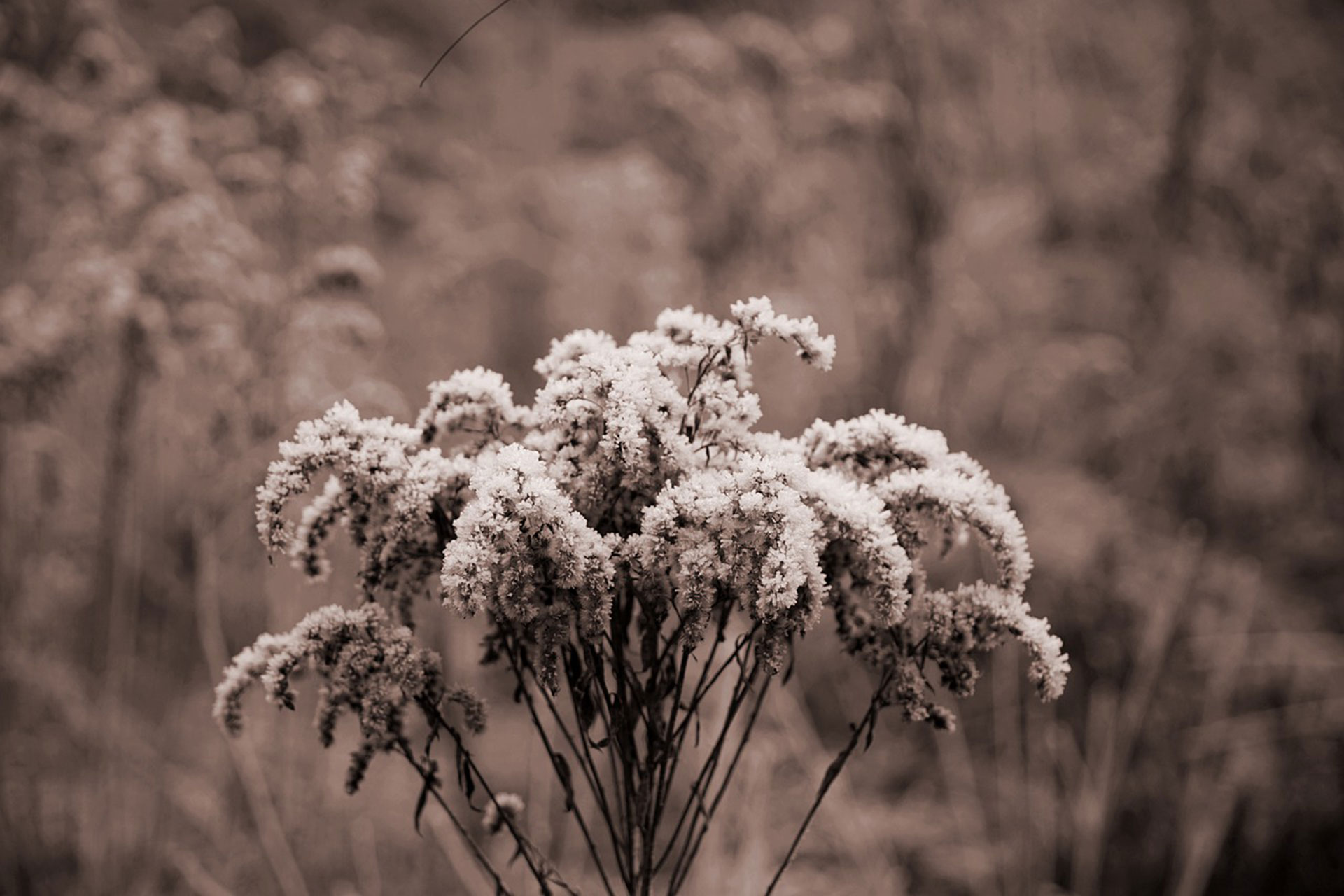
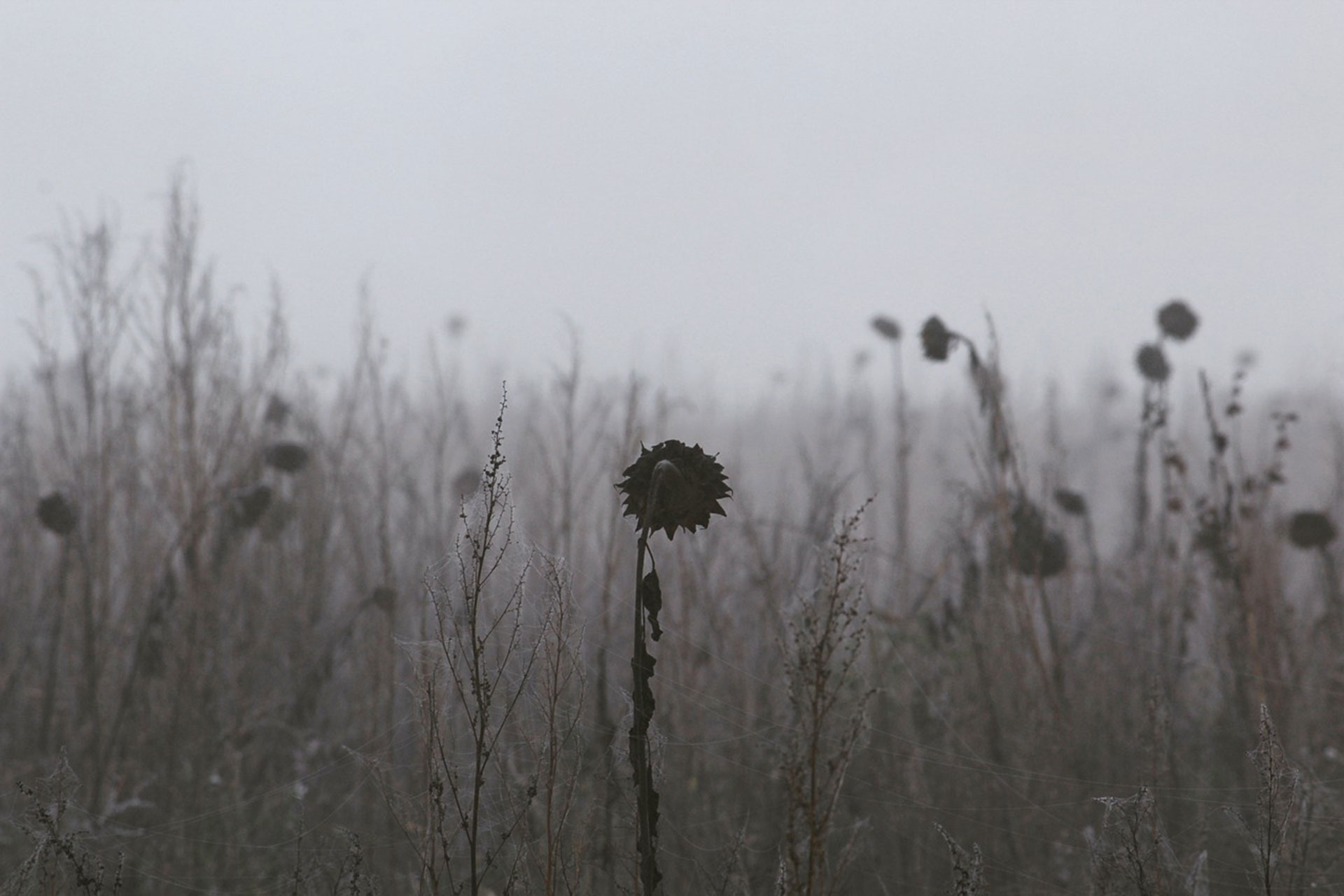
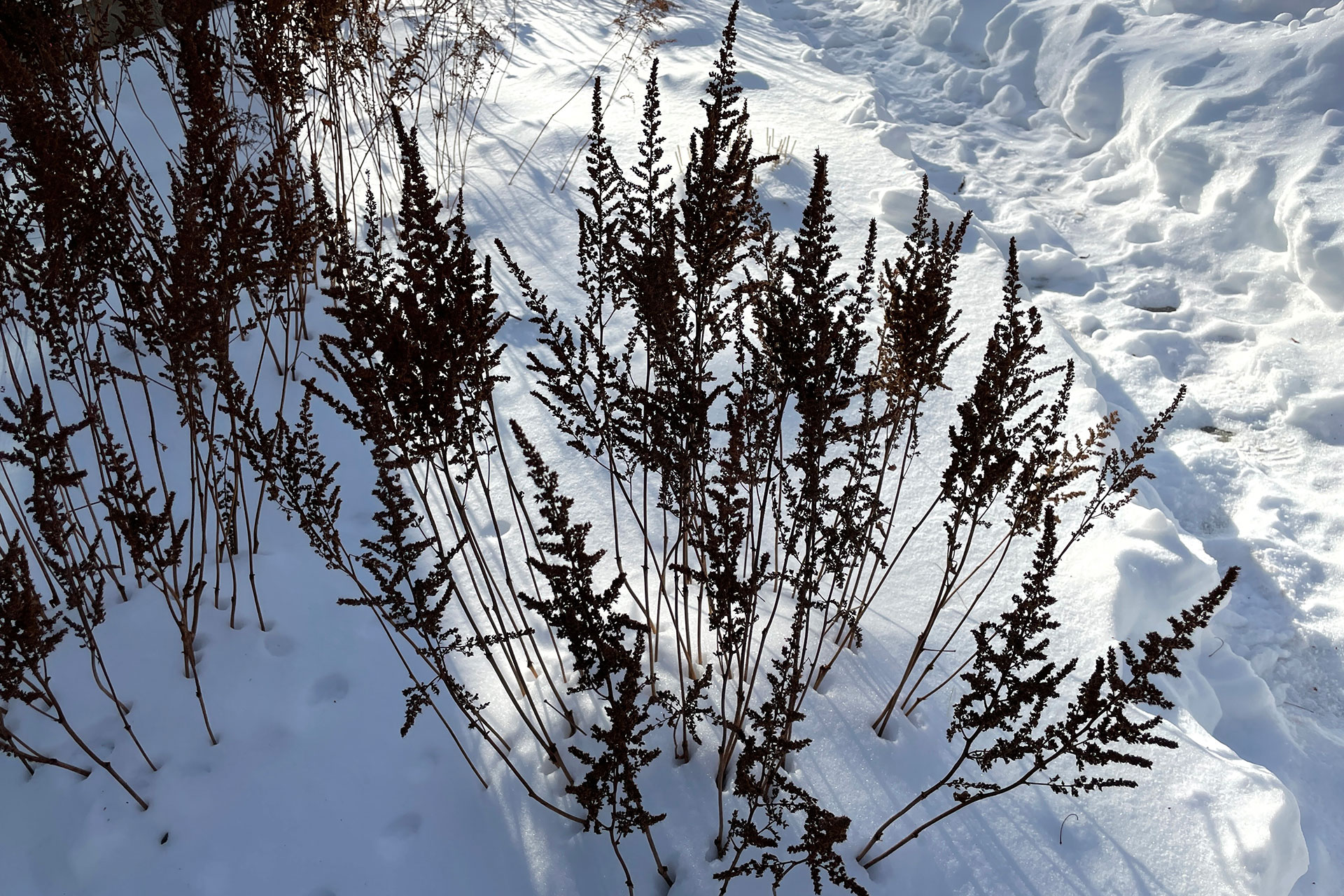
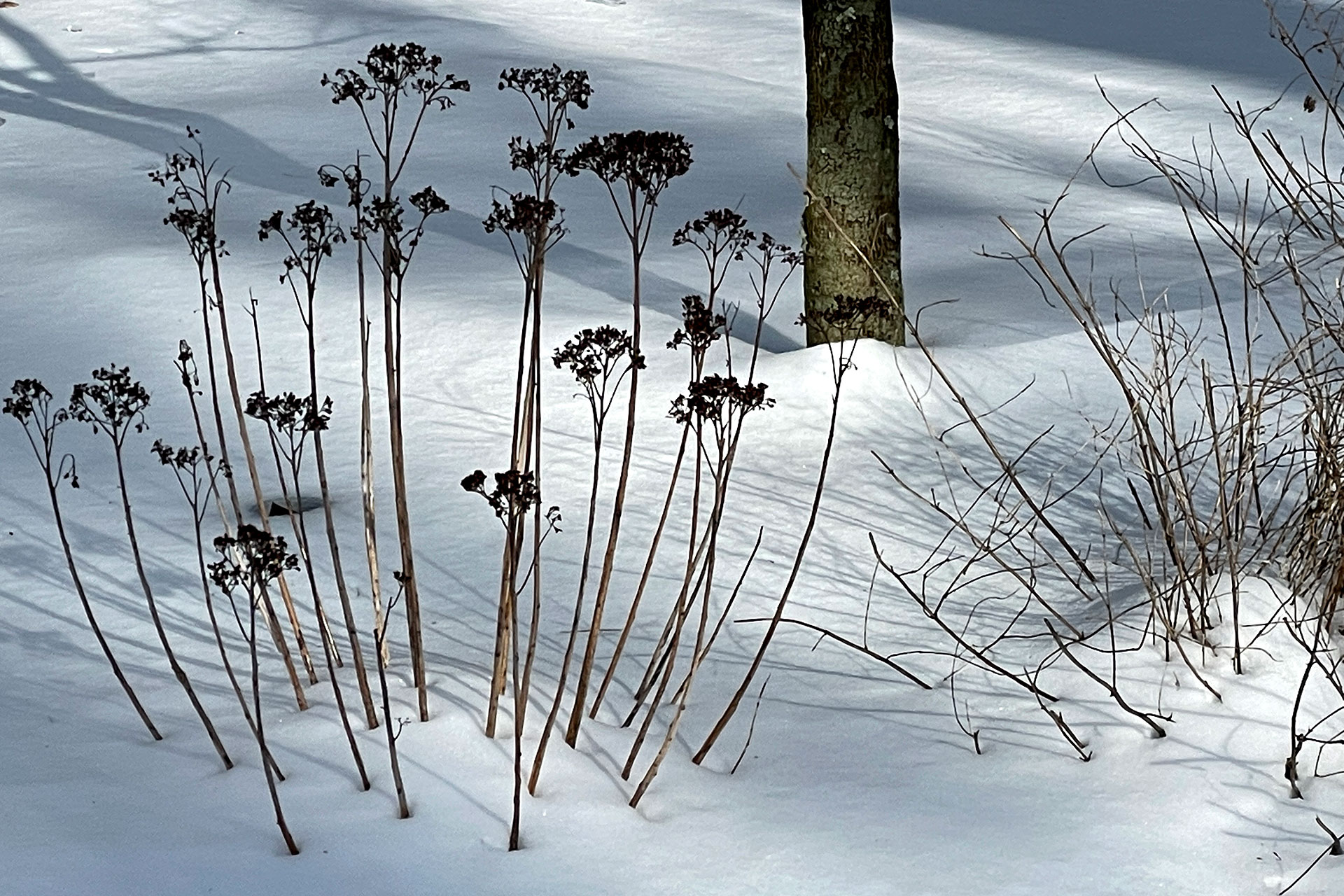
Once petals, leaves, and summer color fade, the remaining forms begin to matter more. Seed heads, dried flower clusters, upright stems, arching grasses, and branching structures create silhouettes against snow, stone, evergreen foliage, and winter light. The garden becomes quieter, but not empty.
This is where winter garden design becomes especially interesting. Instead of relying on bloom alone, the landscape is carried by form, rhythm, contrast, and texture.


Let It Be: The Beauty of Leaving Plants Standing
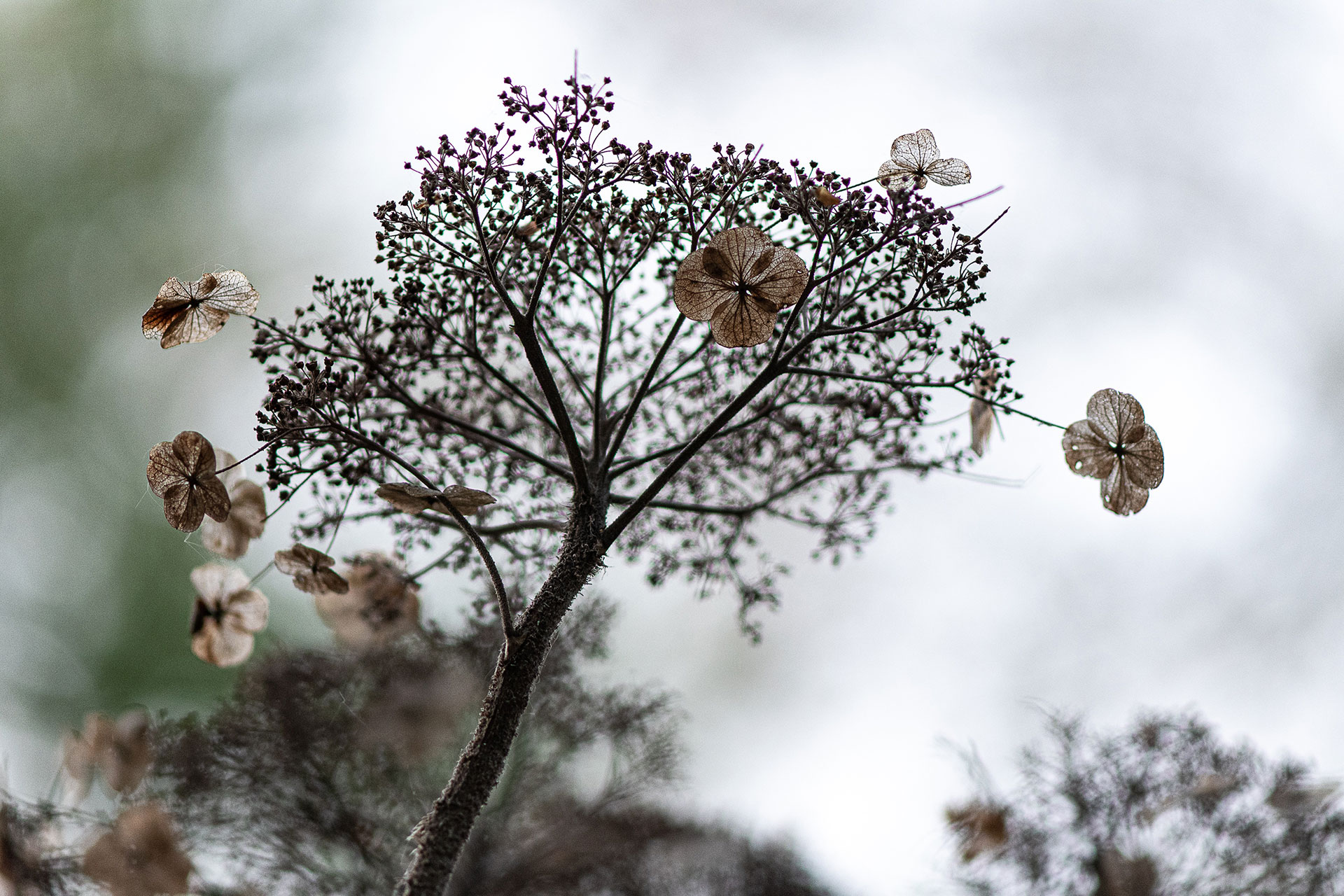
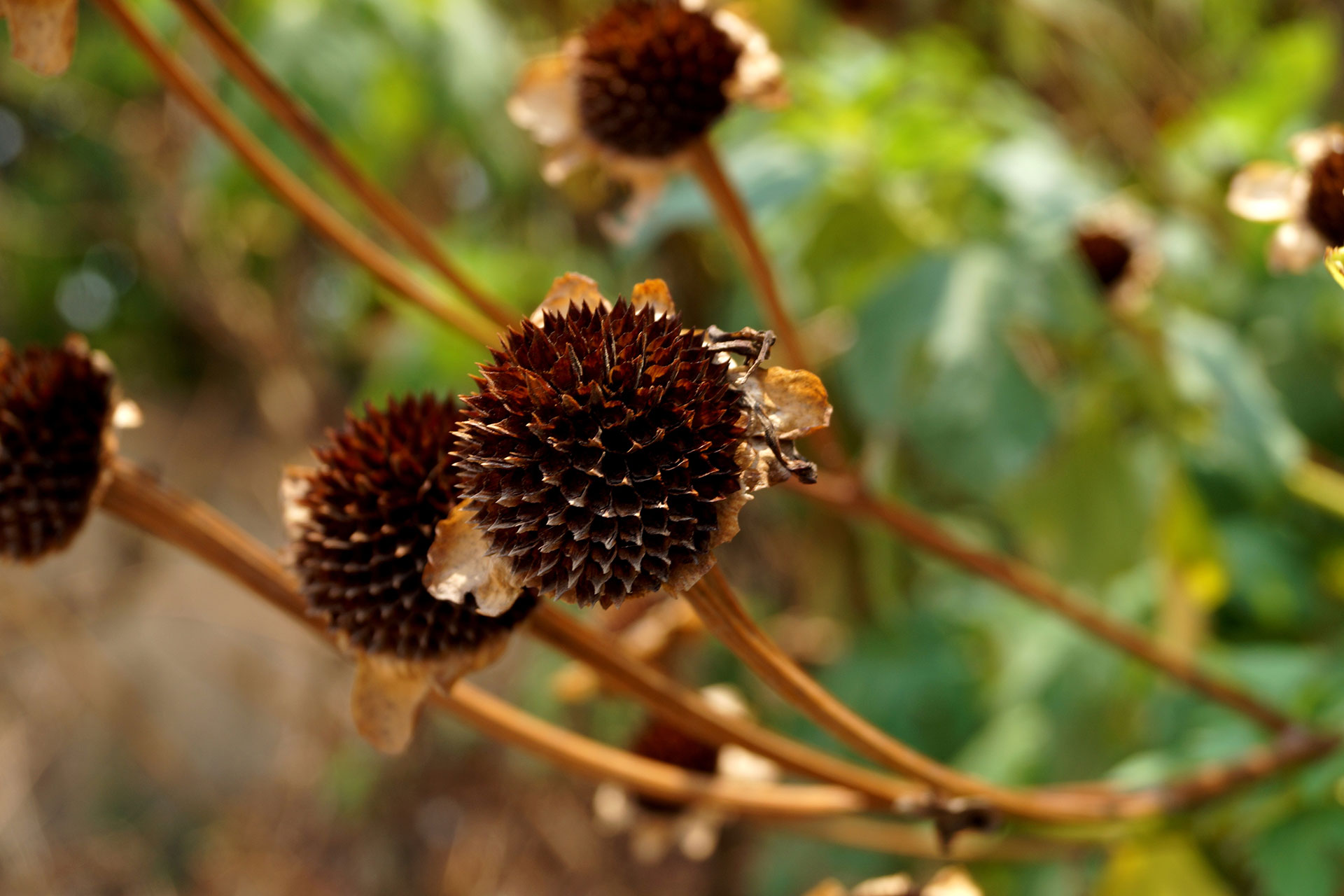
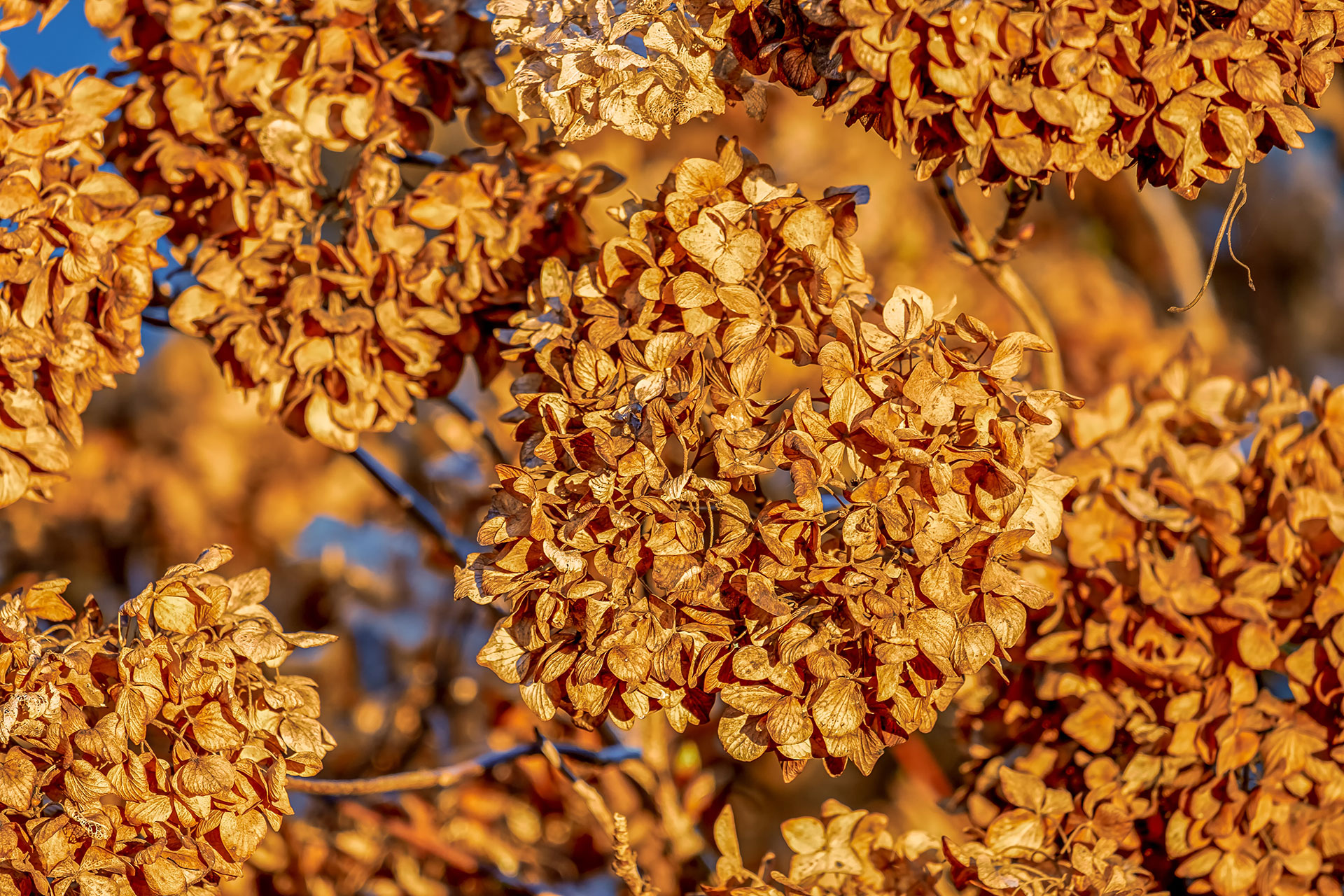
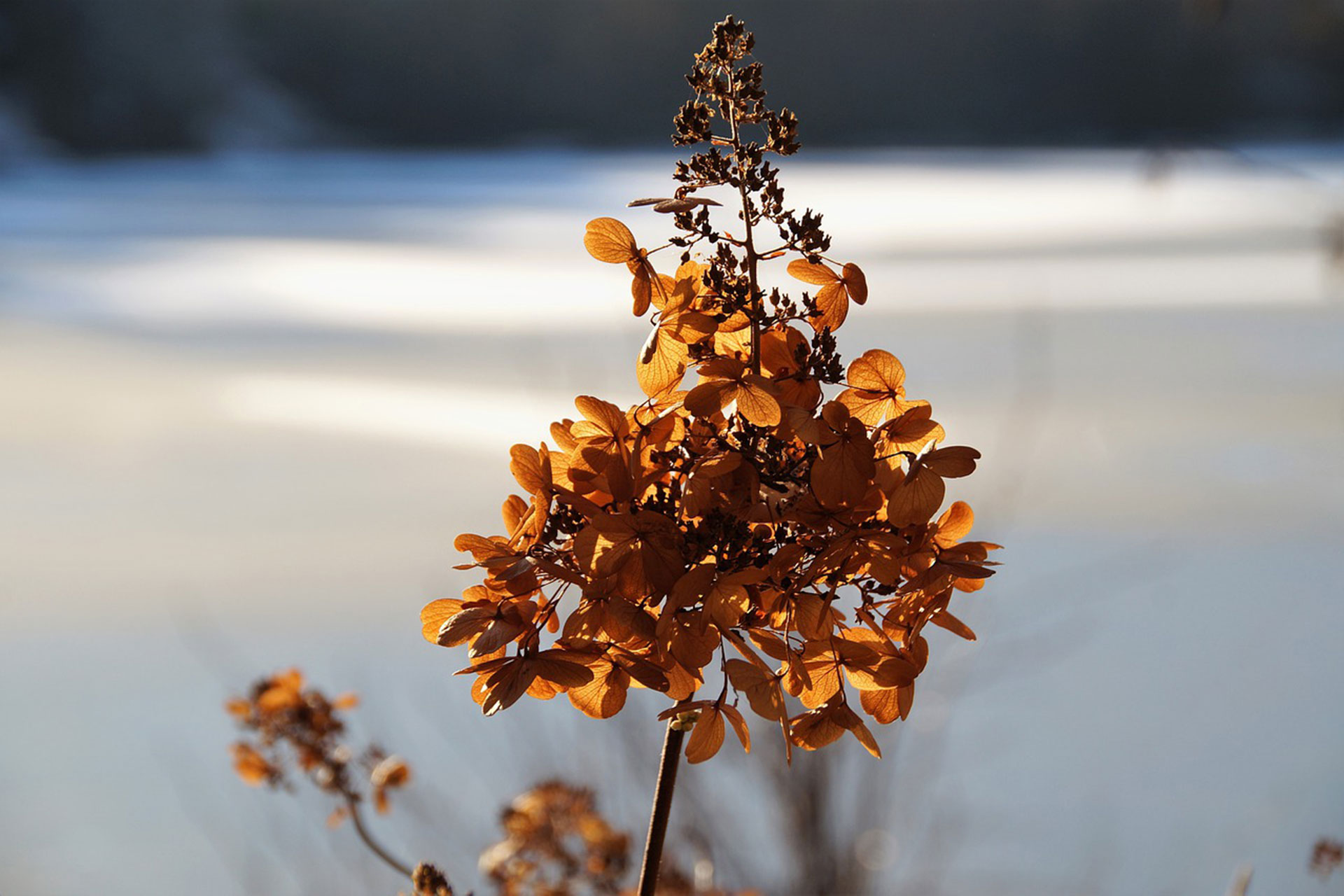
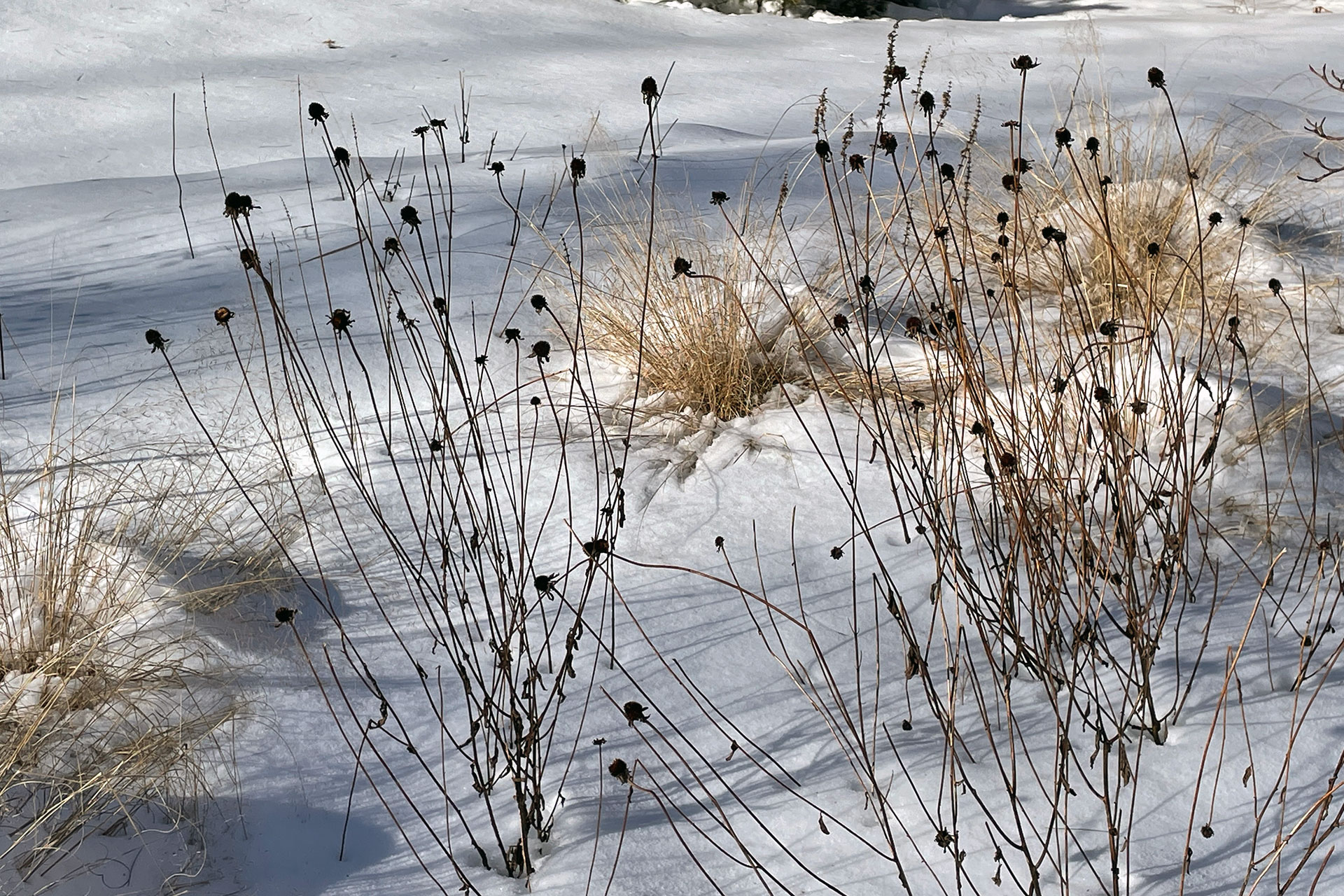
We recently visited a client’s garden where hydrangeas, coneflowers, bee balm, and rudbeckia had been left uncut for the season. Instead of a stark, empty garden, the landscape felt dressed for winter.
The garden path moved through dried hydrangea heads, rounded clusters of bee balm, and spiky coneflower seed heads. The effect was subtle, textured, and atmospheric. The plants no longer looked like their summer selves, but they still had presence.
What may look “finished” to us can still be full of value for wildlife. Seed-eating birds, including goldfinches and sparrows, often visit standing perennials and grasses for food and shelter through fall and winter. By delaying some cutbacks until spring, a garden can support habitat while also maintaining visual interest.


Our Top Picks for Winter Silhouettes
Some plants hold their structure especially well after the growing season ends. These are among our favorite plants for winter silhouette gardening:
- Sunflowers
- Bee balm
- Bergamot
- New England asters
- Coneflower
- Hydrangeas, both large and small
The best choices depend on the overall design of the garden. Some plants create strong vertical accents. Others form rounded seed heads or soft, cloud-like textures. When used together, they create a layered winter composition rather than a flat, cut-back bed.
Winter Grasses: Height, Movement, and Texture
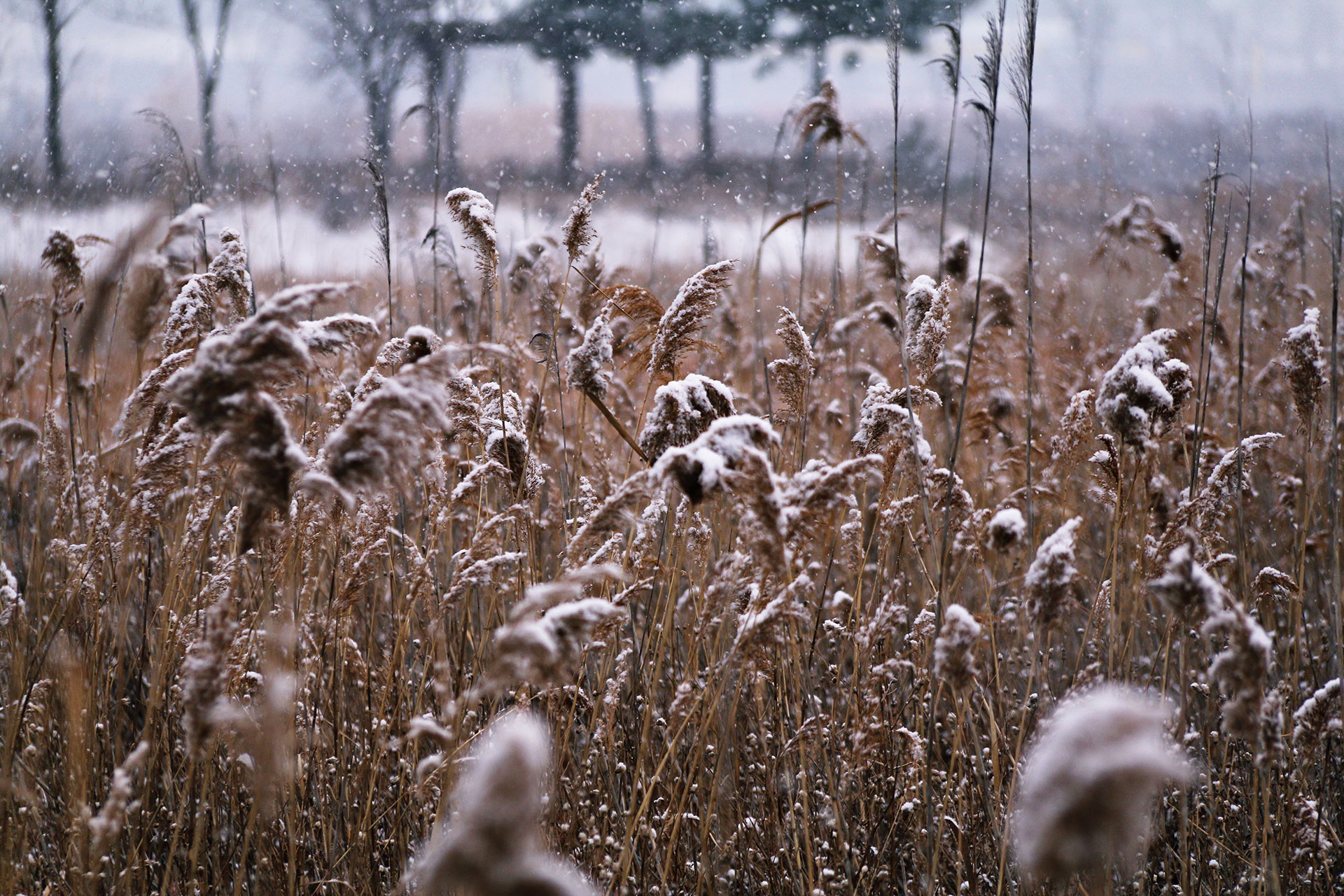
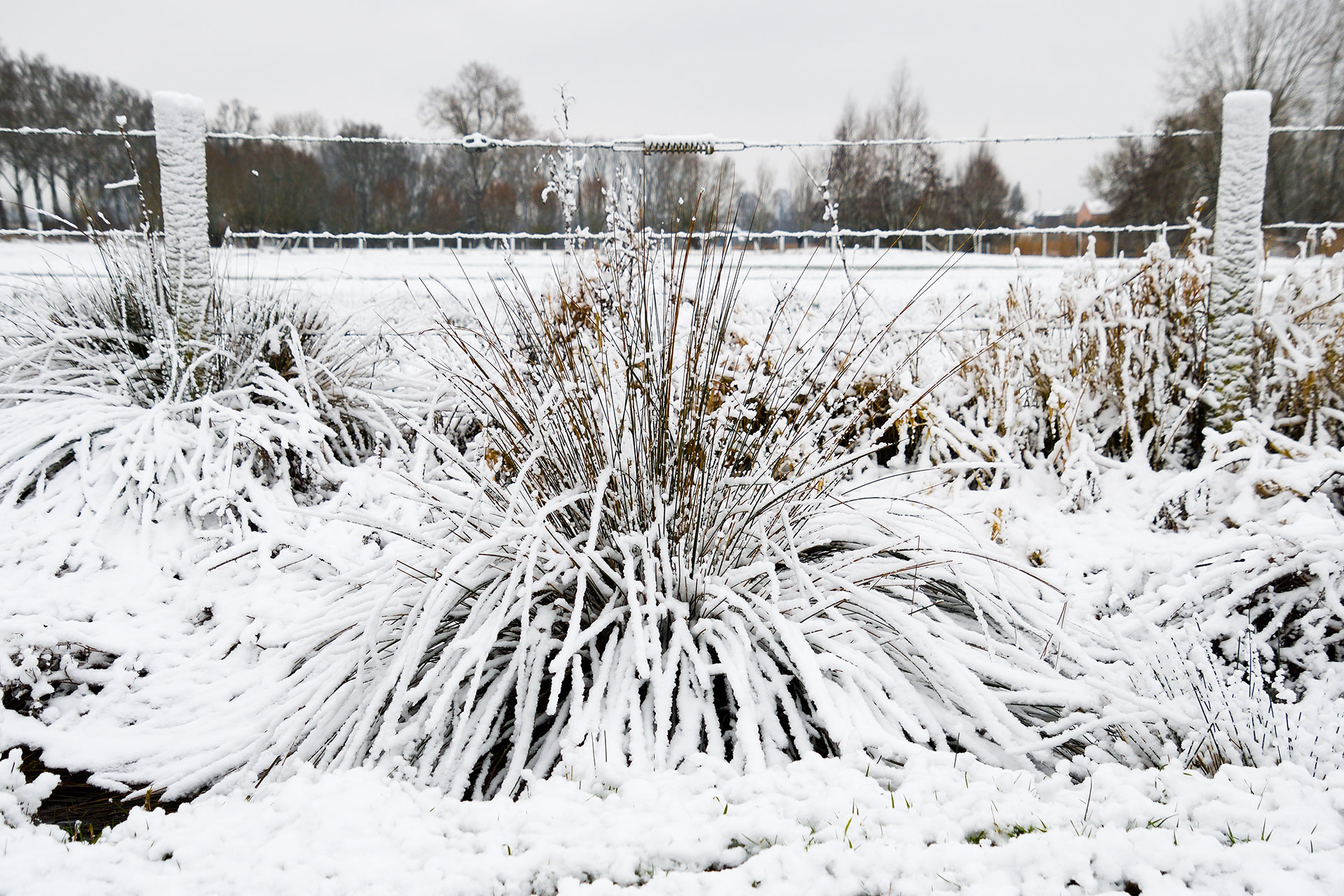
Ornamental grasses are especially valuable in winter landscapes. When left standing, they add height, softness, and movement at a time when many gardens feel low and still.
Their flax-colored seed tufts catch light, collect snow, and move gently in the wind. They also help protect the crown of the plant from extreme cold and can provide shelter for small birds, mammals, and overwintering insects.
In a designed landscape, winter grasses can do several things at once:
- Add vertical structure to dormant planting beds
- Soften stone walls, paths, patios, and terraces
- Create movement during windy winter days
- Catch snow and frost for seasonal texture
- Support wildlife habitat through the colder months


Favorite Grasses for Winter Interest
Some of our favorite grasses and grass-like plants for winter structure include:
- Karl Foerster feather reed grass
- Miscanthus grasses
- Feather reed grass
- Festuca
- Carex
Not every grass should be used everywhere. Some species are better suited to formal beds, while others fit more naturalistic planting areas. Mature size, winter durability, self-seeding behavior, and spring cleanup should all be considered before planting.
Designing a Garden for Winter Interest
A strong winter garden does not happen by accident. It begins with design decisions made much earlier in the year.
A garden designed for winter silhouette should include:
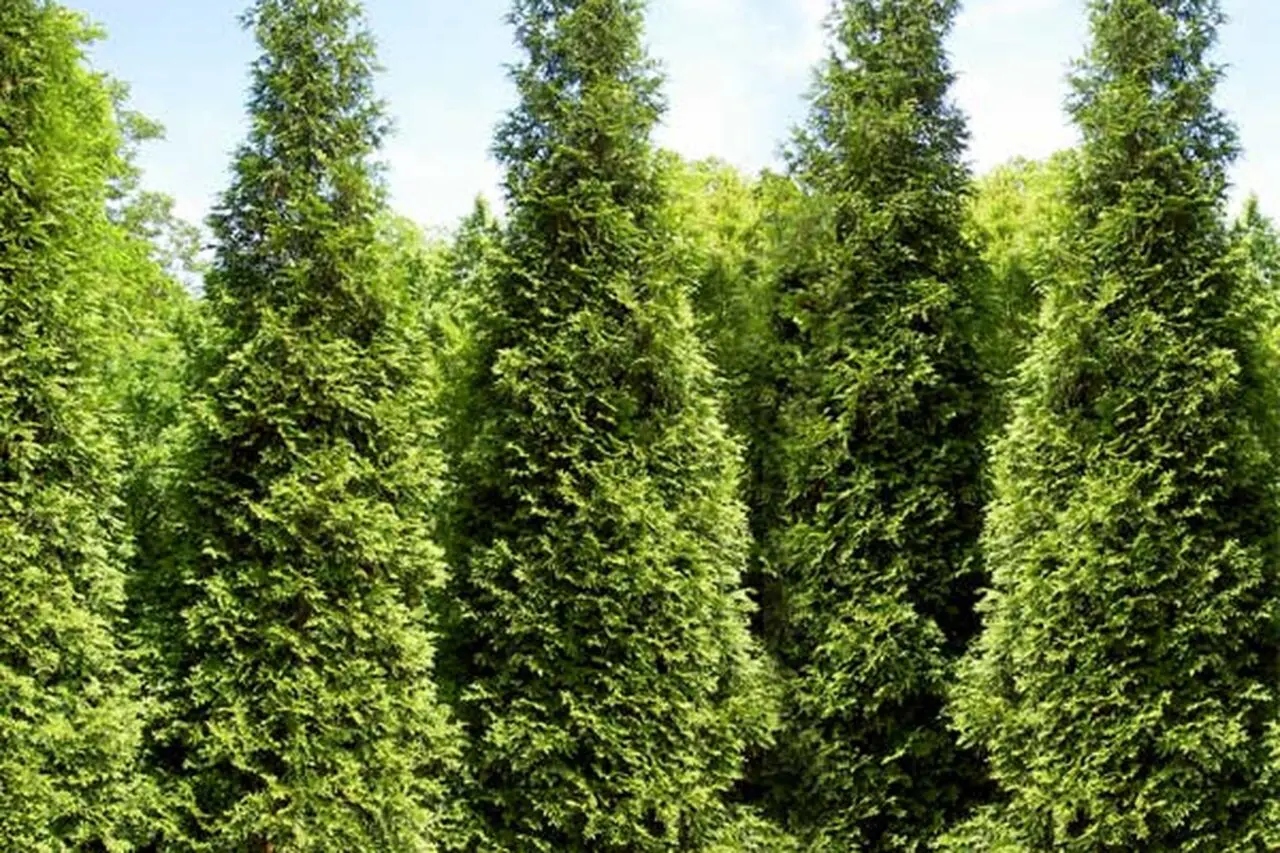
- Evergreens for year-round structure
- Perennials with strong seed heads
- Ornamental grasses that hold their form
- Shrubs with interesting bark, stems, or dried blooms
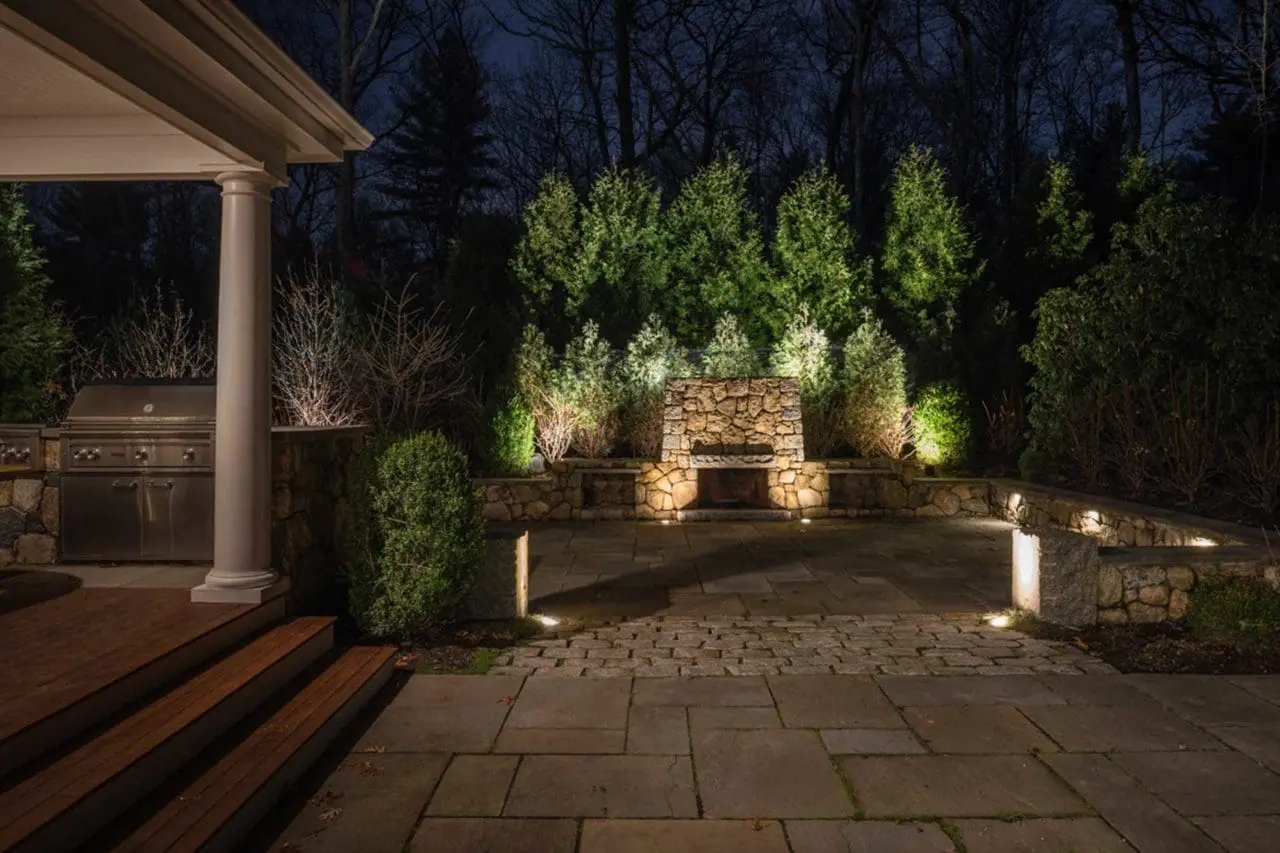
- Stonework, paths, and walls that remain visible in winter
- Views from inside the home, especially from kitchens, living rooms, and entries
The goal is not to leave every plant standing. Some plants collapse, mat down, or become visually messy. Others hold form beautifully. A thoughtful maintenance approach knows the difference and edits the garden accordingly.
Spring Is the Perfect Time to Plan a Winter Garden
Although winter silhouette gardening is most appreciated during the coldest months, spring is one of the best times to plan for it. That is when the garden can be evaluated, redesigned, and planted with four-season structure in mind.
At a Blade of Grass, we design and maintain gardens with year-round interest, balancing beauty, habitat, seasonal performance, and long-term care. Winter may seem far away during spring planting season, but the choices made then determine how the landscape will look when snow returns.
A well-designed garden should not disappear in winter. It should shift into a quieter form of beauty.
Bring Four-Season Structure to Your Landscape
Winter silhouette gardening is a reminder that a landscape does not need constant bloom to feel alive. With the right plants, structure, and maintenance strategy, a garden can remain beautiful, useful, and ecologically valuable throughout the year.
If you are interested in designing a landscape with stronger winter interest, layered planting, ornamental grasses, and thoughtful seasonal maintenance, contact the Blade team to start planning a garden that performs beautifully in every season.