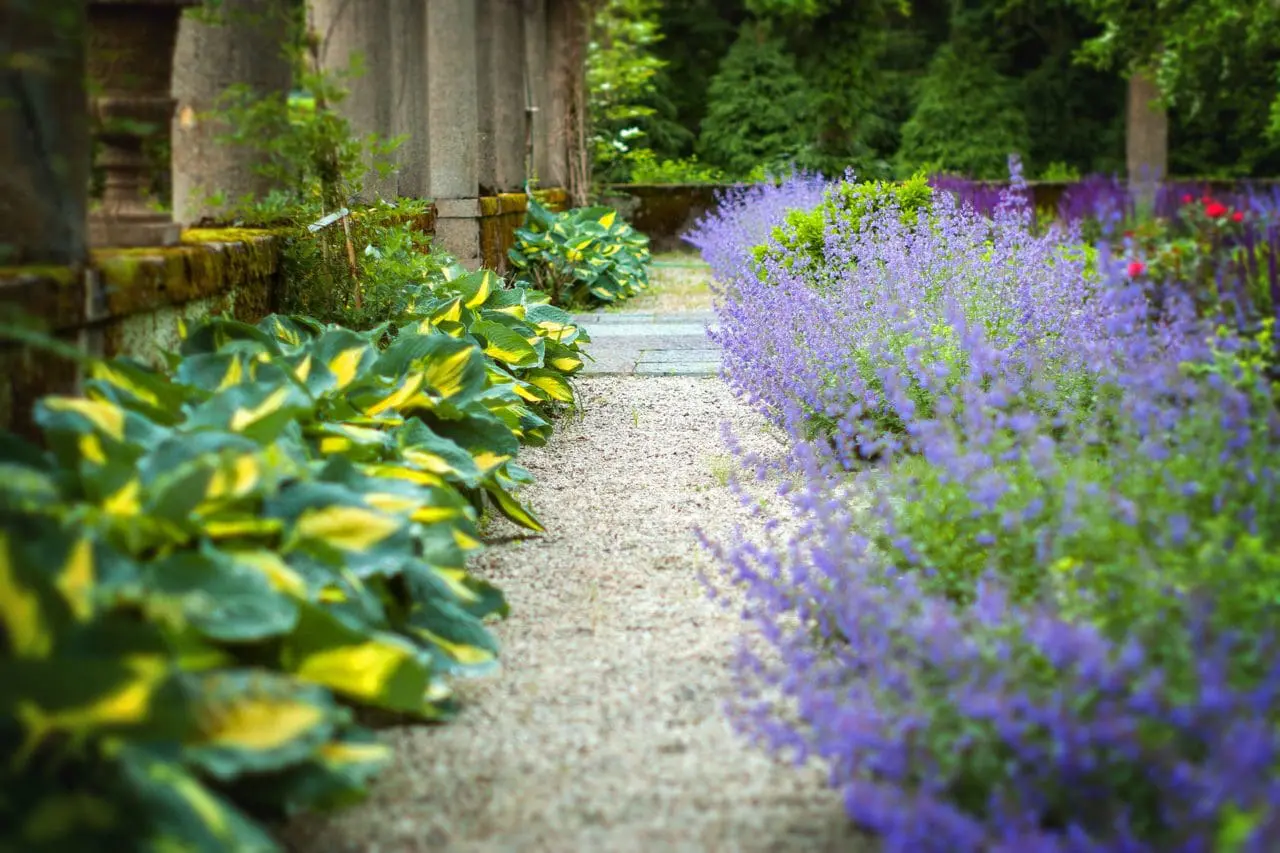
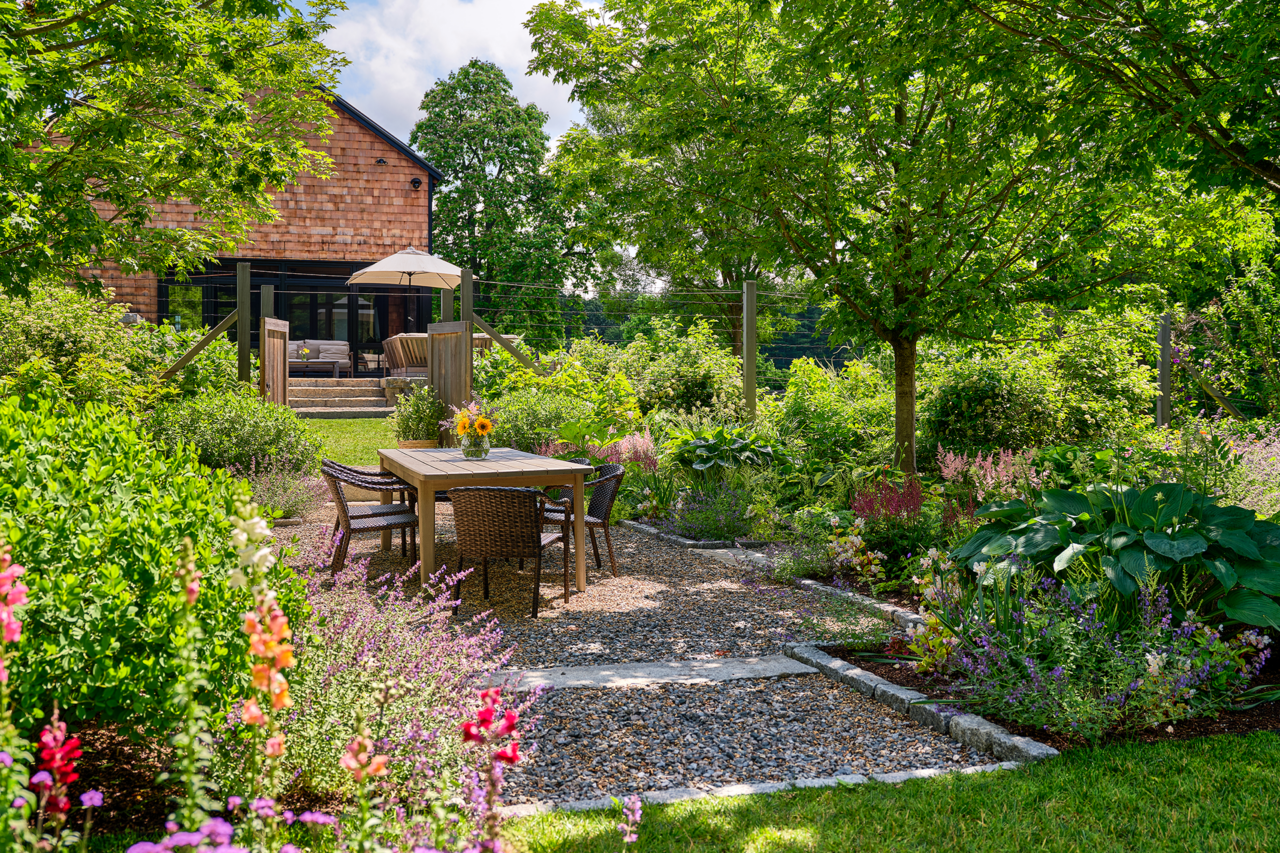
The Landscape Is Often the Last Thing Buyers Evaluate
Buying a home in the Greater Boston area is an exciting milestone. Yet after the closing documents are signed, many homeowners begin evaluating something that received little attention during the purchase process: the landscape. Attention typically focuses on the architecture, interior layout, and neighborhood. Yet after the closing documents are signed and the moving trucks depart, many homeowners begin noticing something else: the landscape.
Perhaps the property has mature trees but outdated plantings. Maybe the lawn drains poorly after rain. Outdoor living areas may feel underdeveloped or disconnected from the home. For many Greater Boston homeowners, purchasing a new property marks the beginning of a thoughtful landscape transformation.
Before making changes, the most valuable first step is understanding the landscape you’ve inherited.
Key Takeaways
- Purchasing a home often reveals landscape issues that were not obvious during the buying process.
- Evaluating existing trees, plantings, drainage, and site conditions is the first step toward meaningful improvements.
- Many Boston-area landscapes evolve through phased projects guided by a long-term design plan.
- Creating a wish list helps homeowners prioritize outdoor living, privacy, and garden spaces.
- A professional landscape consultation helps transform a newly purchased property into a cohesive, lasting landscape.
Understanding the Landscape You Inherited
Every property carries a landscape history. Previous owners may have planted shrubs decades earlier, installed patios, or modified drainage patterns over time. A careful evaluation helps reveal both opportunities and constraints.
Site Orientation and Sun Exposure
Sun patterns influence nearly every aspect of landscape design. Important observations include:
- south-facing outdoor spaces ideal for gardens
- shaded areas beneath mature trees
- seasonal shifts in sunlight
Understanding sun exposure helps determine where lawns, gardens, and outdoor seating areas will thrive.
Existing Trees and Structural Plantings
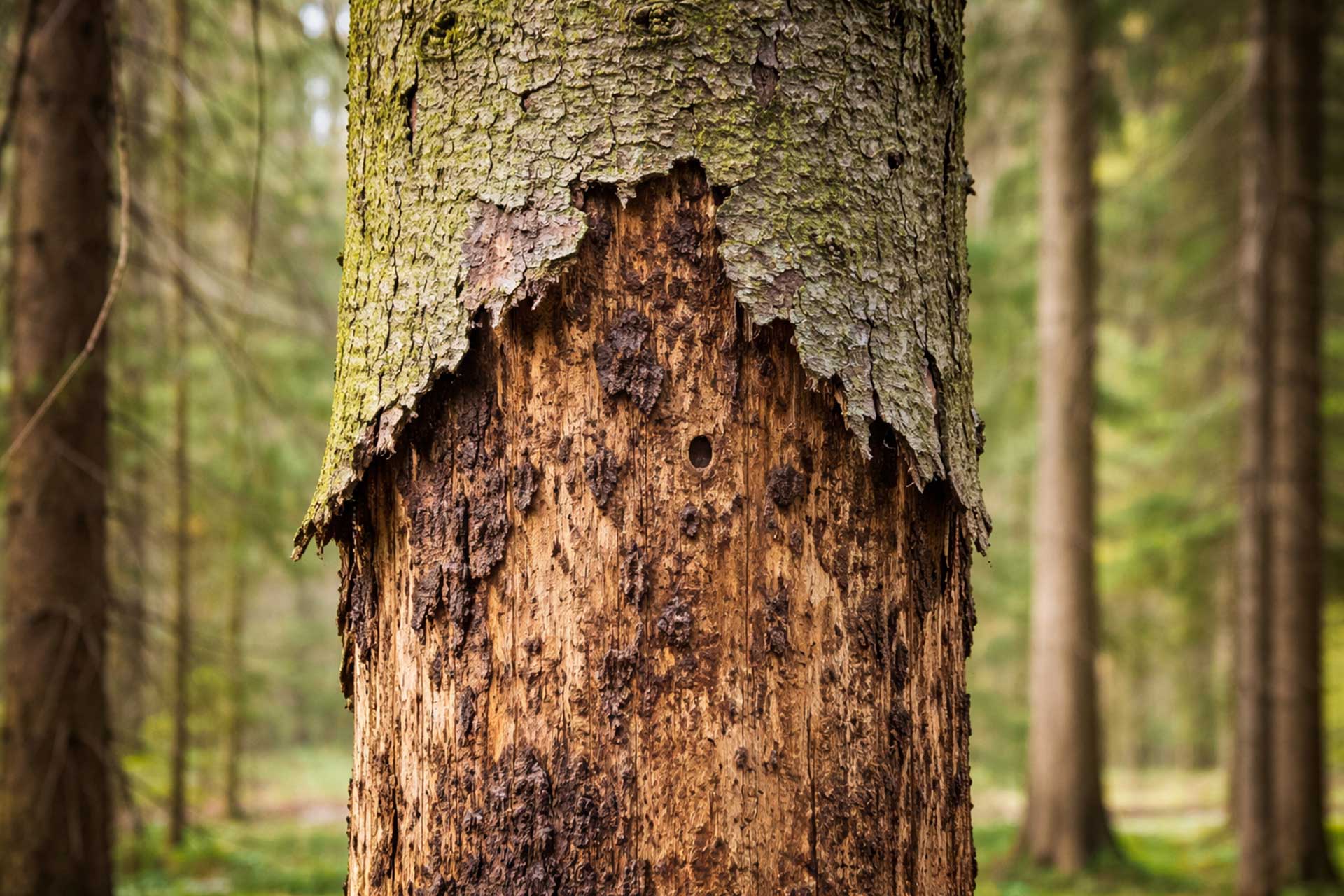
Mature trees often represent the most valuable landscape assets on a property. A professional evaluation should consider:
- tree health
- structural integrity
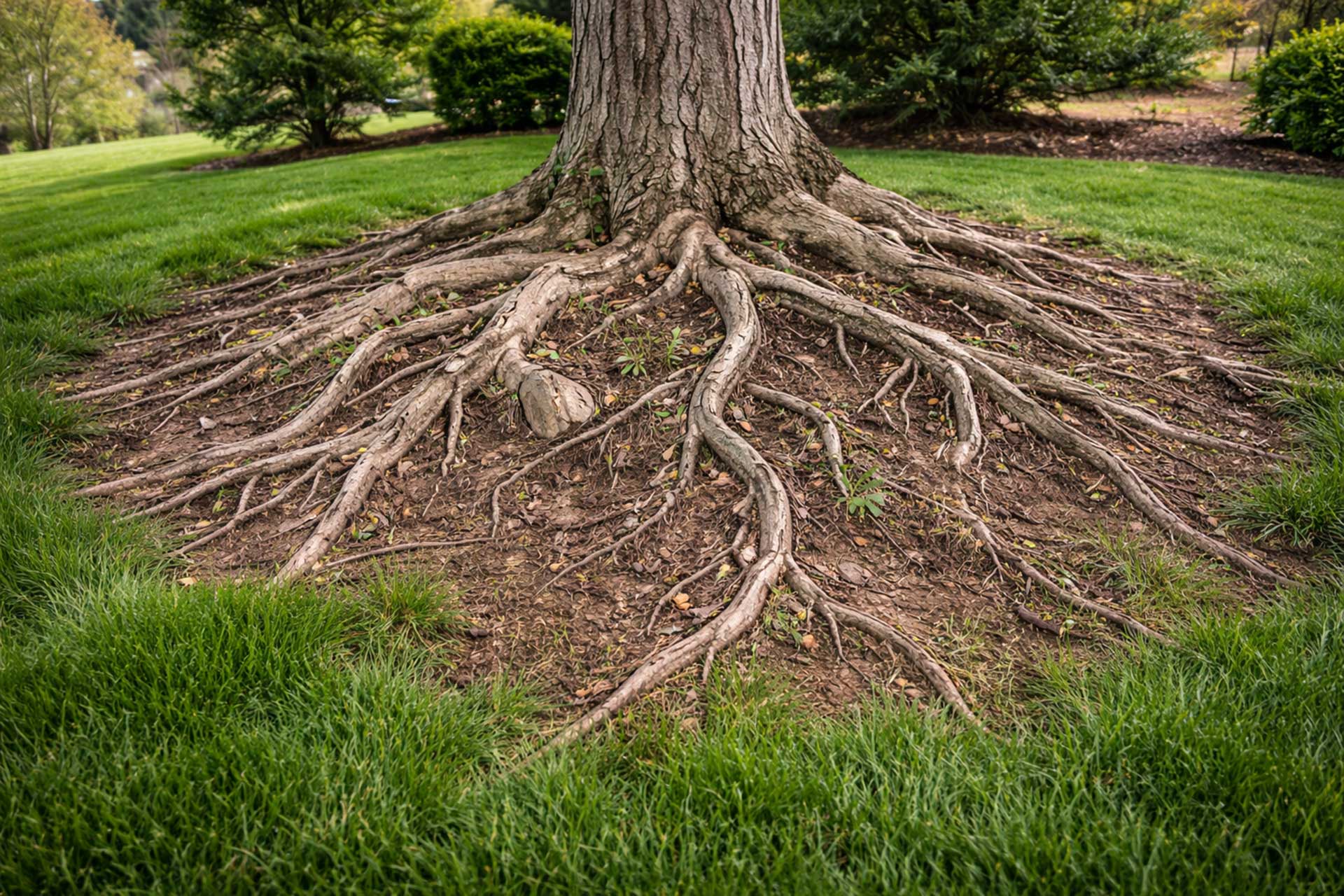
- root competition
- opportunities for canopy preservation
The US Forest Service research confirms that mature, well-maintained trees significantly boost residential property values, often by 10% to 15% or more, depending on location and, Arbor Day Foundation notes, species. These trees improve curb appeal, reduce energy costs by 20%–50%, and can make homes sell faster.
Drainage and Grading Conditions
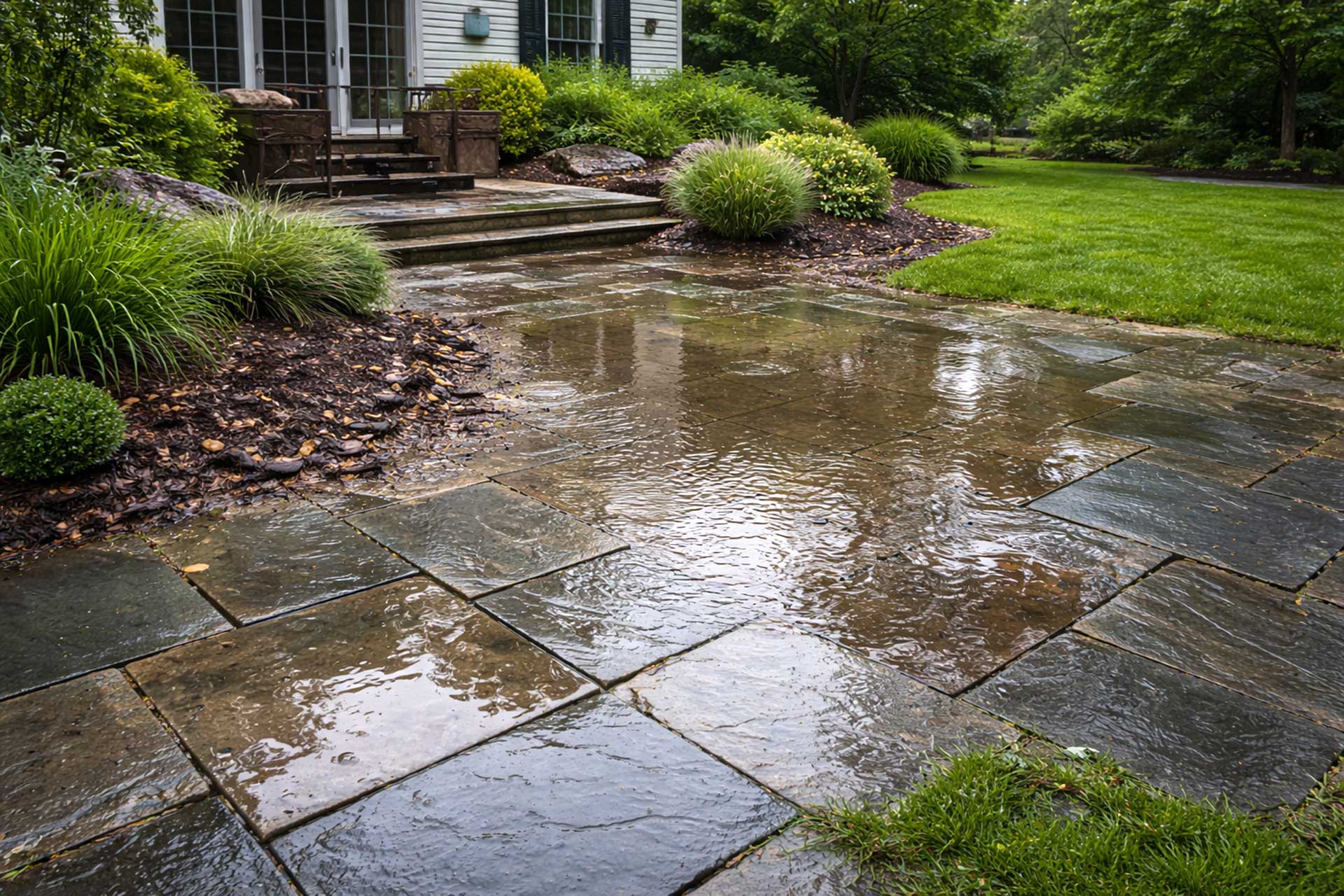
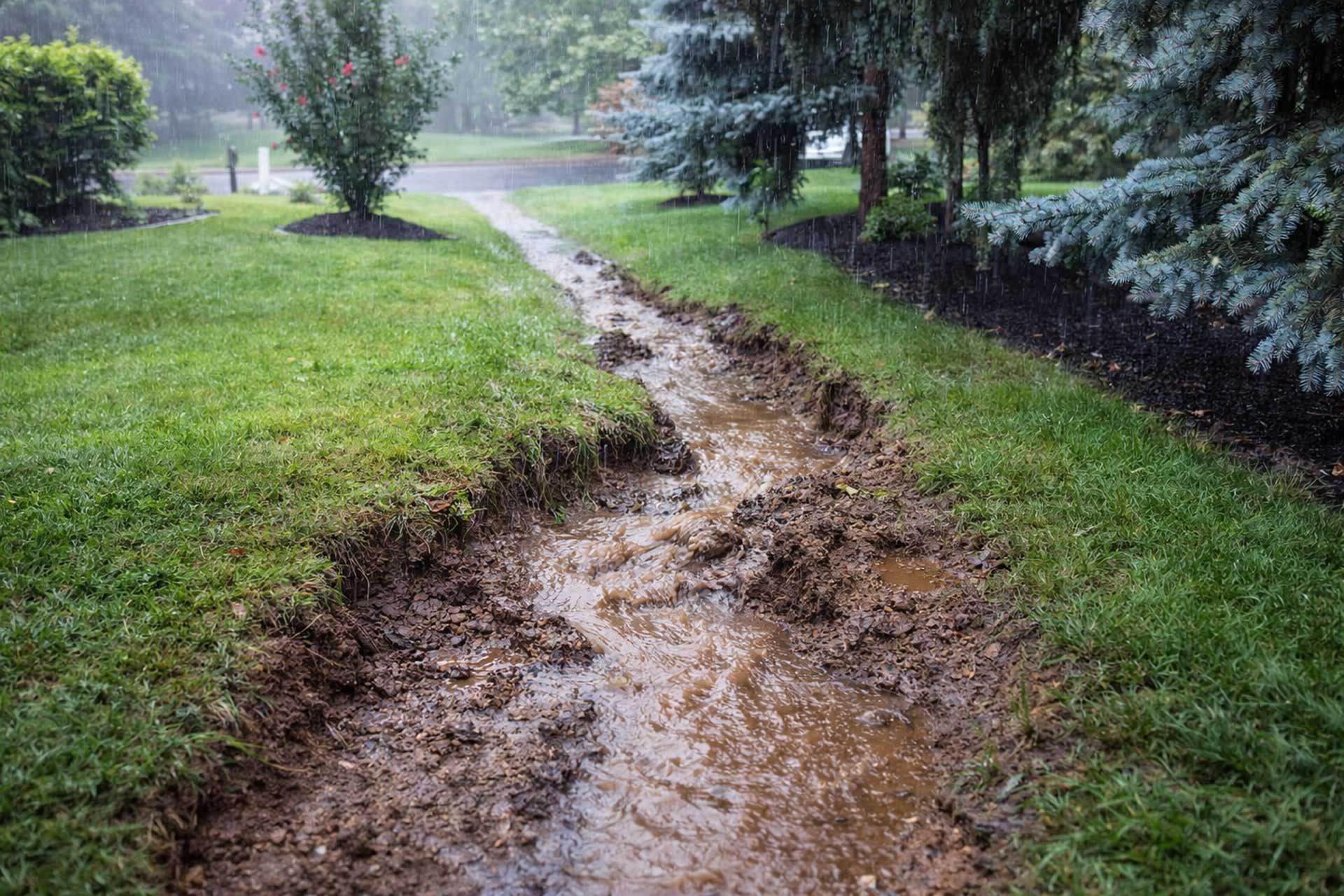
New homeowners frequently discover water issues during their first heavy rainstorm. Common problems include:
- water pooling near foundations
- lawn saturation
- erosion along slopes
- improper downspout discharge
Addressing drainage early prevents costly damage and improves long-term landscape performance, especially when solutions such as grading adjustments, dry wells, or landscape drainage systems are incorporated.
Soil Quality and Plant Health
Soil conditions influence everything from lawn vitality to garden success. In many New England properties, soils may be:
- compacted from construction
- acidic
- nutrient deficient
Testing soil early provides valuable insight for future planting decisions.
Landscape Conditions Unique to Boston-Area Properties
Many Greater Boston landscapes share environmental characteristics that influence how outdoor spaces perform. Common regional conditions include:
- Glacial soils that may be rocky, acidic, or compacted
- Heavy clay soils in towns such as Weston, Concord, and Lexington
- Freeze-thaw cycles that affect hardscape durability
- De-icing salt exposure along driveways and roadways
- New England storm patterns that challenge drainage systems
Understanding these regional factors helps ensure planting selections and construction details perform reliably over time.
“Good landscape design begins with careful observation of the site,” notes the American Society of Landscape Architects. “Understanding soil conditions, drainage, and sunlight patterns ensures outdoor spaces perform successfully for decades.”
Common Landscape Issues New Homeowners Discover
After living on a property for a few months, patterns begin to emerge.
Many homeowners notice issues such as:
1) Overgrown or Outdated Plantings
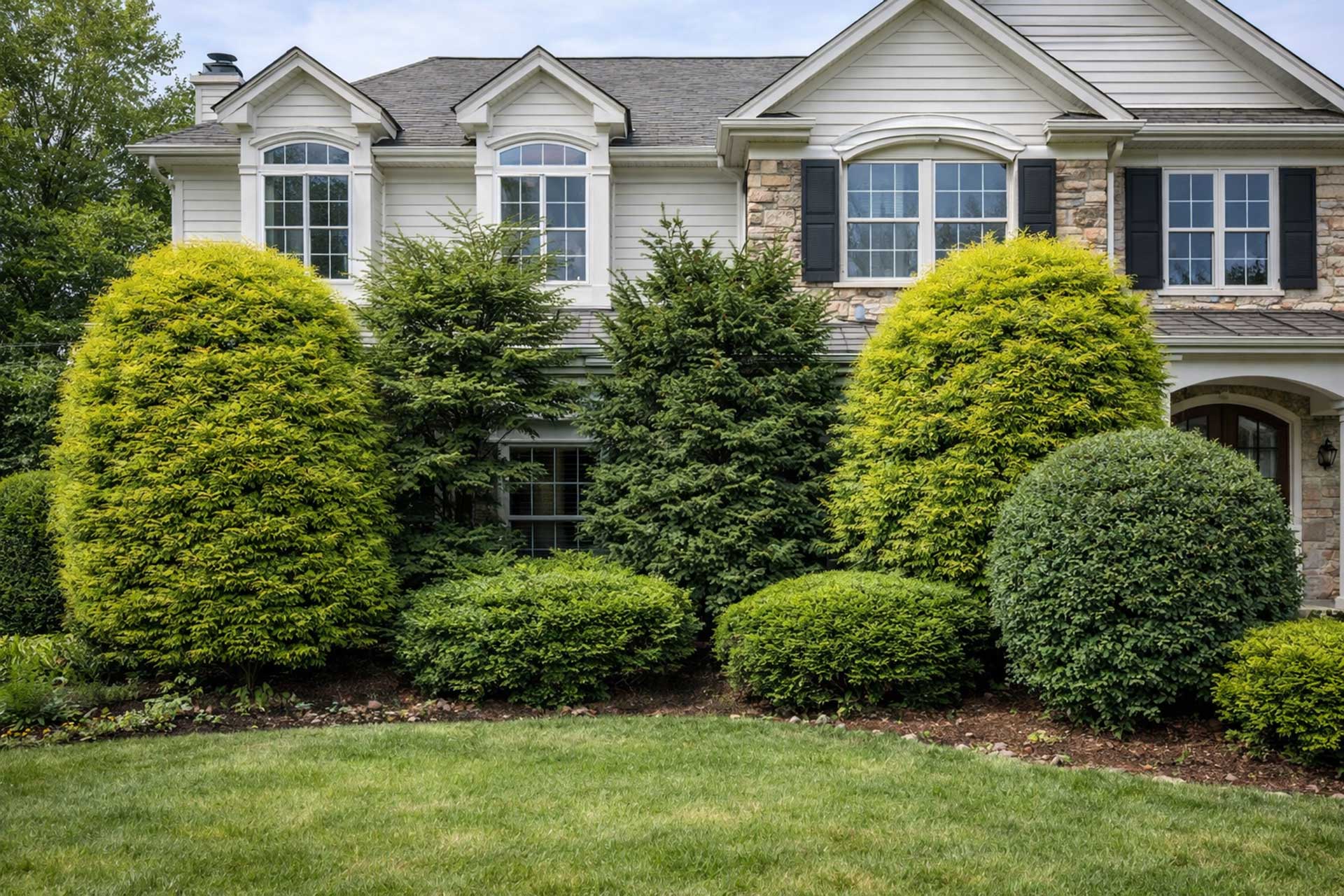
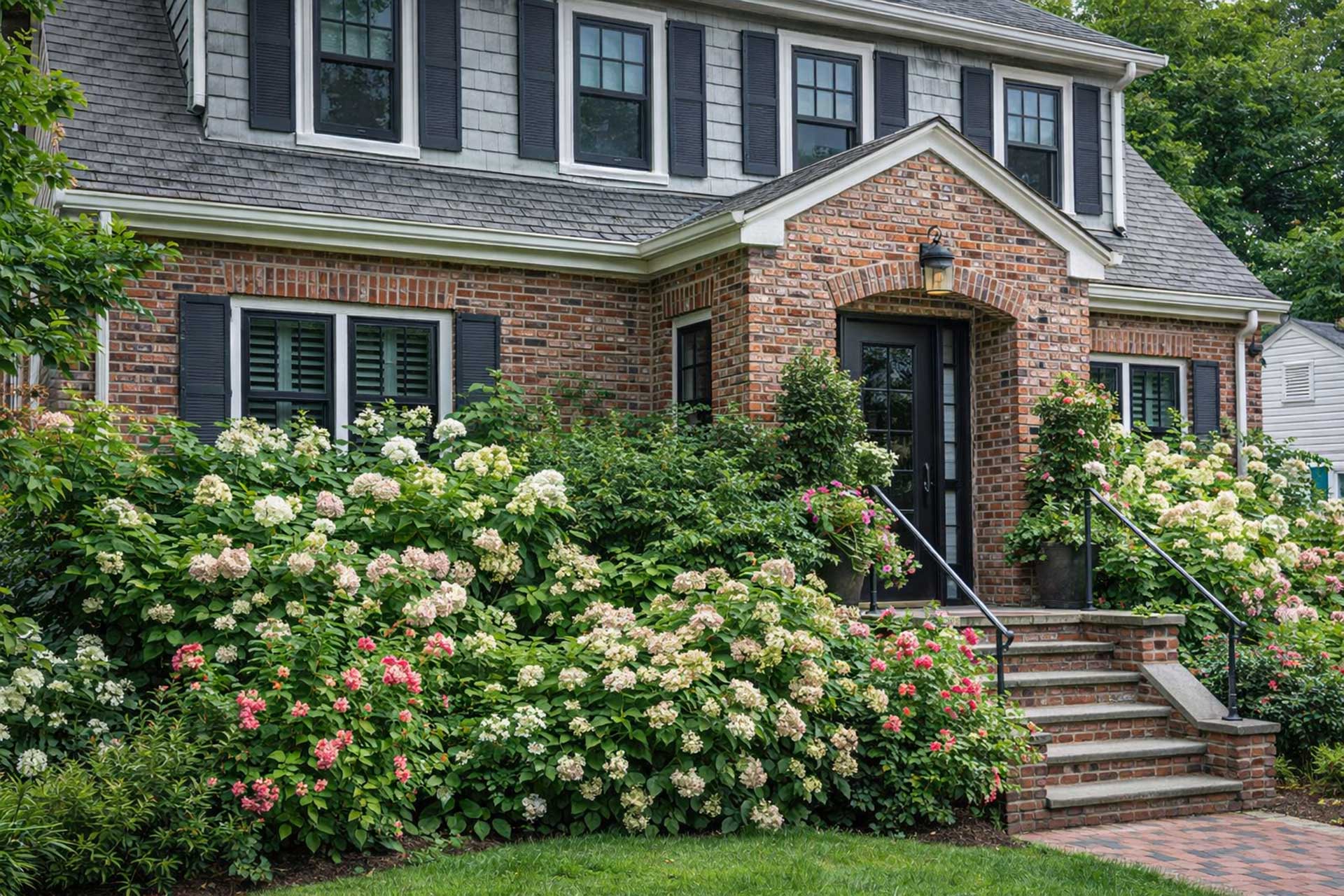
Shrubs planted many years ago are often chosen for their size at installation rather than their mature dimensions. Over time, these plants can gradually outgrow their intended spaces, leading to hedges that block windows, foundation plantings that crowd together, and evergreen screens that thin or decline as interior branches lose access to light and air. As plantings expand beyond their original scale, they can begin to obscure the architecture of the home and make the landscape feel dense or unbalanced. Thoughtful pruning, selective removal, and strategic replanting can help restore clarity and allow both the landscape and the home to be seen as intended.
2) Limited Outdoor Living Space
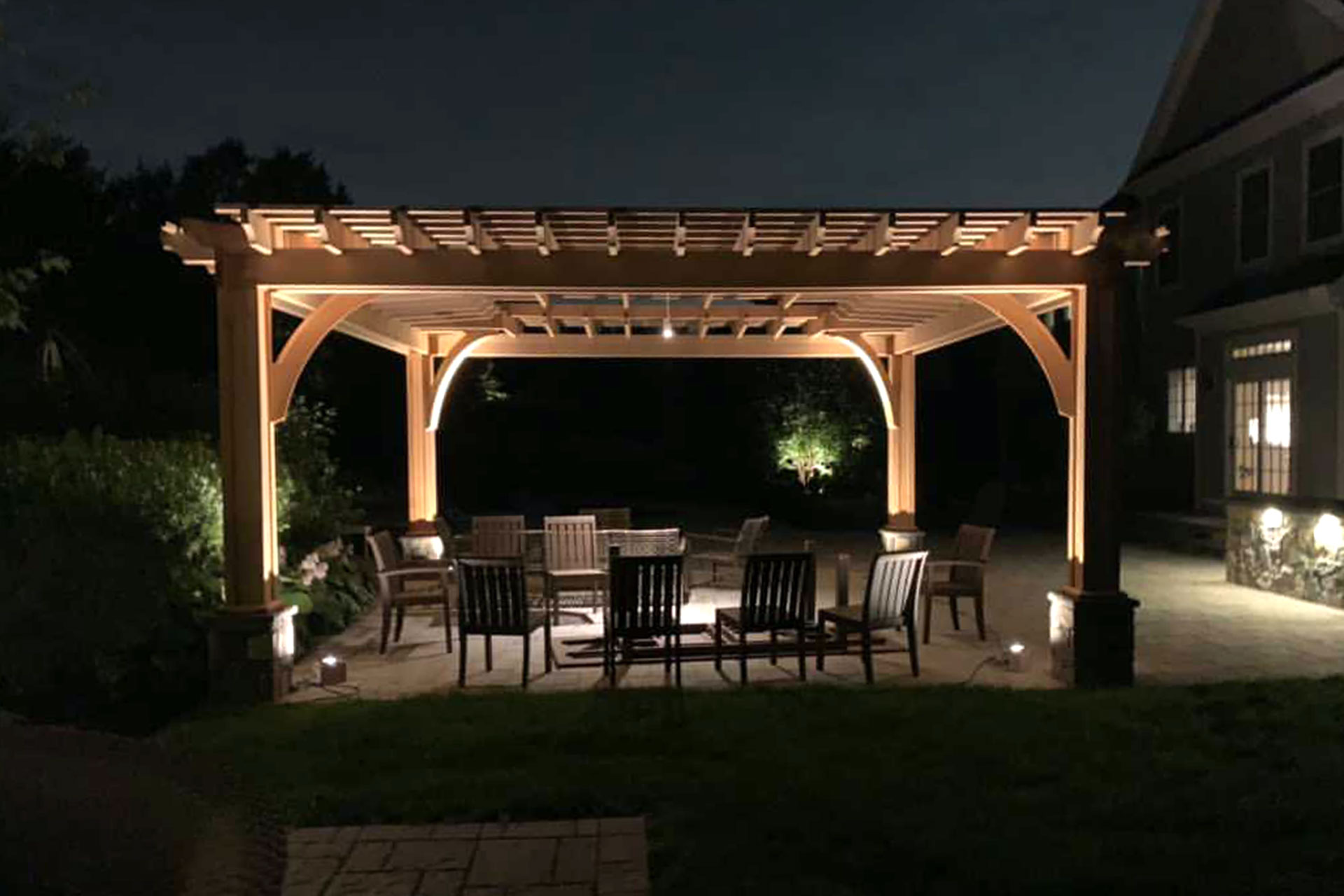
Many older landscapes were designed primarily for visual appeal rather than everyday use. As a result, homeowners often discover that their property lacks functional spaces for gathering, relaxing, or spending time outdoors. Modern landscapes typically incorporate features such as outdoor dining terraces, fire features, shaded seating areas, and garden paths that connect different parts of the yard and encourage regular use. Introducing these elements can transform a property from a purely decorative landscape into an outdoor environment that supports daily living and entertaining.
Related Blog: The Do’s and Don’ts of Pergola and Pavilion Design in Greater Boston
3) Lack of Privacy
In many suburban communities around Boston, homes are often positioned closer together than buyers initially realize, particularly in established neighborhoods where lot sizes may be generous but sight lines between houses remain open. As homeowners begin spending more time outdoors, they may notice that patios, lawns, or outdoor seating areas feel exposed to neighboring windows, nearby streets, or adjacent yards. Rather than relying on fences or rigid barriers, many landscapes achieve privacy through layered planting design. Carefully selected privacy trees can create height and year-round screening, while thoughtfully arranged screening plantings of shrubs and understory trees soften views and introduce a natural sense of enclosure. When designed well, these plantings provide comfortable separation without making the property feel closed in, allowing outdoor spaces to remain open, welcoming, and visually connected to the surrounding landscape.
4) Lighting and Seasonal Use
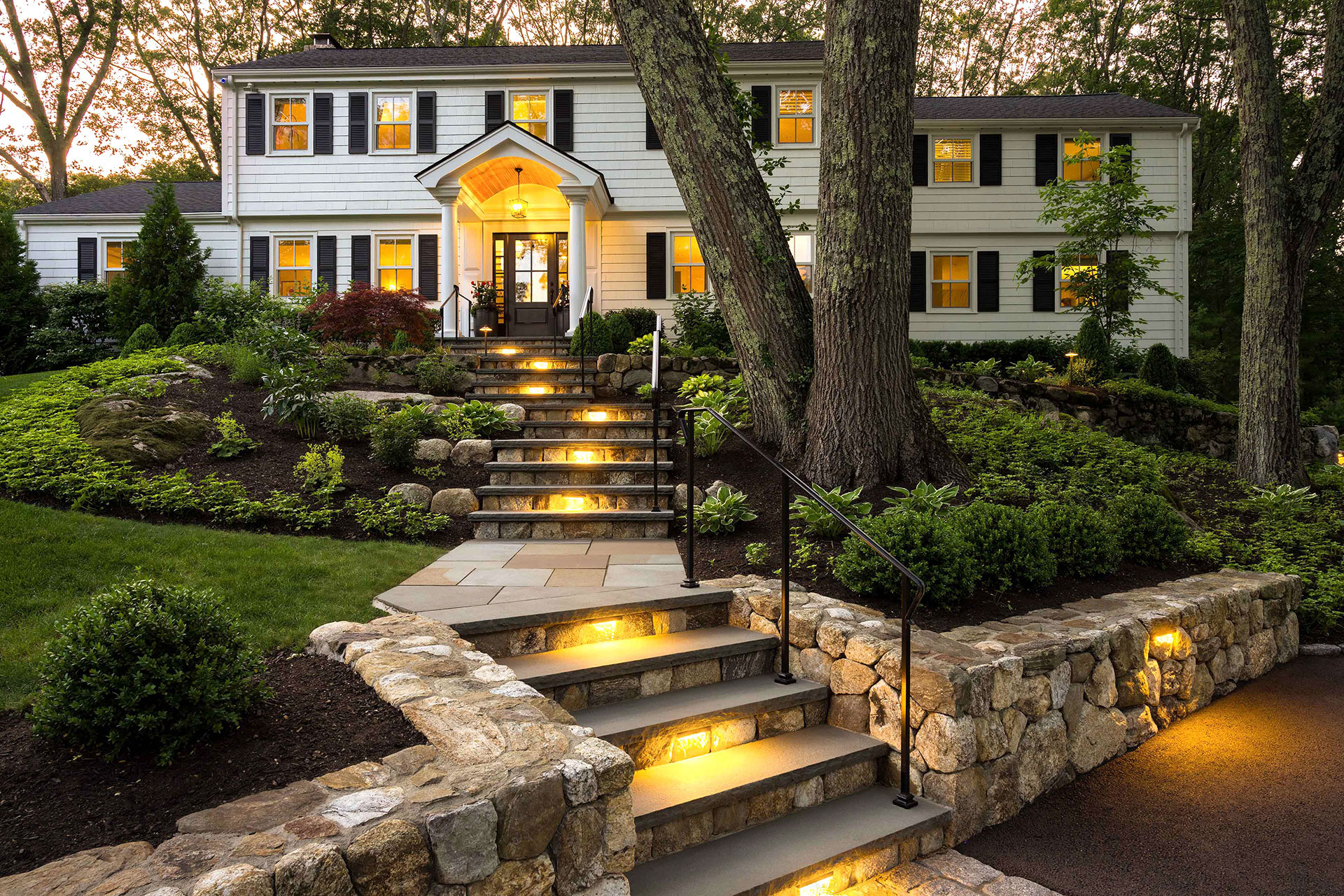
Landscape lighting can dramatically extend how outdoor spaces are experienced, particularly in New England where daylight hours shorten significantly during fall and winter. Without thoughtful lighting, patios, garden paths, and seating areas often become unusable soon after sunset, limiting how frequently homeowners enjoy their landscape. A professionally designed lighting plan improves safety by illuminating walkways, steps, and transitions between outdoor spaces, while also enhancing nighttime beauty by highlighting trees, architectural elements, and layered plantings. When carefully placed and balanced, lighting adds depth and atmosphere to the landscape rather than simply brightening it. Just as importantly, well-designed lighting supports year-round usability, allowing homeowners to comfortably use terraces, fire features, and garden areas long after daylight fades.
A Common Scenario We See on Boston Properties
A recently purchased home in Weston may have beautiful mature trees but foundation plantings installed decades earlier. Over time these shrubs grow too large, crowd windows, and block sight lines from interior rooms.
By selectively preserving mature trees while redesigning the surrounding planting beds, homeowners can maintain the landscape’s established character while creating a more open and welcoming environment.
Creating a Landscape Wish List
Once homeowners understand the existing landscape, the next step is imagining what the property could become. A wish list helps clarify priorities before design begins. Many Boston-area homeowners prioritize:
- outdoor dining terraces
- fire features or fireplaces
- privacy screening with evergreen plantings
- expanded gardens
- landscape lighting
- professionally designed irrigation systems for consistent plant health
These features can transform a property into a fully realized outdoor living environment.
Common Landscape Mistakes New Homeowners Make
Enthusiasm for improving a new property can sometimes lead to decisions made too quickly. Some of the most common mistakes include:
- removing mature trees before evaluating their value
- installing plantings without addressing drainage issues
- designing outdoor spaces without considering long-term maintenance
- adding features before developing a comprehensive landscape plan
A thoughtful evaluation helps homeowners avoid costly revisions later.
Why Most Landscape Transformations Happen in Phases
Large landscape improvements rarely occur all at once. Instead, many homeowners develop a long-term master plan that guides improvements over several seasons. This phased approach allows homeowners to:
- prioritize the most important improvements
- spread investment over time
- observe how the landscape evolves
Phasing also allows designers to refine ideas as homeowners experience their property through different seasons.
Ongoing care also plays an important role, which is why many homeowners develop a seasonal maintenance plan to support plant health and landscape performance.
When It Makes Sense to Work With a Landscape Designer
While smaller projects can sometimes be addressed individually, many homeowners benefit from a comprehensive landscape plan. Professional landscape design helps ensure:
- architectural harmony with the home
- thoughtful plant selection
- functional outdoor living spaces
- long-term property stewardship
According to the American Society of Landscape Architects (ASLA), well-designed landscapes are a strategic investment that significantly increase property value, environmental performance, and homeowner satisfaction. Research indicates that professional landscaping can raise a home’s value by 15% to 20% or more, with some studies suggesting that investing roughly 10% of a home’s value in landscaping can yield a high return on investment.
Related Blog: How to Hire a Professional Landscape Designer in Boston: A Homeowner’s Guide
A Thoughtful First Step for New Homeowners
Every property contains hidden potential. The key is approaching the landscape with curiosity and patience rather than rushing into immediate changes. Taking time to understand site conditions, plant health, and long-term possibilities allows homeowners to make confident decisions. For many Greater Boston homeowners, that process begins with a professional landscape consultation.
Frequently Asked Questions
Q: How soon after buying a home should I evaluate the landscape?
A:Ideally within the first few months of ownership. Experiencing the property through different weather conditions, especially rainfall and seasonal sun patterns, often reveals drainage issues, plant health concerns, or opportunities to improve outdoor living areas that were not obvious during the home buying process.
Q: Should I replace the existing landscaping right away?
A:In most cases, it is better to observe the landscape for at least one season before making major changes. Mature trees and established plantings often provide valuable structure and character, and a thoughtful evaluation helps determine what should be preserved, improved, or redesigned as part of a long-term landscape plan.
Q: How much should homeowners budget for landscape improvements?
A:Investment levels vary depending on property size, existing conditions, and desired features. Many homeowners approach landscape improvements in phases, prioritizing elements such as drainage, outdoor living spaces, privacy plantings, and irrigation systems over time rather than completing everything at once.
Q: When is the best time to start a landscape project in Boston?
A: Landscape planning can begin at any time of year. Many homeowners start the design process during winter or early spring so that construction and planting can occur during the growing season. Early fall is also an excellent time for installing trees, shrubs, and many landscape improvements in New England.
The Landscape Is Part of the Home’s Story
A newly purchased home often represents the start of a new chapter. The landscape plays an important role in shaping how that chapter unfolds. With careful planning and thoughtful design, outdoor spaces can become places for gathering, relaxation, and connection with nature.
For homeowners across Greater Boston, MetroWest, and surrounding communities, evaluating a newly purchased landscape often reveals exciting possibilities. Our team at a Blade of Grass helps homeowners understand their property, develop thoughtful landscape plans, and implement improvements that mature beautifully over time.
Contact us to schedule a landscape consultation. We’ll walk your property with you, evaluate existing conditions, and discuss thoughtful ways to shape a landscape plan that evolves beautifully over time.