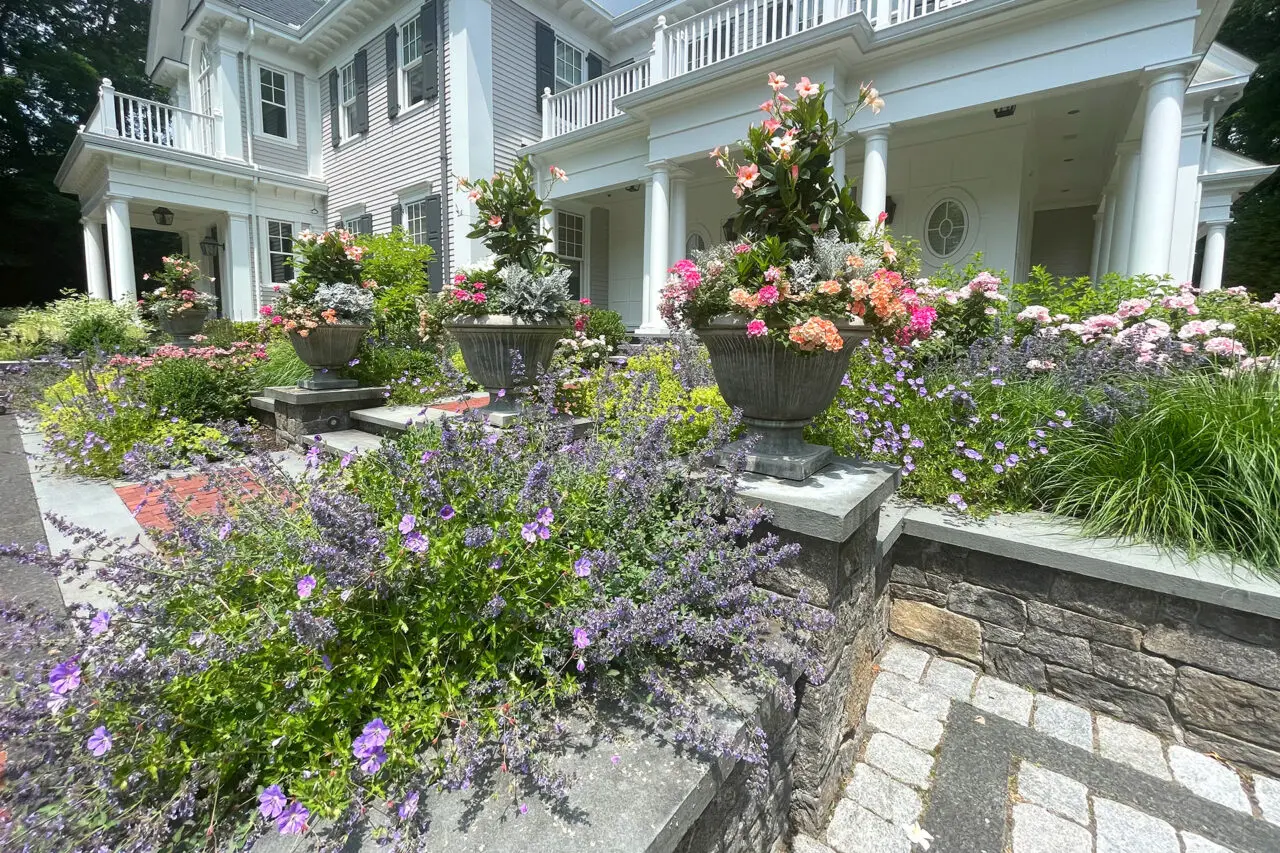
For homeowners in the Greater Boston area seeking the best landscaping results, the usual “mow, trim, water” guidance is not enough. With four distinct seasons, variable precipitation, rapid temperature swings, and diverse microclimates across the region, a refined approach is required. From sophisticated lawn care and smart irrigation to hardscape integration and plant selection tailored to New England, the right strategies can elevate an outdoor space into a truly high-performing landscape.
In this article, we explore 10 expert landscaping tips designed specifically for Boston-area properties. These are not basic pointers. They reflect professional-grade practices in site assessment, species selection, irrigation calibration, soil health, landscape construction, and long-term property care.
Key Takeaways
- Start with a site and soil audit to guide plant selection, irrigation, drainage, and maintenance.
- Choose region-appropriate turf, trees, shrubs, and perennials suited to Boston’s climate.
- Maintain lawns with precision, including proper mowing height, aeration, overseeding, and seasonal fertilization.
- Use irrigation as a calibrated system, not a fixed schedule.
- Unify hardscape, planting, lighting, drainage, and maintenance for a more refined and resilient property.
Why Boston’s Climate Demands a Tailored Landscaping Approach
Greater Boston sits across USDA hardiness zones that require plants, turf, and hardscape features to tolerate cold winters, wet springs, humid summers, drought stress, and autumn transitions. A plant that performs beautifully in one part of the property may struggle only a short distance away if the sun, soil, wind, or drainage conditions are different.
Boston-area properties also come with a wide range of site conditions:
- north-facing shade versus south-facing heat exposure
- urban heat islands in Boston, Cambridge, and Brookline
- inland frost pockets in towns such as Weston, Dover, and Carlisle
- coastal exposure in Cape Cod and shoreline communities
- clay-heavy, compacted, sandy, rocky, or disturbed soils
- freeze-thaw cycles that affect soil, hardscape, and plant roots
To create a landscape that does more than survive, your design and maintenance approach needs to match the property’s actual conditions. That begins with observation, planning, and a clear understanding of how the landscape should perform over time.
1. Conduct a Comprehensive Site and Soil Audit
Why it matters
Every successful landscape begins with understanding the site. Soil type, compaction, drainage, tree cover, sun exposure, slope, and circulation all influence what should be planted, where hardscape should go, and how the property should be maintained.
Expert steps to follow
- Test the soil. Use a certified lab to check pH, nutrients, organic matter, and soil texture. For Massachusetts homeowners, UMass Amherst’s Soil and Plant Nutrient Testing Laboratory is a helpful resource.
- Map microclimates. Identify full sun, part shade, deep shade, wet areas, dry slopes, wind-exposed edges, and areas affected by reflected heat.
- Evaluate drainage. Look for standing water, washout, soggy turf, mulch migration, or areas where hardscape stays wet or icy.
- Plan by zone. Treat the full-sun lawn, shaded garden bed, high-traffic path, and foundation planting as different environments.
- Build the maintenance plan around the site. Mowing, irrigation, pruning, fertilization, and plant care should be adjusted to each zone.
A site and soil audit makes every later decision more precise. It helps prevent overwatering, plant decline, drainage issues, and unnecessary replacement.
Related Blog: Soil Testing Before Planting: Why It Matters in Boston-Area Landscape Design
2. Choose the Right Plant and Turf Palette for the Region
Why it matters
A successful landscape is not built from attractive plants alone. It is built from plants that suit the property’s soil, light, exposure, moisture, deer pressure, maintenance goals, and long-term design intent.
Advanced considerations
- For lawn areas, use cool-season grasses suited to New England conditions, such as blends of Kentucky bluegrass, fine fescue, and perennial ryegrass.
- For planting beds, favor native and regionally adapted plants that can thrive with fewer inputs once established.
- Match plants to actual site conditions, including shade, dry slopes, wet soils, salt exposure, and reflected heat from masonry.
- Use layered planting with trees, shrubs, perennials, ornamental grasses, and groundcovers to create depth and seasonal interest.
- Choose plants for mature size, not nursery size, so beds do not become overcrowded within a few seasons.
A well-matched plant palette reduces maintenance, lowers irrigation demand, improves resilience, and gives the landscape a more refined, established character.
Related Blog: What Is Layered Planting? A Guide to Depth, Structure, and Four-Season Interest
3. Maintain Lawn Areas With Professional Precision
Why it matters
Even when lawn is only one part of the landscape, high-end residential properties often rely on turf as a visual anchor. A healthy lawn frames planting beds, defines open space, and creates contrast with stone, shrubs, and garden edges.
Expert mowing strategy
- Maintain sharp mower blades so grass is cut cleanly rather than torn.
- Follow the one-third rule by removing no more than one-third of the blade height at any mowing.
- Maintain cool-season turf at roughly 3 to 3.5 inches during active growth, and raise mowing height during summer heat to shade the soil and reduce stress.
- Vary mowing direction to reduce compaction patterns and visual striping in the same areas.
- Keep turf-to-bed and turf-to-hardscape transitions crisp for a more polished appearance.
Premium lawn care is not only about green color. It is about density, root health, clean edges, and the way turf supports the full landscape composition.
4. Use Core Aeration, Overseeding, and Soil Renewal
Why it matters
Soil compaction, thatch buildup, heavy foot traffic, and shallow roots all weaken turf over time. In New England, lawn health often depends on proactive renewal before decline becomes obvious.
Best-practice protocol
- Core aerate lawn areas every 12 to 24 months where compaction is an issue.
- Overseed immediately after aeration, especially in late summer or early fall when cool-season turf establishment is strongest.
- Topdress lightly with compost or a suitable soil mix to improve seed-to-soil contact and organic matter.
- Maintain consistent moisture during establishment without overwatering.
- Limit traffic until new turf has rooted and filled in.
The same thinking applies to planting beds. Soil should be refreshed, compacted areas should be addressed, and root zones should be monitored so the landscape improves rather than slowly declines.
5. Use Deep, Infrequent Irrigation and Smart Zone Design
Why it matters
Irrigation plays a central role in landscape performance, especially during dry summer stretches and establishment periods. The best irrigation systems are calibrated to the site rather than run on a generic schedule.
Advanced irrigation tactics
- Design irrigation zones around microclimates, including full-sun lawn, shaded beds, tree understory, containers, slopes, and hardscape edges.
- Use deep, infrequent watering to encourage stronger root systems rather than shallow, frequent watering that keeps roots near the surface.
- Install weather-based or soil-moisture sensor controls where appropriate.
- Inspect systems annually for leaks, misaligned heads, broken nozzles, poor coverage, and runoff.
- Water in the early morning to reduce evaporation and disease pressure.
- Use drip or targeted irrigation in planting beds where spray heads would waste water or wet foliage unnecessarily.
The EPA WaterSense program notes that outdoor water use accounts for a significant share of household water consumption, and inefficient irrigation can waste a large portion of that water. A calibrated irrigation system protects both the landscape and the resource.
Related Service: Landscape Irrigation Services
6. Plan Fertilization Around Soil, Season, and Plant Type
Why it matters
Nutrient management should be tailored to the landscape. Turf, shrubs, perennials, trees, and containers do not all need the same approach. Generic fertilization can waste resources, encourage weak growth, or create more maintenance.
Expert nutrient planning
- Base amendments on soil test results rather than assumptions.
- For cool-season lawns, time fertility around active growth and root development rather than pushing excessive summer growth.
- Use compost and organic matter to improve soil structure in planting beds.
- Avoid over-fertilizing shrubs and perennials, especially where excessive growth would increase pruning needs.
- Adjust fertility in shaded areas, dry zones, and beds under mature tree canopy.
- Watch for micronutrient deficiencies, especially in stressed or compacted soils.
When fertilization is planned thoughtfully, it becomes a precision tool rather than a routine expense.
7. Prevent Weeds, Pests, and Disease With Integrated Landscape Management
Why it matters
Reactive treatments can be costly, disruptive, and inconsistent. Expert-level landscape care uses prevention, monitoring, and early intervention to keep problems from spreading.
Advanced prevention strategies
- Use pre-emergent weed control at the right time for regional conditions when appropriate.
- Build plant health through proper soil, spacing, mulch, pruning, and irrigation.
- Monitor for grubs, borers, mites, fungal issues, and other recurring regional problems.
- Improve drainage and airflow to reduce disease pressure in dense or shaded plantings.
- Keep bed edges clean and remove fallen debris where pests or disease may overwinter.
- Use native and adapted plants where they support stronger ecological balance and lower input needs.
An integrated approach creates a healthier landscape system. The goal is not to treat every possible problem. It is to make the property less vulnerable in the first place.
8. Plan Around Boston’s Seasonal Landscape Calendar
Why it matters
The Greater Boston region has clear seasonal windows for the most important landscape tasks. Premium maintenance works with those windows rather than reacting after they pass.
Recommended seasonal calendar
- Late March to April: Clean up debris, inspect winter damage, test soil, review drainage, prepare irrigation, and begin selective early-season care.
- May to June: Begin regular mowing, refine bed edges, monitor new growth, refresh mulch, and adjust irrigation for active growth.
- July to August: Manage summer stress, raise mowing height, monitor irrigation coverage, watch for disease, and avoid over-fertilizing heat-stressed turf.
- Late August to October: Aerate, overseed, renovate turf, plant trees and shrubs, divide perennials, and support root development before winter.
- November to winter: Clear leaves, protect vulnerable plants, winterize irrigation, review snow storage, and plan next year’s improvements.
For Boston-area properties, early fall is often the most valuable window for turf renovation and planting. Missing that window can set the landscape back an entire year.
Related Blog: The Complete Landscape Maintenance Calendar for Boston and New England Homeowners
9. Integrate Hardscape and Softscape for a More Refined Result
Why it matters
High-end landscapes do not treat patios, walkways, walls, lighting, irrigation, and planting as separate parts. They coordinate these elements so the property feels cohesive and performs well.
Expert integration tactics
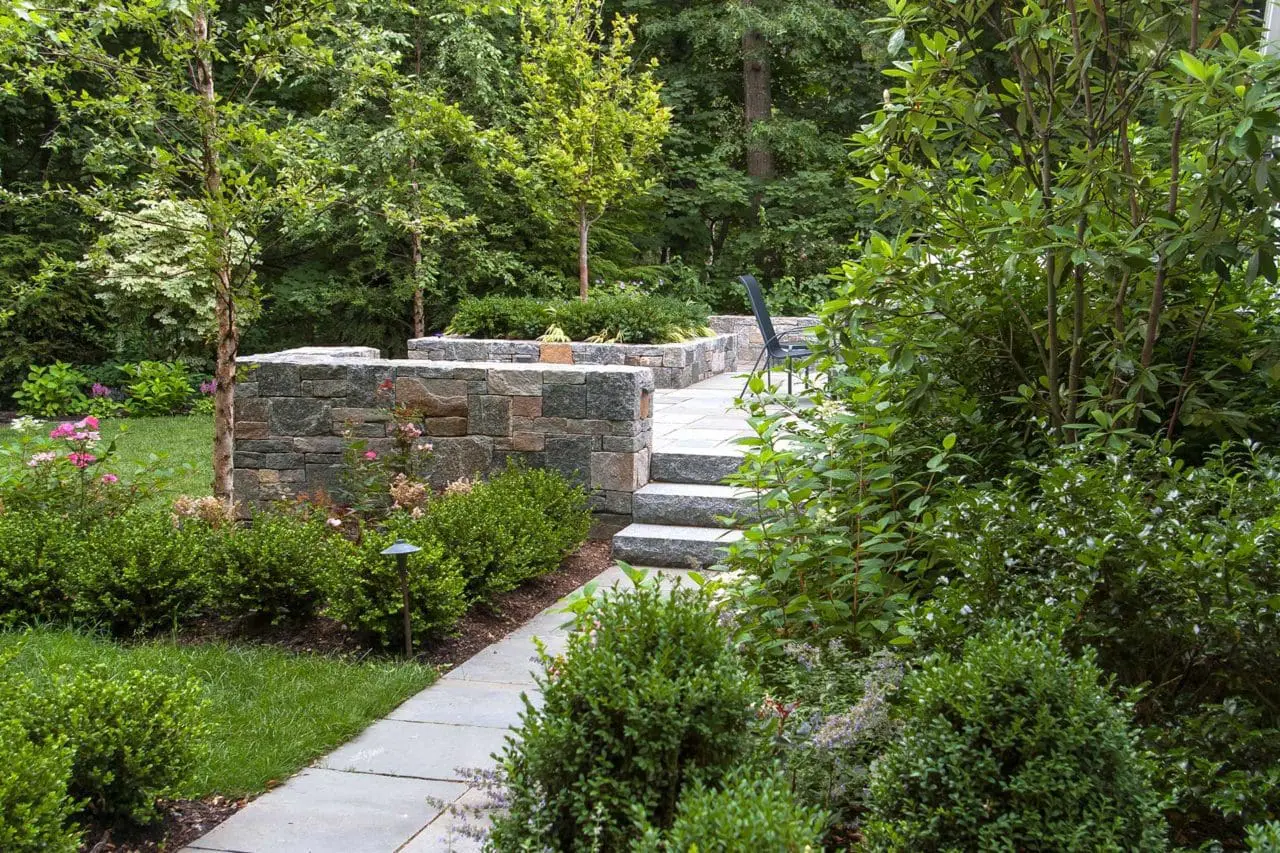
- Design clean transitions where turf meets patio, planting beds meet walkways, and walls meet grade changes.
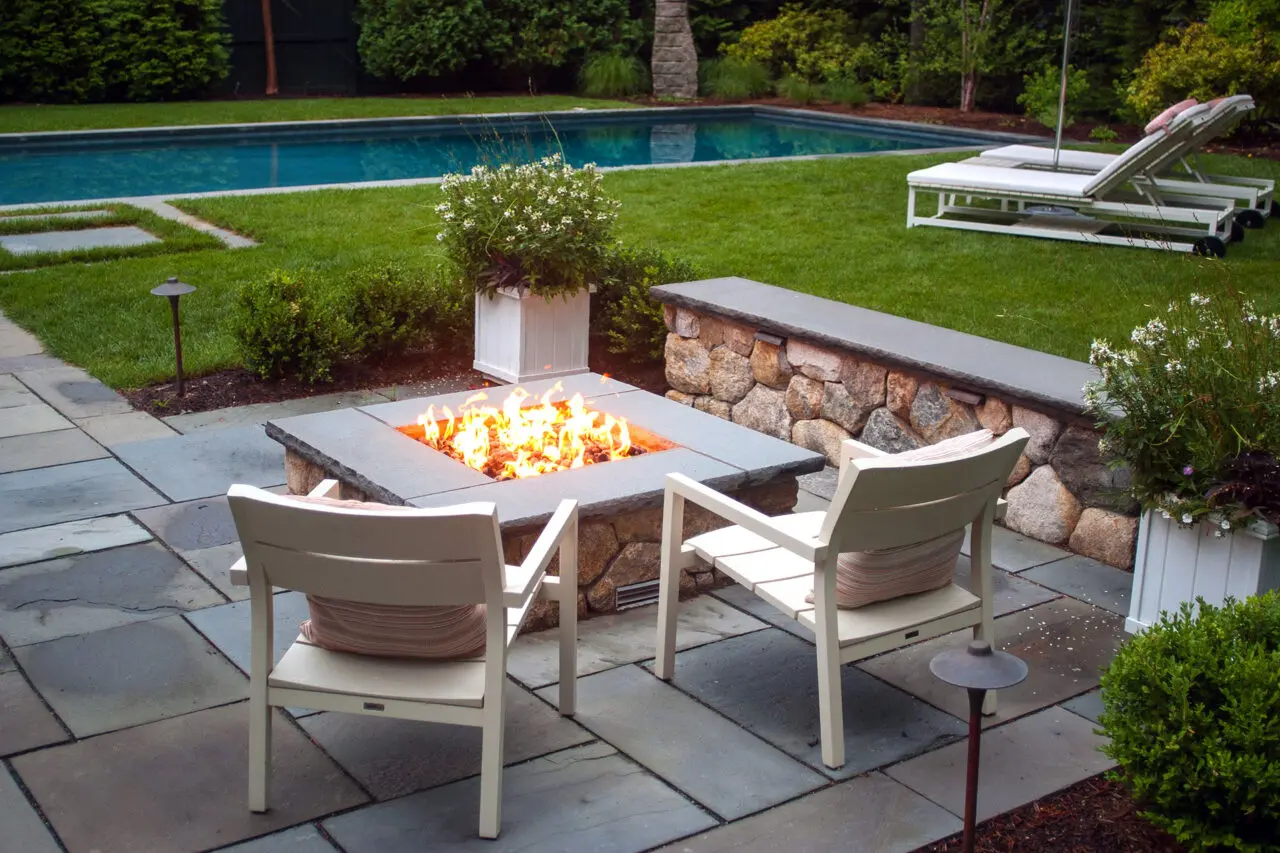
- Choose hardscape materials that perform in New England freeze-thaw conditions, including natural stone, granite, bluestone, high-quality pavers, and properly built masonry.
- Plan maintenance access, irrigation routing, lighting conduit, drainage, and snow removal before construction begins.
- Use lighting to extend usability, improve safety, and highlight key architecture or planting.
- Create planting buffers where hardscape edges would otherwise feel harsh or disconnected.
When hardscape and planting are designed as one system, outdoor spaces feel more resolved, more comfortable, and easier to maintain.
Related Blog: Best Stone and Hardscape Materials for Boston-Area Landscapes
10. Build Sustainability and Future-Proofing Into the Plan
Why it matters
Successful landscapes are not only beautiful on installation day. They are designed to perform for years. In Greater Boston, that means accounting for changing rainfall patterns, summer heat, winter damage, maintenance efficiency, and long-term plant health.
Advanced sustainability practices
- Use native and regionally adapted plants to reduce water and maintenance demands.
- Incorporate rain gardens, bioswales, or permeable paving where stormwater management is a priority.
- Use smart irrigation controllers and targeted watering to reduce waste.
- Select durable hardscape materials that can withstand freeze-thaw cycles.
- Preserve mature trees and valuable existing landscape structure where possible.
- Plan for flexibility as climate, shade patterns, plant maturity, and homeowner needs change over time.
Sustainable landscaping is not about making a property look less refined. It is about making smarter decisions so the landscape becomes stronger, more efficient, and more resilient as it matures.
Related Blog: Sustainable Landscaping Explained for Boston Homes
Did You Know?
According to a national landscaping survey, homeowners commonly report challenges such as weeds, lack of time, and grass browning or dying. These issues are often symptoms of reactive maintenance. A professionally managed landscape reduces those problems by addressing soil, irrigation, mowing, plant selection, and seasonal timing before decline becomes visible.
“Understanding your site and tailoring your plant selections and irrigation zones accordingly is the mark of a professional landscape, not just a pretty yard.”
— Miriam Hellweg, Mass Certified Horticulturist, a Blade of Grass
Pros and Cons of a Professional Landscaping Strategy
| Pros | Cons |
|---|---|
|
|
Conclusion
For homeowners in the Boston region who want to elevate their outdoor space, these ten expert landscaping tips provide a practical roadmap. When you move beyond standard maintenance and embrace site-specific strategy, premium materials, calibrated irrigation, healthy soil, and integrated design, your property becomes more than a yard. It becomes a refined outdoor environment that performs across seasons.
Ready to bring this level of sophistication to your landscape? Contact the team at a Blade of Grass to arrange a complimentary consultation. We specialize in full-service landscape design, construction, and maintenance services for Boston-area properties and can help you plan, build, and care for a landscape that stands out for all the right reasons.