Sustainable landscaping has become one of the most influential shifts in residential outdoor design over the past decade. Homeowners are increasingly looking for landscapes that are not only visually compelling, but also practical, resilient, and efficient to maintain over time. Rising water costs, changing weather patterns, and broader awareness of environmental responsibility have all contributed to a more thoughtful approach to how landscapes are designed, built, and cared for.
At its core, sustainable landscaping focuses on creating outdoor environments that work with natural systems rather than against them. It prioritizes appropriate plant selection, efficient water use, healthy soil, responsible materials, and long-term maintenance strategies that reduce resource consumption while preserving a refined and intentional appearance.
For Boston-area homeowners, this matters in very practical ways. Sustainable landscape design can help a property better handle dry summer stretches, heavy rain, freeze-thaw cycles, compacted soils, and evolving maintenance needs. When executed well, it does not mean sacrificing beauty or function. In fact, sustainable landscapes often feel more layered, mature, and cohesive because every design decision is made with long-term performance in mind.
Key Takeaways
- Sustainable landscaping is a long-term design approach focused on beauty, resilience, and efficiency.
- It emphasizes water conservation, healthy soil, appropriate plant selection, durable materials, and smarter maintenance.
- For Boston-area properties, sustainable design must account for freeze-thaw cycles, changing rainfall patterns, summer heat, and local soil conditions.
- Upfront planning may be more detailed, but long-term maintenance demands and resource use are often reduced.
- The best sustainable landscapes feel intentional, refined, and fully integrated with the architecture and property.
What Is Sustainable Landscape Design?
Sustainable landscape design is a holistic approach to planning, building, and maintaining outdoor spaces. Instead of focusing only on short-term appearance, it considers how a landscape will perform over many years.
This design philosophy evaluates site conditions such as soil health, drainage patterns, sun exposure, existing vegetation, and long-term maintenance needs before decisions are made about plants, irrigation, or hardscaping. Each element is selected with performance in mind, reducing the need for excessive watering, fertilization, replacement, or corrective work later.
Sustainable landscapes are designed to adapt over time. Plants are chosen for compatibility with the site rather than appearance alone. Hardscape materials are selected for durability, permeability, and regional appropriateness. Maintenance strategies are built into the plan from the beginning rather than added later as a fix.
In other words, sustainable landscaping is not a style. It is a smarter way to make design decisions.
Related Blog: Top 10 Expert Landscaping Tips for Homeowners in the Boston Area
Why Sustainable Landscaping Has Become So Popular
The growing popularity of sustainable landscaping reflects practical concerns as much as environmental ones. Traditional landscapes often rely heavily on turf, frequent irrigation, chemical inputs, and ongoing maintenance. Over time, that approach can become costly, inefficient, and difficult to sustain.
Sustainable landscaping addresses these challenges by reducing dependence on external inputs. By selecting plants that are naturally suited to the site, improving soil health, managing water intelligently, and choosing durable materials, landscapes can require less intervention while remaining attractive throughout the seasons.
There is also a growing preference among homeowners for outdoor spaces that feel purposeful and enduring. Sustainable landscapes tend to age more gracefully, with plantings that mature naturally and hardscapes that support, rather than disrupt, natural water movement.
According to the U.S. Environmental Protection Agency, outdoor water use accounts for nearly 30 percent of total household water consumption, and inefficient irrigation can waste up to 50 percent of that water. Sustainable landscape design strategies such as efficient irrigation, soil improvement, and appropriate plant selection can significantly reduce that waste.
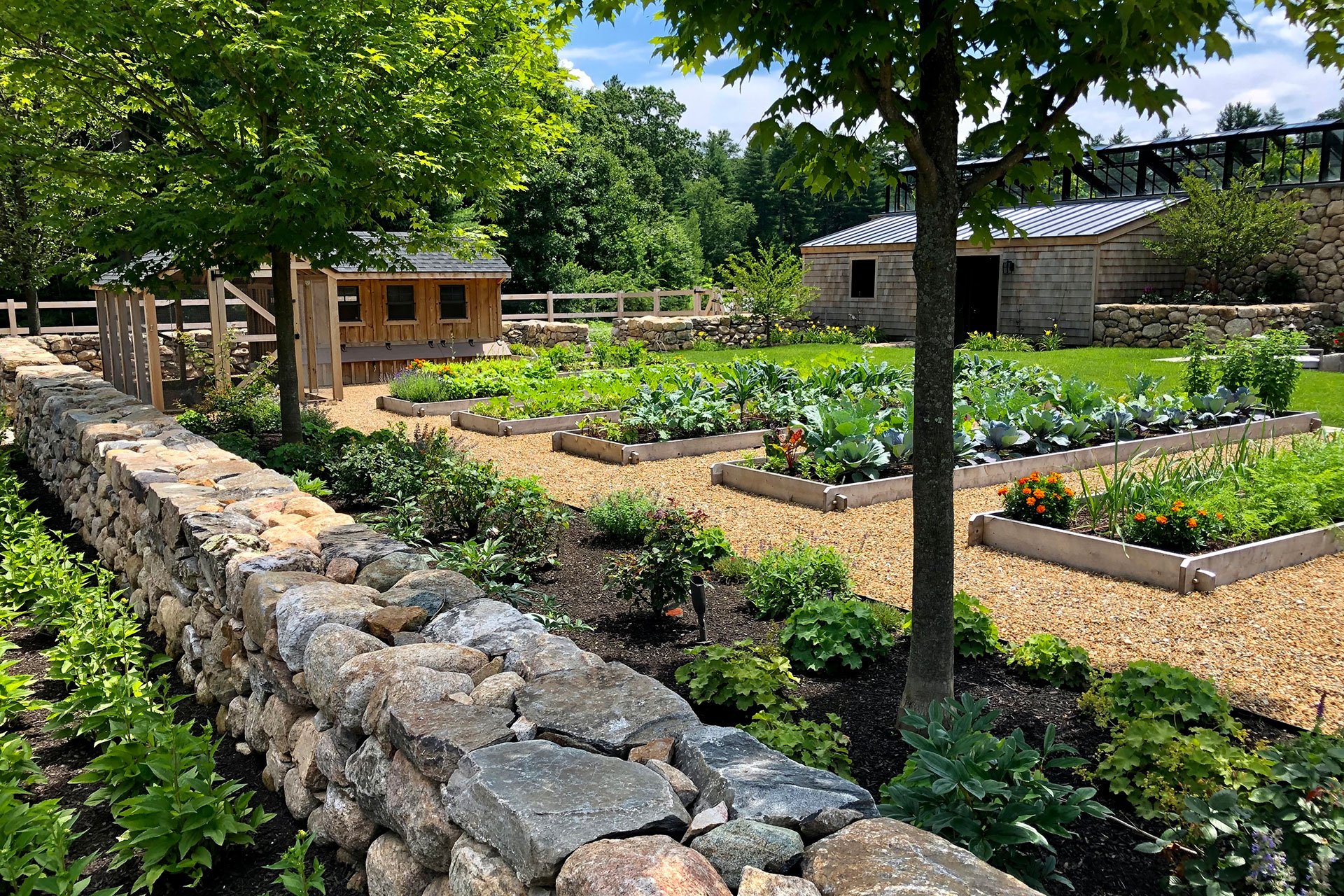
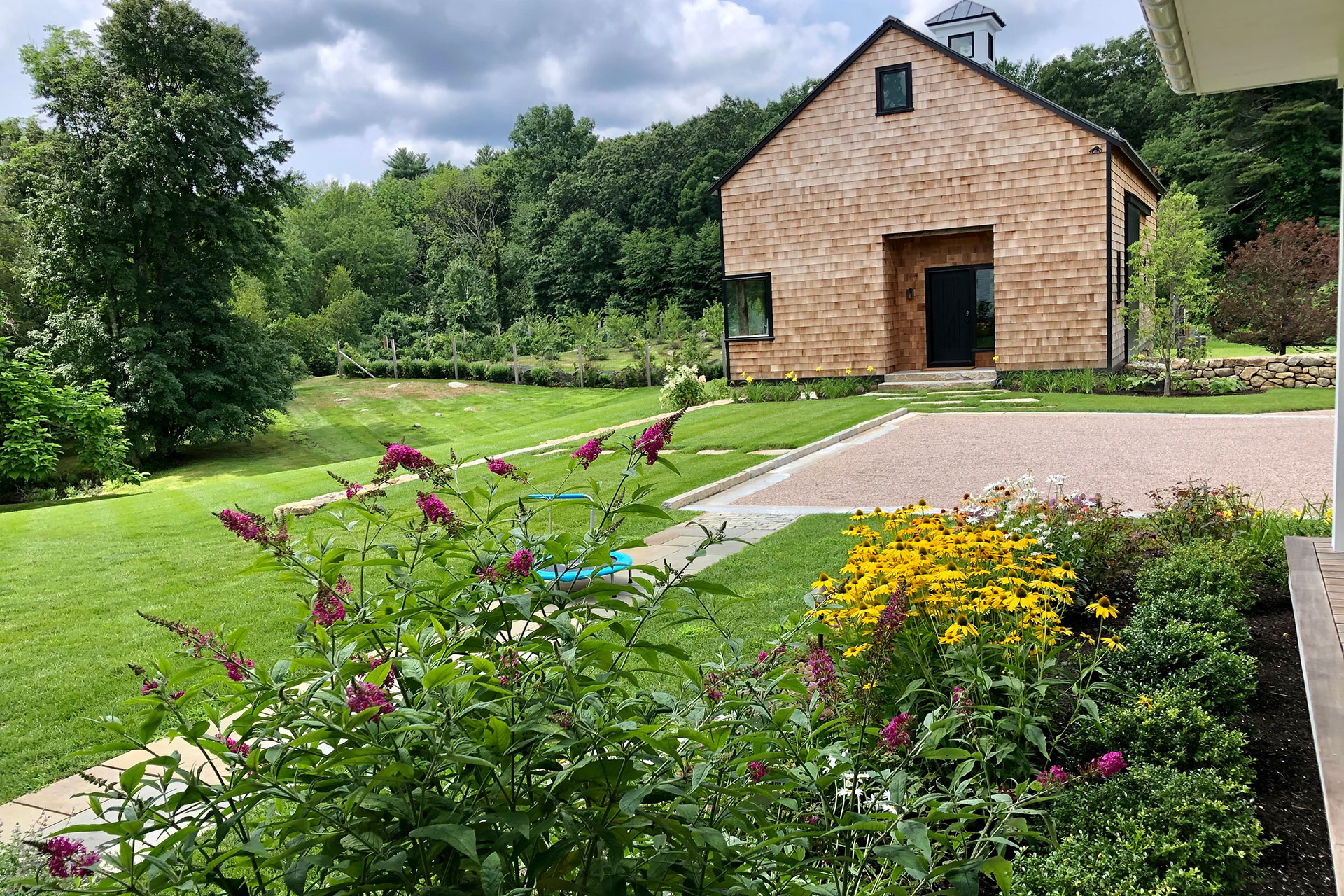


Water Conservation as a Design Strategy
Water conservation is one of the most recognizable aspects of sustainable landscaping, but it begins with design rather than equipment alone.
The first step is reducing overall water demand. Landscapes designed around plants that thrive in local climate conditions naturally require less irrigation once established. Grouping plants with similar water needs further improves efficiency and prevents overwatering.
When irrigation is necessary, sustainable designs often favor precision systems such as drip irrigation, which deliver water directly to plant roots and minimize evaporation. Smart irrigation controllers can also adjust watering schedules based on weather conditions, seasonal changes, and actual landscape needs.
Rainwater harvesting systems, including rain barrels or underground storage, can supplement irrigation and reduce stormwater runoff. While these systems are not always sufficient as a primary water source, they can contribute meaningfully to a broader water conservation strategy.
Related Service: Landscape Irrigation Services
Native and Adapted Plants: A Smarter Planting Approach
Plant selection is central to sustainable landscape design. Native and adapted plants are chosen not only for their appearance, but for their ability to thrive with fewer inputs over time.
Native plants evolved within specific regional conditions and are often well suited to local climate, soils, and wildlife relationships. Adapted plants, while not native, can also perform reliably without excessive watering, fertilization, or chemical support. Both groups tend to establish stronger root systems and can be more resilient during drought, heat, and seasonal stress.
In addition to their performance benefits, these plants can support local ecosystems by providing food and habitat for pollinators, birds, and beneficial insects. Organizations such as the Northeast Organic Farming Association offer education and resources on environmentally responsible land management, reinforcing the connection between plant choices, soil health, and long-term stewardship.
Related Blog: Low Care Natives for the Woodland Garden
Reducing Lawn Area for Healthier Landscapes
One of the most impactful changes in sustainable landscaping is reducing traditional turf lawn where it is not needed. Lawns still serve important purposes for play, gathering, visual openness, and circulation, but large expanses of turf can be resource-intensive and visually repetitive.
Replacing portions of lawn with groundcovers, shrubs, ornamental grasses, meadow-inspired planting, or thoughtfully placed hardscape can reduce water use and maintenance requirements. These alternatives also add visual interest, seasonal variation, and habitat value.
Reducing lawn area does not mean eliminating open space. It means using lawn where it makes sense and allowing other parts of the property to contribute more effectively to the health, beauty, and function of the landscape.
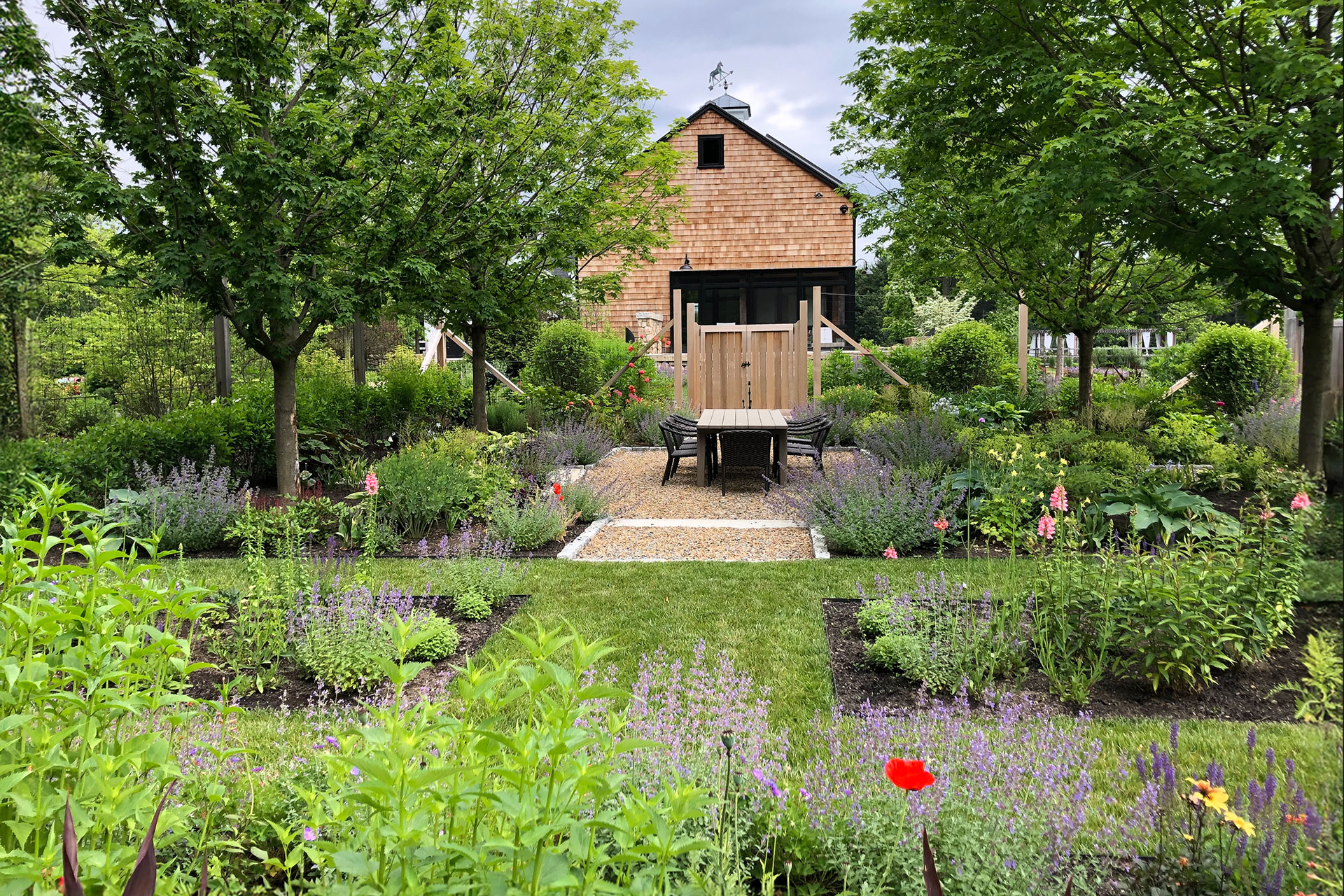
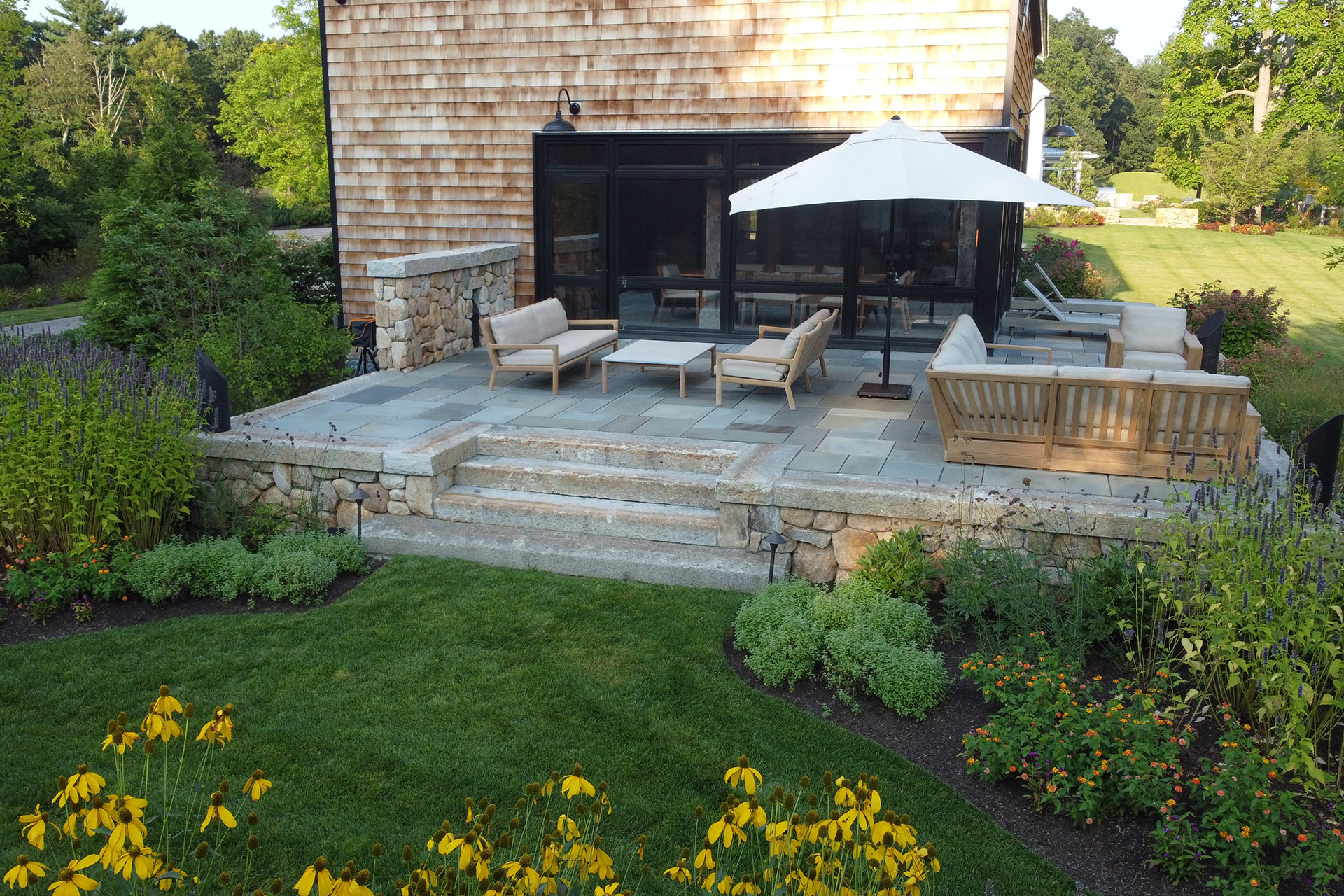

Building Healthy Soil Naturally
Healthy soil is essential to sustainable landscaping, yet it is often overlooked in traditional designs. Poor soil structure limits water retention, nutrient availability, root development, and plant resilience. When soil is compacted, depleted, or poorly drained, plants often struggle even when they are otherwise well selected.
Sustainable landscape design prioritizes soil improvement through organic matter, compost, mulching, and careful preparation before planting. These practices improve soil structure, retain moisture, and support beneficial microorganisms that contribute to plant health.
Over time, healthy soil can reduce the need for fertilizers and supplemental watering, allowing the landscape to become more self-sustaining. For Boston-area properties with compacted, rocky, or disturbed soils, this step is often one of the most important parts of the process.
Related Blog: Soil Testing Before Planting: Why It Matters in Boston-Area Landscape Design
Energy Efficiency Through Strategic Planting and Hardscaping
Sustainable landscaping can also improve energy efficiency around the home. Strategically placed trees and shrubs can provide shade during warmer months, reducing heat gain and improving comfort around patios, terraces, and interior rooms. In colder seasons, deciduous trees allow more sunlight to reach the home after leaves have dropped.
Hardscape materials play an important role as well. Permeable paving systems allow water to infiltrate the soil rather than run off, improving drainage and reducing erosion. Locally sourced, reclaimed, or long-lasting materials can also reduce the environmental footprint of landscape construction while giving the property a more regionally grounded character.
“Sustainable landscape design succeeds when every choice is intentional. The most effective landscapes are those that reduce inputs over time while becoming stronger and more cohesive as they mature.”
— Kate Notman, Senior Landscape Architect, a Blade of Grass
Waste Reduction in Landscape Design and Construction
Waste reduction is another important component of sustainable landscaping. Thoughtful design minimizes excess materials, while responsible construction practices reduce landfill contributions and unnecessary replacement.
Composting plant debris, reusing existing stone or soil where appropriate, and selecting durable hardscape materials all contribute to more sustainable outcomes. Over the life of the landscape, these choices reduce repair cycles, replacement needs, and avoidable disruption.
For many Greater Boston properties, existing materials such as granite, fieldstone, brick, or mature plantings may already have value. A sustainable approach begins by asking what should be preserved, improved, or repurposed before assuming everything needs to be replaced.
Wildlife and Pollinator Support
Sustainable landscapes often provide valuable habitat for pollinators and beneficial insects. Incorporating a diversity of flowering plants that bloom at different times of year ensures a more consistent food source, while shrubs and trees offer shelter, nesting opportunities, and seasonal structure.
Supporting wildlife benefits the larger environment, but it can also contribute to healthier plant systems by encouraging natural pest control and pollination. A sustainable landscape does not need to feel wild or unstructured to provide ecological value. With thoughtful design, pollinator support can be integrated into refined planting beds, woodland edges, lawn borders, and foundation extensions.
Related Blog: Design Ideas: Pollinator Gardens
Are There Additional Costs Associated With Sustainable Landscaping?
Sustainable landscaping may involve higher upfront costs in some cases, particularly when the design process includes deeper site analysis, soil improvement, specialized irrigation, permeable materials, or higher-quality plant material. However, these costs are often offset over time by reduced maintenance, lower water use, and fewer plant replacements.
It is also important to note that not every landscape design firm offers true sustainable landscape design expertise. This approach requires horticultural knowledge, ecological awareness, construction experience, and a long-term perspective. Homeowners should ask how a firm evaluates soil, water, plant selection, maintenance, and material durability before assuming sustainability is built into the process.
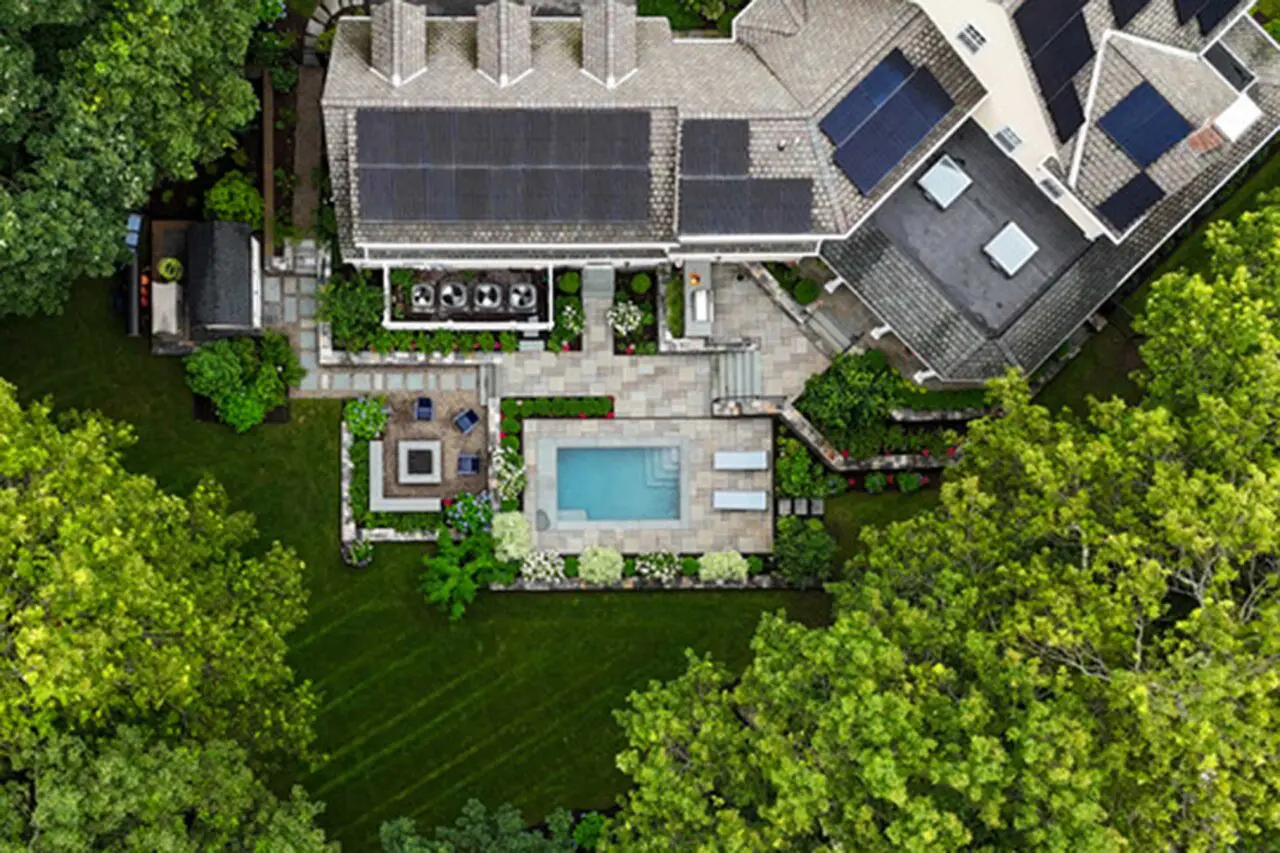
What Sustainable Landscaping Looks Like on a Refined Residential Property
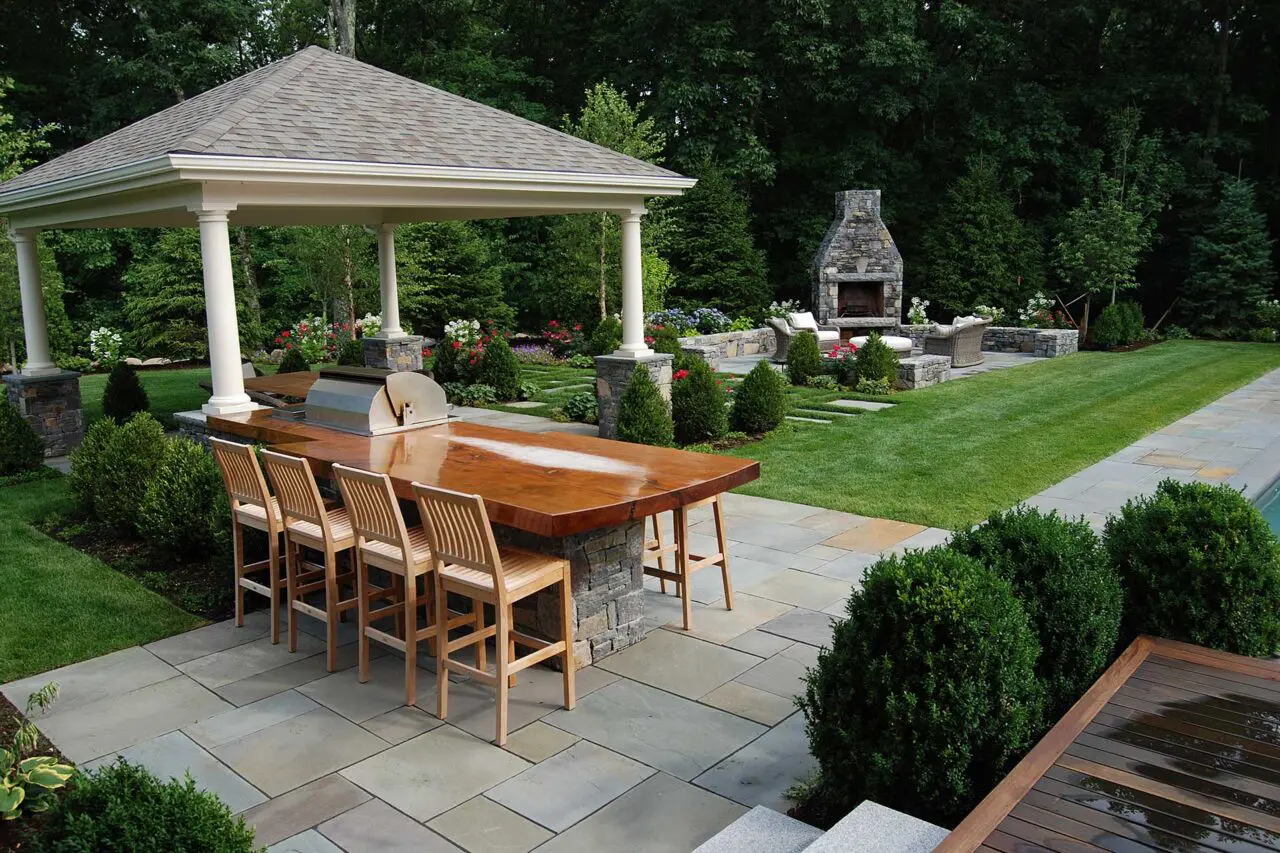
One misconception is that sustainable landscapes must look loose, informal, or overly naturalized. That is not the case. A sustainable landscape can be highly structured, architectural, and polished.
On a Boston-area property, sustainable design might include:
- layered native and adapted planting that reduces irrigation needs
- permeable paving that improves stormwater performance
- healthy soil preparation before planting
- reduced lawn in low-use areas
- strategic tree placement for shade and seasonal comfort
- efficient irrigation designed around actual plant needs
- durable stonework and materials that age well in New England conditions
- maintenance planning that supports the landscape as it matures
The result should not feel like a compromise. It should feel like a more intelligent, more durable version of a beautiful residential landscape.
Frequently Asked Questions
Q: Is sustainable landscaping suitable for all property types?
A: Yes. Sustainable design principles can be applied to a wide range of residential properties and architectural styles, from traditional homes to contemporary landscapes.
Q: Will a sustainable landscape look less formal?
A: Not necessarily. Sustainable landscapes can be highly structured and refined when professionally designed. Sustainability is about performance and long-term thinking, not a single visual style.
Q: How long does it take for a sustainable landscape to establish?
A: Most landscapes take one to three growing seasons to fully establish, depending on plant size, soil conditions, irrigation, and maintenance during the early years.
Q: Does sustainable landscaping require less maintenance?
A: Over time, yes. Early establishment still requires care, but long-term maintenance demands are often lower when plants, soil, water, and materials are planned correctly.
Q: Is sustainable landscaping more expensive?
A: It can involve more detailed planning and higher-quality materials upfront, but those investments are often balanced by reduced water use, fewer replacements, and lower long-term maintenance needs.
Final Thoughts and Next Steps
Sustainable landscaping is not a one-size-fits-all solution. The most successful outcomes come from designs that are carefully tailored to the property, the way it is used, and how it needs to perform over time. From plant selection and soil health to irrigation, hardscaping, and long-term maintenance, sustainability works best when it is integrated into the design from the beginning rather than added as an afterthought.
At a Blade of Grass, we approach sustainable landscape design as a collaborative process. We take the time to understand your property, your priorities, and your expectations, then develop a thoughtful plan that balances beauty, function, and long-term efficiency.
If you are considering a more sustainable approach to your landscape, contact the Blade team to learn how we can help create an outdoor space that is refined, resilient, and built to last.
Want to Learn More About Sustainable Landscaping?
Explore these trusted resources for deeper guidance:
- Designing Our Future: Sustainable Landscapes | American Society of Landscape Architects – A comprehensive overview of sustainable landscape principles and how landscape architects are shaping environmentally responsive outdoor spaces.
- Sustainable Landscape Materials and Practices | University of Delaware Cooperative Extension – An educational fact sheet explaining sustainable landscape materials and practices, including renewable and low-impact options.
- Sustainable Landscaping | Colorado State University Extension – A practical guide explaining key sustainable landscaping strategies, including limiting irrigated turf and using planting to improve home comfort.