For homeowners in the Greater Boston area, investing in landscaping is not just about curb appeal. It is a strategic way to improve property value, daily enjoyment, and long-term performance. Whether you are preparing to sell or simply want to elevate how your outdoor spaces look and function, a well-designed landscape can help justify the investment and guide smarter decisions.
The strongest landscapes do more than make a property look attractive. They shape first impressions, support outdoor living, protect the home from drainage and maintenance issues, and help the property feel cared for in every season. In this post, we look at the numbers behind landscaping ROI, the value of high-quality design, and how Boston-area homeowners can apply that data to their own properties.
Key Takeaways
- Investing in landscaping is more than decoration. It is a capital improvement that can support long-term property value.
- Quality matters. Mature trees, thoughtful planting, durable hardscape, and ongoing maintenance have the greatest impact.
- Well-planned landscaping can improve curb appeal, buyer confidence, outdoor usability, and property performance.
- Strategic planting, drainage, and maintenance can also reduce pest pressure and prevent avoidable property issues.
- For upscale Boston-area homes, landscaping should align with local architecture, climate, lifestyle, and buyer expectations.
Why Landscaping Should Be Viewed as an Investment, Not Just an Expense
A beautiful landscape may begin with aesthetics, but its value extends well beyond appearance. For many homeowners, landscaping is one of the few improvements that can affect both the emotional appeal of a home and the way the property functions every day.
A stronger front landscape can make the home feel more polished from the street. A well-designed backyard can create outdoor living space that supports dining, entertaining, and relaxation. Healthy trees and thoughtful planting can add shade, privacy, and seasonal interest. Durable hardscape can improve circulation, define outdoor rooms, and reduce maintenance headaches.
That combination is why landscape design should be considered a long-term investment rather than a cosmetic upgrade.
Sales Price Premium: The Top Benefit of Premium Landscaping
Several studies and industry sources suggest that professional landscaping can have a measurable effect on perceived home value.
- Research from Virginia Tech found that moving from a home with no landscaping to one with a well-landscaped yard can increase perceived home value by 5.5% to 11.4%, depending on design sophistication, plant size, and plant diversity.
- The American Society of Landscape Architects has noted that a well-executed landscape can increase a home’s value by as much as 15% to 20% when design, installation, and maintenance are handled properly.
- In premium markets, where buyers expect outdoor spaces to feel finished and intentional, high-quality landscaping can have an even stronger influence on buyer perception.
For a $1.5 million property, even a 10% perceived value increase represents $150,000 in potential added value. That does not mean every landscape project produces the same return, but it does show why thoughtful planning, quality installation, and ongoing care matter.
Faster Sale and Stronger Marketability
Beyond potential sale price, landscaping can also affect how quickly a home attracts attention. A property with mature trees, healthy planting, defined outdoor living areas, and a well-maintained entry sequence often feels more complete before buyers even step inside.
That first impression matters. A landscape that looks neglected can raise concerns about hidden maintenance issues. A landscape that feels cohesive can suggest that the entire property has been cared for with the same level of attention.
In competitive Greater Boston markets, where buyers often compare homes across towns such as Wellesley, Weston, Newton, Brookline, Concord, and Dover, the exterior experience can help a property stand out.
Curb Appeal Builds Buyer Confidence
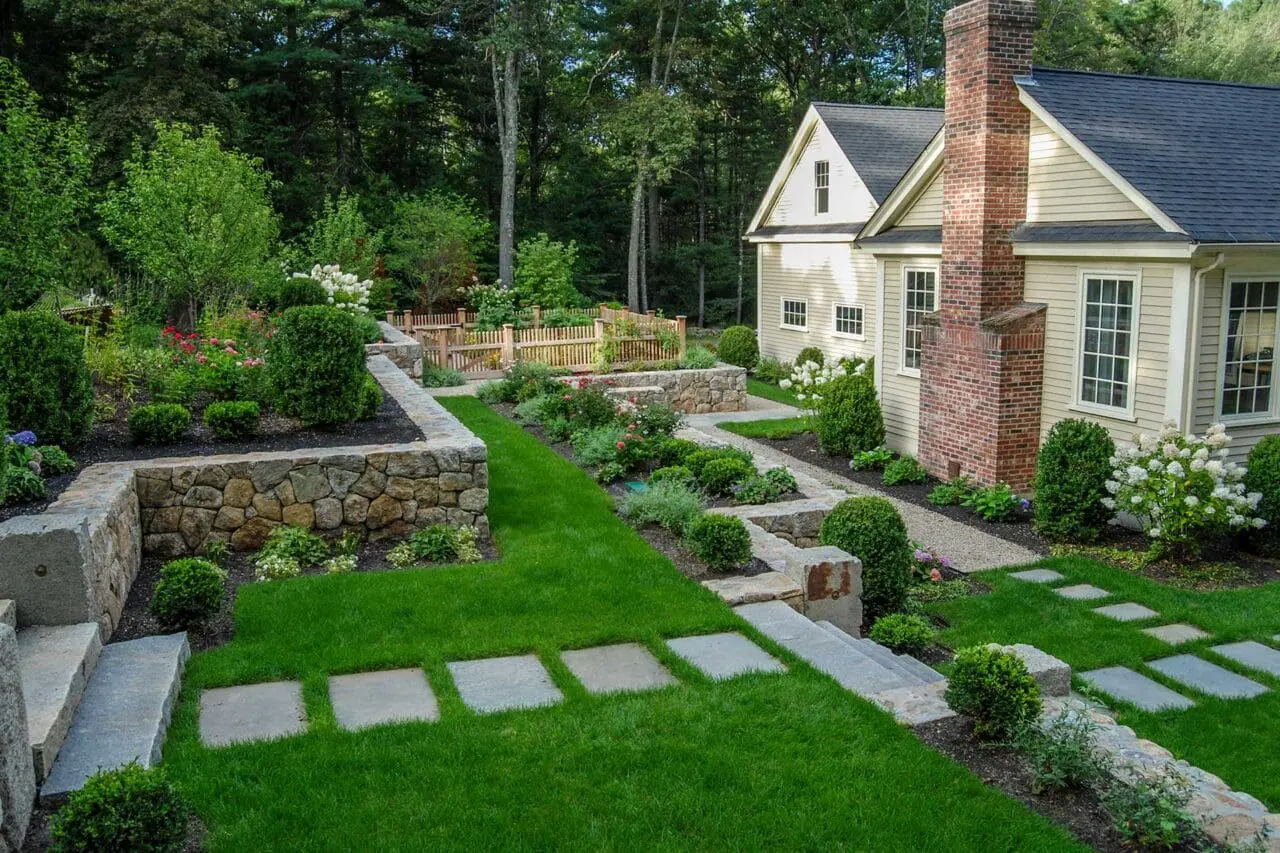
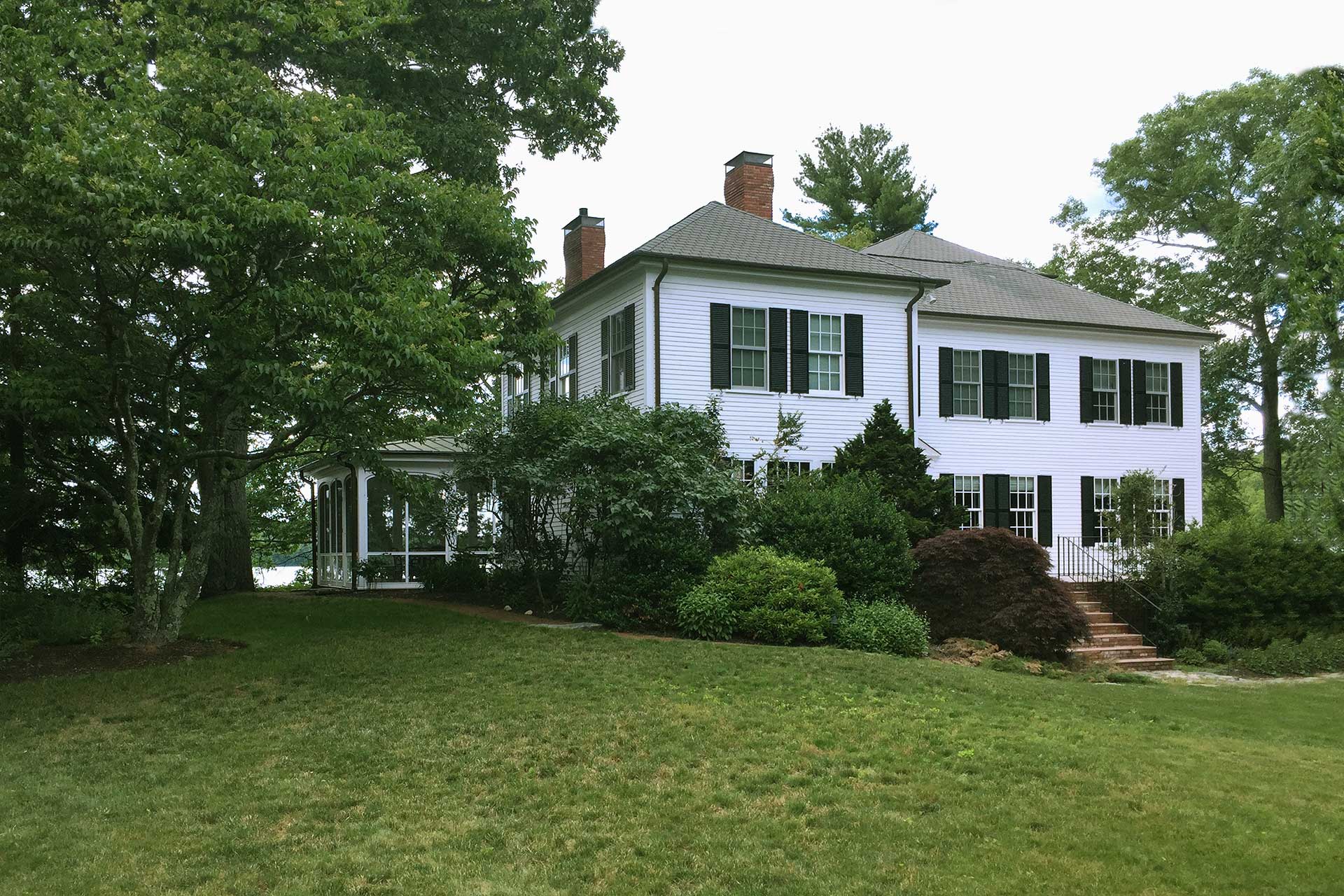
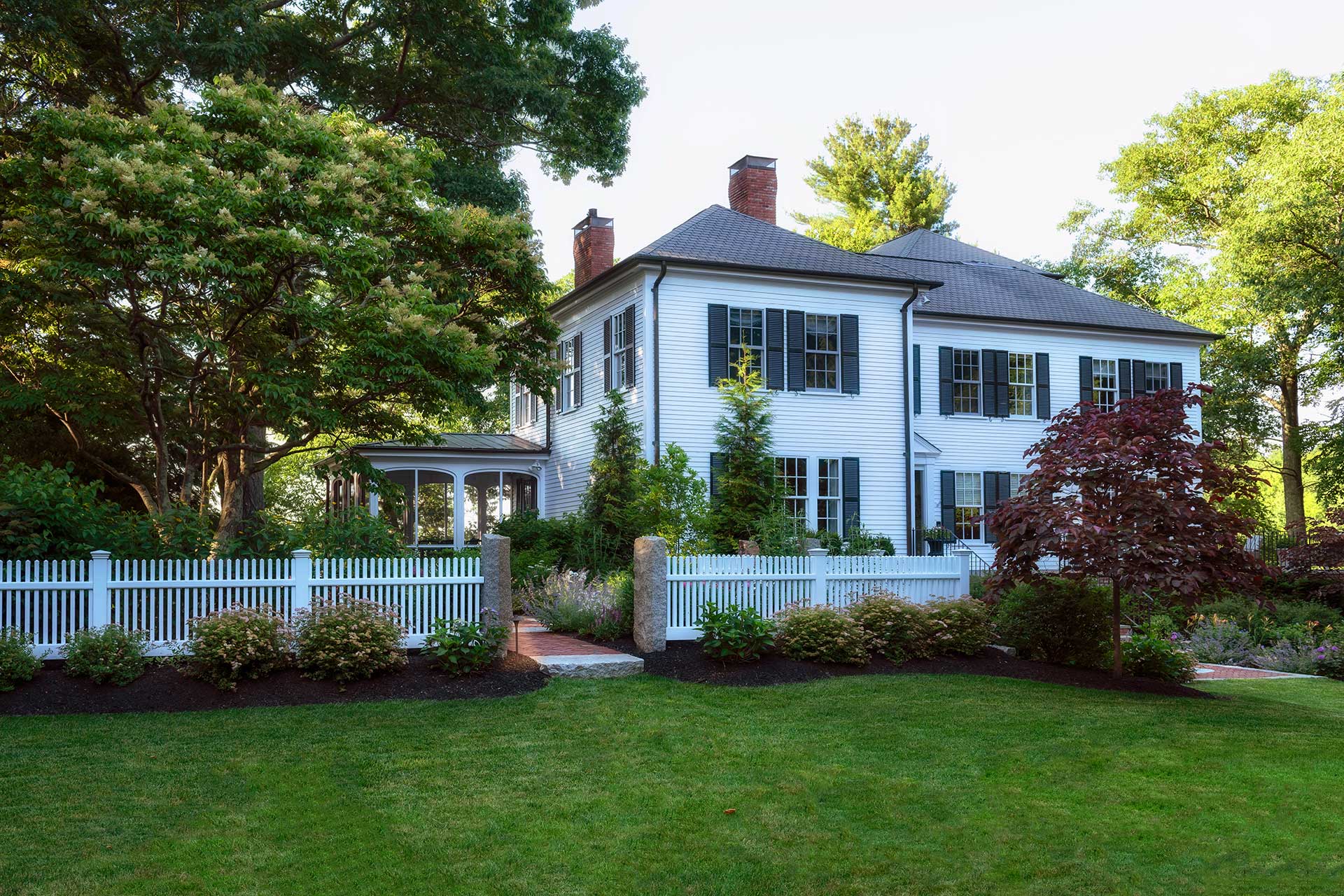
Homebuyers are influenced by what they see first. A strong outdoor presentation signals care, quality, and pride of ownership. A refined front entry, healthy lawn, mature plantings, clean walkways, and thoughtful lighting all help set expectations before anyone reaches the front door.
“Curb appeal creates a strong first impression. Focus on landscaping, exterior paint, and a clean, welcoming entry.”
Additional Value Drivers: Why Landscaping Matters Beyond Sale Price
A well-designed landscape can influence resale value, but it also affects how the property performs over time. For Boston-area homeowners, that performance is especially important because local landscapes must handle snow, salt, rain, humidity, freeze-thaw cycles, shade, deer pressure, and seasonal maintenance needs.
Design and Plant Maturity Matter
Not all landscaping delivers the same value. A few small shrubs placed around a foundation will not have the same impact as a comprehensive landscape design that considers the home, site conditions, circulation, privacy, lighting, drainage, and long-term maintenance.
The greatest value usually comes from:
- design sophistication, including bed layout, hardscape integration, scale, and proportion
- plant maturity, especially established trees, large shrubs, and layered planting
- durable materials that suit New England weather
- maintenance quality, including pruning, edging, seasonal care, irrigation, and plant health monitoring
- cohesion between the architecture, front entry, outdoor living spaces, and broader property
A poorly maintained or mismatched landscape can detract from value. A mature, well-maintained landscape can make a home feel more settled, more livable, and more desirable.
ROI of Specific Landscape Projects
Some landscape investments continue to show strong return because they improve both appearance and usability.
- Routine lawn care and basic property maintenance can deliver strong ROI because they immediately improve presentation and perceived care.
- Landscape upgrades such as stone walkways, patios, lighting, foundation planting, privacy screening, and mature plantings can create both functional and aesthetic value.
- Outdoor living improvements, including terraces, dining areas, fire features, and outdoor kitchens, can increase the usefulness of the property during Boston’s outdoor seasons.
Compared with many interior renovations, landscaping can sometimes deliver a strong visual and lifestyle impact with less disruption to the home itself. The best results come when the work is planned as part of a larger landscape strategy rather than a series of unrelated improvements.
Landscaping and Pest Mitigation: The Overlooked Benefit
Beyond aesthetics and market appeal, thoughtful landscaping can contribute to the overall health of a home by helping reduce pest-friendly conditions. Research published in Landscape Features Supporting Natural Pest Control indicates that structured landscapes with semi-natural areas can support natural pest control and reduce the need for chemical intervention.
For residential properties, the practical lesson is clear. Moisture management, plant spacing, pruning, drainage, and proper placement all matter. Dense shrubs pressed against a foundation, wet mulch piled near siding, poorly drained beds, and overgrown planting can create conditions that attract insects, rodents, or other unwanted activity.
A healthier landscape strategy may include:
- keeping shrubs and trees properly spaced from the home
- maintaining clear airflow around foundations and entries
- directing water away from the house
- avoiding persistent wet areas near structures
- using mulch carefully rather than piling it too deeply
- pruning and editing plantings before they become dense or overgrown
While exact residential pest-reduction percentages are difficult to document, the qualitative advantages are significant. A well-managed landscape can reduce maintenance risk, improve home health, and create a cleaner, more controlled edge between architecture and planting.
Related Blog: Why Is Landscape Design So Expensive in Boston?
Applying the Data to a Greater Boston Luxury Home
For mid-to-high-end homeowners in Greater Boston, landscape ROI should be evaluated through both resale and lifestyle value. A strong landscape can improve buyer perception, but it also makes the property more enjoyable, more comfortable, and easier to care for while you live there.
1. Set the Budget With Return in Mind
Given the potential value increase associated with high-quality landscaping, allocating 5% to 10% of a home’s value toward outdoor improvements can be reasonable for many upscale properties.
For example, on a $1.5 million home, that might suggest a landscape investment range of $75,000 to $150,000, depending on the property’s current condition and the homeowner’s goals. Larger projects involving terraces, drainage, walls, outdoor kitchens, pools, or major planting may exceed that range, especially in Greater Boston where labor, materials, and site complexity are significant cost factors.
A phased approach can make the investment more strategic:
- Start with the front landscape and entry sequence for immediate curb appeal.
- Address drainage, grading, and soil conditions before major planting or hardscape.
- Add patios, walkways, lighting, and outdoor living areas in the right sequence.
- Refine the property over time with planting, irrigation, seasonal displays, and maintenance.
2. Prioritize High-Impact Features
The highest-return landscape improvements are usually those that improve both appearance and function.
For Boston-area properties, high-impact priorities often include:
- mature trees and specimen plantings that add scale and structure
- front entry improvements that strengthen curb appeal
- layered foundation planting that complements the architecture
- stone walkways, walls, steps, and terraces built for New England conditions
- landscape lighting that extends evening use and highlights key features
- irrigation that protects plant health and presentation
- drainage solutions that reduce standing water, erosion, and foundation risk
- privacy screening that makes outdoor living spaces more comfortable
The goal is not to add every possible feature. The goal is to invest where the property will benefit most.
3. Use Maintenance and Quality to Safeguard Value
A landscape only protects value if it is maintained. A 15% or 20% value uplift assumes the property looks healthy, intentional, and cared for. Overgrown shrubs, thinning lawns, washed-out mulch, broken lighting, poor pruning, or failing hardscape can quickly undermine the investment.
Ongoing care should include:
- seasonal pruning and plant health monitoring
- mulch, edging, and bed refinement
- irrigation inspection and adjustment
- lawn care suited to New England timing
- walkway, patio, and wall inspection
- seasonal cleanup and winter preparation
For upscale properties, landscape maintenance is not just upkeep. It is stewardship.
4. Tailor the Landscape to Local Climate and Market Expectations
Greater Boston landscapes face regional conditions that should shape every design decision. Freeze-thaw cycles affect hardscape materials. Humid summers influence plant health and air circulation. Snow storage affects planting near driveways and walkways. Deer pressure influences plant selection in towns such as Weston, Dover, Lincoln, and Concord.
A landscape designed for Boston-area value should also reflect what local buyers and homeowners expect: refined outdoor entertaining, thoughtful planting, functional patios, privacy, lighting, irrigation, and a strong connection between the home and landscape.
The most valuable designs feel appropriate to the property. Overly exotic, out-of-scale, or high-maintenance landscaping can feel disconnected from the home and may not appeal to traditional luxury buyers in the region.
Expert Insight
Landscape architect and designer Kevin Lenhart notes:
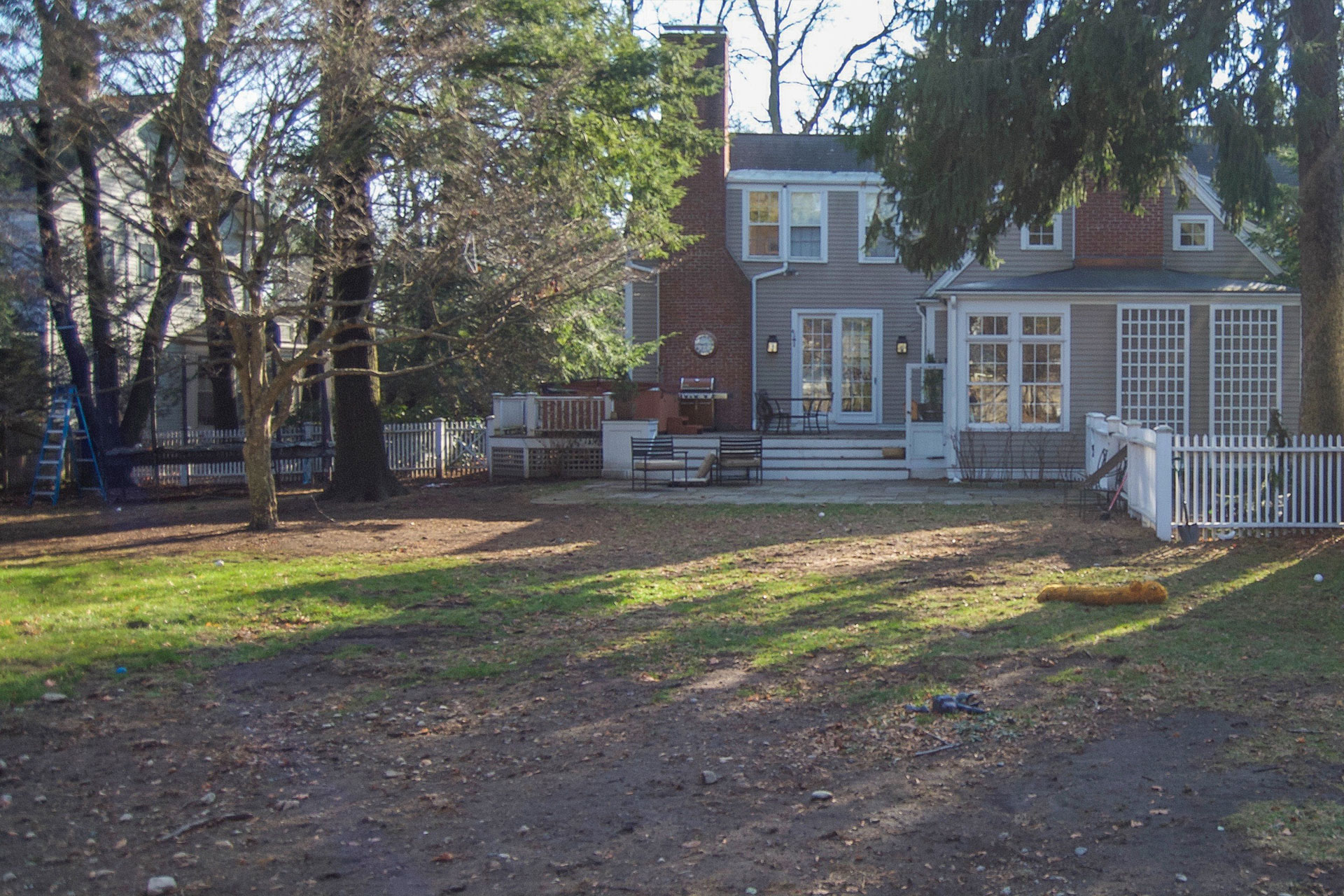
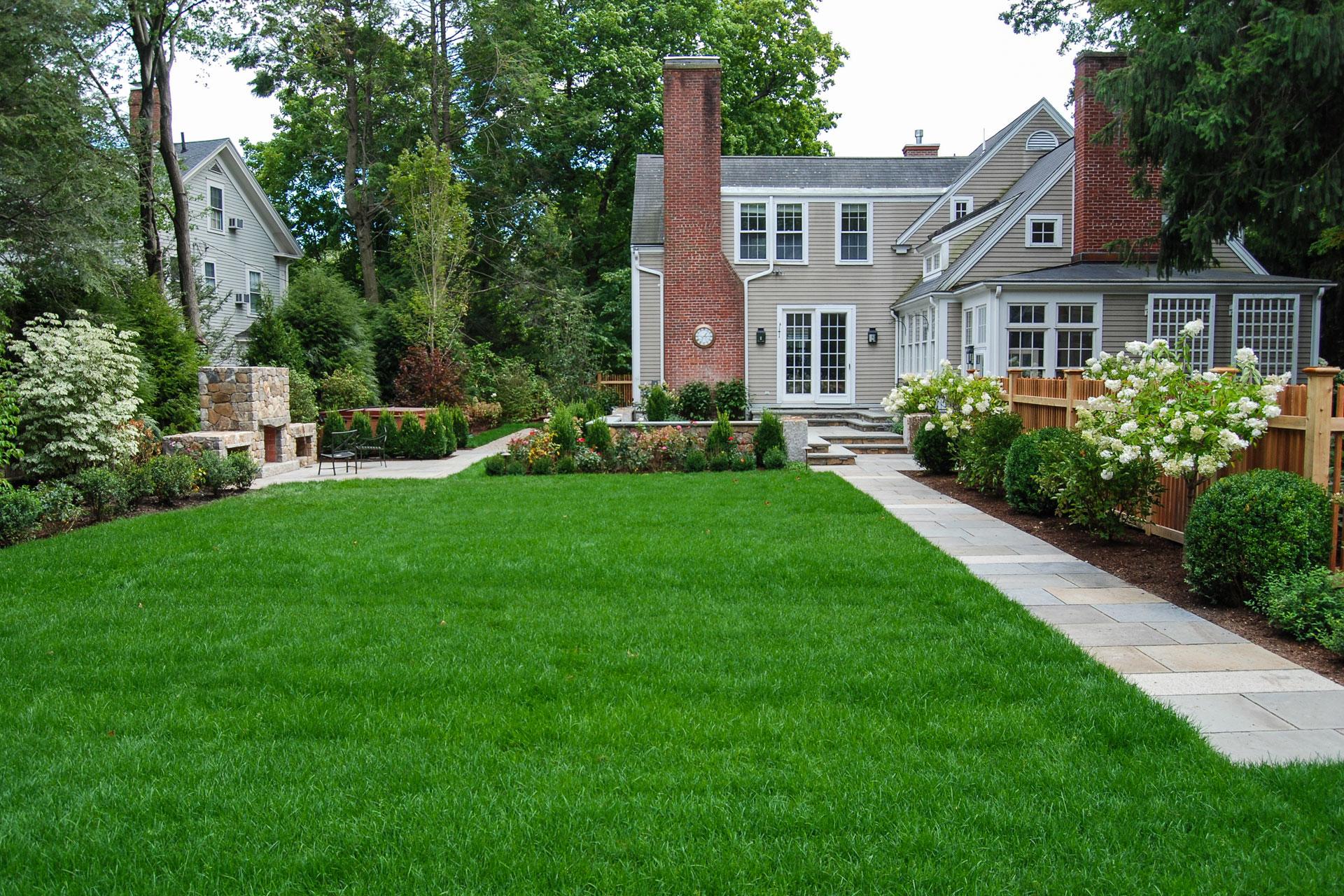
“Well-maintained and thoughtfully executed landscapes can increase property value by up to 20%. The caveat: only if they are perceived as intentional and high-quality.”
That distinction is important. Landscaping adds the most value when it looks considered, cohesive, and well maintained. Random improvements rarely produce the same effect as a property-wide landscape plan.
Pros and Cons of Investing in High-End Landscaping
| Pros | Cons |
|---|---|
|
|
Summary
A well-designed and well-maintained landscape can be one of the most valuable improvements a Greater Boston homeowner makes. Research suggests that thoughtful landscaping can increase perceived home value, improve buyer confidence, and strengthen marketability. Just as important, it can make the property more comfortable, functional, and enjoyable while you live there.
The key is quality. Professional design, mature planting, durable hardscape, drainage planning, lighting, irrigation, and ongoing maintenance all contribute to long-term value. For homeowners in the Greater Boston region, the best landscapes are those that align with local architecture, climate, lifestyle, and luxury-market expectations.
If you are considering a landscaping project and want to understand how to tailor the design, budget, and phasing to optimize value, reach out to the team at a Blade of Grass. We specialize in refined residential landscapes across Greater Boston and can help create a site-specific design roadmap that supports beauty, function, and long-term property value.