Stone walls and steps bring structure, definition, and durability to a landscape. Built from natural stone or masonry, they manage grade changes, create clear transitions, and reinforce the character of a property while blending function with craftsmanship and long-term performance.
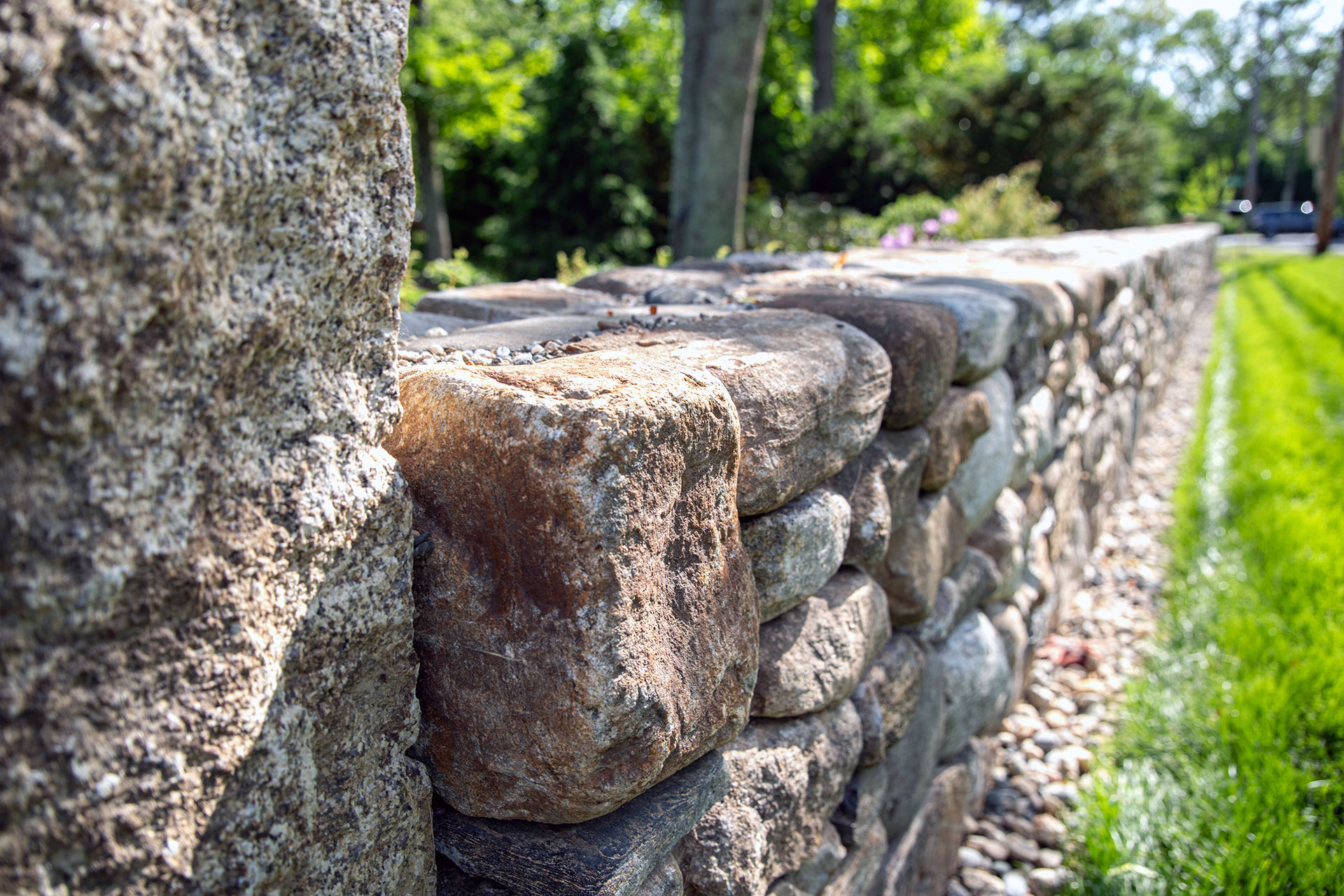
style, structure, proportion, and permanence
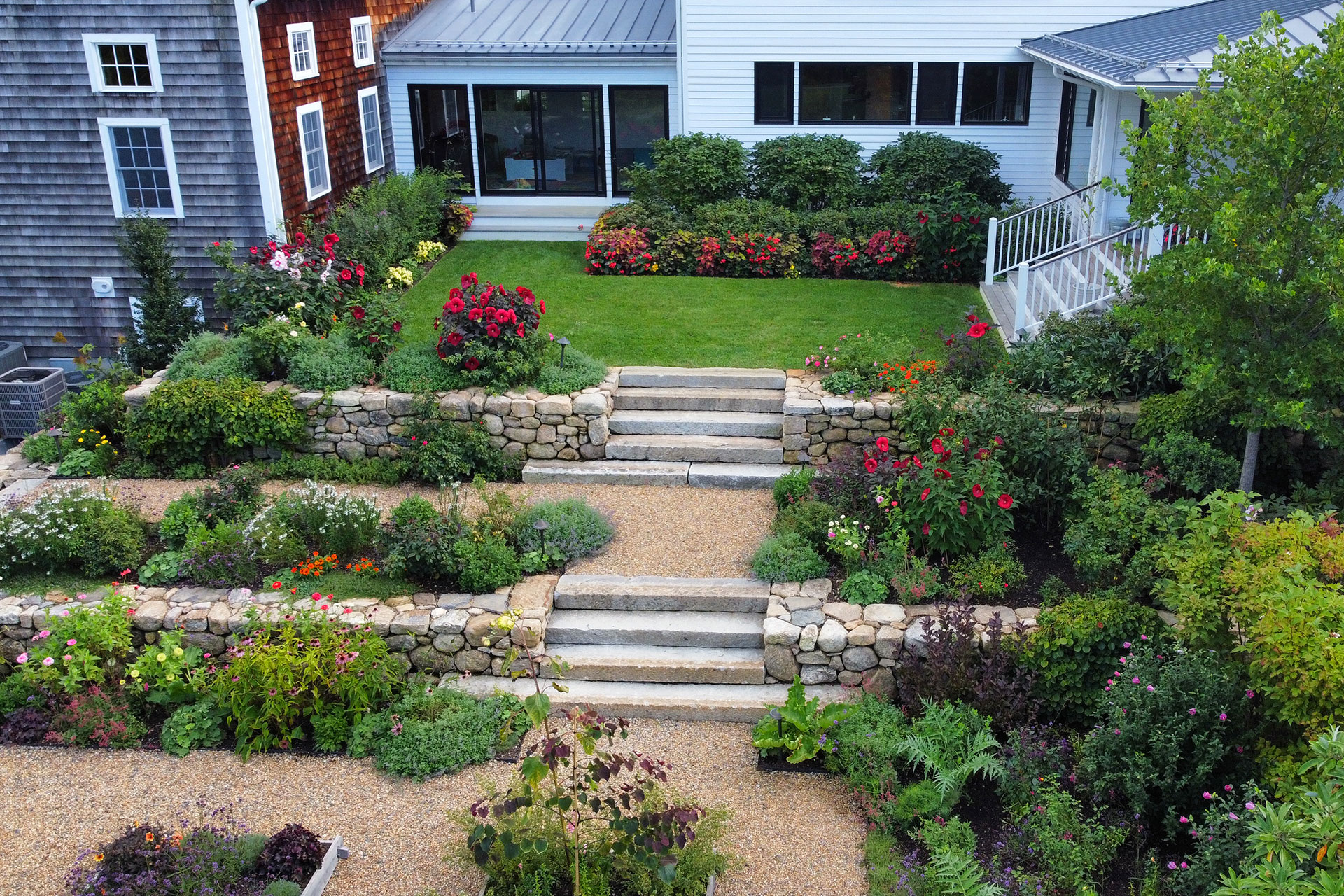
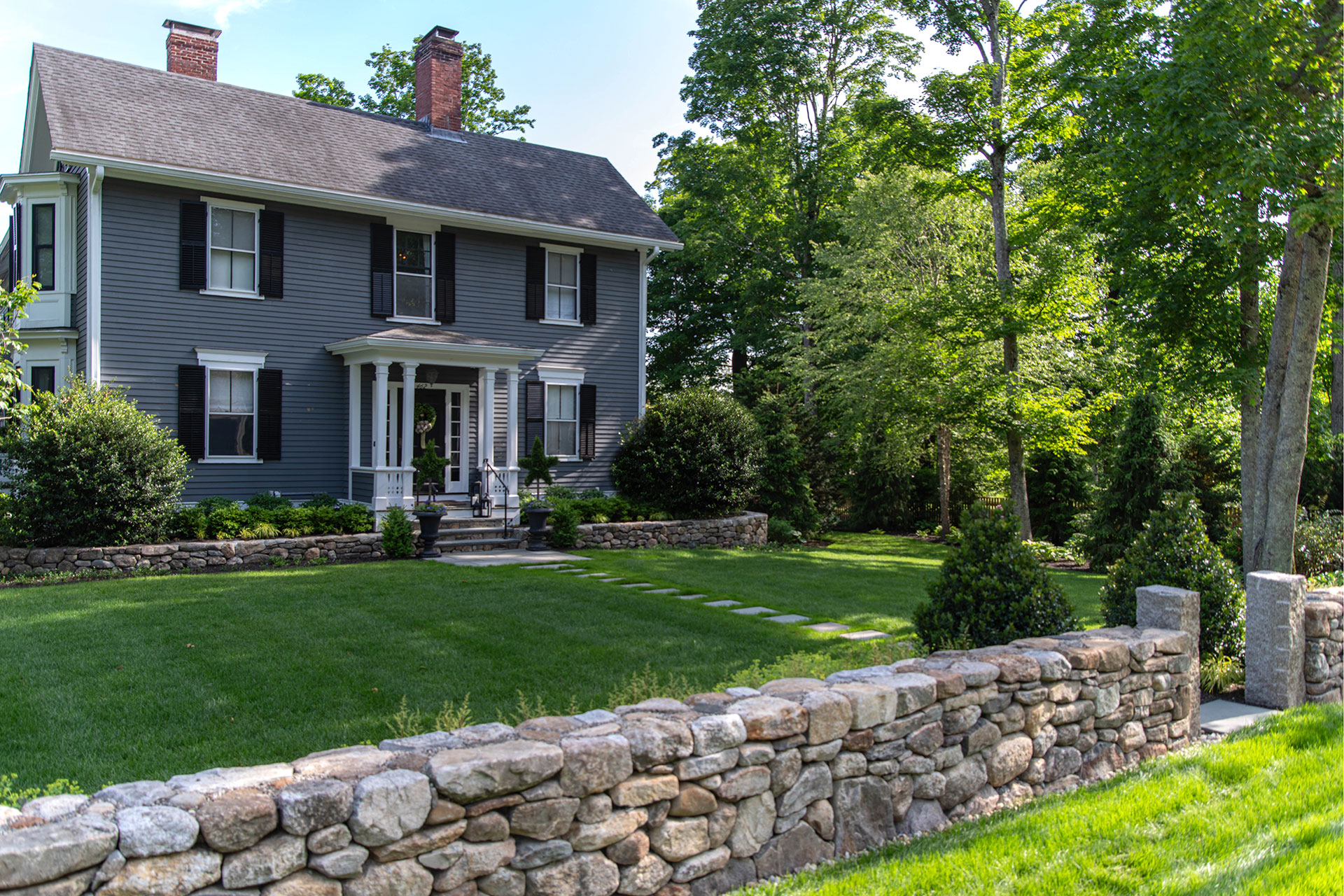
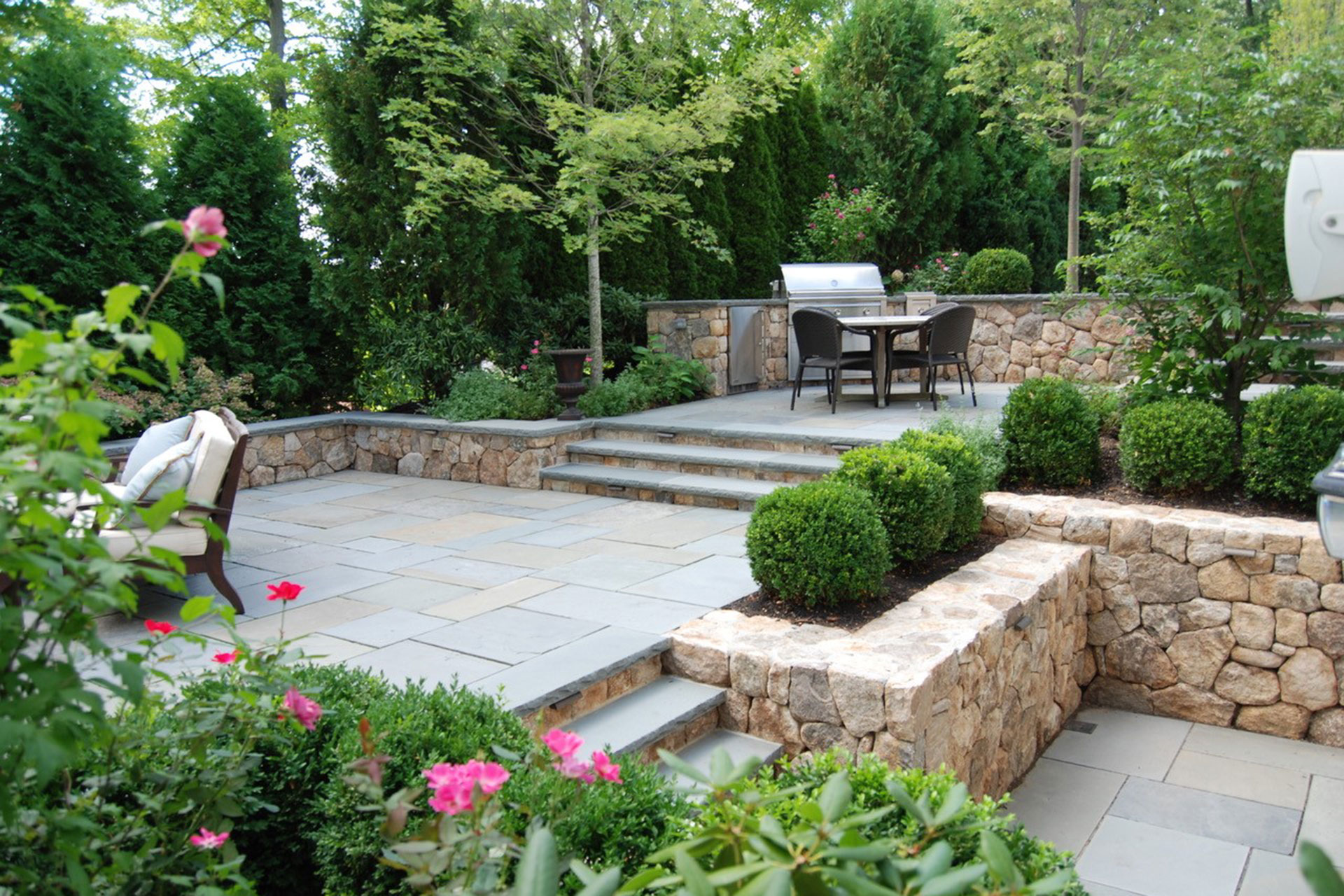
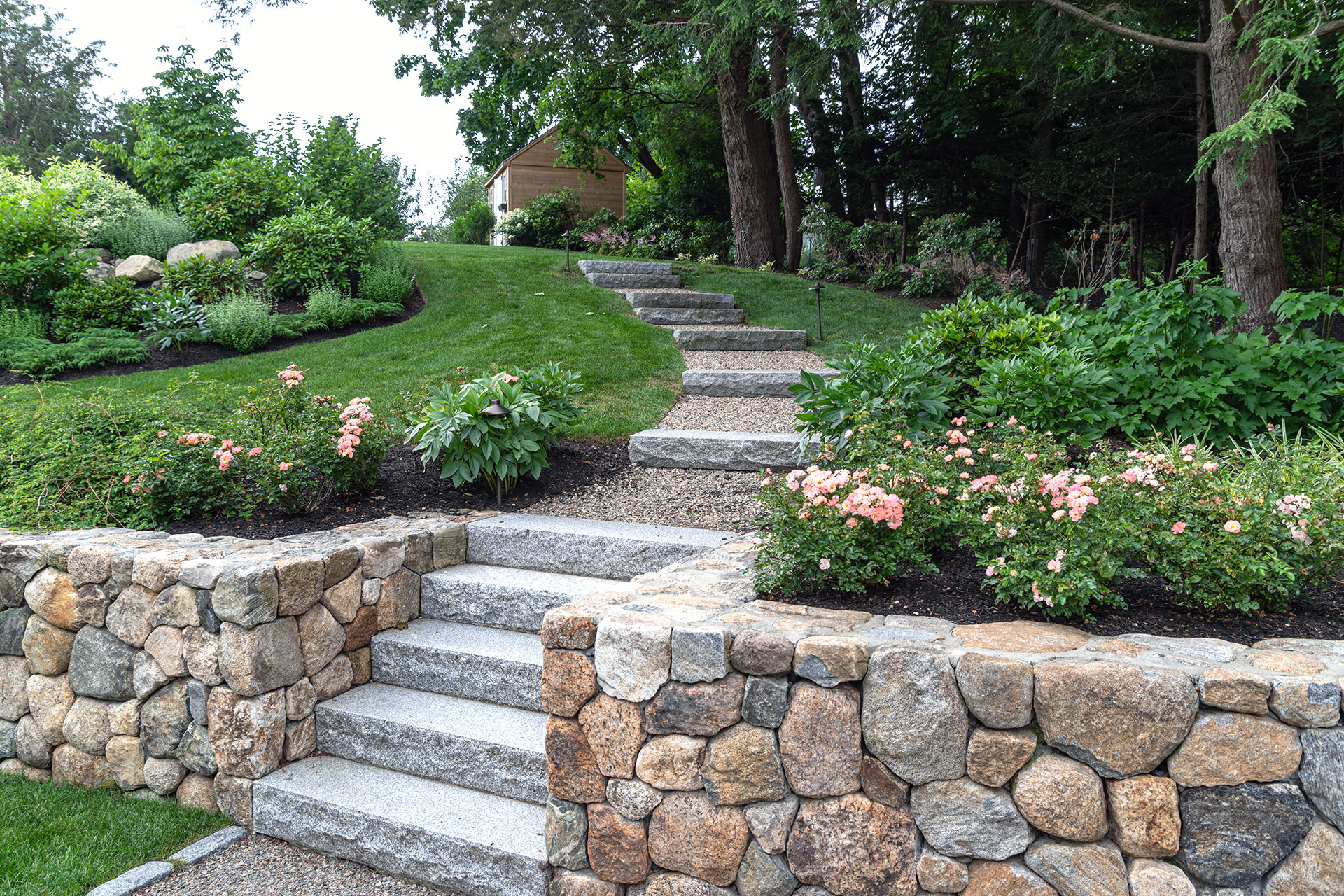
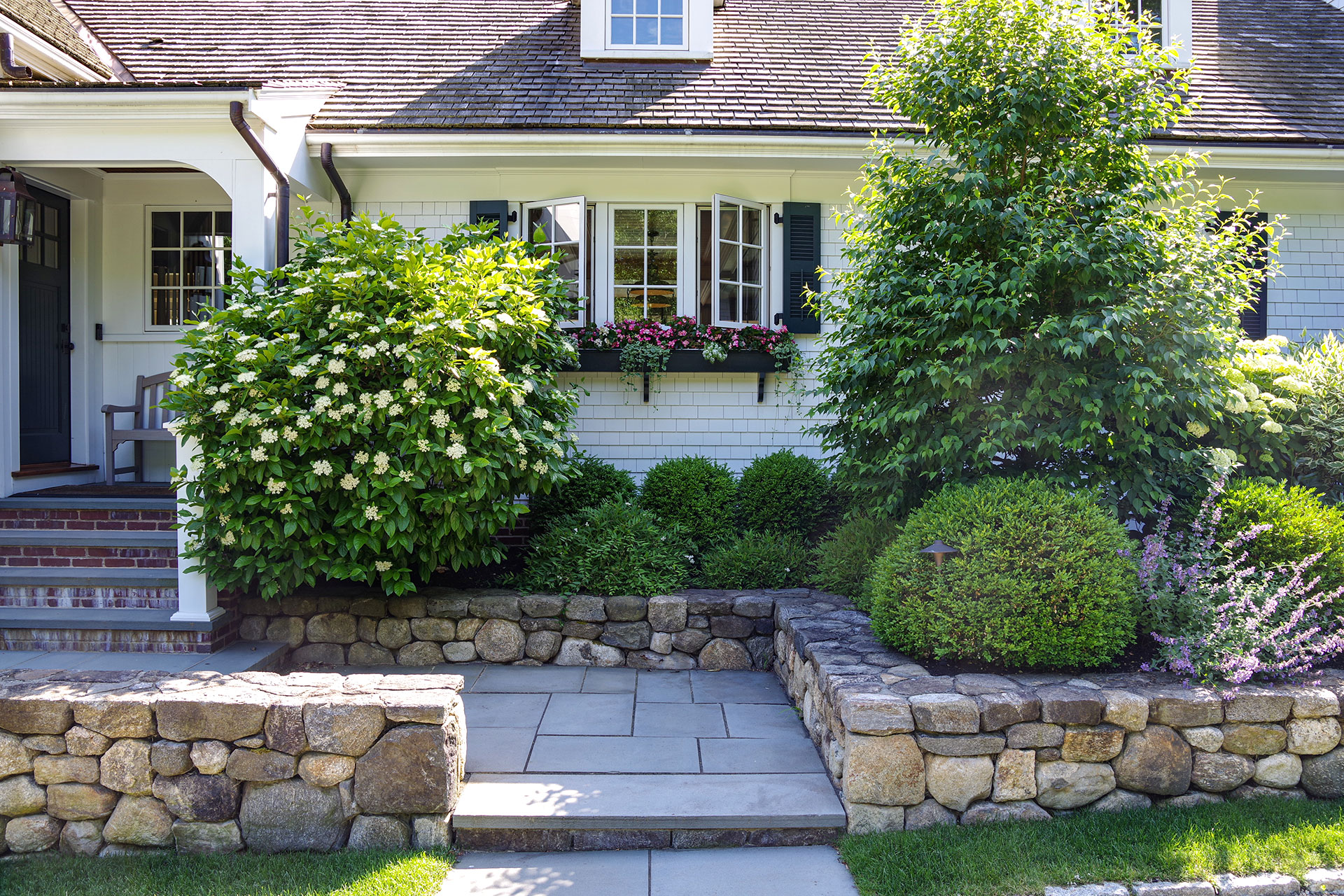
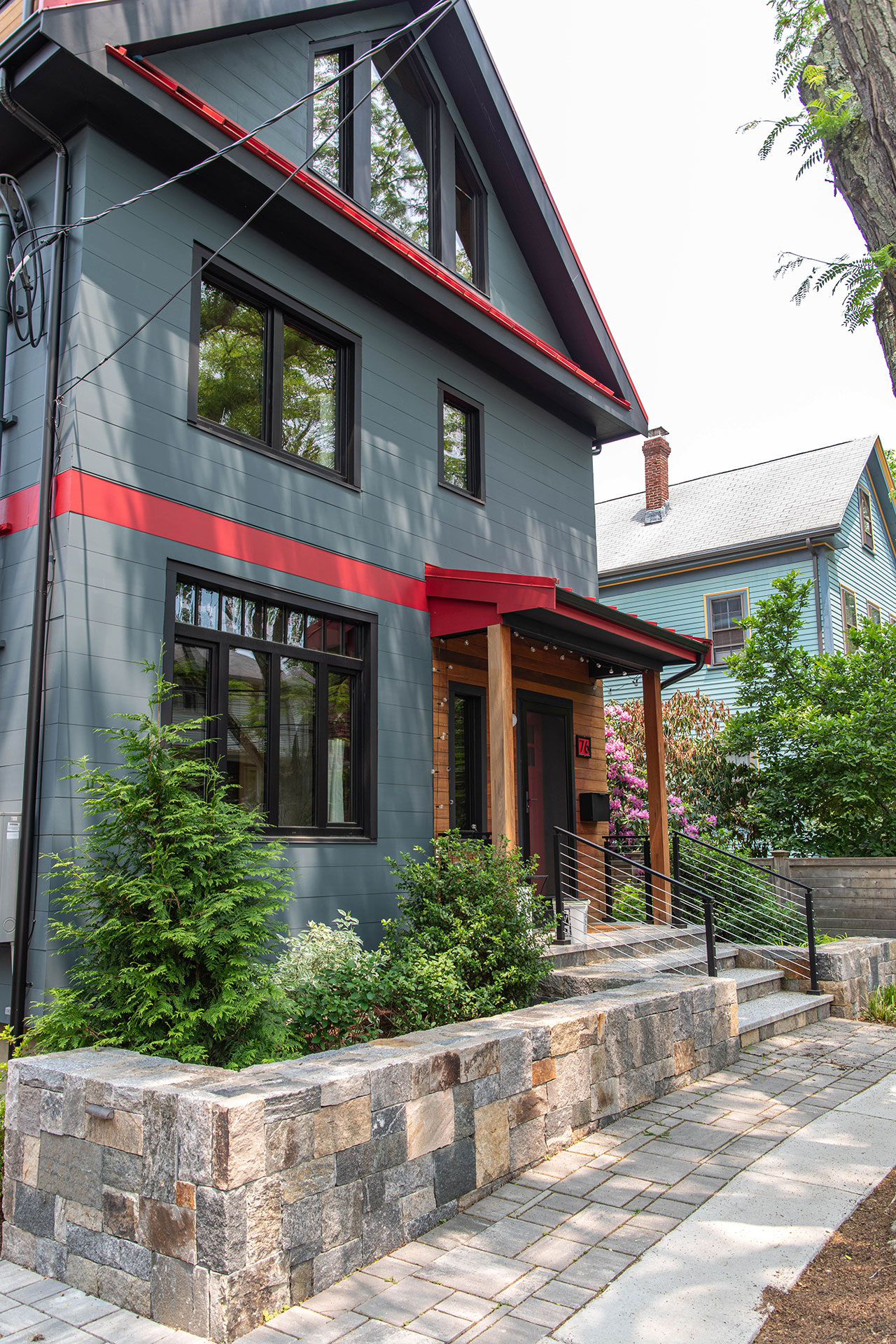
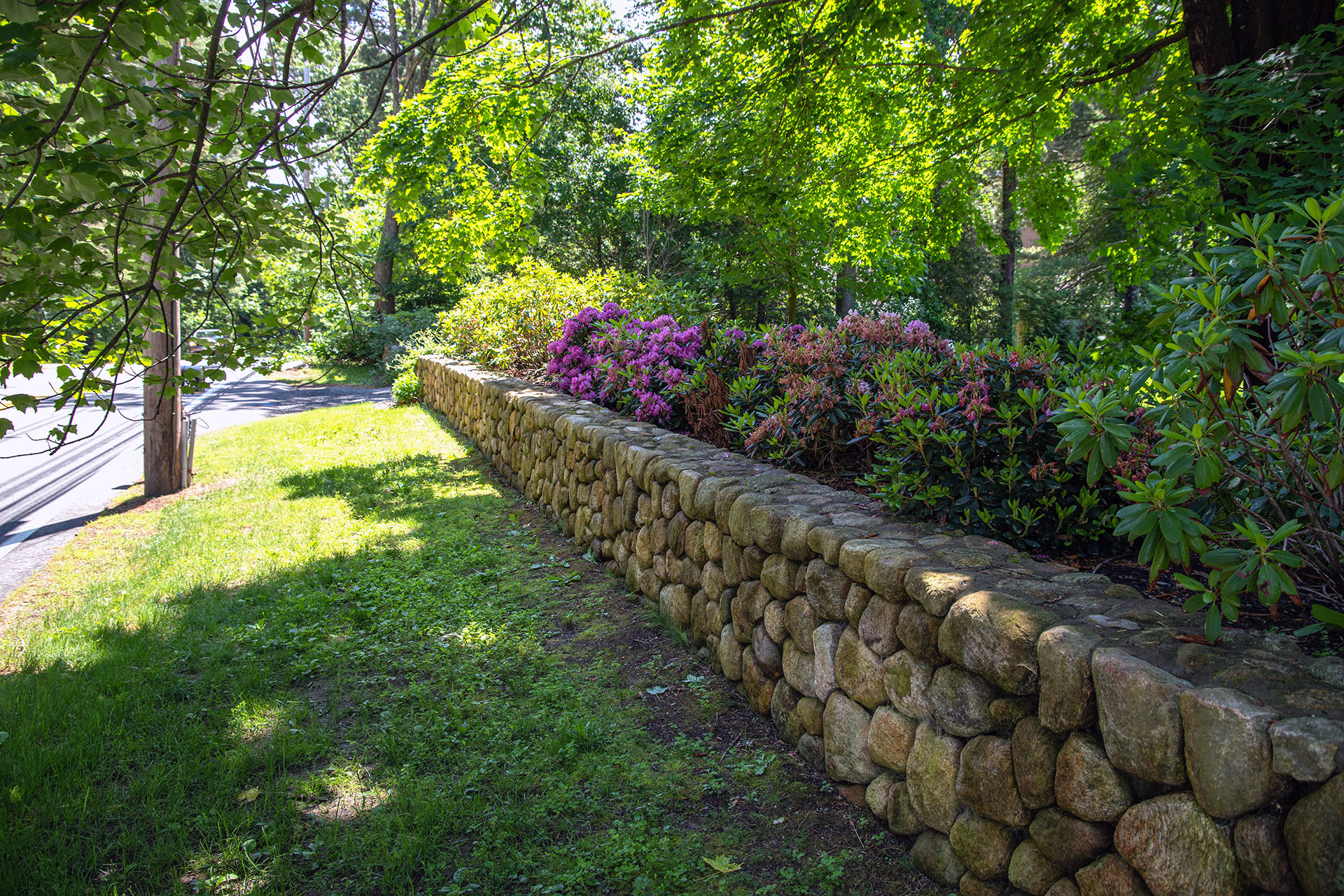
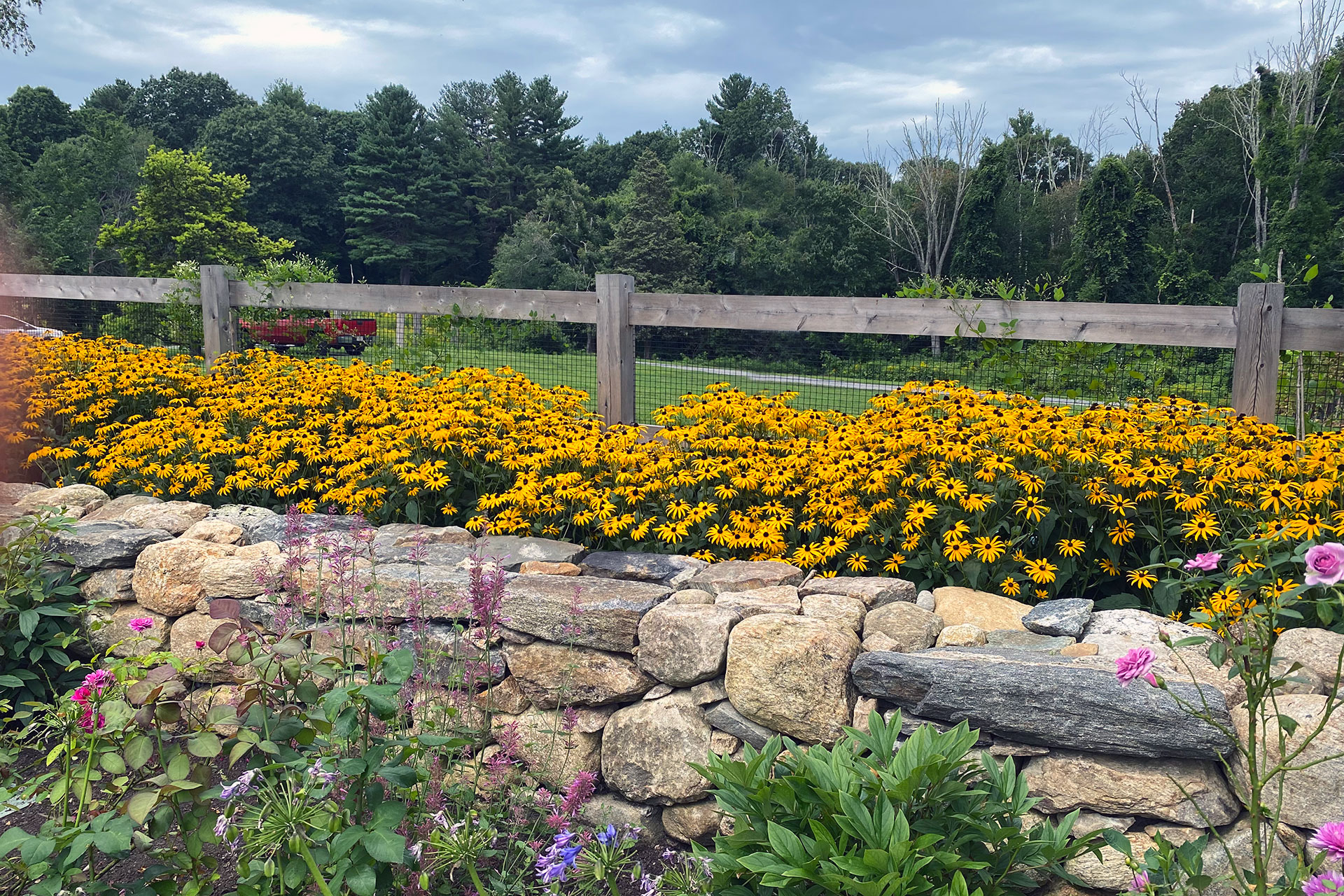
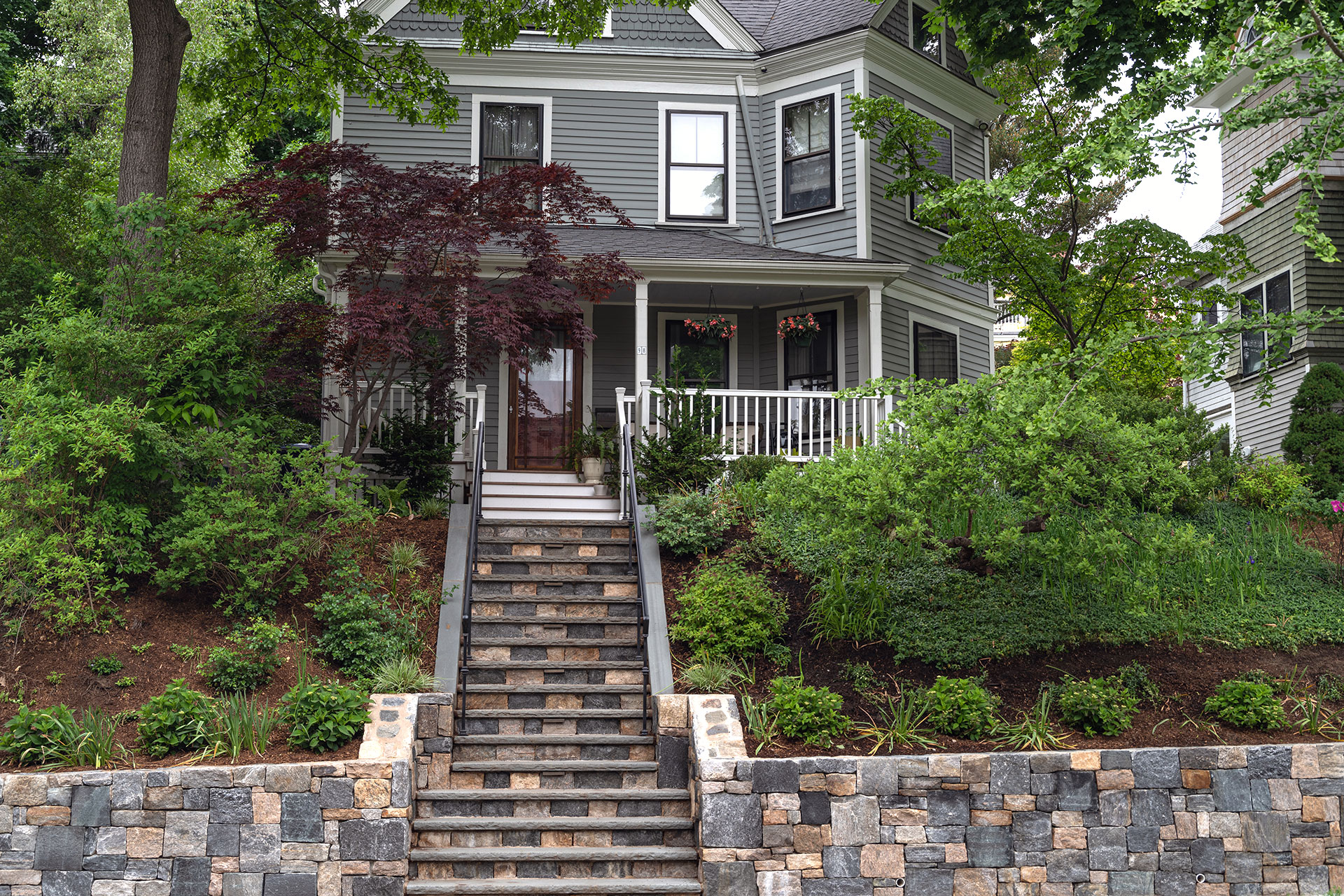
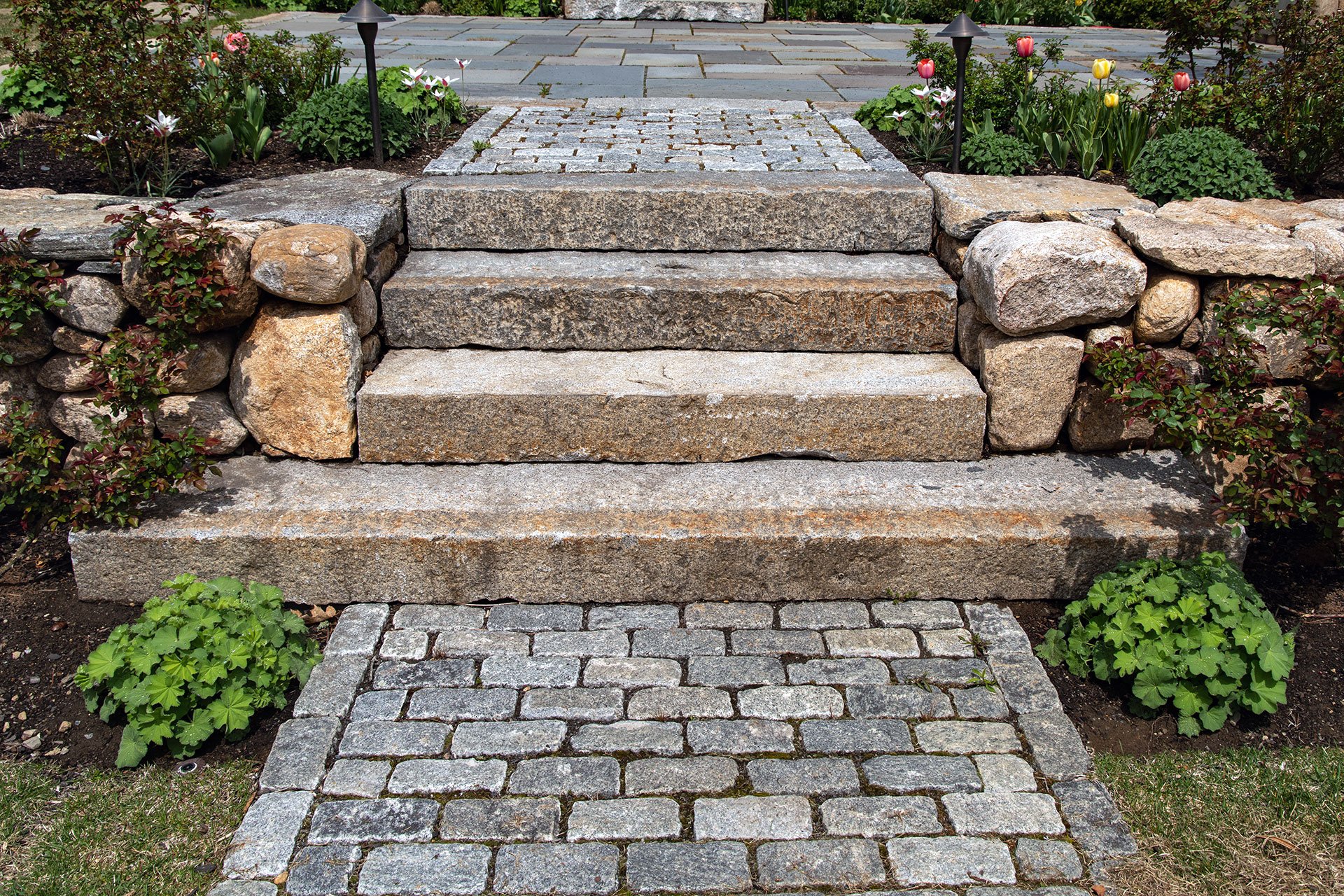
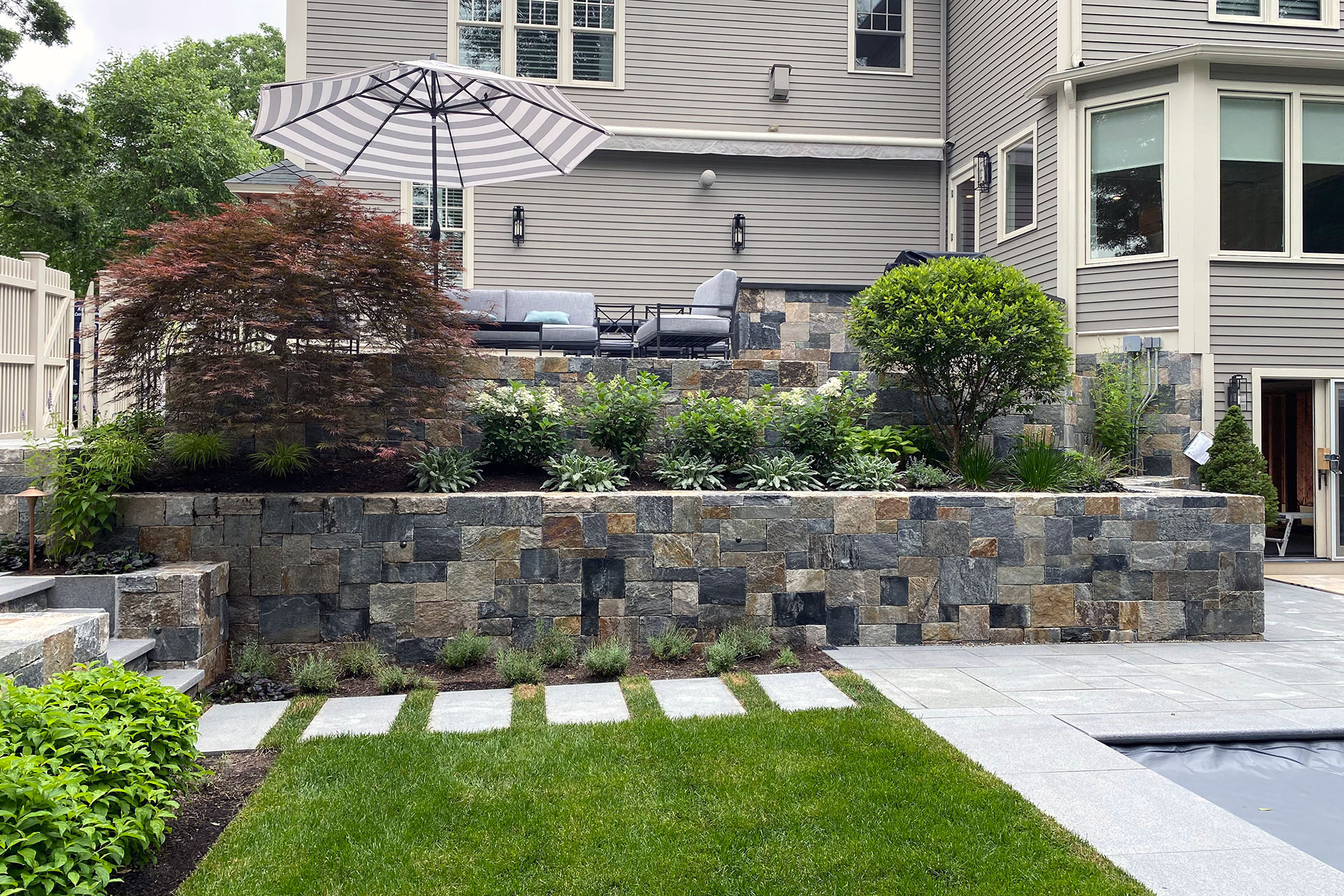
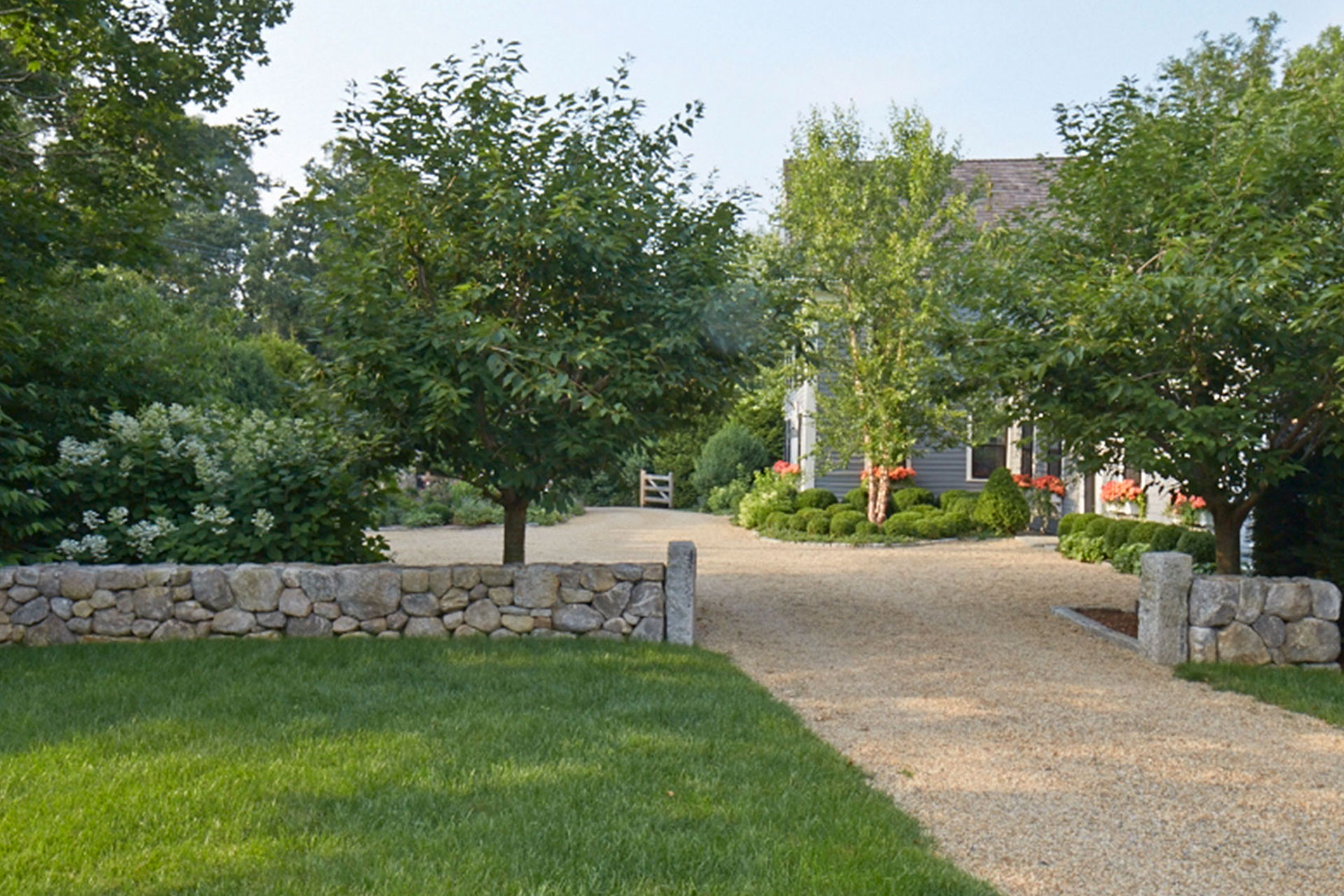
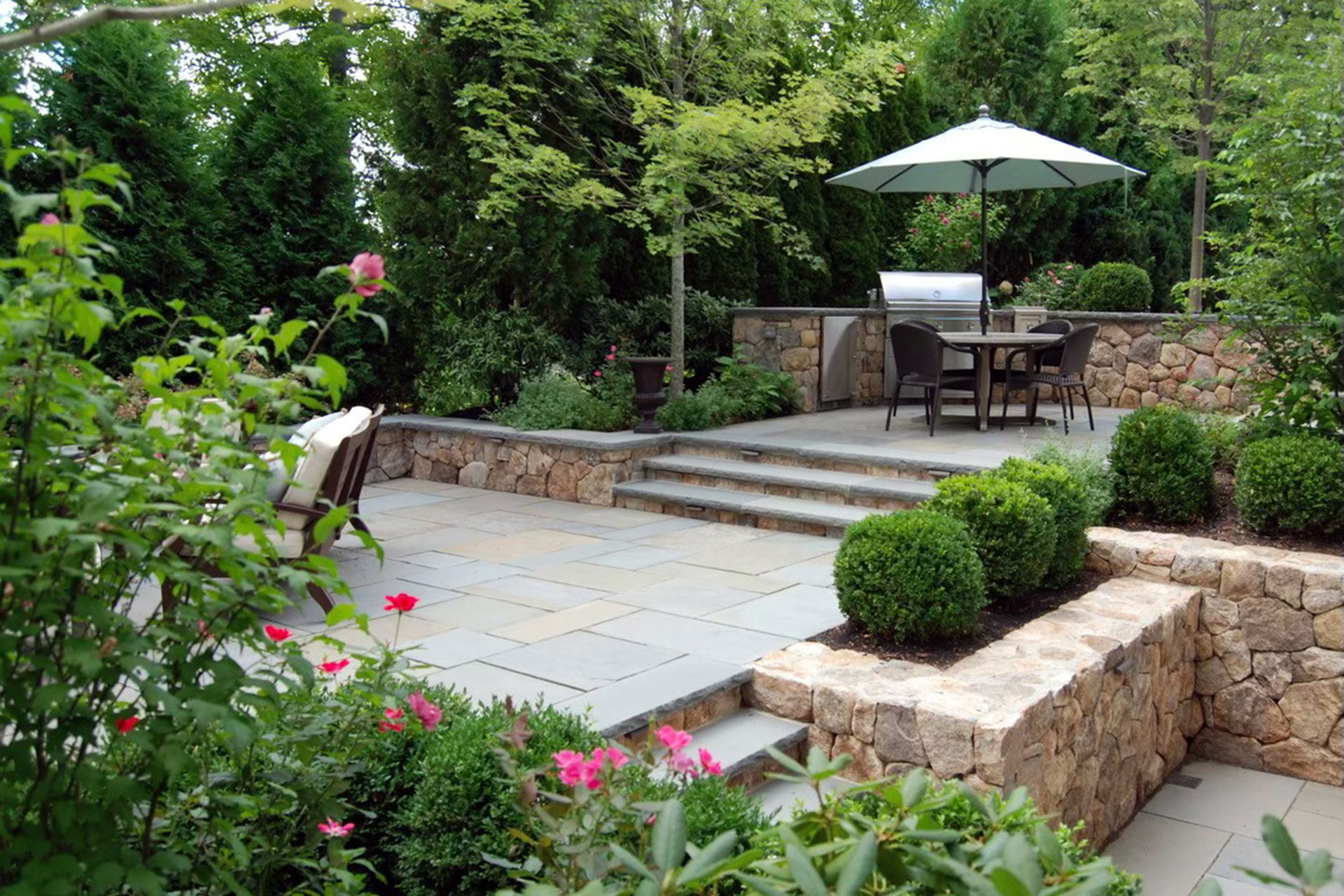
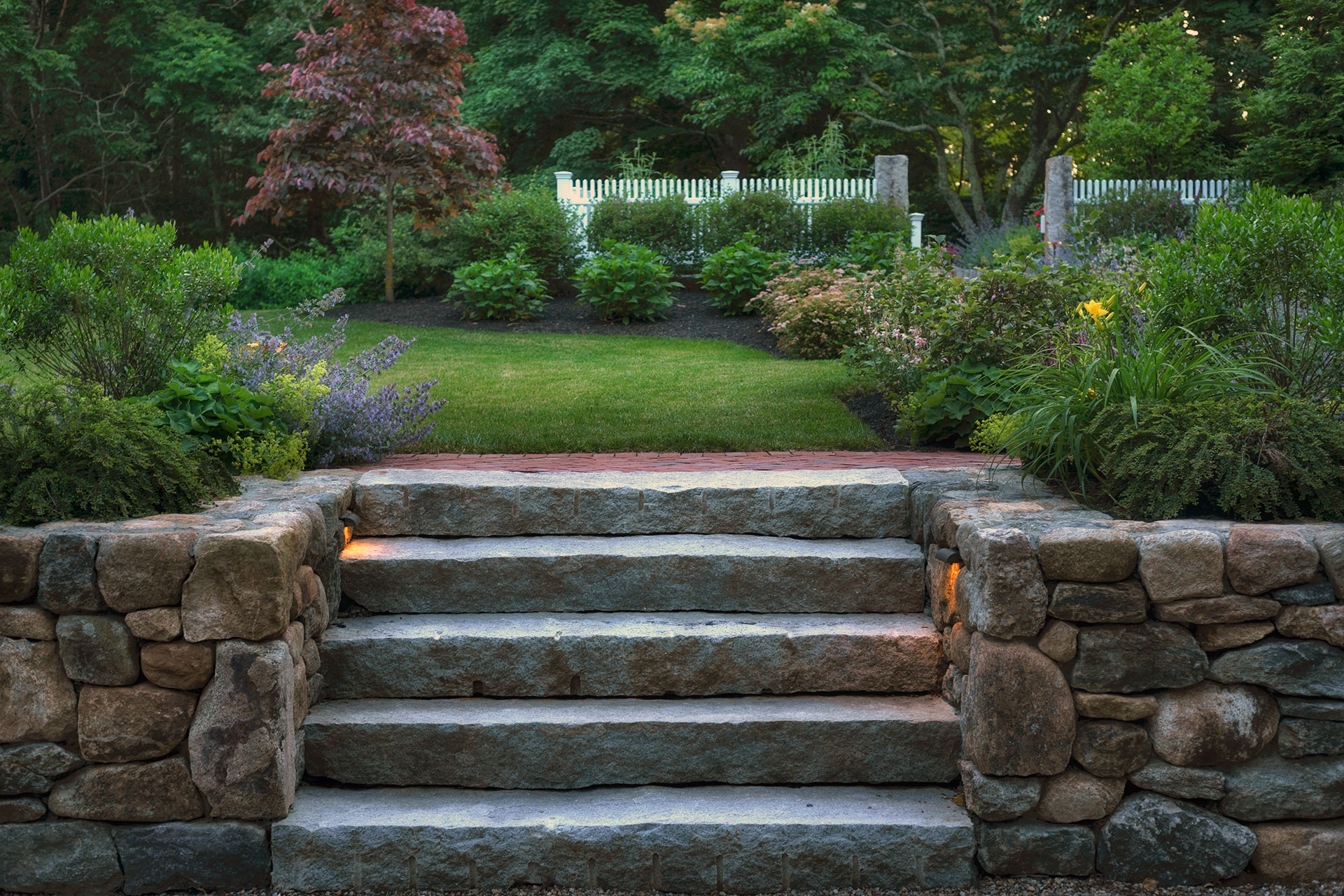
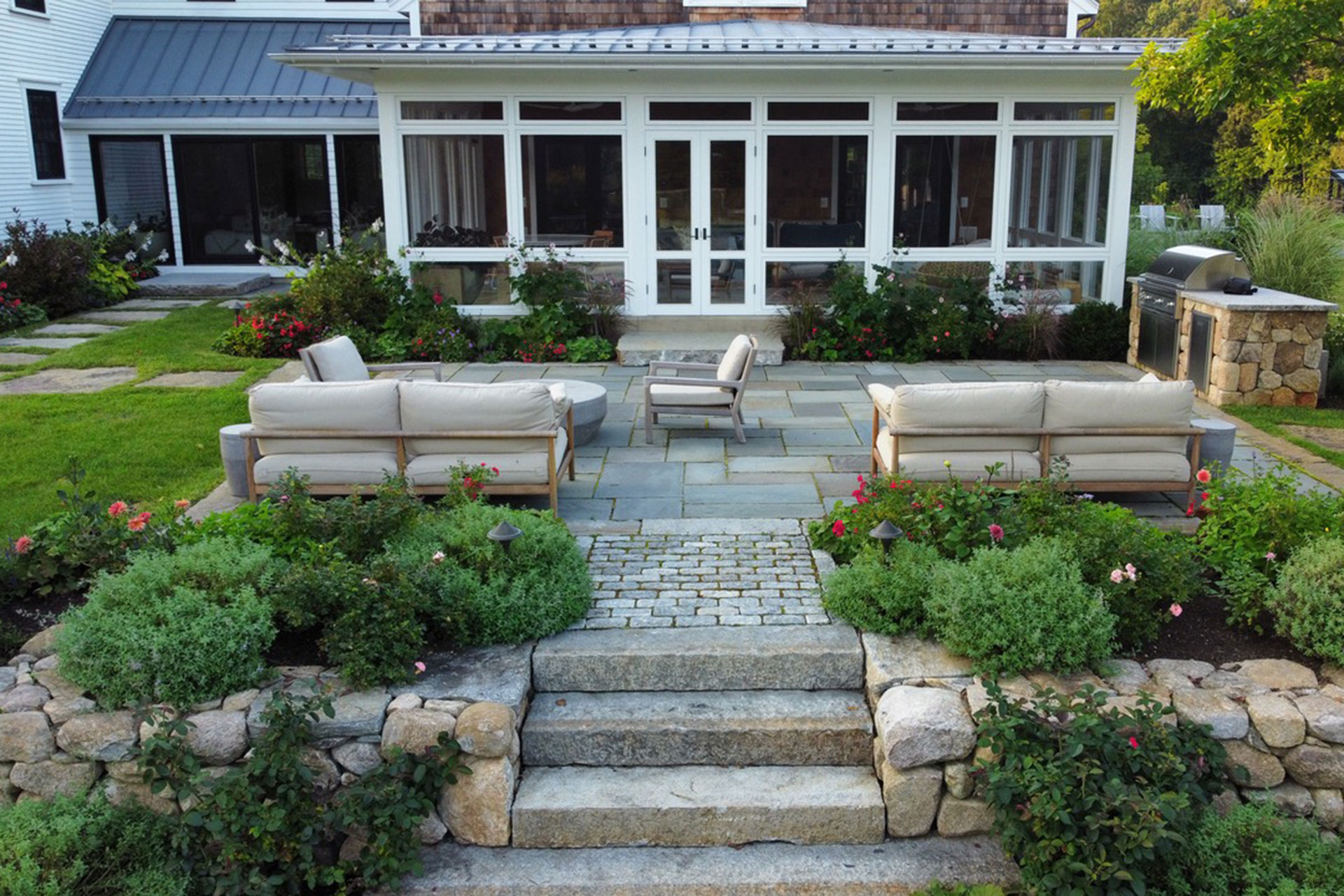
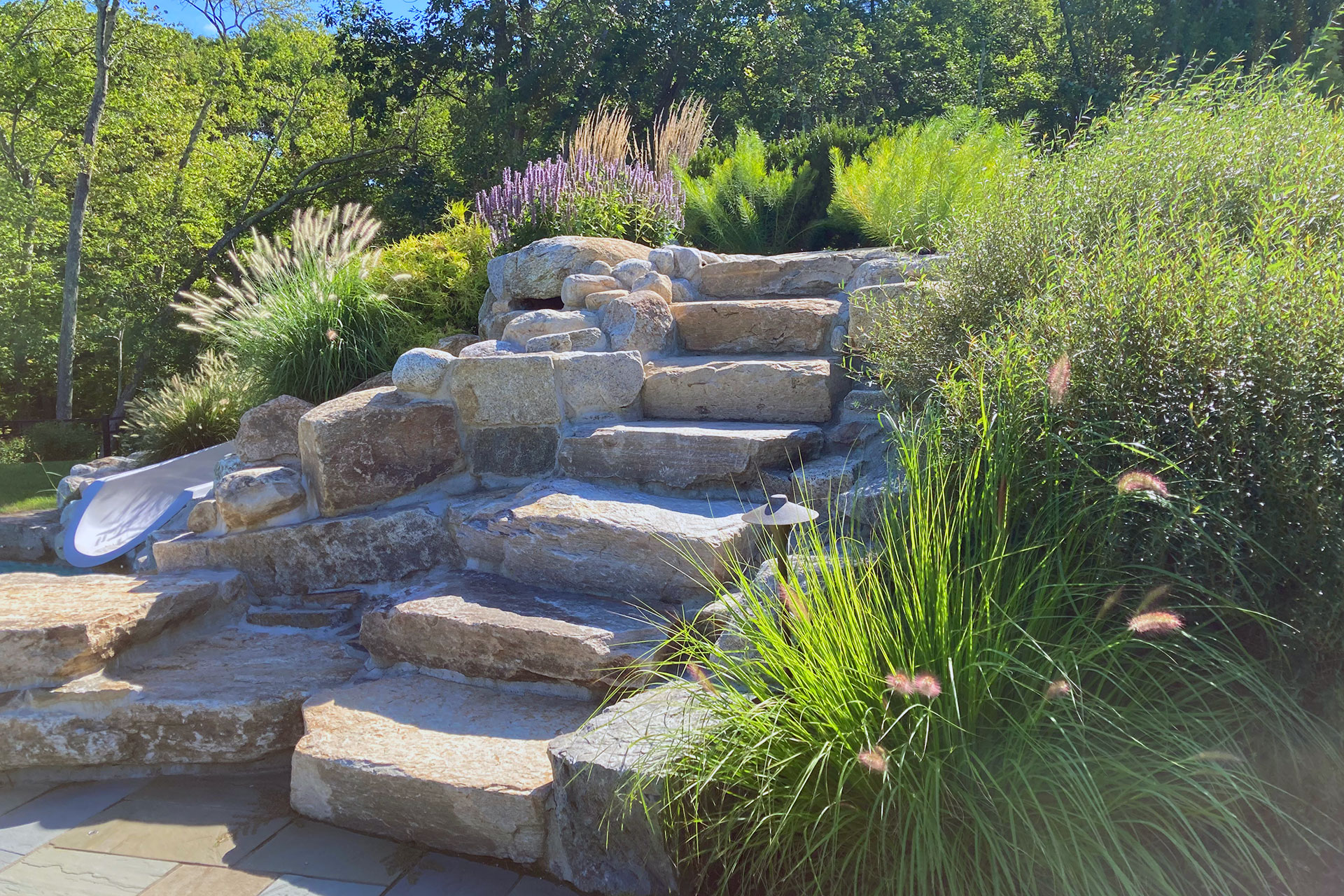
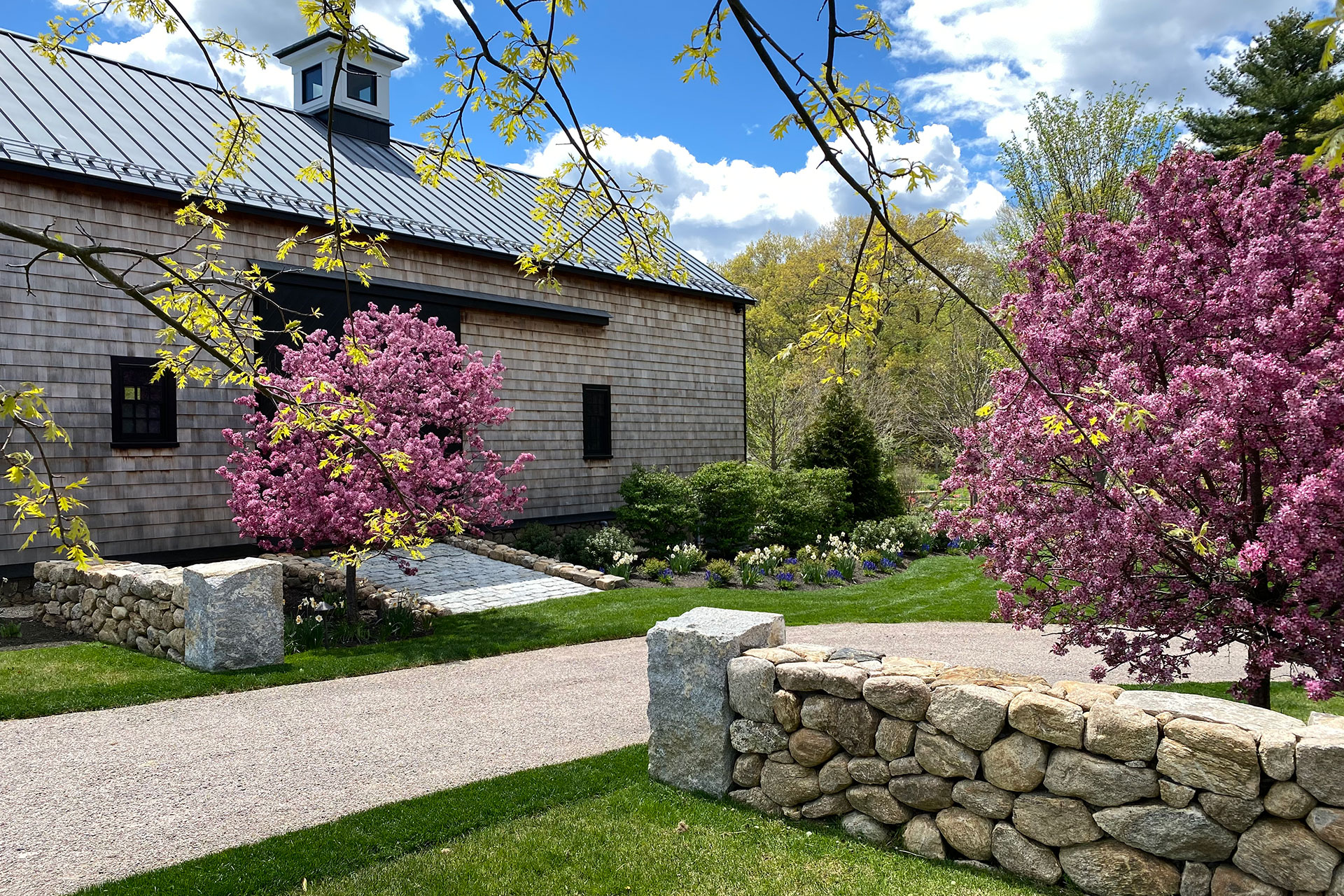
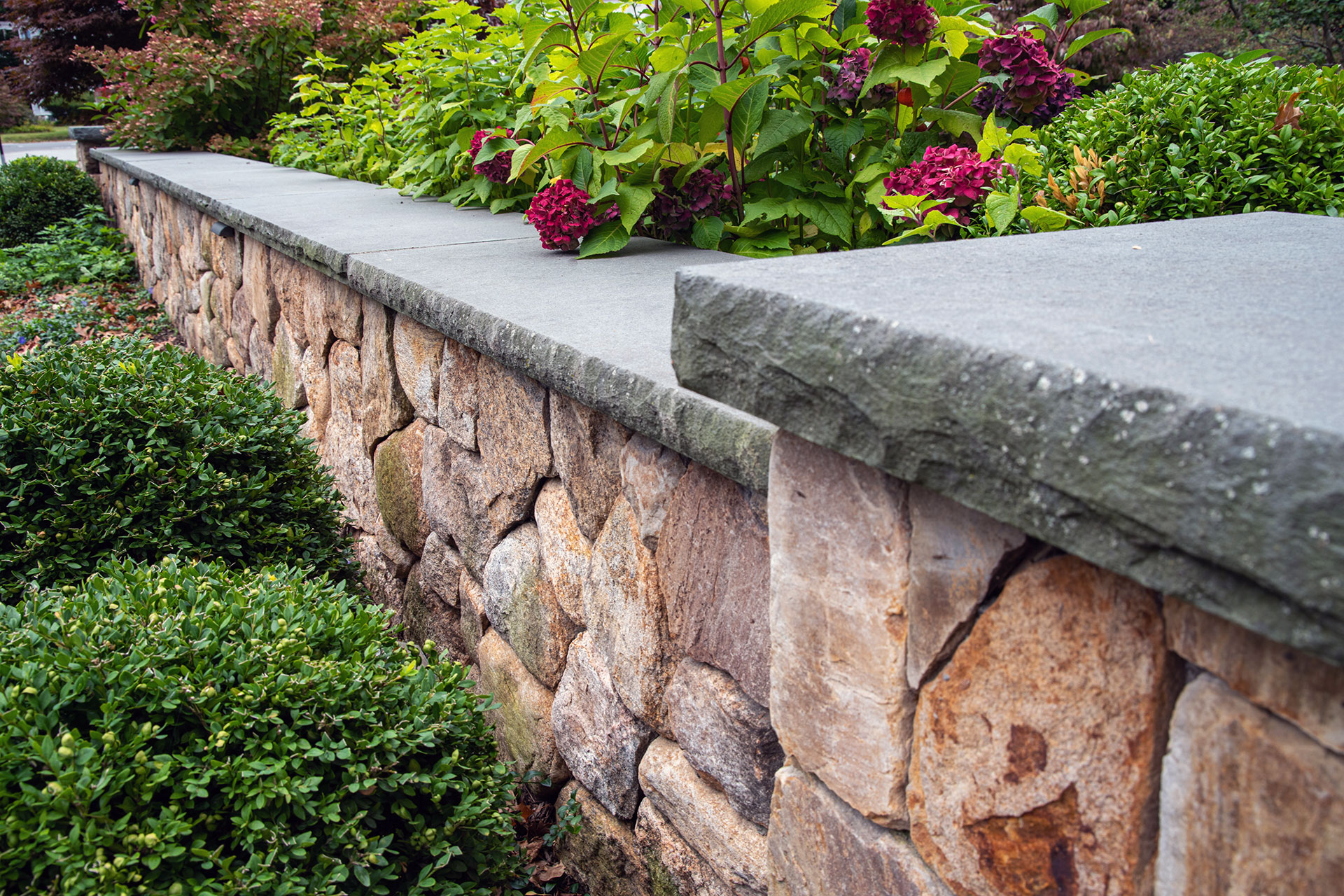
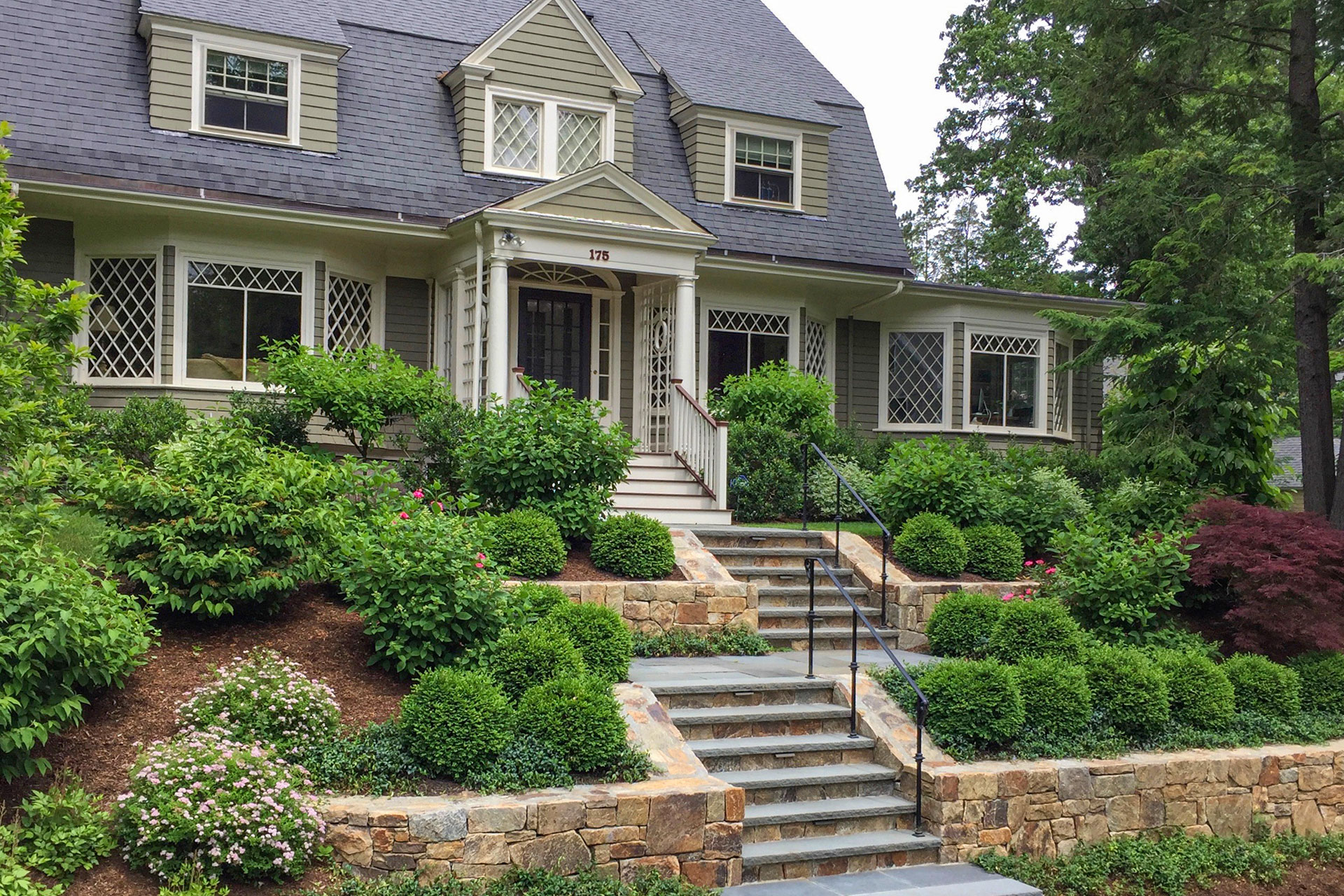
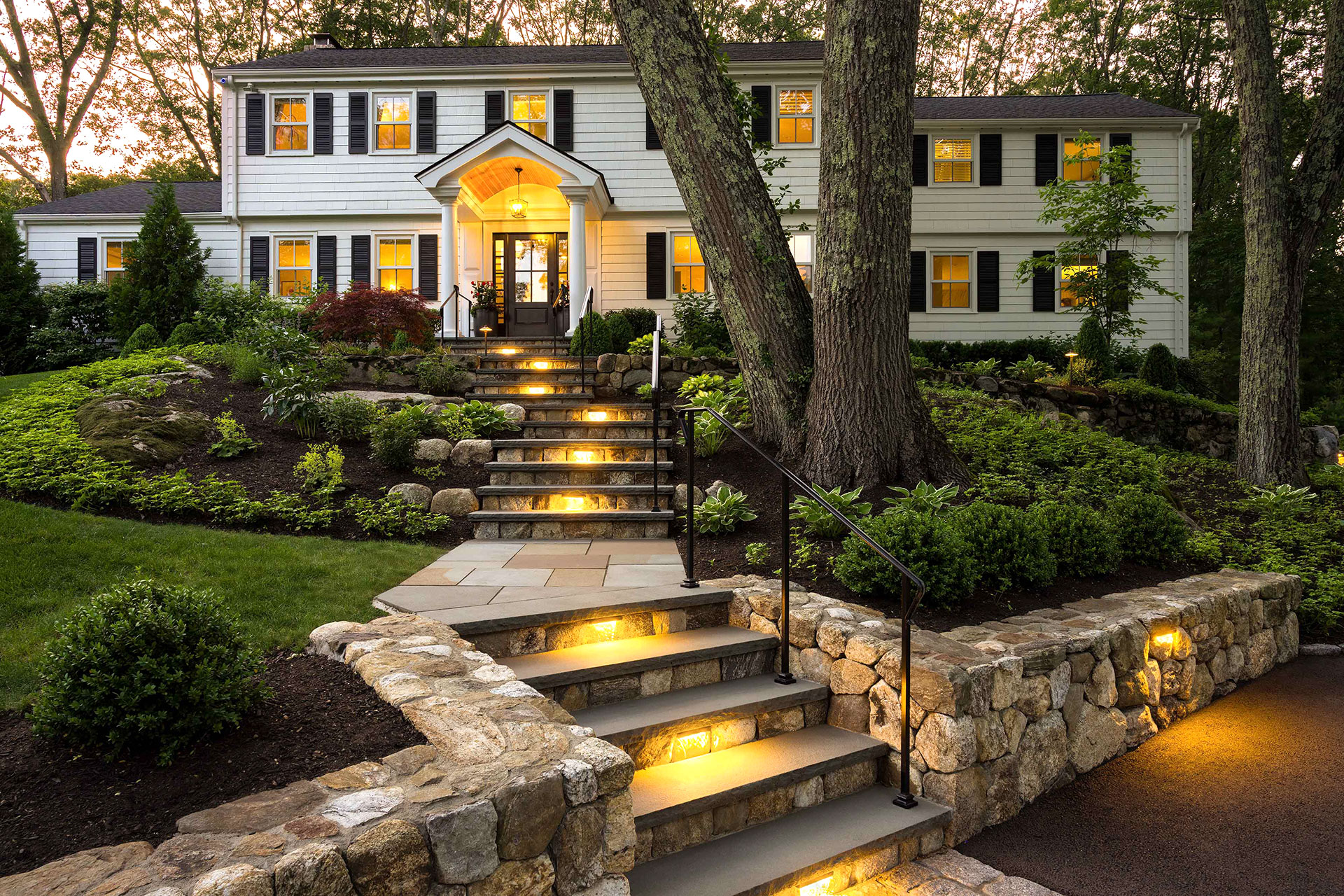
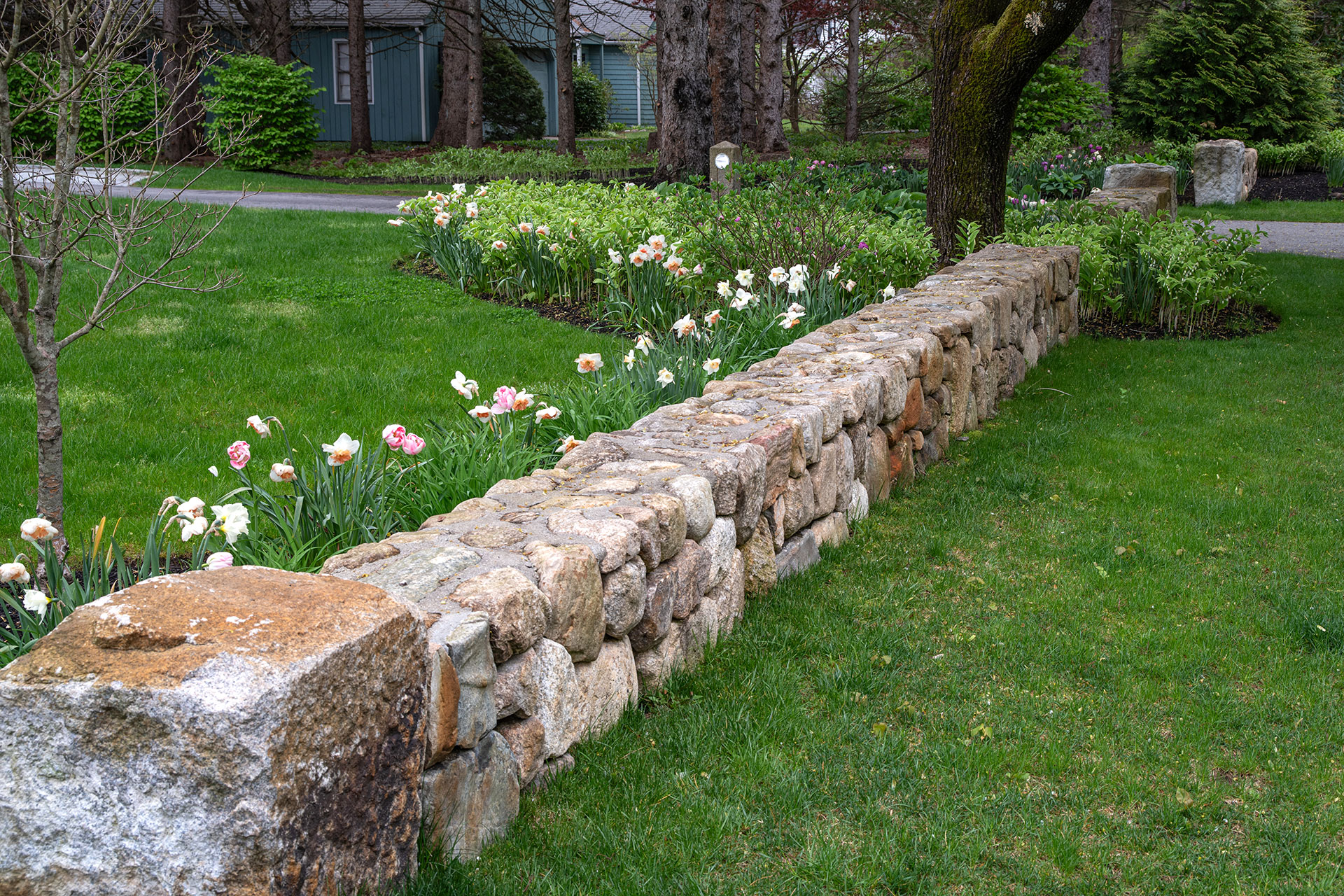
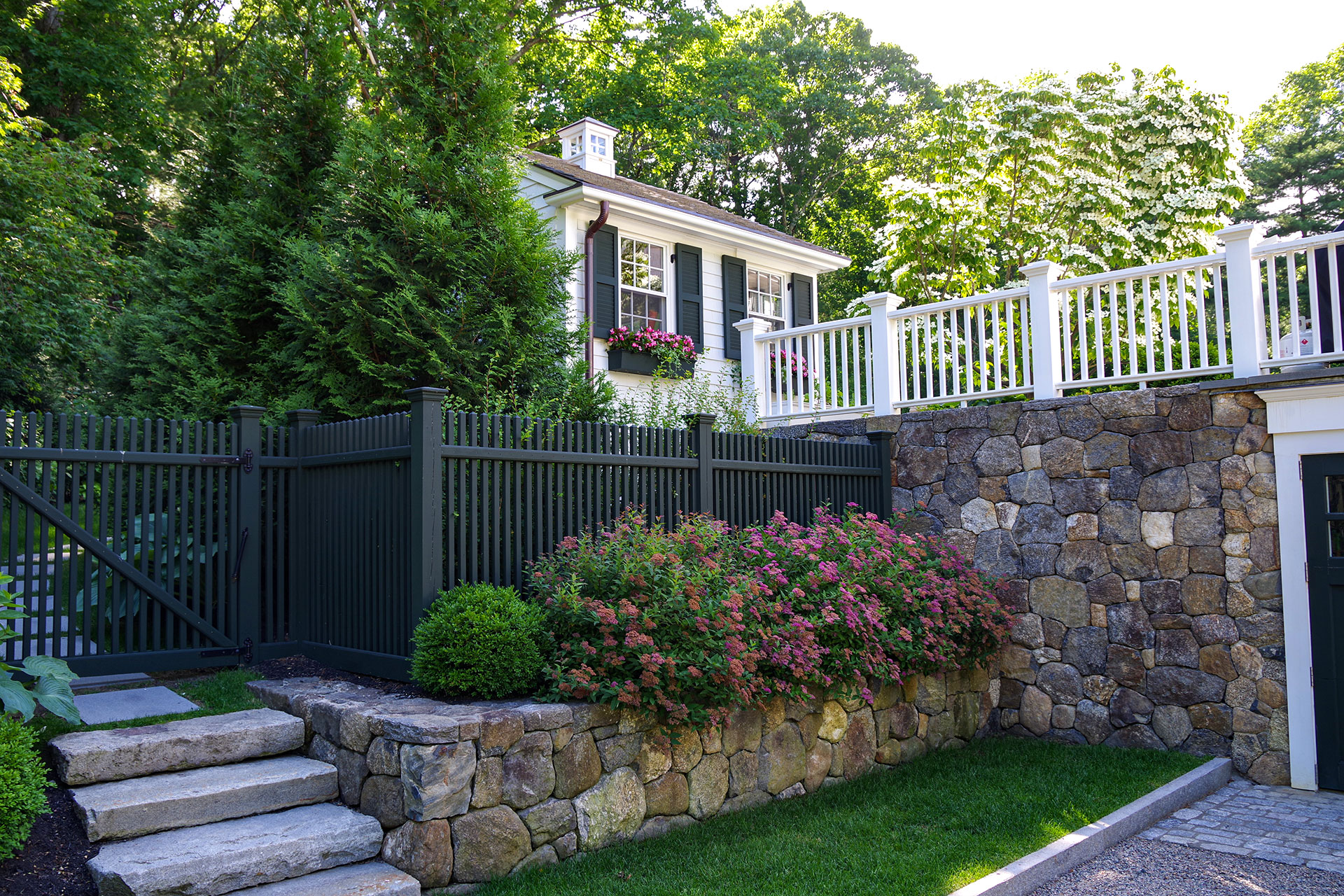
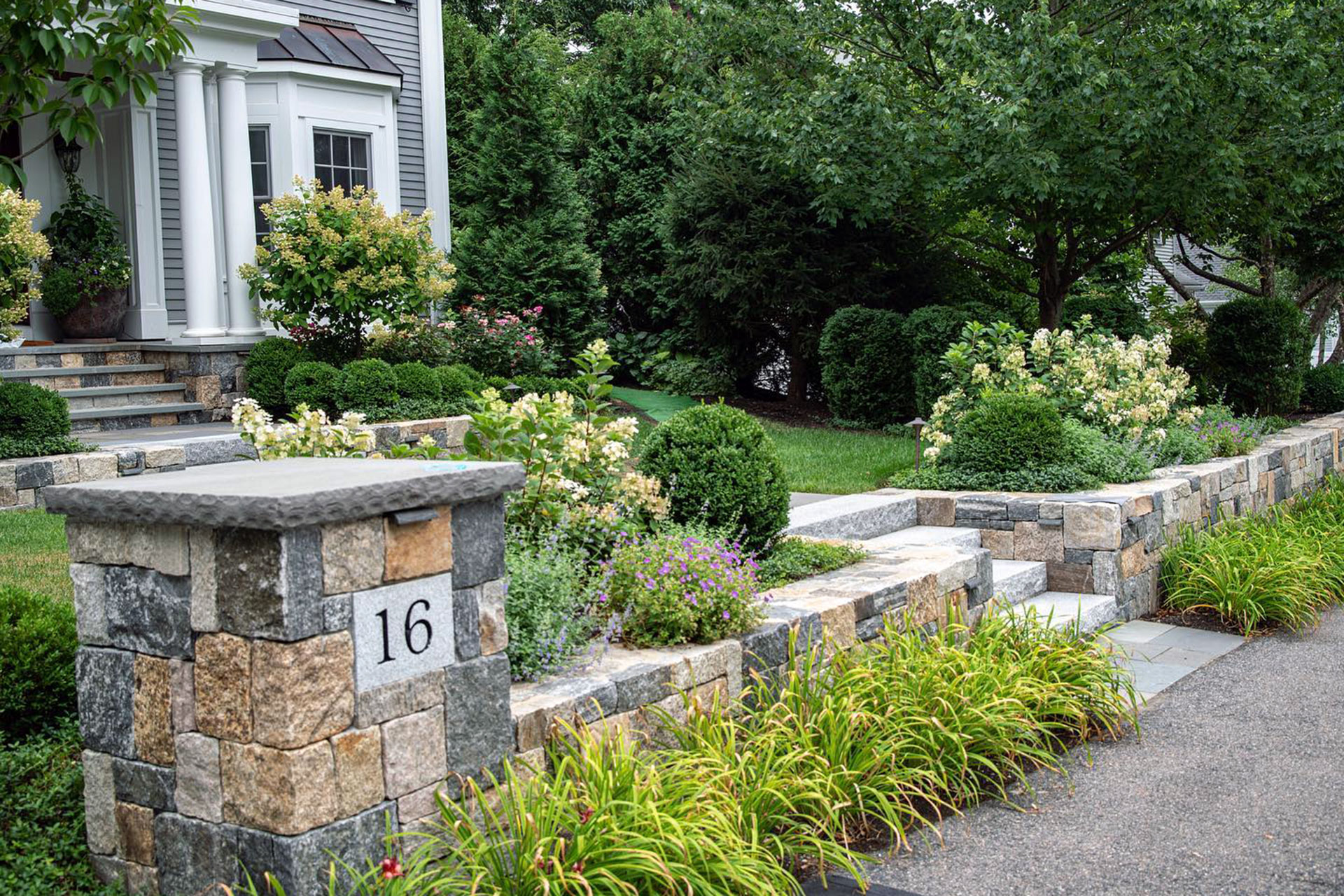
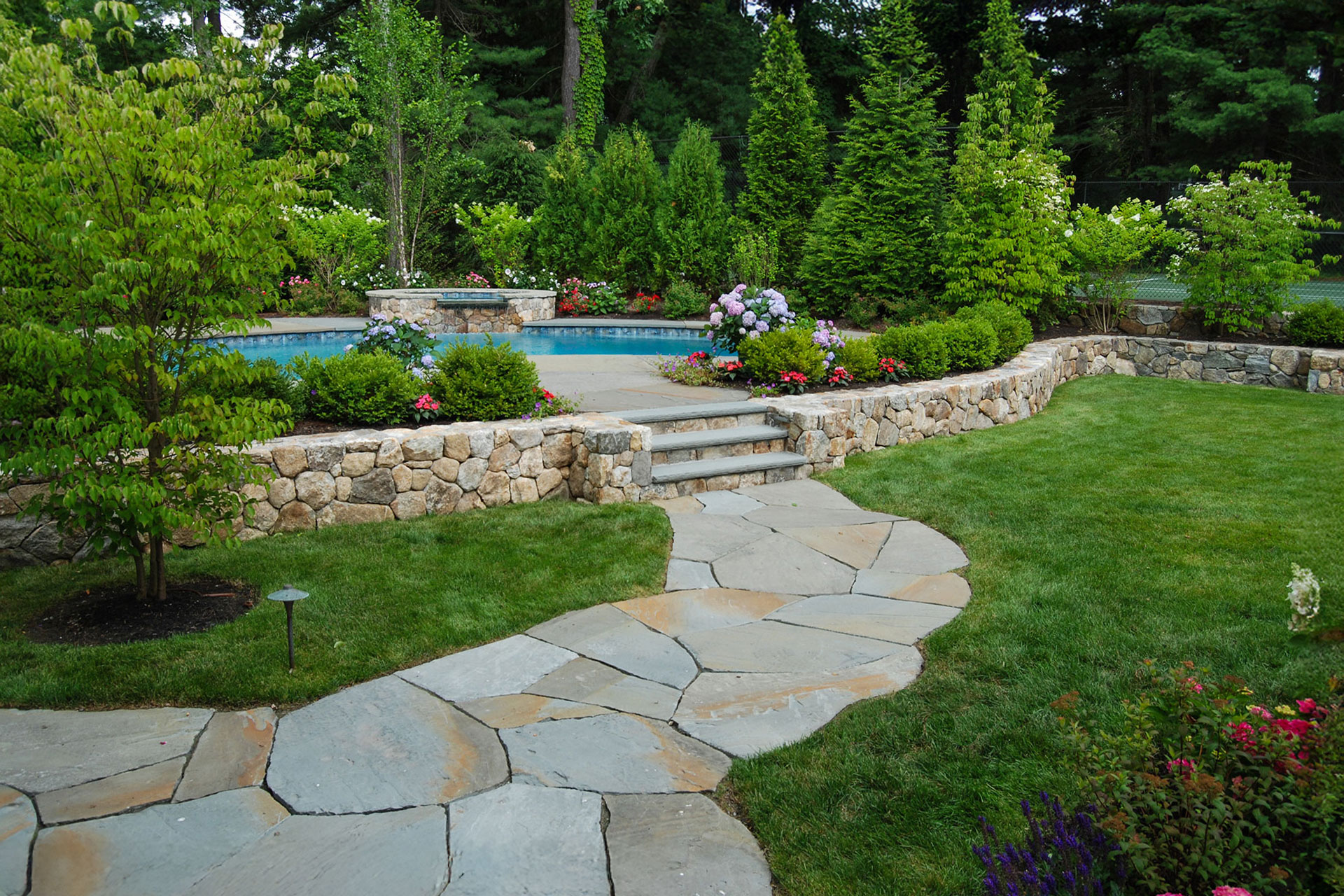
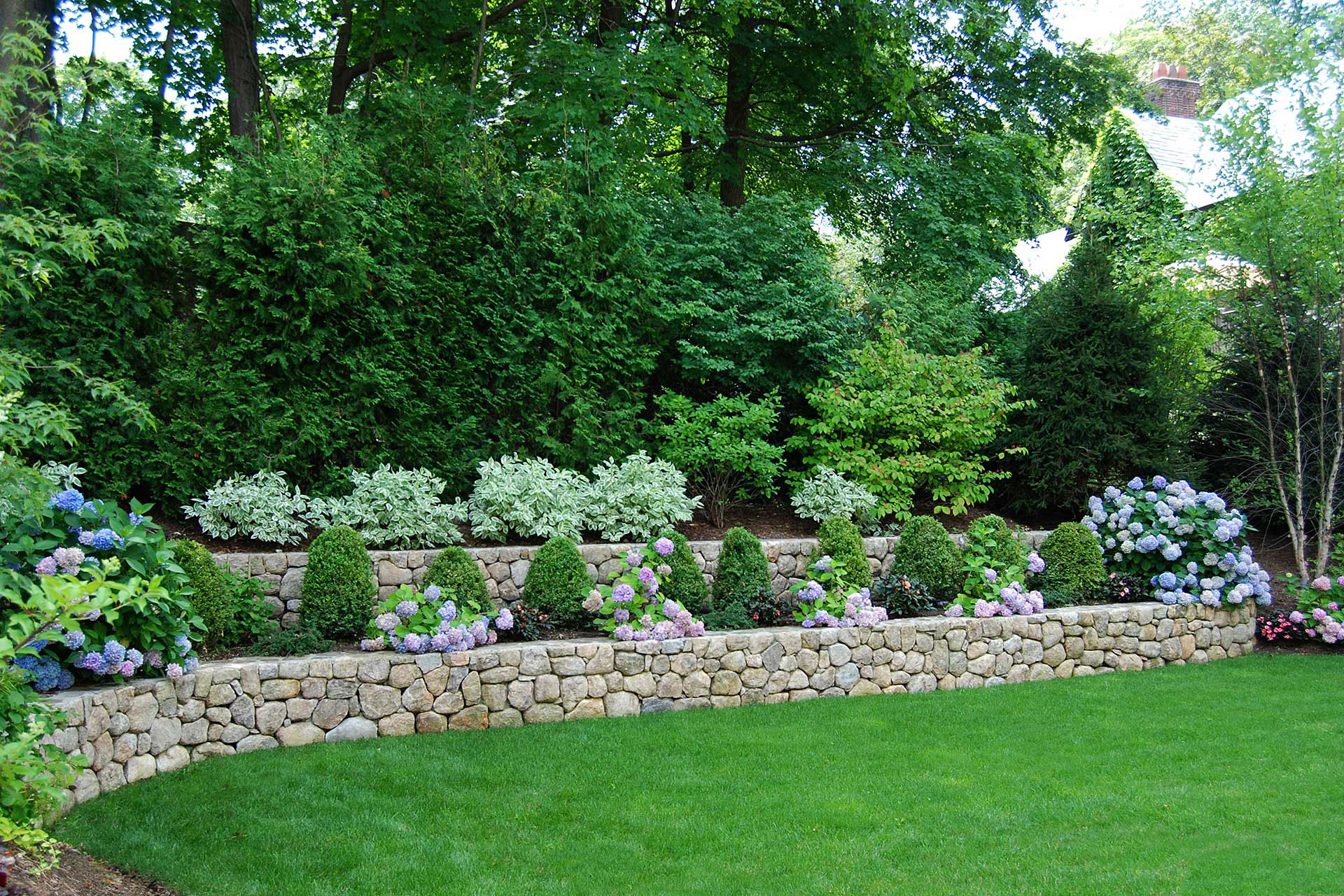
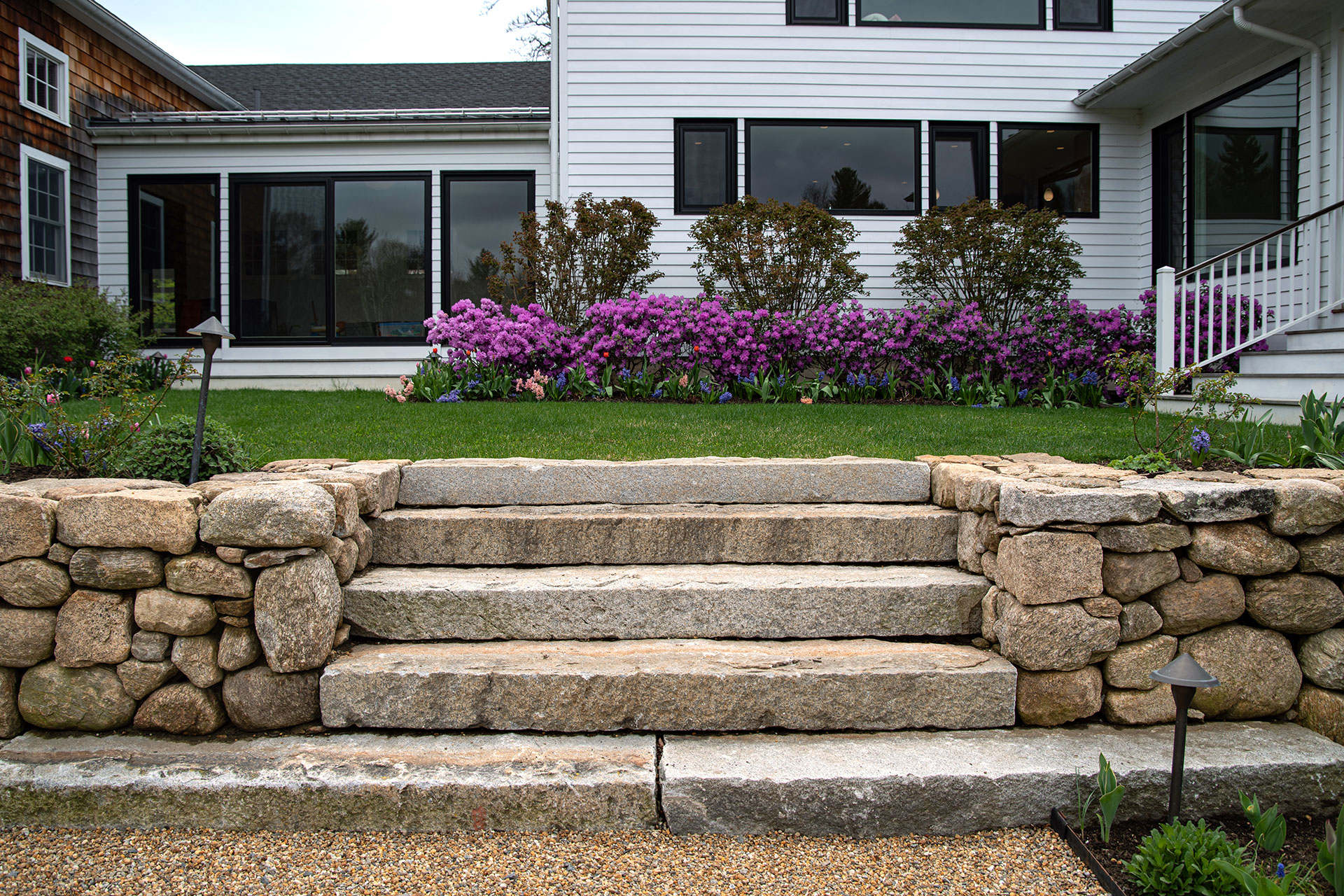
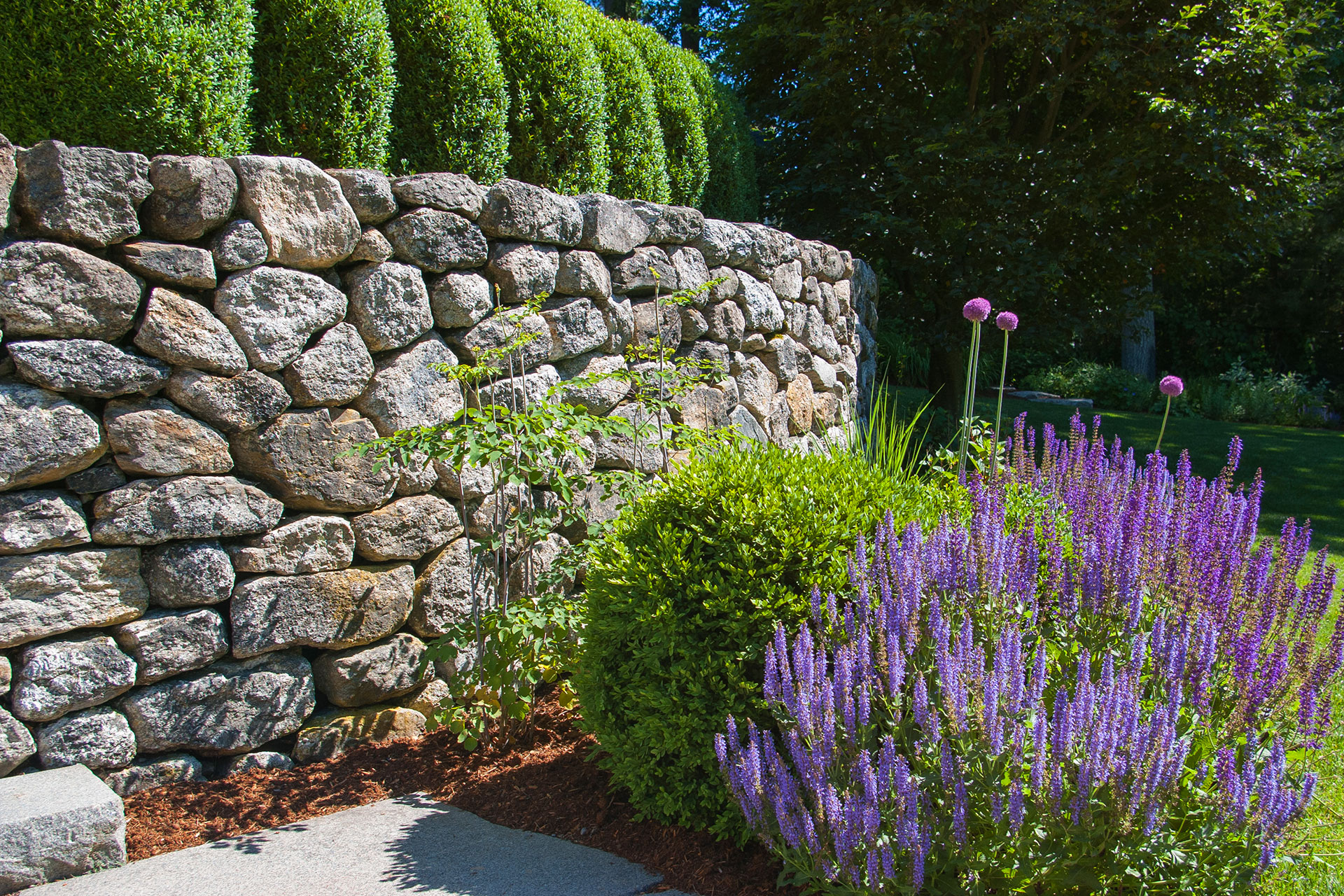
Outdoor walls and steps provide structure, durability, and visual clarity within a residential landscape. Built from materials such as granite, fieldstone, or bluestone, these elements manage grade changes, define outdoor rooms, and create safe, comfortable circulation. Styles range from dry-laid stone walls with a timeless, organic feel to mortared masonry that supports more formal architecture. Proper base preparation, drainage, and stone selection are critical, especially in the Boston area, where freeze–thaw cycles place added stress on hardscape.
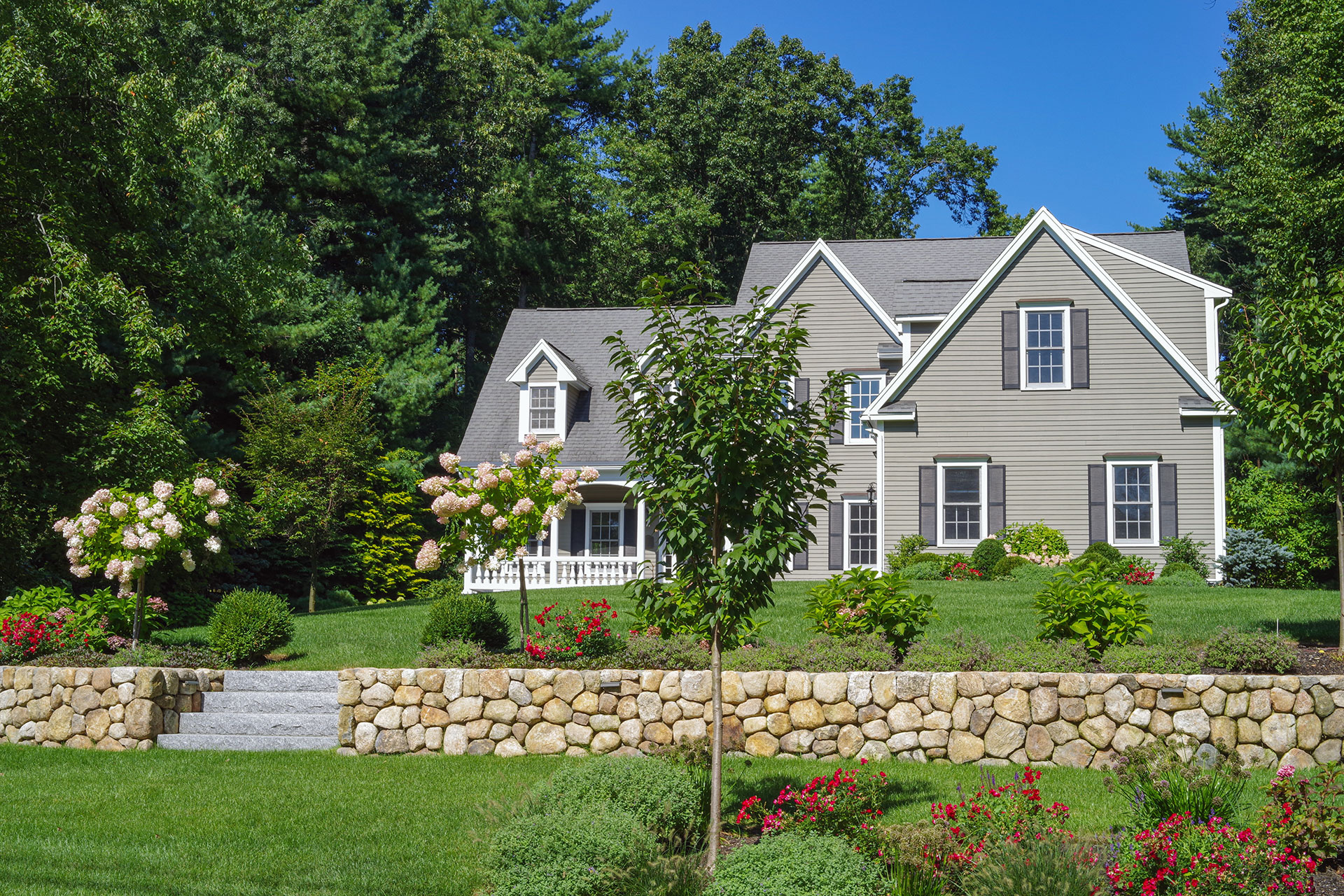
When designed as part of the overall landscape, walls and steps do more than solve elevation challenges, they reinforce proportion, guide movement, and establish a sense of permanence.
When designed as part of the overall landscape, walls and steps do more than solve elevation challenges, they reinforce proportion, guide movement, and establish a sense of permanence.
common stone wall and step questions
1. What types of stone are commonly used for residential walls and steps?
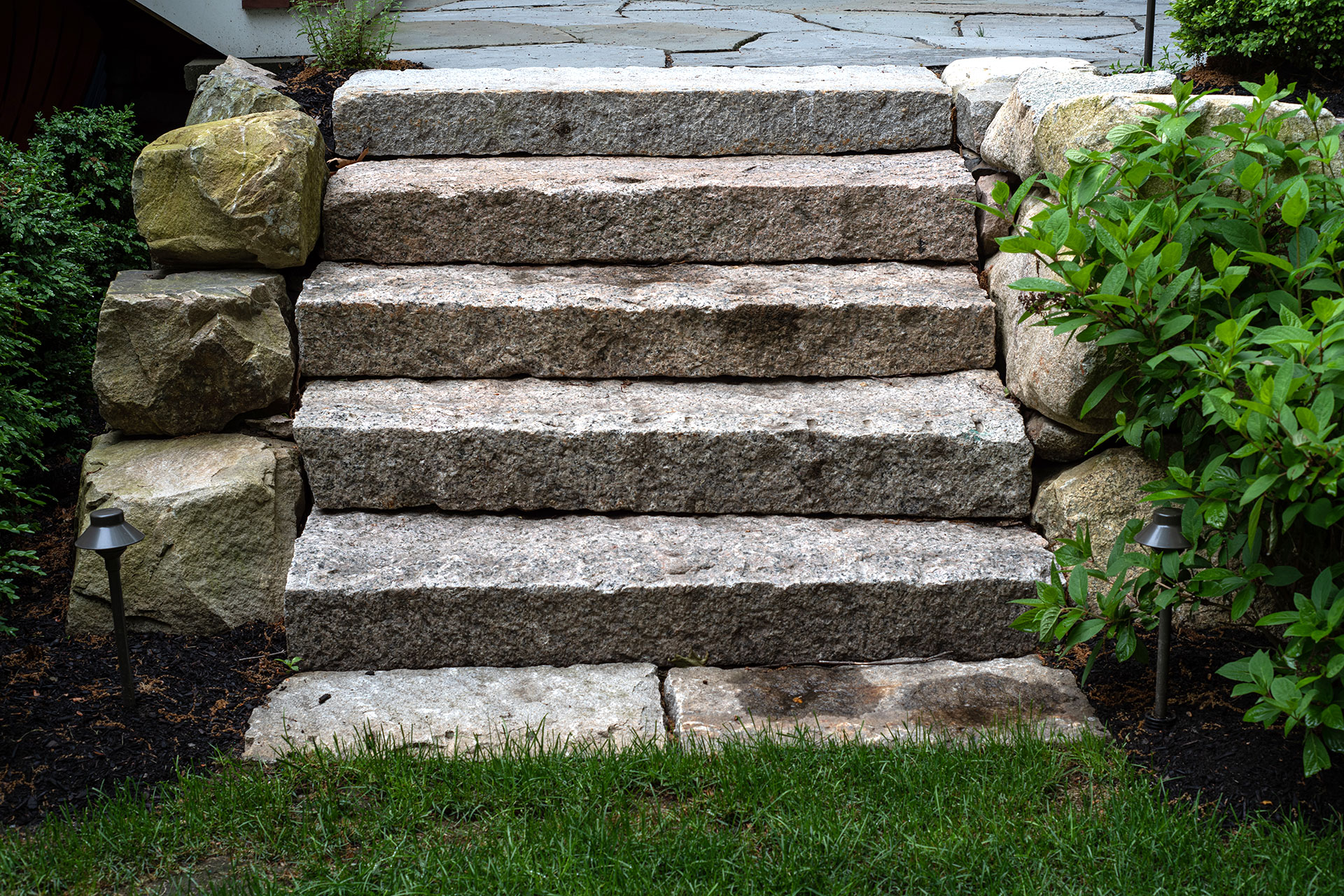
Natural stone options such as granite, bluestone, and fieldstone are most common. These materials offer strength, slip resistance, and a timeless appearance that fits well with both traditional and contemporary homes.
2. What is the difference between dry-laid and mortared stone walls?
Dry-laid walls rely on gravity, stone weight, and interlocking placement, creating a more natural look and allowing for slight movement. Mortared walls provide a more formal appearance and are often used where added structural rigidity or crisp lines are desired.
3. What maintenance is required for natural stone walls and steps?
Maintenance is minimal. Occasional joint inspection, debris removal, and managing nearby drainage or plant growth are typically all that’s needed to keep stonework performing and looking its best.

see examples of our work
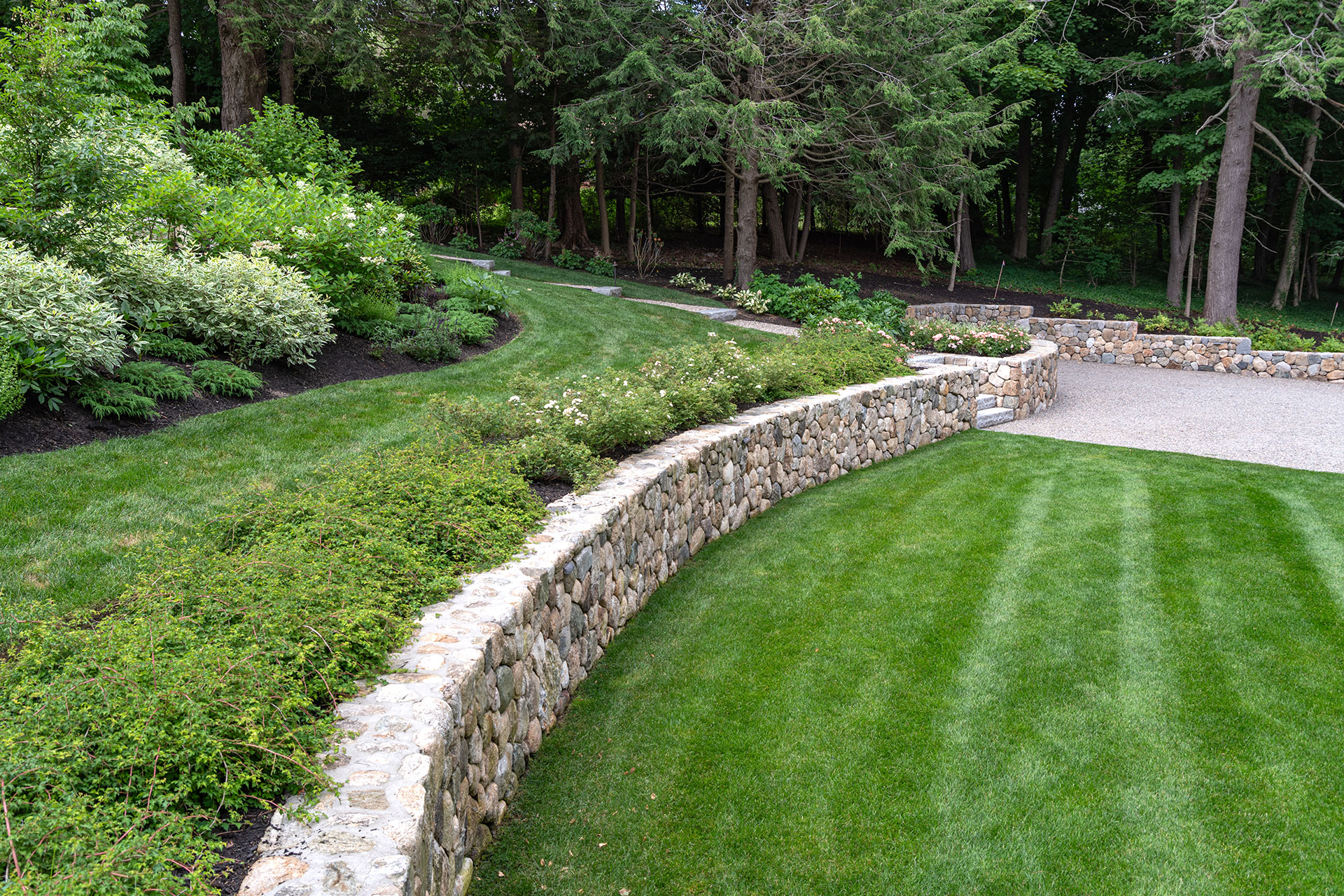
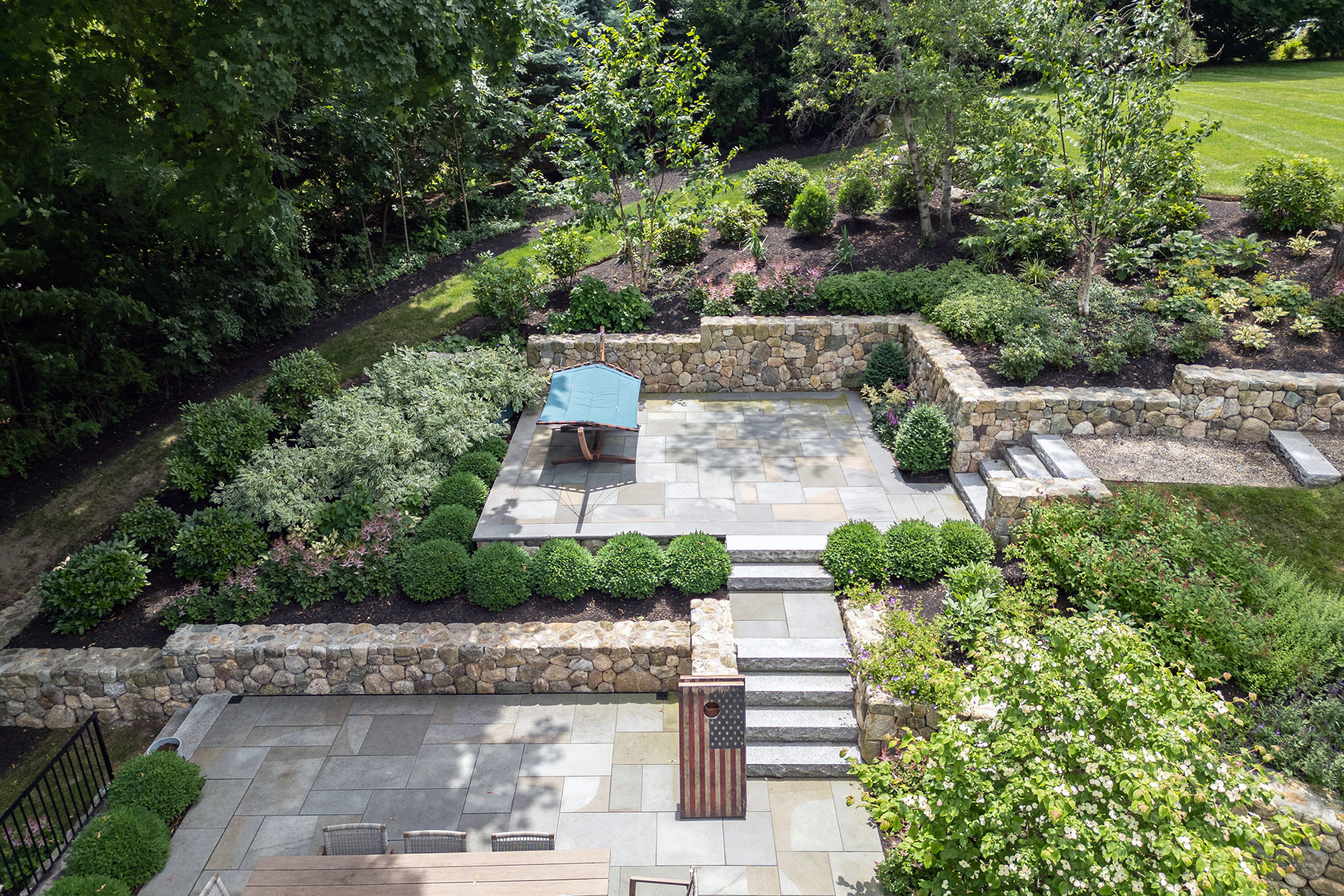
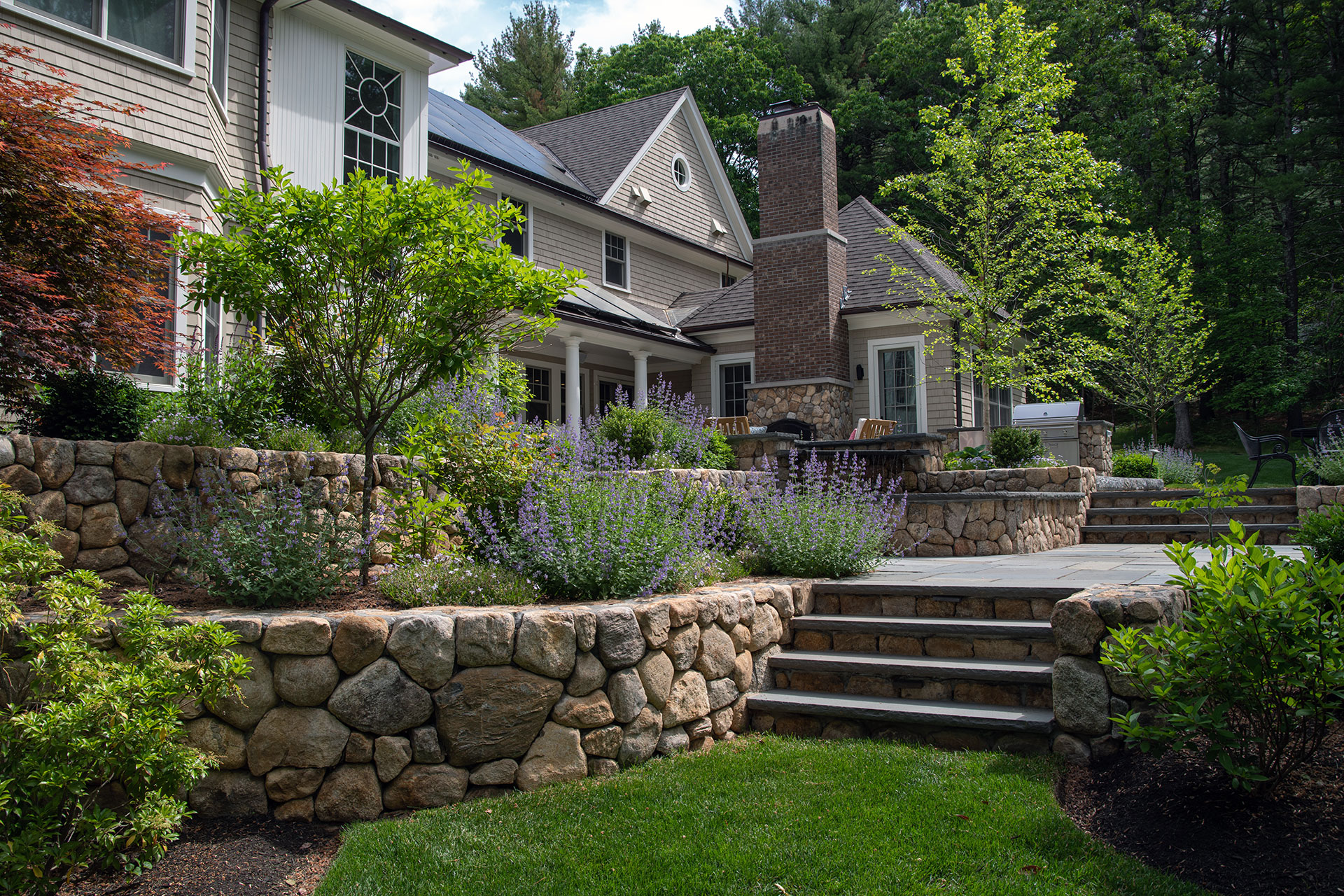






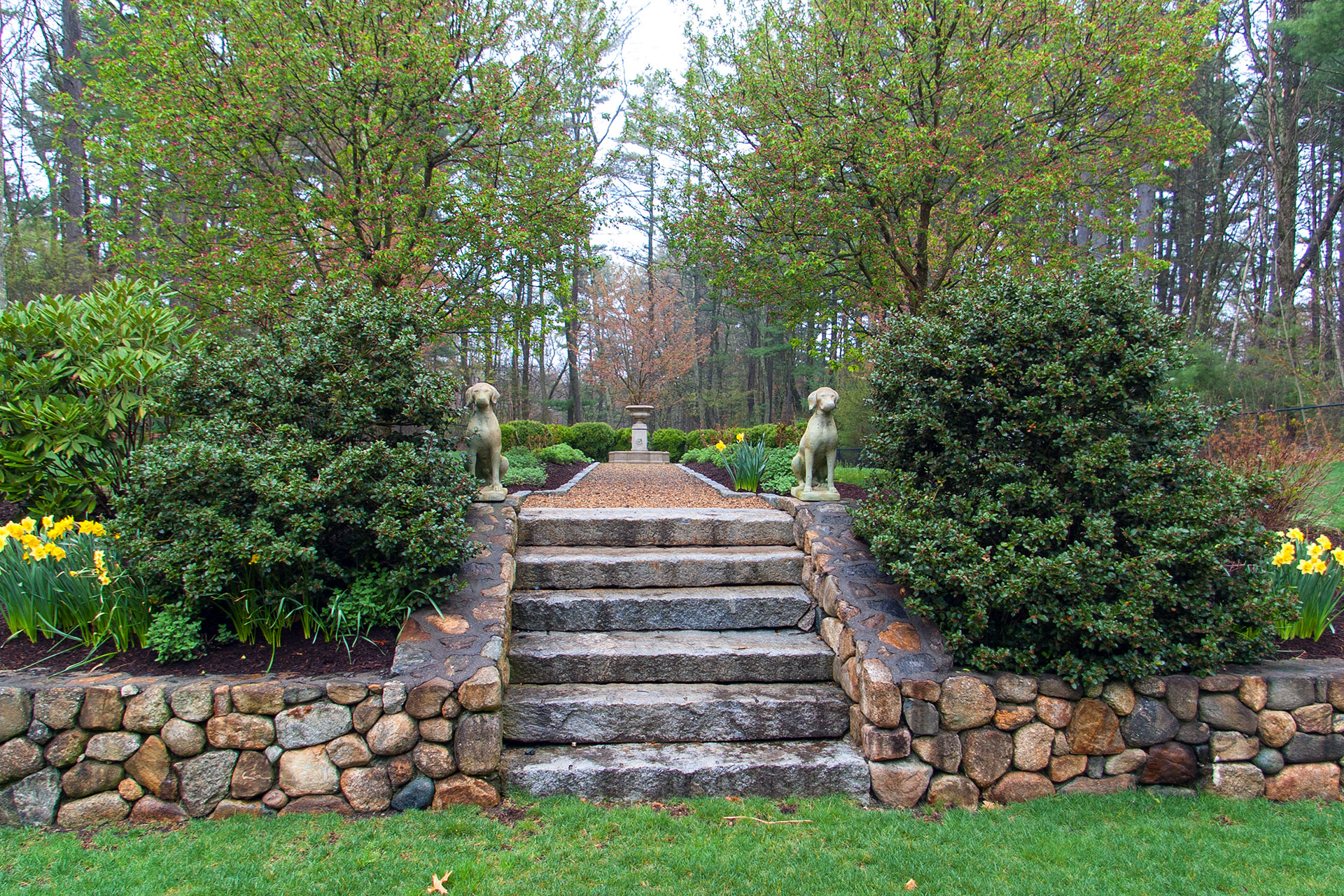
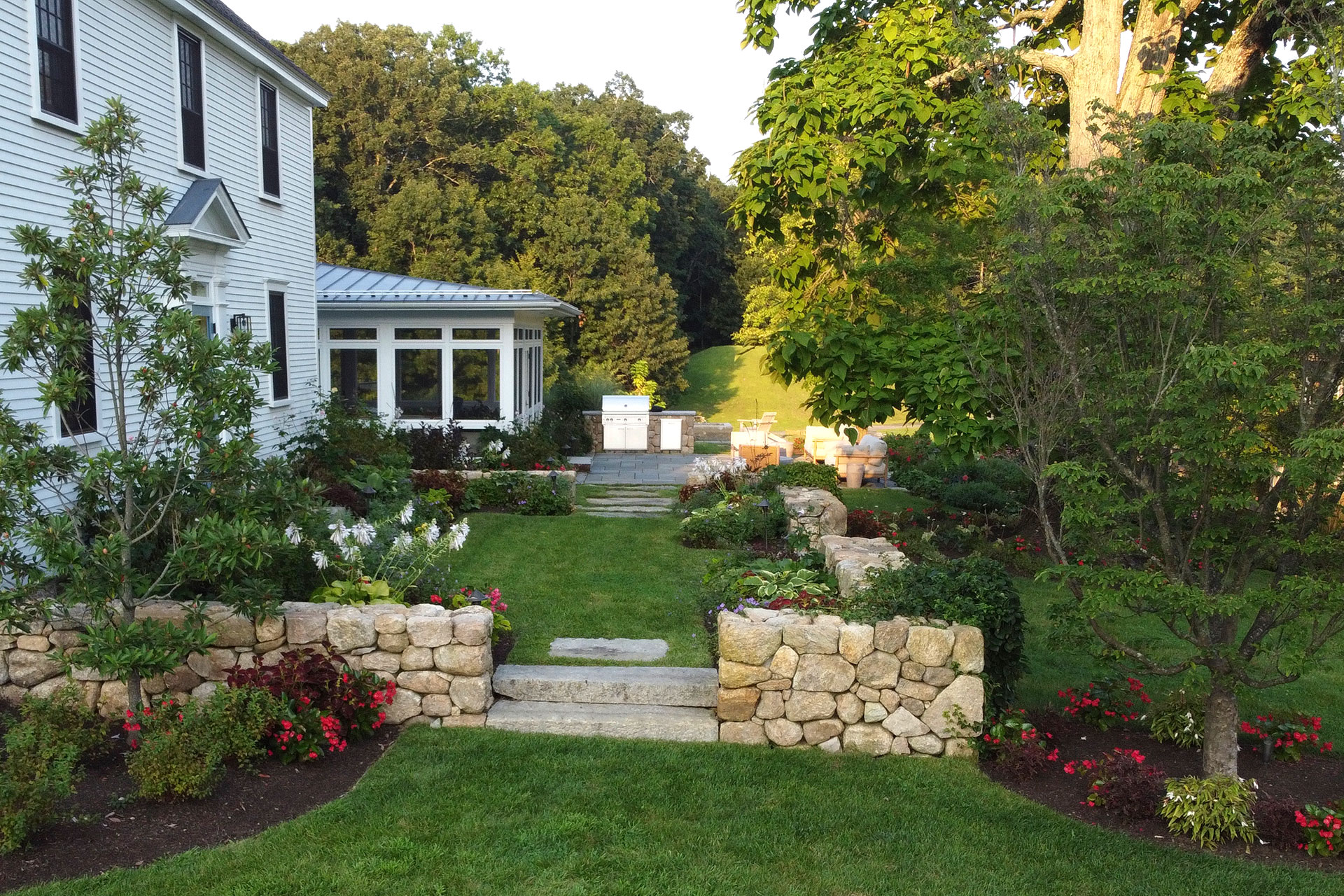
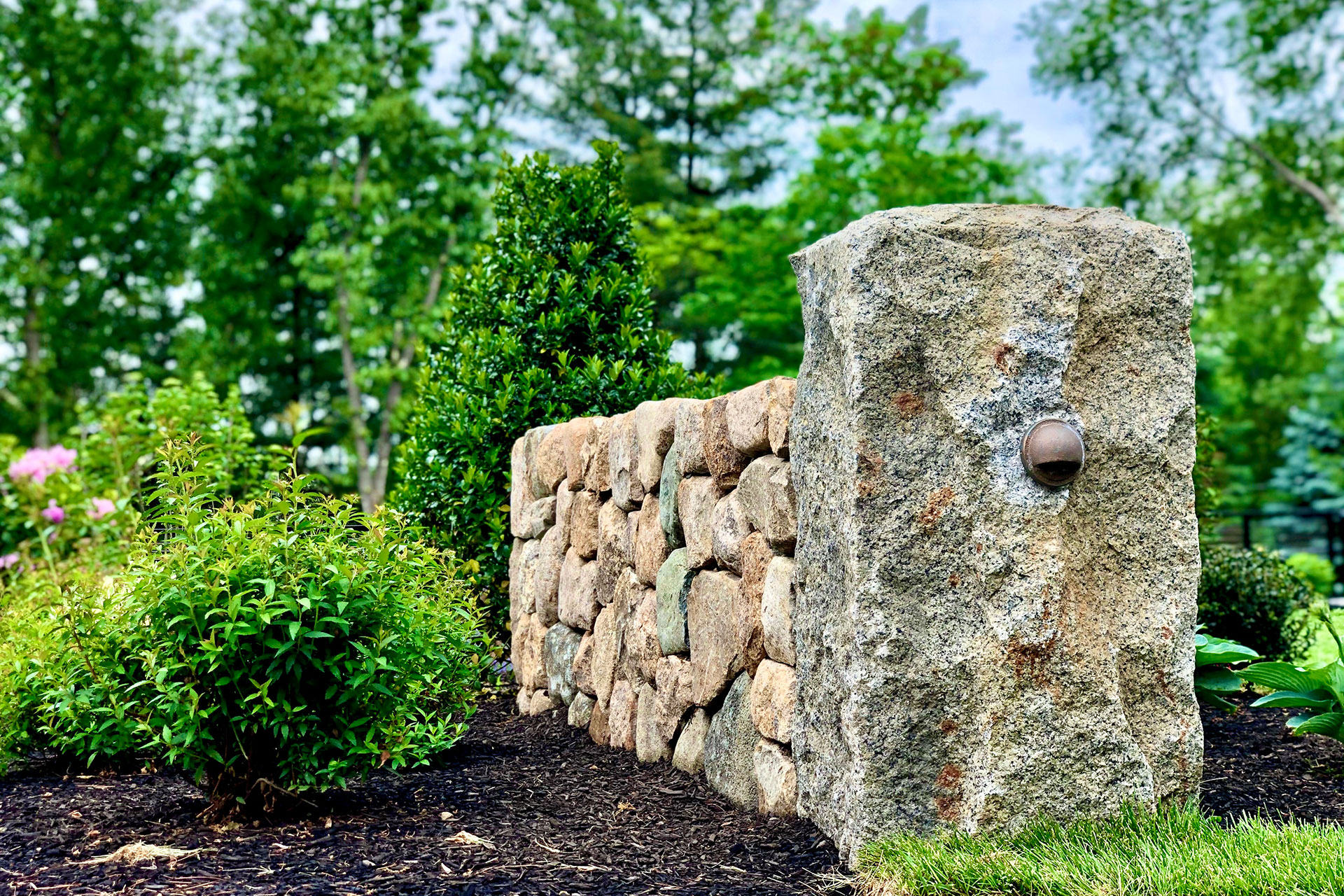
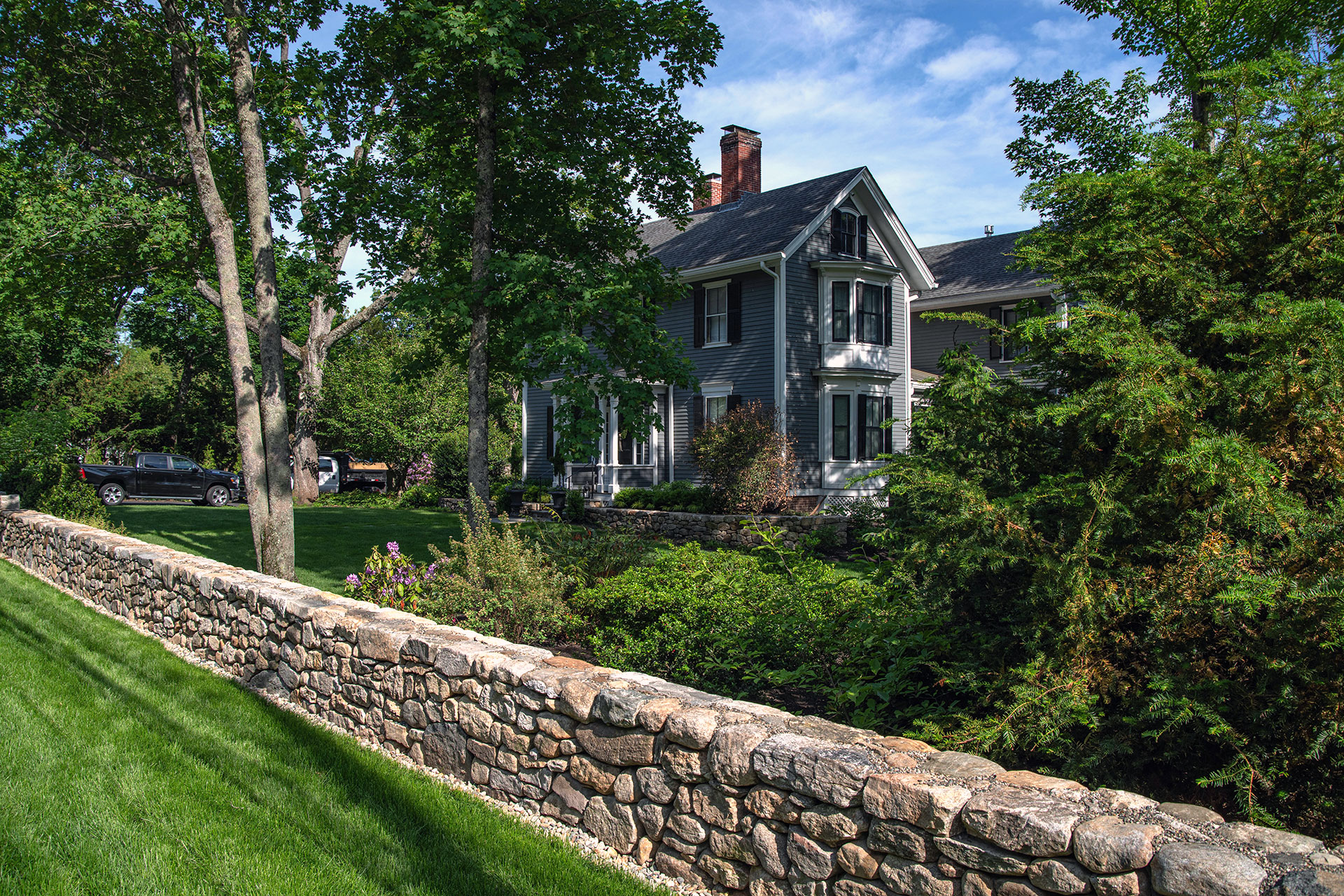


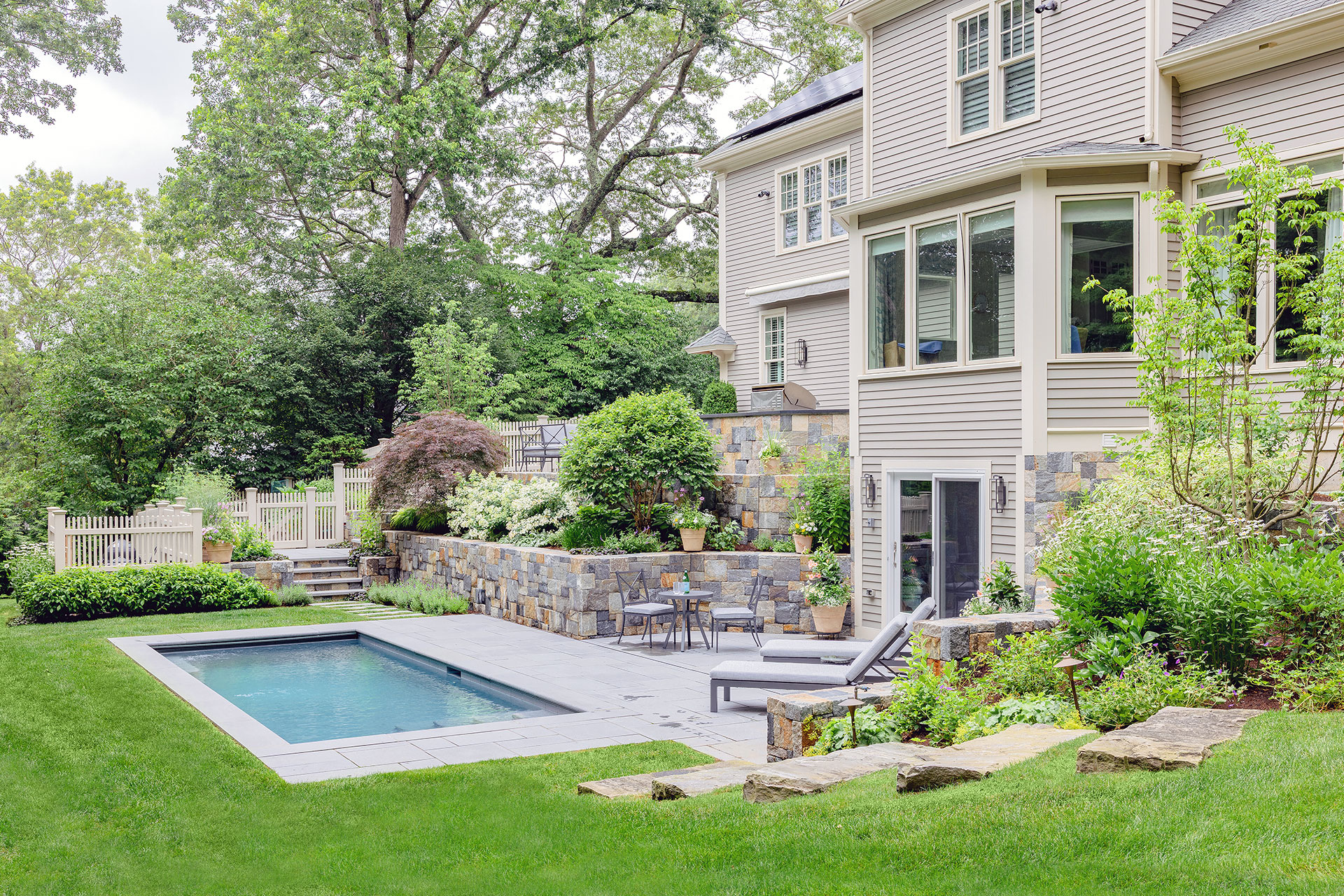

everyday use, longterm value
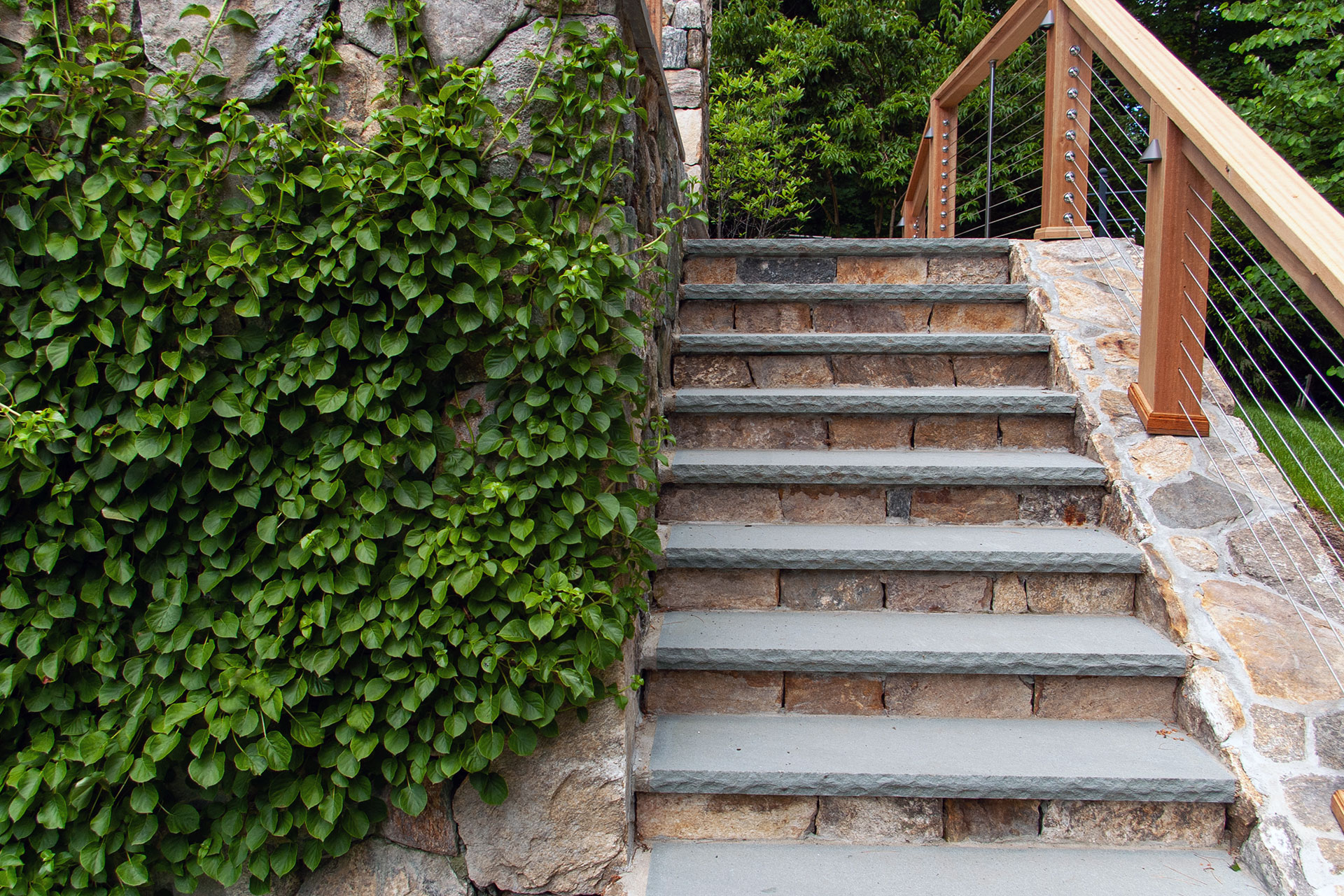
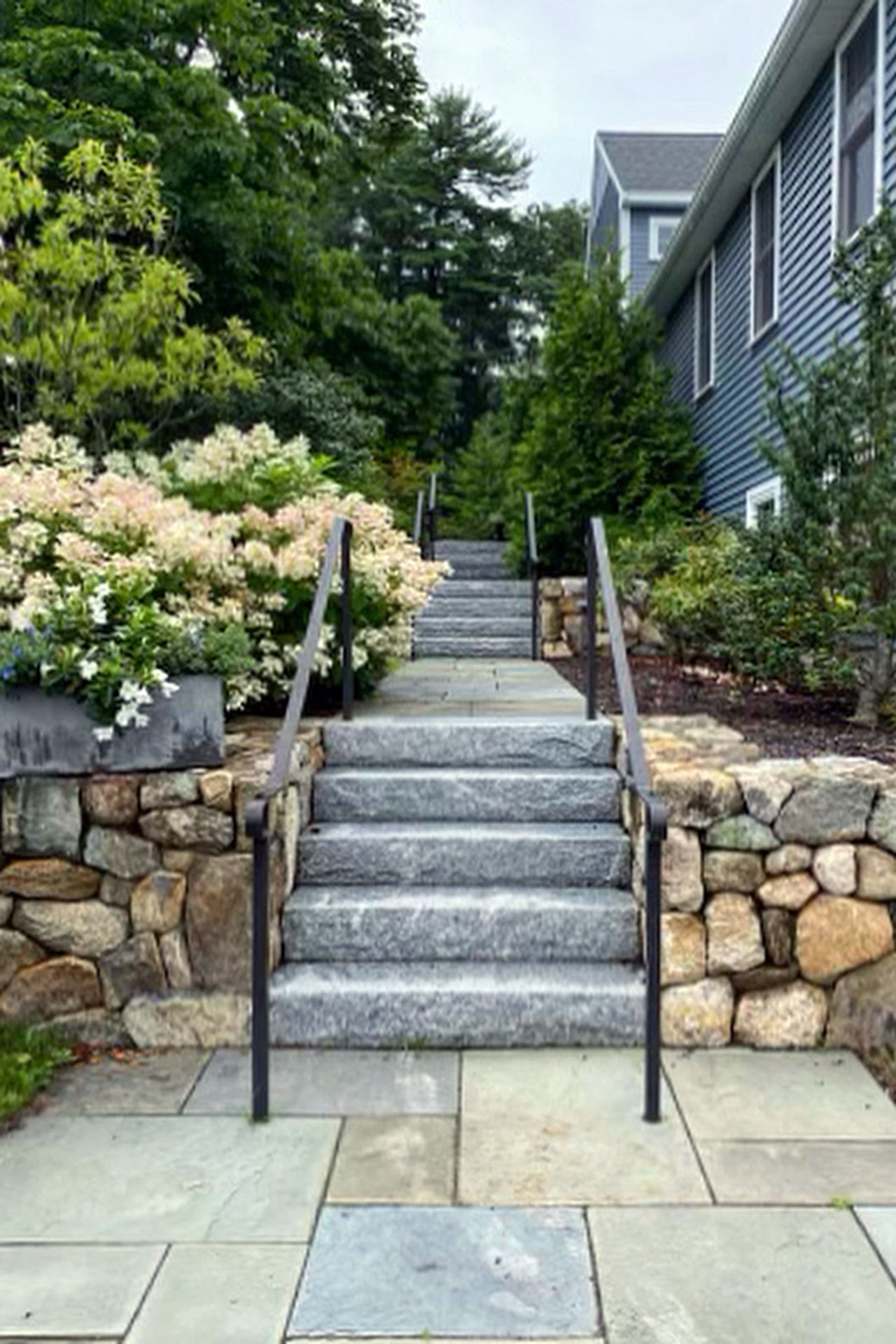
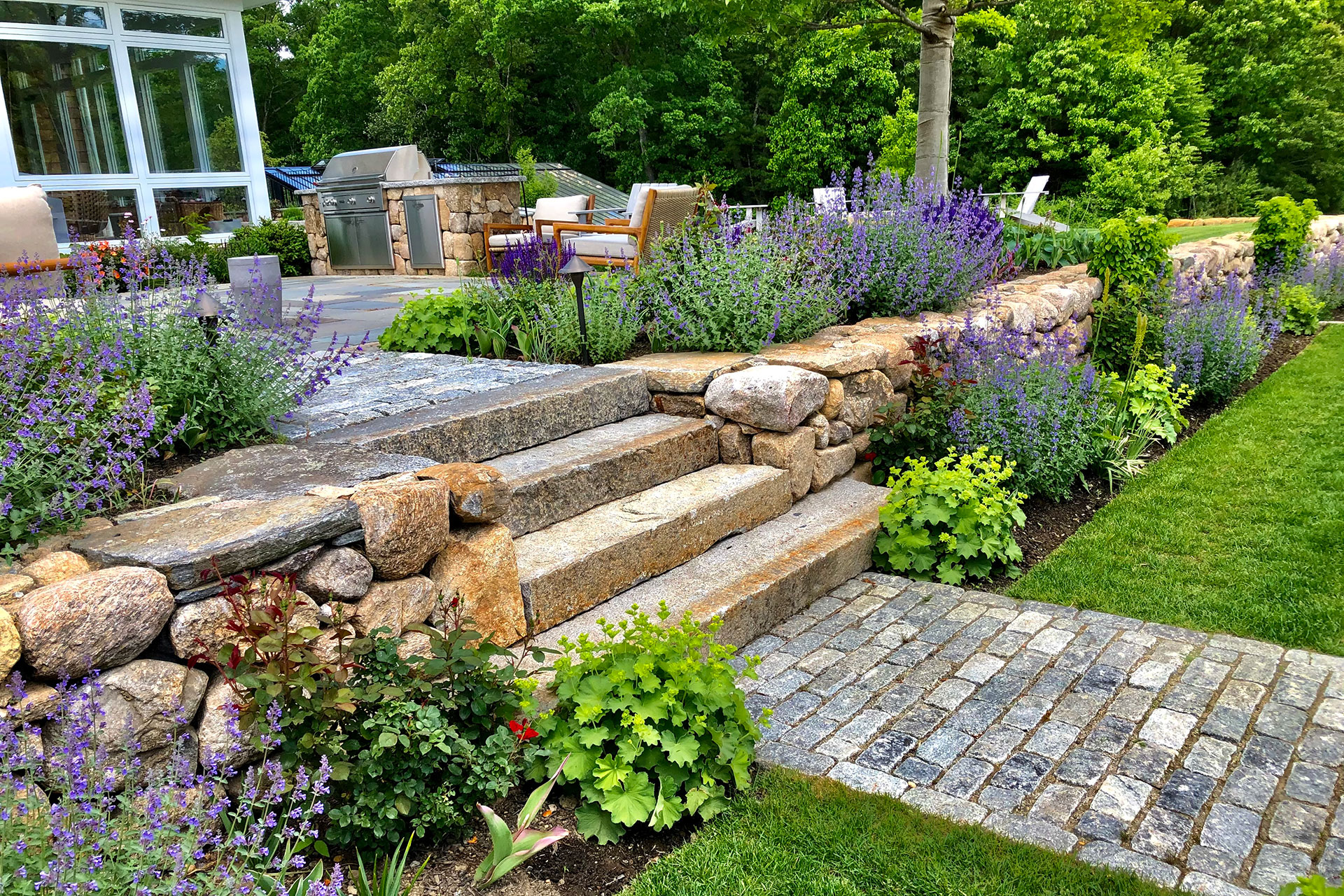
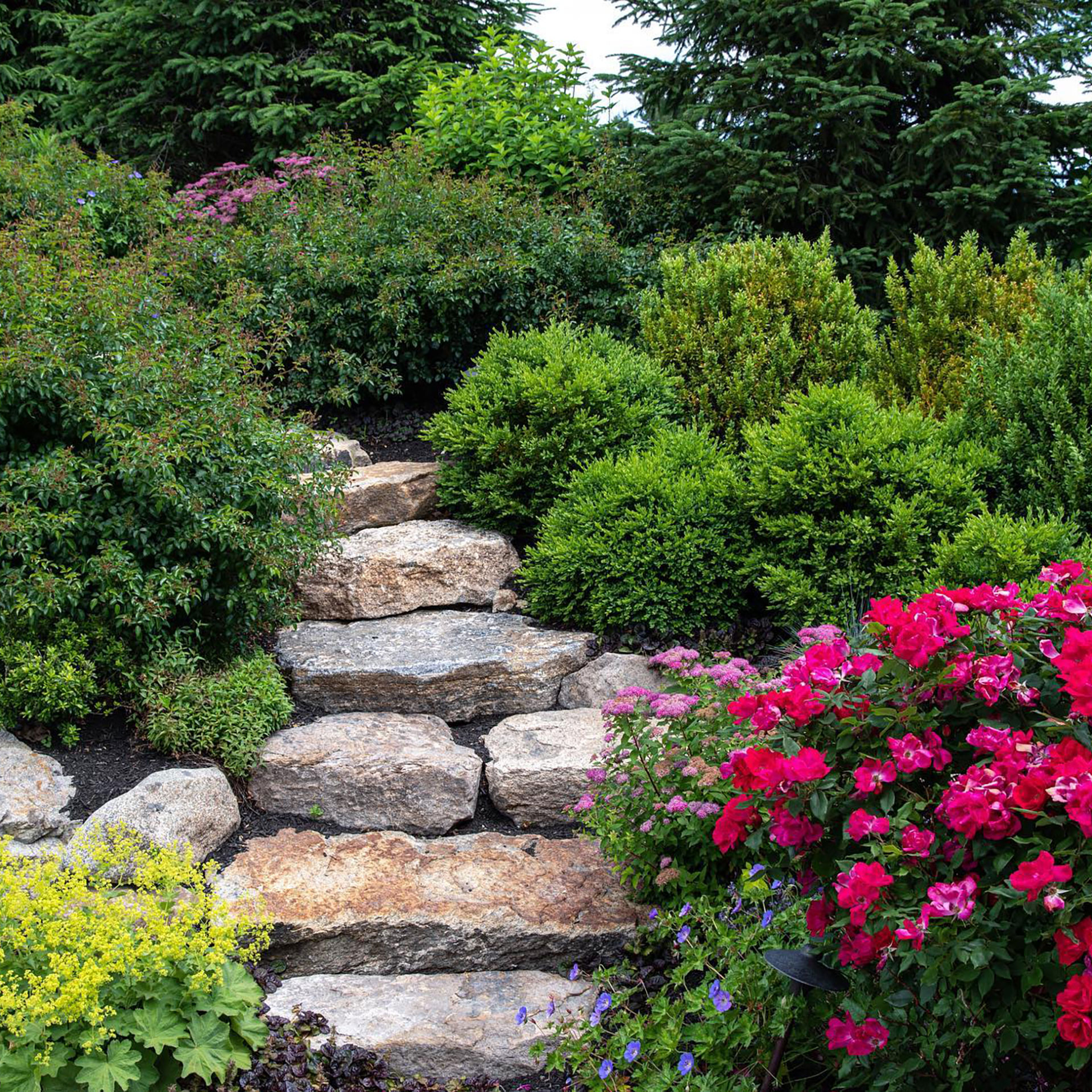
Our design and installation teams know that thoughtful placement and craftsmanship elevate stone walls and steps from purely functional features to lasting design assets. Retaining walls stabilize slopes and protect planting, while freestanding walls define edges and gathering areas. Stone steps may follow natural contours or establish a clear axis that connects terraces, patios, and entries. In New England landscapes, long-term performance depends on proper footings, drainage layers, and stone thickness that withstand seasonal moisture and freeze–thaw cycles. When carefully designed and built, stonework improves everyday use and long-term property value.
To explore how custom stone walls and steps can enhance your landscape, contact the Blade team to learn more about our design and installation services.
To explore how custom stone walls and steps can enhance your landscape, contact the Blade team to learn more about our design and installation services.
read our related blog posts
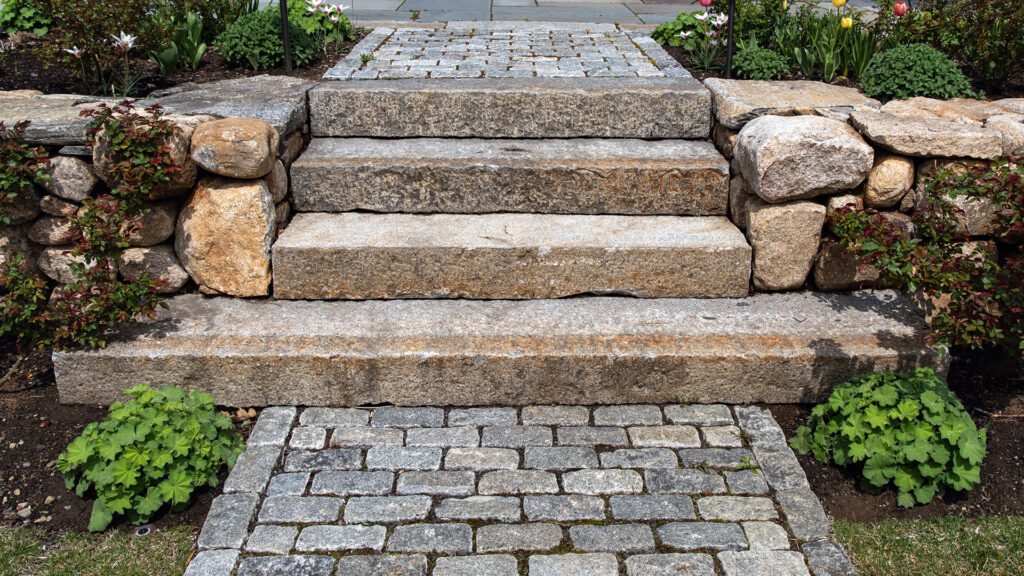
Stone Walls & Steps: How Artful Masonry Shapes Residential Landscapes
Stone walls and steps play a critical role in shaping residential landscapes. This guide examines how material selection, construction methods, drainage, and climate considerations influence performance, longevity, and how stonework integrates with the overall landscape design.
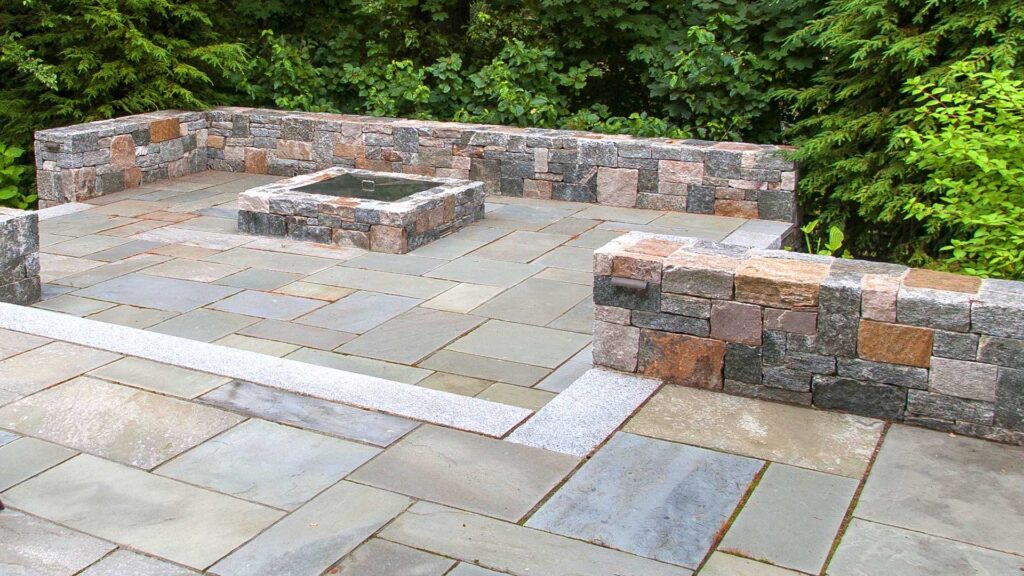
Patios, Walkways, and Retaining Walls: Which Hardscaping Features Add the Most Value?
Stone patios, walkways, and retaining walls boost home value, solve landscape issues, and add function. Learn which of these hardscaping projects offer the best return for your outdoor space.
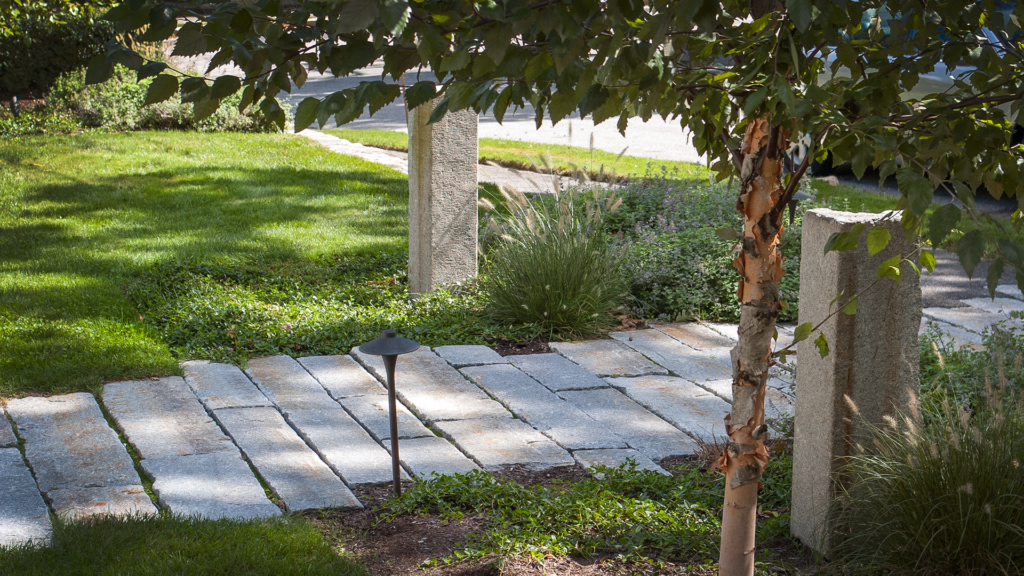
Why Reclaimed Stone Works So Well in Boston-Area Landscapes
At a Blade of Grass, we strive to find materials that are environmentally sensitive. Reclaimed stone exists at the perfect nexus of traditional look, high quality material, and environmental responsibility.
explore other design elements
Privacy Screenings
Paths & Walkways
Fire Pits & Fireplaces
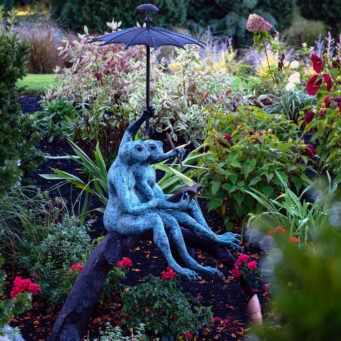
Garden Ornaments

Landscape Lighting

Shrubs & Hedges

Decorative Wreaths
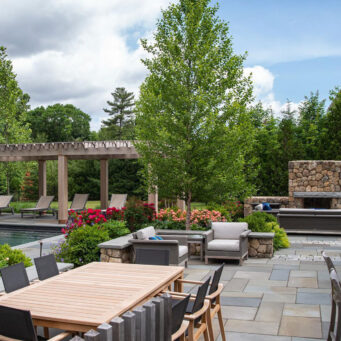
Patios & Terraces
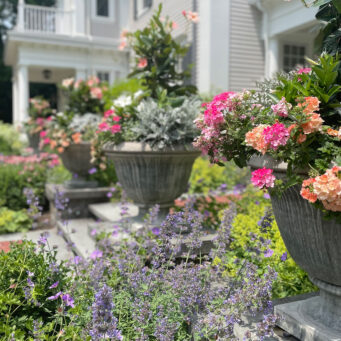
Planters & Containers

Driveways & Approaches

Water Features
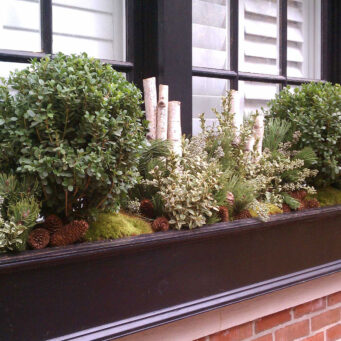
Window Boxes
Custom Pools
Winter Decorations
Gates & Fences

Vegetable Gardens
Ornamental Grasses
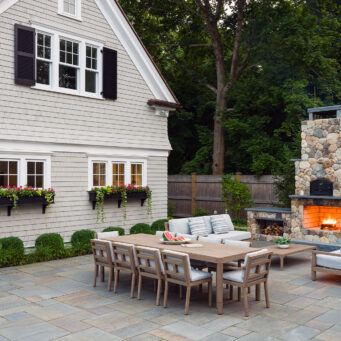
Outdoor Dining
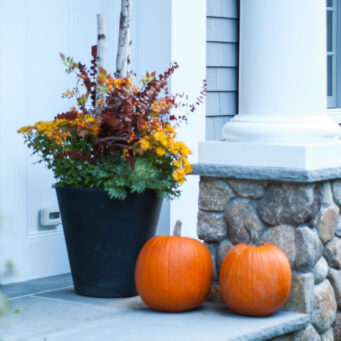
Fall Displays
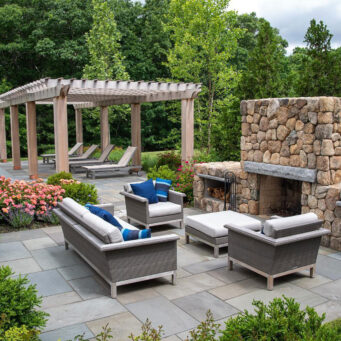
Pergolas & Pavilions
what our clients say
★★★★★
“a Blade of Grass was a joy to work with from beginning to end. They were focused on us the entire process from brainstorming, designing, selecting and installation. We love our new landscaped backyard and know you will too!”
“What a great company. The people we work with are responsive, knowledgeable and a delight to work with. They meet with us each year at the beginning of the season to understand our needs and they make sure they meet those needs.”
“They listened to what we wanted and created an oasis where each month we saw different plants blooming with different colors. Our designer was a joy to work with and she truly taught us about plants and flowers through this experience.”
“The lighting and irrigation team did an amazing job updating the lights around our property, including a wide variety of lighting types to showcase different aspects of the landscape (trees, patio, pond / water feature) - highly recommended!”
“They gave me an accurate budget and timetable up front and pretty much stuck to it - much to my husband's delight. They are not pushy about their services which I truly appreciate and which is why I continue to use them for maintenance, new plantings etc. Would highly recommend them!”
“The team from a Blade of Grass did superb work in our yard – we had a very shaded area in our property that we were never able to successfully landscape. Colin and team took a scientific approach to the challenges we faced: the offered advice about improving sun exposure, recommended specific plant types, and then designed a beautiful shade garden with step pathway that has far exceeded our expectations. The staff from the company were a pleasure to work with.”
“a Blade of Grass transformed our front yard from a barren wasteland of wood chips to a stunningly gorgeous garden. In late 2012, we embarked on a major project to rebuild our backyard and add a pool and patio. The result far exceeded our expectations. Heather and her crew maintain all of our gardens throughout the year, and are very responsive to our questions and requests.”
“When designing the space Tom considered every detail including privacy concerns, colors, the reuse of existing plants, our likes and dislikes, cost, placement and size of walkways and stairs, shape of pool deck and where snow would be plowed in the winter. The result is a yard we enjoy all year-round. Since its design, the maintenance team at a Blade of Grass has maintained the yard's beauty.”
“I worked with Blade of Grass for more than 15 years and it was a very pleasurable experience. I so appreciated their attention to detail in creating my beautiful gardens .”
add stone structure to your property
Contact us today to learn how our award-winning landscape design and installation teams can add beautiful stone walls and steps to your property.