When planning improvements to an outdoor space, homeowners often encounter two professional titles: landscape designer and landscape architect. At first glance, the terms sound similar, and in many ways they overlap. Both focus on shaping outdoor environments and improving how properties function and feel.
Yet the two roles bring distinct training, perspectives, and areas of expertise to a landscape project. Understanding these differences can help homeowners make informed decisions about their property and ensure that the right expertise is involved at the right stage.
For many residential projects across Greater Boston, the most successful results emerge not from choosing one profession over the other, but from combining their strengths in a collaborative design process. Creative spatial design, horticultural knowledge, technical site planning, and regulatory expertise can all play important roles depending on the scope of the project.
Key Takeaways
- Landscape designers focus on aesthetics, planting design, and outdoor living spaces.
- Landscape architects are licensed professionals trained in grading, drainage, and environmental planning.
- Many residential landscapes are led by design vision first, which landscape designers specialize in.
- Projects involving complex grading, drainage, or permitting may require a landscape architect.
- The most successful landscapes often combine creative design expertise with technical site planning.
What Does a Landscape Designer Do?
Landscape designers focus on the creative and experiential aspects of outdoor spaces. Their work centers on how landscapes look, feel, and function for the people who live within them.
For residential properties, landscape designers often shape the overall vision of a landscape: how spaces connect, how plantings evolve over time, and how outdoor areas support everyday living.
Focus Areas
Typical areas of expertise include:
- Garden and planting design
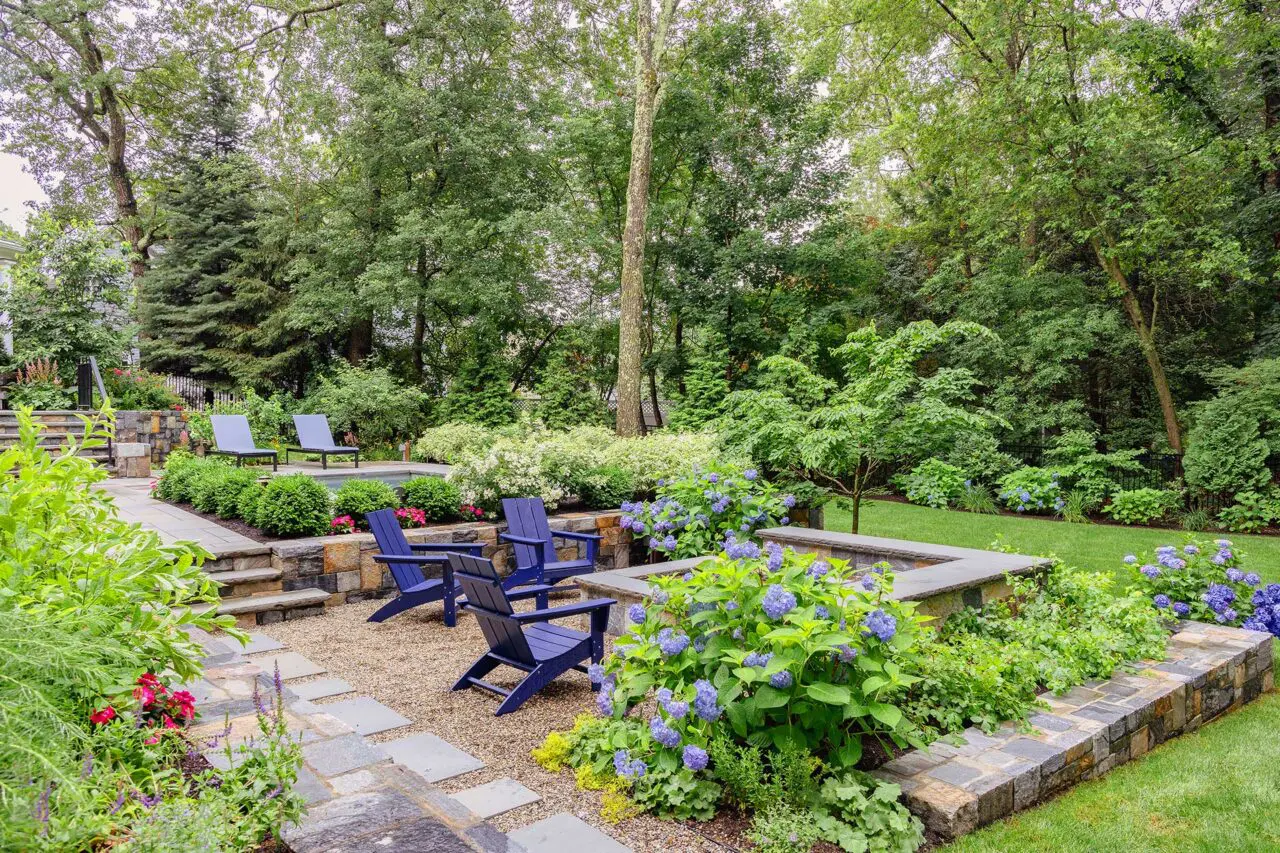
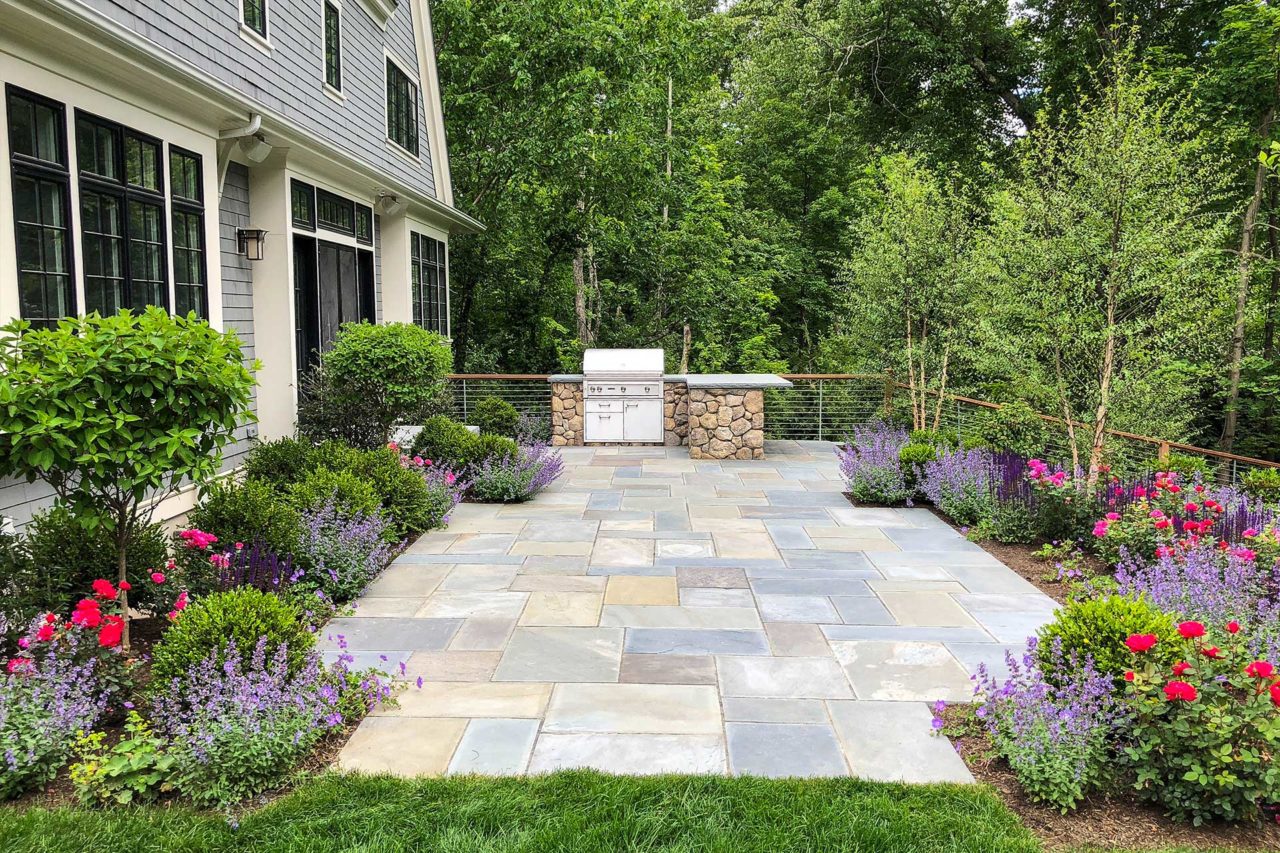
- Outdoor living spaces such as patios and terraces
- Pool landscapes
- Lighting concepts
- Entry and driveway experiences
- Spatial organization of outdoor rooms
- Integration of architecture and landscape
In residential work, landscape designers frequently collaborate closely with homeowners to translate ideas into cohesive landscape plans that reflect both lifestyle and site conditions.
Training and Backgrounds
Landscape designers come from a variety of educational and professional backgrounds. Many study horticulture, landscape design, environmental design, or garden design through specialized programs or design schools. These pathways emphasize plant knowledge, spatial organization, and aesthetic composition, all of which are central to successful residential landscapes.
In addition to formal education, many designers pursue voluntary certifications and professional affiliations that demonstrate their commitment to industry standards. One of the most recognized organizations is the Association of Professional Landscape Designers (APLD), which promotes high levels of professionalism and best practices in residential landscape design.
Where Landscape Designers Excel
Landscape designers are particularly well suited for projects such as:
- garden redesigns and planting plans
- outdoor living spaces
- patio and terrace environments
- improving the aesthetics of an existing property
- creating cohesive residential landscapes
Their work often focuses on shaping the human experience of the landscape: how the space feels when entering the property, how it supports entertaining, and how plantings mature over time.
What Does a Landscape Architect Do?
Landscape architects approach landscapes from a broader technical and environmental planning perspective. Their training prepares them to address site engineering, regulatory requirements, and environmental systems that influence how landscapes perform.
Technical Planning and Site Engineering
Landscape architects frequently handle elements such as:
- grading and drainage plans
- stormwater management
- site circulation planning
- environmental impact considerations
- permitting documentation
- coordination with architects and engineers
These technical aspects become especially important when a project involves complex site conditions, significant earthwork, or regulatory oversight.
Education and Licensing
Landscape architects typically complete an accredited university degree in landscape architecture, such as a Bachelor or Master of Landscape Architecture (BLA or MLA). They must then pass the Landscape Architect Registration Examination (LARE) to obtain professional licensure.
In Massachusetts, the profession is regulated by the Massachusetts Board of Registration of Landscape Architects, which establishes licensing requirements and professional standards. Because of this licensing structure, landscape architects may prepare and stamp drawings for projects that require regulatory approval.
Where Landscape Architects Excel
Landscape architects often lead projects involving:
- complex grading or drainage challenges
- large estates or multi-acre properties
- environmental permitting
- stormwater management systems
- projects requiring coordination with engineers or architects
Their training emphasizes technical problem-solving and long-term site performance.
Key Differences Between Landscape Designers and Landscape Architects
| Category | Landscape Designer | Landscape Architect |
|---|---|---|
| Primary focus | Aesthetic design and planting | Technical site planning |
| Education | Design or horticulture programs | Accredited landscape architecture degree |
| Licensing | Not always required | State license required |
| Typical projects | Residential gardens and outdoor living | Complex sites or regulated projects |
| Regulatory authority | Limited | May stamp plans for permits |
Both professions contribute valuable expertise to landscape projects, and their strengths often complement one another.
When a Landscape Designer May Be the Right Choice
Many residential landscape improvements revolve around creating beautiful and functional outdoor living spaces. In these cases, the creative expertise of a landscape designer may be the primary driver of the project.
Examples include:
Outdoor Living Spaces
Projects focused on:
- patios and terraces
- outdoor kitchens
- fire features
- garden rooms
Outdoor living structures such as pergolas and pavilions are another example of projects where design vision and technical planning intersect. Our guide to pergolas and pavilions for New England homes explores how these structures integrate with planting design and outdoor living spaces.
Planting Design
Landscape designers bring deep horticultural knowledge to projects such as:
- layered garden design
- seasonal planting strategies
- privacy screening plantings
For example, creating an effective privacy planting plan often requires both horticultural expertise and spatial planning. Our guide to privacy trees for Boston properties explores how thoughtful design decisions shape long-term screening and landscape performance.
Enhancing an Existing Landscape
For many homeowners, the goal is to refine and elevate a property’s existing landscape rather than redesign the entire site. Landscape designers often specialize in these improvements.
According to the National Association of Realtors, well-designed landscaping can increase perceived property value by up to 15 percent, highlighting the importance of thoughtful landscape planning.
When a Landscape Architect May Be Necessary
Certain landscape projects require technical expertise that falls within the training of a licensed landscape architect. These situations often involve site engineering or regulatory complexity.
Significant Grading or Drainage Challenges
Examples include:
- steep slopes
- water management issues
- erosion control
Permitting and Regulatory Requirements
Landscape architects may be required for projects involving:
- environmental regulations
- wetlands or watershed protections
- municipal permitting
Large-Scale Site Planning
Estate properties or major renovations sometimes require a comprehensive site plan that coordinates landscape, architecture, and infrastructure.
When Landscape Designers and Landscape Architects Work Best Together
For many residential landscapes, the most successful results emerge when creative design and technical planning work together. Landscape designers typically shape the overall vision of the landscape, determining how outdoor spaces flow, how plantings evolve over time, and how the landscape relates to the architecture of the home. Landscape architects complement this creative direction by addressing the technical aspects of the site, including grading strategies, drainage systems, structural planning, and regulatory compliance. When these disciplines collaborate effectively, the result is a landscape that is both visually compelling and technically sound, ensuring the property performs as well as it looks.
“The most successful landscapes are rarely the result of a single discipline. When creative design thinking and technical site expertise come together, the result is a landscape that not only looks beautiful but performs well for decades.”
— a Blade of Grass design team
Real-World Project Scenarios
Understanding how these professions collaborate becomes easier when looking at real project situations.
Scenario 1: Backyard Outdoor Living Transformation
A homeowner plans to transform an underused backyard into a comfortable outdoor living environment. The vision includes a new patio for entertaining, a dedicated outdoor dining area, surrounding planting beds to soften the hardscape, and landscape lighting that allows the space to be enjoyed well into the evening. In many residential projects like this, a landscape designer leads the creative direction. They help shape how the spaces connect, select materials that complement the home’s architecture, and design planting schemes that provide beauty throughout the seasons.
If the project requires more complex site adjustments such as modifying the slope of the yard, improving drainage around the patio, or ensuring proper water movement away from the house, a landscape architect may contribute to the technical planning. Working together, the designer and architect help ensure the outdoor living space is both visually appealing and structurally sound.
Scenario 2: Sloped Property with Drainage Challenges
Some properties present more complicated site conditions, particularly when significant changes in elevation affect how water moves across the land. A sloped yard may require careful grading adjustments to stabilize the terrain and direct water safely away from the home. Structural elements such as retaining walls may be necessary to create usable outdoor spaces, while integrated water management systems can prevent erosion and protect nearby plantings and foundations.
In these situations, a landscape architect often takes the lead on the technical aspects of the project. Their training allows them to develop grading plans, drainage strategies, and structural solutions that meet engineering and regulatory requirements. At the same time, a landscape designer may focus on the aesthetic and experiential elements of the property, developing planting plans, shaping outdoor living areas, and ensuring the final landscape feels cohesive and welcoming.
Scenario 3: Large Estate Landscape Plan
Larger estate properties often require a comprehensive approach to landscape planning. A property of this scale may include long driveway approaches that frame the arrival experience, multiple terraces and garden rooms designed for different activities, extensive planting plans that evolve throughout the seasons, and sophisticated stormwater management systems that protect the landscape over time. Coordinating these elements across a large property requires careful planning and collaboration.
For projects of this scale, many homeowners benefit from a team that includes both landscape designers and landscape architects. Landscape designers often guide the overall vision of the estate, shaping the character of the gardens, outdoor living spaces, and circulation through the property. Landscape architects provide the technical expertise needed to address grading, drainage, permitting requirements, and large-scale site infrastructure. Together, this collaborative approach helps ensure that complex properties are both beautiful and resilient.
Related Blog: What Does It Mean for a Landscape Company to Be Design/Build?
Certifications and Credentials Homeowners Should Know
When evaluating landscape professionals, homeowners often look for credentials that demonstrate training and professionalism.
Common qualifications include:
- Licensed Landscape Architect
- Association of Professional Landscape Designers (APLD) membership
- horticulture or landscape design degrees
- professional landscape industry associations
Organizations that support professional standards in the field include:
- American Society of Landscape Architects (ASLA)
- Association of Professional Landscape Designers (APLD)
- National Association of Landscape Professionals (NALP)
These organizations promote continuing education, ethical standards, and best practices within the industry.
Choosing the Right Landscape Team for Your Property
Every landscape project presents its own set of considerations. The expertise required often depends on the size of the property, the complexity of the site, any regulatory requirements that may affect the work, the aesthetic goals for the landscape, and how the property will be cared for over time. Because these factors vary widely from one home to another, selecting the right landscape team often involves evaluating both creative and technical capabilities.
For many residential properties, the strongest outcomes come from teams that combine thoughtful design expertise with practical site knowledge. This integrated approach helps ensure that outdoor environments are not only visually compelling but also carefully planned to perform well within the soil conditions, climate patterns, and seasonal challenges common throughout New England.
A Collaborative Approach to Landscape Design
Landscape designers and landscape architects each bring valuable perspectives to the design process. Rather than viewing these professions as alternatives, many of today’s most successful landscape projects benefit from their collaboration.
At a Blade of Grass, our team includes both experienced landscape designers and licensed landscape architects. This allows us to guide projects from initial concept through technical planning and construction with a unified vision.
By combining creative design thinking with technical expertise, we help homeowners shape landscapes that are both beautiful and resilient, designed to thrive within the climate and conditions of the Greater Boston region.
If you are considering improvements to your property, our team would be happy to discuss the possibilities and help determine the right approach for your landscape. Contact us today to discuss how our award-winning landscape designers, landscape architects, fine gardeners, installation, and maintenance teams can transform your property into a beautiful living space.
Frequently Asked Questions About Landscape Designers and Landscape Architects
Q: What is the difference between a landscape designer and a landscape architect?
A: The primary difference lies in training, licensing, and technical scope. Landscape designers typically focus on the aesthetic and experiential aspects of outdoor spaces, including planting design, garden layouts, patios, and outdoor living environments. Landscape architects complete accredited university programs and must obtain a state license. Their training includes site engineering topics such as grading, drainage, stormwater management, and environmental planning. Many residential projects benefit from the creative expertise of a landscape designer, while projects involving complex site conditions or regulatory requirements may require a licensed landscape architect.
Q: Do I need a landscape architect for my residential landscape project?
A: Many residential landscape projects do not require a landscape architect and can be successfully designed by experienced landscape designers. However, projects involving major grading changes, drainage challenges, environmental permitting, or large-scale site planning may require the involvement of a licensed landscape architect. For complex properties, combining the strengths of both professionals often produces the best results.
Q: Can a landscape designer create construction plans?
A: Yes, many landscape designers prepare detailed design plans and construction drawings for residential landscapes, including planting plans, patio layouts, lighting concepts, and outdoor living spaces. However, if a project requires official stamped drawings for permitting, grading engineering, or regulatory approval, those plans may need to be prepared or reviewed by a licensed landscape architect.
Q: Is a landscape architect more expensive than a landscape designer?
A: Costs vary depending on the scope and complexity of a project. Landscape architects often become involved in projects that require technical analysis, engineering coordination, or regulatory documentation, which can increase design costs. For many residential landscapes focused on garden design or outdoor living spaces, landscape designers can provide highly specialized expertise without the need for extensive technical planning.
Q: Can landscape designers and landscape architects work together on the same project?
A: Yes, and in many cases this collaboration leads to the best outcomes for residential landscapes. Landscape designers often focus on spatial composition, planting design, and outdoor living experiences, while landscape architects address grading, drainage, and regulatory considerations. Working together allows a project to benefit from both creative design thinking and technical site expertise.
Q: What qualifications should I look for when hiring a landscape professional?
A: Homeowners should look for professionals with relevant training, experience, and professional affiliations. Common credentials include:
- Licensed Landscape Architect
- Membership in the American Society of Landscape Architects (ASLA)
- Membership in the Association of Professional Landscape Designers (APLD)
- Degrees in horticulture, landscape design, or landscape architecture
These qualifications help demonstrate professional commitment and ongoing education within the field.