A busy road can shape the way a home feels before anyone reaches the front door. Cars pass close to the property. Headlights sweep across the lawn. Sidewalk traffic may make the front yard feel exposed. The driveway may need clearer sightlines. The entry may feel more public than welcoming. For many Greater Boston homeowners, the challenge is not only privacy. It is how to make the property feel calm, polished, safe, and connected to the architecture despite the activity around it.
That is where thoughtful landscape design can make a meaningful difference. A home on a busy road does not need to be hidden behind a tall wall or a single row of evergreens. In fact, the best solutions are usually more layered. Planting, walls, fences, gates, lighting, grading, driveway planning, and outdoor living placement all work together to soften exposure and shape how the property is experienced.
For homes in Wellesley, Weston, Newton, Brookline, Needham, Dover, Concord, Sudbury, Wayland, Lincoln, Carlisle, Cambridge, Belmont, Boston, and Cape Cod communities, busy-road landscape design requires a more strategic approach than a typical front yard refresh. The goal is to create privacy without making the home feel closed off, improve curb appeal without overexposing the house, and build a front landscape that feels composed from both the street and the home.
Key Takeaways
- Busy-road homes need privacy, safety, curb appeal, circulation, and maintenance planned together.
- Layered planting is stronger and more attractive than a single row of screening trees.
- Plants rarely block traffic noise completely, but good design can make the property feel calmer.
- Sightlines, walkways, lighting, house numbers, and guest arrival all matter.
- Roadside plants must handle New England salt, snow, wind, heat, compacted soil, and upkeep.
- The best designs feel private without hiding the home or disconnecting it from the street.
Why Busy-Road Properties Need a Different Design Strategy
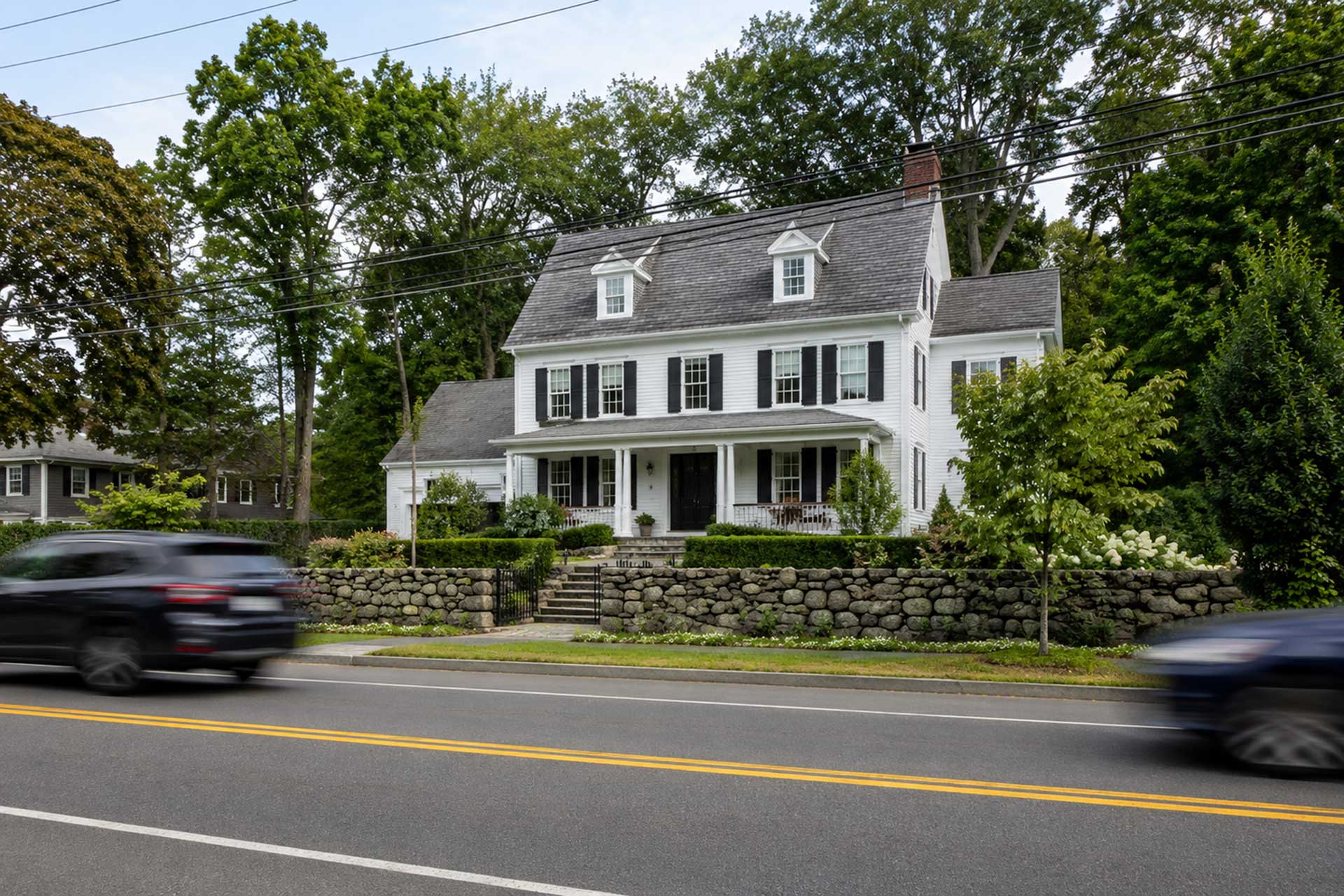
A property on a quiet cul-de-sac has different design needs than a home along a commuter route, village street, corner lot, or coastal road. On a busy road, the landscape has to manage more movement, more visibility, more noise, and often more stress on plants and hardscape materials.
The instinct is often to block the road as quickly as possible. That may mean planting a straight line of arborvitae, installing a fence, or building a wall along the front edge of the property. Sometimes one of those moves is appropriate. Often, though, a single solution creates a new problem. The front yard may feel boxed in. The house may disappear from the street. The entry may feel less welcoming. The planting may look flat, require constant pruning, or fail in places where snow, salt, shade, deer, or poor soil make establishment difficult.
A better approach is to think about the busy road as one design condition within the larger property. The landscape should shape views, guide movement, reduce visual clutter, support the architecture, and make the front yard feel calmer. Privacy matters, but it should be integrated with the arrival sequence, driveway, lighting, drainage, planting, and outdoor living plan.
“On a busy-road property, we are not just asking what to screen. We are asking what the homeowner should see, how guests should arrive, where the eye should go, and how the front landscape can feel composed instead of defensive.”
– Katie Johnson, Landscape Designer, a Blade of Grass
Related Blog: Curb Appeal by Design for Boston Homes
Start With What the Property Is Exposed To
Before choosing plants or materials, a designer needs to understand exactly what the property is exposed to. A busy road can create several different issues at once, and each one may call for a different response.
Some homes need screening from passing cars. Others need privacy from pedestrians on the sidewalk, headlights at night, a bus stop, a neighboring driveway, an intersection, or a commercial view across the street. Corner lots may feel exposed from two sides. Homes set above the road may have excellent presence but little privacy. Homes below the road may need grading, walls, or planting to feel protected.
The view from inside the home matters just as much as the view from the street. A living room, kitchen, porch, terrace, pool, or primary bedroom may face the road directly. In those cases, the landscape should be designed around the homeowner’s daily experience, not only the public-facing curb appeal.
7 Top Questions to Ask Before Designing
- What do people see first when approaching the property?
- Where are the most uncomfortable views from inside the home?
- Does the driveway need better visibility for entering or exiting?
- Are headlights, sidewalk activity, or neighboring properties part of the issue?
- Does the front yard need privacy, curb appeal, safety improvements, or all three?
- Are there mature trees, stone walls, ledge, slopes, or utilities that should shape the plan?
- Will the solution need to work differently in winter after leaves drop and snow is plowed?
These questions help prevent the most common mistake: treating every busy-road property as if it needs the same hedge.
Privacy Is More Than a Row of Evergreens
Evergreens are useful, but they are not the whole answer. A row of matching trees can provide year-round screening, yet it can also feel rigid, oversized, or vulnerable if one tree declines. Penn State Extension notes that the first instinct for privacy screening is often a straight row of one tree type, but this ideal can be difficult to sustain when individual plants fail or conditions vary across the site: Using Trees and Shrubs for Privacy and Wind Screening.
For higher-end homes, privacy should feel designed rather than planted as an afterthought. A mixed approach can create a more natural, durable, and attractive result.
Layer Trees, Shrubs, and Perennials
Layered planting uses depth. Instead of placing one line of screening at the property edge, the design may combine evergreen trees, ornamental trees, shrubs, groundcovers, perennials, and lawn or meadow-like areas. This creates a more gradual transition from public road to private home.
For example, a busy-road property in Wellesley might use a low stone wall near the street, a staggered evergreen screen behind it, ornamental trees to filter upper-level views, and flowering shrubs closer to the house. A compact Brookline or Newton property may need a narrower version of the same idea: a fence, a clipped hedge, a small ornamental tree, and carefully scaled foundation planting that does not overwhelm the entry.
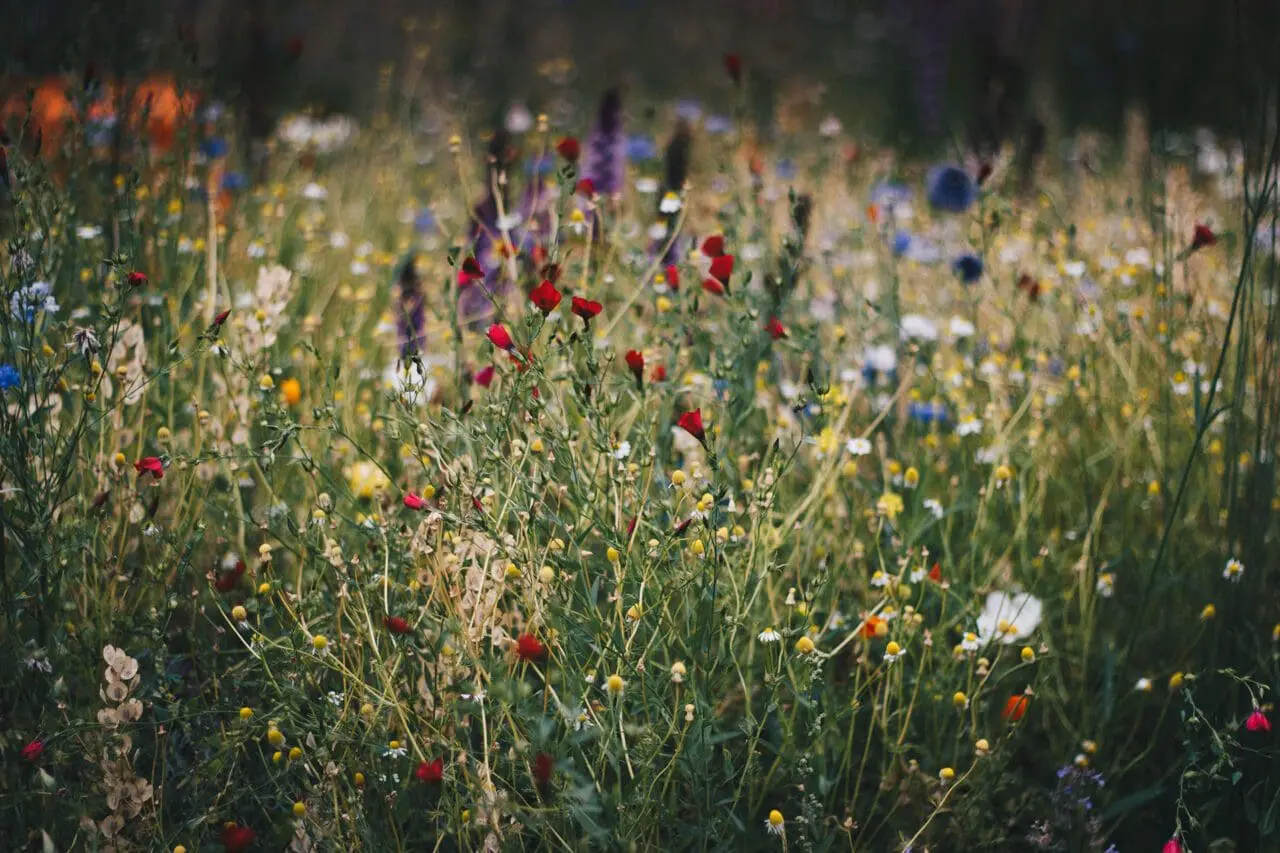
Layering also helps the landscape feel better through the seasons. Evergreens provide winter structure. Deciduous shrubs offer spring flowers, summer mass, and fall color. Perennials and groundcovers soften edges and keep the composition from feeling like a barrier.
Use Walls and Fences Carefully
Walls and fences can be valuable on busy roads, especially where the property needs a stronger edge, a safer front yard, or more immediate privacy. The key is proportion. A fence that is too tall, too close, or too visually heavy can make the house feel shut off from the neighborhood. A wall that is too low may look attractive but fail to solve the real exposure issue.
Stone walls, masonry piers, wood fencing, estate fencing, gates, and trellises should be chosen to fit the architecture. A historic Concord home may benefit from reclaimed stone and softened planting. A contemporary Weston home may call for cleaner lines, architectural shrubs, and discreet lighting. A Cape Cod property may need lighter materials and salt-tolerant planting that can handle wind and road exposure.
For properties with grade changes, walls may also support drainage, create usable planting areas, and clarify the transition between public and private space. See Blade’s stone walls and steps portfolio for examples of how structure and craftsmanship can shape a landscape.
Preserve Light, Air, and Architecture
Privacy should not make the home feel buried. A well-designed screen preserves sunlight where it matters, keeps the front entry visible, and allows the architecture to remain part of the composition.
This is especially important for architecturally distinctive homes. Colonial, Victorian, Tudor, contemporary, and coastal homes each ask for a different landscape response. The screening should not fight the house. It should frame it.
Related Blog: Best Privacy Trees for Massachusetts and Boston Landscapes
Designing for Road Noise Without Overpromising
Traffic noise is one of the biggest frustrations for homeowners on busy roads. It is also one of the easiest topics to oversimplify. Plants alone rarely “soundproof” a property. A thin hedge will not make a commuter road disappear. But landscape design can still help by reducing exposure, softening harsh conditions, and creating a more pleasant experience in the places where people spend time.
The U.S. Environmental Protection Agency notes that noise pollution can affect quality of life and has been linked to stress-related illnesses, high blood pressure, speech interference, hearing loss, sleep disruption, and lost productivity: EPA: Clean Air Act Title IV – Noise Pollution. For homeowners, the practical question is not whether a landscape can eliminate road noise. The better question is how design can make the property feel calmer and more comfortable.
Several strategies can help:
- Distance: Outdoor living areas often feel better when they are placed farther from the road or tucked behind the home.
- Mass: Walls, grade changes, and dense planting can reduce the feeling of exposure when used in the right location.
- Layering: Multiple layers of planting can make traffic feel less visually and psychologically present.
- Sound masking: Water features, rustling grasses, and enclosed garden rooms can create a more pleasant soundscape.
- Orientation: Patios, terraces, seating walls, and garden paths can be arranged so people face the garden instead of the road.
The most successful busy-road landscapes do not rely on one acoustic trick. They combine screening, placement, planting density, vertical structure, and outdoor room design to change how the space feels.
Curb Appeal Still Matters
A busy-road landscape has two audiences. It needs to feel good for the homeowner, and it needs to look composed from the street. That balance is important because the front landscape is often seen by more people, more often, than almost any other part of the property.
The National Association of REALTORS® reports that 97% of NAR members believe curb appeal is important in attracting a buyer, and 92% have suggested sellers improve curb appeal before listing a home: NAR Remodeling Impact Report: Outdoor Features. Even when a homeowner is not preparing to sell, curb appeal influences how the property feels every day.
On a busy road, curb appeal should not mean exposing the entire front yard. It means making the front edge of the property feel intentional. A well-proportioned hedge, a stone wall, a gracious driveway apron, mature shade trees, seasonal planting, or a clear front walk can all help the property feel more settled.
The goal is to avoid two extremes. One extreme is a wide-open front yard that feels exposed and unfinished. The other is a property that feels sealed off from the street. The best solution usually sits between those two, offering privacy and polish while keeping the home connected to its setting.
Related Blog: The Most Popular Landscape Design Projects for Boston-Area Homes
Safer Driveways, Walkways, and Entries
Busy roads place extra pressure on circulation. Driveways need safe sightlines. Guests need to know where to park. Pedestrians need a clear route to the front door. Delivery drivers need visible house numbers and a logical approach. Snow removal, maintenance, and service access also need to be considered.
One common problem is allowing the driveway to become the default front walk. This can make the entry feel secondary and force guests to cross vehicle areas. On a busy road, that confusion can feel even more uncomfortable.
A strong plan may include a clearer driveway apron, better lighting near the entry, a separate stone walkway, guest parking that does not block circulation, and planting that guides movement without blocking views. For larger properties, the solution may involve a more formal arrival court or motor court. For tighter Newton, Brookline, Cambridge, or Belmont lots, small adjustments can have a large effect: a wider walk, a better gate, improved lighting, or a more deliberate planting edge.
Related Blog: Driveway Landscape Design for Boston Homes
Planting for Tough Roadside Conditions
Roadside planting is not easy planting. The front edge of a busy-road property may face reflected heat, wind, compacted soil, road splash, salt exposure, snow storage, inconsistent moisture, and damage from plows or passing traffic.
UMass Extension explains that deicing salts can damage landscape plants and contribute to decline or death, even though they are commonly used for winter safety on roads, sidewalks, driveways, and parking areas: UMass Extension: The Impact of Salts on Plants. For Boston-area homeowners, that means plant selection near busy roads should be practical as well as beautiful.
The right plant palette depends on the property, but the design should consider:
- mature plant size, not just nursery size
- salt and snow exposure
- deer pressure
- wind and winter burn
- road splash and compacted soil
- sun, shade, and reflected heat
- irrigation and establishment needs
- pruning access and long-term maintenance
Evergreens such as arborvitae, holly, yew, spruce, hemlock, and boxwood may play a role depending on the site. Deciduous shrubs, ornamental trees, grasses, and perennials can add depth and soften the screen. In coastal and Cape Cod settings, salt tolerance, wind exposure, and sandy soils become even more important.
For busy-road properties, planting should be designed for how it will perform five, ten, and twenty years from now. A screen that looks full on installation day but outgrows its space, blocks sightlines, or fails from salt exposure will create future problems.
Outdoor Living on a Busy Road
Homes on busy roads can still have beautiful outdoor living spaces. The question is where those spaces belong and how they should be protected.
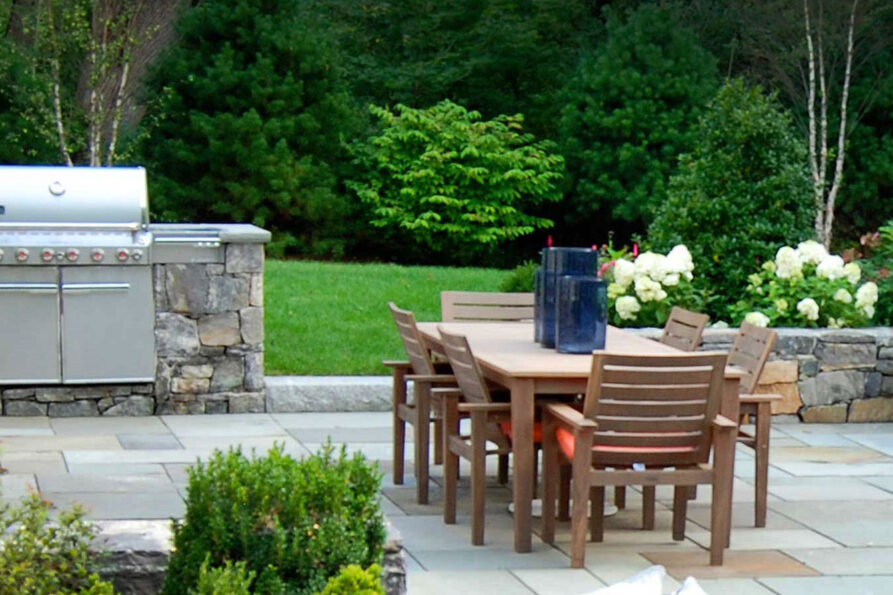
In many cases, the most comfortable patio, terrace, pool, dining area, or play space belongs away from the road. A front-yard screen may provide the first layer of privacy, while the main outdoor living space is placed to the side or rear of the home. Walls, planting, pergolas, grade changes, and garden rooms can then help create a more private destination.
On compact properties, there may be fewer placement options. A small courtyard, side terrace, screened dining area, or walled garden can still feel calm when the design controls views carefully. A busy road does not have to remove the possibility of outdoor living. It simply makes planning more important.
Blade’s patios and terraces portfolio shows how outdoor spaces can be shaped for dining, entertaining, and relaxing while still feeling connected to the home and landscape.
Lighting, Drainage, and Maintenance Should Be Planned Early
Busy-road landscape design is not only about what gets planted. The supporting systems matter.
Lighting
Lighting can improve safety, visibility, and atmosphere. It can make the front walk easier to navigate, help guests find the driveway, illuminate house numbers, define steps, and highlight key trees or walls. On a busy road, lighting should be subtle and controlled. The goal is not to compete with streetlights or headlights. The goal is to make the property feel safe, legible, and welcoming.
Learn more about Blade’s approach to exterior landscape lighting.
Drainage and Grading
Busy-road frontages often have complicated drainage. Road runoff, driveway grading, compacted soil, sloped lawns, existing walls, and snow storage can all affect how water moves. Drainage should be considered before new planting, walls, paving, or lighting are installed.
For more detail, see Blade’s guide to professional landscape drainage for Boston properties.
Maintenance
Privacy screens need care. Hedges need pruning. Mixed borders need seasonal attention. Irrigation may be needed during establishment. Salt damage may need to be monitored. Snow storage areas should be kept away from sensitive plants whenever possible.
A low-maintenance busy-road landscape is not one that receives no care. It is one that is designed to be cared for efficiently over time.
Related Blog: What’s Included in a Landscape Maintenance Plan?
Design Ideas by Property Type
Compact Newton, Brookline, Cambridge, and Belmont Lots
On compact lots, every inch matters. A tall hedge may not be practical if it crowds the sidewalk, blocks light, or overwhelms the home. Better solutions may include a low wall with layered planting, a small ornamental tree, a refined gate, a narrow evergreen screen, and a clear front walk that makes the entry feel deliberate.
Larger Wellesley, Weston, Dover, Lincoln, and Carlisle Properties
Larger properties often have more room for layered screening, driveway realignment, motor courts, guest parking, and deeper planting beds. The challenge is scale. Screening should feel generous without becoming a fortress. Long views, mature trees, stonework, and lighting can help create a graceful transition from road to home.
Historic Concord or Sudbury Homes
Older homes often benefit from a softer touch. Reclaimed stone, layered shrubs, mature-feeling planting, and restrained lighting can improve privacy while preserving character. The design should protect existing trees and stone walls wherever possible.
Corner Lots in Needham, Sudbury, or Wellesley
Corner lots often require privacy from more than one direction. The design may need to protect side-yard outdoor living areas, screen headlights, and preserve safe driveway visibility. Layered planting, fencing, and wall placement should be handled carefully so the property feels enclosed where needed and open where visibility matters.
Cape Cod and Coastal Properties
Coastal properties may face road exposure, sandy soils, salt air, seasonal use, and wind. Screening often works best when it feels lighter and more natural. Grasses, coastal-tolerant shrubs, evergreen structure, stone, gravel, and subtle lighting may be more appropriate than a heavy formal hedge.
“The best screening does not call attention to itself. It makes the home feel more comfortable, the entry more welcoming, and the landscape more complete.”
– Dan Gersh, Account Manager, a Blade of Grass
When to Bring in a Landscape Design Team
A simple planting project may not require a full design process. But when a busy road affects privacy, drainage, driveway safety, lighting, walls, entry design, mature trees, or outdoor living, it is worth stepping back before making isolated improvements.
A landscape design team should be involved when:
- the front yard feels exposed, noisy, or visually unresolved
- you want privacy without hiding the home completely
- the driveway or guest arrival experience feels awkward
- you are considering walls, fencing, gates, or grade changes
- roadside planting has failed in the past
- headlights, sidewalk activity, or neighboring views affect daily comfort
- you are planning a patio, pool, terrace, or garden near a visible frontage
- drainage, snow storage, or salt exposure may affect the design
- the project should be phased over multiple seasons
For larger or more complex properties, a landscape master plan can help organize privacy, circulation, planting, lighting, drainage, construction, and maintenance into a clear long-term strategy.
FAQs About Landscape Design for Homes on Busy Roads
Q: What is the best landscaping for privacy on a busy road?
A: The best privacy landscaping for a busy road is usually layered. A mix of evergreen trees, ornamental trees, shrubs, perennials, walls, fences, gates, and grading can create a more attractive and durable screen than one row of matching trees. The right solution depends on the home, road exposure, available space, sunlight, soil, salt exposure, and maintenance expectations.
Q: Can landscaping reduce traffic noise?
A: Landscaping can help reduce the feeling of exposure and create a calmer outdoor experience, but plants alone rarely eliminate traffic noise. Dense planting, walls, grade changes, water features, and thoughtful outdoor room placement can work together to soften sound, mask distractions, and make the property feel more comfortable.
Q: Are fences or plants better for homes on busy streets?
A: Neither is automatically better. Fences and walls can provide immediate structure and privacy, while plants soften the view and help the landscape feel more natural. Many busy-road properties benefit from a combination of both. The design should consider the architecture, local regulations, sightlines, scale, and long-term care.
Q: What plants work well near roads in New England?
A: Plants near roads need to tolerate tough conditions such as salt, snow, wind, road splash, reflected heat, compacted soil, and inconsistent moisture. Depending on the site, evergreens, ornamental trees, durable shrubs, grasses, and groundcovers may all play a role. Plant selection should be based on the specific property rather than a one-size-fits-all list.
Q: When should a busy-road landscape be part of a larger master plan?
A: A busy-road landscape should be part of a larger master plan when the project affects privacy, driveway circulation, drainage, lighting, walls, front entry design, mature trees, outdoor living areas, or phased construction. A master plan helps the improvements feel connected rather than pieced together over time.
Learn More
- Remodeling Impact Report: Outdoor Features
- The Impact of Salts on Plants and How to Reduce Plant Injury from Winter Salt Applications
- EPA: Clean Air Act Title IV – Noise Pollution
Final Thoughts: A Busy Road Does Not Have to Define the Property
A home on a busy road can still feel private, graceful, and deeply connected to its landscape. The key is to design beyond the first layer of screening. Privacy, curb appeal, sound, safety, lighting, drainage, planting, and arrival all need to work together.
For some properties, the answer may be a layered evergreen screen and a better front walk. For others, it may involve a new wall, improved driveway layout, more thoughtful planting, discreet lighting, or a reimagined outdoor living area away from the road. The strongest results come when each decision supports the home, the site, and the way the property is actually used.
If your Greater Boston, MetroWest, or Cape Cod property sits on a busy road, highly visible corner, or exposed frontage, contact the Blade team to start a conversation. a Blade of Grass can help plan landscape design, construction, planting, lighting, drainage, and long-term care that makes your property feel calmer, more private, and more complete.
Contact a Blade of Grass to discuss landscape design for your busy-road property.