Choosing Flowering Shrubs That Elevate a New England Landscape
There are countless flowering shrubs available to homeowners, with new varieties introduced every year. It can be tempting to choose the newest cultivar or the most colorful option at the garden center, but the strongest landscapes are usually built on reliable performers.
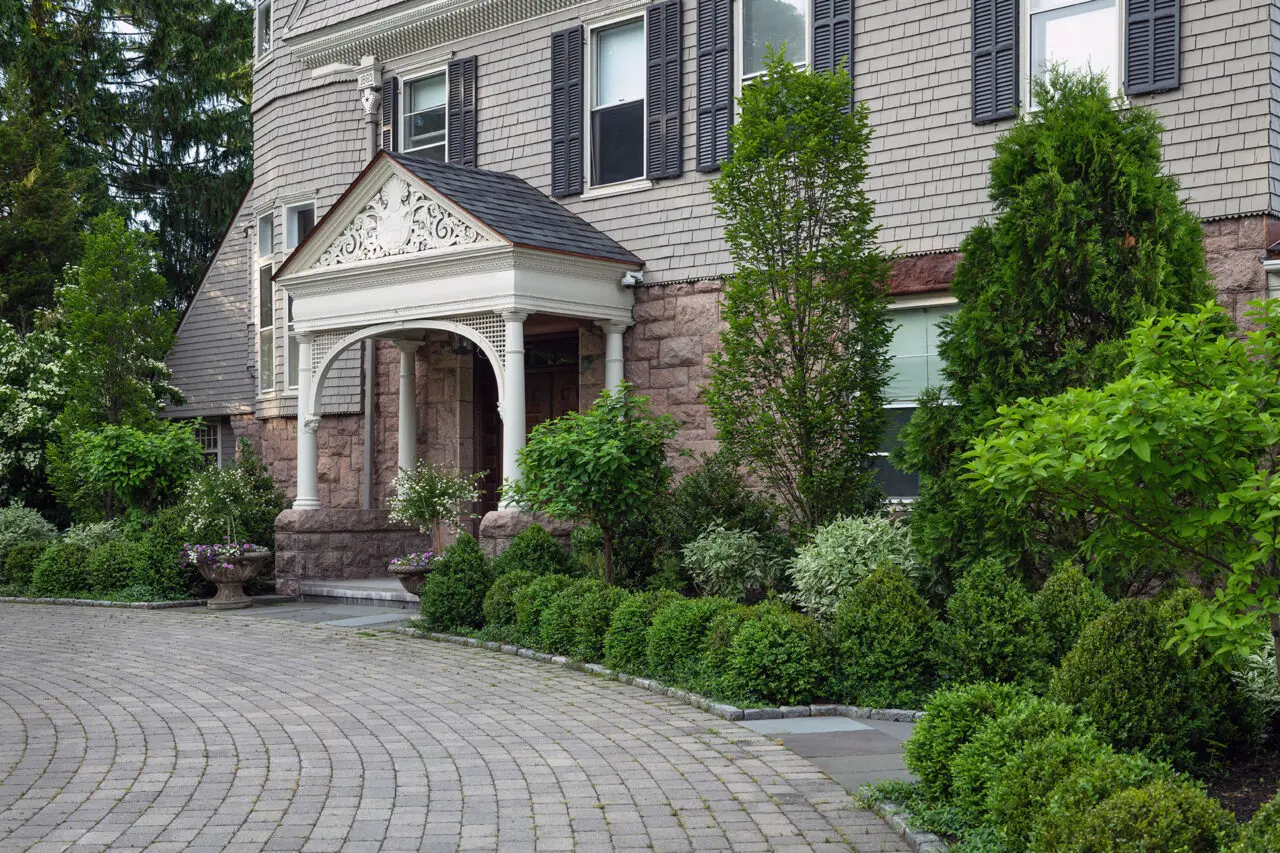
For Boston-area gardens, the best flowering shrubs do more than bloom. They provide structure, scale, seasonal rhythm, foliage texture, fall color, and long-term dependability. They help anchor planting beds, soften architecture, frame outdoor rooms, and connect the garden to the home.
Among the many options available, three shrubs continue to stand out for their beauty, usefulness, and reliability in refined residential landscapes:
- Hydrangea paniculata ‘Grandiflora’
- Aesculus parviflora
- Fothergilla x intermedia ‘Blue Shadow’
Each brings something different to the garden. One offers classic summer-to-fall bloom, one performs beautifully in shade, and one delivers three-season interest in a compact, elegant form.
Key Takeaways
- Reliable flowering shrubs provide structure, bloom, foliage, and seasonal interest in Boston-area landscapes.
- Hydrangea paniculata ‘Grandiflora’ is a classic choice for dependable summer flowers and fall presence.
- Bottlebrush buckeye is one of the few shrubs that can flower impressively in shade, but it needs room to spread.
- Fothergilla ‘Blue Shadow’ offers spring flowers, blue-green summer foliage, and brilliant fall color.
- The best shrub choice depends on sun exposure, available space, soil conditions, mature size, and the overall landscape design.
Why Flowering Shrubs Matter in Landscape Design
Flowering shrubs are some of the most valuable plants in residential landscape design because they bridge the gap between trees, perennials, ground covers, and hardscape. They provide mass and structure, but they also bring seasonal change.
A well-placed flowering shrub can:
- soften the foundation of a home
- add scale to a planting bed
- create privacy or enclosure
- provide bloom without relying on annuals
- support pollinators and wildlife
- add fall color and winter structure
- make a garden feel more established
For New England properties, the most successful shrubs are those that contribute through more than one season. A plant that flowers for two weeks but looks tired the rest of the year may not earn its place in a prominent bed. A stronger choice offers bloom, foliage, form, and seasonal progression.
1. Hydrangea Paniculata ‘Grandiflora’
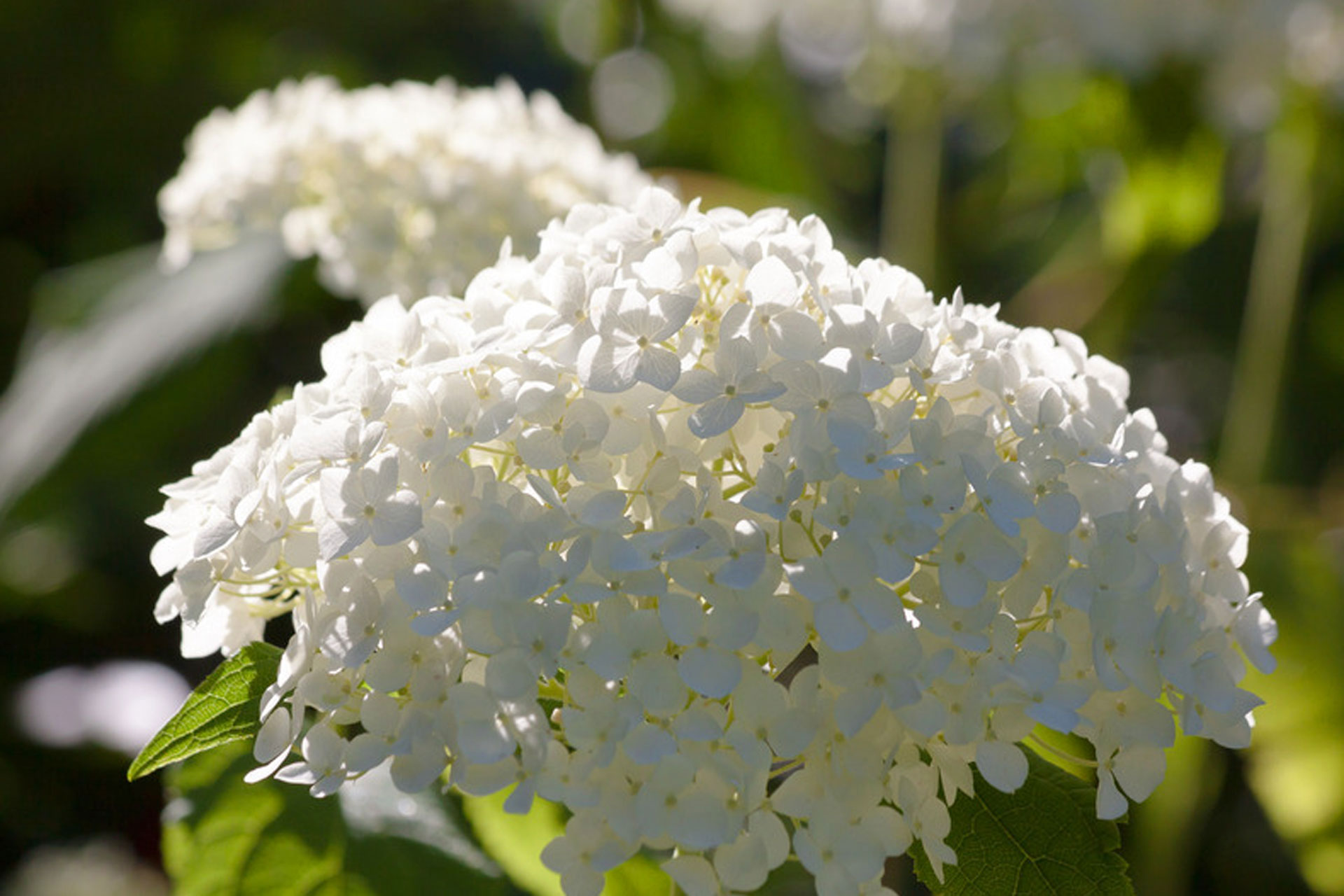
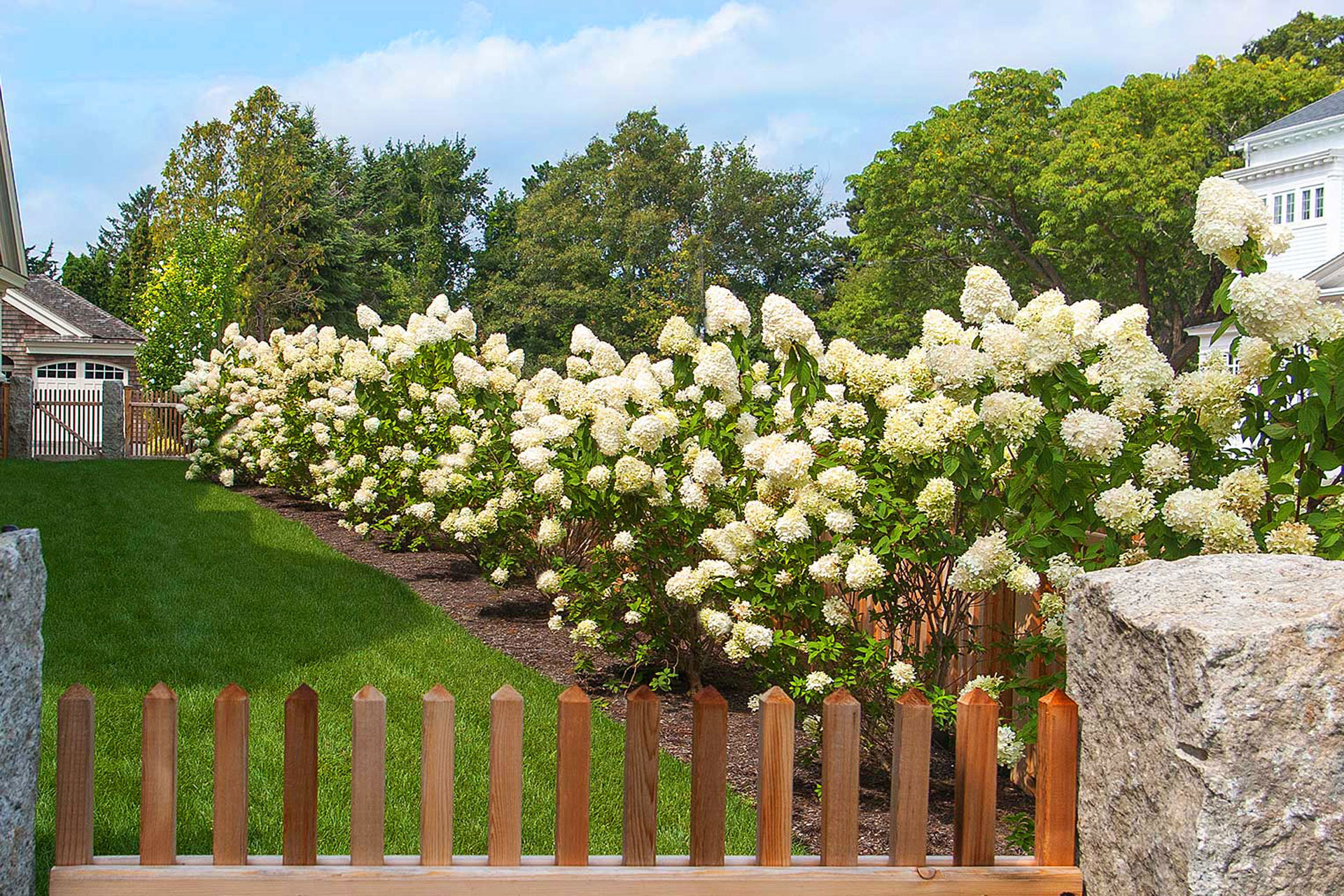
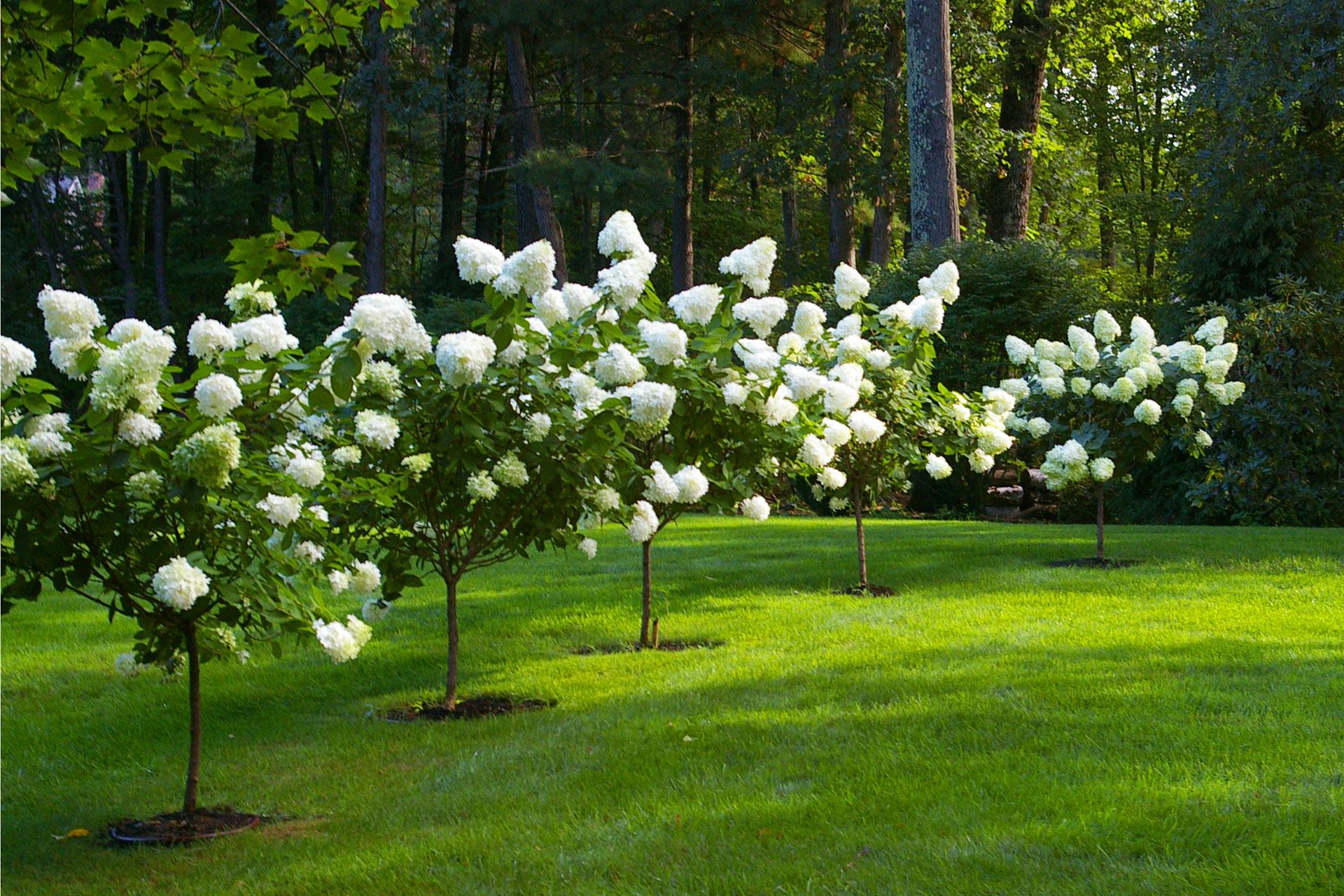
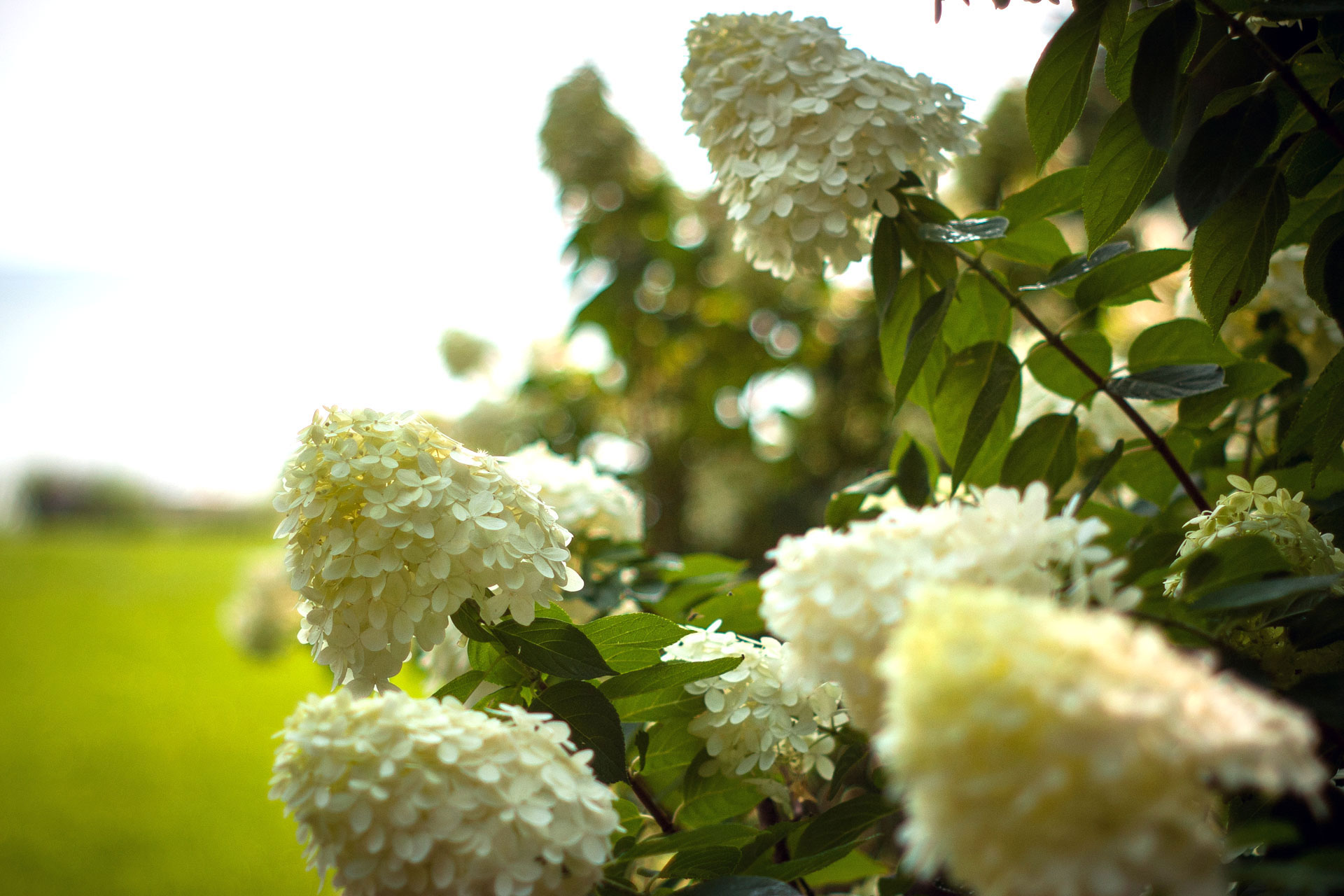
Hydrangeas are among the most popular flowering shrubs in New England, and for good reason. They offer large, reliable blooms and a wide range of flower forms, colors, sizes, and habits. Of all the varieties available, Hydrangea paniculata ‘Grandiflora’, often called PeeGee hydrangea, remains a true classic.
Developed in the late 1800s, ‘Grandiflora’ has endured because it works. It produces generous white flower clusters in summer that often persist into fall, gradually aging into softer tones as the season changes. Its foliage can also turn a pleasant gold in autumn, giving the plant additional seasonal value.
Why It Works
One of the biggest advantages of Hydrangea paniculata is that it blooms on new wood. That makes it more reliable than some hydrangeas that flower on old wood and can lose buds to winter damage or improper pruning. For Boston-area homeowners, that dependability matters.
PeeGee hydrangeas can tolerate full sun to part shade and work well in many residential settings. They are especially useful where a garden needs a strong summer presence without excessive fuss.
Best Uses
- foundation plantings
- mixed shrub borders
- patio and terrace edges
- large front yard planting beds
- informal hedging
- garden focal points
If you were going to plant one dependable flowering shrub in a New England garden, Hydrangea paniculata ‘Grandiflora’ would be a strong candidate.
Design Considerations
PeeGee hydrangeas need enough room to mature. They can become substantial shrubs, so they should not be squeezed into tight foundation beds or narrow walkways. When given proper space, they provide a generous, classic look that pairs beautifully with evergreens, ornamental grasses, perennials, and stonework.
They are especially effective when used in repeated groups rather than as isolated one-off plants. Repetition gives the garden more rhythm and makes the summer bloom feel intentional rather than scattered.
2. Aesculus Parviflora
Bottlebrush Buckeye
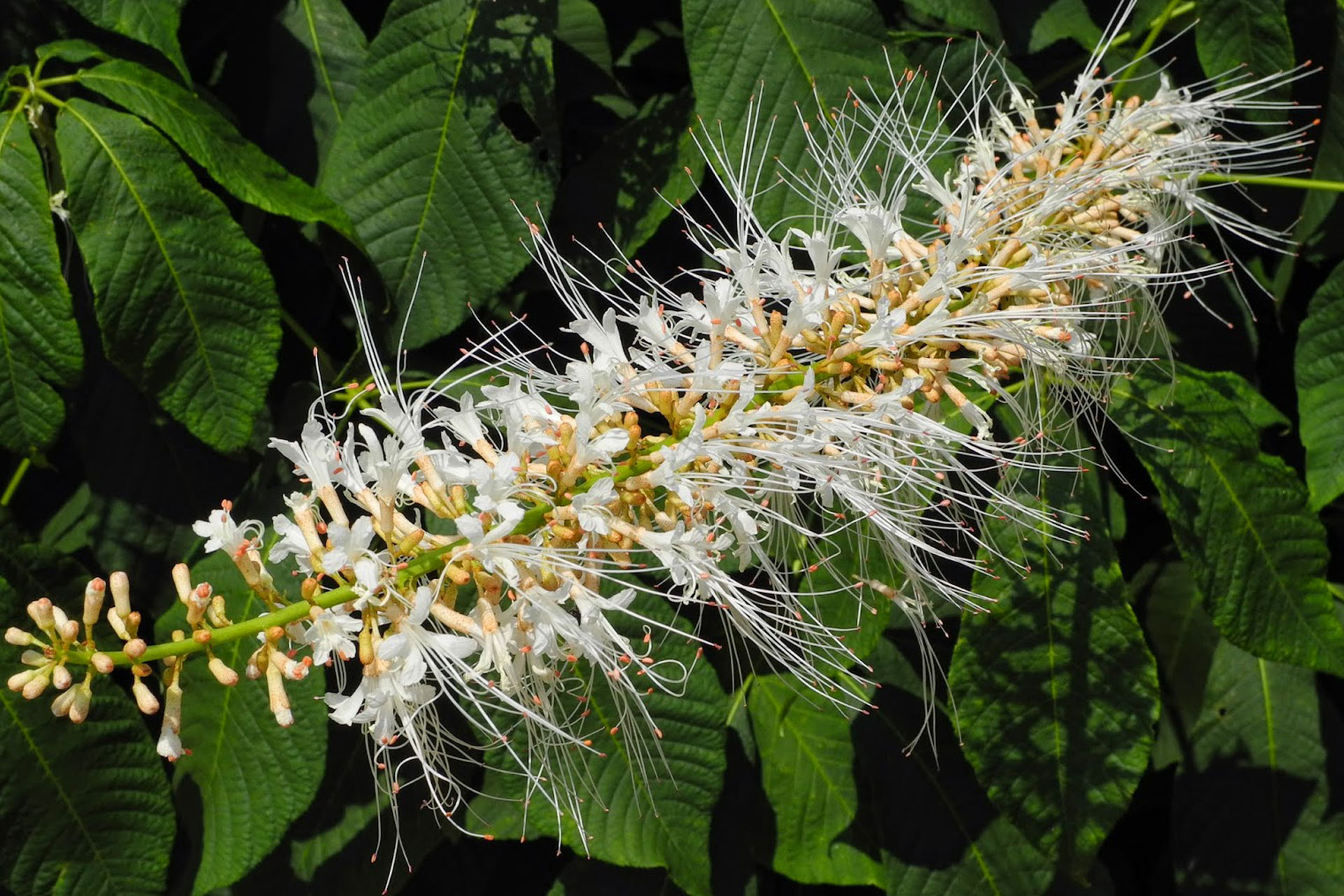
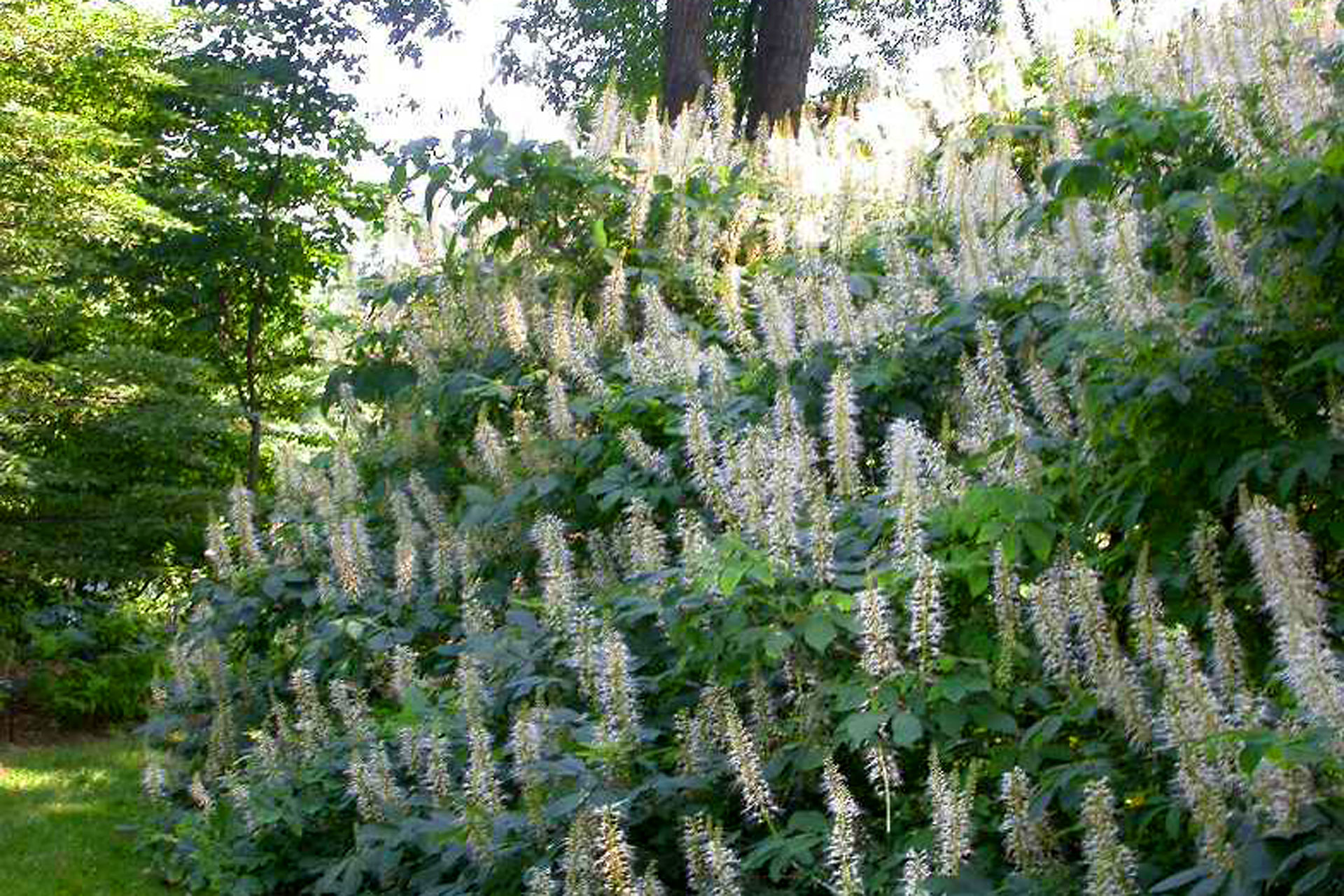
Aesculus parviflora, commonly known as bottlebrush buckeye, is one of the most distinctive flowering shrubs for shade. Its common name comes from its large, upright, bottlebrush-shaped white flowers, which appear in midsummer.
What makes this shrub especially valuable is its ability to flower reliably in shade. Many shrubs tolerate shade, but far fewer bloom impressively there. Bottlebrush buckeye can bring life, texture, and seasonal drama to areas where more conventional flowering shrubs may struggle.
Why It Works
Bottlebrush buckeye has a bold, architectural presence. Its foliage is lush and handsome, and its summer flowers appear when many shade gardens are dominated by green texture rather than bloom. In fall, the foliage often turns a rich yellow, which can be especially striking when the plant is used in large groups.
This shrub is particularly valuable for woodland edges, shaded estates, larger properties, and areas where a naturalistic but refined planting is desired.
Best Uses
- large shade gardens
- woodland edges
- understory planting beneath mature trees
- naturalized borders
- sloped shaded areas
- properties where a broad, spreading shrub has room to develop
Design Considerations
Bottlebrush buckeye needs space. It spreads by suckers and can colonize over time, which makes it a poor choice for compact landscapes or tight foundation beds. In the right setting, that spreading habit is an asset. It allows the plant to create a lush, natural-looking mass that feels established and immersive.
This is not a shrub to force into a small formal border. It is best used where its scale and movement can be appreciated.
3. Fothergilla x Intermedia ‘Blue Shadow’

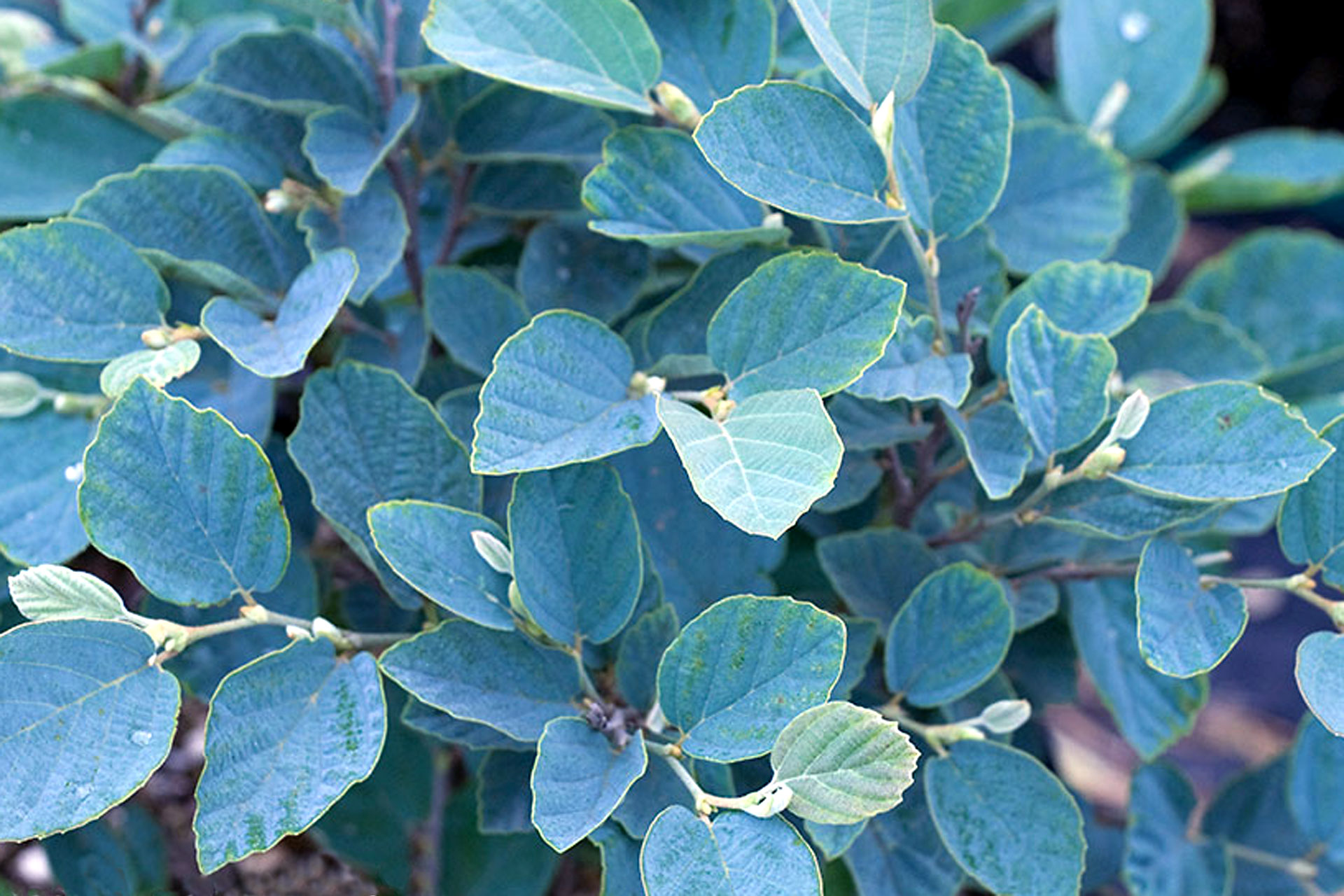
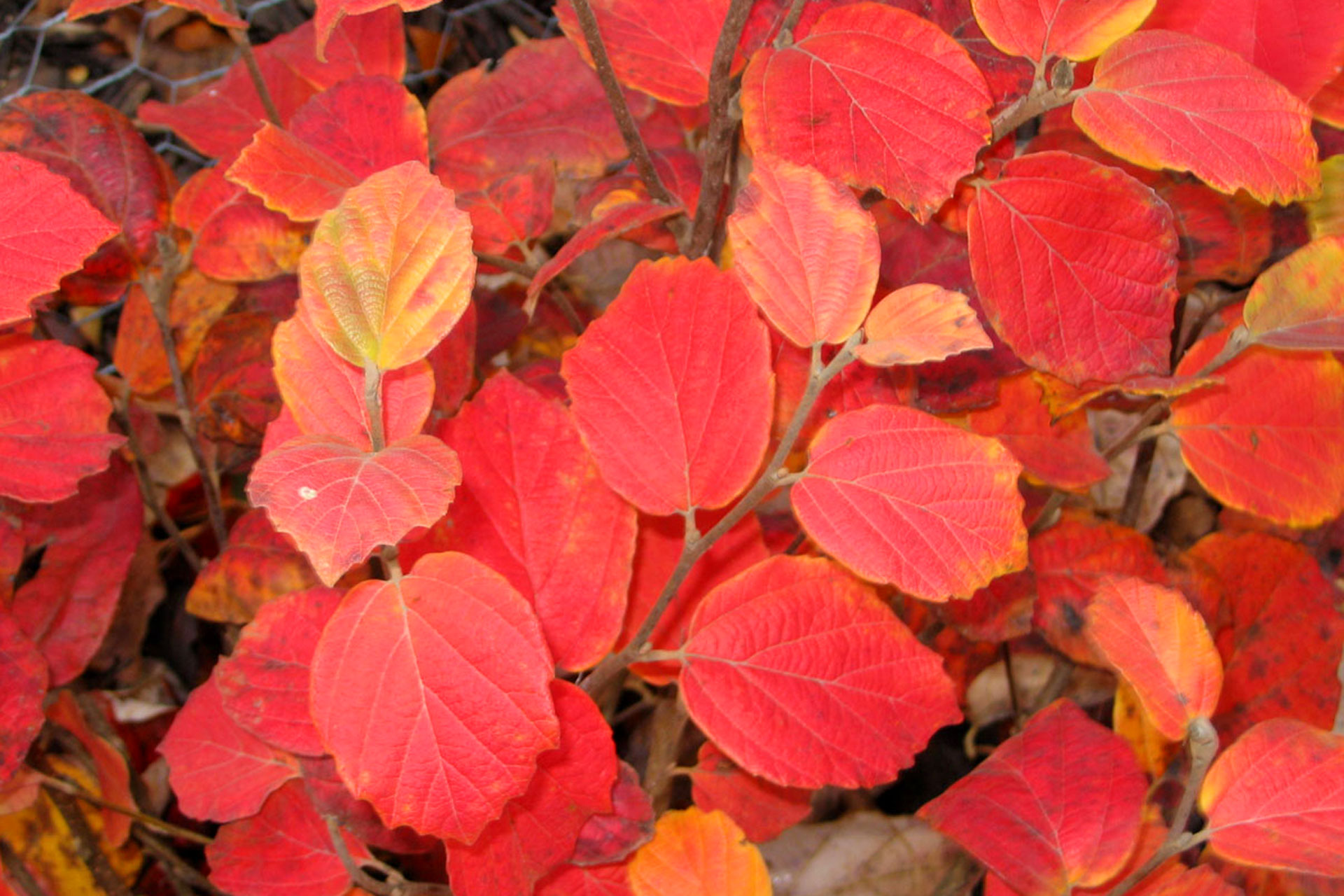
Fothergilla is one of the most rewarding shrubs for homeowners who want multiple seasons of interest in a manageable size. While there are several good fothergilla selections, ‘Blue Shadow’ is especially appealing because of its distinctive blue-green foliage.
That foliage color creates a beautiful contrast in the garden, particularly when paired with deep greens, burgundy foliage, white flowers, stone, or darker mulch. It gives the plant value well beyond its spring bloom.
Why It Works
Fothergilla ‘Blue Shadow’ is a true three-season plant. In spring, it produces fragrant white bottlebrush flowers. In summer, its blue-green foliage adds calm, cool-toned texture to the planting composition. In fall, the foliage can turn brilliant shades of orange, yellow, and red.
It is also relatively slow growing, which means it rarely becomes an overwhelming maintenance problem. For residential properties where scale matters, that is a major advantage.
Best Uses
- front yard planting beds
- foundation plantings
- mixed shrub borders
- woodland-edge gardens
- low-maintenance gardens
- areas where foliage color is as important as bloom
Design Considerations
Fothergilla can handle full sun to part shade, though fall color is often strongest with good light. Because it is not a fast grower, it works well in more refined planting designs where restraint and proportion are important.
It pairs beautifully with evergreens, hydrangeas, spring bulbs, shade-tolerant perennials, ornamental grasses, and low ground covers. It is also a strong choice near entries or paths, where its spring flowers and fall color can be appreciated up close.
How These Three Shrubs Compare
| Shrub | Best Feature | Best Use | Key Consideration |
|---|---|---|---|
| Hydrangea paniculata ‘Grandiflora’ | Reliable summer and fall flowers | Foundation beds, shrub borders, focal points | Give it enough room to mature. |
| Aesculus parviflora | Large white flowers in shade | Woodland edges, large shade gardens | Needs space to spread. |
| Fothergilla ‘Blue Shadow’ | Blue-green foliage and brilliant fall color | Refined borders, entries, foundation plantings | Best color with adequate light. |
Choosing the Right Flowering Shrub for Your Property
The right shrub is not simply the one with the prettiest flower. It is the one that fits the site and the design intent.
Before selecting a flowering shrub, consider:
- Sun exposure: Does the planting area receive full sun, part shade, or deep shade?
- Available space: Will the shrub fit comfortably at mature size?
- Soil and drainage: Is the soil dry, moist, compacted, or well drained?
- Maintenance expectations: Will the shrub need frequent pruning to stay in scale?
- Seasonal value: Does the plant offer interest beyond its bloom period?
- Relationship to the home: Does the shrub complement the architecture, walkways, patios, and surrounding planting?
For Boston-area homes, these questions are especially important. Many properties include mature trees, older soils, shaded foundations, stonework, slopes, and microclimates that vary from one side of the house to another.
Common Mistakes to Avoid With Flowering Shrubs
- Choosing only for bloom: Foliage, habit, fall color, and winter structure matter too.
- Planting too close to the house: Shrubs need room to mature without constant pruning.
- Ignoring shade conditions: A sun-loving shrub will not perform well in deep shade.
- Using too many one-off plants: Repetition often creates a stronger design.
- Forgetting maintenance: Some shrubs need regular pruning, while others perform best with a lighter touch.
Frequently Asked Questions About Flowering Shrubs
Q: What flowering shrubs work well in Boston-area gardens?
A: Reliable options include panicle hydrangeas, fothergilla, bottlebrush buckeye, viburnum, oakleaf hydrangea, summersweet, witch hazel, and serviceberry. The best choice depends on sun, shade, soil, drainage, deer pressure, and available space.
Q: Which flowering shrub is best for shade?
A: Bottlebrush buckeye is one of the strongest flowering shrubs for shade, especially in larger gardens where it has room to spread. Fothergilla can also tolerate some shade, though flowering and fall color may be stronger with more light.
Q: Are panicle hydrangeas reliable in New England?
A: Yes. Panicle hydrangeas are generally reliable in New England because they bloom on new wood. This makes them less vulnerable to winter bud damage than some other hydrangea types.
Q: What shrub gives the best fall color?
A: Fothergilla is one of the best flowering shrubs for fall color, often turning shades of orange, yellow, and red. Bottlebrush buckeye can also provide strong yellow fall color, especially when planted in groups.
Q: Can flowering shrubs be low maintenance?
A: Yes, when they are matched to the right site and given enough room to mature. Low-maintenance shrub design depends on choosing plants that fit the available space instead of relying on constant pruning to control size.
Bring Structure and Seasonal Beauty Into Your Landscape
Flowering shrubs are essential building blocks in a well-designed garden. They provide bloom, structure, foliage, fall color, and a sense of maturity that smaller plants cannot always deliver on their own.
Hydrangea paniculata ‘Grandiflora’, bottlebrush buckeye, and Fothergilla ‘Blue Shadow’ each offer a different way to strengthen a Boston-area landscape. Used thoughtfully, they can make planting beds feel more complete, more seasonal, and more connected to the character of the home.
At a Blade of Grass, our landscape design and maintenance teams help homeowners choose plants that are beautiful, appropriate, and built to perform over time. If you would like to refine your planting beds, add more seasonal interest, or create a more cohesive landscape plan, contact the Blade team to start the conversation.