Getting Started With Spring Bulbs
Spring bulbs are one of the simplest ways to bring early color, texture, and excitement back into the landscape after a long New England winter. Many bloom before most shrubs and perennials have fully woken up, creating those first welcome signs of spring near entries, walkways, driveways, garden beds, and wooded edges.
There is also something especially satisfying about the timing. Bulbs are planted in fall, tucked into the soil, and left to rest through winter. Then, just when the garden begins to thaw, they appear with color, form, and energy that can completely change the mood of a property.
This post is not a step-by-step guide to physically planting bulbs. Most bulbs include planting depth, spacing, and timing guidance on the package, and those basics are easy to find. Instead, this guide focuses on how to design with bulbs so they feel intentional, visible, and integrated into the broader landscape.
Key Takeaways
- A thoughtfully planned bulb garden adds early color, seasonal excitement, and layered spring interest with relatively little ongoing maintenance.
- Bulbs should be planted where they will be seen and enjoyed during their bloom window, not hidden in areas used mainly later in the season.
- Larger groupings usually create a stronger display than small quantities of many different varieties.
- Bloom time, height, color, and surrounding plantings all influence how successful the display feels.
- Adding bulbs over several years can build a richer, more natural spring show over time.
Start With Where You Will Actually See Them
The first design decision is location. Spring bulbs are most valuable when they are planted where you will notice them during their short but memorable bloom period.
Early bloomers such as daffodils, crocus, snowdrops, and muscari should be placed where they are part of daily life in late winter and early spring. Good locations include:
- along the driveway
- near the front walk
- outside kitchen, dining, or living room windows
- around an entry sequence
- beneath small ornamental trees
- between shrubs in foundation beds
- at the edge of a woodland garden
There is little value in planting early bulbs in a back corner that is rarely visited until summer. By the time you begin using that space, the spring display may already be finished.
This may mean using bulbs in places that are not typically treated as high-season perennial beds. They can be especially effective tucked between shrubs, at the base of trees, along informal paths, or in lightly wooded areas where spring sunlight reaches the ground before the tree canopy fills in.
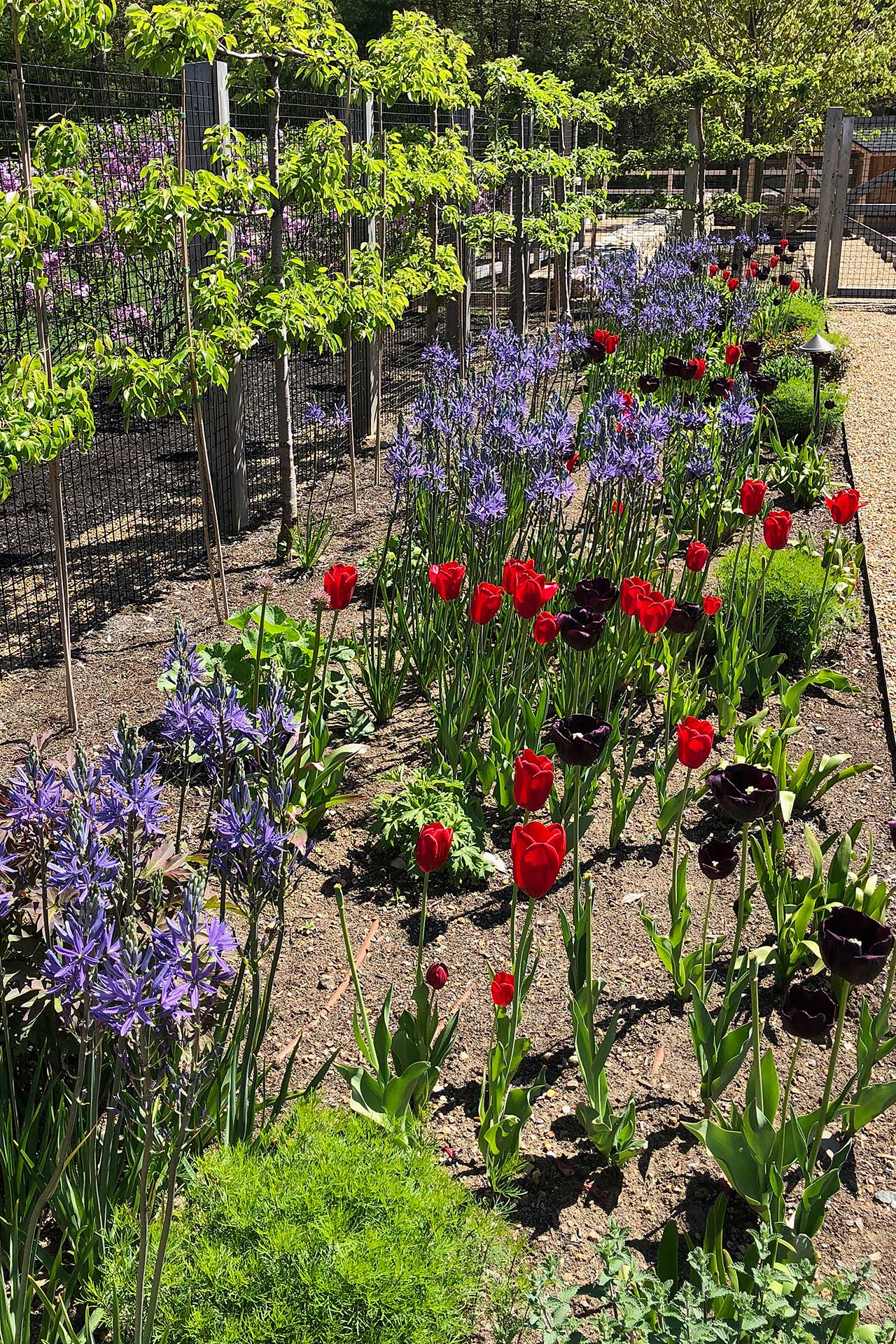
Match Bulbs to the Right Garden Setting
Not all bulbs belong in the same kind of space. Some are best used for early impact near the house, while others work beautifully woven into perennial gardens.
Early Bloomers
Early bulbs are best placed where they can carry the landscape before the rest of the garden has fully emerged. Daffodils, crocus, snowdrops, and muscari can bring life to quiet areas and help bridge the gap between winter and spring.
These are especially useful near entries, driveways, walkways, and windows because they deliver color when homeowners are eager to see the garden return.
Midseason Bulbs
Tulips, many daffodil varieties, hyacinths, and other midseason bulbs work well in more formal beds, entry gardens, and foundation plantings. They can provide a more composed, colorful display and are often used where the spring garden should feel polished and intentional.
Late Bloomers
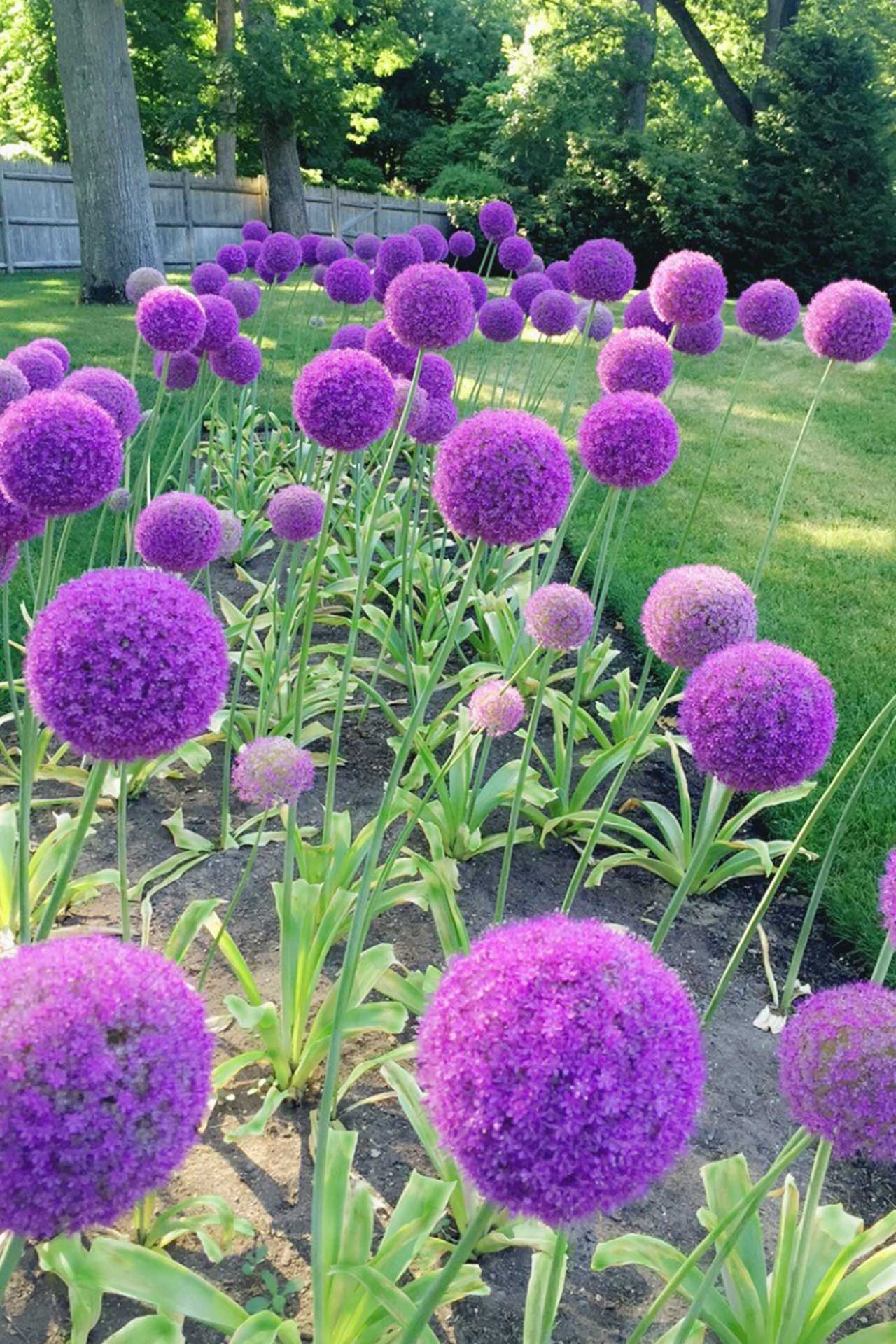
Late-blooming bulbs such as allium and camassia are well suited to perennial beds. They can be planted between later-emerging perennials and shrubs, where their foliage and flowers appear before summer plants take over.
Allium, in particular, can add strong structure and a playful sculptural quality with its rounded flower heads. It works beautifully among perennials and ornamental grasses where its shape can rise above lower foliage.
Plant in Meaningful Quantities
Quantity is one of the biggest differences between a forgettable bulb planting and a memorable one.
A few bulbs scattered throughout a garden can look accidental. Larger groupings create rhythm, confidence, and visual impact. In most cases, it is better to plant many bulbs of one variety than a small number of many different varieties.
For a stronger display, consider buying bulbs in larger quantities, often 50 to 100 at a time. Planting in groups of 7 to 10 can create repeated pockets of color throughout a bed, while larger drifts can make a hillside, woodland edge, or long border feel more natural and abundant.
If you want more diversity, add new varieties over time. A bulb garden can build gradually from year to year, becoming richer and more layered as each new planting settles in.
Plan for Height and Visibility
Flower height matters. After taking the time to plant bulbs, you want to be able to see and appreciate each bloom.
As a general rule, shorter bulbs should be placed toward the front of the bed, while taller bulbs can sit farther back or between shrubs and perennials. For example:
- crocus, snowdrops, and muscari work well near the front edge
- hyacinths and shorter daffodils can sit in the middle of lower planting beds
- taller tulips and daffodils can be placed farther back
- alliums can rise through perennial plantings for height and structure
Always check the specific height listed for each bulb variety. Tulips, daffodils, and alliums can vary significantly by cultivar. A careful height plan prevents smaller flowers from being hidden behind taller foliage or shrubs.

Use Color With Intention
Bulbs are a wonderful opportunity to be more adventurous with color because their display is seasonal and relatively brief.
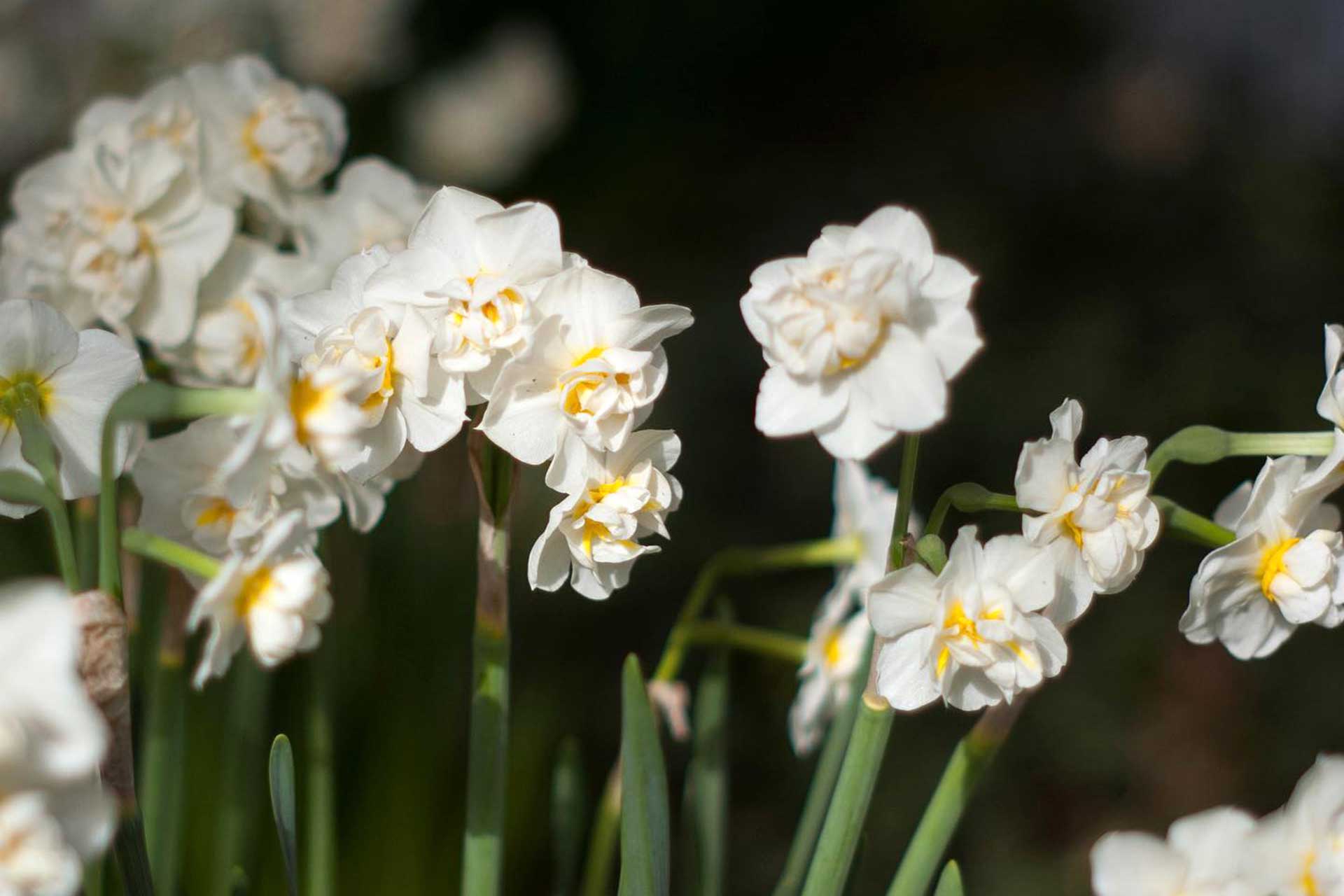
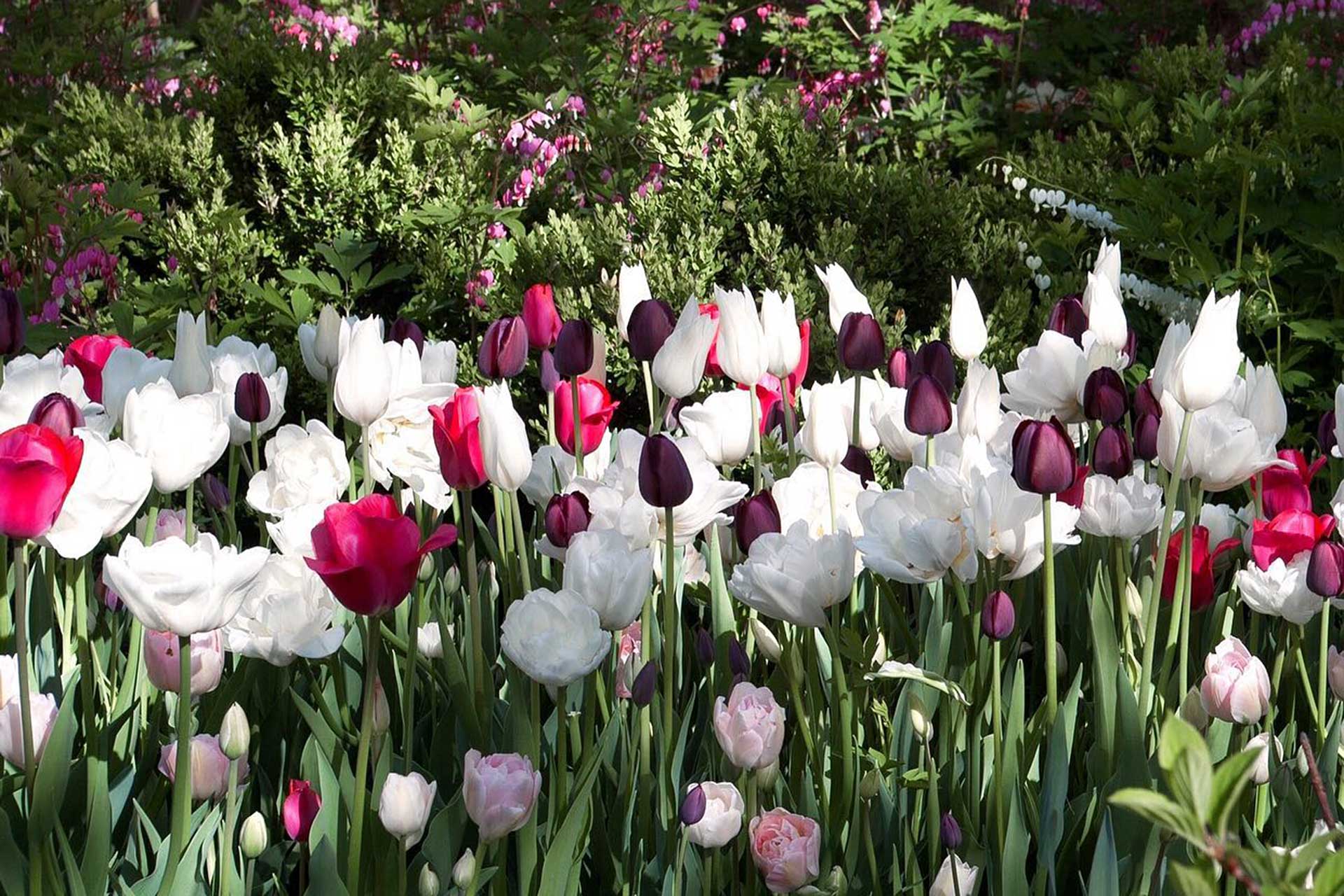
If your summer garden is mostly greens, whites, and soft textures, spring bulbs can introduce a stronger moment of color without committing the entire landscape to that palette for the full growing season. A sweep of red tulips, a drift of yellow daffodils, or a cluster of purple alliums can feel joyful and energizing precisely because it arrives early and then gives way to the next layer of the garden.
For a more refined look, consider limiting the palette. Repeating one or two colors across several areas often feels more intentional than mixing many unrelated colors in small quantities.
Good approaches include:
- white daffodils and blue muscari for a clean spring look
- yellow daffodils naturalized in woodland edges or grassy slopes
- deep purple alliums woven into perennial beds
- soft pink or white tulips near entries and formal borders
- bold red or orange tulips for a short, dramatic spring accent
Think About What Comes After the Bloom
Bulbs have a beautiful bloom period, but their foliage remains after the flowers fade. That foliage is important because it feeds the bulb for next year’s growth. Cutting it back too early can weaken future performance.
This is one reason bulbs work so well when paired with emerging perennials, shrubs, or ground covers. As bulb foliage begins to yellow, surrounding plants can help disguise it.
Late-emerging perennials and shrubs such as hydrangeas, hostas, daylilies, peonies, ornamental grasses, and other summer plants can help absorb the transition. In woodland areas, ferns and ground covers can soften fading bulb foliage naturally.
Naturalizing Bulbs for a More Relaxed Look
Some bulbs are especially effective when planted in a more naturalistic way. Daffodils, crocus, snowdrops, and certain species tulips can be scattered in loose drifts rather than formal rows.
This approach works beautifully in:
- lightly wooded areas
- grassy hillsides
- orchard-like settings
- informal front yards
- edges between lawn and woodland
Spreading hundreds of daffodils across a lightly wooded area or grassy slope can create one of the most joyful spring displays in a New England landscape. Once the first season succeeds, it is hard not to add more.
Common Bulb Design Mistakes to Avoid
Bulbs are forgiving, but a few design mistakes can limit their impact.
- Planting too few: Small numbers often disappear visually, especially in large beds or open areas.
- Hiding early bloomers: Plant early bulbs where they will be seen in March, April, and May.
- Ignoring height: Short bulbs can easily be blocked by taller plants or shrubs.
- Using too many unrelated colors: A limited palette usually looks more refined.
- Forgetting about fading foliage: Pair bulbs with plants that can cover or distract from aging leaves.
- Planting only for one bloom window: Combine early, midseason, and late bulbs for a longer spring display.
Have Fun With It
Bulb planting is one of the most enjoyable forms of seasonal garden design. It is hopeful by nature: you plant in fall, wait through winter, and are rewarded just when the landscape needs color most.
Tulips offer a chance to experiment. Daffodils bring reliable cheer. Muscari adds charming texture. Alliums create architectural punctuation. Camassia brings a softer meadow-like quality. Each bulb has its own personality, and the best designs use that personality intentionally.
In short: plant more bulbs than you think you need, place them where you will see them, repeat them generously, and let them bring a little surprise back into the spring garden.
Ready to Add Spring Bulbs to Your Landscape?
At a Blade of Grass, we design seasonal plantings that bring color, structure, and interest to Greater Boston landscapes throughout the year. Bulbs can be a beautiful part of that strategy, especially when they are planned alongside shrubs, perennials, ground covers, containers, and long-term landscape maintenance.
If you would like help creating a more thoughtful spring display for your property, contact the Blade team to learn more about our seasonal planting and landscape design services.