Buying a home in Greater Boston often begins with the architecture. Buyers notice the kitchen, the floor plan, the natural light, the roofline, the neighborhood, and the possibility of renovation. The landscape usually gets a faster look. Is the yard attractive? Is there enough privacy? Could there be a patio, pool, garden, or outdoor kitchen one day?
Those are important questions, but they only tell part of the story.
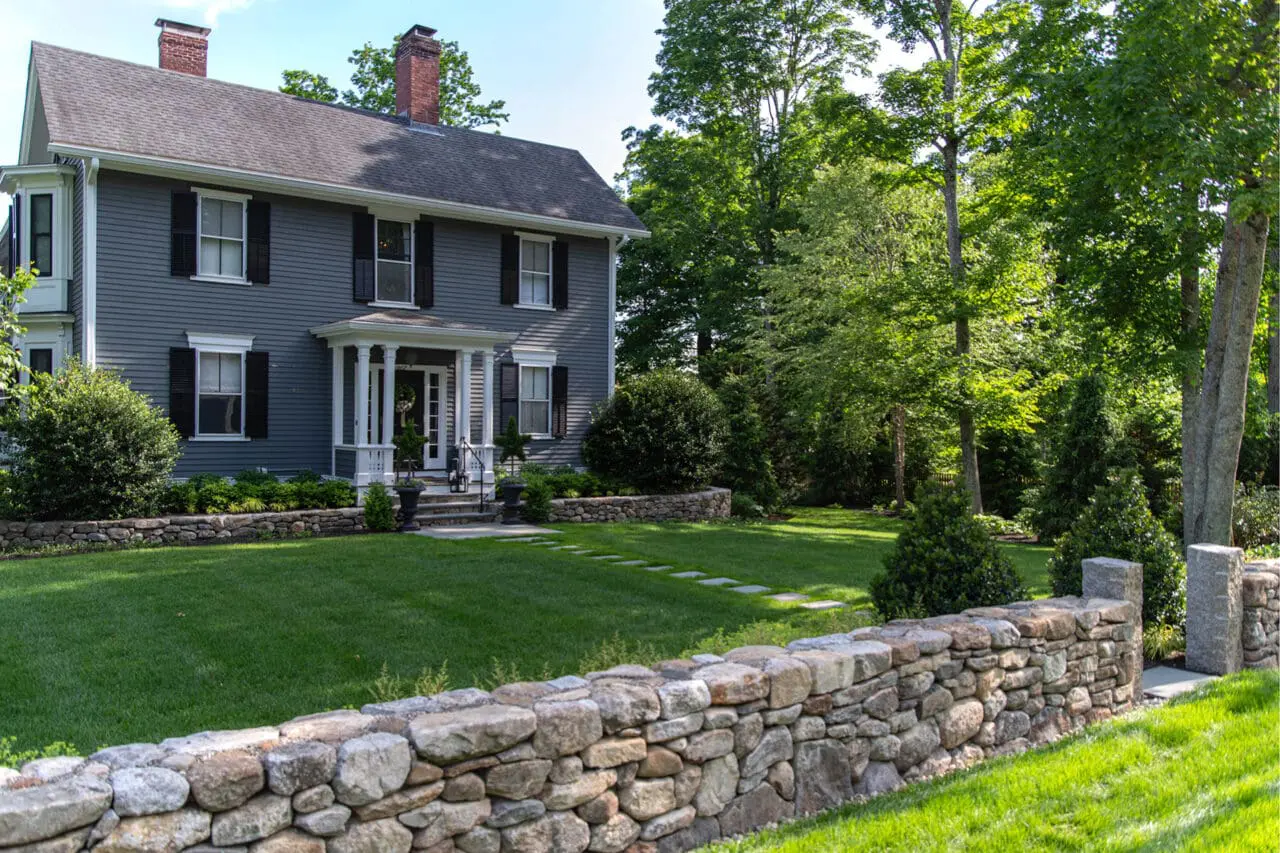
The landscape can carry clues about a property’s condition, cost, and long-term potential. Poor grading may send water toward the foundation. A beautiful old stone wall may be leaning because drainage behind it has failed. Mature trees may be valuable assets, but they may also create deep shade, root competition, or future removal costs. Overgrown shrubs can hide structural issues, block windows, and make the property feel smaller than it is.
For homebuyers in Boston, Brookline, Newton, Wellesley, Weston, Concord, Dover, Lincoln, and nearby communities, a landscape is often more than a finishing touch. It is part of the property’s function, value, and everyday experience. A thoughtful residential landscape assessment before or shortly after purchase can help homeowners understand what they have, what needs attention, and where the best opportunities may be. For larger or more complex properties, this early review often becomes the foundation for a more complete landscape design plan.
This does not replace a formal home inspection, engineering review, arborist evaluation, or drainage study. It does, however, help homeowners see the outdoor property more clearly before they begin making major design decisions.
Key Takeaways
- The most costly landscape issues are often hidden drainage, grading, tree, soil, or hardscape problems.
- Older Boston-area properties may come with settling walls, uneven walks, compacted soil, mature tree conflicts, or outdated outdoor systems.
- A residential landscape assessment helps new homeowners prioritize repairs, improvements, and long-term design opportunities.
- Drainage, grading, trees, and hardscape should be evaluated before investing in patios, planting, lighting, or outdoor living upgrades.
- A landscape design consultation can turn a new property into a phased plan instead of a series of reactive fixes.
Why the Landscape Deserves a Closer Look Before You Buy
The outdoor property can influence how a home lives. It affects arrival, privacy, entertaining, stormwater, basement moisture risk, lawn health, garden success, snow storage, maintenance needs, and future construction access.
It can also affect resale perception. The National Association of Realtors and the National Association of Landscape Professionals found that outdoor projects such as landscape maintenance, overall landscape upgrades, patios, irrigation, lighting, and tree care all earned high homeowner satisfaction scores in the 2023 Remodeling Impact Report: Outdoor Features. NAR also reported that standard lawn care, landscape maintenance, outdoor kitchens, and overall landscape upgrades were among the outdoor projects with the strongest cost recovery in that report.
For affluent buyers, the issue is rarely whether the yard can be “cleaned up.” The better question is whether the property’s outdoor environment supports the way you want to live.
Can the land accommodate a terrace or pool? Will stormwater need to be solved before planting begins? Are there old retaining walls that may need reconstruction? Is the landscape too shaded for the lawn the listing photos appear to promise? Does the existing planting provide privacy, or simply clutter? These questions often shape the larger vision for the property, especially when homeowners are considering major landscape design projects for Boston-area homes.
A strong Boston landscape designer will look at the property as a system, not a collection of isolated features.
“When we look at a newly purchased property, we are not just asking what should be added. We are asking what the land is already telling us.”
— Joanna McCoy, Senior Landscape Designer, a Blade of Grass
Once the major site conditions are understood, a landscape master plan can help organize drainage, grading, hardscape, planting, lighting, irrigation, and maintenance into a practical sequence instead of a series of reactive projects.
Drainage and Grading Red Flags

Water is one of the most important forces shaping a Boston-area landscape. Snowmelt, heavy rain, compacted soils, old foundations, mature trees, and tight neighboring lots can all affect how water moves through a property.
Water Moving Toward the House
One of the first things to observe is whether the ground slopes away from the foundation. InterNACHI notes that lots should be graded to drain surface water away from foundation walls, with grade falling at least 6 inches within the first 10 feet, based on the International Residential Code reference it cites.
That simple principle matters. If water is collecting near the foundation, the landscape may need grading adjustments, drainage improvements, downspout management, soil correction, or more extensive site work before cosmetic improvements begin.
Watch for:
- mulch piled high against siding or foundation walls
- planting beds sloping toward the house
- puddling near basement windows or bulkheads
- moss, algae, or staining on foundation walls
- eroded soil beneath downspouts
- soggy lawn areas after ordinary rainfall
Low Spots and Persistent Wet Areas
A wet lawn may not simply be a lawn problem. It can indicate compacted soil, poor grading, underground drainage failure, high water table conditions, runoff from neighboring properties, or poorly directed roof water.
For Boston-area homeowners, this is especially important because many older properties were improved in stages. A patio may have been added years after the house. A driveway may have been widened. A lawn may have been regraded after a renovation. Each change can alter water movement.
Drainage Before Design
Drainage problems should usually be addressed before investing in new planting, patios, walls, or outdoor living spaces. Otherwise, new work may inherit old problems, which is why professional landscape drainage planning should be considered early in the design process.
The EPA describes green infrastructure as using plants, soils, and natural systems to manage stormwater, noting that these systems can soak up, store, and use rainwater while reducing pressure on traditional drainage infrastructure.
For residential properties, that idea may translate into better grading, soil improvement, planting design, permeable surfaces, dry wells, rain gardens, drainage stone, or integrated stormwater strategies. The right solution depends on the property.
Related Blog: Why Professional Landscape Drainage Should Be Part of Every Boston Landscape Plan
Failing Walls, Steps, Patios, and Hardscape
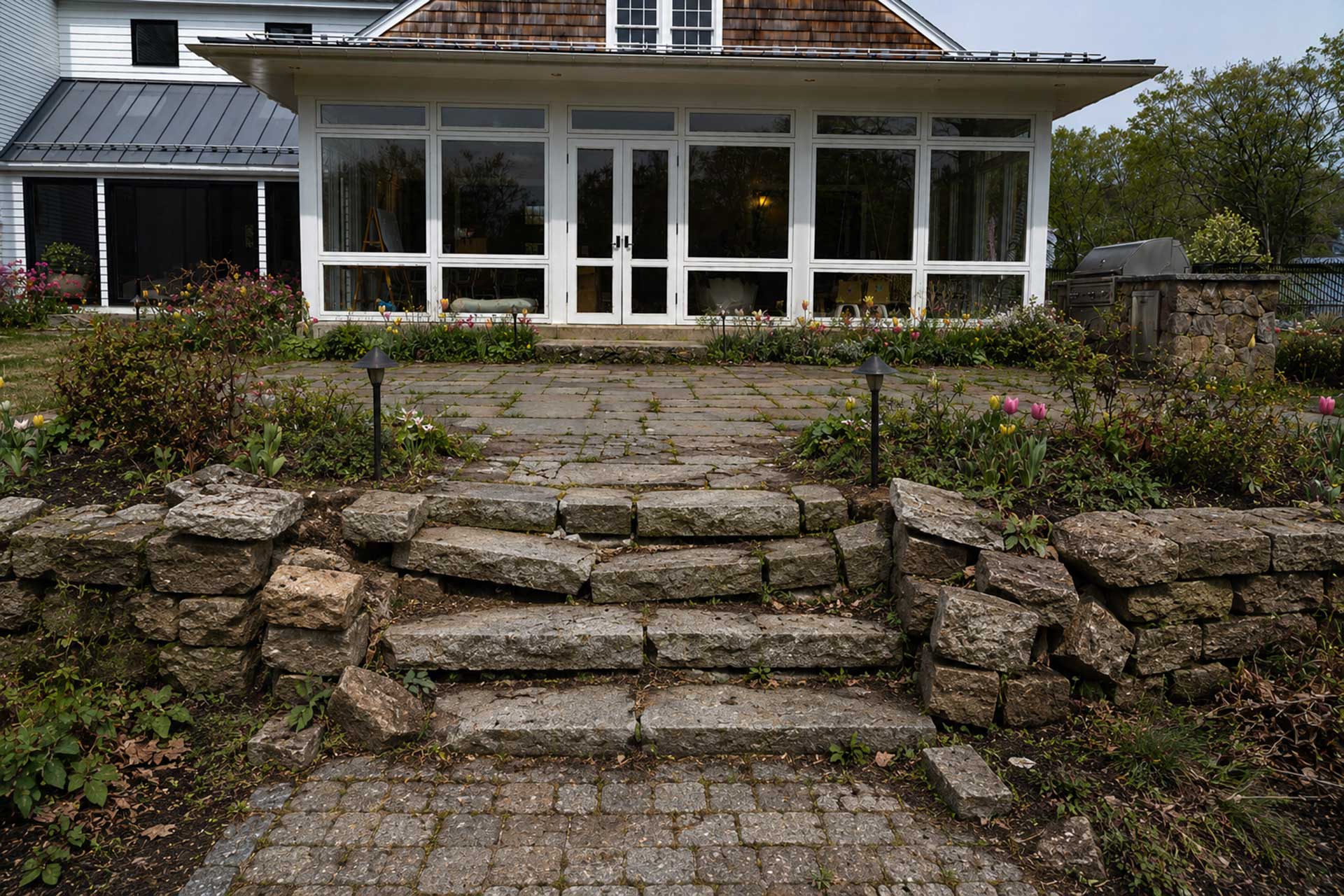
Stonework is one of the defining features of many Boston-area landscapes. Granite steps, fieldstone walls, bluestone walks, brick terraces, cobble edges, and older patios can add enormous character. They can also conceal future costs.
Signs a Wall May Be in Trouble
A retaining wall is not just decorative. It holds back soil, manages grade changes, and may influence drainage. When a wall begins to fail, the issue is often more than loose stone.
Look for:
- leaning or bulging sections
- cracked mortar
- separation between wall and adjacent paving
- water staining or seepage through the wall
- soil washing out from behind or beneath the wall
- uneven capstones
- frost-heaved sections
In Greater Boston, freeze-thaw cycles can be especially hard on walls, steps, and patios. Water enters joints, freezes, expands, and slowly shifts materials. A wall that looks charming in summer may reveal more serious movement after winter.
Uneven Steps and Walkways
Uneven steps and walkways are both a design issue and a safety concern. Older stone or brick walks often settle because of poor base preparation, tree roots, water movement, or age. If the main entry path feels awkward, narrow, uneven, or poorly lit, that may affect the property’s daily use more than buyers expect.
A landscape design consultation can help determine whether hardscape should be repaired, reset, redesigned, or fully replaced as part of a broader plan.
Aging Patios and Outdoor Living Areas
A patio may look usable during a showing, but it is worth asking how well it actually functions. Patios, walkways, and retaining walls can add meaningful value when they are properly planned, built, and connected to the broader property.
Related Blog: The ROI of Patios, Walkways & Retaining Walls in Boston
Consider:
- Is it large enough for dining or entertaining?
- Does water drain away from the house?
- Are the materials stable and appropriate for New England weather?
- Is there enough privacy?
- Is the patio connected naturally to the kitchen or main living spaces?
- Is there space for lighting, planting, furniture, shade, or a grill station?
- Will the existing patio conflict with future plans for a pool, kitchen, or garden?
The National Association of Landscape Professionals reported that the 2023 NAR/NALP outdoor features study gave new patios a homeowner “Joy Score” of 9.9 out of 10, while landscape lighting and in-ground pools scored 10. That satisfaction is highest when these features are planned carefully rather than squeezed into an already-constrained site.
Related Blog: Best Stone and Hardscape Materials for Boston-Area Landscapes
Overgrown or Poorly Placed Plantings
Planting can be one of the most misleading parts of a property. Lush greenery may photograph beautifully, but it may not be healthy, intentional, or appropriate.
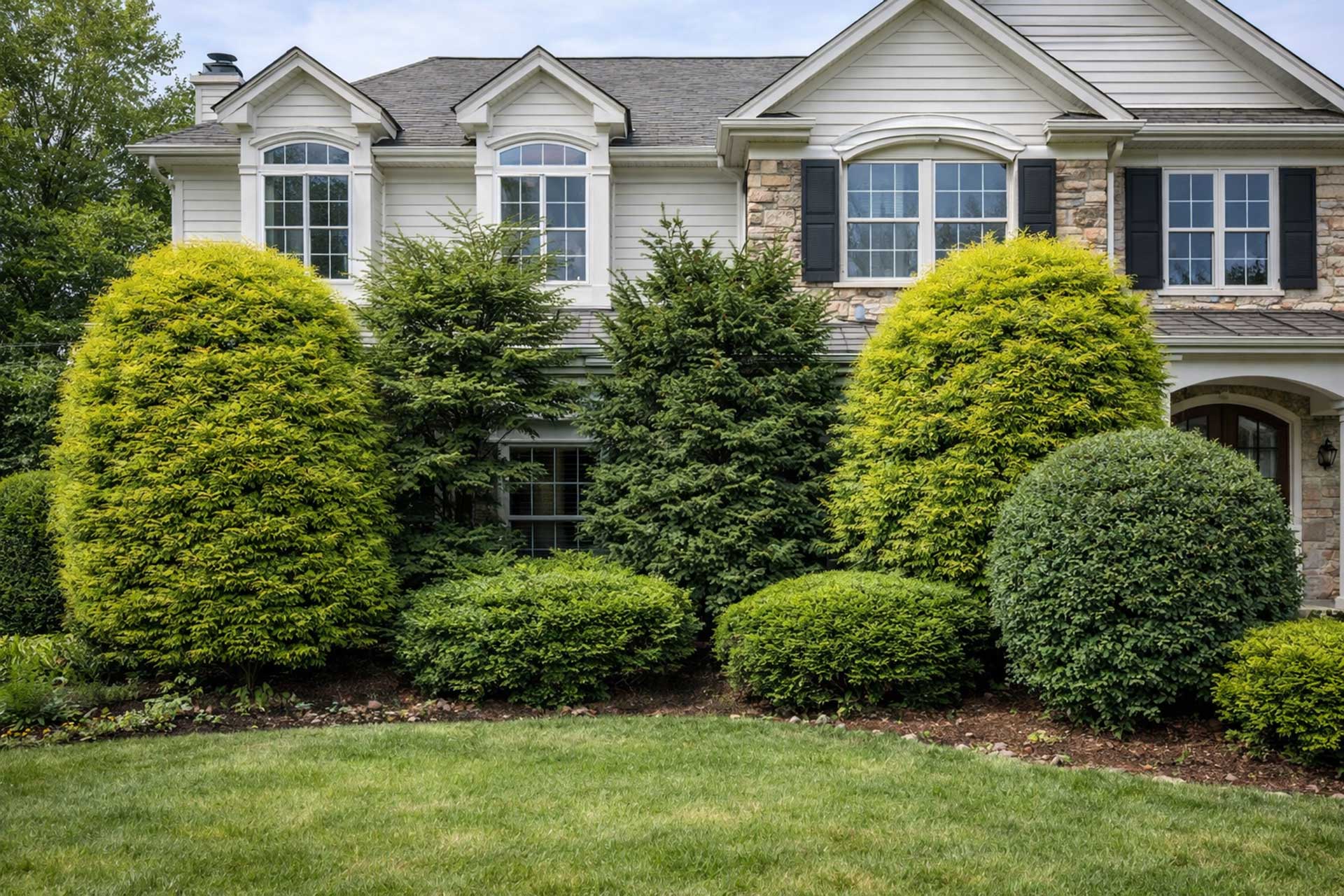
When Mature Plantings Have Outgrown the House
Many older Boston-area homes have foundation shrubs that were planted decades ago and never fully reconsidered. Yews, rhododendrons, hollies, arborvitae, and privet can become oversized, woody, and difficult to rejuvenate.
Overgrown planting may:
- block windows and natural light
- hide architectural details
- trap moisture near siding or foundations
- narrow walkways and entries
- make the property feel smaller
- create security concerns near doors or lower windows
- compete with newer plantings for light and nutrients
This does not mean everything should be removed. Some mature plantings are valuable and worth preserving. The key is knowing what supports the property and what works against it.
Pretty but Impractical Plant Choices
A previous owner may have chosen plants for immediate color without considering long-term size, deer pressure, shade, soil, irrigation, or maintenance. A garden that looked attractive for the sale may require significant care to keep it that way, especially if the planting plan was never supported by soil testing before planting.
UMass Extension notes that lawn problems can result from poor growing conditions, improper care practices, extreme weather, insects, or disease. The same principle applies broadly to planting design: plant health depends on matching the right plant to the right conditions.
Invasive or Aggressive Plants
Some properties contain aggressive spreaders or invasive plants that require ongoing management. These may appear as “green coverage” during a quick visit, but they can crowd out desirable plants and complicate future design work.
A residential landscape assessment can help identify which plants are assets, which are liabilities, and which should be monitored before a larger design plan begins. For established properties, this often connects directly to a thoughtful landscape maintenance plan.
Related Blog: 12 Invasive Plants Commonly Found in Massachusetts Landscapes and What to Plant Instead
Mature Trees, Roots, Shade, and Lawn Performance
Mature trees are often among the most valuable features on a property. They provide scale, shade, seasonal interest, privacy, wildlife habitat, and architectural framing. They also shape nearly every design decision around them.
Trees as Assets
A healthy mature tree can give a property a sense of permanence that new planting cannot replicate quickly. Trees can also help manage stormwater. The EPA notes that trees can support green infrastructure strategies by intercepting rainfall, supporting transpiration, and improving infiltration.
For homebuyers, the presence of mature trees should be seen as both an opportunity and a responsibility.
Trees as Constraints
Large trees affect light, soil moisture, root competition, construction access, lawn performance, and future patio or pool placement.
Before buying or soon after moving in, look for:
- dead limbs or canopy dieback
- root heaving near walks, walls, or driveways
- excessive shade where lawn is expected
- trees too close to the house
- signs of trunk damage
- compacted soil under the canopy
- mulch volcanoes around trunks
- large trees near proposed construction areas
The Massachusetts Department of Conservation and Recreation’s guidance on mature trees in historic landscapes emphasizes that mature trees need thoughtful care and that root damage can affect tree health.
Shade and Lawn Expectations
Many buyers imagine a green, open lawn when they see a large yard. In reality, mature canopy, compacted soil, slopes, drainage issues, and root competition may make that difficult.
In shaded areas, the better design solution may be a woodland garden, groundcover planting, terrace, path, or layered shade garden rather than forcing turf where it will struggle. For difficult shade conditions, native ground covers for Boston-area shade gardens can be a more resilient and attractive option.
Irrigation, Lighting, and Outdoor Systems
Outdoor systems can add comfort and performance to a property, but aging or poorly installed systems can create hidden issues.
Irrigation Systems
An irrigation system may sound like a benefit, but it should be evaluated. Older systems may have broken heads, inefficient zones, poor coverage, leaks, outdated controllers, or spray patterns that hit siding, walks, driveways, or mature shrubs.
Questions to ask include:
- Is the system active?
- When was it last serviced?
- Are the zones mapped?
- Does it include drip irrigation for planting beds?
- Does it have a smart controller or rain sensor?
- Does the system support the current planting, or an old layout?
- Are there wet spots that suggest leaks?
Irrigation should support plant health, not compensate for poor plant selection or drainage problems. For new homeowners, an early landscape irrigation review can help determine whether the existing system supports the current property or needs to be redesigned.
Landscape Lighting
Existing landscape lighting can be equally mixed. Good lighting makes a property safer, more welcoming, and more usable in the evening. Poor lighting creates glare, dark gaps, damaged fixtures, exposed wiring, or an outdated look.
Evaluate:
- entry and walkway visibility
- driveway arrival
- step and grade-change lighting
- patio and terrace lighting
- accent lighting on trees or architecture
- fixture condition
- transformer location
- wiring damage
- whether the lighting design feels cohesive
A landscape lighting upgrade can be one of the most effective improvements for a new homeowner, especially on properties with long drives, stone steps, mature trees, or outdoor entertaining areas.
Drainage, Lighting, Irrigation, and Construction Need Coordination
These systems should not be planned separately from the design. If a patio is being rebuilt, lighting conduit, drainage, irrigation sleeves, and planting bed preparation should be considered before materials go in. Coordinating these systems through an integrated landscape services team can prevent rework later.
Privacy, Circulation, and Outdoor Living Potential
Many homebuyers evaluate the house first and the outdoor experience second. Yet privacy, movement, and outdoor living often determine how much the property is actually used.
Privacy Is More Than a Hedge
A row of evergreens may help, but privacy design is more nuanced. The best solution may include layered trees, shrubs, fencing, grade changes, pergolas, walls, or carefully placed outdoor rooms. For homeowners comparing plant options, this guide to the best privacy trees for Massachusetts offers useful context.
Evaluate where privacy is needed most:
- from neighboring windows
- from the street
- around a pool
- near a patio or dining area
- along a driveway
- at bedroom or bathroom windows
- from elevated neighboring lots
Boston-area properties often have complicated privacy conditions because of older lot patterns, close neighbors, and mature vegetation. A design plan can solve these issues more gracefully than a single line of screening plants, especially when it uses trees and hedges to create privacy in a layered, natural way.
Circulation and Arrival
A beautiful property can still feel awkward if circulation is poorly planned. Notice how people move from the driveway to the front door, from the kitchen to the patio, from the garage to the yard, and from one outdoor area to another.
Common issues include:
- unclear front entry routes
- narrow or uneven walkways
- steps without lighting
- disconnected patios
- awkward transitions between driveway and garden
- service paths crossing entertaining areas
- poor access for maintenance equipment
Circulation is one of the areas where a Boston landscape designer can make a property feel more intuitive, refined, and comfortable.
Outdoor Living Potential
Before investing in a home, consider where outdoor living could realistically happen.
Ask:
- Is there a natural location for a patio or terrace?
- Would outdoor dining connect to the kitchen?
- Is there room for a pool or plunge pool?
- Could an outdoor fire feature be placed safely and comfortably?
- Where would an outdoor kitchen make sense?
- Would the best outdoor room require grading, walls, or drainage?
- Is there enough privacy for daily use?
- What views should be framed or screened?
A strong design does not force features onto a property. It studies the land, the architecture, and the homeowner’s priorities, then finds the right fit.
How a Landscape Design Consultation Can Help After Purchase
A newly purchased home often comes with competing priorities. Interior renovation, painting, furnishings, utilities, and immediate repairs can consume attention. Landscape decisions may happen one at a time, often in response to visible problems.
That can be expensive.
A landscape design consultation helps homeowners step back and create a smarter sequence. Instead of asking, “Should we remove these shrubs?” or “Can we add a patio here?” the better questions are:
- What problems need to be solved first?
- Which existing features should be preserved?
- What improvements will have the greatest impact on daily life?
- What work should happen before construction begins?
- What can be phased over several seasons?
- How should the landscape support the architecture?
- What level of maintenance will this property require?
Prioritizing the First Year
Not every landscape needs immediate transformation. In many cases, the first year is about understanding the property.
A first-year plan may include many of the same observations that guide a thoughtful landscape maintenance calendar for Boston homeowners, such as:
- drainage and grading evaluation
- tree assessment
- soil testing
- selective pruning or removals
- invasive plant management
- irrigation inspection
- lighting review
- lawn and bed restoration
- concept planning for future patios, pools, or gardens
- maintenance planning to stabilize the property
This creates a better foundation for future design work.
Phasing Larger Improvements
For larger properties, phased design can be especially valuable. A homeowner may eventually want a pool, terrace, planting renovation, lighting system, privacy screening, and improved arrival sequence. Doing everything at once may not be practical or necessary, especially when homeowners are still understanding how much landscape design costs in Boston.
A master plan can identify which work should happen first so future improvements do not need to be undone.
For example, drainage and grading may need to precede planting. Utility sleeves may need to be installed before a patio is built. Tree work may need to happen before irrigation is redesigned. Privacy planting may need several years to mature, so it may be worth starting earlier.
“The best time to plan the landscape is before the first major outdoor project begins. That is when you can avoid conflicts, protect what matters, and make each investment support the next one.”
— Richard Duhamel, Design Associate, a Blade of Grass
A Practical Landscape Review Checklist for Buyers and New Homeowners
Use this as a starting point when walking a Boston-area property.
Drainage and Grading
- Does the soil slope away from the house?
- Are there puddles, erosion marks, or soggy lawn areas?
- Are downspouts discharging too close to the foundation?
- Are patios or walks pitched toward the house?
- Are basement windows, bulkheads, or garage entries vulnerable to runoff?
Hardscape
- Are walls leaning, bulging, or cracked?
- Are steps uneven or poorly lit?
- Are patios settling or holding water?
- Do walkways feel wide enough and safe?
- Do materials fit the architecture and climate?
Planting
- Are shrubs overgrown or blocking windows?
- Are plants too close to the house?
- Are there signs of poor pruning?
- Are invasive or aggressive plants present?
- Does the planting feel intentional or simply accumulated?
Trees
- Are mature trees healthy?
- Are roots affecting paving, walls, or lawn?
- Is there enough light for the desired use?
- Are large limbs overhanging the house or outdoor areas?
- Would future construction threaten valuable trees?
Outdoor Systems
- Does the irrigation system work?
- Are lighting fixtures functional and well placed?
- Are there exposed wires or damaged fixtures?
- Do outdoor systems support the current landscape?
- Would upgrades be easier before new construction?
Outdoor Living Potential
- Where would people naturally gather?
- Is there privacy where it matters?
- Are outdoor spaces connected to the house?
- Is there room for future features?
- Does the property need a larger plan before individual improvements begin?
Helpful Resources for Evaluating a Landscape
- National Association of Realtors: Remodeling Impact Report, Outdoor Features
- EPA: Green Infrastructure Program
- EPA: Types of Green Infrastructure
- UMass Extension: What’s Wrong With My Lawn?
- InterNACHI: Slope of Grade
- Massachusetts DCR: Caring for Mature Trees in Historic Landscapes
Frequently Asked Questions
Q: Should I have the landscape evaluated before buying a home?
A: It can be helpful, especially for properties with slopes, mature trees, old stonework, drainage concerns, large lawns, existing irrigation, or major outdoor living potential. A landscape evaluation does not replace a home inspection, but it can help you understand future costs and design opportunities.
Q: What are the most common landscape problems in older Boston-area homes?
A: Common issues include poor drainage, aging walls and steps, overgrown foundation plantings, compacted soils, mature tree conflicts, outdated irrigation, failing lighting, and awkward circulation between the house and outdoor spaces.
Q: Can landscape problems affect the cost of future design work?
A: Yes. Drainage, grading, walls, tree work, access constraints, and failing hardscape can all affect project scope and sequencing. Identifying these issues early can help homeowners prioritize improvements and avoid redoing work later.
Q: Should I remove overgrown shrubs right after moving in?
A: Not always. Some plants may be worth preserving, while others may be hiding problems or limiting the property’s potential. A measured review can help determine what to prune, transplant, remove, or redesign.
Q: When should I contact a landscape designer after buying a home?
A: The best time is before making major outdoor changes. A design consultation can help you understand the property, set priorities, plan phases, and make sure early improvements support the long-term vision.
Plan Before You Invest in the Landscape
A new home comes with possibilities. The landscape may offer room for a terrace, pool, garden, outdoor kitchen, privacy planting, lighting, better arrival, or a complete transformation. It may also come with drainage issues, aging hardscape, overgrown planting, tired systems, or conditions that are not obvious during the buying process.
The earlier those issues are understood, the better the decisions that follow.
For more than 30 years, a Blade of Grass has helped homeowners across Greater Boston, MetroWest, and Cape Cod design, build, and care for distinctive residential landscapes. Our team looks at each property as a whole, from grading, stonework, planting, lighting, and irrigation to long-term maintenance and seasonal care.
If you have recently purchased a Boston-area home, or are evaluating a property with significant outdoor potential, contact the Blade team to schedule a consultation. Our landscape design services can help you understand the property, prioritize improvements, and begin planning a landscape that works beautifully now and matures well over time.