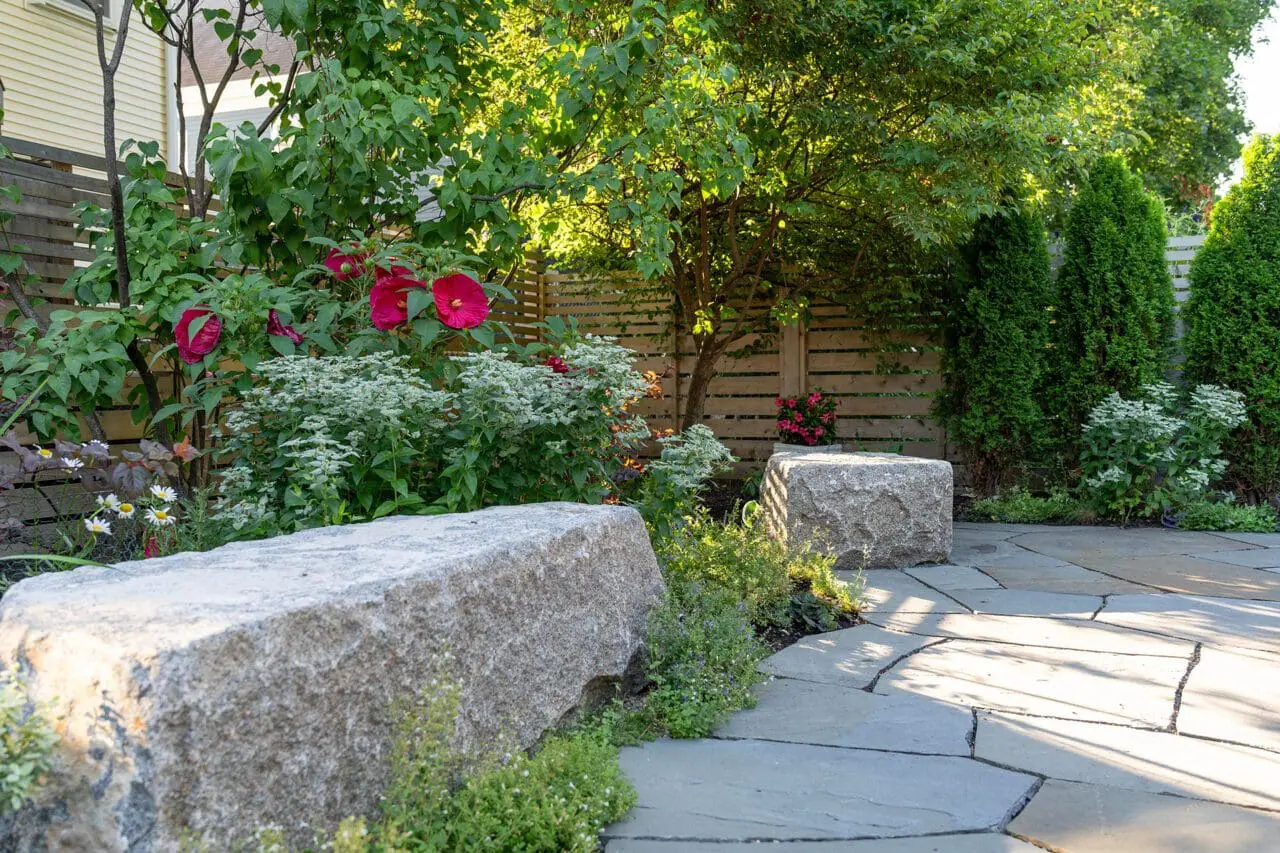
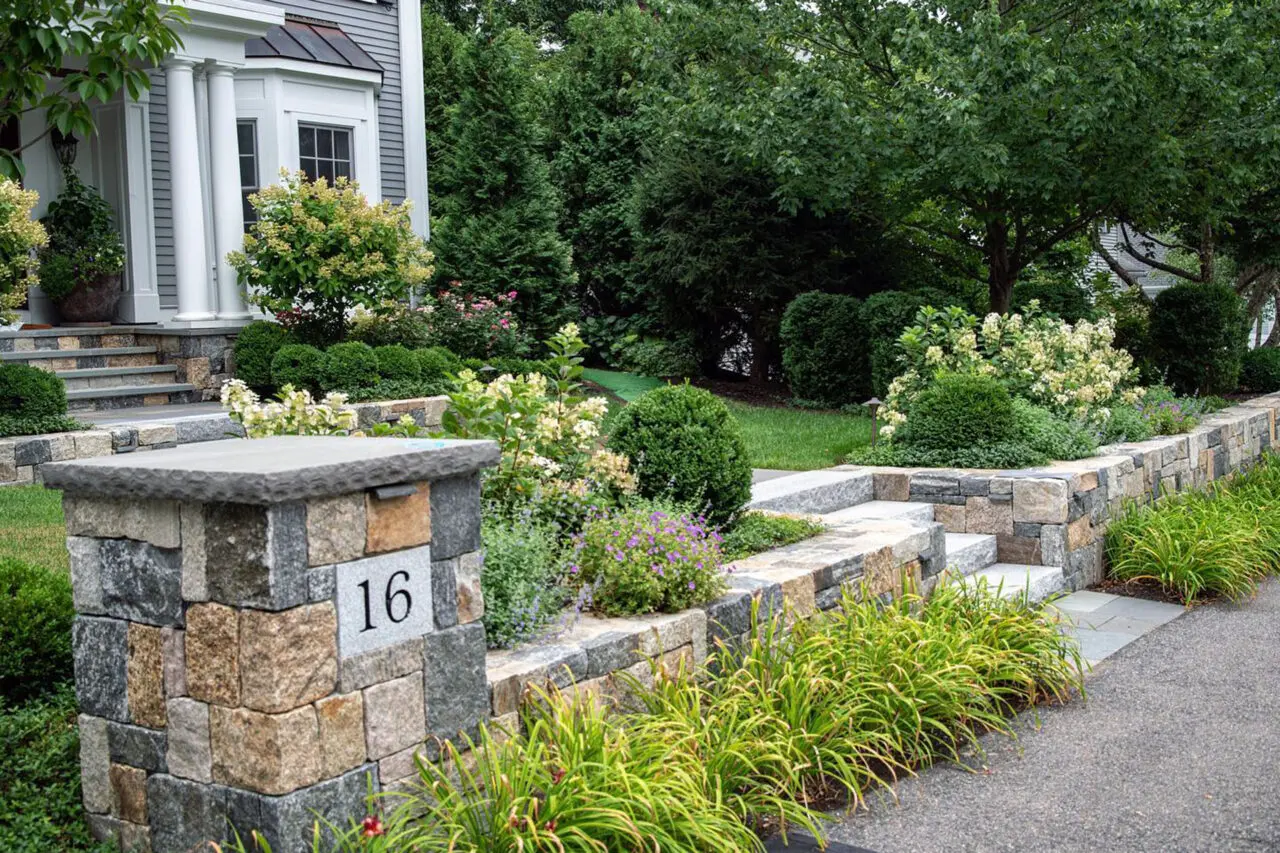
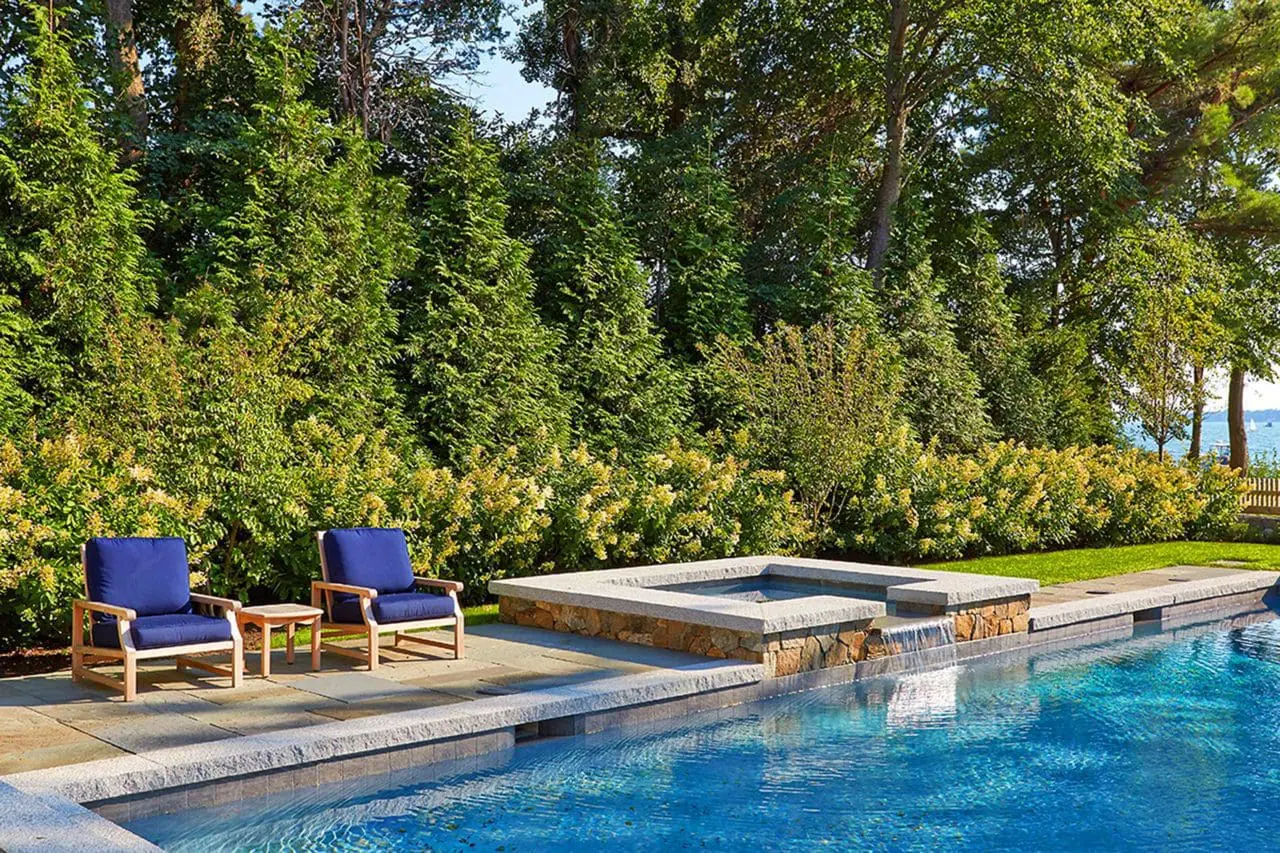
For many Boston-area homeowners, a landscape project begins with a specific wish: a better patio, more privacy, a pool, a refreshed front entry, improved drainage, a more usable lawn, or plantings that feel more connected to the architecture. Those goals are valid starting points, but on established properties, they are rarely isolated decisions.
A new terrace may affect grading. Grading may affect drainage. Drainage may affect planting. Planting may influence irrigation. Lighting may require conduit before the hardscape is finished. Maintenance access may determine whether a garden remains beautiful three years from now or becomes difficult to manage.
This is where a landscape master plan becomes valuable. Rather than treating each improvement as a separate project, a master plan organizes the property as a whole. It helps homeowners understand what should happen first, what can wait, and how each phase can support the next.
For high-end residential properties in Greater Boston, MetroWest, and Cape Cod, phased landscape design is often the difference between a collection of nice improvements and a landscape that feels cohesive, mature, and intentional over time.
Key Takeaways
- A landscape master plan creates a long-term framework for design, construction, planting, drainage, lighting, irrigation, and maintenance.
- Phased design helps homeowners manage budget, timing, disruption, and construction sequence.
- Grading, drainage, utilities, walls, and circulation should be planned before finish work.
- A thoughtful plan keeps the design cohesive, even across multiple phases.
- Maintenance should be considered during design, not after installation.
What Is a Landscape Master Plan?
A landscape master plan is a comprehensive design roadmap for an entire property. It does not necessarily mean every feature will be built at once. Instead, it establishes the larger vision so that each improvement supports the next.
For a Boston-area property, a master plan may include patios, terraces, walkways, walls, planting beds, lawn areas, trees, pool areas, outdoor kitchens, fire features, drainage systems, landscape lighting, irrigation, fencing, driveway improvements, service access, seasonal planting areas, and long-term property maintenance considerations.
The goal is not simply to draw a beautiful plan. The goal is to create a practical sequence of decisions that connects design intent with construction reality.
A Master Plan Connects Vision and Logistics
Many homeowners begin with inspiration images, a wish list, or a few problem areas. A skilled landscape design team translates those ideas into a plan that accounts for architecture, grade, drainage, soil, sun exposure, existing trees, utilities, permitting, seasonal use, maintenance, and budget.
That planning process matters because high-quality landscape design and construction often involves many interdependent decisions. A pool terrace is not just a pool terrace. It may involve structural base preparation, retaining walls, drainage, planting, lighting, fencing, privacy screening, irrigation adjustments, and future maintenance access.
When those decisions are made together, the finished landscape feels calm and coordinated. When they are made separately, the property can begin to feel pieced together.
Why Boston-Area Properties Often Benefit From Phased Planning
Greater Boston has a wide range of residential property types: historic homes with compact lots, larger suburban properties in towns like Wellesley and Weston, wooded estates in Dover or Lincoln, coastal properties on Cape Cod, and renovated homes with layers of previous landscape work.
These properties often come with existing conditions that are not immediately visible. Drainage patterns, compacted soils, mature tree roots, old walls, uneven grades, outdated irrigation, and aging hardscape can all influence what is possible.
Phased planning gives homeowners a way to move forward intelligently. It allows the design team to define the long-term vision while organizing the work into manageable steps.
Phasing Helps Control Scope Without Compromising the Design
A phased landscape design does not mean lowering expectations. In many cases, it allows a homeowner to protect the quality of the final result by building the right pieces in the right order.
For example, a family may ultimately want a pool, outdoor kitchen, expanded terrace, new planting, landscape lighting, and a better lawn. Instead of trying to complete everything at once, the master plan might identify the first phase as grading, drainage, structural hardscape, and utility planning. Later phases may bring in planting, lighting expansion, furnishings, seasonal containers, or secondary garden areas.
This approach can be especially useful when homeowners want to live with the property for a season, coordinate work with other renovations, or spread investment over time.
Phasing Reduces the Risk of Rework
One of the most expensive mistakes in residential landscape design is doing finish work before infrastructure is resolved. Installing a beautiful patio before drainage is corrected, planting expensive hedges before soil conditions are understood, or adding lighting after walls and terraces are complete can all create avoidable disruption.
A master plan helps prevent those issues by identifying dependencies early. It answers questions such as:
- Where will water go during heavy rain?
- Which walls, steps, or terraces need to be built before planting?
- Where should sleeves or conduit be placed for future lighting or irrigation?
- How will equipment access the backyard during later phases?
- Which existing trees or shrubs should be protected during construction?
- How will the landscape be maintained once it matures?
Those are not small details. They shape the cost, durability, and long-term performance of the landscape.
Why Landscape Elements Should Not Be Planned in Isolation
On a well-designed property, the patio, walls, planting, drainage, irrigation, lighting, and maintenance plan all support one another. When one piece changes, others often need to respond.
Hardscape Shapes the Structure of the Landscape
Hardscape elements such as patios, terraces, steps, walls, paths, and driveways create the physical framework of the landscape. They establish circulation, outdoor rooms, transitions, and gathering areas.
Because hardscape is difficult and costly to change later, these decisions should be made with the full property in mind. A terrace should relate to the house. Steps should feel comfortable and direct. Walls should manage grade while fitting the architecture. Materials should be selected not only for appearance, but for durability in New England weather.
Related Blog: Best Stone and Hardscape Materials for Boston-Area Landscapes
Drainage and Grading Influence Almost Everything
Drainage is one of the least glamorous parts of a landscape project, but it is also one of the most important. Poor drainage can undermine patios, damage lawns, stress plantings, create icy winter conditions, and direct water toward the foundation.
The EPA notes that green infrastructure strategies such as rain gardens, tree plantings, and permeable pavements use soil, plants, and natural processes to help manage rainwater where it falls. That principle is highly relevant to residential landscape construction planning in New England, where storms, freeze-thaw cycles, and older grading conditions can all affect performance.
Before investing in final planting, patios, or lawns, drainage should be understood. In some cases, solutions may be subtle: regrading, soil improvement, dry wells, subsurface drainage, permeable paving, or planted areas that slow and absorb runoff. In others, more significant construction may be needed.
Related Blog: Landscape Drainage Solutions for Massachusetts Properties
Planting Design Depends on Soil, Light, Water, and Maintenance
Planting is often the most visible part of a landscape, but it should not be treated as decoration. Strong planting design depends on site conditions, soil health, drainage, deer pressure, sun and shade, irrigation, spacing, and long-term maintenance.
The UMass Soil and Plant Nutrient Testing Laboratory notes that soil test results provide nutrient levels and fertilizer recommendations, measure soil acidity, help determine lime requirements, and can identify excess nutrients that may pollute waterways.
For homeowners planning significant planting, soil testing can help guide plant selection, soil preparation, amendments, and ongoing care. This is especially important for foundation plantings, privacy screens, perennial gardens, specimen trees, and lawn renovation.
Related Blog: Soil Testing Before Planting: Why It Matters in Boston-Area Landscape Design
Lighting and Irrigation Should Be Planned Early
Landscape lighting and irrigation are often thought of as finishing touches, but both are easier to coordinate before construction is complete.
Lighting may require conduit under walks, patios, driveways, or walls. Irrigation may need zones adjusted around new planting beds, lawns, containers, or hedges. If these systems are planned too late, homeowners may face unnecessary trenching, patching, or compromises in placement.
A master plan allows these systems to be considered before hardscape is finished and before planting is installed. The result is cleaner construction and better long-term performance.
What Usually Needs to Happen First?
Every property is different, but certain improvements usually belong early in the sequence. These are the items that shape the structure, performance, and future flexibility of the landscape.
1. Site Evaluation and Existing Conditions
Before design decisions are finalized, the property should be evaluated carefully. This may include grades, drainage, soils, existing trees, circulation, utilities, sun and shade, views, architecture, privacy, town requirements, and construction access.
This stage often reveals why a space has not been working. A backyard may feel disconnected because the grade is awkward. A lawn may struggle because of shade and compaction. A patio may be underused because it is too exposed, too far from the kitchen, or poorly connected to the house.
2. Drainage, Grading, and Utility Planning
Drainage and grading should usually be addressed before patios, walls, lawns, and planting are installed. Utility planning should also happen early, especially if the property may eventually include lighting, irrigation upgrades, an outdoor kitchen, a pool, a spa, a fire feature, or audio.
This is where phased landscape design can save homeowners from opening finished areas later.
3. Structural Hardscape and Circulation
Patios, terraces, walls, steps, major paths, pool surrounds, and driveway improvements often create the backbone of the property. These elements should be designed with future phases in mind.
If a secondary garden, lighting system, or outdoor kitchen may be added later, the first phase should anticipate those possibilities.
4. Major Trees, Screening, and Foundational Planting
Large plant material often needs time to establish. Privacy trees, structural hedges, shade trees, and key foundation plantings may be worth including earlier, particularly when they define views, screening, or four-season structure.
That said, planting should follow the realities of construction. Installing delicate gardens before major hardscape work is complete can expose them to unnecessary damage.
What Can Often Be Phased Later?
Once the major structure and infrastructure are in place, many elements can be added or refined over time without compromising the overall plan.
Planting Refinements and Seasonal Displays
Perennial layers, ornamental grasses, bulbs, annual color, containers, and seasonal displays can often evolve after the larger framework is complete. This allows homeowners to see how they use the property and refine the mood of each space.
Lighting Expansion
If conduit and core infrastructure are planned early, lighting can often be expanded in later phases. A homeowner might begin with key circulation and safety lighting, then add garden accents, tree uplighting, or terrace lighting later.
Furnishings and Outdoor Living Details
Furniture, planters, umbrellas, accessories, and some outdoor living details can be selected after the main spaces are built. This can be helpful because homeowners often make better furnishing decisions once they understand the scale and daily use of the finished terrace or patio.
Secondary Garden Areas
Woodland paths, cutting gardens, kitchen gardens, lower lawn areas, or secondary seating spaces can often be completed after the main outdoor living areas are established.
How Phasing Helps Homeowners Make Better Financial Decisions
A master plan gives homeowners a clearer way to evaluate cost. Instead of pricing isolated ideas, the design team can help identify which investments are foundational, which are optional, and which can be delayed without creating future inefficiency.
The National Association of Realtors’ Remodeling Impact Report: Outdoor Features found that after completing outdoor remodeling projects, 68% of owners reported a greater desire to be home, and the typical Joy Score was 9.7 out of 10. The same report notes that cost recovery depends on factors such as project design, material quality, location, age and condition of the home, and homeowner preferences.
That last point is important. Outdoor projects are not commodities. A patio, landscape lighting system, planting plan, or drainage improvement can vary significantly depending on design quality, materials, site conditions, construction methods, and long-term care.
Related Blog: How Much Does Landscape Design Cost in Boston? A Realistic Guide for Homeowners
How Master Planning Protects Design Continuity
One of the risks of improving a property over several years is that each phase can start to feel separate. A front walk is replaced one year. A patio is added the next. Planting is refreshed later. Lighting is added after that. Each decision may be reasonable on its own, but the property can lose cohesion.
A landscape master plan protects against that. It gives each phase a common design language: materials, proportions, planting style, circulation, lighting approach, and maintenance expectations.
“On larger properties, the master plan is often what keeps a project from becoming a collection of disconnected improvements. It gives every phase a reason.”
– Joanna McCoy, Senior Landscape Designer, a Blade of Grass
That kind of continuity is especially important for established Boston-area homes, where the landscape should feel connected to the architecture rather than layered on top of it. A Colonial, Victorian, Tudor, contemporary home, or Cape property may each require a different design response. The master plan helps define that response before individual details are built.
Related Blog: The Most Popular Landscape Design Projects for Boston-Area Homes
Why Maintenance Belongs in the Design Conversation
Maintenance is often discussed after installation, but it should influence design from the beginning. A landscape that looks beautiful on day one should also be realistic to care for over time.
This does not mean every property should be minimal or low-maintenance. It means the level of care should match the homeowner’s expectations, the plant palette, the property’s complexity, and the long-term goals for the site.
Design Choices Create Maintenance Needs
Every design decision has a maintenance implication. A formal hedge requires pruning. A perennial garden requires seasonal attention. A lawn under shade may need a different approach than a sunny lawn. A poolside planting must tolerate heat, reflected light, and splash. A gravel path requires occasional refreshing. Landscape lighting needs periodic adjustment as plants mature.
When property maintenance is considered during design, the result is more durable and easier to manage. Plant spacing can anticipate mature size. Irrigation can be zoned more intelligently. Access routes can be preserved. Seasonal cleanup, pruning, and plant health care can be planned around the way the property will actually grow.
Integrated Design, Construction, and Care Reduce Friction
For larger residential properties, the relationship between landscape design, landscape construction, and ongoing care is especially important. When the same overall vision guides each stage, there is less room for disconnect between what is drawn, what is built, and how the property is maintained.
That integration can be valuable on complex properties where patios, walls, drainage, planting design, landscape lighting, irrigation, and seasonal care all need to work together.
When Should You Start With a Landscape Master Plan?
A master plan is especially useful when a homeowner is considering more than one improvement, even if those improvements will not happen at the same time.
You may benefit from a landscape master plan if:
- You are planning a major backyard renovation, pool, patio, terrace, outdoor kitchen, or fire feature.
- Your property has drainage, grading, privacy, or circulation challenges.
- You recently purchased a home and want to understand the landscape before making large investments.
- You want to improve the front entry, backyard, planting, and outdoor living areas over several years.
- Your existing landscape feels disconnected, overgrown, dated, or difficult to maintain.
- You want a high-quality result but need to phase construction around budget, timing, or other home renovations.
In these situations, a master plan helps you move from a wish list to a strategy. It gives structure to the process and helps ensure that early decisions do not limit later possibilities.
A Better Way to Build a Landscape Over Time
The best landscapes are rarely the result of isolated decisions. They are shaped by thoughtful planning, disciplined construction, strong horticultural judgment, and steady long-term care.
For Boston-area homeowners, that matters. Local properties often involve older homes, mature trees, changing grades, challenging soils, seasonal weather, tight access, and a high expectation for design quality. A master plan brings those realities into one organized process.
Whether the work is completed in one phase or over several years, the plan gives every decision a place. Drainage supports the hardscape. Hardscape shapes circulation. Planting softens and defines the spaces. Lighting extends their use. Irrigation supports plant health. Maintenance protects the investment.
That is the value of phased landscape design. It allows a property to evolve with intention.
Frequently Asked Questions About Landscape Master Planning
Q: What is the difference between a landscape design and a landscape master plan?
A: A landscape design may focus on a specific area or project, such as a patio, front entry, planting plan, or pool area. A landscape master plan looks at the property more comprehensively. It organizes multiple improvements into a long-term strategy so that design, construction, drainage, planting, lighting, irrigation, and maintenance work together.
Q: Do I need to build the entire master plan at once?
A: No. In many cases, the purpose of a master plan is to make phasing easier. The plan identifies the long-term vision and helps determine which improvements should happen first, which can wait, and how each phase should prepare for the next.
Q: What should usually happen first in a phased landscape project?
A: Site evaluation, grading, drainage, utility planning, major circulation, and structural hardscape usually come early. These elements affect almost everything else. Planting, lighting expansion, seasonal displays, furnishings, and secondary garden areas can often be phased later if the infrastructure is planned properly.
Q: Is a landscape master plan helpful for an older Boston-area property?
A: Yes. Older properties often have mature trees, established grades, old walls, compacted soils, outdated drainage, and previous landscape decisions that need to be understood before new work begins. A master plan helps clarify what should be preserved, repaired, removed, or redesigned.
Q: How does maintenance fit into the landscape master plan?
A: Maintenance should be considered during the design phase because every landscape decision affects long-term care. Plant selection, spacing, irrigation, pruning needs, lawn areas, access routes, and seasonal cleanup should all be planned with the future condition of the property in mind.
Ready to Think Through the Full Potential of Your Property?
If you are considering a significant landscape design or construction project, the first step does not need to be a finalized wish list. It can begin with a thoughtful conversation about your property, your priorities, and the right sequence for moving forward.
For more than 30 years, a Blade of Grass has helped homeowners across Greater Boston, MetroWest, and Cape Cod design, build, and care for landscapes that mature beautifully over time. Our team can help you understand what should happen first, what can be phased later, and how each decision can support the long-term vision for your home.
Contact the Blade team to begin a landscape design consultation for your property.