An Expert’s Summary
When one of my clients feels overwhelmed by their landscape, I usually recommend stepping back before choosing plants, patios, or other individual features. Start by understanding how the entire property works: where water goes, how people move through the space, what should stay, what needs attention, and how you want to use the landscape.
You may not need to renovate everything at once. In fact, phasing the work over several seasons or years can be a smart approach. The important thing is having an overall plan before beginning projects that could affect future improvements.
A landscape master plan helps establish that direction. It shows what should happen first, what can wait, and how each phase will eventually fit together.
The Question
“We want to improve our backyard, but we’re overwhelmed and don’t know where to start. Do we need a complete landscape plan, or can we tackle one project at a time?”
– Submitted by: Andrew T., Needham, MA
The Short Answer
You can absolutely tackle one project at a time, but I’d create an overall landscape plan first if you’re considering several improvements.
A master plan doesn’t require you to build the entire landscape at once. It gives you a clear picture of the finished property and helps you organize the work into sensible phases. That way, an early decision about a patio, walkway, wall, drainage system, or planting bed won’t create problems for something you want to add later.
If your project is truly isolated, such as refreshing one established garden bed, a full-property plan may not be necessary. If you’re thinking about a patio, privacy, drainage, lighting, planting, a pool, or better circulation, those elements should usually be considered together.
Detailed Answer
When you’re unsure where to begin, the first step is to look beyond individual plants or features and think about the property as a whole. A strong landscape design starts with your priorities, daily routines, and the problems that keep you from enjoying the space.
Start With How You Want to Use the Property
When I first visit a property, I don’t begin by asking which plants the homeowner likes. I start by asking how they want the landscape to work.
Do you want a comfortable place for outdoor dining? Does your family need a larger lawn for play? Would you use the backyard more if it felt private? Is the front entry confusing? Do you need shade, better lighting, a pool, a fire feature, or a more direct connection between the house and garden?
It also helps to discuss what isn’t working. Common frustrations include:
- A patio that feels too small or disconnected from the house
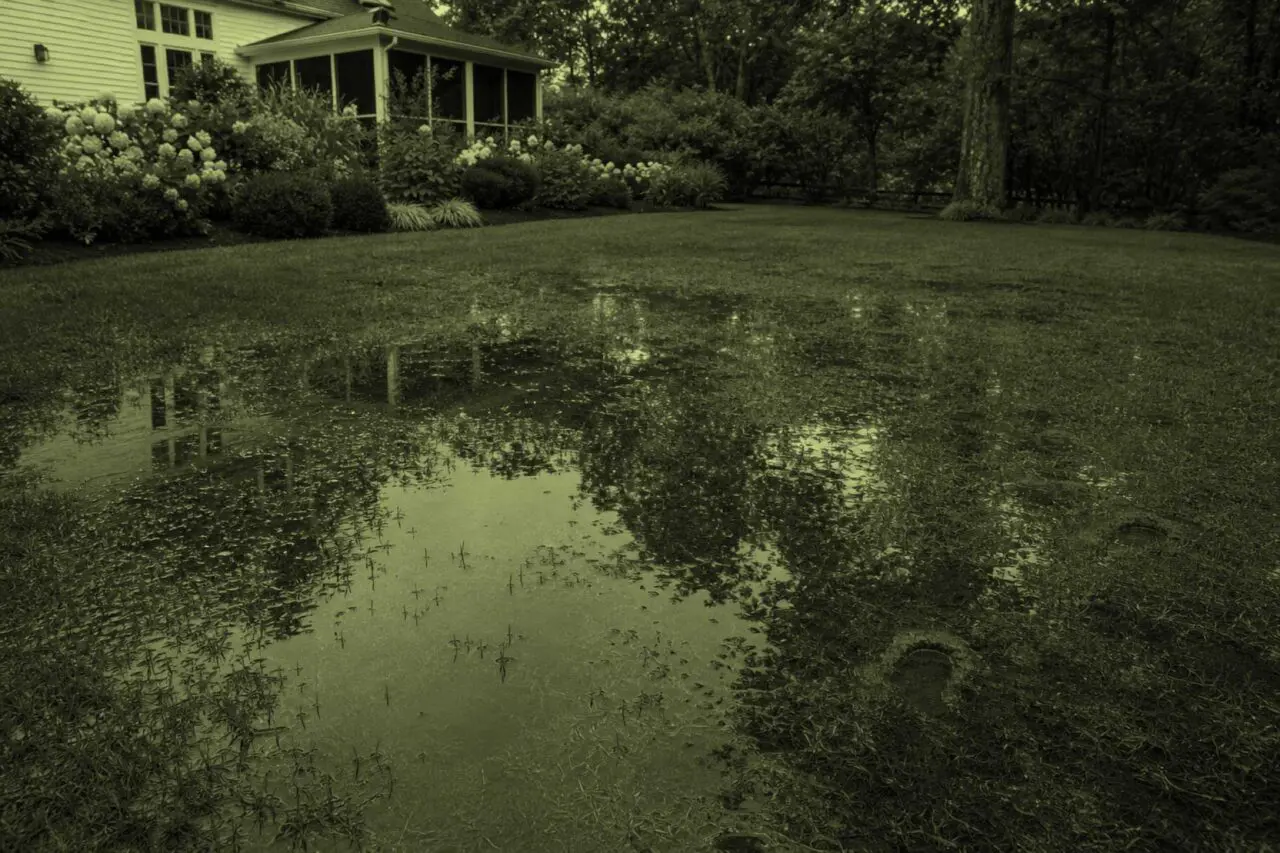
- Water collecting in the lawn or near the foundation
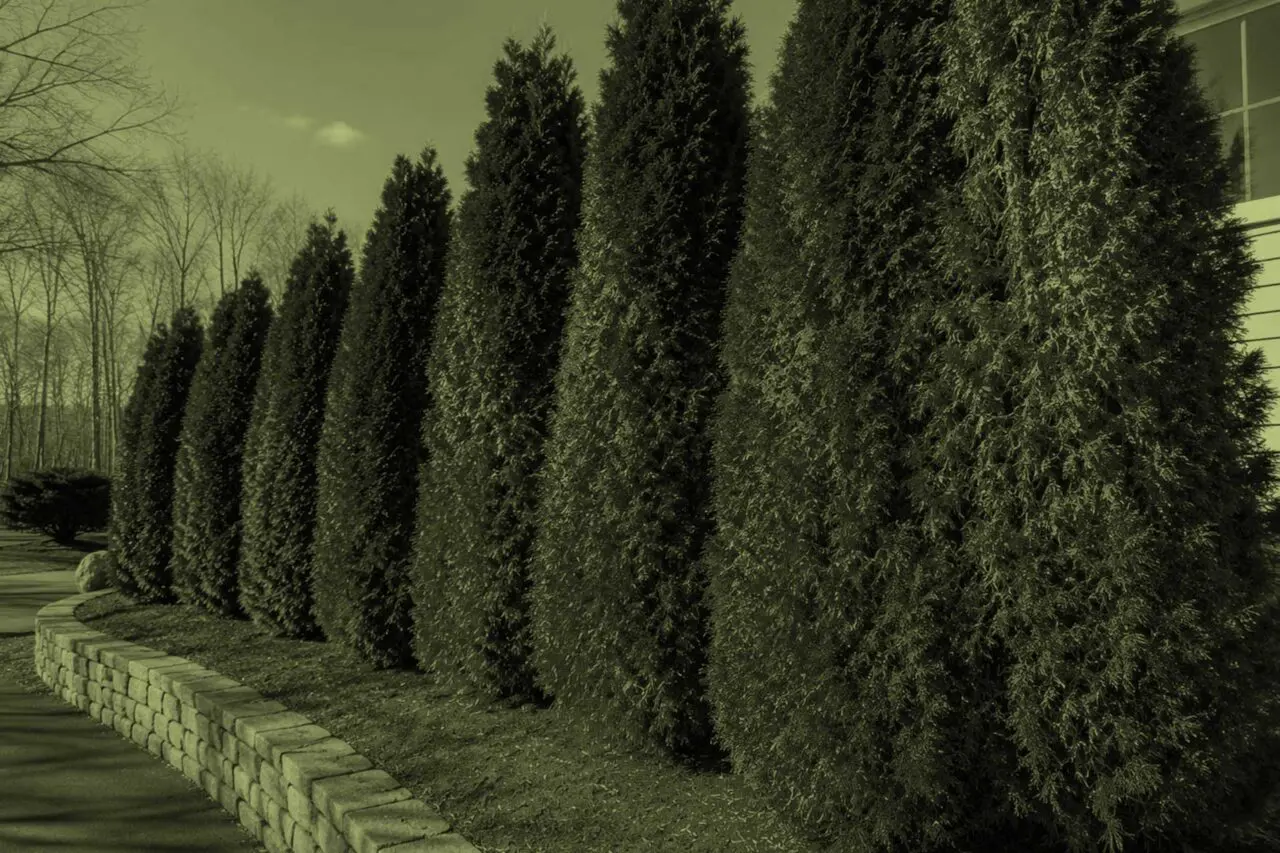
- An exposed backyard with little privacy
- Overgrown planting that blocks windows or paths
- A front walk that feels narrow or indirect
- A steep grade that limits usable space
- Mature trees creating difficult shade conditions
- A landscape that requires more maintenance than expected
- Attractive areas that don’t feel connected
These observations give the design process a clear purpose. Instead of adding features simply because they look appealing, we can determine what the property actually needs.
Look at the Whole Property Before Changing One Part
Even a focused project can affect the surrounding landscape.
A patio changes how people move through the yard and how rainwater flows across the property. A privacy hedge can affect sunlight, irrigation, and views from inside the house. A retaining wall changes grade and drainage, while a pool influences fencing, access, planting, utilities, lighting, and nearby outdoor living areas.
That’s why I’m cautious about treating landscape features as isolated purchases. They’re all part of a connected system. A master plan keeps individual improvements from feeling disconnected and gives each phase a clear purpose within the larger design.
A homeowner may call about a patio, but the conversation should also cover where it belongs, how large it needs to be, how it connects to the house, where water will drain, which views should be preserved, and how planting will make the space feel comfortable.
Our guide to landscape master planning in Boston explores how these decisions can be coordinated across several phases.
Begin With a Property Assessment
Before drawing a design, I’d evaluate the existing conditions. Some of the most important information isn’t immediately obvious.
A professional landscape assessment may consider:
- Drainage and grading: Where does water collect, and where does it flow during heavy rain?
- Existing trees and plants: What’s healthy, valuable, overgrown, invasive, or poorly placed?
- Soil conditions: Is the soil compacted, poorly drained, depleted, or unsuitable for the desired planting?
- Sun and shade: How does exposure change throughout the day and across the seasons?
- Circulation: How do family members, guests, pets, maintenance crews, and equipment move through the property?
- Architecture: Do the landscape materials, proportions, and planting relate to the home?
- Privacy and views: What should be screened, framed, opened, or preserved?
- Utilities and infrastructure: Where are irrigation lines, drainage systems, electrical service, septic components, and future utility needs?
- Local requirements: Could zoning, wetlands, historic review, or permitting affect the project?
- Maintenance: What level of care will be realistic once the landscape matures?
This assessment often explains why a property feels uncomfortable or unfinished. The issue may not be a lack of plants. It may be poor circulation, unresolved drainage, awkward grades, or outdoor spaces that don’t support the way the family lives.
Decide Whether You Need a Master Plan
Not every project requires a full-property landscape plan.
If you’re replacing a few declining shrubs in an established bed, refreshing seasonal containers, or repairing a small section of an otherwise sound walkway, a focused design may be enough.
A master plan becomes more valuable when:
- You have several goals or problem areas.
- You expect to complete improvements over multiple years.
- The project includes patios, walls, steps, a pool, or other major construction.
- Drainage or grading needs attention.
- You’re planning an addition or major home renovation.
- Mature trees affect what can be built or planted.
- You want to coordinate privacy, lighting, irrigation, and planting.
- You recently purchased the property and aren’t sure what should remain.
- You want to establish a realistic budget and sequence.
- Previous improvements have made the property feel pieced together.
A master plan is essentially a roadmap. It establishes the long-term design even if only the first phase will be built now.
Solve Drainage, Grading, and Access Early
The parts of a landscape that receive the least attention from homeowners are often the ones that should be resolved first.
Drainage and grading affect patios, lawns, planting, walls, foundations, and winter safety. Construction access affects which areas may be disturbed later. Utility planning determines whether finished patios or walkways will need to be opened again for lighting, irrigation, gas, electrical service, or drainage.
I’d rather identify those needs before the finish work begins.
The U.S. Environmental Protection Agency reports that residential outdoor water use accounts for nearly 8 billion gallons each day, mainly for landscape irrigation. Planning irrigation zones, plant water needs, soil preparation, and runoff management together can reduce waste and support a healthier landscape.
Likewise, soil testing can prevent guesswork before significant planting or lawn work. The UMass Soil and Plant Nutrient Testing Laboratory provides information about nutrient levels, soil acidity, lime requirements, and potential excess nutrients.
Neither of these issues is especially glamorous, but both affect how well the visible landscape performs.
For properties with standing water, erosion, or recurring hardscape movement, I’d also recommend reading Blade’s guide to professional landscape drainage in Boston.
Establish the Right Order of Work
Every property is different, but larger landscape projects often follow a sequence like this:
- Site evaluation and goal setting
- Property-wide concept or master plan
- Surveys, engineering, permitting, or specialty evaluations when needed
- Tree protection, removals, and construction access
- Drainage, grading, and utility preparation
- Retaining walls and structural masonry
- Patios, walks, steps, driveways, and major circulation
- Soil preparation and irrigation
- Trees, screening, and foundational planting
- Perennials, ground covers, lawn, and seasonal planting
- Landscape lighting and final adjustments
- Long-term maintenance
This order helps protect finished work. It doesn’t make sense to install an expensive perennial garden where equipment will need to pass during a future patio project. Likewise, building a patio before resolving drainage may lead to avoidable repairs.
The exact sequence can change, but the principle remains the same: complete foundational work before decorative layers whenever possible.
Phasing Isn’t the Same as Piecemeal Work
There’s an important difference between a phased landscape and a piecemeal landscape.
A phased landscape follows one overall design. The work may happen over several years, but every phase supports the same vision.
Piecemeal work happens when individual projects are designed without considering what comes next. A patio is installed one year, privacy planting is added later, and lighting follows after that. Each project may be attractive on its own, but the materials, layout, grades, and proportions may not relate to one another.
A good phased plan might look like this:
Phase One: Correct the Foundation
- Drainage and grading
- Tree work
- Utility planning
- Structural walls
- Primary paths and access
Phase Two: Build the Main Outdoor Spaces
- Patio or terrace
- Outdoor kitchen or fire feature
- Steps and walkways
- Primary lighting and irrigation infrastructure
Phase Three: Complete the Landscape
- Trees and privacy screening
- Foundation planting
- Perennial gardens
- Lawn restoration
- Secondary lighting
- Containers and furnishings
Each phase should feel complete enough to enjoy, even before the next phase begins.
Set Priorities Before Setting a Final Budget
Homeowners often ask for a project cost before the scope has been clearly defined. I understand why, but landscape costs depend heavily on the property and the level of work involved.
Site access, demolition, grading, drainage, walls, material choices, mature plantings, utilities, permitting, and maintenance expectations can all influence the investment.
I’d begin by separating the wish list into three categories:
Must Solve
These are problems affecting safety, drainage, stability, access, or the health of valuable trees and plants.
Most Important to Daily Life
These improvements change how the family uses the property, such as a dining terrace, safer front walk, privacy screening, or usable lawn.
Worth Planning for Later
These may include a pool, outdoor kitchen, secondary garden, expanded lighting, or other improvements that don’t need to happen immediately but should influence current decisions.
Once those priorities are clear, the design team can develop sensible phases and realistic pricing. Blade’s guide to landscape design costs in Boston explains why scope and site conditions matter more than generic online averages.
Plan for Maintenance From the Beginning
It’s easy to focus on how a landscape will look when it’s installed. I also want to know how it will grow and how it will be maintained five or ten years later.
A formal hedge needs regular pruning. Perennial borders need seasonal editing. Lawn beneath mature trees may remain difficult even with excellent care. Gravel paths need occasional refreshing. Irrigation zones may require adjustment as plants mature.
There isn’t one correct maintenance level. The goal is to match the design to the homeowner.
If you enjoy gardening, the plan may include detailed perennial beds and seasonal planting. If you travel frequently or want less involvement, the design may rely more heavily on durable structure, well-spaced shrubs, ground covers, and a coordinated maintenance program.
A landscape shouldn’t demand a level of care that the homeowner never wanted to provide.
What I’d Recommend
If you have one small, clearly defined project, starting with that area may be perfectly reasonable.
If you’re considering several improvements, or if the property has drainage, grading, circulation, privacy, or mature-tree challenges, I’d begin with a landscape master plan. You can still complete the work one project at a time. The plan simply makes sure those projects belong together.
The best first step isn’t choosing a patio material or making a plant list. It’s understanding the property, identifying your priorities, and deciding what needs to happen first.
Once that groundwork is complete, the project usually feels much less overwhelming.
Key Takeaways
- Begin with how you want to use the property and what isn’t working.
- Evaluate drainage, grading, soil, trees, circulation, utilities, and maintenance before selecting individual features.
- A focused project may not require a full-property plan.
- Create a master plan when several improvements need to work together.
- Build the landscape in phases if that better suits your budget or schedule.
- Resolve infrastructure and structural work before planting and finish details.
- Plan future features early to avoid disturbing completed work.
- Match the design to a realistic level of long-term maintenance.
Learn More
- The Landscape Master Plan: Why the Best Boston Properties Are Designed in Phases
- How Much Does Landscape Design Cost in Boston?
- Why Professional Landscape Drainage Should Be Part of Every Boston Landscape Plan
- WaterSense Outdoors, U.S. Environmental Protection Agency
- Soil and Plant Nutrient Testing Laboratory, UMass Amherst
- Green Infrastructure and Residential Stormwater, U.S. Environmental Protection Agency
Not Sure Where to Begin?
If you have several ideas for your property but aren’t sure what should happen first, the Blade team can evaluate the site, clarify your priorities, and create a plan that connects design, construction, planting, lighting, irrigation, and long-term care.
Contact a Blade of Grass to start a conversation about your property.